Go if
You want lake recreation with moderately priced sites and don't mind seasonal operation.
 4.04122 reviews
Price
$30 - $60/night
Booking
Reservable
Sites
80 campsites
Season
Open for reservation...
Cell
No Service
Pets
Check Policy
Elevation by Open-Meteo.com, licensed under CC BY 4.0, processed by Outdoorithm.
Price
$30 - $60/night
Booking
Reservable
Sites
80 campsites
Season
Open for reservation...
Cell
No Service
Pets
Check Policy
Elevation by Open-Meteo.com, licensed under CC BY 4.0, processed by Outdoorithm.
We'll monitor this campground and alert you the moment sites become available.
Free to start · Premium adds 2-min scans
263,000+ sites monitored · Email alerts to start; SMS and in-app with an account
Learn more about alerts →Tannery
14538 Wonderland Blvd, Redding, CA, 96019, USA
We'll monitor this campground and alert you the moment sites become available.
Free to start · Premium adds 2-min scans
263,000+ sites monitored · Email alerts to start; SMS and in-app with an account
Learn more about alerts →You want lake recreation with moderately priced sites and don't mind seasonal operation.
You need guaranteed quiet hours enforcement or private, well-separated sites.
Camper Report Card
Rated higher than 53% of graded campgrounds
Graded on what 103 campers actually wrote - graded on 14 things that make or break a trip. Each topic is graded against every other campground on it - A is among the best, C about average. No star ratings.
Strengths
Watch-outs
Each topic is graded against every other campground on it; a topic campers liked never grades below C−. ± shows the 95% confidence range from the sample size.
Reference information about Tannery sourced from official USFS records and forestcamping.com. View official recreation.gov page →
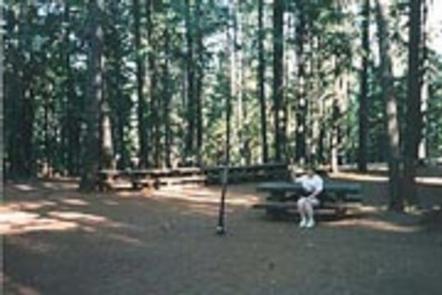
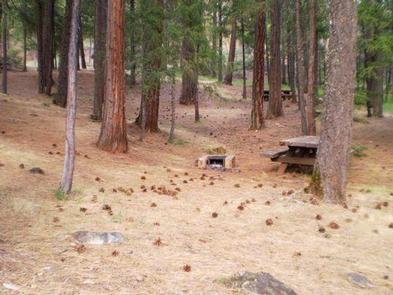
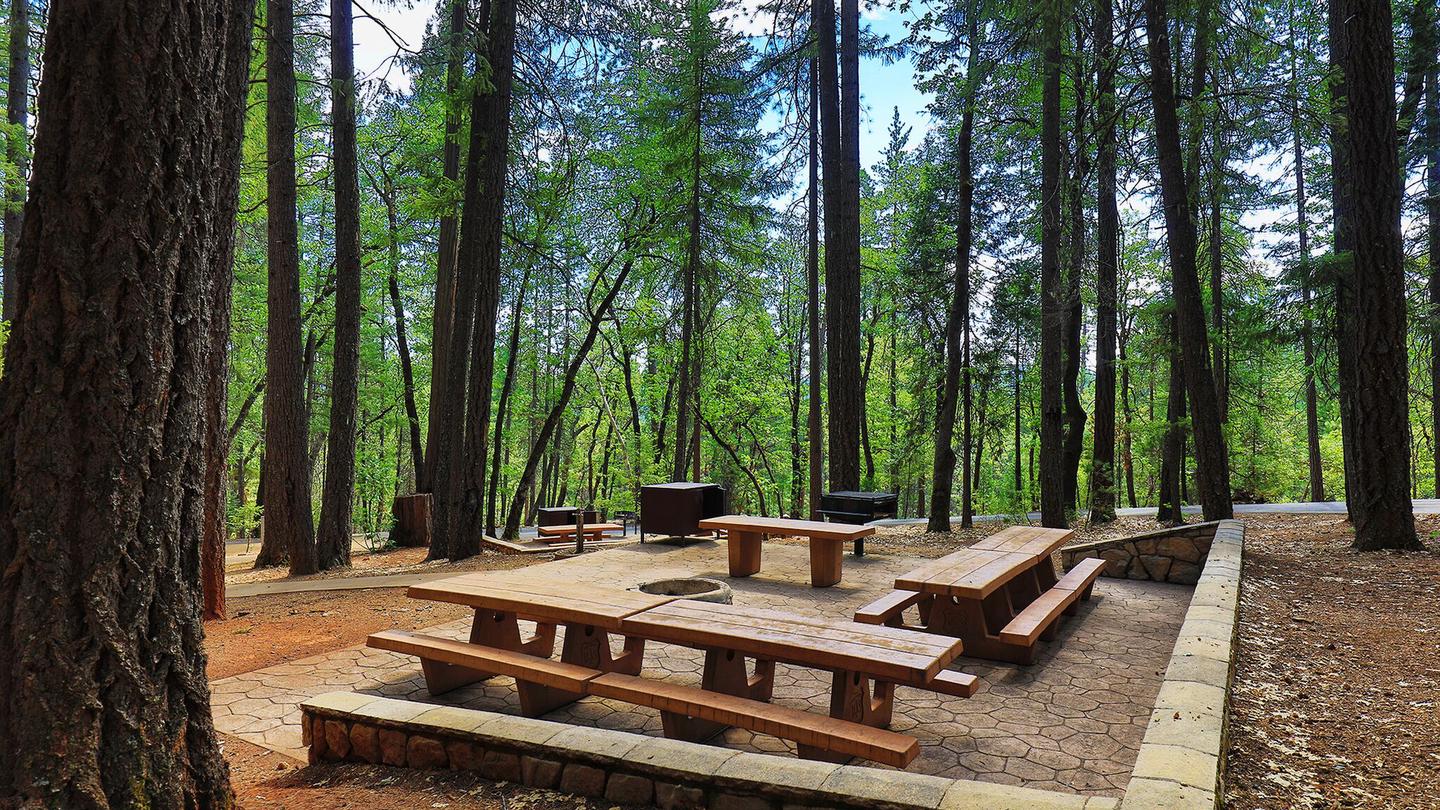
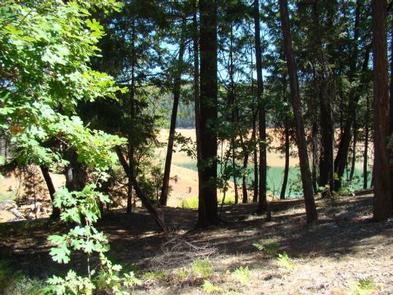
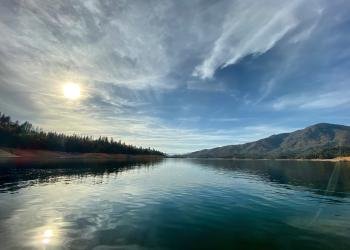
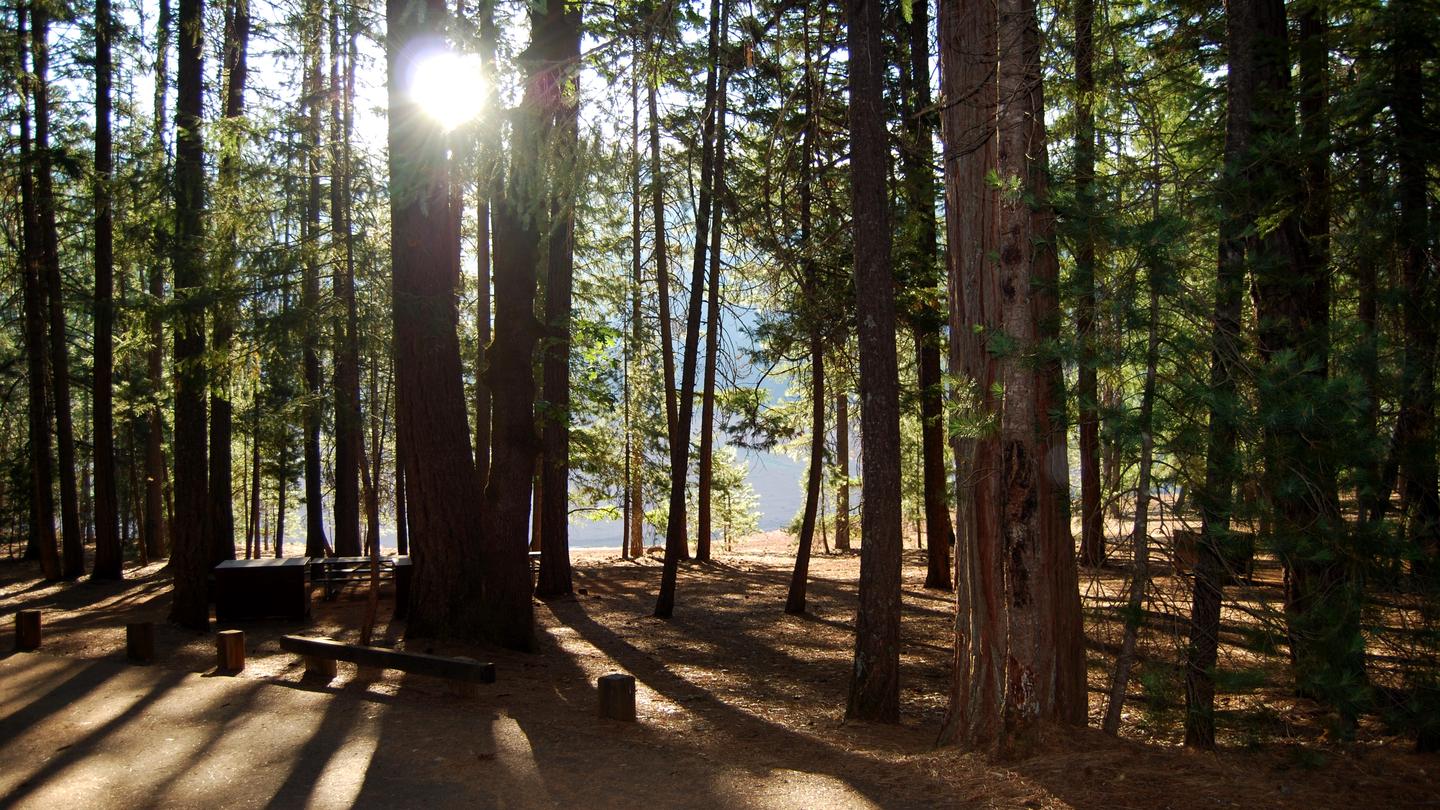
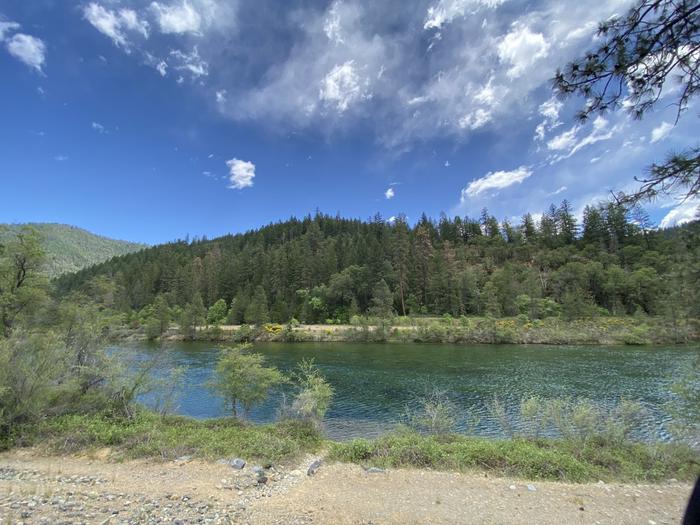
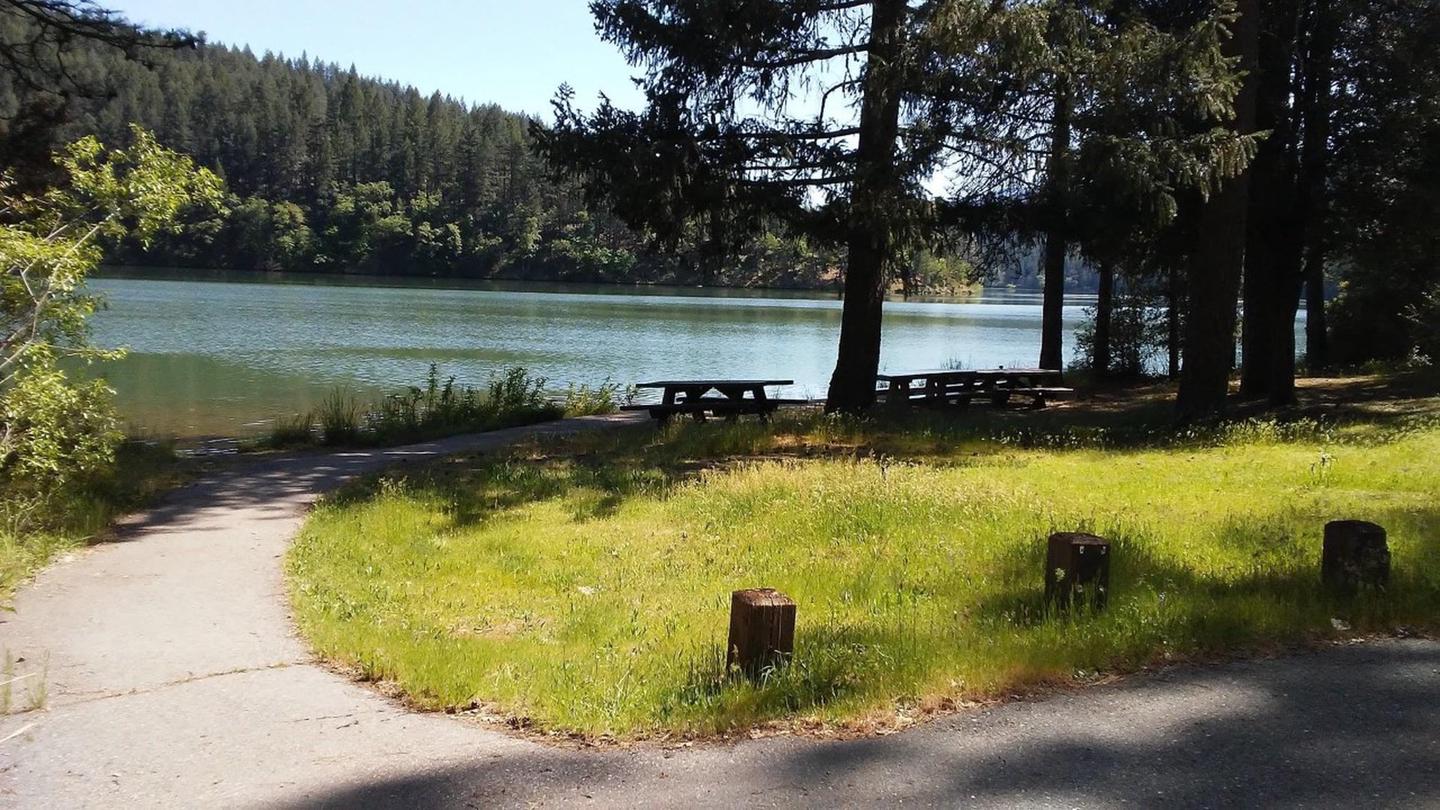
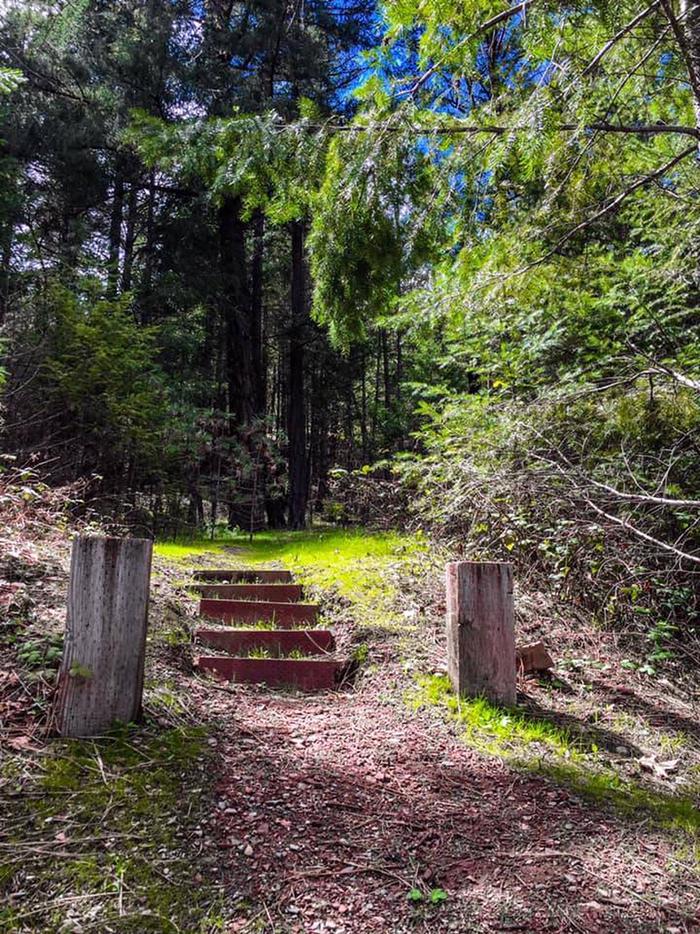
<p>The Tannery Gulch campground is located 12 miles north of Weaverville on Highway 3 and is on the shore of Trinity Lake nestled among tall pines, firs and oaks. Trout, bass and catfish can be caught along the shores of this campground.This attractive campground has four loops (A, B, C, and D) and a spur in a pleasant mix of conifers and deciduous trees next to Trinity Lake. Campsites in every loop except A have a view of lake. Although there are patches of middlestory, most campsites are close to each other making privacy minimal.</p><p>All campsites have room for a tent, have a table and fireplace; some also have a bear- proof food locker. It has paved roads and spurs. It has a nature trail, cabin, three storage sheds, a garage, and a trailer pad with septic, electric and water hookups. There is a single lane boat ramp and swim beach within the facility and is not designed for users other than campground customers. There is an amphitheatre that is fully developed with seating for 150 people, and rear screen projection with power and stage controls.</p>
Total of 82 units. Average max. trailer size = 40 foot.
The elevation is 2,400 ft. The campground is one of 16 in the Trinity Unit of the Whiskeytown- Shasta-Trinity National Recreation Area. This attractive campground has four loops (A, B, C, and D) and a spur in a pleasant mix of conifers and deciduous trees next to Trinity Lake. Campsites in every loop except A have a view of lake. Although there are patches of middlestory, most campsites are close to each other making privacy minimal. There is an amphitheatre with programs during the summer. Bear-proof containers are located at some campsites.
Open May 22 through September 11
Trinity Lake is 16,400 acres. There is a boat ramp in campground, but no parking for trailers. Boats can be moored on either side of designated swim/beach area. Hiking: Trail of the Trees (foot) - 0.5 miles Fishing: Smallmouth, Largemouth and Black bass, Kokonee and Chinook salmon, Rainbow and Brown trout, and catfish If you see a small wren-sized bird with a woodpecker-like beak, walking down the trunk of a tree head first, you can be fairly certain it is a Nuthatch. The bird is seeking insects other birds have missed. Butte Valley National Grassland (CA) Glossary 399 Glossary Average Parking Apron Size: Based on the authors’ judgment, the average parking apron is measured and indicated in the campground description. The purpose of this information is for RVrs to decide whether parking aprons in a campground will accommodate their rig. Note: Based on the authors’ research experience, this field was changed from “Largest Parking Apron Size” to “Average Parking Apron Size” for many of the campgrounds - all National Forests west of the Mississippi and some east of it. Average Parking Size is the preferred measurement technique. Boat Carry Down Access: In the campground description, "yes” indicates an area suitable for a camper to carry a canoe, kayak or other small water craft into a body of water from within a campground or directly from the camper's campsite. This access is not a boat ramp. A "no" indicates the absence of such an area. Boat Ramp: In the campground description, "yes" indicates the presence of a developed and maintained ramp suitable for campers to launch a power or non-power boat into a body of water within a campground or recreation area. A "no" indicates the absence of a boat ramp. Boondocking: Boondocking (or dry camping) is used to describe a type of camping by an RVer. Camping in this manner involves using all the self-contained facilities of an RV - fresh water, electric (battery powered) and waste disposal. Chaparral Environment: The term "chaparral" is derived from the Spanish for scrub-oak and is commonly found in the southwest. Chaparral describes a community of tough, fire-resistant shrub vegetation in an area with wet, mild winters and hot, dry summers with an assortment of hardy, versatile wildlife. California Oak, Toyon (Holly Wood), and Chamise are common chaparral shrubs. Birds such as Scrub Jay and Wrentit add color and music to the Chaparral. Clearcutting: Where all trees larger than one inch are harvested. The only exceptions are trees designated for wildlife habitat. This method of harvest provides maximum sunlight for new tree growth. Combined Site: A designated site in a National Forest campground that can, in the authors’ judgment, accommodate either a tent or an RV. Conifer Tree: This type of tree has needle-leaves which it retains year round. Examples: Balsam fir, Ponderosa, Sitka spruce, Juniper, and Redwood trees. Deciduous Tree: This type of tree will lose its leaves on a seasonal basis either in fall or during the dry seasons. Examples: maple, elm, sycamore, and cottonwood trees. Directions - to a campground: Although there may be multiple routes into a campground, the Glossary 400 authors' attempt to select the one that is the easiest and safest for campers with RVs. However, directions may include roads that are dirt, narrow, steep and washboards. A city or town is always used as the starting point in providing directions to a campground. The criteria for the selected city or town is that it must be on the Rand McNally Road Atlas and have gasoline and at least limited groceries. Dispersed Camping: Represents camping in undeveloped areas throughout a National Forest. These areas can be accessed by various means of transportation, i.e., automobile, hiking, horse, bike, canoe, etc. Dispersed camping is usually very primitive - no fresh water, sanitation or refuse facilities - pack it in, pack it out. Check with the Supervisor or Ranger District Office for rules that may apply to dispersed camping. Dry Camping: See "Boondocking." Fishing: In the information provided for each campground, the authors indicate "yes" or "no” for fishing. "Yes" means fishing is readily accessible from the campground. When the campground is located in a National Forest Recreation Area and there is fishing within the recreation area, "yes" is indicated. "No" means fishing is not readily accessible from the campground. Full Hookups: Electric, water and sewer connections are provided for an RV. Grilles on Sites: While most designated campsites do have a place for fire, not all are equipped with a grill. The definition for a grill is a metal rack or surface where a pot and pan can be placed above a fire and used for cooking. The number of grilles on sites represent the number of grilles found at the campground and not the number of fire rings or pits. Group Campground: This is a campground, designated by the Forest Service, for groups only. Normally, these campgrounds are reserved by contacting the appropriate Ranger District Office. Group Selection: A forest management technique where small groups or clusters of trees are removed to create an opening for wildlife habitat and regeneration of trees which require partial sunlight. Hand Pump: A mechanical device, used to draw water, protruding about three to four feet above the ground with a long handle. The handle is pumped by hand to extract potable water from a well below. Hiking: In the information provided for each campground, we indicate "yes" or "no” for hiking. "Yes" means there is a marked trail head readily accessible from the campground. In some cases, the campground may be located in a National Forest Recreation Area. If so, and there is a trail head located within the recreation area, "yes" is indicated. If known, the trail mileage and type of hiking is indicated, i.e., foot, horse, ATV, etc. Some campgrounds have trails, but they are not marked. In these cases, "No" for hiking may be indicated but the hiking comments will often note there are Glossary 401 unmarked trails. Individual Tree Selection: A forest management technique where individual trees of various sizes, dispersed throughout the forest, are individually selected for harvest. This method is frequently used to remove very old, sick or diseased trees. Kayaking: For the purpose of this Guide, "kayaking" is defined as a whitewater sport where individuals challenge themselves in a paper thin kayak on fast flowing bodies of water. A "yes" means there is a useable whitewater waterway at or readily accessible from a campground. A "no" designation means there are no whitewater waterways in or readily accessible from the campground. Largest Parking Apron Size: Based on the authors’ judgment, the largest parking apron is measured and indicated in the campground description. The purpose of this information is for RVrs to decide whether parking aprons in a campground will accommodate their rig. Note: Based on the authors’ research experience, this field was changed to “Average Parking Apron Size” for many of the campgrounds - all National Forests west of the Mississippi and some east of it. This is the preferred measurement technique and is defined above. Middle-Story: This term describes the center or mid-point in a forest's vegetation. An approximate height in a mature forest would be the head of a man. National Forest: "Congress established the Forest Service in 1905 to provide quality water and timber for the Nation’s benefit. Over the years, the public has expanded the list of what they want from National Forests (and Grasslands). Congress responded by directing the Forest Service to manage national forests for additional multiple uses and benefits and for the sustained yield of renewable resources such as water, forage, wildlife, wood, and recreation. Multiple use means managing resources under the best combination of uses to benefit the American people while ensuring the productivity of the land and protecting the quality of the environment." National Recreation Area: A Congressionally identified "special place" within the National Forest Service System. These "special places" are recognized and managed in a special way by the Forest Service. Nearest City/Town: A city or town “closest” to a National Forest campground that has both gasoline and at least limited groceries and is on the Rand McNally Road Atlas. There may be a city or town closer to a campground, but it does not meet these selection criteria. See also "Directions - to a campground," above. Open Site: The site is located in an open area or has little vegetation around it with no shade or canopy of vegetation. Over-Story: This term describes the highest level of vegetation seen in a given area. The over-story is composed of the crown of leaves at top of the trees. Glossary 402 Pack it In, Pack it Out: A campground has no refuse site. If no refuse facilities are provided, campers are required to pack out what they pack in. Prescribed or Controlled Burns: In some National Forests, this is a method used to reduce the risk of catastrophic fire and maintain the forest health. The Forest Service applies and monitors these controlled fires. Burns are generally performed in the spring during the off-camping season to minimize impact on campers. Rain Shadow: Sometimes the slopes on one side of a mountain range are forested differently from the other side because the mountain range forces moisture-laden air to condense on that side. With condensation, rain falls on that side and leaves little moisture for the other side. The result is a thick, rich forest on the rain shadow side of the mountain range and a dry, less lush forest on the other. Ramada: This is a term used primarily west of the Mississippi, describing picnic tables that are covered with a roof-like structure. Recreation Vehicle: Recreational vehicle (RV) is a motor home, travel trailer, slide-in or pop-up tent. Riparian Environment (Riverine): Most distinctive in the southwestern region, riparian environments are strips of lush forests found along waterways. The area is moist and cooler than the nearby chaparral environment and an ideal habitat for animals. Sycamore and cottonwoods are common riparian trees along with yellow monkey-flowers and stream orchids. Newts, sandpipers and kingfishers are a few of the frequently seen wildlife. RV: See Recreational Vehicle, above. RV Pull Throughs: These are drive-through parking aprons, normally semi-circular in design. No backing is required. RV Site: A camping site in a National Forest campground that has been designated by the Forest Service for RVs only or, in the authors’ judgment, accommodates only an RV. Sailing: Generally, for the purpose of this Guide, there is a body of water adjacent to a National Forest campground, where, in our judgment, sailing is possible. A "yes" means sailing is possible and, to our knowledge, is permitted by federal, state and local authorities. A "no" designation means there is no water for sailing, or there is water, but it is not a practical option or federal, state or local authorities prohibit the sport. Seed Tree Cutting: Removes most of the trees in a cutting and leaves a few, well-spaced trees to reseed the area. Glossary 403 Shelterwood Cutting: Approximately 40 to 60 percent of the trees are selectively removed. This allows younger or remaining trees to become established within the shelter of the remaining, older trees. Silviculture: "the art of managing and tending a forest." Spigot: A potable water device available to all campers. It is not camping site specific and can be a device with or without threads. This designation includes either a pressurized system or hand pumps. Swimming (provided): In the information provided for each campground, "yes" or "no" is indicated for swimming. "Yes" means there is swimming easily accessible in or from the campground and is provided (marked and posted) by the Forest Service. "No" means there is no body of water for swimming or there is water, but the Forest Service does not provide an area for swimming. In most cases, where swimming is provided, there are no lifeguards. Tables on Sites: This field provides the number of picnic tables found within the campground. Not all campsites have a table because they are moved by campers from one site to another. The authors attempt to account for this in their research. Temperate Rainforest: Found along the coast from Alaska through Oregon and in pockets in northern California, the temperate rainforest is a product of abundant moisture from coastal fog, rain, and occasional snow. This environment supports immensely tall trees such as Sitka spruce, Western hemlock, and Western Red cedar. Tent: The variety of tents is huge. For the Guide, the authors limit the term to a portable, soft-walled structure that can sleep two adults comfortably. Tent Pad: This is normally an area at a campground site that is clearly defined for a tent. The authors’ criteria for a tent pad is it must be framed with wood, cement or some other material. If an area on the site is elevated, this too may qualify as a tent pad. The fact that there is an open grassy area at the site does not qualify as a tent pad. Tent Site: A designated site in a National Forest Campground that accommodates only a tent. Either the Forest Service permits only a tent or, in the authors’ judgment, the site is not suitable for an RV. Walk-in sites are clear examples of tent-only sites. Under-Story: This term describes the lower vegetation or ground cover found in a forest. This vegetation includes grass, ferns, berry bushes, and very young trees. Vault: This is a toilet without running water. It is also known as an "outhouse" or "pit toilet." Chemical toilets, similar to those found in airplanes, are also classified as vaults. Walk in Tent Sites: From a parking lot or designated parking spot for a vehicle, a camper must Glossary 404 walk to access a site. These sites are normally no more then a few hundred feet from the parking area. Waste Station: Also known as a "dump station," this is a location where waste water from RVs is dumped. Potable water for the RV fresh water tank (or other water containers) may also be available at or near the actual dump location. Water Buffalo: A portable tank on wheels used to dispense drinking water. Water Skiing: Generally, a body of water is adjacent to a National Forest campground. Regulations for
Trinity Lake is 16,400 acres. There is a boat ramp in campground, but no parking for trailers. Boats can be moored on either side of designated swim/beach area.
The parking aprons are paved. An RV "water fill" station is available across from site 48.
In Weaverville, CA, at the intersection of State Rt. 299 (Main St.) and State Rt. 3, take Rt. 3 north 11.5 miles to campground sign. Turn right and go 1.1 miles to campground.

Availability, what to pack, similar spots — ask anything and get an instant answer.
Best season: spring. Spring (after the campground opens May 16) offers the best balance of comfortable weather, blooming wildflowers and active wildlife—expect daytime highs around 55–75°F and cool nights of 35–50°F. Trails are green and ideal for hiking, fishing is excellent as fish move into tributaries, and boating early in the season means quieter coves on Trinity Lake. Crowds are significantly lighter than mid-summer, but be aware some services may not be fully ramped up before late May. Peak months: May, June, September, July Avoid: October, November, December, January
Listed as best season: comfortable temps, blooming wildflowers and active wildlife.
Weather data by Open-Meteo.com, licensed under CC BY 4.0, processed by Outdoorithm.
Reservation tips, booking windows, and free cancellation alerts.
Tannery Gulch Campground is located on the shores of Trinity Lake and offers four loops of campsites shaded by conifer and deciduous trees. Three loops have scenic lake views. Campers have access to an amphitheater with summer programs, a boat ramp, and a swim beach restricted to campsite guests. Each site is equipped with a paved parking spur, fire pit, picnic table, and some have bear-proof lockers. Drinking water and flush toilets are provided.
Researching this campground? Ask anything — other campers and our team will weigh in. No visit required.
Short heads-ups about the road in, gear quirks, and timing, compiled by Outdoorithm from public reviews and operator information.
Rate Tannery
Been here? Tap a star to start. Takes about a minute.
Sign-in required only if you want your name on it.

Pulled from per-site mentions in 122 reviews.
Site 61 is praised for its views but noted for its steep driveway.
Site 7 is highlighted as flat and spacious.
Site 69 is mentioned as a first-come-first-served lakeside spot.
Be the first to review this campground
Every adventure creates another. Share what you learned so the next camper feels a little more prepared heading out.