Camping Checklist 2026: 100+ Items (Free Packing List)
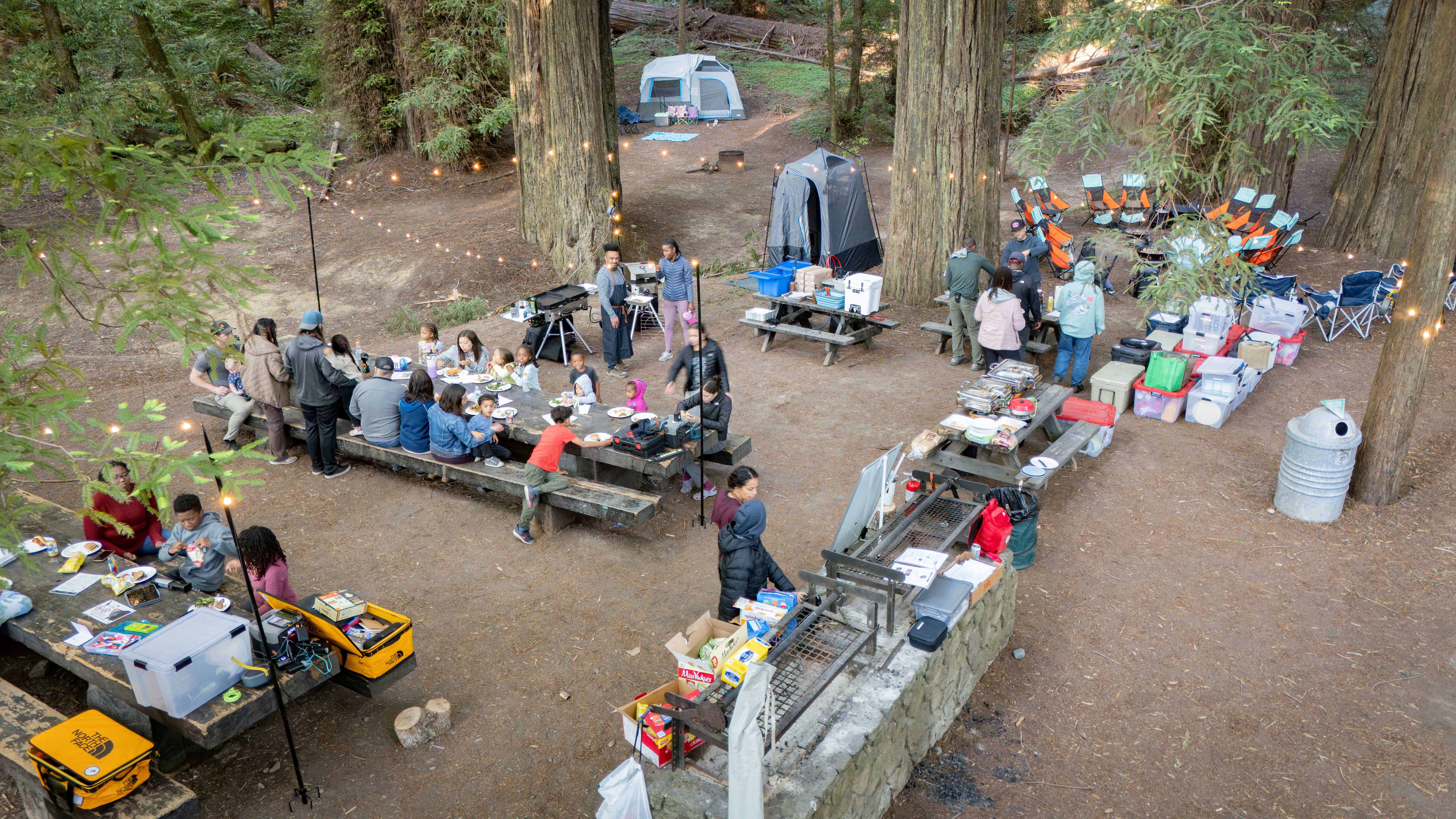

It was April 2025. We were scouting Williams Grove group site in Humboldt Redwoods, a spot we'd booked for fifty people over Fourth of July weekend but had never actually seen. Our older girls, 16, 14, and 12, had their own weekend plans. So it was just Justin, me, and our 4-year-old Eliza making the four-hour drive.
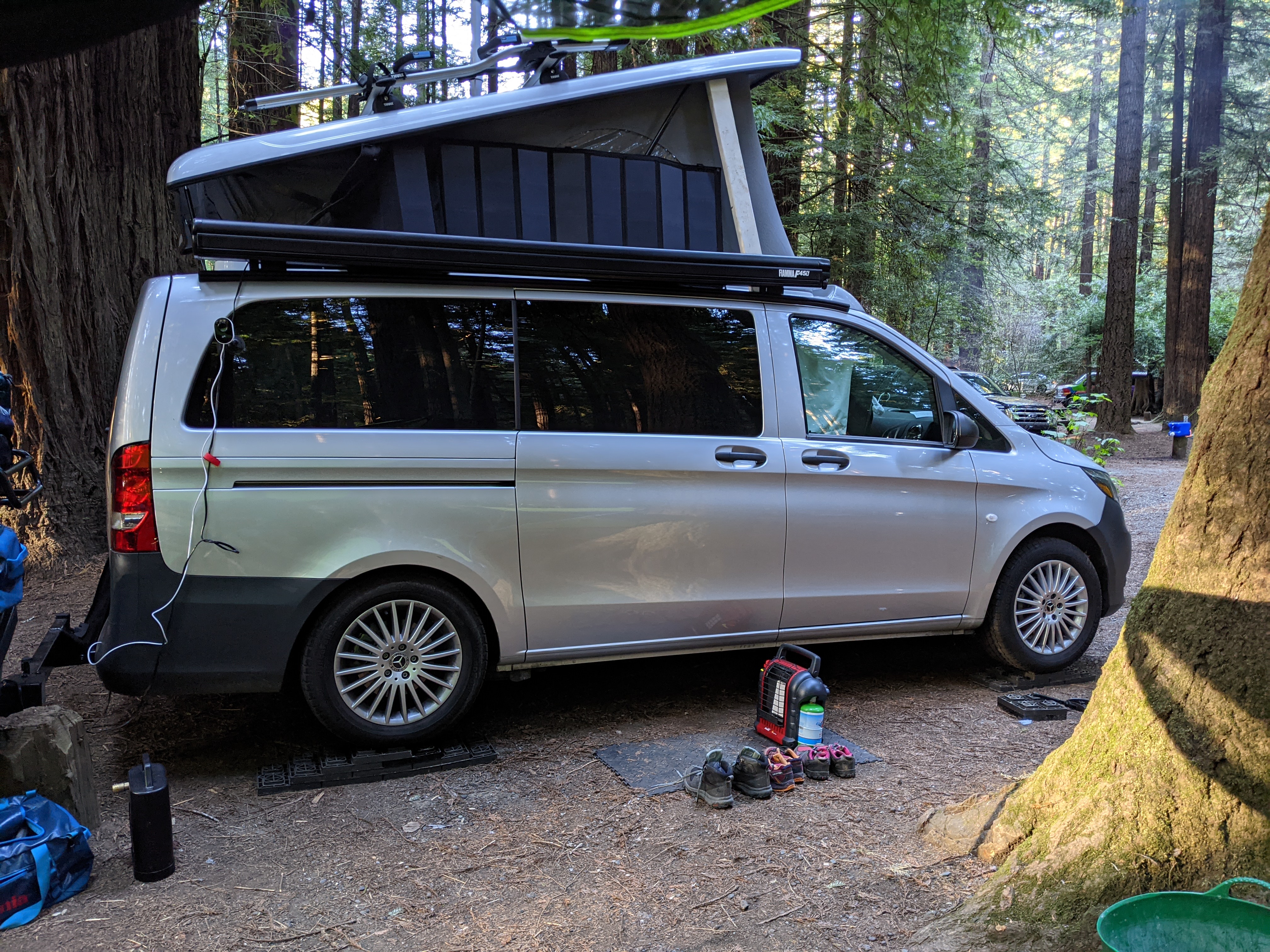
We left late on a Friday. Full work day. Full preschool day. We picked up Eliza, got her settled in the van, and started frantically loading gear. Normally we tow our utility trailer with everything already packed in there, ready to go. But for just the three of us? We didn't bother. Which meant packing from scratch, in a rush, without our usual fail-safes.
The next morning, I pulled out the pancake mix. Justin grabbed our Lodge cast iron griddle. Then he looked around.
"Where's the stove?"
Sitting in our garage. Four hours away.
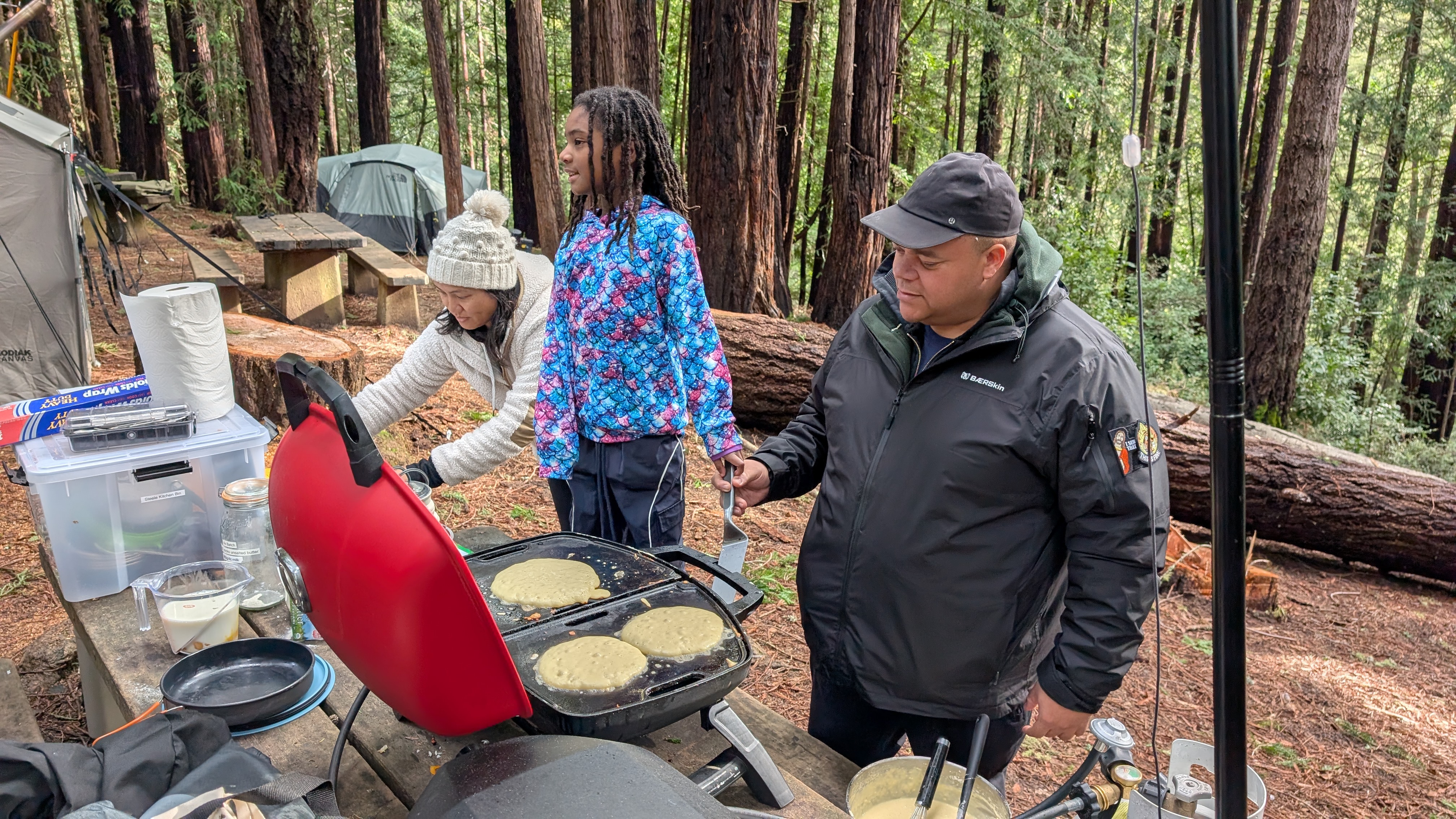
We had left our beloved Napoleon grill at home. The one with the dual burners you can control separately, so you can cook two things at different temps or use indirect heat to warm things up. We love that grill.
Here's the thing about camping with kids: you will forget something. Every single time. The question isn't if, it's whether you let it ruin the trip or turn it into a story.
What we did have was an Ignik fire can we'd been testing, a little rectangular can with fire pit rocks that burns big and hot. Justin balanced the griddle on top, turned the flame to its lowest setting. Still way too hot in the middle.
So we cooked pancakes on the ends of the griddle, the parts hanging off the edges of the can. Each pancake had to be rotated in a slow circle, half cooking hot, half cooking not-so-hot, around and around until it was done.
It took forever. Eliza thought it was hilarious.
If the fire itself is the part that trips you up, we wrote up how to build a campfire the way Uncle John taught us at Williams Grove.
Camp as it comes.
But also? A good checklist helps.
The Checklist That Changed How We Pack
After that trip, I got serious about packing systems. I'm a handwritten list, sticky note, pile everything on the bed kind of person. And honestly? That still works for me. But for the shared stuff, the gear that lives in the garage and the trailer, we needed something better.
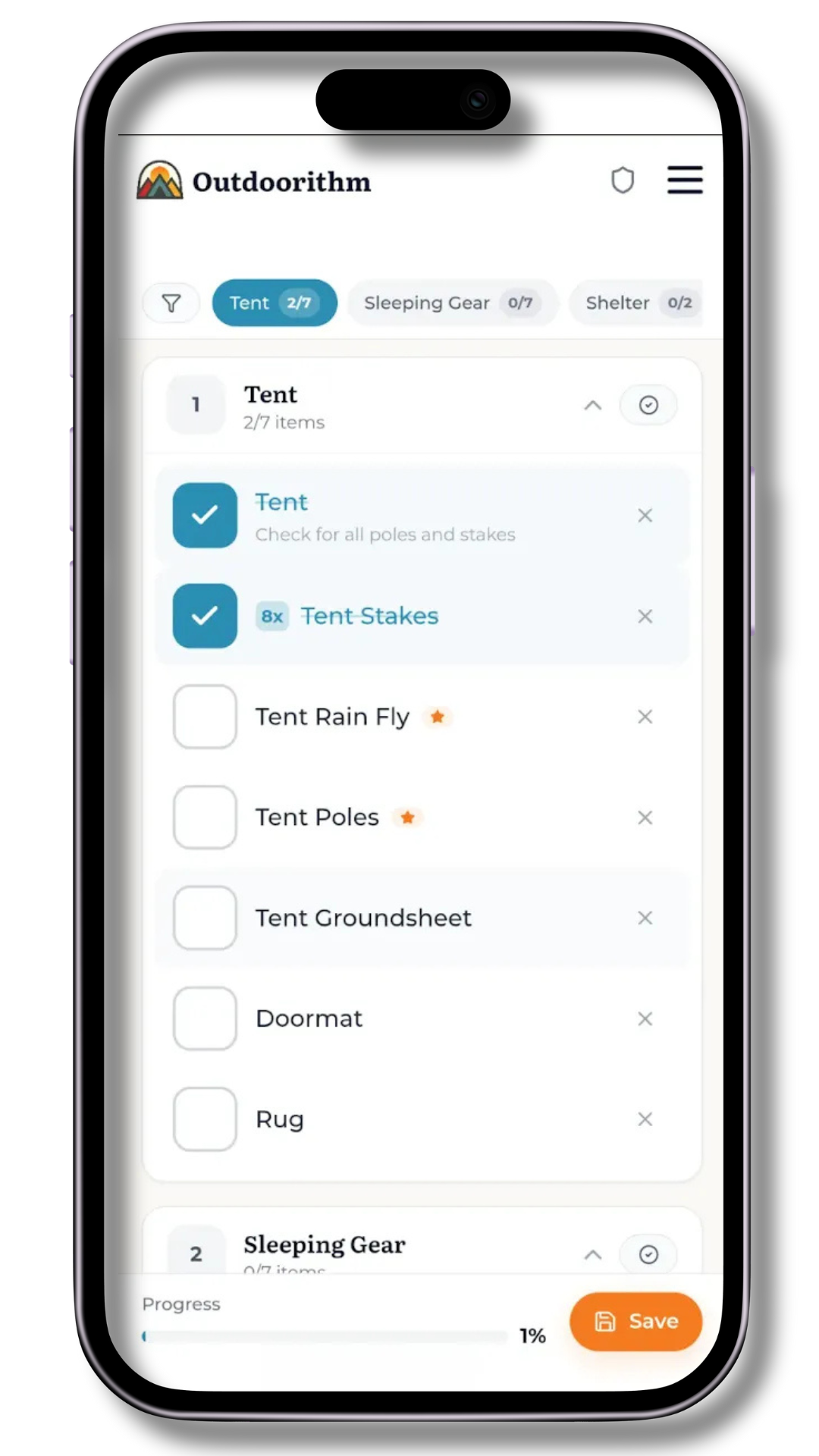
We built our own interactive camping checklist, and it's become the thing we open first when planning any trip.
Here's why it actually works:
It's organized by category, not by chaos. Shelter. Cooking. Safety. First aid. Clothing. You can see at a glance what you've packed and what's missing.
It saves your progress. Close the browser, come back tomorrow, your checkmarks are still there. Log in, and it syncs across devices. Justin checks things off on his phone while loading the van. I check off the kitchen and food on mine. No more "I thought YOU packed it."
It has "essentials only" mode. For quick trips or last-minute departures, filter down to just the must-haves.
You can print it. Old school? Same. I like a physical list stuffed in the glovebox for that final driveway check.
Try the free camping packing checklist →
What Everyone Forgets (Learned the Hard Way)
After hundreds of camping trips with kids, without, in winter, at the beach, in the backcountry, here's what consistently gets left behind:
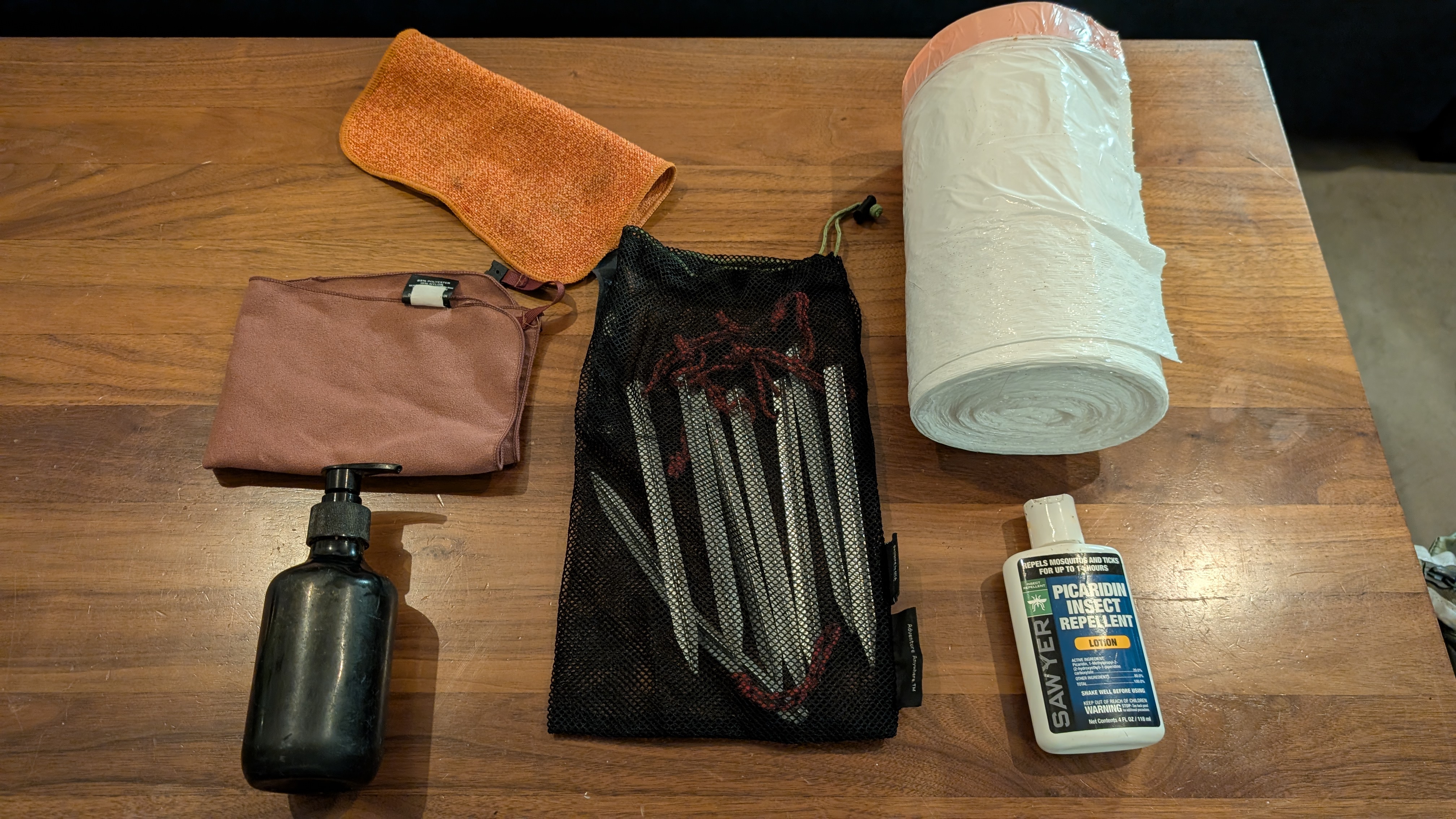
Trash bags. We used to forget these constantly. Critters are everywhere, squirrels, raccoons, birds, bears, and your trash is their treasure. Pack more than you think you need.
Tent stakes. They fall out of tent bags. They roll under car seats. Someone forgets to put them back. Check twice.
Dish towels. The ones that need washing after every trip? They get lost in the laundry shuffle at home and never make it back to the bins. With four kids and endless loads of laundry, those towels disappear.
Biodegradable soap. It's always the last thing packed. We use it to wash hands and faces right before leaving the campsite. Then it ends up in random places, or we forget it's empty. Most campground bathrooms don't have soap. Bring your own.
Toilet paper. Especially with a family of girls. Even campgrounds with bathrooms can run low. We bring extra, always.
Bug repellent. In California, we camp year-round, and honestly? Winter and coastal trips don't have bugs. So we don't always pack it. Then we end up at a mountain lake in June and the mosquitoes are relentless. We've eaten entire meals in the car because we forgot repellent. Now we keep a whole kit: permethrin for clothing, repellent for skin, and Thermacell units for around camp.
The trick? Don't rely on your memory. Rely on a list.
What You're Probably Overpacking
The opposite problem is just as real. Here's what we've stopped bringing:
Giant air mattresses. They're a pain to blow up, they take up massive space, and they always develop a slow leak by night two. We switched to sleeping cots. More comfortable, easier to get up and down (especially as you get older), and you can slide bags underneath. Game changer.
Heavy cotton hoodies. We see these everywhere at California campgrounds. Big, bulky hoodies that never get worn. They get damp and stay damp. Pack a base layer and an insulated outer layer instead. Skip the cotton.
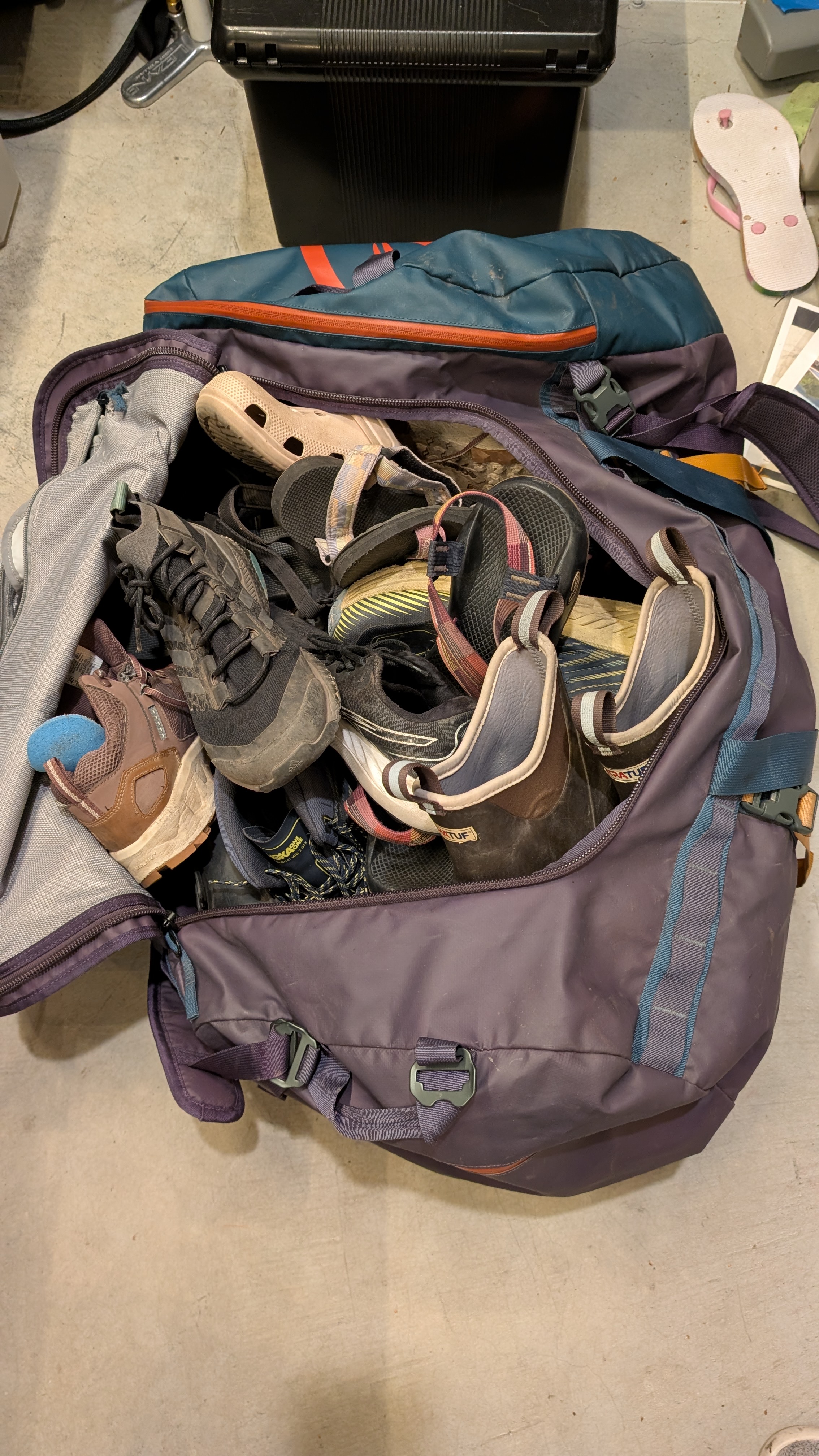
Too many shoes. This is our family's weakness. We have an entire massive duffel bag of shoes: hiking boots, camp shoes, sandals, shower sandals. For six people, it stacks up. Every few trips, Justin has to clear it out and make everyone choose. You probably don't need five footwear options per person.
Excessive lighting. Headlamps are essential. String lights are lovely. But those massive lanterns with harsh white light in the middle of the darkness? Too much. A headlamp per person plus some string lights is the perfect combo.
Everything that survives the purge is gear we'd buy again. It's also what we hand people who ask what to get a camper: 60+ gifts for campers, sorted by budget. We own all of it.
How We Actually Use the Checklist
A few days before a trip, we pull up the packing list on our phones. As we load gear, we check things off. Because it syncs, we're not duplicating efforts or assuming the other person grabbed something.
The morning of departure, one final scroll. Anything unchecked? Either it's intentional or it's a problem to solve before we pull out of the driveway.
We have a little tradition: as we leave, we say "Off on another adventure!" with the kids. The goal is excitement and joy, not stress and panic. Having a system helps us actually feel that way when we leave.
Because here's the thing: it's never going to be perfect. You're never leaving soon enough. Traffic is building somewhere. The sun is setting somewhere. But you can take some of the stress out. A good packing list is a big part of that.
The Mantras Behind the List
At Outdoorithm, we have a few sayings that guide how we camp:
Camp as it comes. You're going to forget something. The weather won't cooperate. A raccoon might steal your kid's mac and cheese straight out of the van (true story, Justin chased it into the woods). You improvise. You figure it out. That's camping.
Leave anyway. It's never going to be the perfect time. You're never fully prepared. The packing isn't done, work is piling up, the forecast looks questionable. Leave anyway. The hardest part of camping isn't the camping. It's the leaving.
For First-Timers
If you've never camped before, a 100+ item checklist feels overwhelming. I get it.
Start with Essentials Only mode. It filters to what you genuinely can't do without: shelter, sleep system, water, food basics, safety gear. Add the "nice to haves" after a few trips.
And remember: your first trip doesn't need to be perfect. It needs to happen.
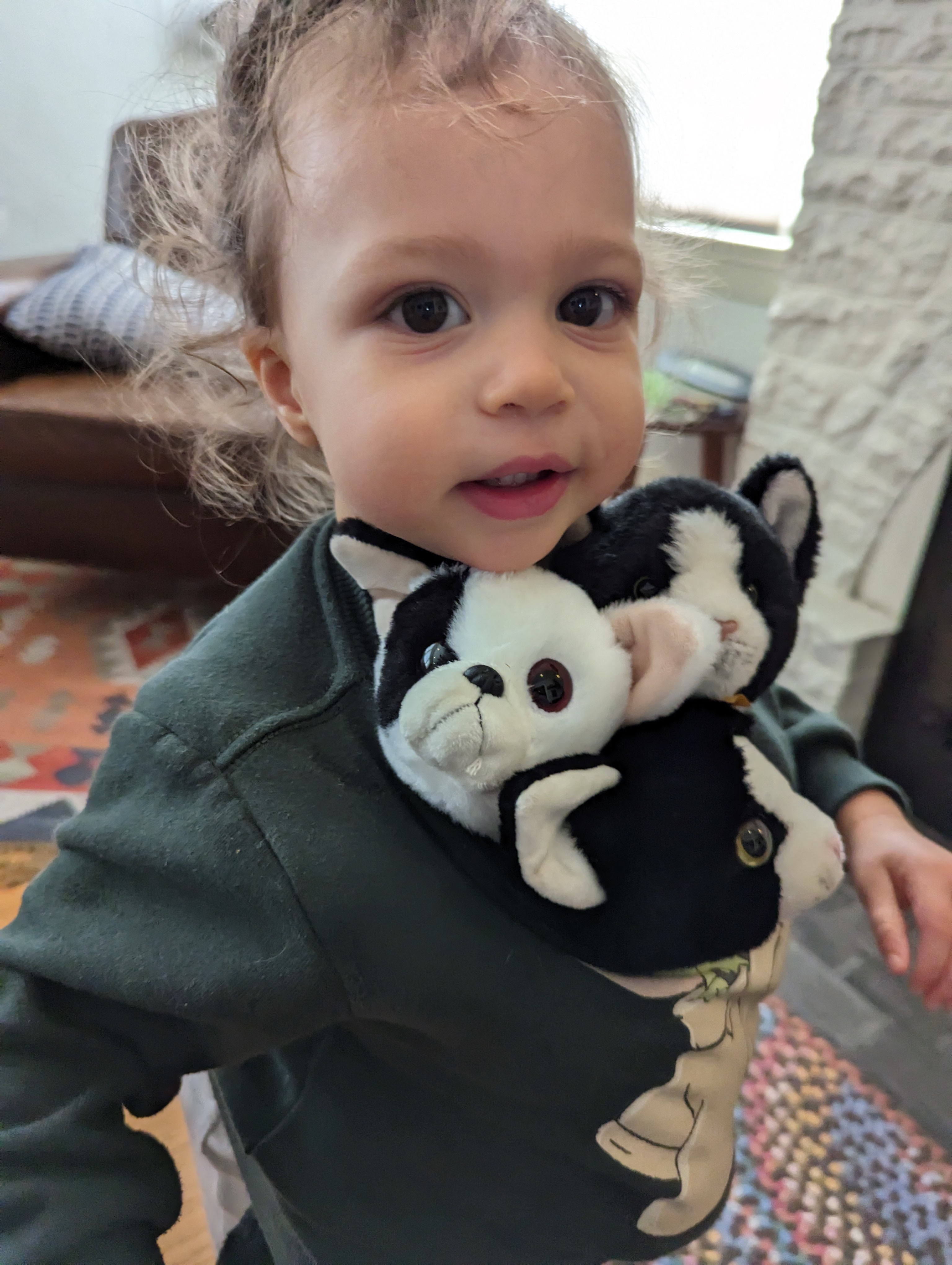
We took our daughter to Pinnacles National Park when she was three. She packed a dozen stuffies into a tiny backpack and lined every single one around her sleeping bag, tucked into the hood. Around 1 AM, she said, "Daddy, Daddy, I don't feel good," and proceeded to throw up all over all of them. We bagged the stuffies, cleaned up the tent, and made it through.
She doesn't remember the cleanup. She remembers the adventure.
The stories you tell later are never about the trips where everything went perfectly. They're about the pancakes cooked on the ends of a griddle balanced on a fire can. The stuffies in the barf bag. The toenails we both lost on our first backpacking trip in Georgia because our packs were too heavy (2005, we still camp).
You're not going to remember the gear. You're going to remember how it felt to be outside, together, figuring it out.
Need a more specific checklist?
This is the master list. If you're packing for one kind of trip, we've broken three of them down further, each with the gear that actually earns its space:
- The tent camping checklist for the shelter and sleep system, down to the stakes.
- The car camping checklist for when the car carries everything and comfort wins.
- Camping for beginners if it's your first trip and you're starting from zero.
- The rain camping checklist for when the forecast says rain and you're going anyway.
Packing for a trip? Our free interactive checklist tracks everything, tent to toothbrush, so nothing gets left in the garage.
Open the camping checklistThe Gear That Earns Its Space
After enough trips, you stop packing what you think you should bring and start packing what you actually use. A handful of things have earned a permanent spot in our bins.
Camp chairs. We've watched dolphins from ours on the bluffs over Monterey Bay and eaten more cold-morning oatmeal in them than I can count. Two good chairs beat one fancy one. Buy the kind that won't sink into the sand.
A hammock. It packs down to nothing, and it has cradled every giggling kid we've handed into it. On a slow afternoon it does more for morale than any gadget we own.
A warm jacket. California nights fool people. It's 75 and cloudless when you pull in, then 40 degrees when you crawl out at 5am for the bathroom run. The puffy lives in the van year-round.
Quick-dry camp towels. Cotton bath towels stay damp for three days and smell like a locker room by night two. The thin quick-dry kind wring out and dry on a guy line by morning. We learned that one the hard way.
And coffee. We've gone back and forth between a french press and instant. The press makes better coffee. Instant survives the morning you forget the press. Pick the one that matches how organized you honestly are.
That short list, with what we actually own:
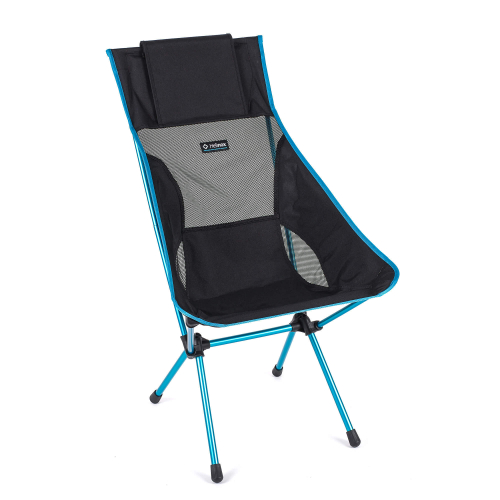
The ones we watched dolphins from on the Monterey bluffs. They go out first and come in last.
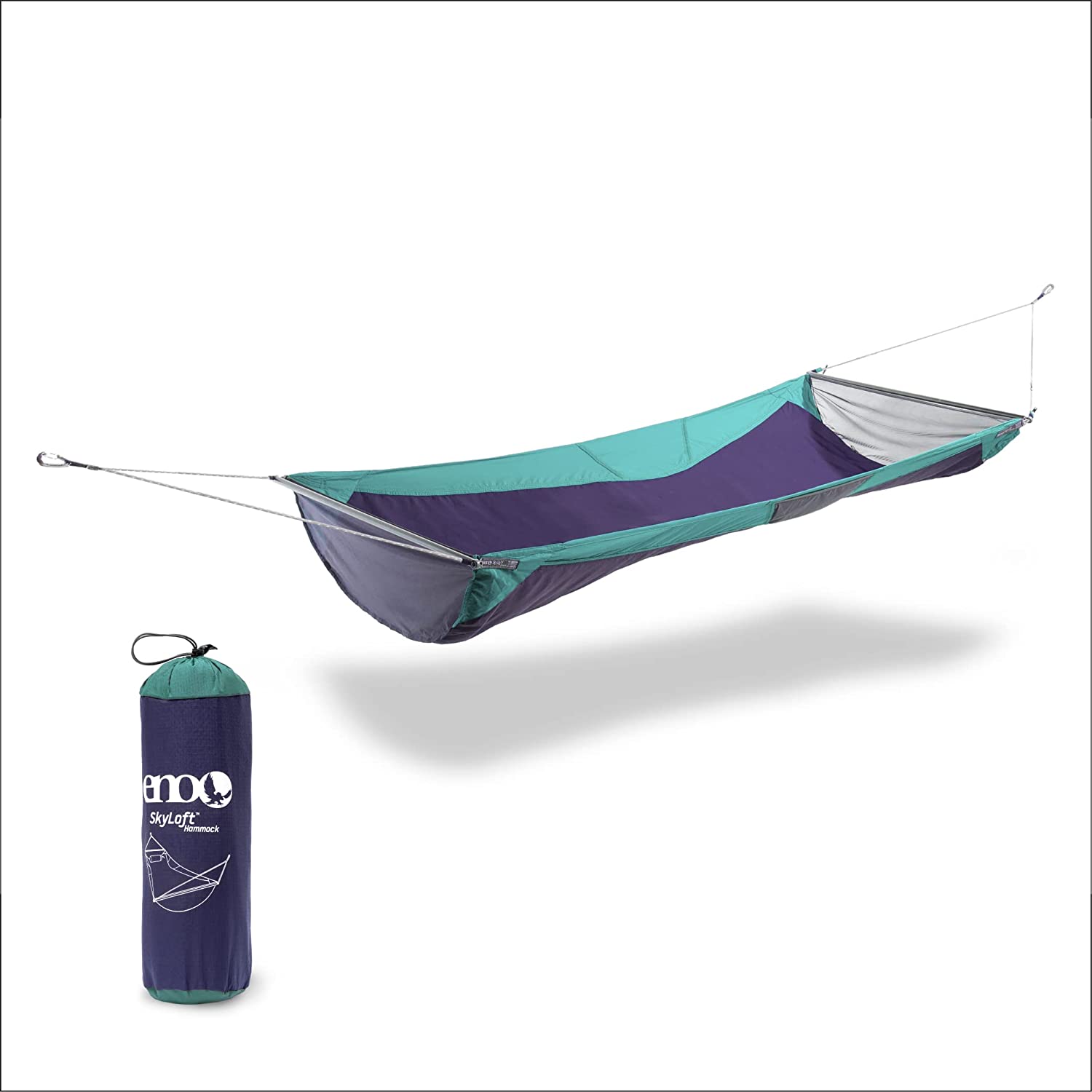
Packs down to nothing. Every kid we have handed into it has come out giggling.
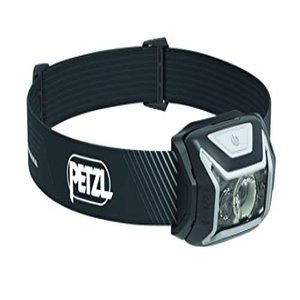
One per person, not one for the family. This is the argument you avoid by overpacking.
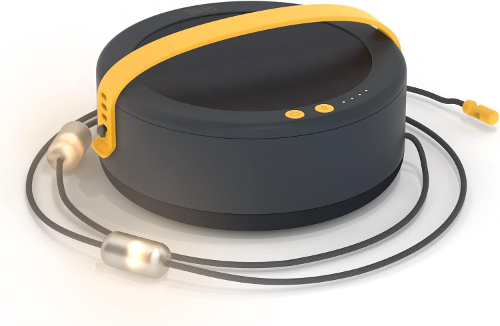
The 44 foot run lights a whole site. The shorter version is the one for inside a tent.
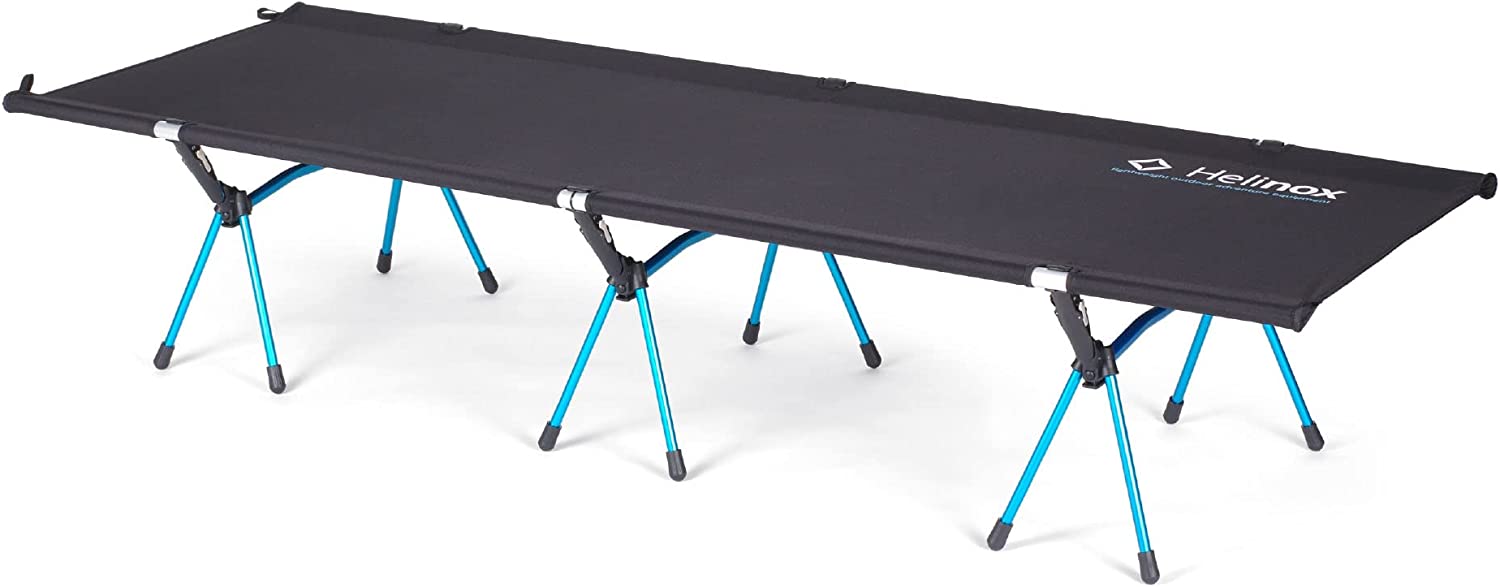
Gets you off the ground entirely, which is the difference between sleeping and lying down.
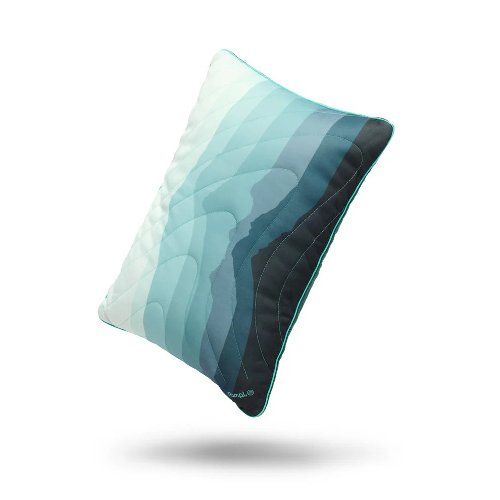
A real pillow, not a balled up hoodie. Small thing, and you notice it every night.
The Complete Checklist
Our interactive camping checklist includes:
- Shelter and Sleep: Tent, stakes, rainfly, sleeping bags, pads, cots, pillows
- Camp Kitchen: Stove (don't forget it), fuel, cook pots and a pan, plates and bowls, utensils, a french press or pour-over, cooler, water containers, and a collapsible wash tub for dishes
- Food and Drinks: Meal planning, snacks, beverages, condiments
- Safety and Navigation: First aid, headlamps, maps, emergency contacts, and a jump starter (the NOCO Boost Plus GB40)
- Clothing: Layers, a warm jacket for after dark, rain gear, camp shoes, sun protection
- Hygiene: Biodegradable soap, quick-dry towels, toilet paper, hand sanitizer
- Comfort and Entertainment: Camp chairs, a camp table, a tablecloth for the picnic table, games, books, hammock
- Kids' Gear: Extra clothes, comfort items (yes, the stuffies), activities
Six templates, from beach camping to winter trips to van life, so you can customize for how you camp.
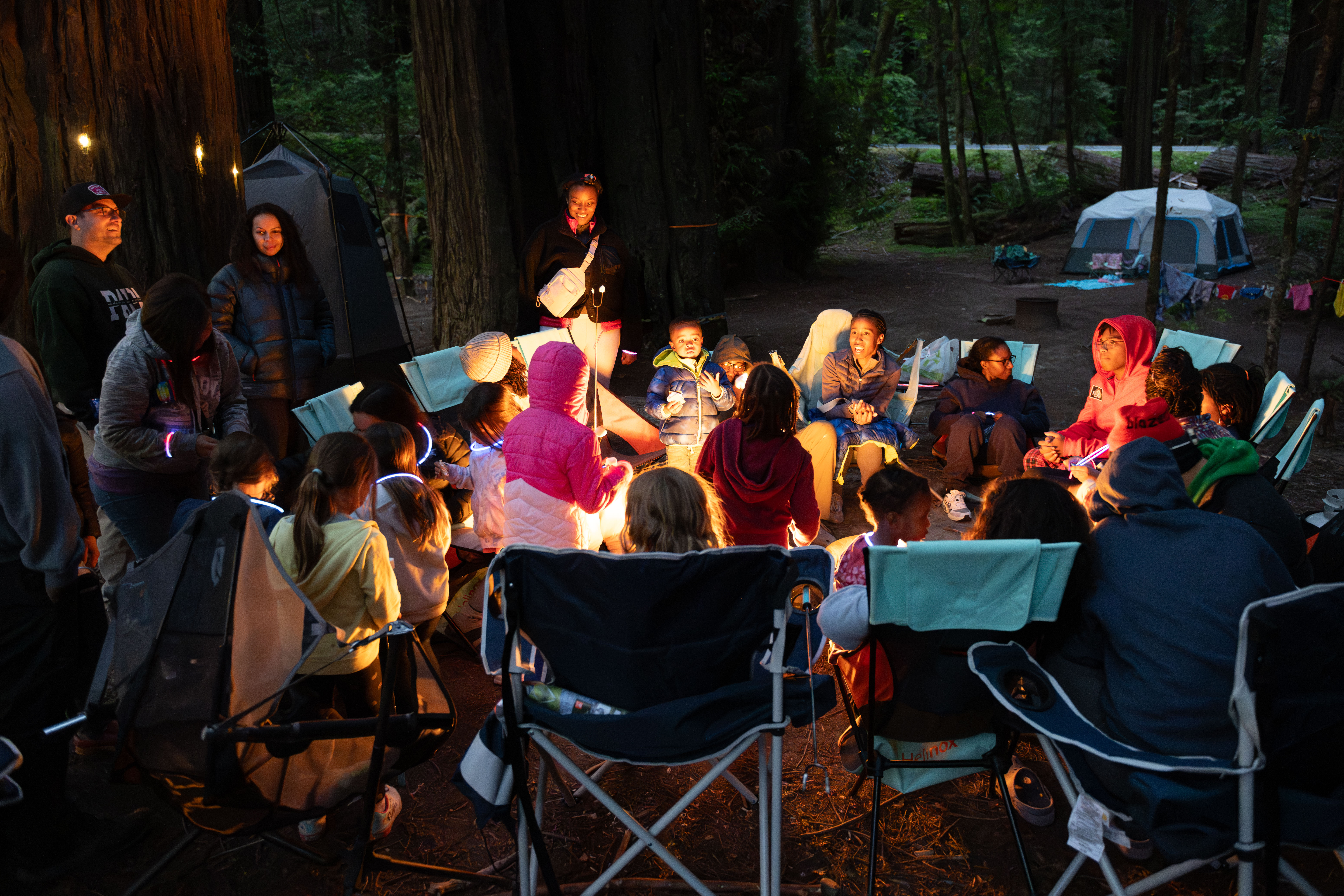
Camp as it comes. But pack before you go.
Frequently Asked Questions
What do you need to pack for a camping trip?
Pack across nine categories so nothing slips: shelter, sleep, kitchen, food, water, clothing, lighting, safety, and personal. The categories matter more than any single item, because once you have the buckets in your head you can sanity-check yourself the night before you leave instead of remembering the camp stove at 9 AM Saturday on the wrong side of the mountain. The full checklist below covers more than 100 items organized this way.
What are the 10 most essential camping items?
Tent, sleeping bag rated for the expected nighttime low, sleeping pad, headlamp, camp stove with fuel, lighter or matches, water (one gallon per person per day), cooler with ice, a first-aid kit, and a tarp big enough to cover your tent footprint. With those ten you can survive a weekend almost anywhere. Everything else on the checklist makes it better. This overlaps with the Scouts' Ten Essentials (navigation, sun protection, insulation, illumination, first aid, fire, a repair kit, nutrition, hydration, and shelter), the framework most experienced campers still pack by.
What do most people forget to pack for camping?
The camp stove. We have done it. Twice. Beyond that, the usual misses are matches or a lighter (separate from the stove fuel), a headlamp instead of just a flashlight, extra batteries, a bottle opener, dish soap and a sponge, a tarp for unexpected rain, and warm layers for a campsite that is colder than the forecast said. The pattern: the small, weightless items that are useless until they are the only thing you need. In August in the Sierra, add yellow jacket traps to the list: here's what actually works against meat bees.
What food and cooking gear should I bring camping?
A camp stove and fuel, a single pot, a single pan (cast iron is worth the weight), a sharp knife, a cutting board, plates or bowls, mugs, utensils, a sponge with biodegradable soap, paper towels, a trash bag, and a cooler with ice. Pre-prep food at home: chop vegetables, marinate proteins, pre-mix pancake batter in a squeeze bottle. The work you do in your kitchen Friday afternoon makes Saturday breakfast feel like a real meal instead of a survival exercise. For the full camp kitchen setup, see our camping kitchen gear guide.
How do you pack differently for tent camping vs car camping?
Car camping lets you bring weight and bulk: a tall tent, real chairs, a cooler the size of a small refrigerator, a Dutch oven, board games. Tent camping in the backcountry strips you down to what fits on your back: a freestanding tent under four pounds, a pad and bag combined under three, a single pot, dehydrated food, a water filter. The checklist below covers car camping. Subtract everything heavy and add a water filter for the backcountry version.
What should you pack for camping with kids?
Everything on the standard list, plus: more snacks than you think you need (kids burn calories outside), a glow stick or two per kid for the inside of the tent at night, baby wipes even if you have no babies, a small first-aid kit kids can carry themselves so they feel useful, and one quiet activity per kid for the inevitable tent-bound rainy hour. Eliza, our youngest, has a small backpack with her own water bottle, a flashlight, and one stuffed animal. It is her gear, she packs it herself, and she has not lost any of it across half a dozen trips.
How much does it cost to get started with camping gear?
Around $400 to $600 for a couple, if you buy at the budget end and pick well. A starter tent runs $80 to $150, two sleeping bags $60 to $120 each, two pads $40 to $80 each, a camp stove $40 to $80, a cooler $30 to $80, headlamps $20 each, a basic kitchen kit $40 to $60. You can rent most of the big-ticket items the first time out for under $80 total before deciding what you actually want to own.
What is the 3-3-3 rule of camping?
It's a rhythm some campers swear by: drive no more than 300 miles in a day, pull into your site by 3pm, and stay at least 3 nights. The point is simple. Don't arrive wrecked, set up while it's still light, and stay long enough to actually settle in. We bend the mileage all the time (Humboldt is four hours from Oakland), but 'arrive by 3' we hold sacred. Setting up by headlamp with tired kids is exactly how the stove gets left behind.
What is the golden rule of camping?
Leave it better than you found it. Pack out every scrap of trash, including the bag someone left in the fire ring, keep the noise down after dark, and don't treat a good site like it's only yours. We say it to our girls on the last walk around camp: would the next family be glad we were here? That's the whole rule.
What are the 5 C's of camping?
A survival-minded way to remember your most critical gear: Cutting tool (a knife), Combustion (lighter and matches, kept separate from your stove fuel), Cover (shelter, anything from a tent to a tarp), Container (something to carry and boil water in), and Cordage (paracord or guy lines). Nail those five and you can improvise most of the rest. Add a Compass and a Candle for backup light and you've got the 7 C's.
What is the 200-foot rule?
When there's no toilet around, camp, wash dishes, and bury human waste at least 200 feet, roughly 70 big steps, from any lake, stream, or trail. It keeps soap and waste out of the water everyone downstream is drinking, and it's the backbone of Leave No Trace. It's also the honest answer to the question every parent eventually fields at a backcountry site: yes, you can pee outside, just walk away from the creek first.
Is there a checklist just for tent camping or car camping?
Yes. The tent camping checklist covers the shelter and sleep system in detail, and the car camping checklist covers the full base-camp setup for when you're driving in. Both link back here for the complete list.
I've never camped before. Where do I start?
Start with camping for beginners, then use this list to pack. The short version: borrow what you can, nail the sleep system first, and arrive before dark. To plan the trip itself, booking window, alerts, and all, follow the eight planning steps.
Packing for yourself is one list. Buying for someone else is another. We keep that one separate: 60+ gifts for campers; we own every one of them.
Plan your next trip. Find a campground →

Want a personalized version of this guide?
Camp Sage tailors recommendations to your dates, group, and gear — free.
Join our newsletter to get more resources and tips to help your family camp with confidence!