Gopher Campground sits under a canopy of ancient oaks at Stephen Foster Folk Culture Center State Park, a 164-foot-elevation park along the Suwannee River near White Springs. The campground offers four primitive group sites. Three accommodate up to 25 campers, one holds eight. Each with picnic tables, grills, fire rings, water access, and portable restrooms. Full hookup sites, cabins, showers, and a dump station expand your options beyond the primitive areas. Campers consistently praise the spacious, shaded sites and clean bathhouse; watch for mosquitoes near standing water and expect possible train noise.
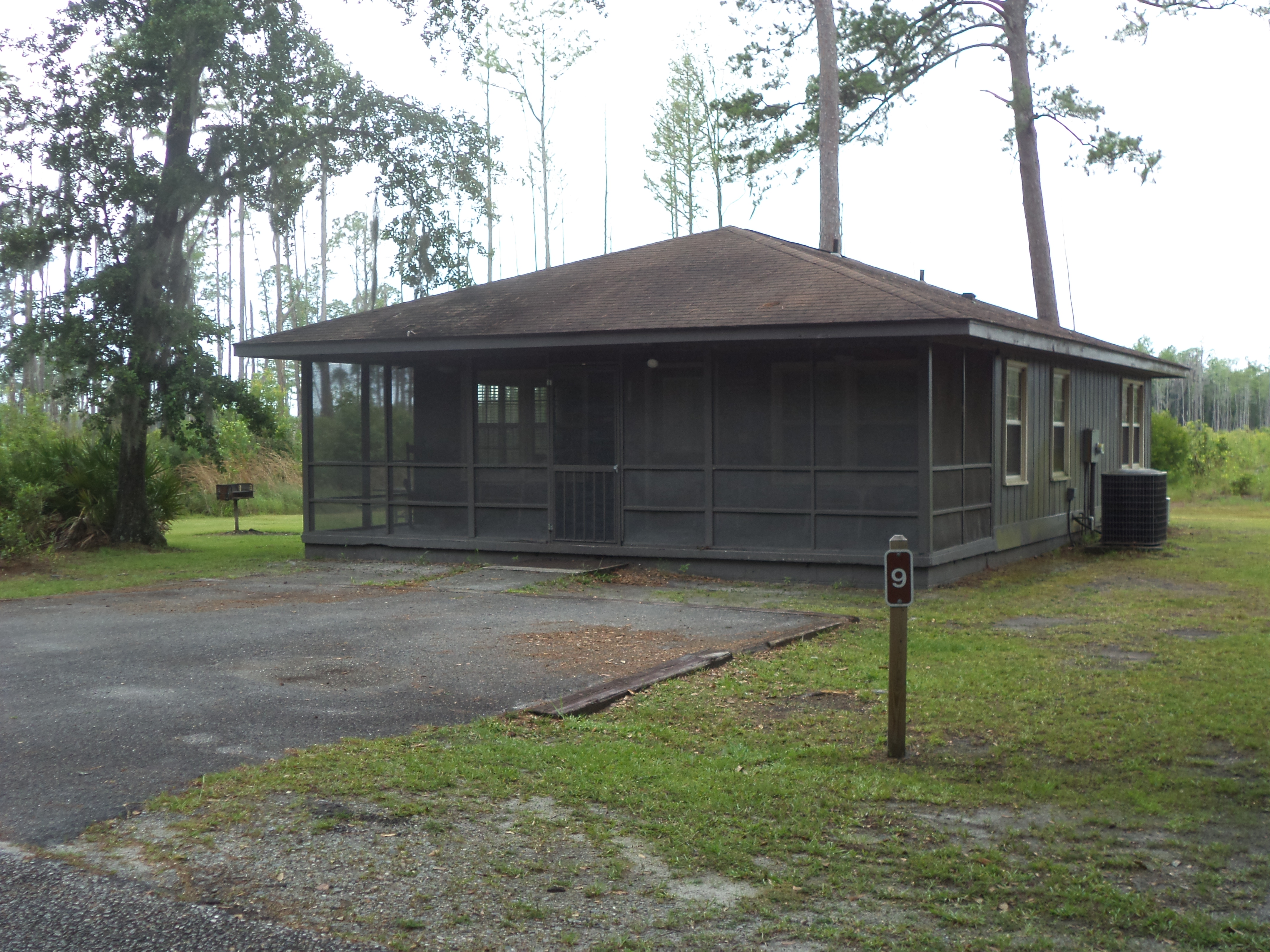
The campground supports a mix of camping options including tent and RV/trailer sites and separate park cabins; sites include hookups for water and electricity and accommodate larger rigs.
The park preserves Fort Cooper, built in April 1836 by Major Mark Anthony Cooper. The fort endured a 16-day siege during the Second Seminole War. Nothing of the original structure remains, but a replica of the southwest corner stands on-site. The Seminole Heritage Trail, a 1.5-mile round-trip path, includes interpretive kiosks about the Fort Cooper battle and Seminole history in the area. Weather and SeasonsFall delivers the most comfortable camping. Highs run 70–85°F, nights 50–60°F, and humidity drops enough to make hiking, biking, and paddling pleasant. Migratory birds pour through the oak canopy in October and November while mosquitoes and flies decline. Winter and early spring (November through March) stay cool and bug-free; campers report November and February trips as ideal. Summer heat and humidity spike, and wetter months can raise the Suwannee enough to limit paddling temporarily. The park hosts seasonal events. An azalea festival and a Christmas lights festival. That draw holiday-weekend crowds.
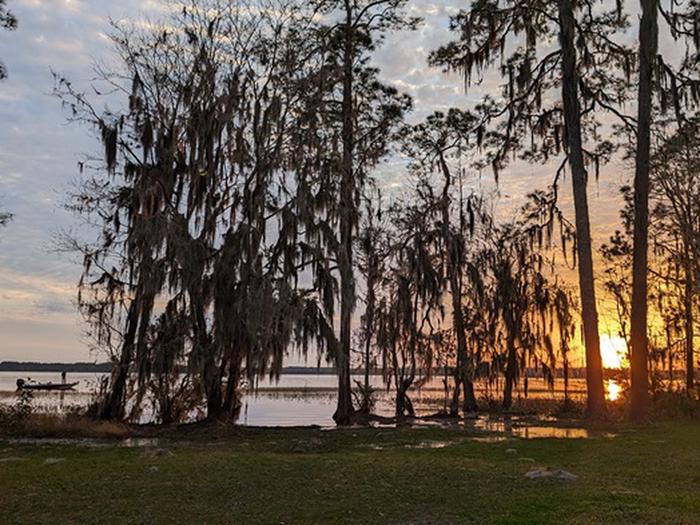
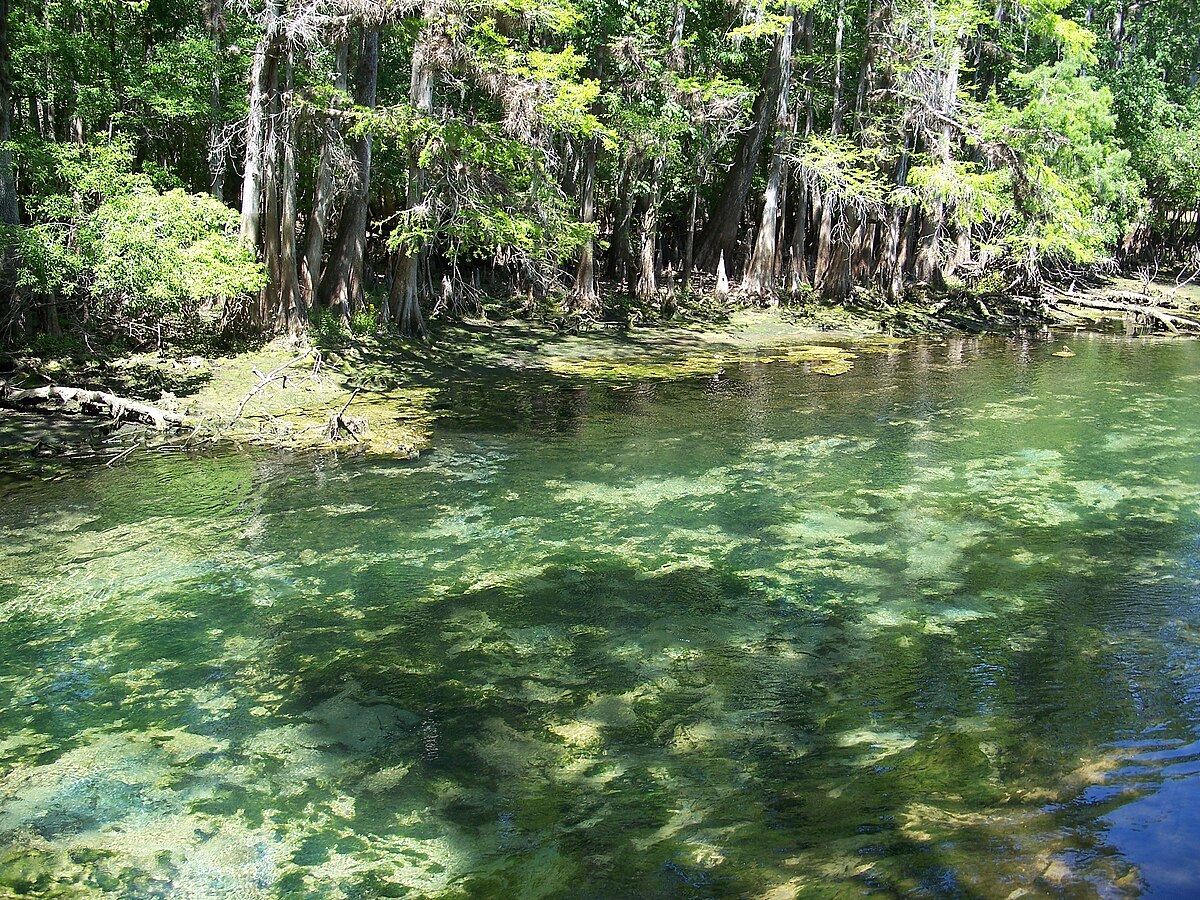
Natural Features and SceneryThe campground spreads beneath towering live oaks where filtered sunlight dapples the forest floor. Short trails lead from camp to views of the Suwannee River and its riverbank bluffs. The park sits on the Great Florida Birding and Wildlife Trail, with over five miles of self-guided nature paths winding through mixed hardwood and pine habitats. A paved half-mile connector links to the Withlacoochee State Trail for longer rides. Most sites look into forest rather than at neighboring rigs. Wading birds, songbirds, turtles, and occasional alligators frequent the river corridor. Occasional storm debris and overgrown brush appear on less-maintained sites.
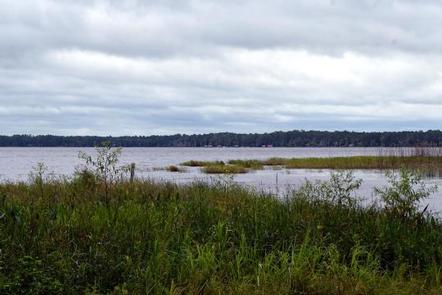
Scenic ViewsSites are located in a shaded oak hammock with surrounding trail views and wildlife habitat. Picnic areas in the park overlook Lake Holathlikaha and trails provide opportunities for bird and wildlife viewing.
 4.38
4.38