Rainbow Springs State Park Campground sits near Dunnellon, offering 60 family sites with electric and water hookups plus primitive youth group sites and 10 backpack-only sites at Sweetwater Lake. The campground earns a 4.5/5 rating from 737 reviews for spacious, well-shaded sites and easy access to the park's crystal-clear spring, though the main headspring swim area sits several miles away. Fees run $2–$18 per night.
The park offers 60 family campsites (family camping), multiple primitive camping areas including three youth-group primitive areas and primitive backpack sites at Sweetwater Lake (accessed by a ~3-mile backpack), primitive camping near the horse barn, and a developed group camping area with 16 cabins (no electricity) that sleep groups. Family sites allow up to two tents and two vehicles per site.
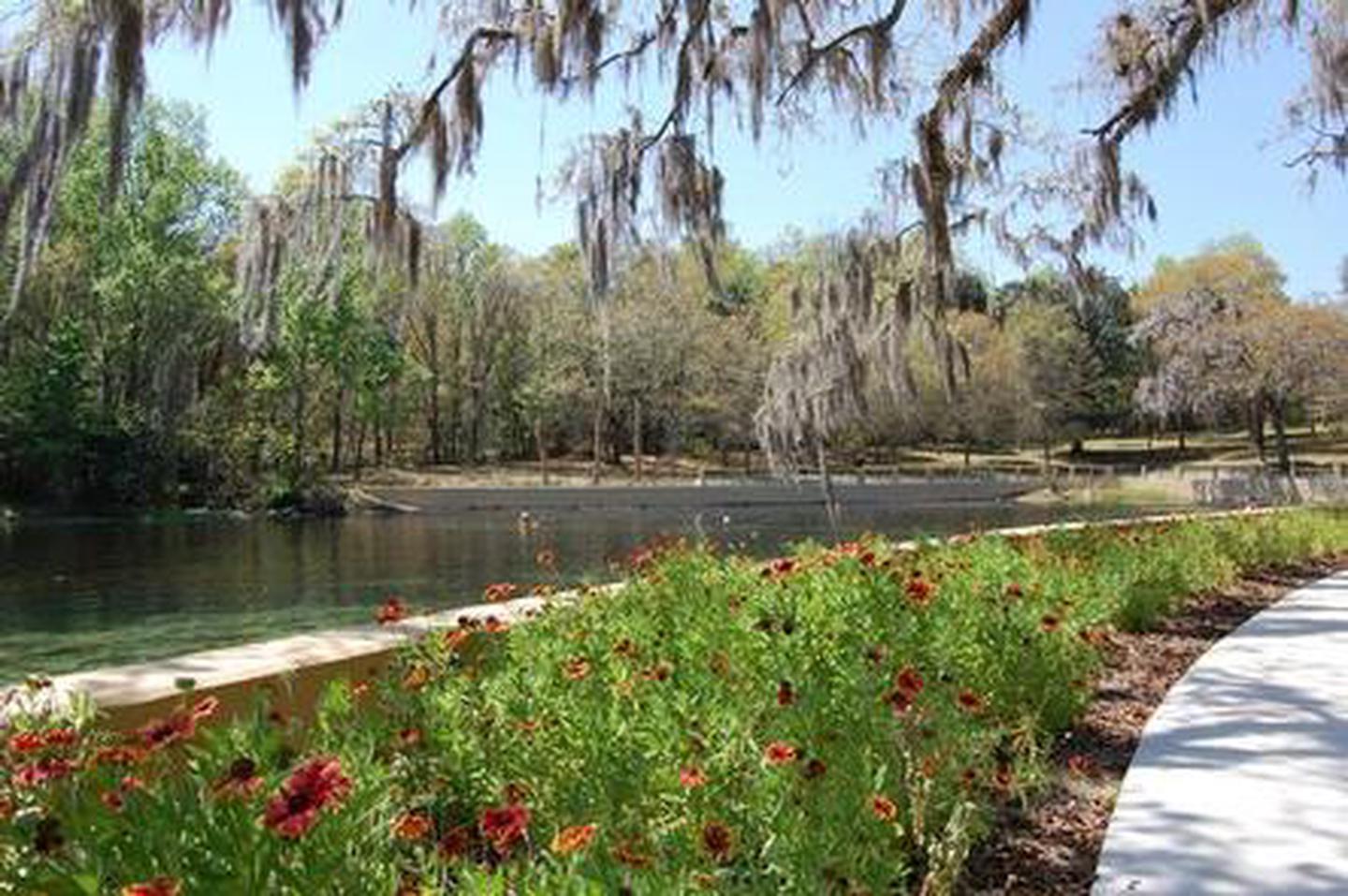
Weather and SeasonsSpring brings the best camping: air temps between 65–85°F pair with that constant 72°F spring water for comfortable swimming, snorkeling, and paddling. Wildflowers bloom along trails and water clarity peaks for fishing and wildlife viewing. Summer weekends turn the headspring swim area into a crowded bottleneck with long entrance lines, though early-morning visits beat the rush. The 72°F water feels refreshing in summer heat but chilly on cooler fall and winter days, when crowds thin and hiking conditions stay pleasant. Late fall through winter works well if you're paddling or walking more than swimming.
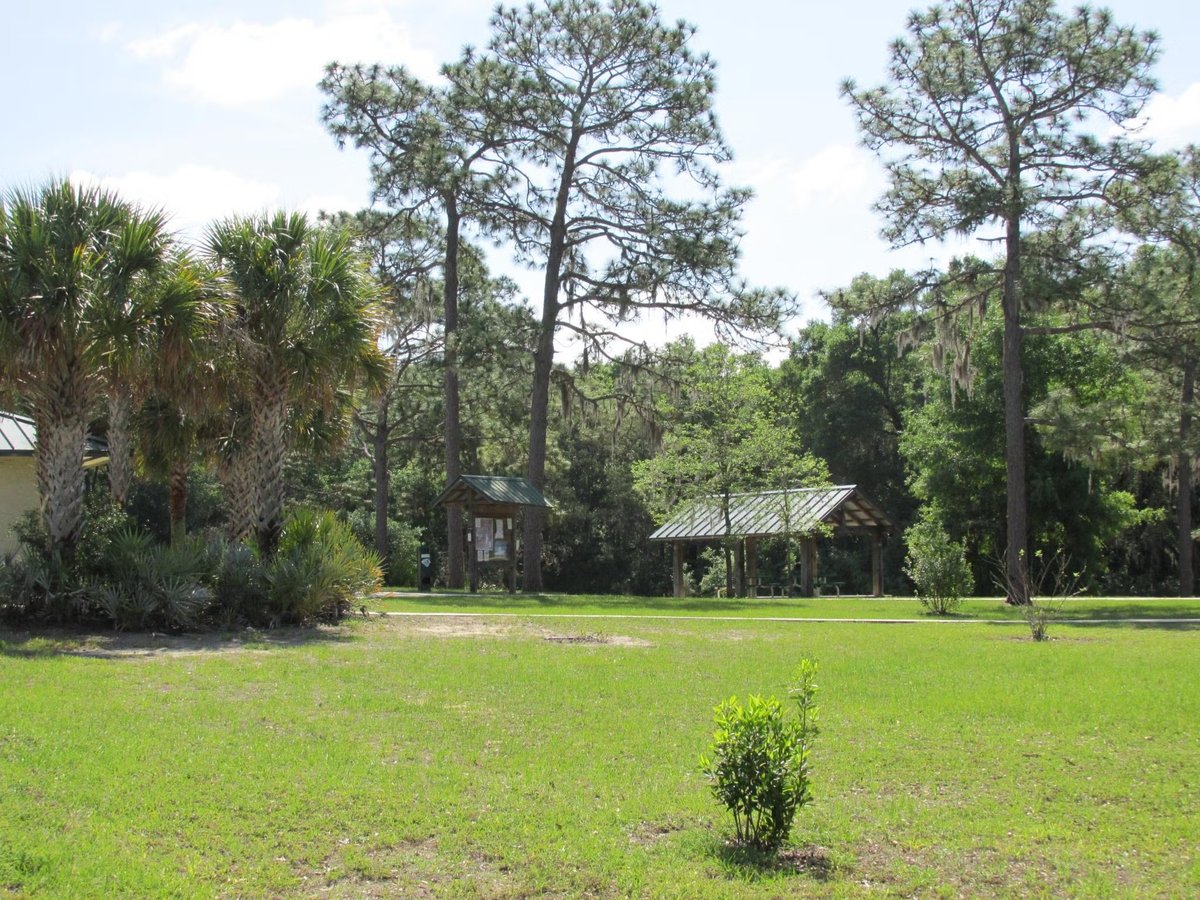
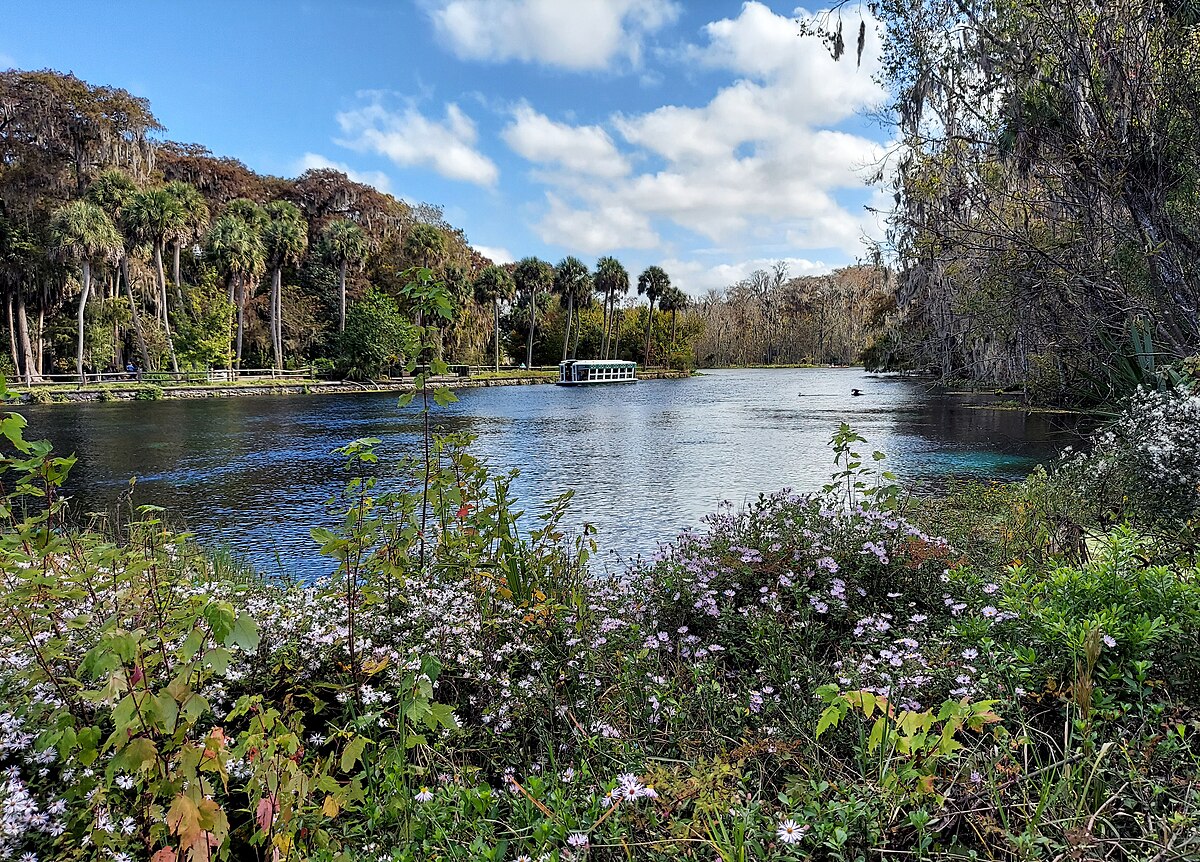
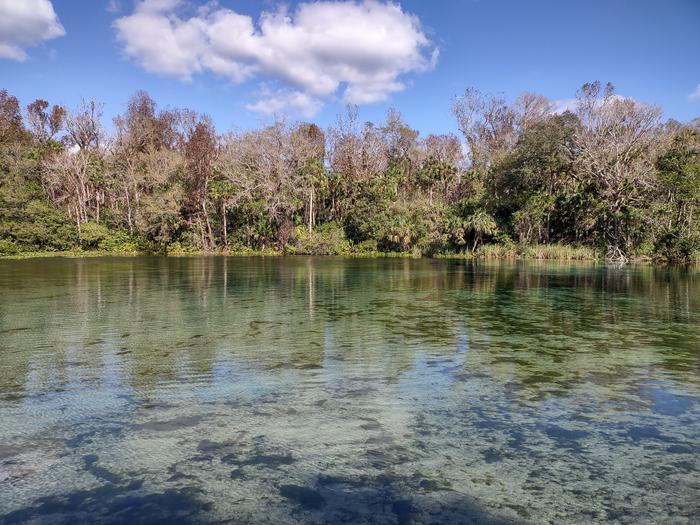
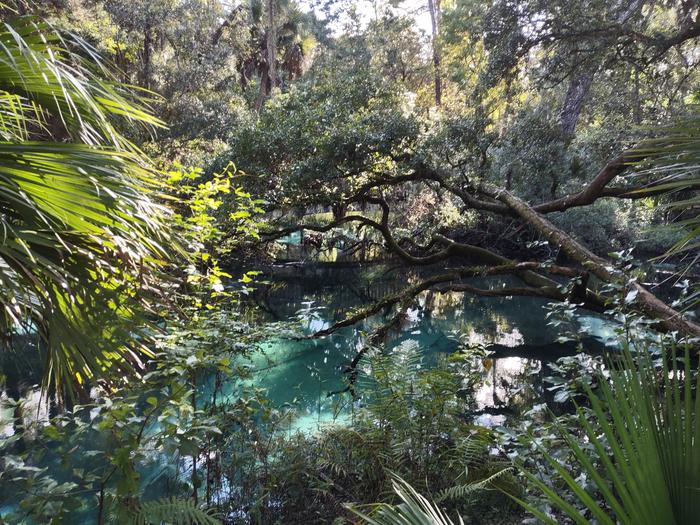
Natural Features and SceneryThe campground occupies wooded terrain with oaks and pines providing good shade across most loops. Sites sit at 39 feet elevation along the Rainbow River corridor, where the spring-fed water flows a constant 72°F and glows vivid blue-green over white sand. From the river access at camp, you'll see fish and aquatic plants through water clear enough for easy underwater viewing. The main headspring area, a short drive away, features waterfalls and overlooks above deep blue pools. Trails wind through typical central-Florida hammock with palms and hardwoods. Turtles, fish, wading birds (herons, egrets), and small mammals are common along the riverbanks.
 4.50
4.50