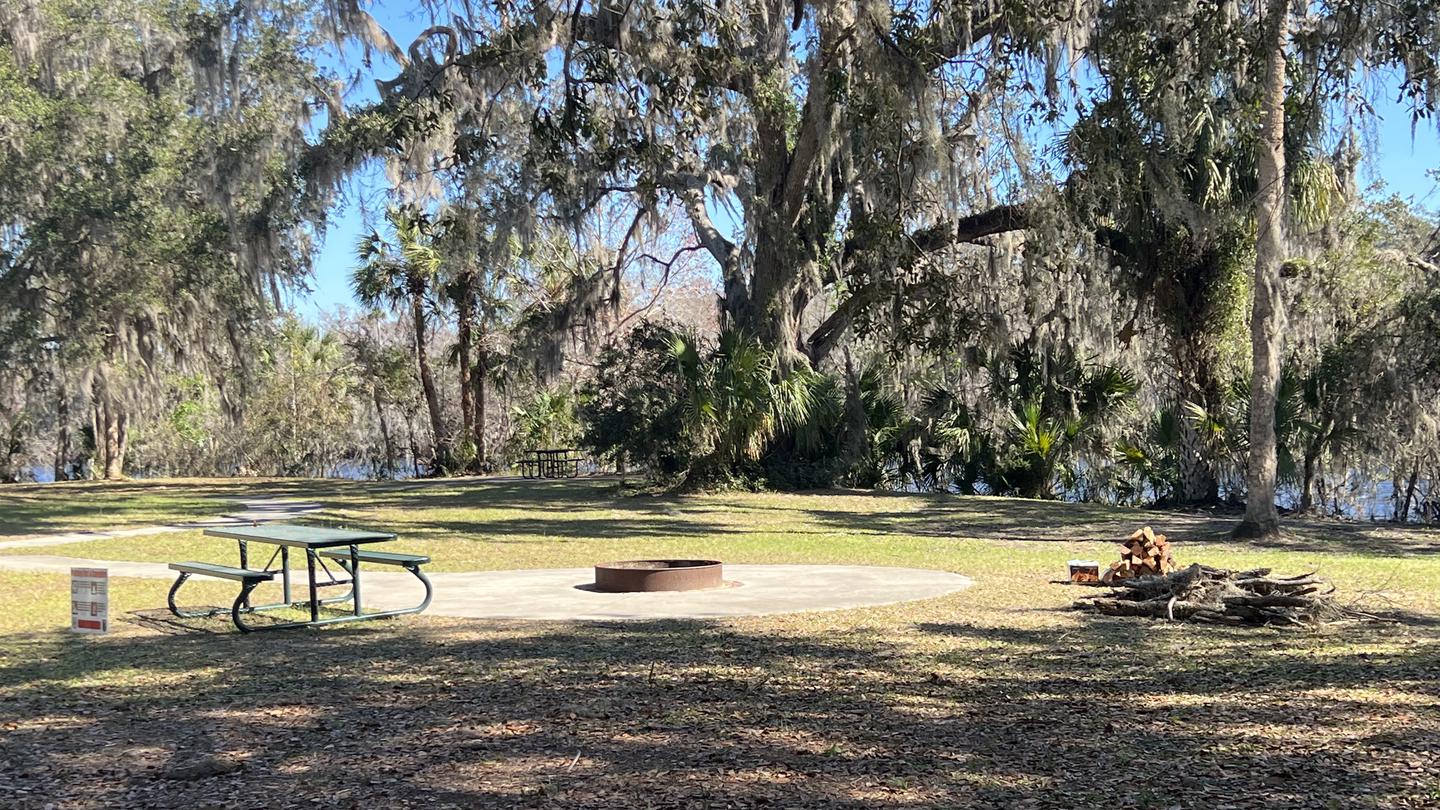
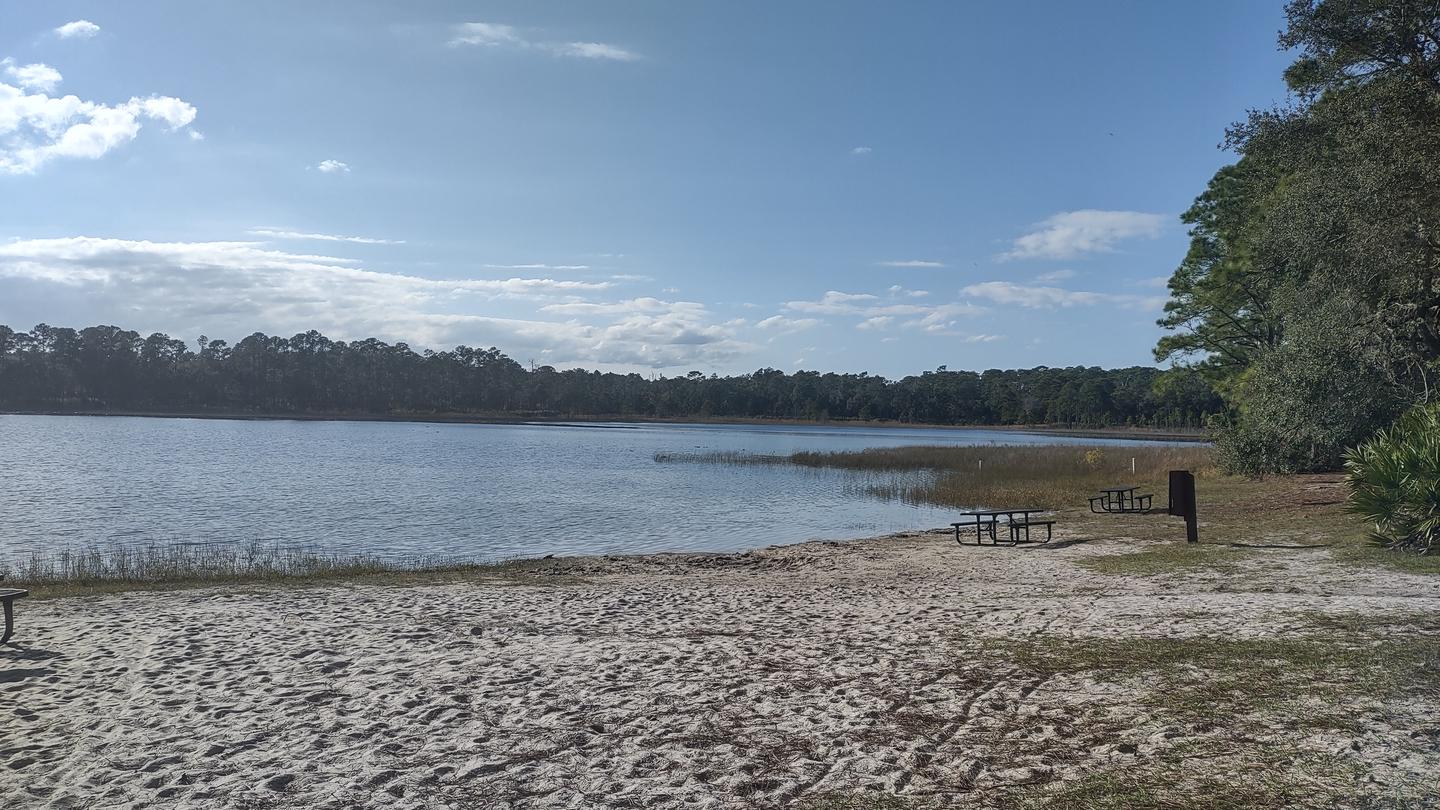
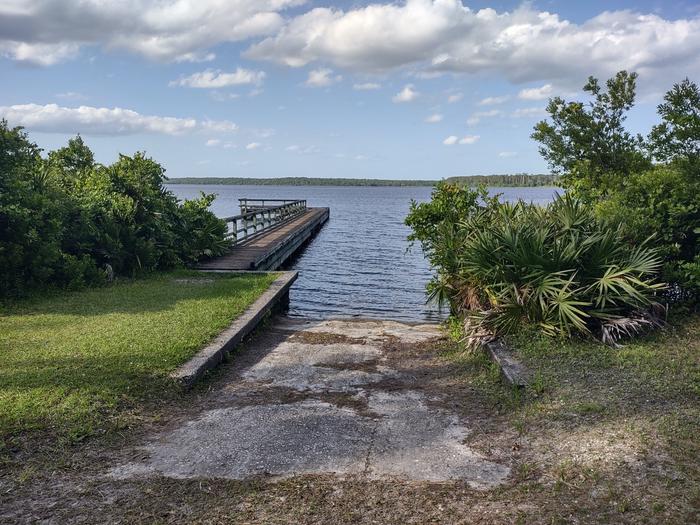
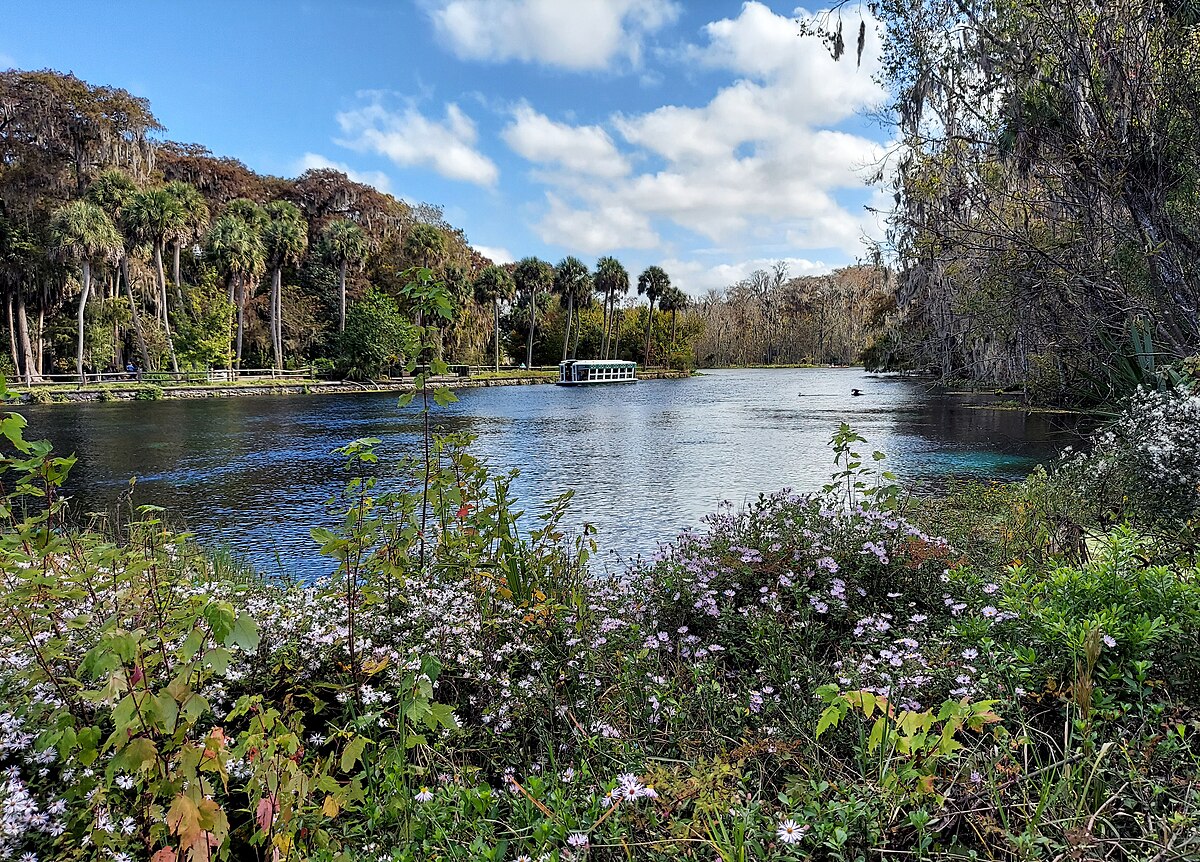
Blue Springs State Park Campground occupies 51 sites in sand pine scrub forest along the St. Johns River, 52 feet above sea level near Orange City. The first-magnitude spring flows constantly at 72°F, drawing Florida manatees by the dozens in winter and swimmers in summer. Full hookups, a dump station, and a long boardwalk over the spring run make this a well-equipped base for wildlife viewing and water access.
The park campground contains 51 developed campsites suitable for recreational vehicles up to 40 feet and provides on‑site cabins nearby. Accessible sites are available and two‑bedroom cabins are offered for lodging.
Historical Significance
The park preserves the Thursby House, a restored 19th-century home from the area's steamboat era. Blue Spring has been managed as a manatee refuge and conservation site for decades.Weather and SeasonsSummer brings the warmest access: highs in the upper 80s to low 90s, humid nights, and frequent afternoon thunderstorms. The 72-degree spring feels like relief on hot days, and swimming, snorkeling, tubing, and paddling are all open (subject to construction schedules). Crowds peak in summer and the park often closes to day-use visitors once capacity is reached. Winter flips the script. November 15 through March 31, all in-spring water activities stop to protect the manatee aggregation, but boardwalk viewing is exceptional. Air temperatures are milder and bugs less intense. Spring and fall shoulder seasons balance wildlife, moderate temperatures, and smaller crowds, though manatee presence dictates water-access rules.
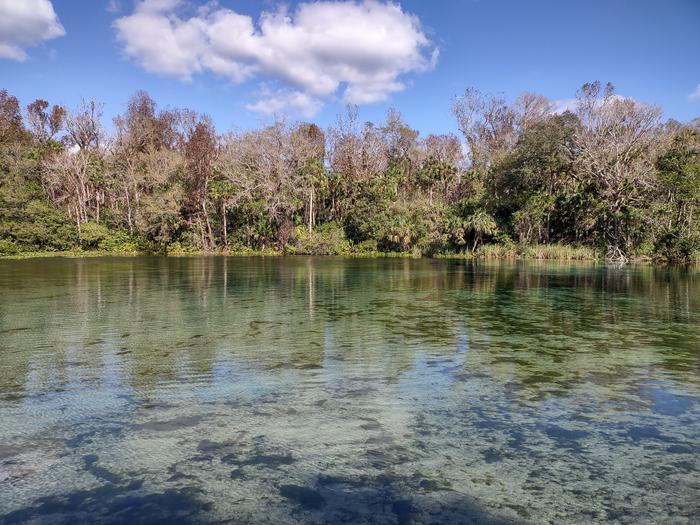
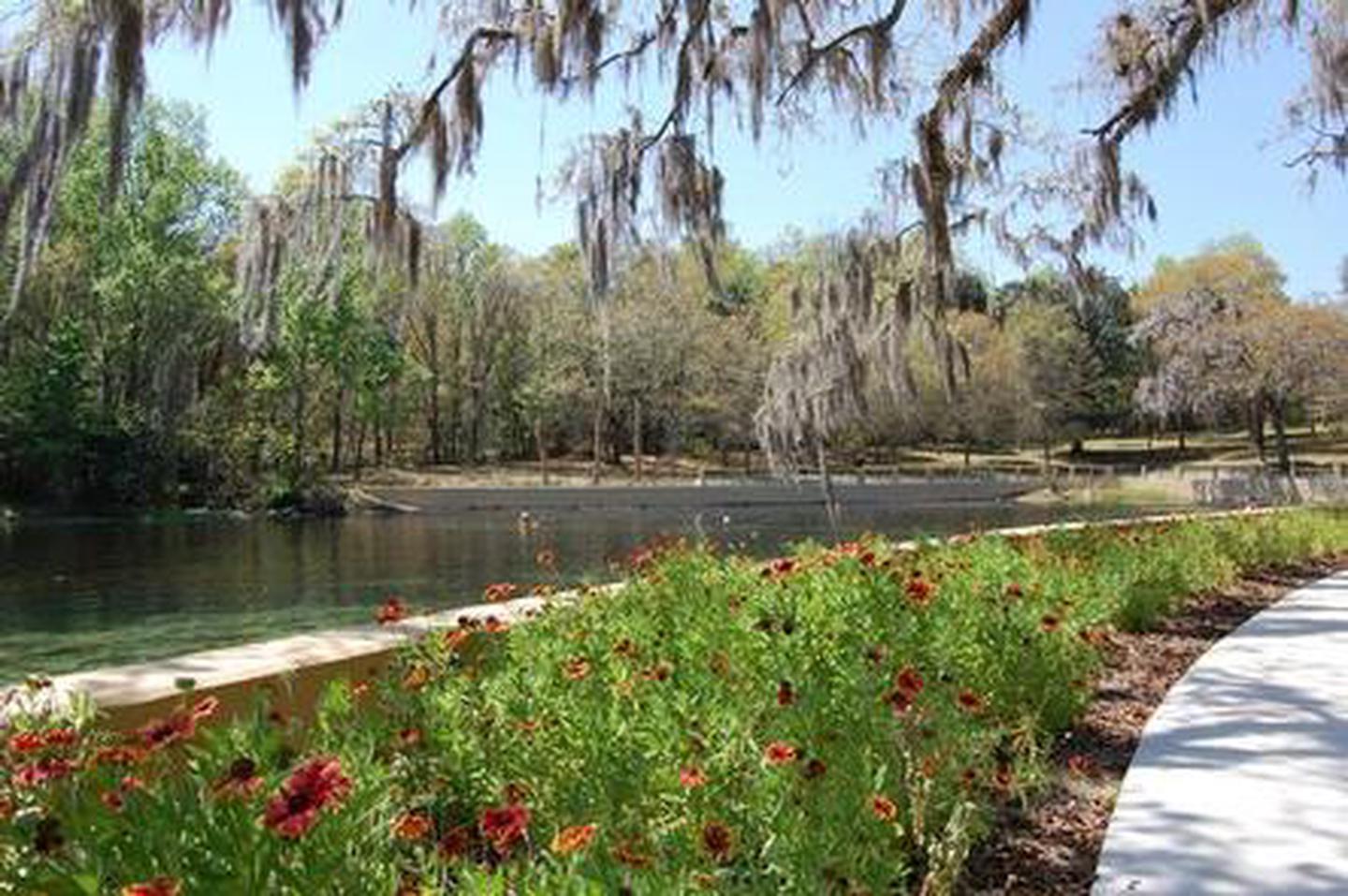
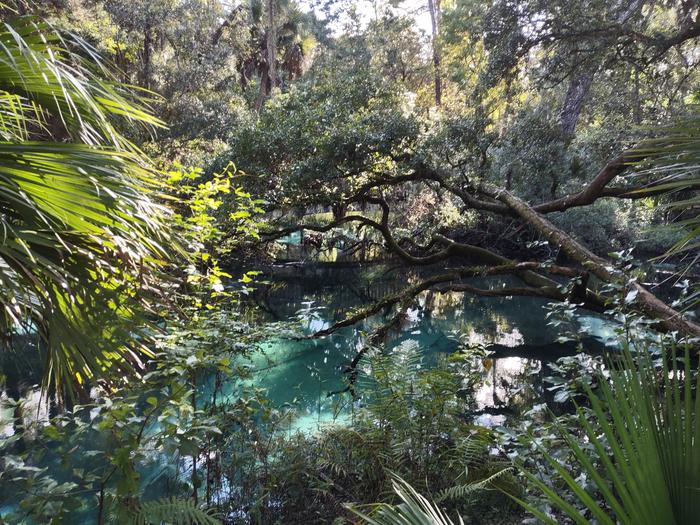
Natural Features and SceneryThe spring pumps crystal-clear 72-degree water year-round through a scenic run into the St. Johns River. A boardwalk follows the spring's course, letting you look straight down at fish, turtles, gar, and submerged logs drifting in the current. In winter, manatees cluster here when the river temperature drops. The campground sits in scrubby sand pines with vegetation berms between sites, and the habitat shifts to lush floodplain forest and river marsh as you approach the water. Wading birds and waterfowl stalk the shallows. Pull-outs along the boardwalk offer views of river traffic and the forested opposite bank.
Geological RegionFirst‑magnitude spring feeding the St. Johns River; campground set in sand pine scrub and adjacent floodplain/river marsh habitats
Scenic ViewsBoardwalk overlooks provide direct views into the clear spring run and manatee viewing in winter; additional viewpoints look out over the St. Johns River and river marshes. Campsites are generally wooded and private rather than offering wide vistas.
 0
0