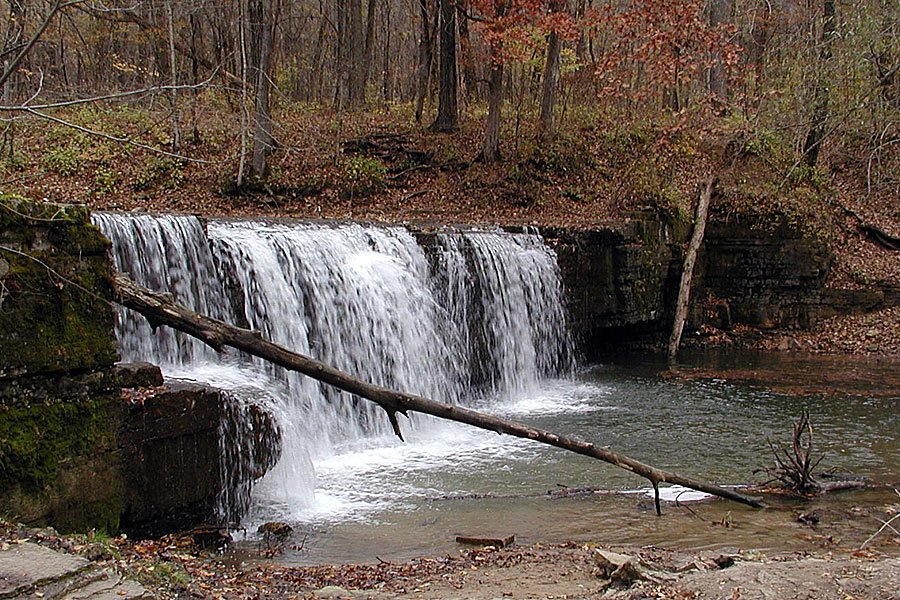
Rice Lake State Park's Group Camp sits in a quiet oak woodland near Owatonna, seven miles west of town. The park protects a shallow lake surrounded by hardwood forest and prairie-edge wetlands. Reviews praise the mature tree cover and peaceful setting, though summer visitors should plan for aggressive biting flies and mosquitoes.
The park offers a mix of camping options including drive‑in tent/RV sites, canoe/boat‑in sites, and designated group camping areas.
Weather and SeasonsFall offers the best combination of comfortable weather, dramatic hardwood color, and minimal bugs. Daytime highs typically range from the upper 40s to mid-60s°F late September into October, with crisp mornings. Leaf color on the oaks peaks in late September through mid-October, and waterfowl migration makes wildlife viewing especially rewarding. Late spring (after snowmelt) also draws visitors for cooler temps and manageable bugs, though early April can leave trails muddy. Summer. Especially late July and mid-summer. Brings heavy mosquitoes and biting flies near the lake and wetlands. The park is open roughly April through late October.
Weather data by Open-Meteo.com, licensed under CC BY 4.0, processed by Outdoorithm.
Natural Features and SceneryThe campground occupies wooded slopes above Rice Lake, a shallow wetland lake ringed by reeds and hardwood forest. Mature oaks shade many sites, their canopy opening to filtered views of the water and surrounding marsh. The terrain is low and gentle, so views are intimate rather than expansive. Lake surface, waterfowl, and dense vegetation rather than distant horizons. Trails skirt the lake through mixed hardwoods and wetland edges. The landscape is typical of southern Minnesota's prairie-forest transition zone: oak groves interspersed with wet meadows and marsh. White-tailed deer, raccoons, songbirds, and waterfowl use the habitat, though campers mention insects more often than mammals.
Geological RegionSouthern Minnesota — small shallow lake with surrounding hardwood forest and prairie-edge wetlands
Scenic ViewsMostly intimate, wooded views of trees, reeds and the lake/marsh rather than wide panoramas; some sites and trails provide filtered or direct views of the lake through mature oaks.
 3.42
3.42