Best Camping Kitchen Gear: The Cooking Setup We Actually Use
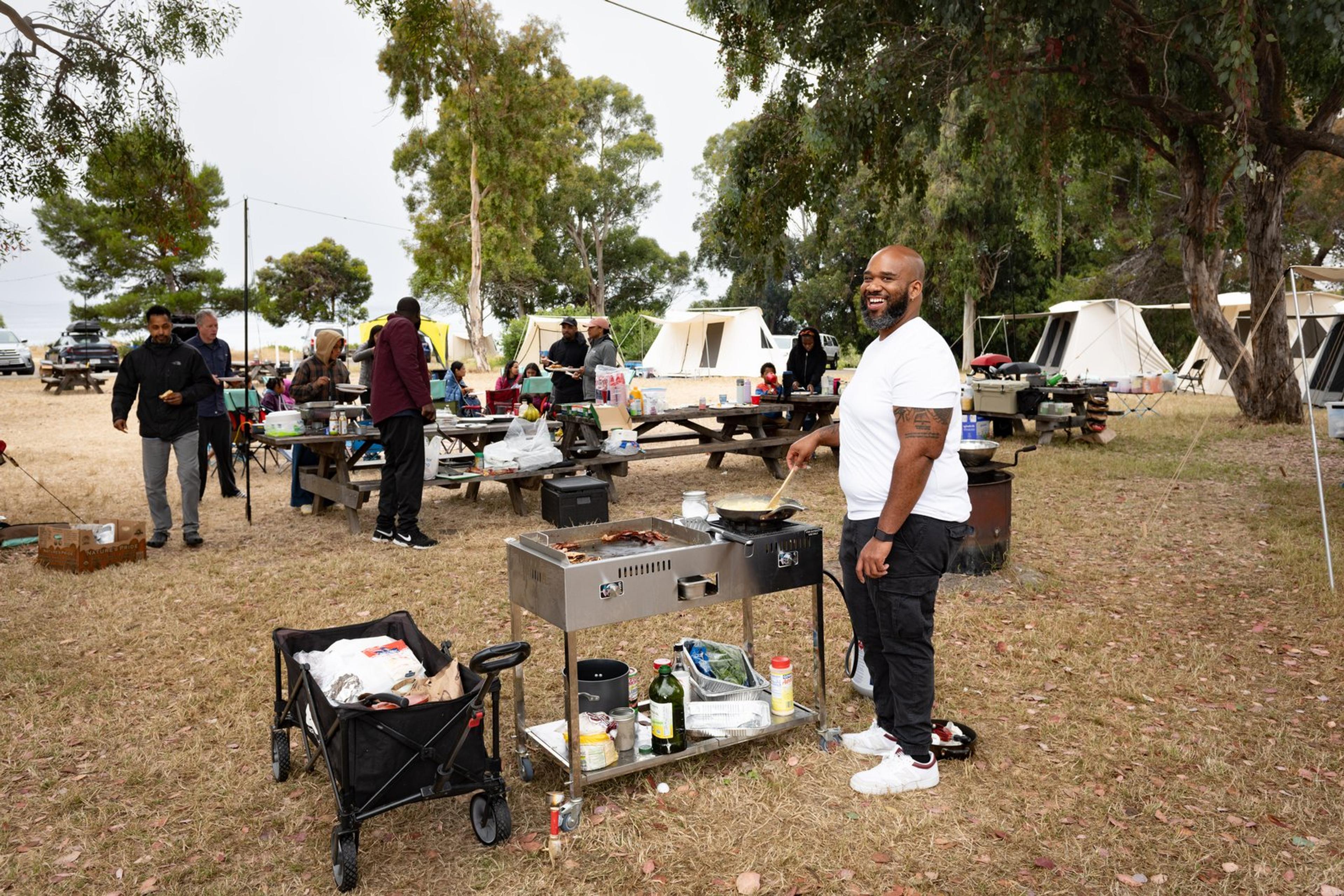

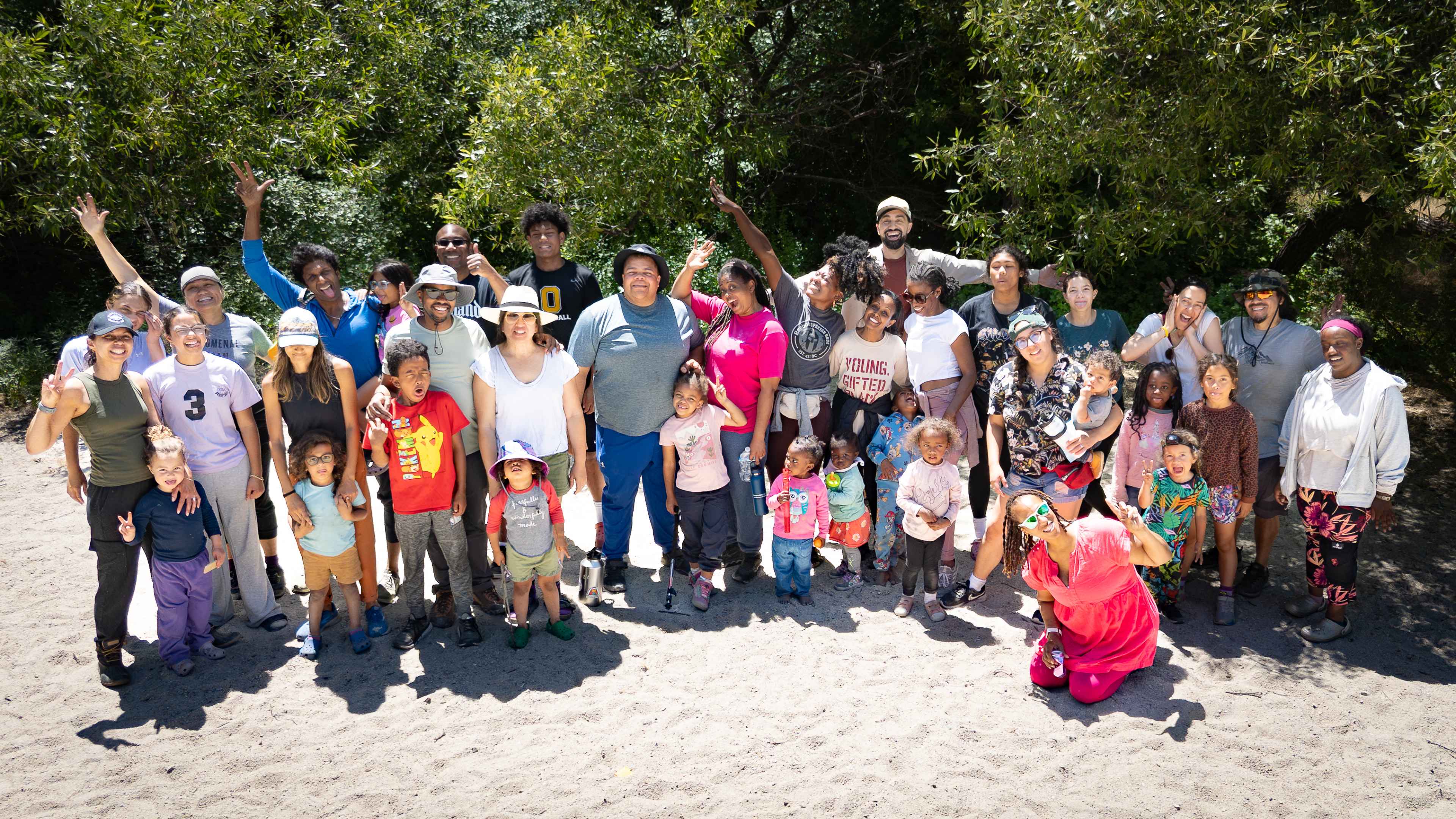
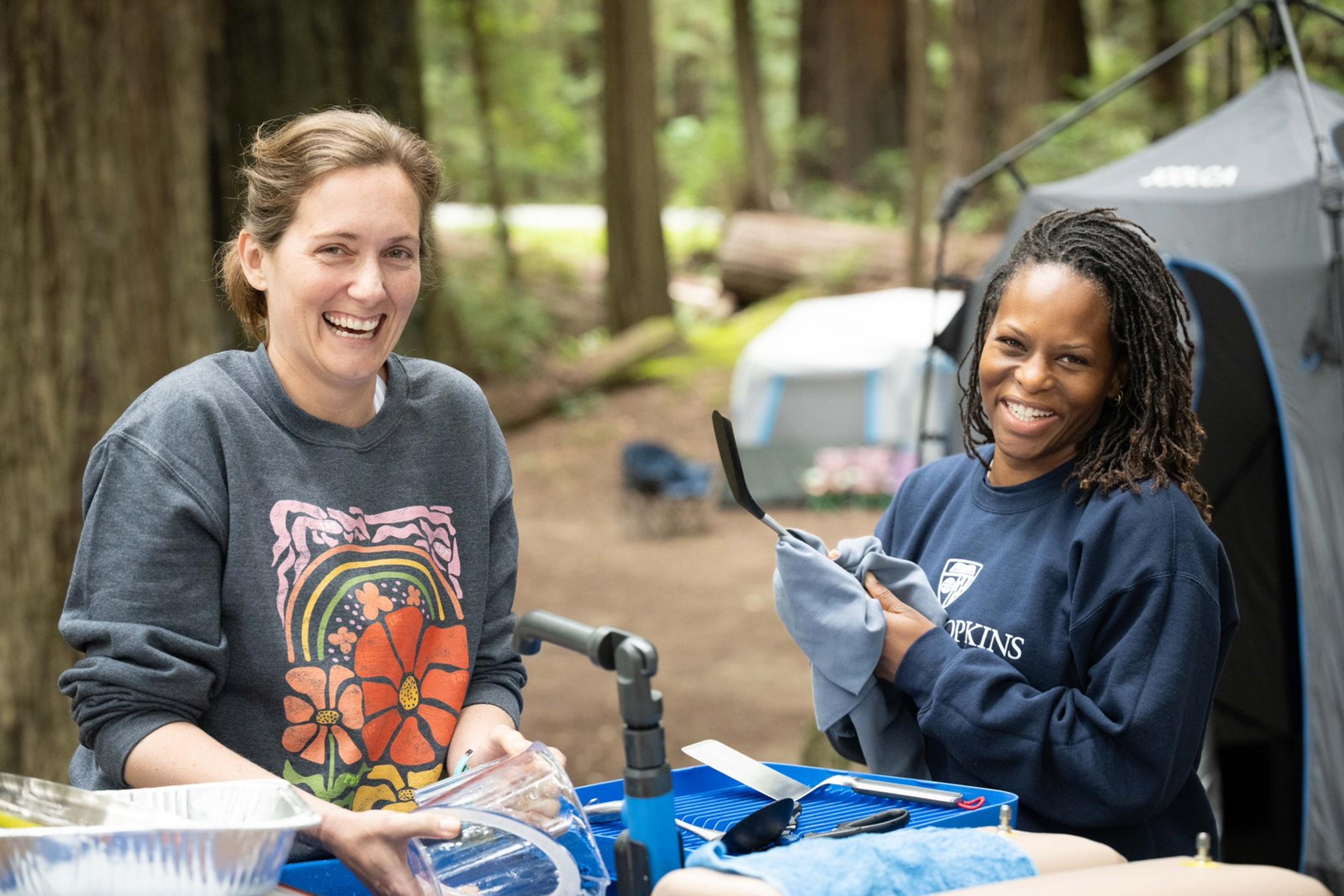
About $100 bought us a weekend at Humboldt Redwoods: the kids turned the campground road into a chalk mural, and the adults cooked communal dinners under thousand-year-old trees. Everyone flipped pancakes. Everyone washed dishes.
Nobody at Humboldt asked what anything cost. High standards there meant everyone taking turns at the camp stove. After 395 nights outdoors, that is the truest thing we know about camp cooking: the kitchen is where a campsite becomes a camp.
Friends ask us all the time what to buy first. So here is the exact cooking setup we run, for a family of six and for a Collective trip of forty, and the order we would buy it all again from zero. If you're starting with nothing, skip to "Starting From Zero" near the bottom: five steps, and none of them are the group gear. The prices printed below are what REI charges as of July 2026.
The Best Camping Stove: Start Here
Everything else in the kitchen is negotiable. The stove isn't. When friends want one answer to "which camping stove should I buy," we say the Camp Chef Everest 2X (check price at Amazon). We cooked on one before the Jetboils took over our table, and it's still the answer we give: two burners with real output and honest simmer control, eggs on one side, coffee water on the other, nobody standing around waiting.
Our own stoves are Jetboils, and we run them like a two-speed system. The HalfGen single burner ($249.95 at REI) handles the quick jobs: boiling the collapsible kettle, melting the butter for pancakes. The Genesis Basecamp two-burner ($449.95 at REI) is the workhorse under full pots, and it earns a second job at group camp that we'll get to below.
Our morning trick: boil a full kettle, pour it into a 46-ounce YETI Rambler, and there's hot water for coffee and cocoa all morning without relighting anything.
The Grill We'd Replace the Same Day
The Napoleon TravelQ 285 (check price at Amazon) is the piece of this kitchen we love beyond reason. Dual burners you can control separately, which means indirect heat, which means it works as an oven. You can bake at camp. Roast at camp. Warm the buns while the burgers rest.
We know exactly what a morning without it looks like, because we once left it at home and cooked pancakes on a cast iron griddle balanced over a little fire can, rotating each pancake in a slow circle, half hot, half not. That story, and the packing checklist it produced, is its own post.
Cooking for Forty: The Magma Crossover System
When the trip outgrows one picnic table, we switch grills. This spring at Indian Cove in Joshua Tree, brisket and ribs night fed forty of us off our Magma Crossovers: a single-burner firebox (check price at Amazon) and a double, each up on its pod stand.
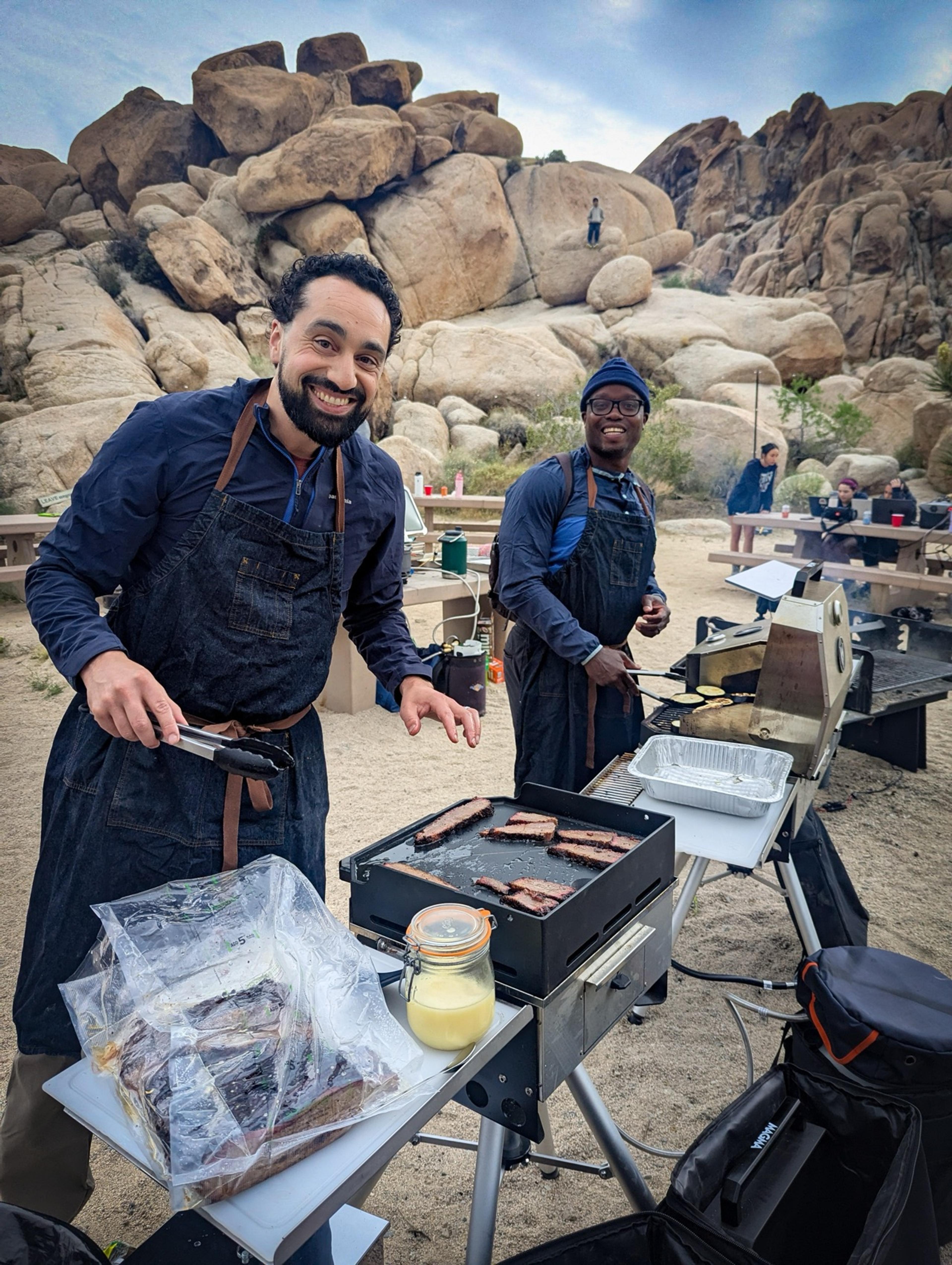
The thing we adore is the interchangeable tops. The Grill Top works like a traditional BBQ for corn, burgers, and hot dogs. The Griddle Top handles pancakes, french toast, sausage, and brisket slices, and the nonstick surface will put out pancakes for a big group faster than anyone can eat them. Massive BTU output under either one. Mount the firebox on the stand, connect the propane, drop on whichever top the meal needs, and go. The full assembly is in our Magma setup guide.
One warning that comes from experience. The Magmas have dedicated grease traps, which make cleanup easy and make bears curious. In bear country the traps come out every night: emptied, wiped down, and locked in the campsite bear box with everything else that smells like food. We learned that at Kings Canyon this summer. We were still up by the fire when a big black bear came for the traps we hadn't pulled yet, and Justin had to run it off. The only reason that worked is that we were awake. The bear box doesn't need you awake. Bears aren't the only ones paying attention: in late summer, open grease and meat pull in yellow jackets too. What actually works against meat bees is its own post.
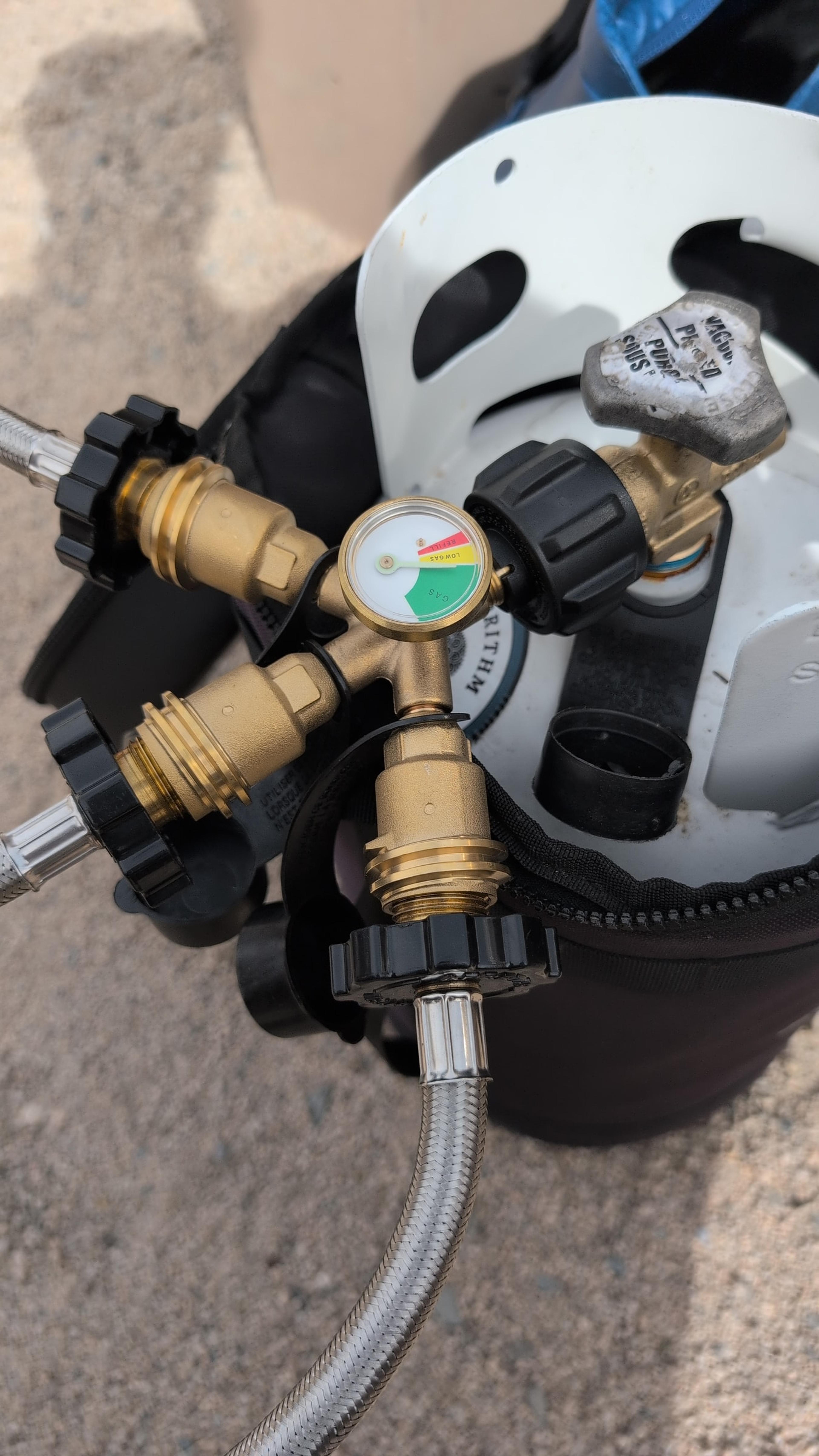
Fuel: the little green 1-pound canisters can't keep up with a group weekend. We run each Magma off a 10-pound steel propane tank in a carry case that keeps it from rolling around the van, and we use refillable 1-pound cylinders for the small stoves instead of buying throwaways. Never refill the green disposables; the refillables are built for it, the throwaways aren't. New hose or new tank, we brush soapy water on every connection before the first light, and bubbles mean stop. The burners get the same three-foot kid buffer as the campfire.
The Chafing Dish Trick Nobody Expects
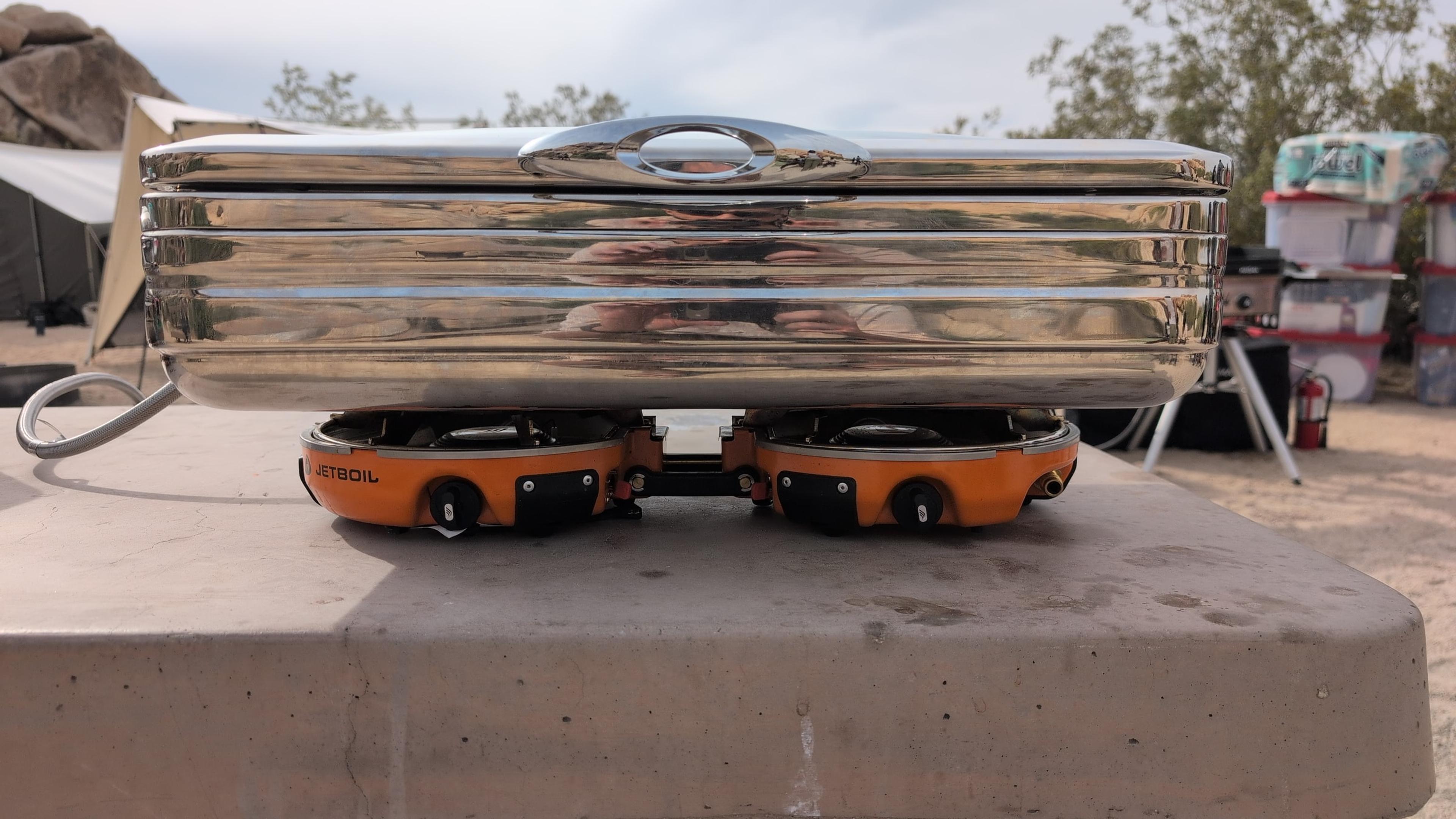
Here's the hack people photograph when they walk past our site. We set a stainless chafing dish across the two burners of the Jetboil Genesis and heat the water bath. Neither manual drew this up, so it lives on a dead-level table away from foot traffic, flames on low, an adult always in reach. Instant buffet line: pancakes stay warm while the batch finishes, pulled pork holds through second helpings.
Then it earns its keep twice. We bring meats and sides vacuum-sealed and frozen in the cooler, mac and cheese included, and drop the bags into the hot water to come up to temperature. Two numbers keep it honest: cooked food reheats to 165°F in the middle before anyone eats (the instant-read thermometer settles arguments), and the bath holds everything above 140°F after that. Food comes out of the cooler frozen solid and lands on plates hot, and nobody stood over a pan.
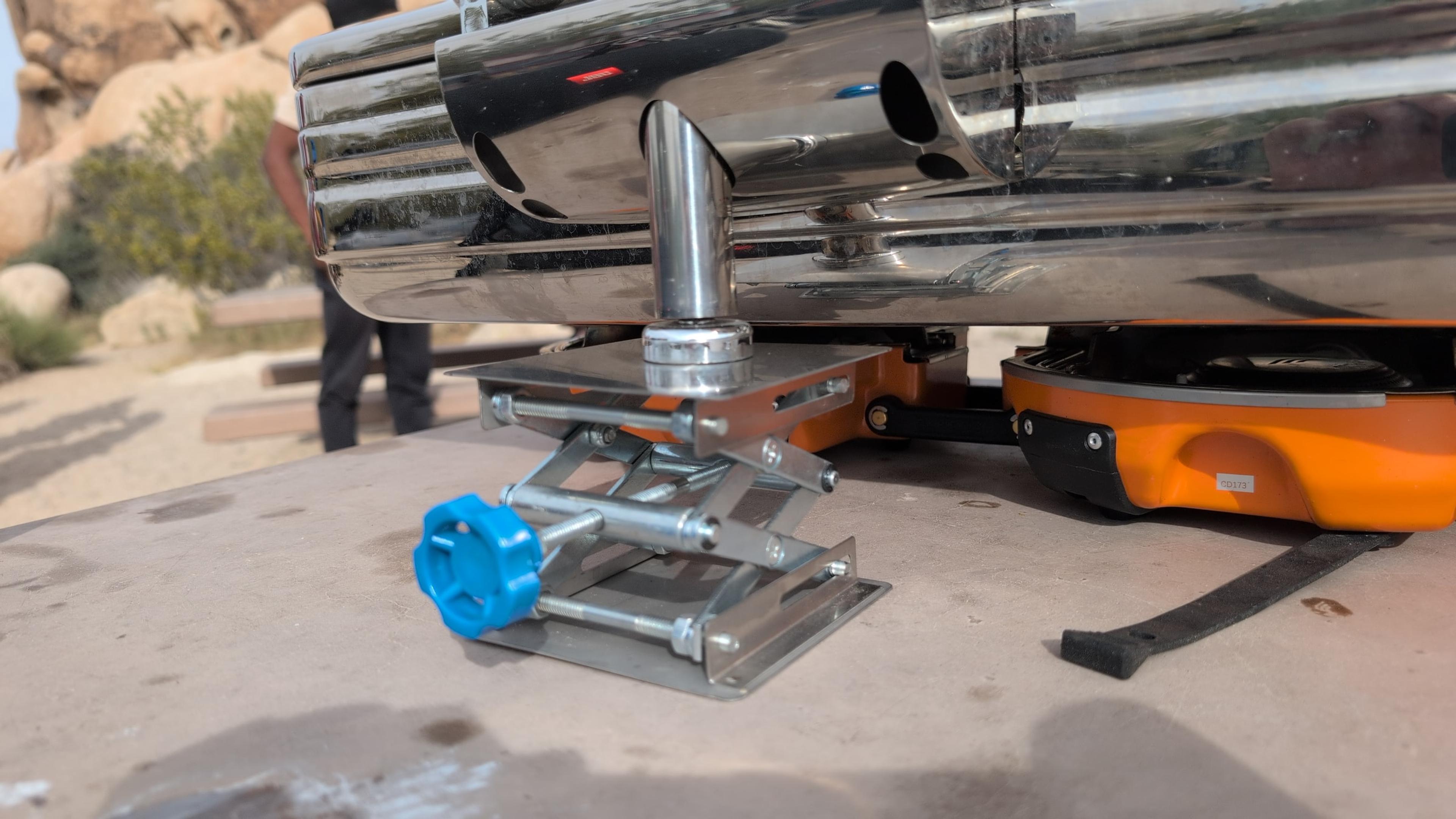
The balance trick: a lab jack stand under the back edge. Turn the knob until the dish sits level and the water stops creeping toward one corner. Step-by-step photos are in our chafing dish setup guide.
The Best Cooler for Camping: Two Honest Answers
If you camp a few times a summer, buy a hard cooler and stop reading. We spent years hauling a YETI Tundra 45, and it's still the certified-tough answer. But a Tundra loaded with food and ice gets seriously heavy, so these days we roll a YETI Roadie 60 Wheeled Cooler ($475 at REI) instead of carrying it. Two honest tradeoffs: locking it takes a separate Lockport part, and even locked, the Roadie isn't certified bear-resistant the way a padlocked Tundra is. Some forests accept a padlocked, IGBC-certified cooler as legal food storage; parks like Sequoia and Kings Canyon want everything in the metal locker no matter what your cooler cost, so check your campground's rule. The RTIC 45 is the same idea as the Tundra for a little less money.
But in our kitchen, the cooler got demoted. The Dometic CFX3 55IM is a fridge, not a cooler. No ice runs. No draining melt water off the cheese. Food holds one temperature the whole trip, which quietly expands what you can put on the menu, and it's what makes the frozen vacuum-sealed meal system above possible.
It runs off the Dometic PLB40 battery, which lasts us a full weekend on a charge. In real heat it draws harder, so we keep an eye on the level and top it up with a Grecell 200W solar panel.
The honest decision rule: camping twice a summer, get one good hard cooler and spend the difference on better food. Camping every other weekend, like we have since 2021, and the fridge stops being a luxury.
Buying one piece of this kitchen for somebody else? Our gifts for campers guide has the same picks priced out, cheapest first.
Pots, Tools, and Plates That Earn Their Bin Space
Camp cookware has one job: nest small, clean easy, survive the bin. This is what's in ours.
- GSI Bugaboo Base Camper pot set: nonstick pots and pans that nest into one unit. Comprehensive, and it lasts.
- OXO Outdoor 4-piece cooking set: the spatula and spoon you'll actually reach for.
- GSI Santoku knife set: the knives ride sheathed in their own case. Kitchen knives from home work too, with blade guards on.
- OXO cutting board and tray set: compact, and the tray half carries prepped food to the grill. Bring a second board so raw meat never shares a surface with the salad.
- Hydro Flask camp plates: insulated, so dinner is still warm when the kids finally sit down.
- GSI Glacier cutlery: real forks. Real cutlery is the difference between eating at camp and eating like it's a rest stop.
- An instant-read thermometer: ours is the orange ThermoPro, and the probe says done, not the clock, whether it's chicken for six or brisket for forty. It settles the cooler question too (under 40°F or it isn't cold storage).
Half a camp kitchen can come straight from your kitchen. Raid the drawer before you buy anything twice.
Water and the Wash Station
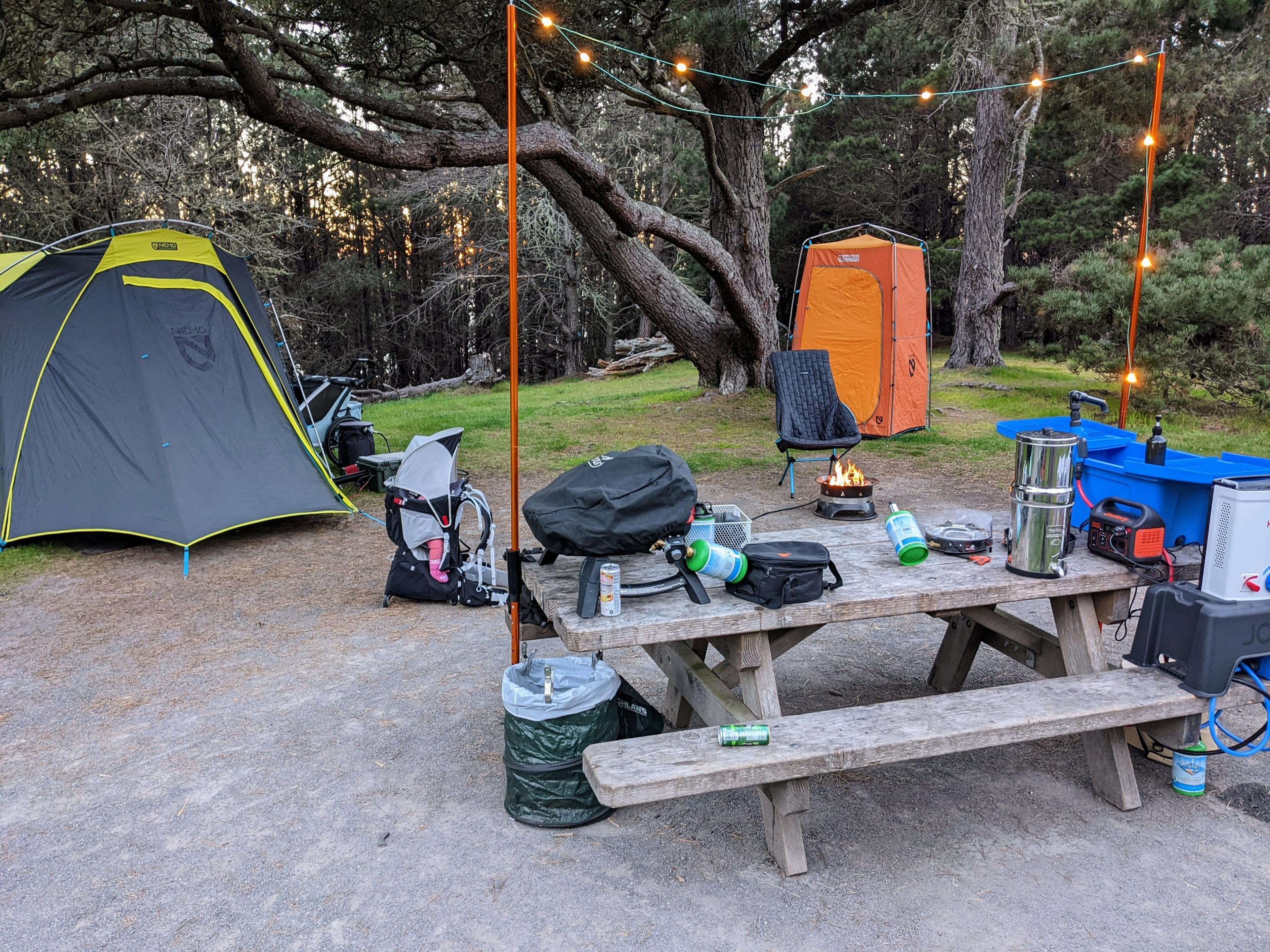
The Dometic GO 11-liter jug with its faucet puts water at the table for hands, teeth, and the pot you need to fill, so nobody hikes to the spigot eleven times a day.
At group scale, drinking water gets its own station: we filter water with the Guzzle H2O Stream (setup guide here) into a YETI Silo water cooler, then pour a bag of ice straight in. Cold, fresh water on tap all day, for everyone.
For dishes, two bins: one washes, one rinses. Feeding a group, add a third with a capful of sanitizer and let everything air-dry. Add an OXO soap-dispensing brush and biodegradable soap, and cleanup stops being the worst chore in camp. One rule at any headcount: biodegradable or not, soap never goes in the creek. Use the campground's utility sink, or dump gray water where the rules point. Our whole bin approach is in the bin system post.
Packing for a trip? Our free interactive checklist tracks everything, tent to toothbrush, so nothing gets left in the garage.
Open the camping checklistThe upgrade that surprised us most is hot water. With the Joolca Hottap, washing up on a cold night stops being a negotiation, and knowing you won't plunge your hands into freezing water changes which meals you're willing to cook in the first place.
The Fun Stuff
Pizza night converts camping skeptics. The Ooni Koda 12 (check price at Amazon) is the one we run: prep the toppings at home, let the dough rest at camp air temperature before you stretch it, and never leave food unattended in bear country.
Coffee is a personality test. On family trips we've gone back and forth between a french press and instant; the press wins on taste, instant wins on the morning you discover the press is at home. For a group, we boil in a 36-cup GSI enamelware coffee boiler and decant into a YETI gallon jug, which holds the heat all morning. The line forms, the jug pours, nobody waits on a kettle.
If this list is making you want to go further, the kitchen is half of our DIY glamping setup, and the original camp kitchen guide goes all the way down to the egg holder and the milk frother.
Starting From Zero? Buy in This Order
- A stove and fuel. The Everest 2X if you want to buy once.
- One pot, one pan. The Bugaboo set if the drawer at home can't spare them.
- The cooler you already own, plus Cooler Shock ice packs. Upgrade later, once you know how often you'll go.
- Two plastic bins for washing. Free, if your garage looks like ours.
- Then the upgrades in whatever order your trips demand: the grill, the fridge, hot water, pizza. And when the trip outgrows the table, the Magmas.
Camp Kitchen Questions We Actually Get
What is the best camping stove for a family?
For most families, a two-burner propane stove like the Camp Chef Everest 2X: enough output to cook real meals, simple to run, easy to find fuel for. We run Jetboils, a HalfGen single burner for fast water and quick jobs plus a Genesis two-burner under the full pots, and we add the Napoleon TravelQ 285 when we want indirect heat for baking and roasting.
How do you cook for a big group at camp?
Split the kitchen into stations. A Magma Crossover with swappable grill and griddle tops does the volume cooking, a chafing dish over a two-burner stove keeps finished food warm (reheat to 165°F first, then the bath holds it above 140°F), and a water cooler of filtered ice water keeps everyone out of the cooking zone. The whole station-by-station system, menu included, is in how we feed 40 at camp.
Is a powered cooler worth it over a regular cooler?
It depends on how often you camp. A few trips a summer: a hard cooler like the YETI Tundra 45 with fresh ice is all you need, and we like the wheeled Roadie 60 when it's a long haul from the car. Camping every other weekend: a powered cooler like the Dometic CFX3 55IM ends ice runs entirely and keeps food at one steady temperature, which changes what you can plan to cook.
What kitchen gear can I bring from home instead of buying?
Knives (in blade guards or a knife roll), a cutting board, mixing bowls, utensils, dish towels, and storage bins all travel fine. Even our chafing-dish leveler is a lab jack, not camping gear. Spend your money on the things a house can't lend you: the stove, the cooler, and a wash setup that works outdoors.
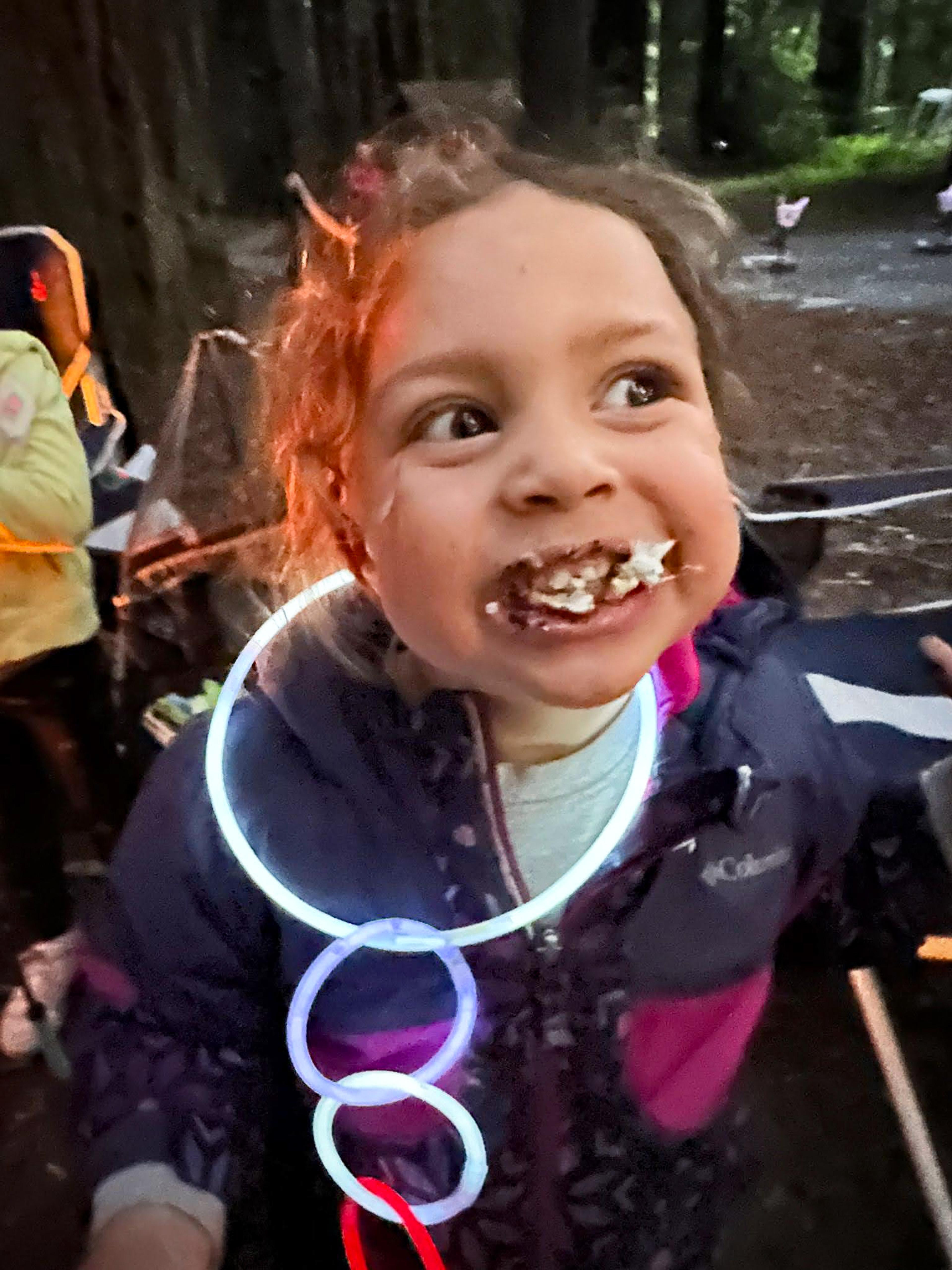
Back at Humboldt, dinner never needed managing. The stove had a line of volunteers. So did the wash bins. Eliza appointed herself dessert quality control and took the job seriously.
This kit scales because the trips do. If you're cooking for a crowd, see how we plan and run group trips for 40+ people.
If you are buying one piece of this kit for someone else, we sorted it by recipient in our gifts for campers guide.
That's what this gear actually buys. Not restaurant food. Jobs small enough for anyone to pick up, around a table big enough for whoever wanders over. We once spent $11,300 on a Disney vacation, and the magic came with a line to stand in. A camp stove makes the other kind. Hand somebody a spatula and watch.

Want a personalized version of this guide?
Camp Sage tailors recommendations to your dates, group, and gear — free.
Join our newsletter to get more resources and tips to help your family camp with confidence!