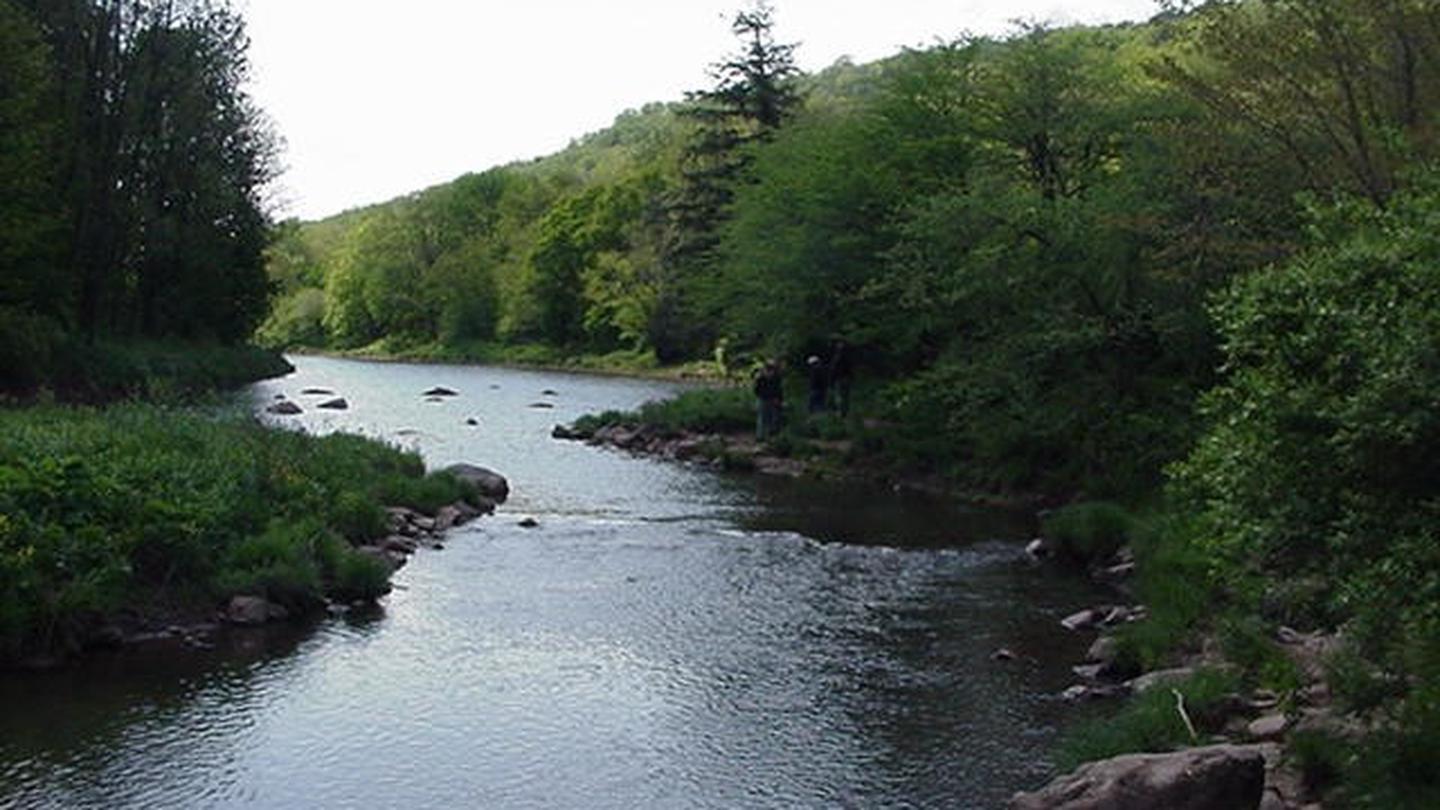
Cranberry Glades Botanical Area sits at 3,360 feet in the Monongahela National Forest, protecting West Virginia's largest bog system across 750 acres. The acidic wetlands formed over centuries from compressed peat and sphagnum moss, creating a rare ecosystem more typical of regions hundreds of miles north. There's no cell service here.
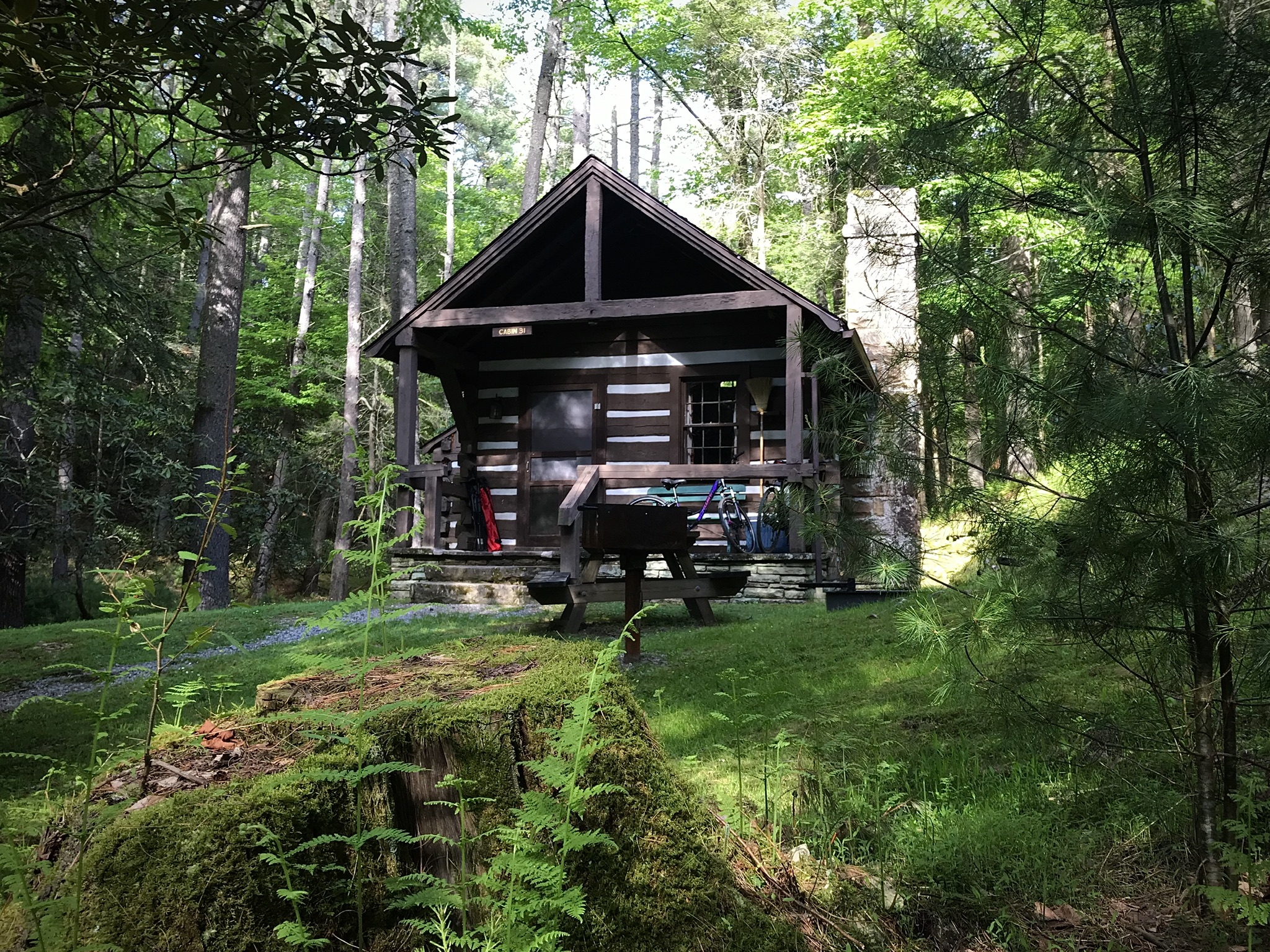
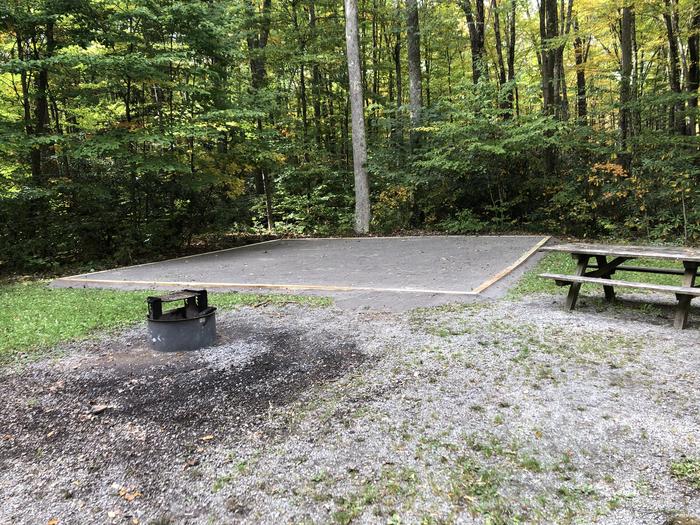
The Cranberry Glades Botanical Area primarily supports primitive and tent camping, with additional nearby car camping opportunities.
Historical Significance
This is North America's southernmost peat bog, an Ice Age remnant that has captivated scientists studying how northern ecosystems survived in an unlikely southern location. The bog's persistence reflects ancient climate patterns and specialized geological conditions that allowed these acidic wetlands to develop and endure for thousands of years.Weather and SeasonsFall is the standout season. Late September through October brings crisp, clear days with highs in the mid-40s to low-60s°F and cool nights that intensify the foliage colors across the bog and surrounding hardwoods. The boardwalk is most accessible after summer mud dries out, and wildlife activity picks up at the bog edges. Summer offers cooler temperatures than the lowlands thanks to the elevation. Winter can drop well below freezing, turning the glades into a crystalline landscape. Spring brings wildflower blooms, though expect mud and wet conditions early in the season.
ElevationPerched high in the Appalachian Mountains, the glades create their own microclimate where summer visitors find welcome relief from the valley heat. This elevated sanctuary maintains temperatures several degrees cooler than the surrounding lowlands, creating perfect conditions for the unique northern species that call this high-altitude wetland home.
Weather data by Open-Meteo.com, licensed under CC BY 4.0, processed by Outdoorithm.
Natural Features and SceneryThe glades are built on peat deposits created from partially-decayed plant material accumulated over millennia. Sphagnum moss dominates the wetlands, where carnivorous sundews, rare orchids, and specialized bog plants thrive in acidic conditions. A boardwalk crosses the main bog areas, letting visitors walk over the saturated ground without disturbing the fragile substrate. Surrounding hardwood forests edge the wetlands, and after rainfall, both forest roads and trails turn slick. At this elevation, you're looking at a northern-style peat bog transplanted into the southern Appalachians. An ecological oddity shaped by ancient climate patterns that persist in this mountain valley.
Geological RegionNestled within the embrace of the Monongahela National Forest, Cranberry Glades represents a geological masterpiece millions of years in the making. These acidic wetlands, formed from centuries of partially-decayed plant material compressed into peat, create West Virginia's largest bog system. The unique geology tells a story of ancient climate patterns and ecological persistence, where sphagnum moss and specialized plants have transformed a mountain valley into an otherworldly landscape that challenges everything you thought you knew about Appalachian ecosystems.
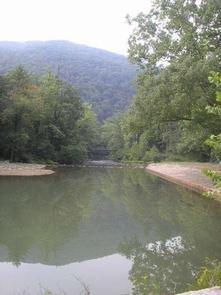
Scenic ViewsVisitors mention arctic tundra-like views and lush vegetation along the boardwalk, making the area photogenic and unique.
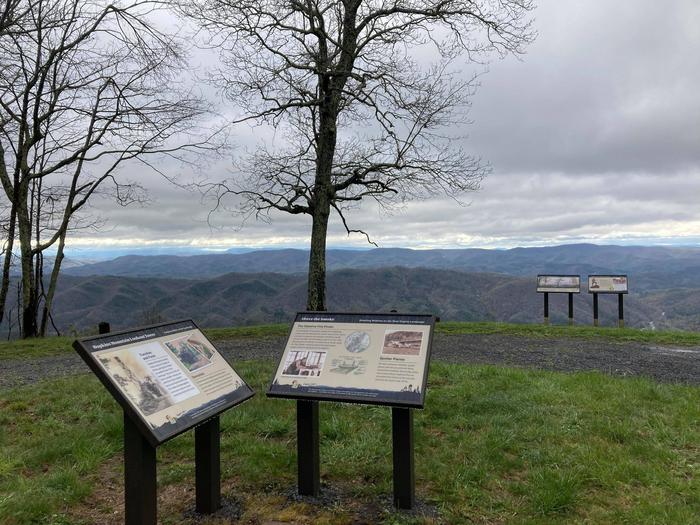
Programs & ActivitiesGuided tours conducted by the Cranberry Mountain Nature Center provide educational insights. Informational boards along the boardwalk further enrich visitors' understanding of the unique ecosystem.
 4.50
4.50