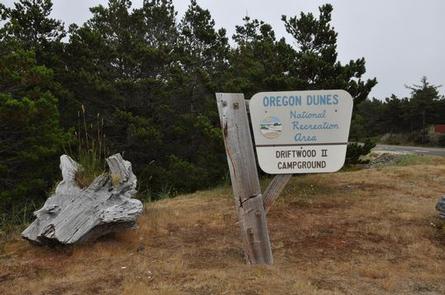
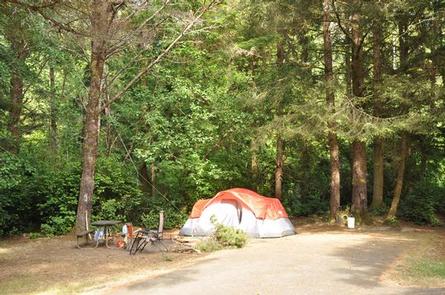
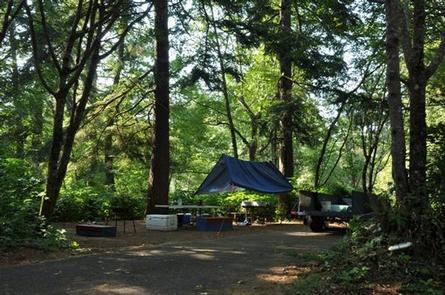
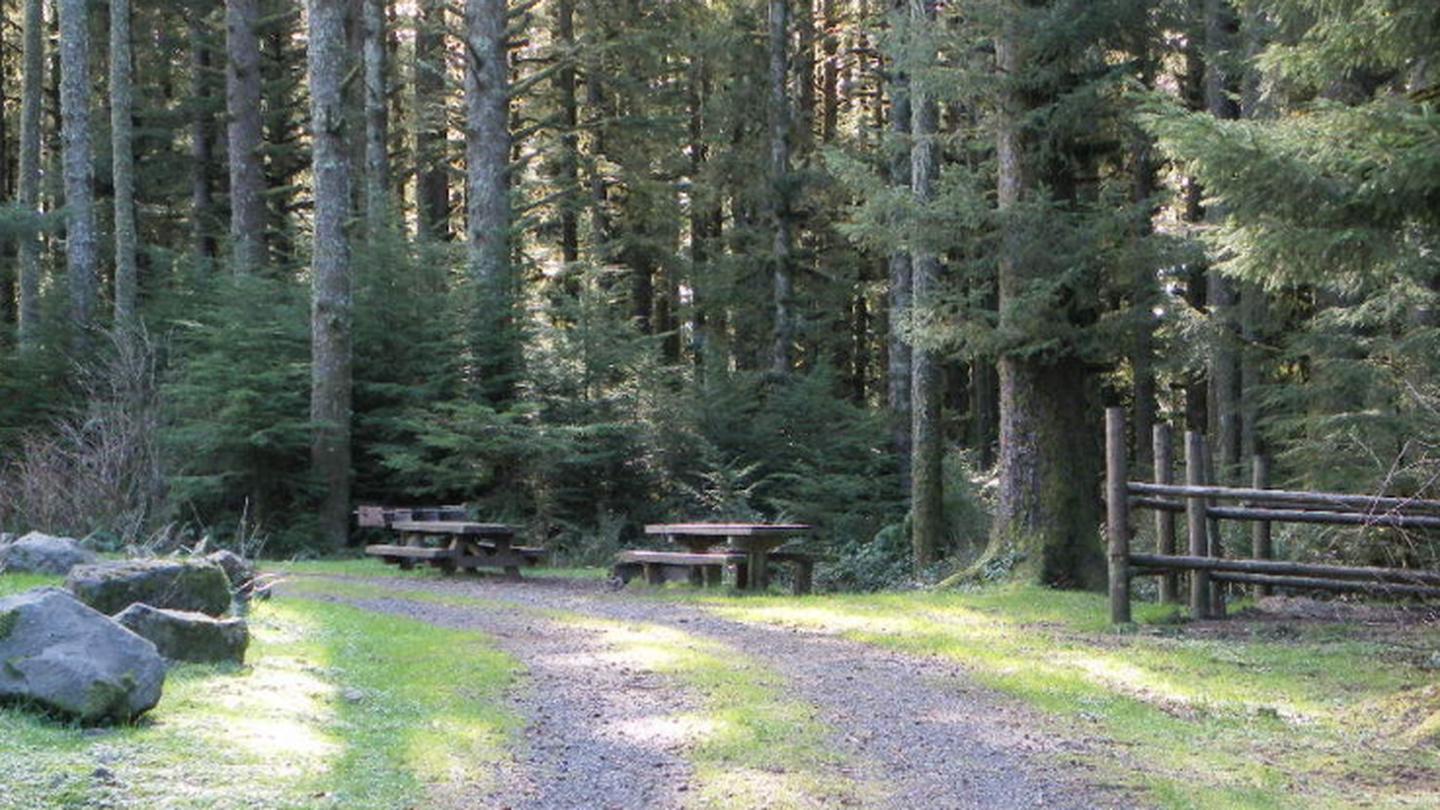
Jessie M. Honeyman Memorial State Park sits on Oregon's central coast near Florence, where 500-foot sand dunes meet temperate rainforest. With 416 sites spread across multiple loops, it's one of the state's largest campgrounds. Sites range from tent spots beneath conifers to full-hookup RV sites. Fees run $20–$45 per night. The park stays busy, and many campers note that sites are packed close together.
The campground offers a range of accommodations, including full hookup RV sites, electrical sites with water, tent sites with water nearby, yurts, and seasonal group tent camping areas. Hiker/biker camps are also available.
Weather and SeasonsSpring delivers the best conditions: daytime highs in the 45–60°F range, rhododendrons blooming beneath the canopy in April and May, and lighter crowds than summer. Trails, dunes, and lakes are all accessible for hiking, sandboarding, kayaking, and fishing. Expect some rain early in the season. Summer brings warmth and families, but also packed campsites and noise. Fall cools off and thins the crowds. Winter opens the dunes to off-road vehicles during designated seasons, though wet weather dominates.
ElevationWhile specific elevation details await discovery, the park's varied terrain offers a dynamic camping experience that transitions from sea-level coastal environments to gently rolling forested hills.
Weather data by Open-Meteo.com, licensed under CC BY 4.0, processed by Outdoorithm.
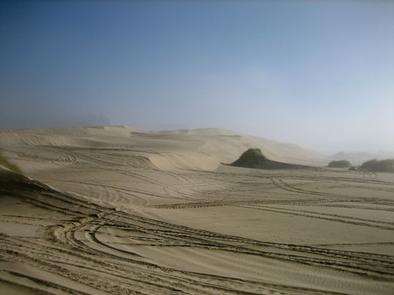
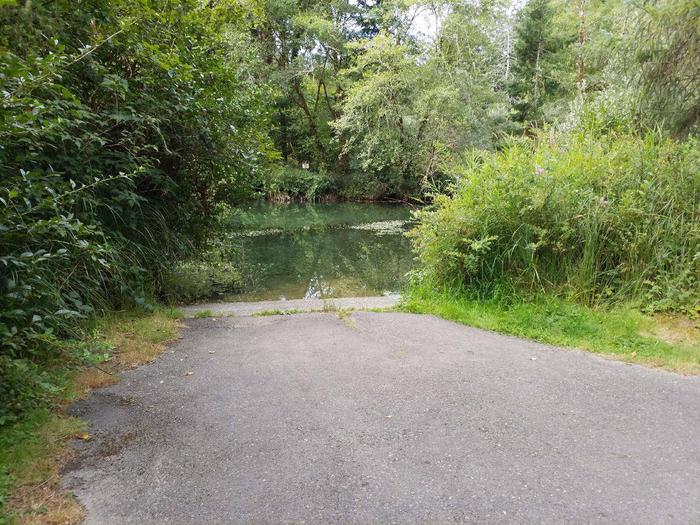
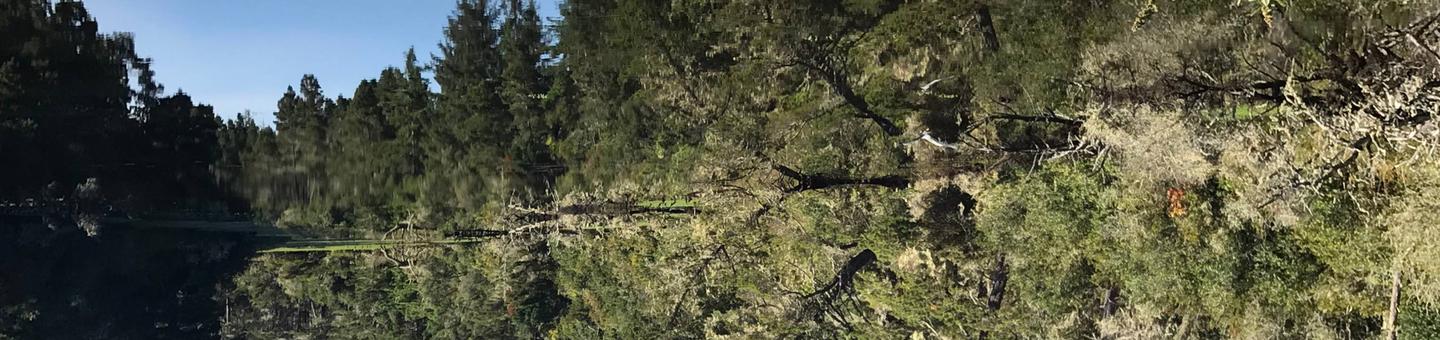
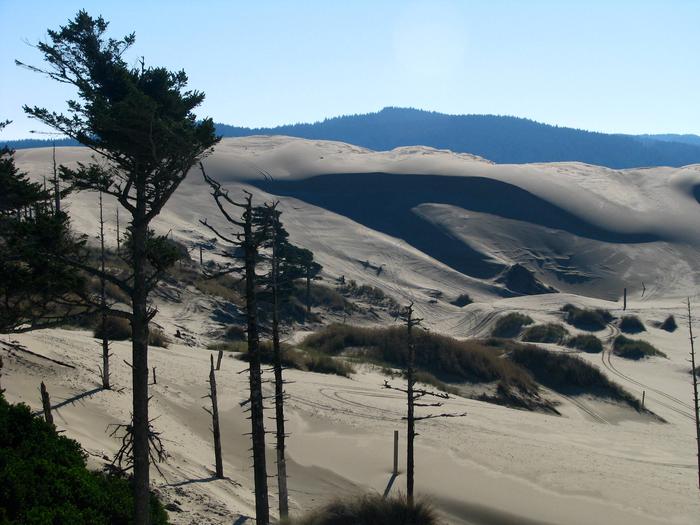
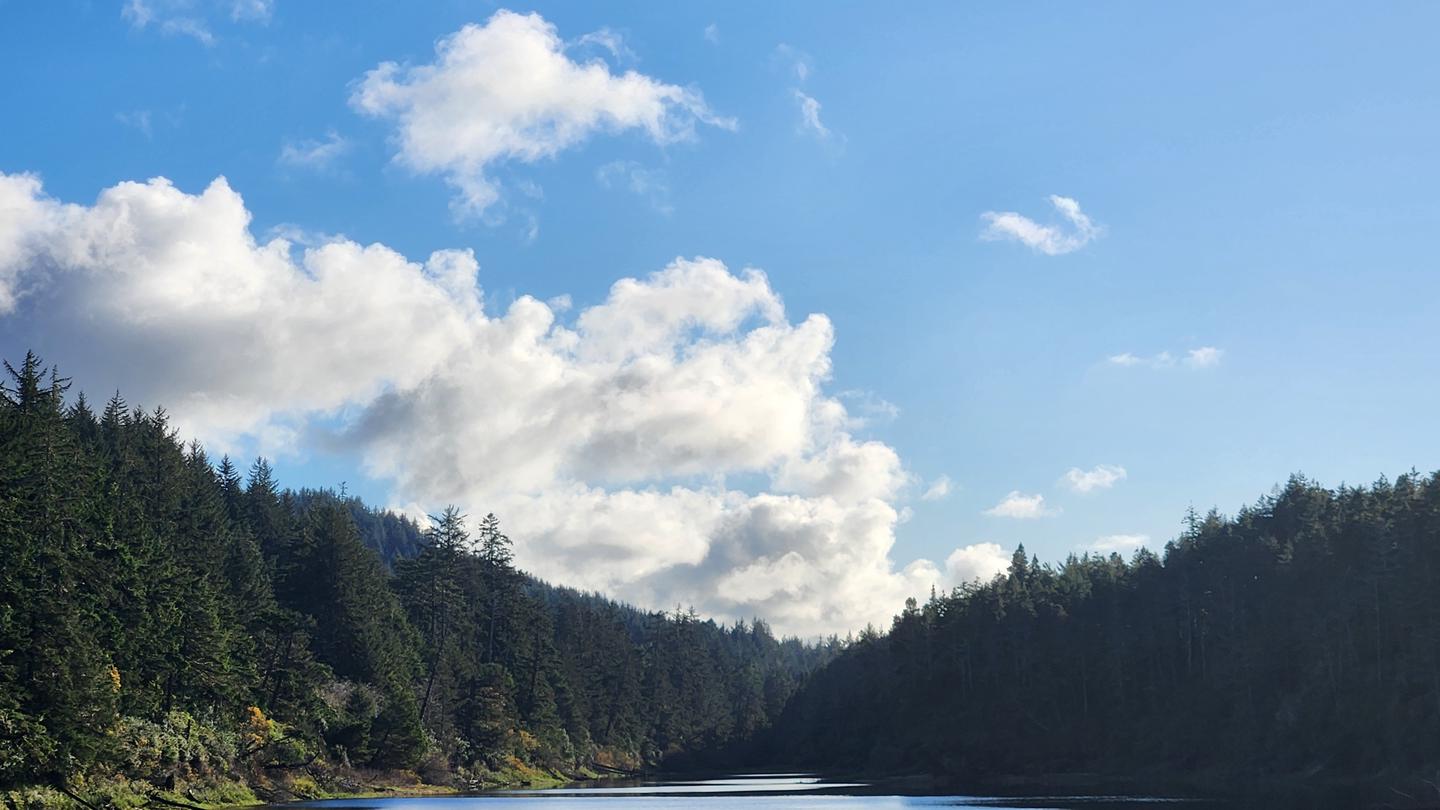
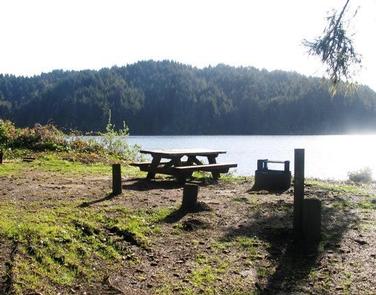
Natural Features and SceneryWind-sculpted sand dunes rise from sea level to 500 feet, forming one of the largest coastal dune systems in North America. Douglas fir, hemlock, and Sitka spruce crowd the perimeter, and two freshwater lakes. Cleawox and Woahink. Sit trapped behind the sandy barriers. The contrast is sharp: dense forest on one side, open sand on the other. You can paddle a quiet lake in the morning and climb dunes in the afternoon. The elevation hovers around 144 feet, low enough that the Pacific influence is constant.
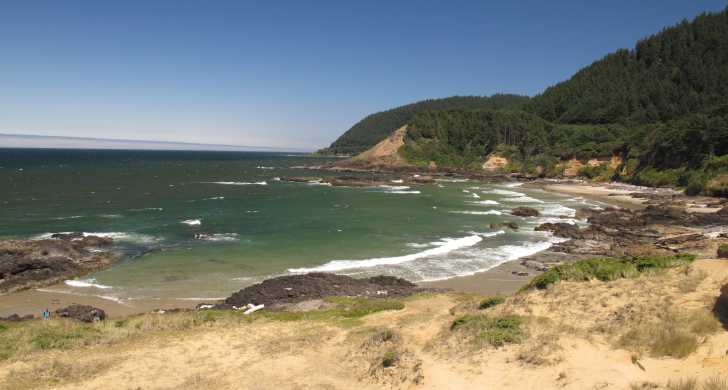
Geological RegionPerched in Oregon's dynamic coastal zone, the park occupies a fascinating geological crossroads where wind-sculpted sand dunes—some reaching heights of 500 feet—meet temperate rainforest. This unique ecosystem emerged over millennia as Pacific winds carried sand inland, creating one of the largest expanses of coastal sand dunes in North America. The presence of freshwater lakes trapped behind these sandy barriers adds another layer to this geological marvel, forming rare coastal lake habitats surrounded by towering conifers—a testament to the powerful forces that continue to shape this ever-changing landscape.
Scenic ViewsViews include forested areas and proximity to sand dunes and lakes, which offer scenic vistas.
Lodging & AccommodationsThe park offers 10 rustic yurts, five of which are pet-friendly. Yurts include basic amenities like bunk beds, futons, and heaters, and one reviewer highlighted a unique stargazing feature through a roof opening. Additionally, the campground features a meeting hall and picnic shelters.
Programs & ActivitiesPrograms at the amphitheater include presentations on topics such as owls and whales. These are often family-friendly and occur during peak seasons.
 4.47
4.47