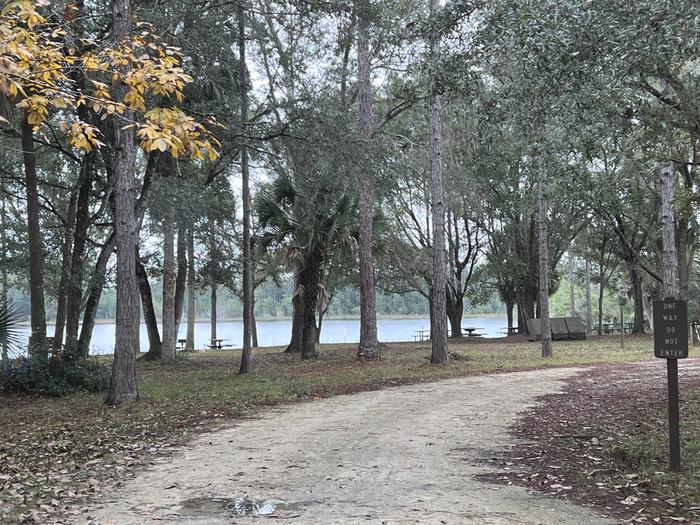
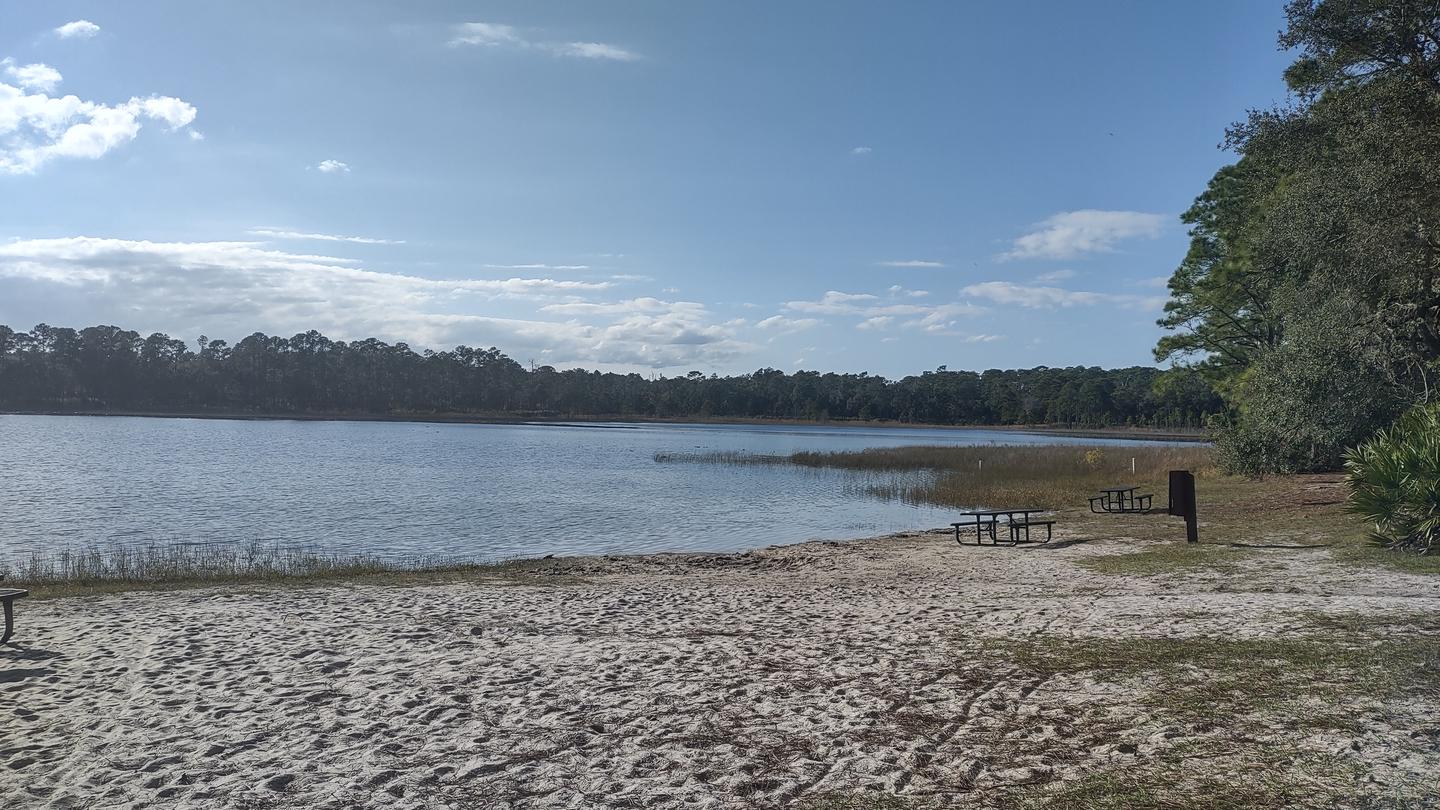
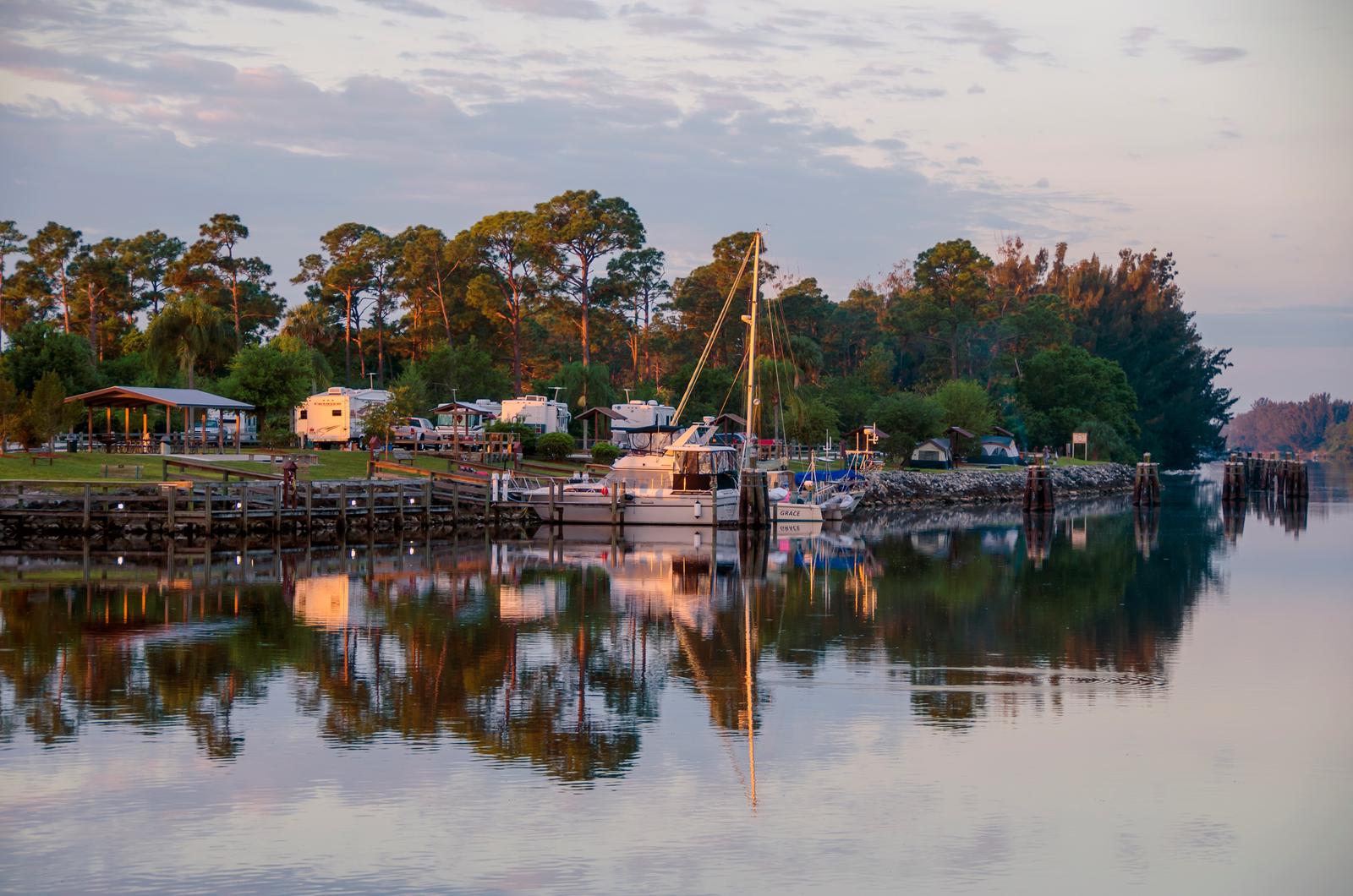
Lake Kissimmee Campground sits in a heavily wooded oak hammock inside Lake Kissimmee State Park, about 60 sites spread across paved loops under a dense canopy of mature live oaks, palmetto, and pine. Sites are shaded, private, and level, and the park protects over 12 distinct natural communities including scrub, flatwoods, and floodplain marsh. An on-site boat ramp provides access to 35,000 acres of Lake Kissimmee and the Kissimmee Chain of Lakes for bass fishing, paddling, and wildlife viewing, though wind-blown debris occasionally blocks the canal and marina.
Weather and SeasonsSpring offers the best combination of mild weather and peak wildlife activity. Daytime highs typically reach the mid-70s to low-80s°F with cool nights in the 50s to 60s°F. Migratory and resident birds, including waterfowl and Florida scrub-jays, are most active, and lake levels and water clarity are generally good for boating and bass fishing. Crowds rise on spring-break weekends but weekdays remain pleasantly quiet for hiking, paddling, and birding. Winter months (January through March) also draw campers for comfortable hiking and biking without heat complaints. Summer and warmer months bring high heat, humidity, afternoon thunderstorms, and heavy flying bugs and flies. Bring insect repellent, screens, and other measures. Several reviewers warned of persistent bug activity at times.
Natural Features and SceneryThe campground sits under a dense canopy of mature live oaks, palmetto understory, and scattered pine, creating a secluded, forested feel with good shade and privacy between sites. Sites are on hard-packed white stone pads with picnic tables and fire rings. Beyond the campground loops, the park protects pine flatwoods, floodplain marshes, oak hammocks, and Central Florida scrub habitat across about 20 miles of trails. An observation tower provides elevated views over Lake Kissimmee and surrounding wetlands. The lake and marshes attract abundant wildlife: deer, wild turkey, armadillos, bald eagles, wading birds, woodpeckers, turtles, and vultures appear regularly along roads and trails. The atmosphere is quiet and heavily wooded, with marsh and prairie views opening up on the trails rather than from campsites themselves.
 4.84
4.84