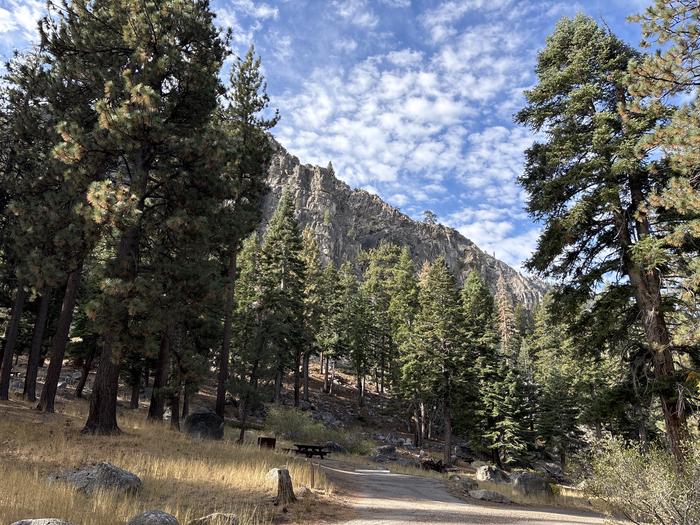
Hope Valley Campground sits at 7,260 feet in the Humboldt-Toiyabe National Forest, where Jeffrey and lodgepole pines frame views of alpine meadows and the West Fork Carson River. The 17 sites accommodate tents and RVs, with fees ranging from $22 to $40 per night. Sites include picnic tables, fire rings, and bear lockers. First-come, first-served availability means summer weekends fill quickly.
Hope Valley Campground offers a range of camping options, accommodating both tent and RV camping. There are no specific provisions for equestrian or glamping accommodations.
The historic Immigrant Trail passes directly through the campground, marking the route used by westward-bound pioneers and gold seekers in the mid-1800s. Indigenous peoples traveled through this valley for centuries before European settlement. Weather and SeasonsSummer brings the most reliable access and conditions. Daytime temperatures typically reach 60 to 75°F from mid-May through September, dropping to the mid-30s and 40s at night. Wildflowers peak in June and early July. Snow can linger into May and return as early as late September at this elevation. Crowds build on holiday weekends and through July and August. Midweek stays offer quieter experiences.
ElevationPerched at an impressive 7,260 feet above sea level, Hope Valley Campground offers a refreshing alpine sanctuary where the air is crisp, the stars shine brilliantly, and summer temperatures provide natural air conditioning. This elevation creates an ideal microclimate that escapes the valley heat while remaining accessible and comfortable for camping enthusiasts of all experience levels.
Weather data by Open-Meteo.com, licensed under CC BY 4.0, processed by Outdoorithm.
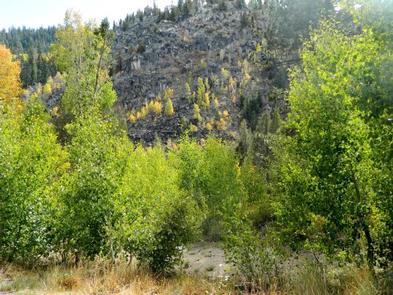
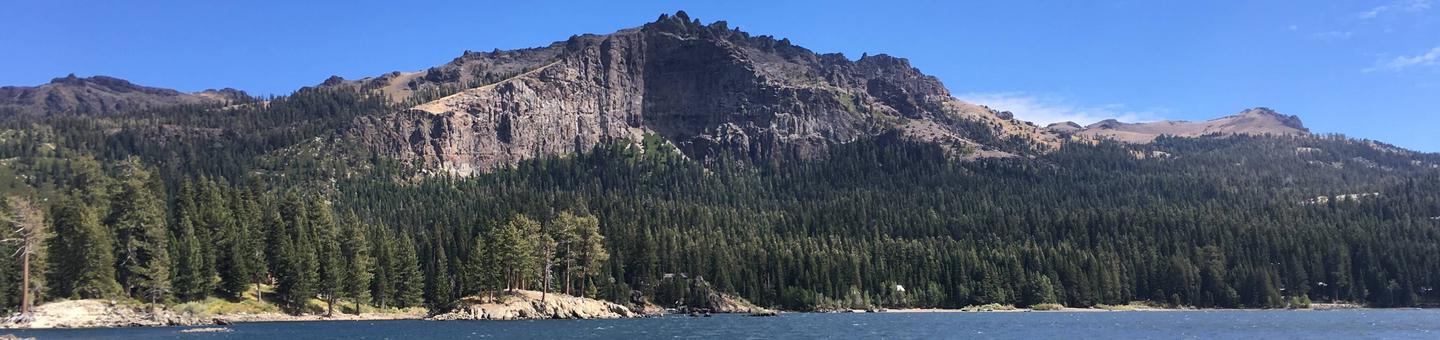
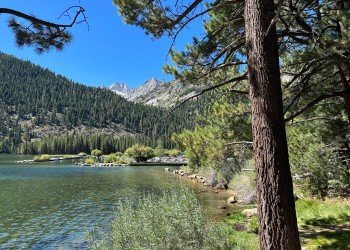
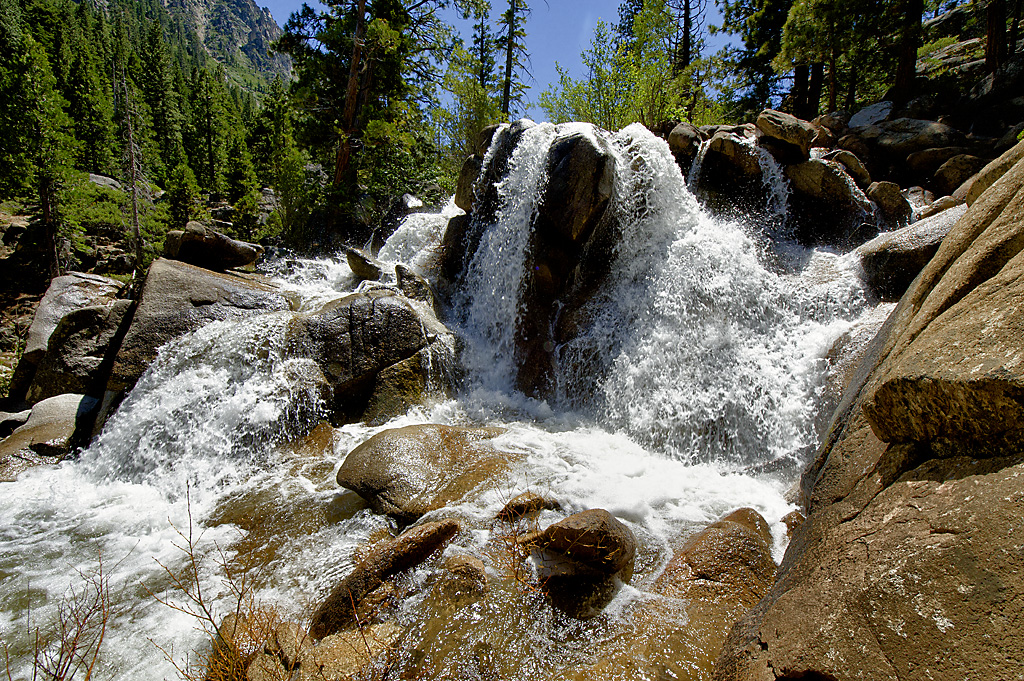
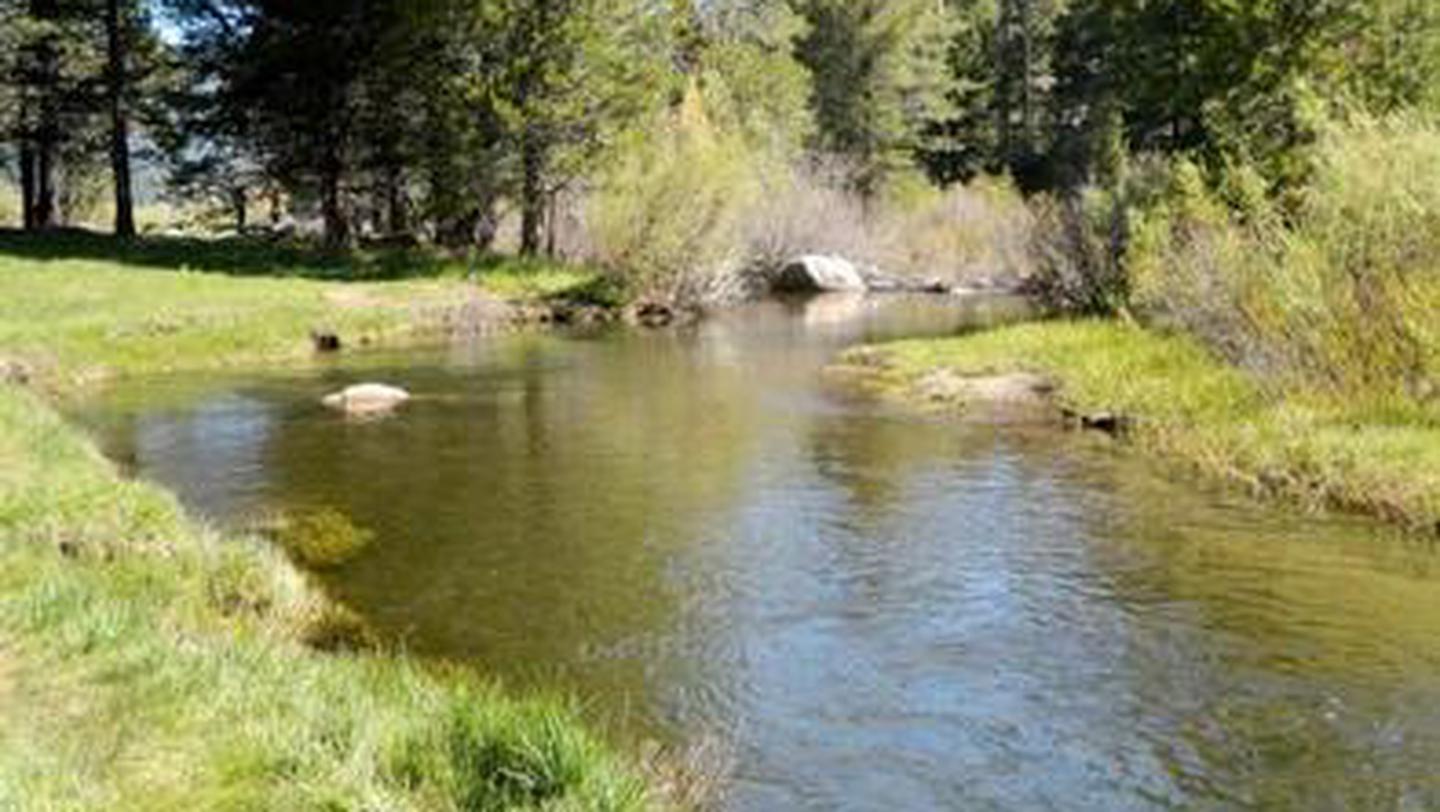
Natural Features and SceneryThe campground occupies the edge of Hope Valley, a glacially carved basin where the West Fork Carson River winds through meadows dotted with wildflowers in early summer. Jeffrey and lodgepole pines provide shade across most sites, with openings that reveal the surrounding Sierra peaks. The river holds rainbow and cutthroat trout. Elevation and forest cover create a noticeably cooler microclimate than lower-elevation campgrounds in the region.
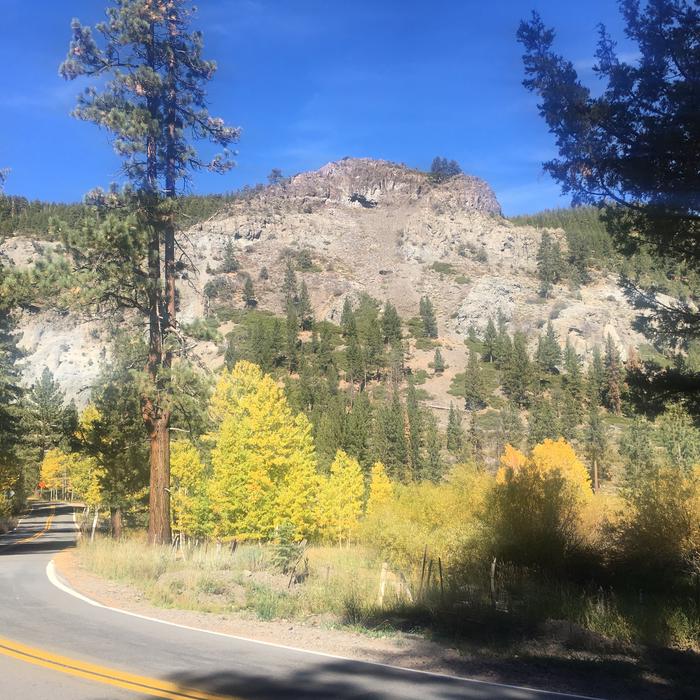
Geological RegionHope Valley represents a stunning example of Sierra Nevada alpine geology, where ancient glaciers carved a dramatic landscape now softened by verdant forests of Jeffrey and lodgepole pines. The West Fork Carson River has sculpted its own story through the valley floor, creating diverse habitats that support both rainbow and cutthroat trout populations. This corner of the Humboldt-Toiyabe National Forest showcases the powerful forces that shaped the American West, from volcanic activity to glacial movement, all visible in the dramatic peaks and gentle meadows that define this remarkable camping destination.
Scenic ViewsPartial views of Hope Valley's huge meadow and surrounding mountain peaks are available from some campsites. A section of the Immigrant Trail runs through the campground, near site 11.
Lodging & AccommodationsNo hotel-style accommodations are available at the campground.
Programs & ActivitiesNo cultural or educational programs are described for the campground.
 4.04
4.04