Car Camping Checklist: The Complete Gear & Setup Guide (2026)

Car camping is the only kind where the car does the carrying. No ounce-counting. No choosing between the stove and the cooler. You bring both. You bring the good chairs. You bring the rug.
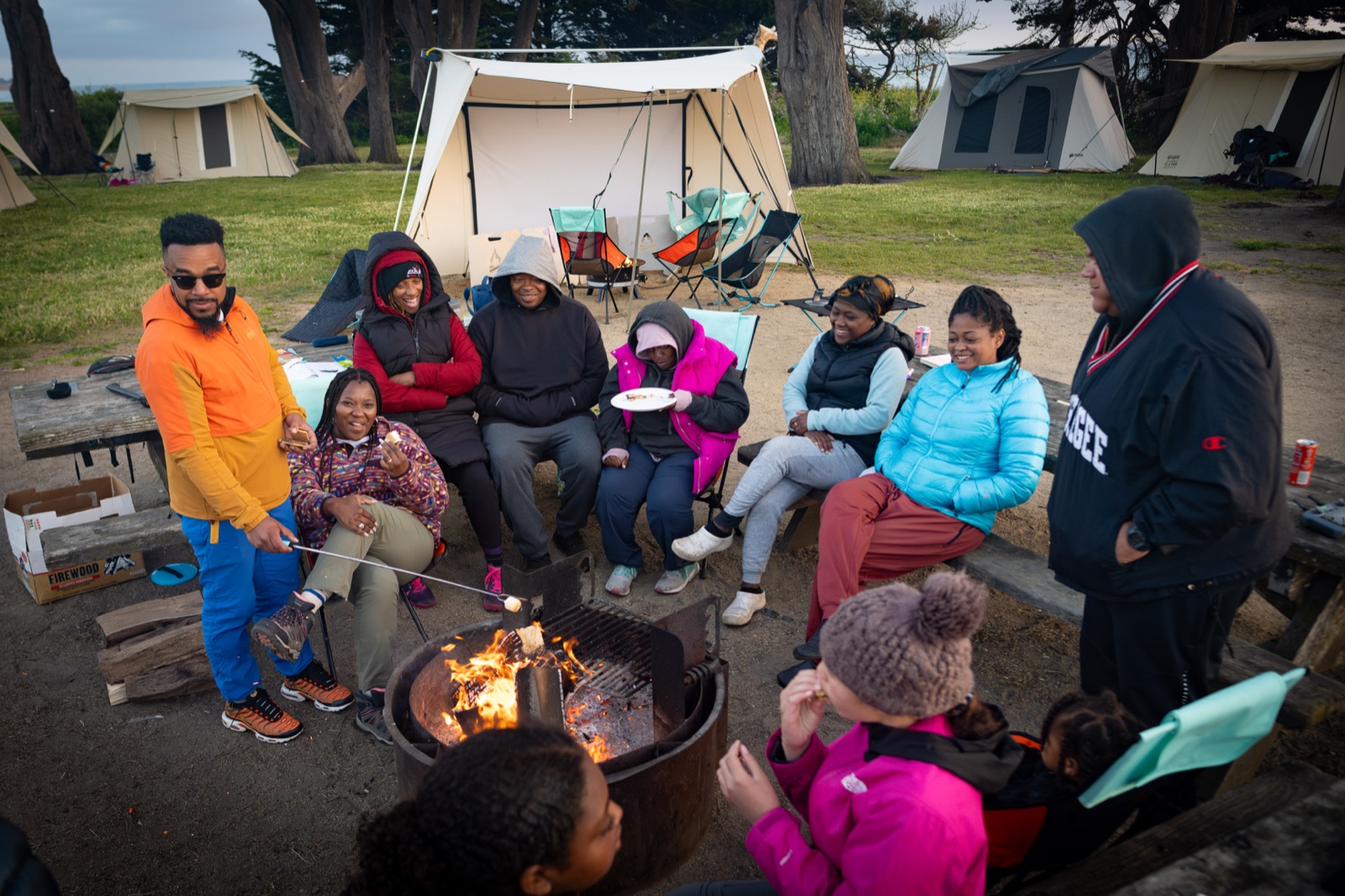
Of all the ways we've camped over 379 nights outdoors, this is the one we do most: drive up to a developed site, cooler in the trunk, kids asleep in the back. Here's the gear that goes, how we load it, and the comfort that makes the drive worth it.
What car camping actually is
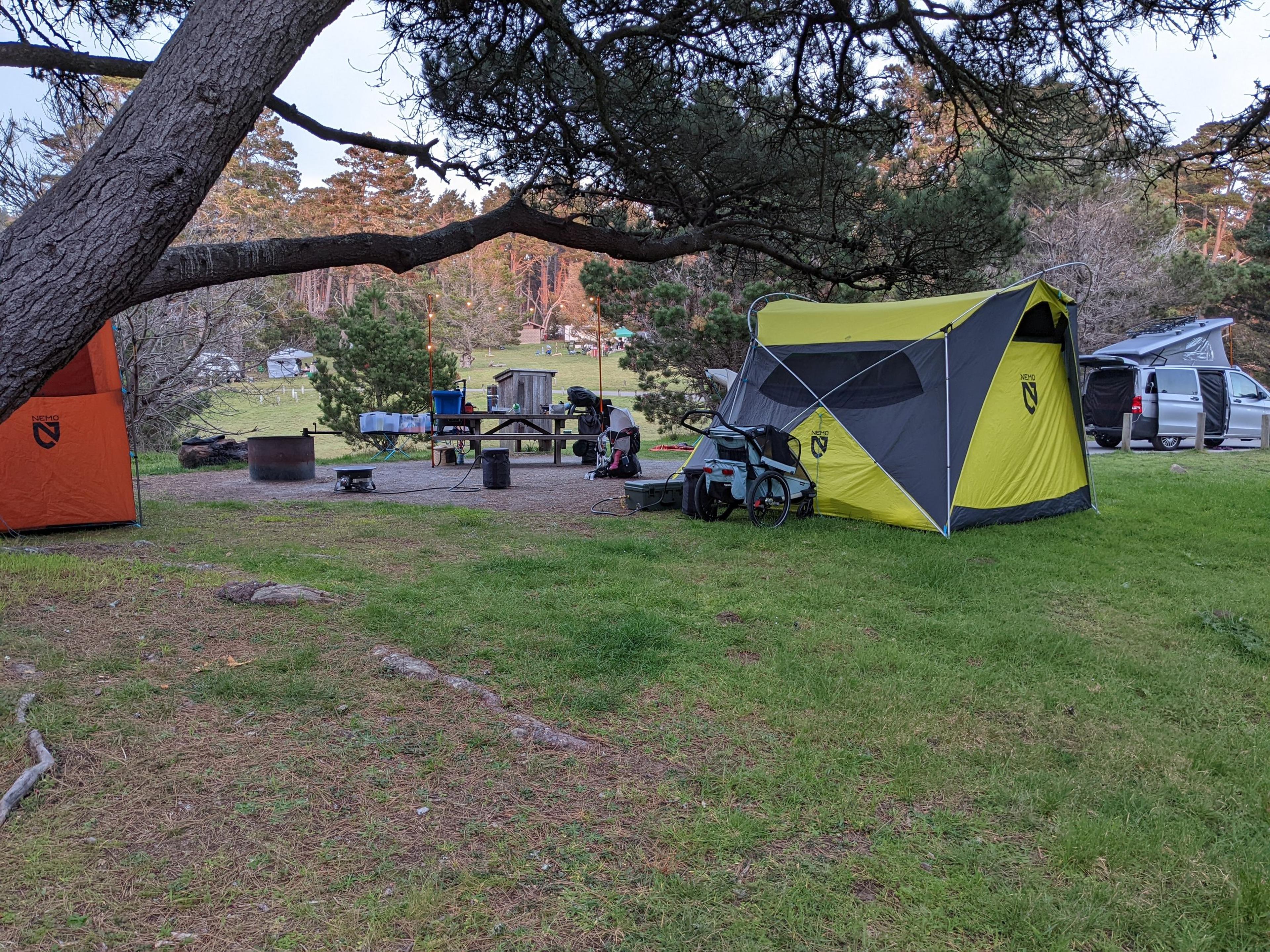
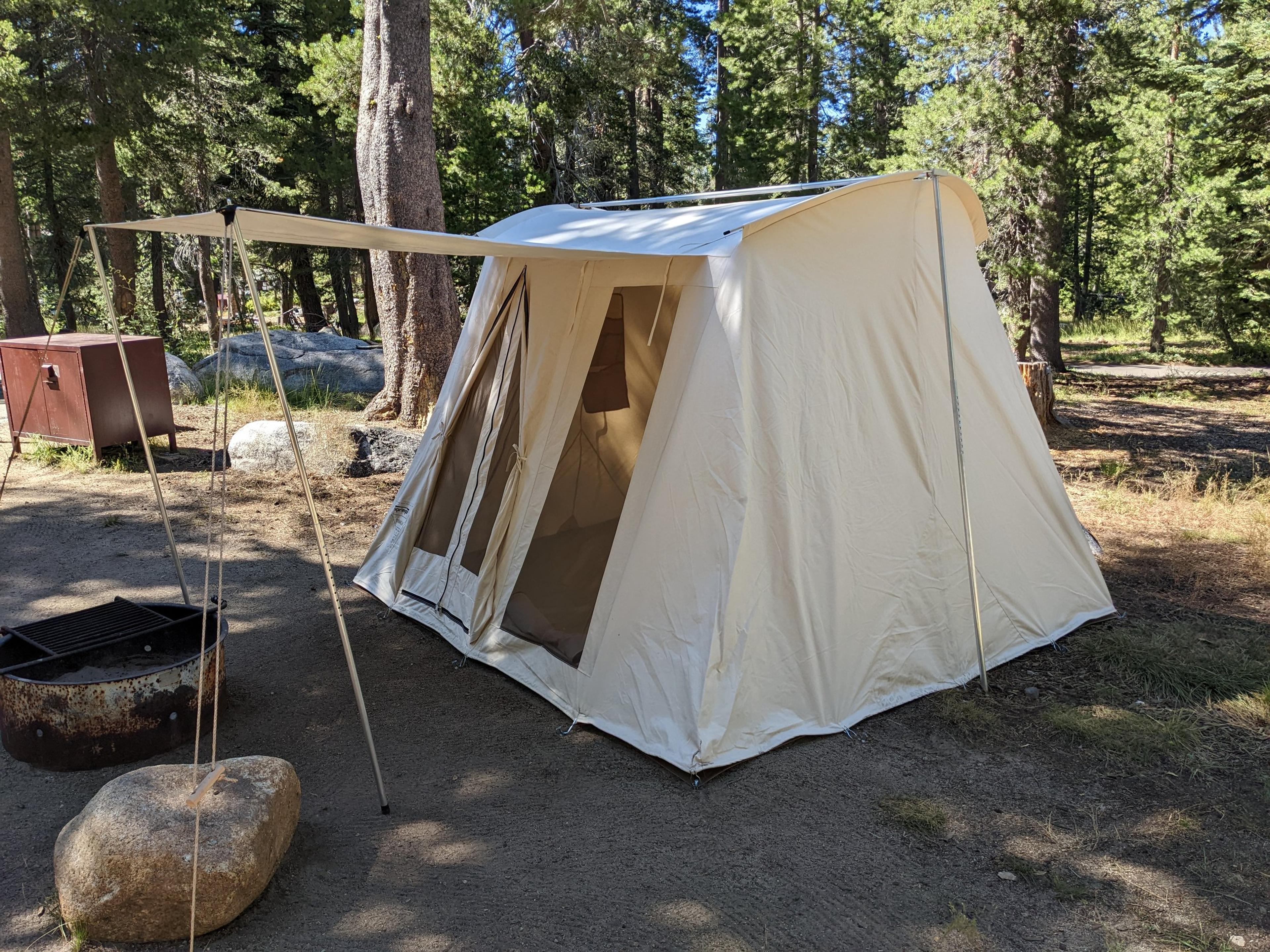
Car camping means you drive to a developed campground, park at your site, and build a base camp you don't have to carry anywhere. It's the opposite of backpacking. Comfort is the whole point. If it's your first time, start with our camping for beginners guide, then come back here for the full kit.
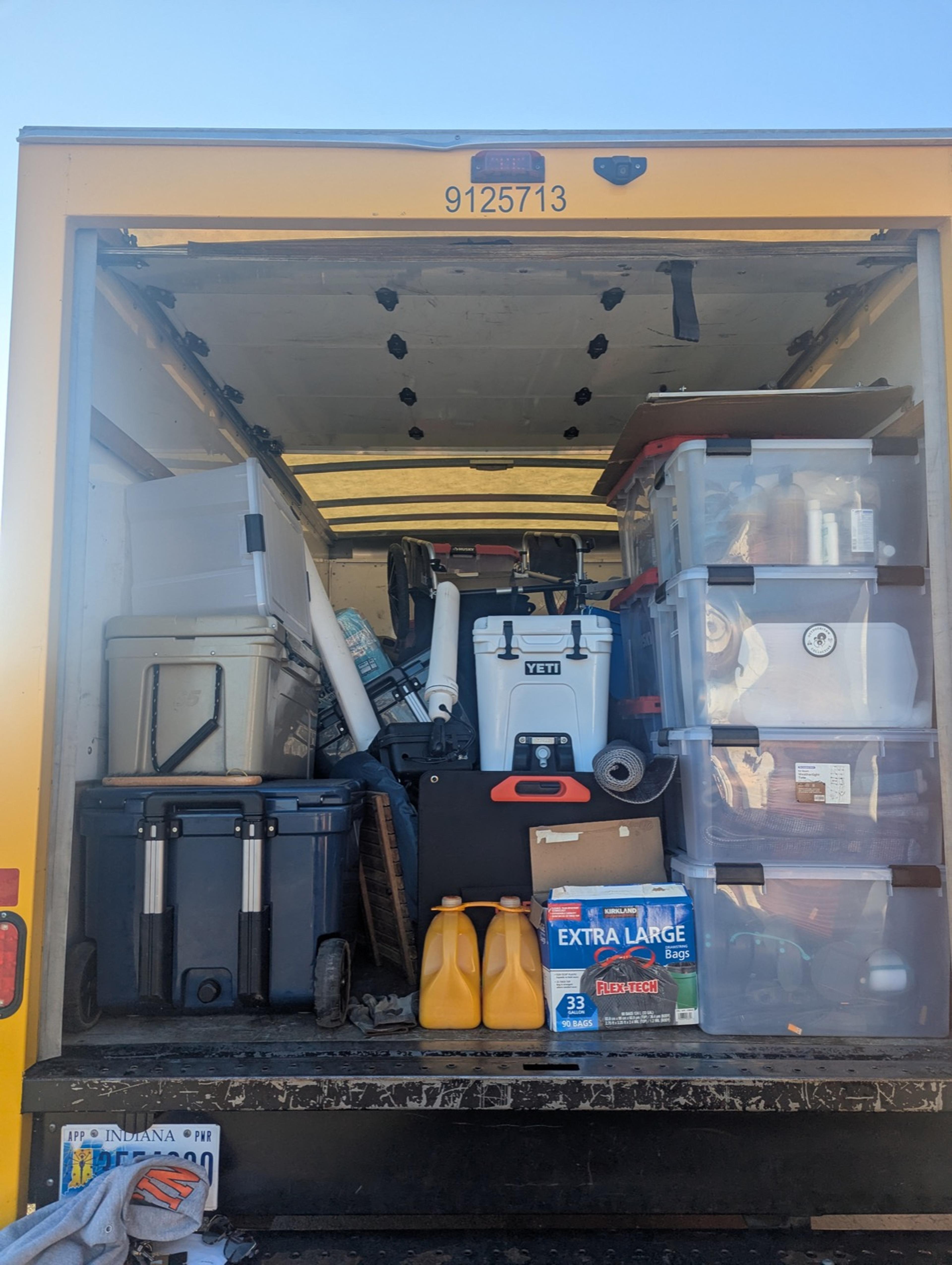
How we load the car
Loading is its own skill. Everything goes in clear bins so you can see what's inside. Heavy things low, the kitchen in one bin, the tent and chairs last in so they come out first. When the car runs out of room, a rooftop box takes the overflow. Our full system is in the bin-system packing guide.
The car camping checklist
This is the full kit. You won't fit all of it in every car, but car camping is the one time you don't have to leave the comfort at home. For the exhaustive 100-plus-item trip list, see the complete camping checklist.
Shelter and sleep
- A tent (the full breakdown is in our tent camping checklist)
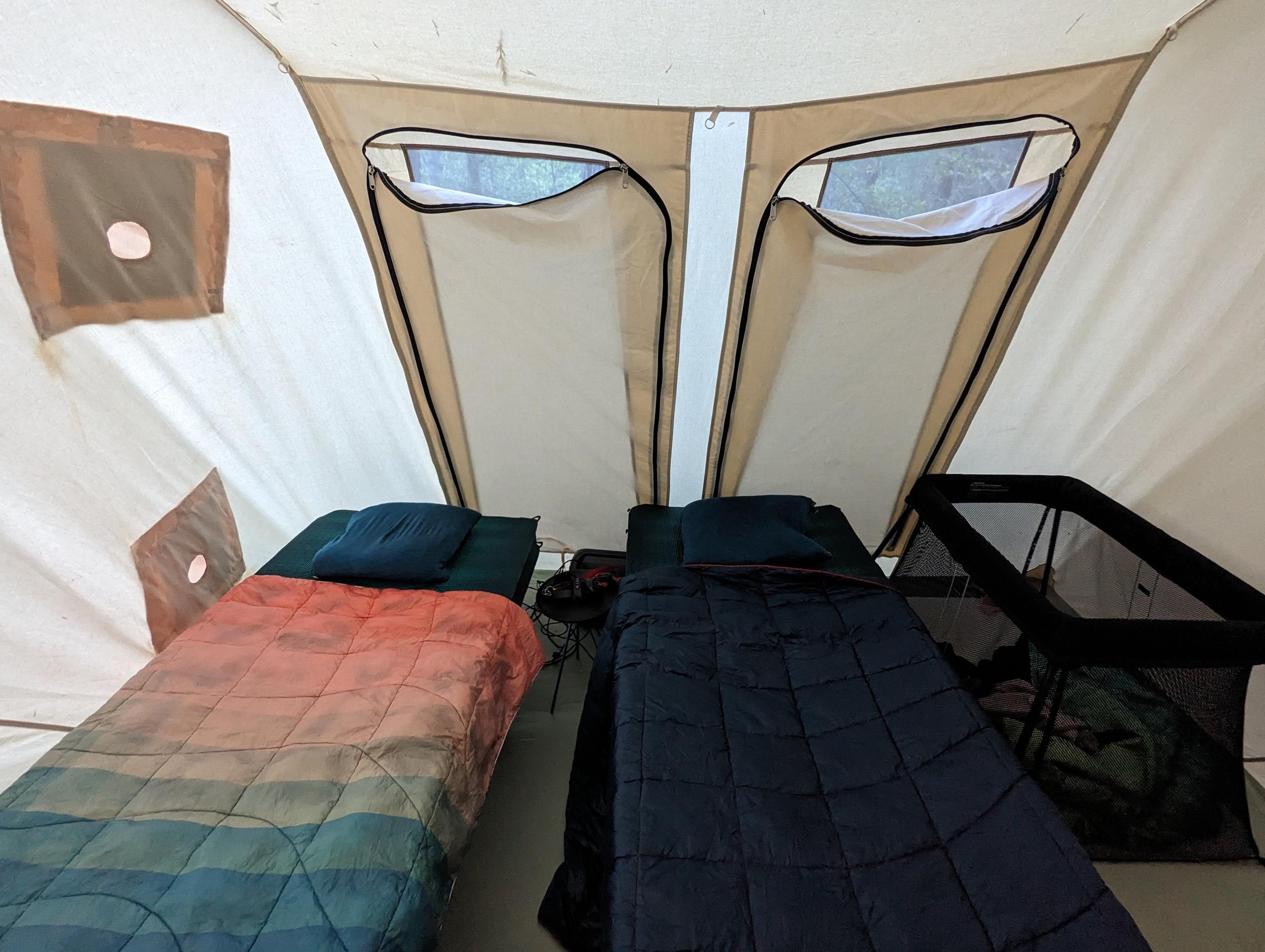
- A sleeping pad per person, or a cot since the car can carry it
- A sleeping bag ($119.93 at REI) and a pillow
Camp kitchen
- A two-burner camp stove (check price at Amazon) and fuel
- A cast-iron griddle and a cook set
- A cooler and a water jug
Comfort and living
- A camp chair per person
- A washable rug for the tent or under the awning
- A sun-and-rain canopy for the table
- A battery fan for hot nights
Power, light, and tools
- A headlamp per person and a lantern for the table
- A string of solar lights
- A portable power station to run lights and charge phones
- A multi-tool ($99.95 at REI) and stormproof matches (and how to build the campfire once you're there)
- A compact jump starter like the NOCO Boost Plus GB40, so a dead battery never ends the trip
- A first-aid kit, sunscreen, and bug spray
The comfort that makes car camping worth it
The reason to drive instead of hike: you can bring the things that turn a campsite into a place you actually want to be. A cot off the ground. The rug underfoot. A power station so the string lights stay on. Even a pressure camp shower for the end of a dusty day. None of it would survive a backpack. All of it fits in a trunk.
Cooking at the site
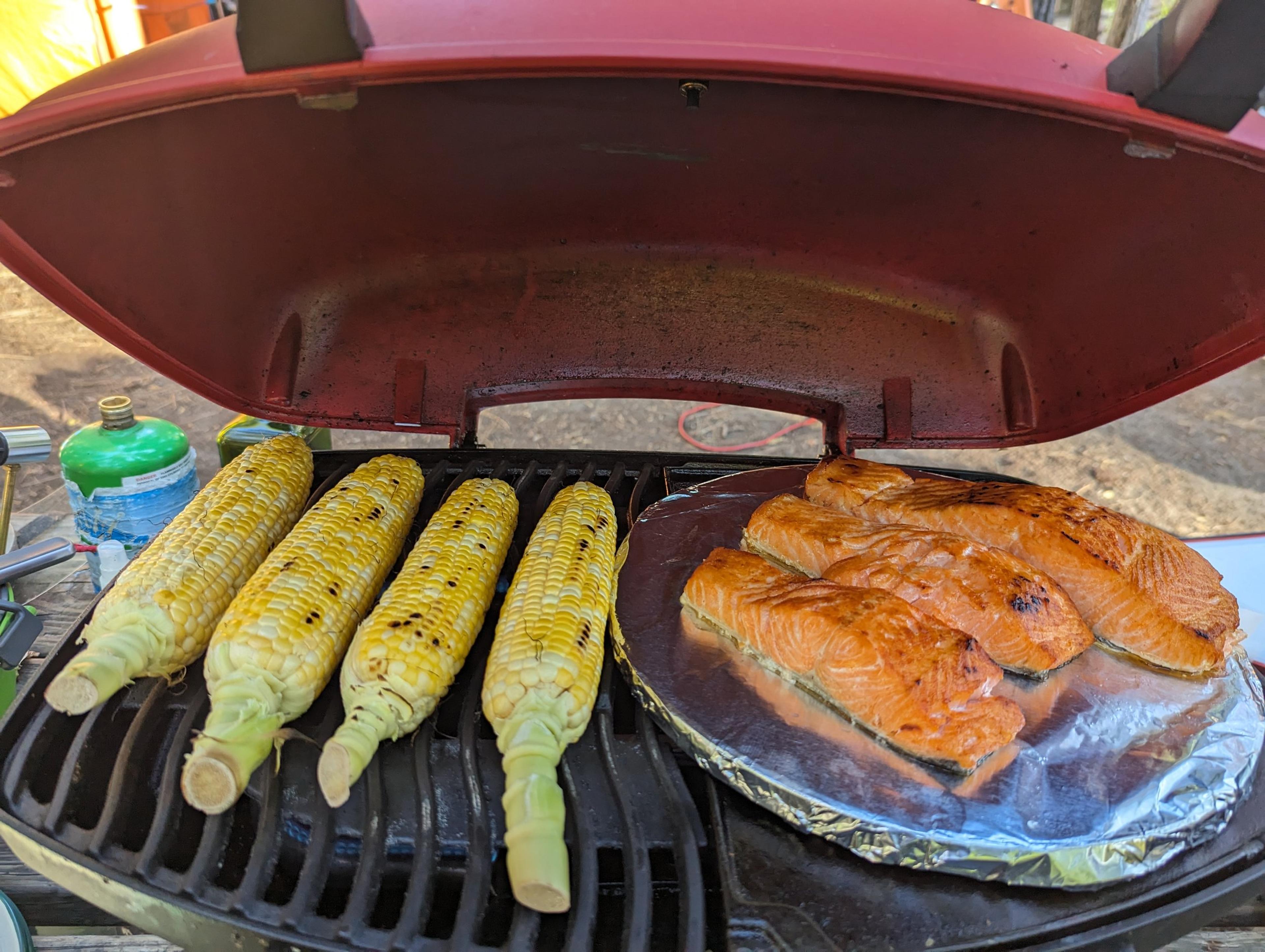
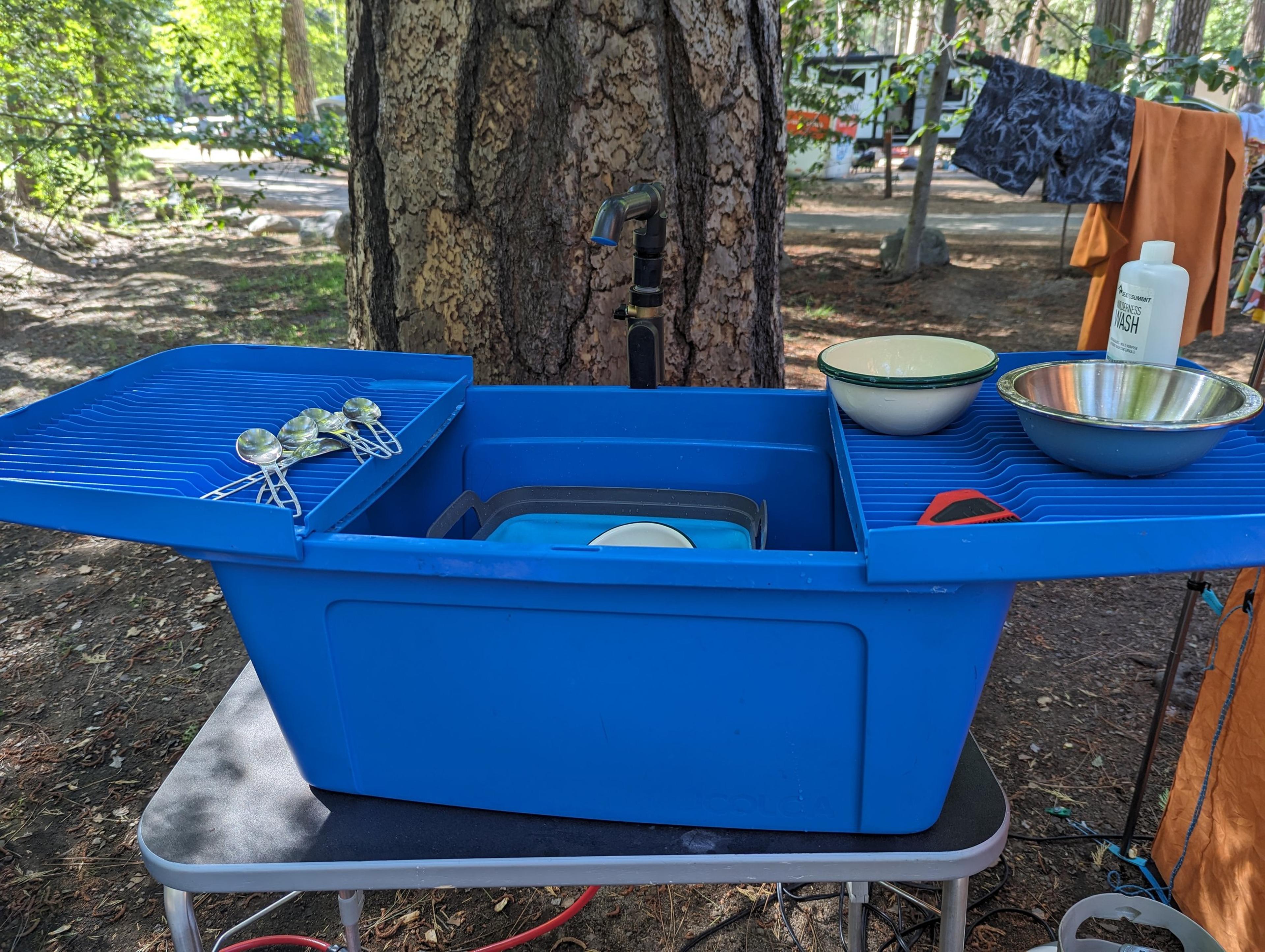
The car-camping kitchen is where the comfort really shows. A two-burner stove and a griddle cover everything from morning eggs to a salmon dinner. Keep the cold food in a real cooler, and set up a simple two-bin wash station so cleanup doesn't become the worst part of the night. The piece-by-piece loadout, with what each part costs, is in our camping kitchen gear guide.
Picking a car camping site
Look for a developed campground with drive-up sites, flush toilets, and water. The catch is they book out fast. New Brighton State Beach and El Capitan State Beach are two of our regulars. Our reservations guide covers booking windows, and Camp Sage can find drive-up sites near you.
Car camping FAQ
What do I need for car camping?
A tent, a sleeping pad and bag per person, a two-burner stove and fuel, a cooler, water, camp chairs, and lights. Everything past that, a cot, a rug, a canopy, a power station, is comfort the car lets you bring.
What's the difference between car camping and backpacking?
Backpacking, you carry everything on your back, so every ounce counts. Car camping, the car carries it, so comfort wins. Different gear, different mindset. Car camping is where most people start, and where most families stay.
What do people forget most when car camping?
A mallet and real stakes, a second headlamp, and something to wash dishes in. The car tempts you to overpack everything except the small things that make camp run.
Packing for a trip? Our free interactive checklist tracks everything, tent to toothbrush, so nothing gets left in the garage.
Open the camping checklistIs car camping good for beginners?
It's the best place to start. A developed site, a short drive, and the car as your safety net. Start with the beginner's guide.
Can you sleep in your car instead of a tent?
You can, and plenty of people do, especially in an SUV or wagon with the seats folded flat. It's the fastest setup there is: pull in, recline, sleep. A tent gives you room to stand and spread out, but on a cold or rainy night the car is the warmest, driest bed in the campground. Check the site's rules first, since a few require a tent on the pad.
How do you sleep comfortably car camping?
Pitch or park on the flattest spot you can find, then build a real sleep system: a thick pad or a cot, a bag rated colder than the forecast low, and an actual pillow. The car lets you bring all of it without counting ounces. If you're sleeping in the car, a foam pad cut to the cargo floor kills the lumps, and cracking two windows an inch keeps the condensation down.
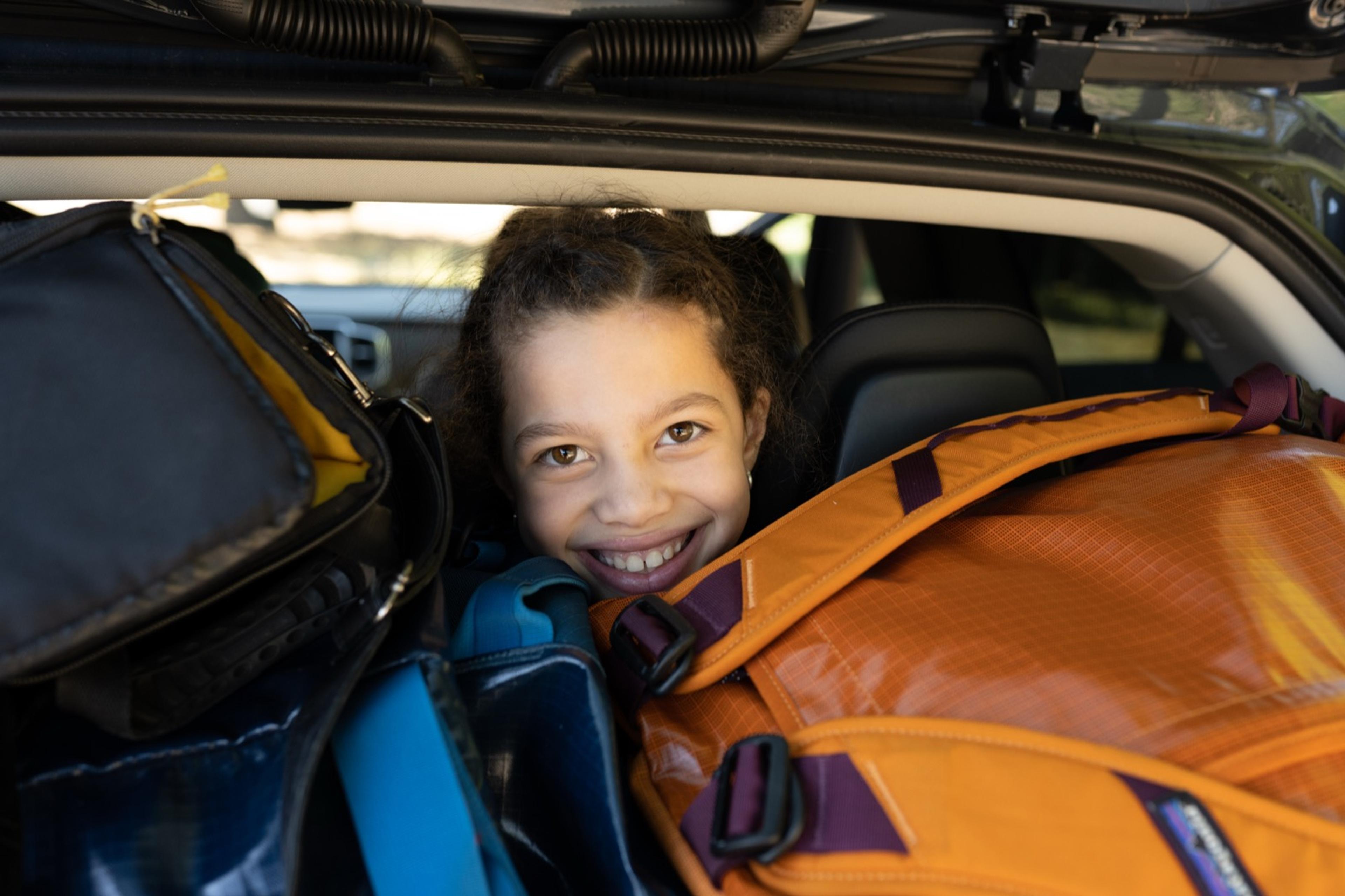
Car camping is the kind where you don't have to choose. The stove and the cooler. The tent and the rug. The good chairs. The car carries it, and somebody's always grinning in the back seat on the way in.

Want a personalized version of this guide?
Camp Sage tailors recommendations to your dates, group, and gear — free.
Join our newsletter to get more resources and tips to help your family camp with confidence!