Tent Camping Checklist: Everything You Need for the Tent (2026)

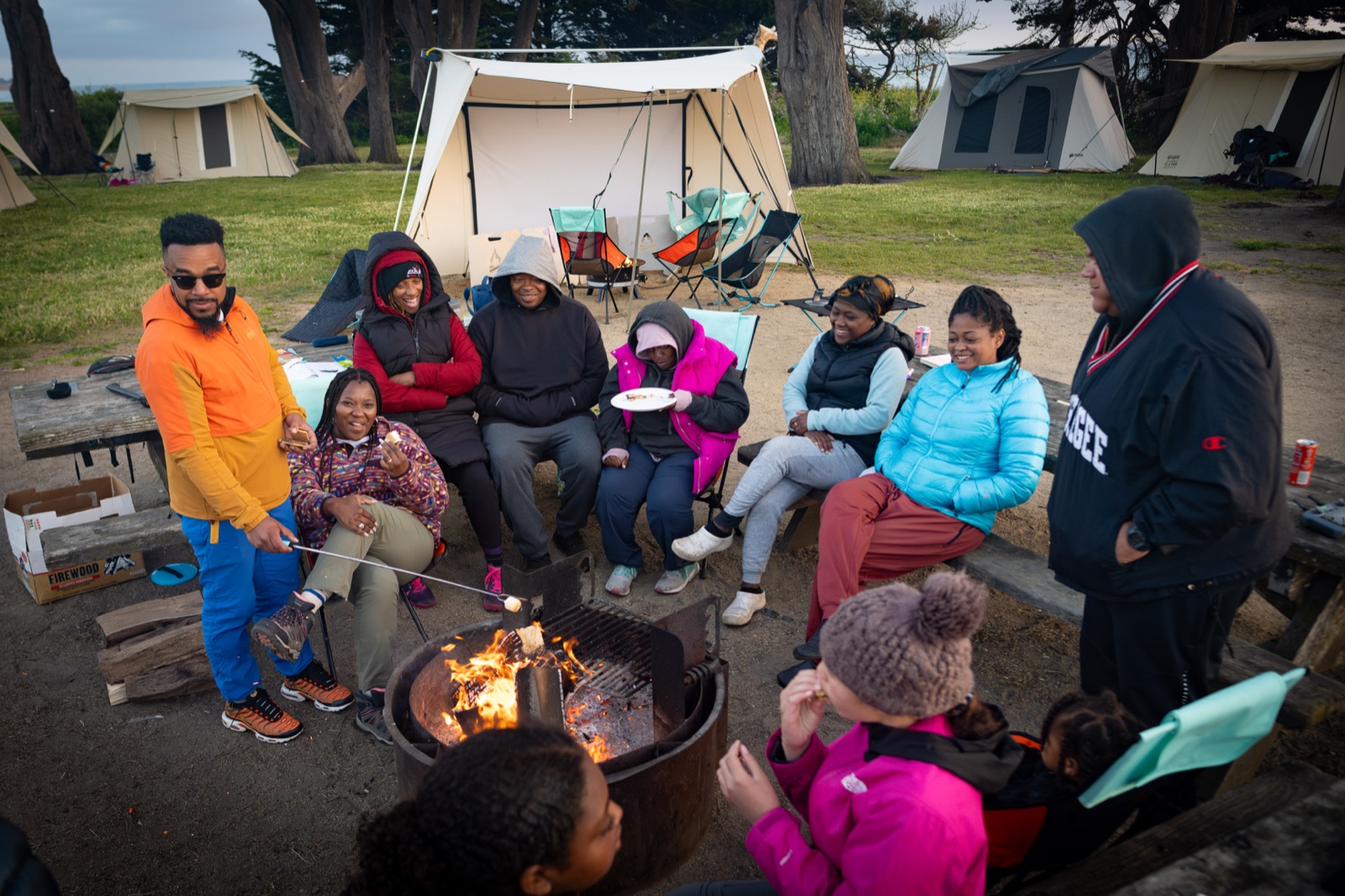
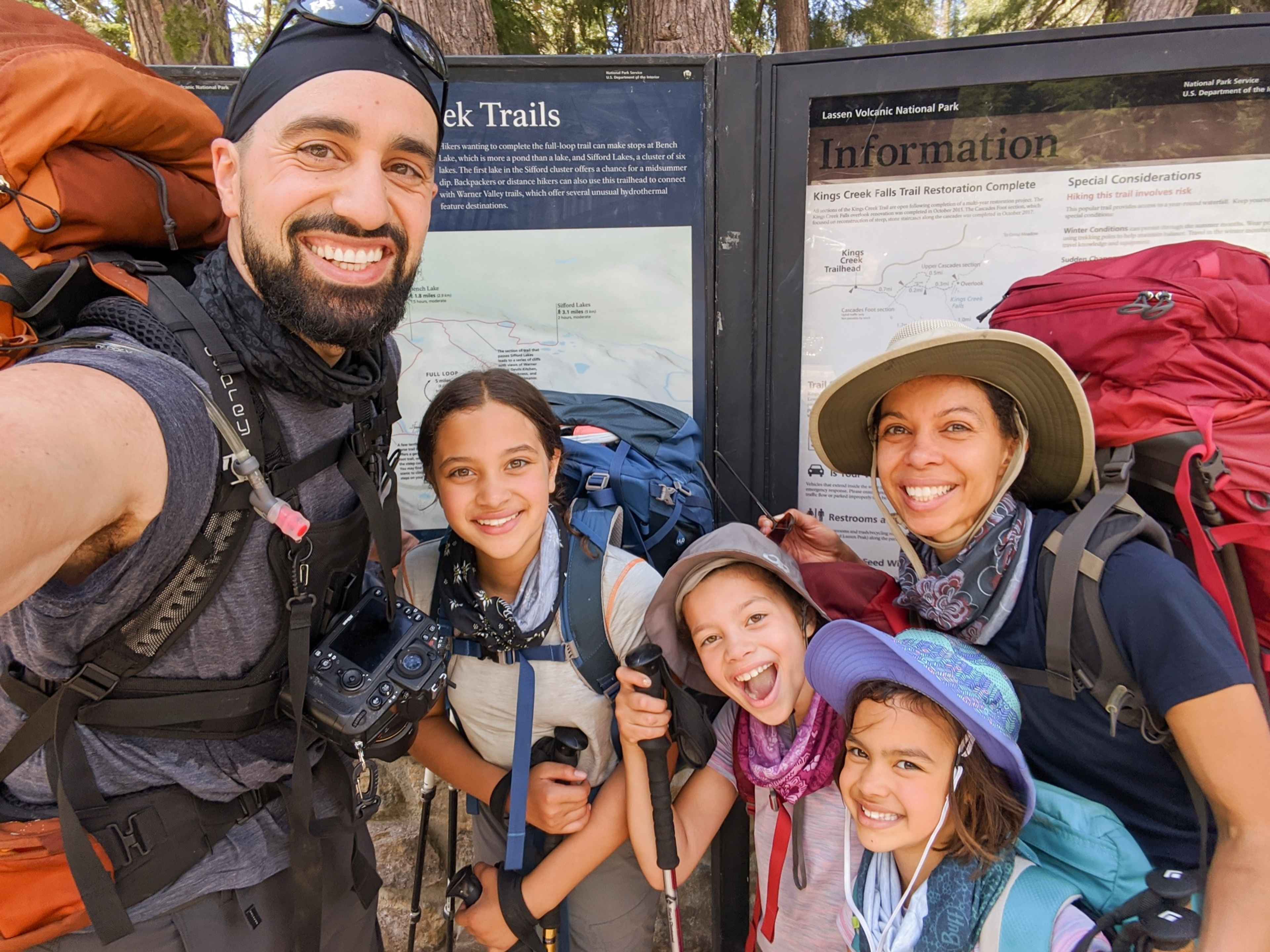
Six canvas tents. 379 nights outdoors. And we still run the same short list before every trip.
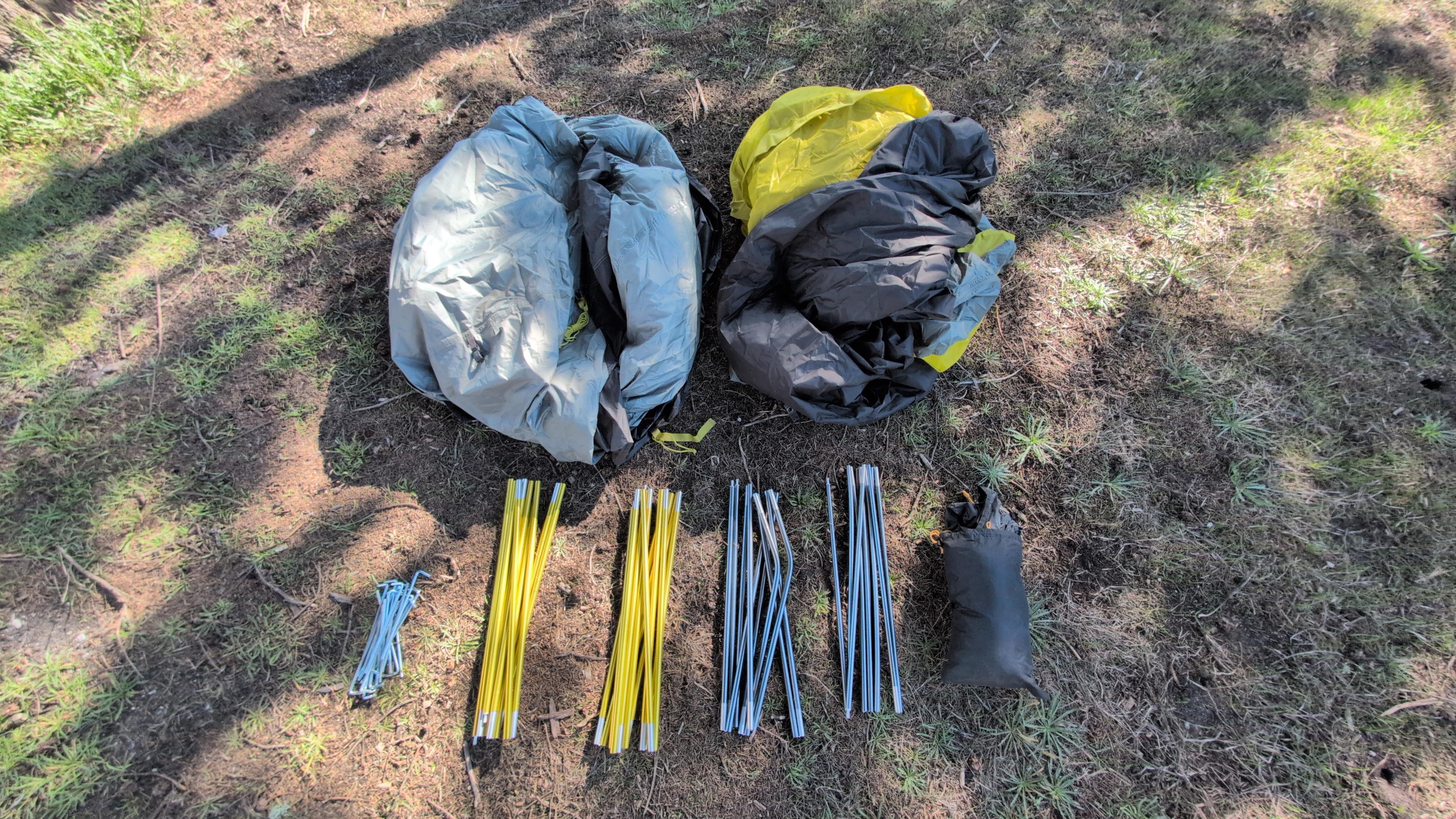
The tent is the one system you can't improvise. Forget a spork and you borrow one from the next site over. Forget the tent poles and the trip is over before it starts.
This is the gear that goes in ours. The full scannable list is at the bottom.
The tent itself
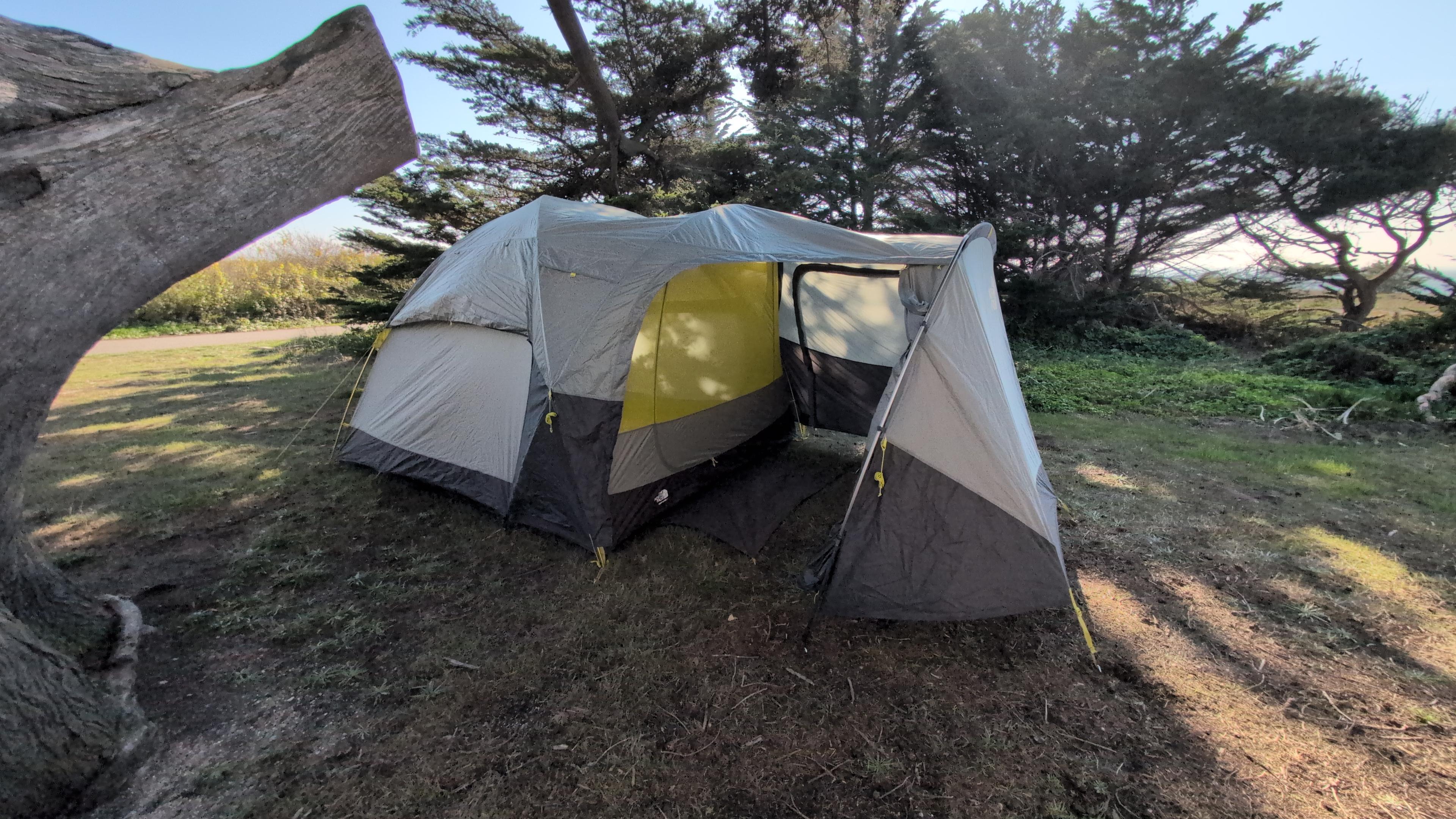
Buy one size larger than the number on the box. A six-person tent sleeps four people who also want their bags inside and out of the weather. We run a mix: the North Face Wawona 6 ($585 at REI) for fast weekends, the Springbar Classic Jack 140 canvas when we're staying put for a few nights. The full nylon-versus-canvas argument is in our canvas tent guide.
One thing people skip: a ground layer. A footprint under nylon, or a heavier ground tarp under canvas. It keeps the floor dry and doubles the life of the tent. Cheapest insurance you'll buy.
The rain fly: not just for rain
Put the fly on even under a clear sky. Overnight dew soaks an unprotected tent, and if you're pitched under trees you wake up to sap and bird droppings baked onto the roof. The fly takes the hit instead of your tent body, so you pack up clean and dry. On the canvas tents we go a step further and pitch a full tarp overhead on a pair of adjustable poles for the same reason: keep the sap and the dew off so we can roll the tent up at home, not in the campground dirt.
The part everyone forgets: stakes and the thing that drives them
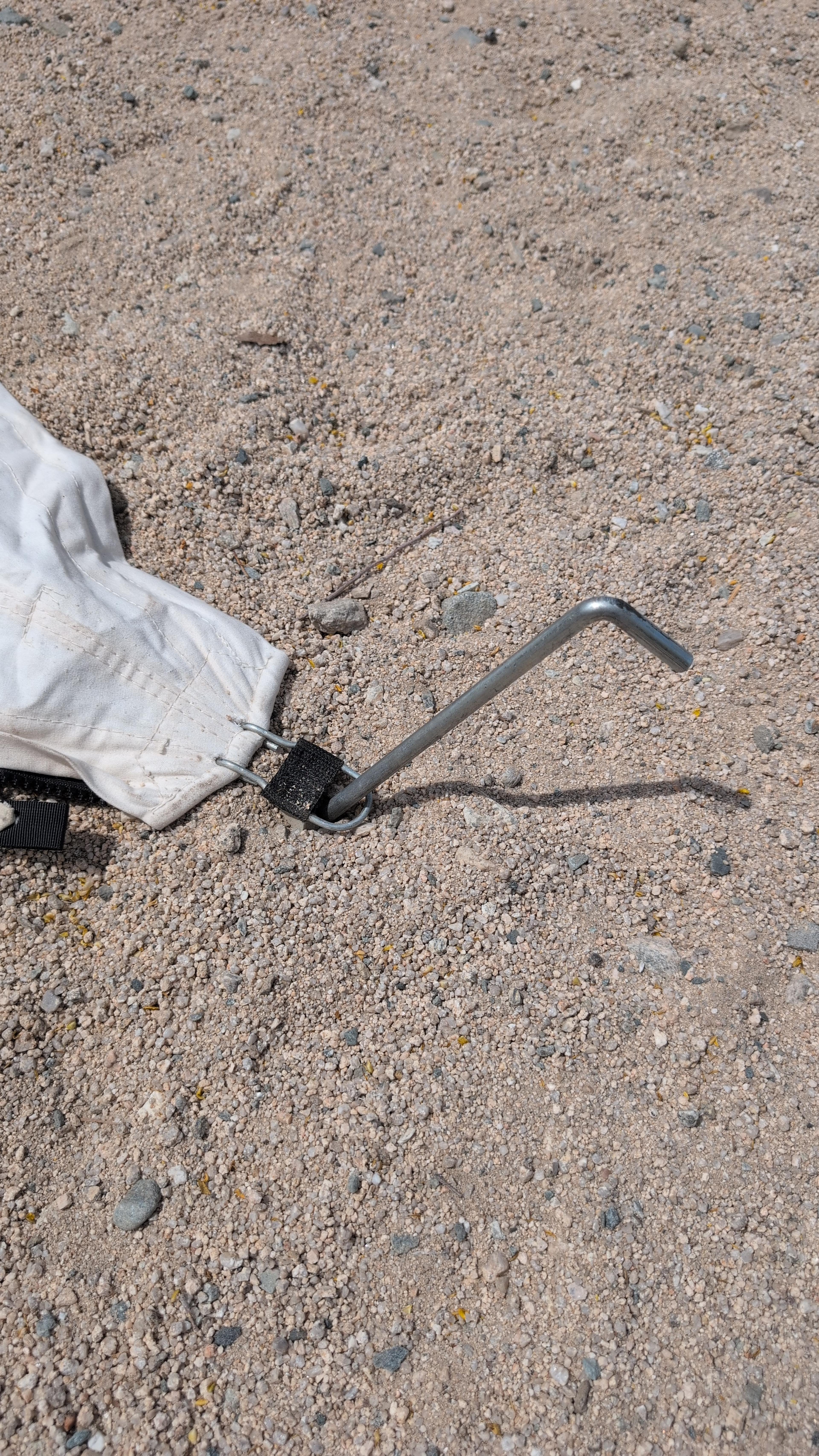
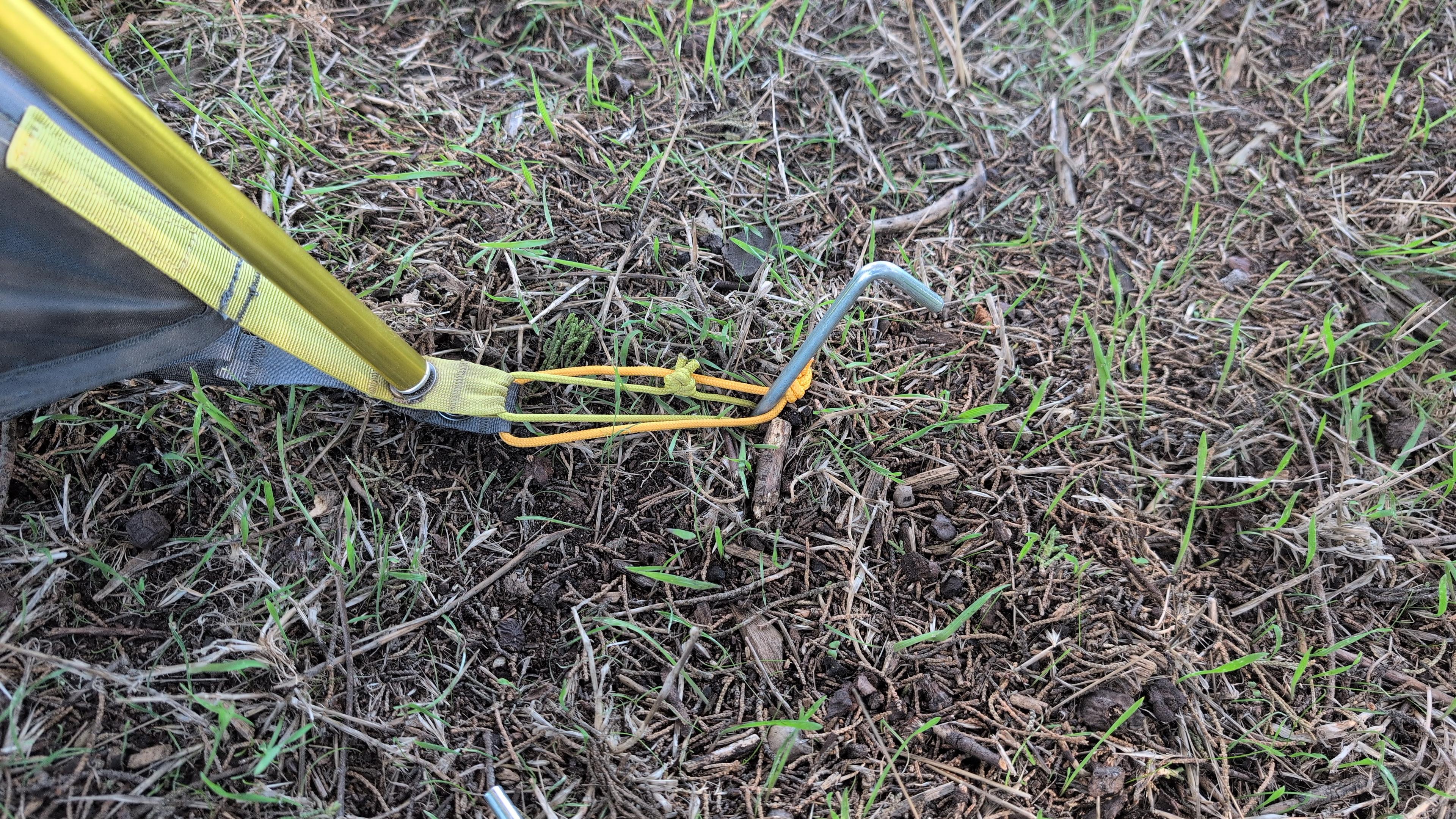
Tents come with stakes. The stakes they come with are not the stakes you want. Pack a dozen beefy steel nail stakes and an actual camping hammer, not the heel of your boot. Wind finds the cheap stakes first, and a rock is never where you need it at dusk.
The sleep system
The sleep system is the difference between loving tent camping and quietly never doing it again. Get this part right and everything else is comfort.
- Sleeping pad per person. Thick enough that the ground stops being a factor.
- Sleeping bag rated colder than the forecast low. The Big Agnes Little Red 20 ($99.95 at REI) for the kids when it drops.
- A real pillow ($59.95 at REI), not a balled-up hoodie. Small thing, big difference.
- A cot if the tent has the floor space. It gets you off the ground entirely, and it's how we sleep in the canvas tents.
Light, living, and a rug that changes everything
A headlamp per person, not one for the family. A lantern or a string of solar lights turns the tent from a place you sleep into a place you sit. A chair you actually want to sit in. An Eno hammock strung between two trees for the in-between hours.
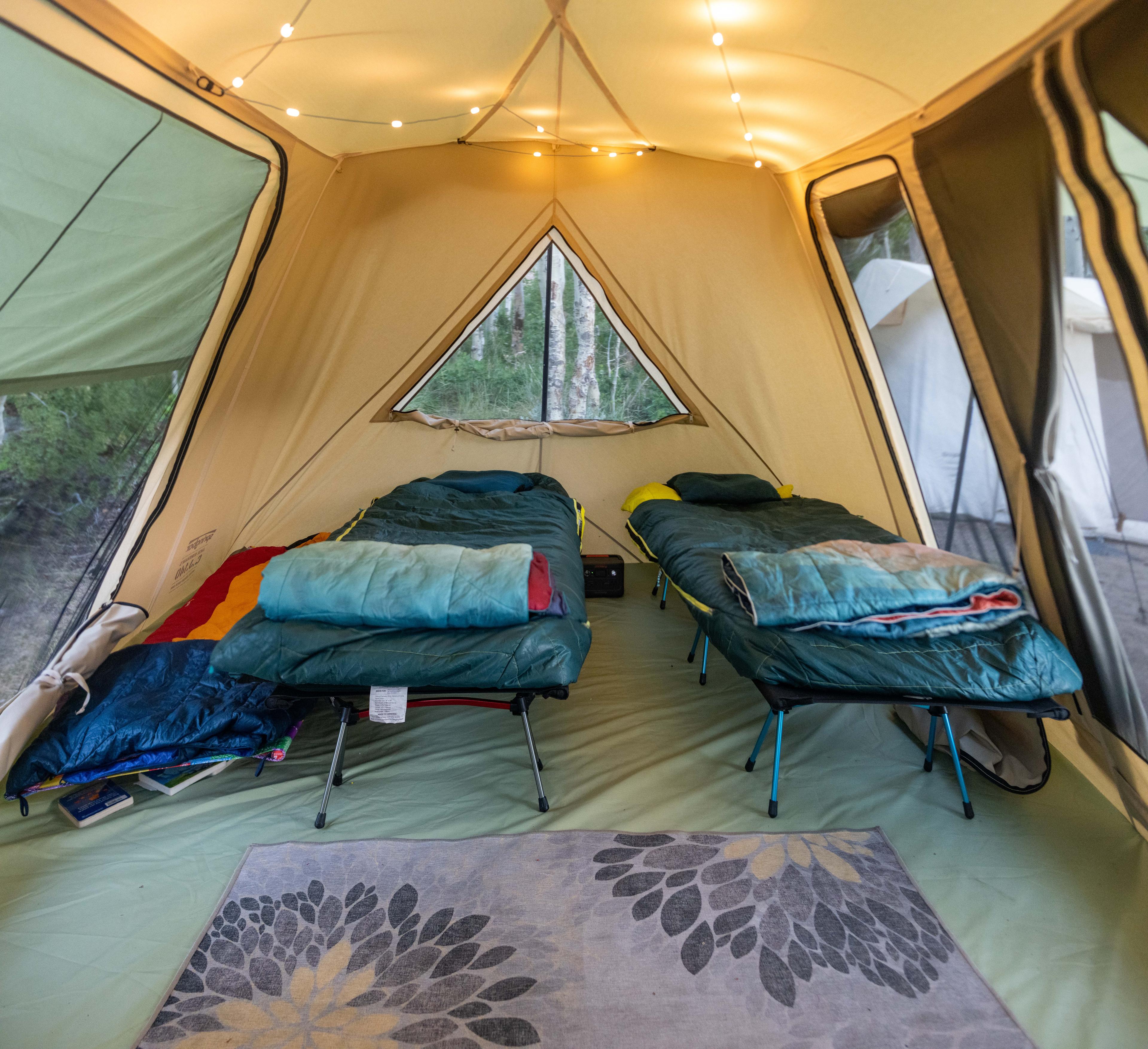
And the upgrade nobody expects to matter: a washable rug. It keeps the sand and pine needles down, makes the floor warmer underfoot, and when the trip's over you shake it out and machine-wash the cover. We run a Ruggable outdoor rug in the Springbars. Sounds fussy until your first cold morning standing on it instead of cold canvas and dirt.
The complete tent camping checklist
Shelter
- Tent, sized up one
- Footprint or ground tarp
- A dozen beefy steel nail stakes and a camping hammer
- Extra guyline, pre-attached before you leave
- Rainfly, on even when it's clear (dew, sap, bird droppings)
- Overhead tarp and poles for canvas or longer stays
Sleep
- Sleeping pad per person
- Sleeping bag rated about 10 degrees colder than the forecast low
- Pillow
- Cot, if you have the floor space
- Extra blanket for the kids
Setup and inside
- Headlamp per person
- Lantern or string lights
- A washable rug for the tent floor
- Repair tape and a spare pole splint
- A sand-free mat or doormat at the door. The dirt war is won at the door
- Small broom or brush for the tent floor
- Camp chairs
For the full trip list, the kitchen, clothes, first aid, and the 100-plus items we run for a whole weekend, here's our complete camping checklist. New to all of this? Start with camping for beginners.
Pitching it
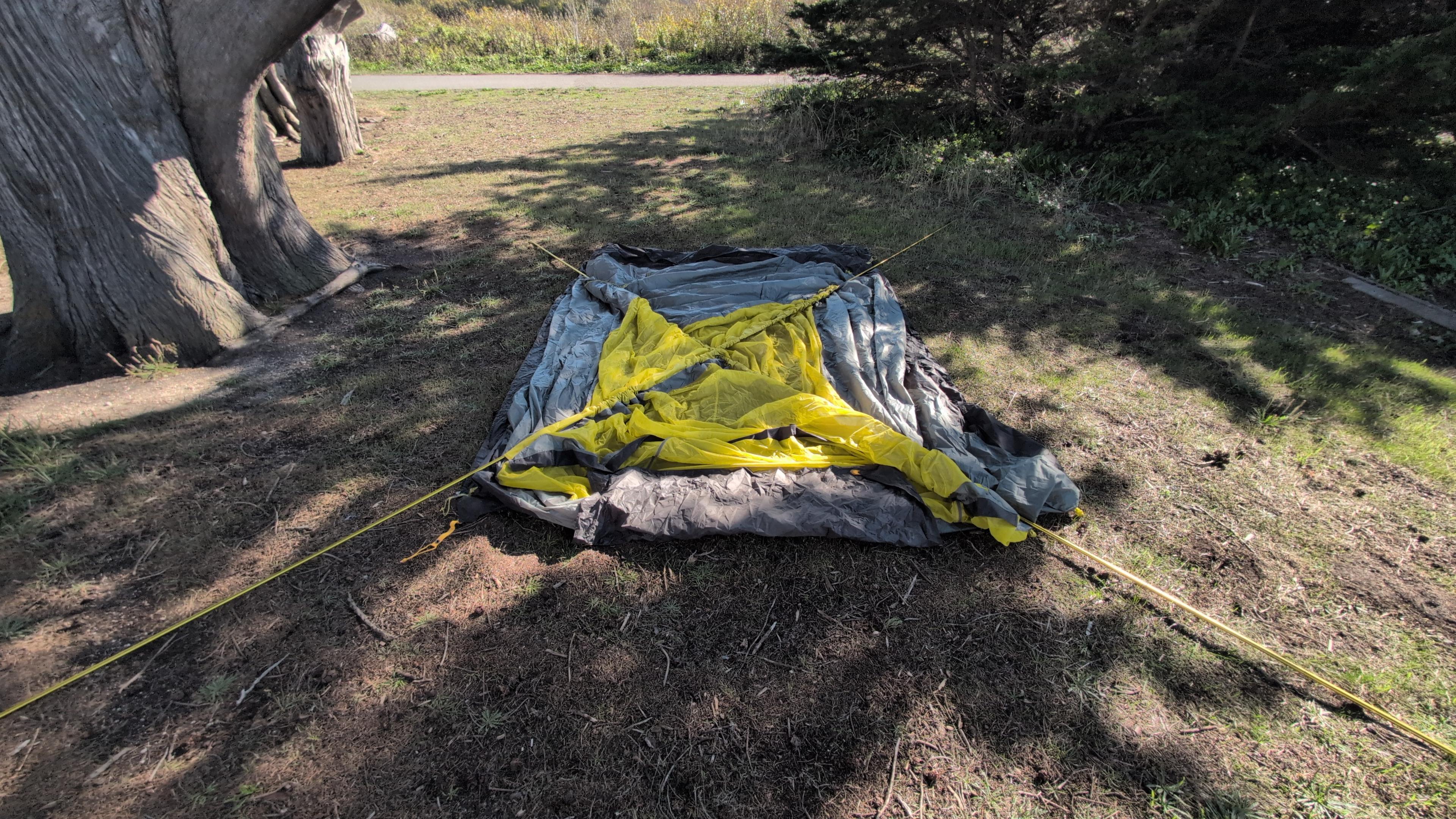
Stake the windward corner first, then the opposite corner, then the other two. Fly on before you unpack anything. We walk through the whole sequence in how to set up a tent.
Frequently asked questions
What do you need for tent camping?
A tent sized one larger than your group, a footprint, real steel stakes and a hammer, a rain fly, and a complete sleep system (pad, bag, pillow) for every person. Everything else is comfort.
What should be on a tent camping checklist?
Three groups: shelter (tent, footprint, stakes, guyline, fly), sleep (pad, bag, pillow, cot), and setup (headlamp, lights, rug, repair tape, doormat, chairs). The list above covers all three.
Do I really need the rain fly if it's not going to rain?
Yes. Dew alone will soak an unprotected tent overnight, and under trees you collect sap and bird droppings. The fly keeps your tent body clean and dry so you can pack up at home instead of in the dirt.
What size tent do I need?
Size up by one. A six-person tent is right for a family of four who want their gear inside and out of the weather.
Packing for a trip? Our free interactive checklist tracks everything, tent to toothbrush, so nothing gets left in the garage.
Open the camping checklistIs tent camping good for beginners?
Yes, if you nail the sleep system first. More on starting out in camping for beginners.
How do you stay warm in a tent at night?
Warmth comes up from the ground, not down from the air, so start with the pad. A pad with a high R-value matters more than an extra-thick bag. Layer a bag rated about 10 degrees colder than the forecast low, wear dry socks and a hat to bed, and never sleep in the clothes you sweated in all day. A cot plus a pad is the warmest setup we run in the canvas tents.
How do you keep condensation out of a tent?
That overnight damp on the inside walls is mostly your own breath. Pitch the rain fly with its vents open, crack a window or two for airflow, and keep wet gear in the vestibule instead of inside. On still, humid nights some condensation is unavoidable, so wipe it down in the morning and let the fly dry before you pack it.
Six canvas tents, 379 nights outdoors. The list has gotten shorter over the years, not longer. But the poles go in first, every single time, because that's the one you can't borrow.
Ready to put it to use? Find a tent-friendly site at New Brighton State Beach, or Sugarloaf Ridge, or ask Camp Sage where to go this weekend.

Want a personalized version of this guide?
Camp Sage tailors recommendations to your dates, group, and gear — free.
Join our newsletter to get more resources and tips to help your family camp with confidence!