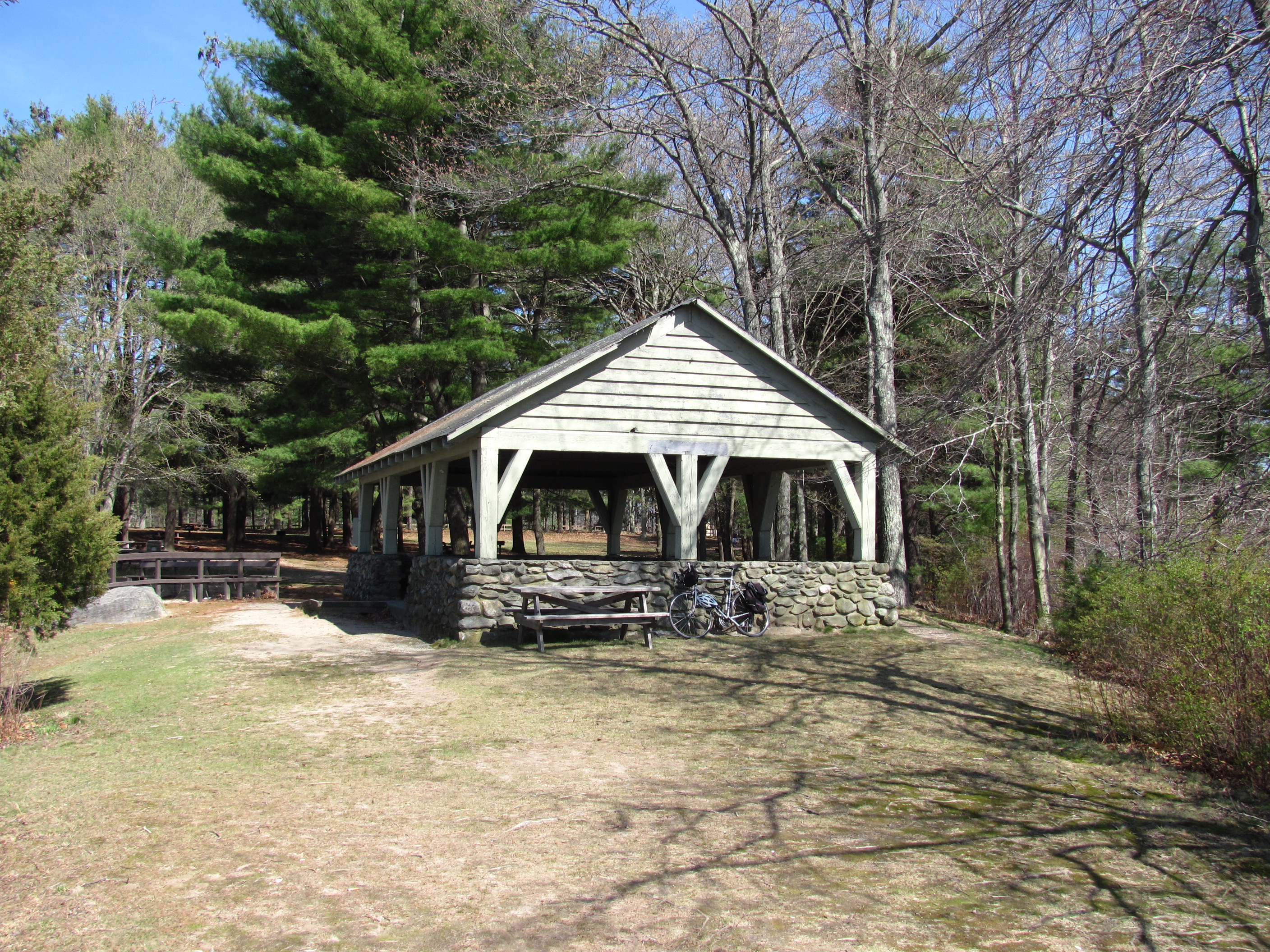
Myles Standish State Forest spreads across southeastern Massachusetts with nearly 400 campsites tucked among pitch pine and scrub oak. Sites run $17-$54 per night and include options for tents, RVs, yurts, and group camping. The forest centers on glacial kettle ponds that draw swimmers, paddlers, and families looking for accessible water recreation.
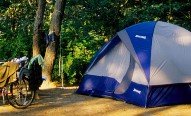
The campground offers a mix of primitive, tent, RV, and group camping options, along with equestrian-specific sites and yurts.
Historical Significance
The forest takes its name from Myles Standish, the military advisor to the Plymouth Colony. During the 1930s, Civilian Conservation Corps crews built much of the infrastructure. Trails, roads, and structures. That campers still use today.Weather and SeasonsSummer delivers the most reliable conditions, with highs in the 75–85°F range and lows in the 50s–60s. The ponds warm enough for swimming, trails stay dry, and campground services run at full capacity. Weekends can get crowded. Fall brings cooler temperatures and changing foliage. Spring sees occasional heavy rains that flood low-lying campsites, so choose higher ground if storms are forecast. Winter temperatures drop below freezing, attracting a smaller crowd of cold-weather campers.
ElevationThe gently rolling terrain creates a varied landscape perfect for exploration and discovery throughout your stay.
Weather data by Open-Meteo.com, licensed under CC BY 4.0, processed by Outdoorithm.
Natural Features and SceneryThe forest protects the region's largest pitch pine and scrub oak ecosystem, a landscape shaped by sandy soils and periodic fire. Scattered throughout are coastal plain kettle ponds. Clear-water bodies carved by retreating glaciers that now serve as swimming holes and fishing spots. Deer move through the understory, hawks circle overhead, and the sandy terrain supports vegetation adapted to drought and disturbance. The forest sits at roughly 157 feet elevation, with relatively flat terrain that makes trails and bike loops accessible.
Geological RegionDiscover a geological wonderland in southeastern Massachusetts where ancient forces shaped today's playground. This remarkable landscape showcases the region's most extensive pitch pine and scrub oak forest, a resilient ecosystem that has adapted to sandy soils and periodic fires. The crown jewels are the coastal plain 'kettle' ponds—pristine water bodies carved by glaciers millennia ago, now serving as vital habitats and refreshing swimming holes that make this forest a true natural sanctuary.
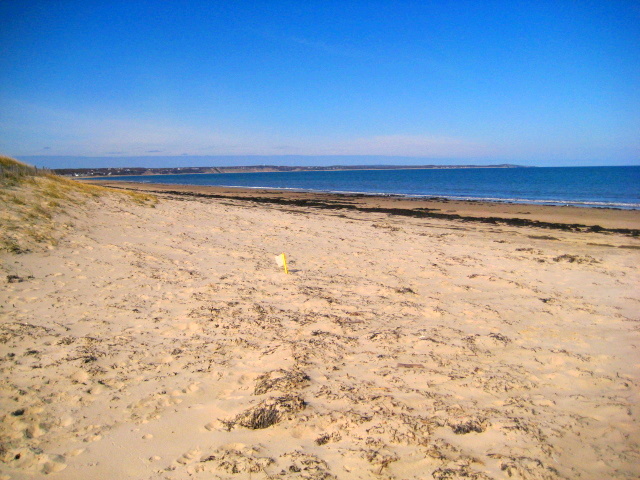
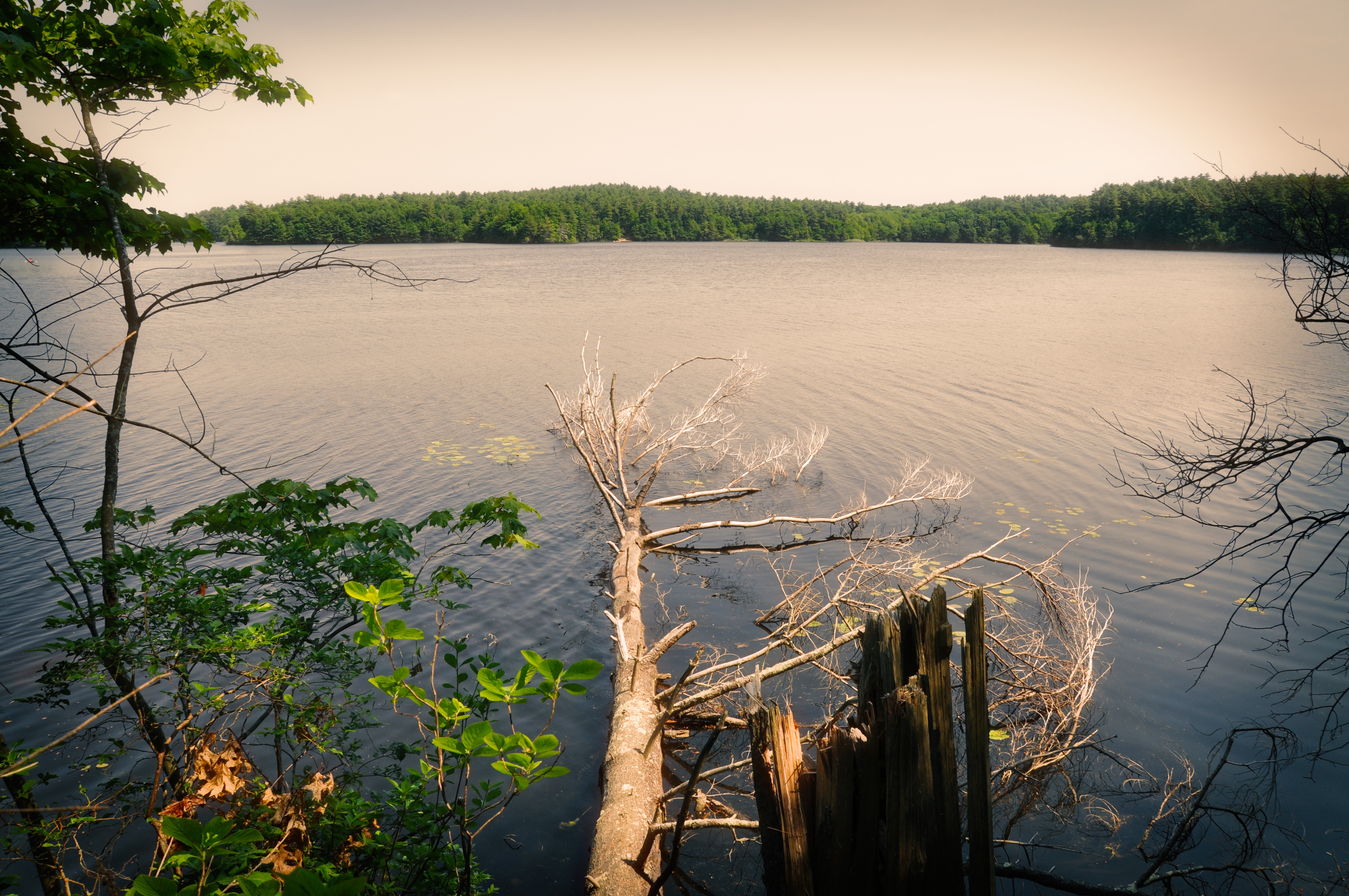
Scenic ViewsScenic views of kettle ponds, dense forest landscapes, and sandy beaches are available.
Lodging & AccommodationsThree yurts are available, accommodating 4-6 people. These are equipped with bunk beds, tables, and chairs. Two yurts have electricity, but the service is not reliable for medical equipment. Pets and smoking are prohibited in and near yurts.
Programs & ActivitiesDuring summers, programs like pond shore walks and cranberry bog explorations are conducted, helping visitors appreciate the area's natural and cultural history.
 3.76
3.76