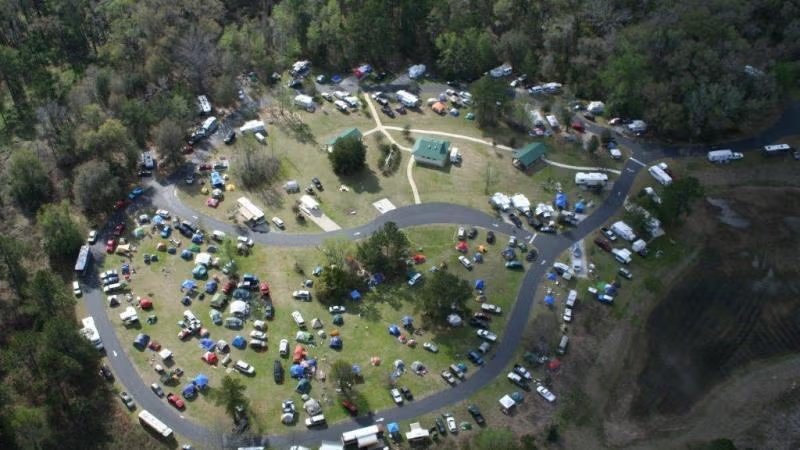
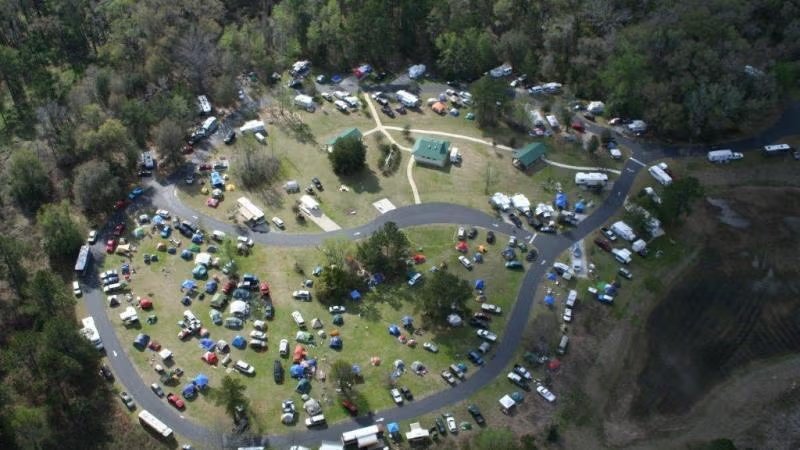
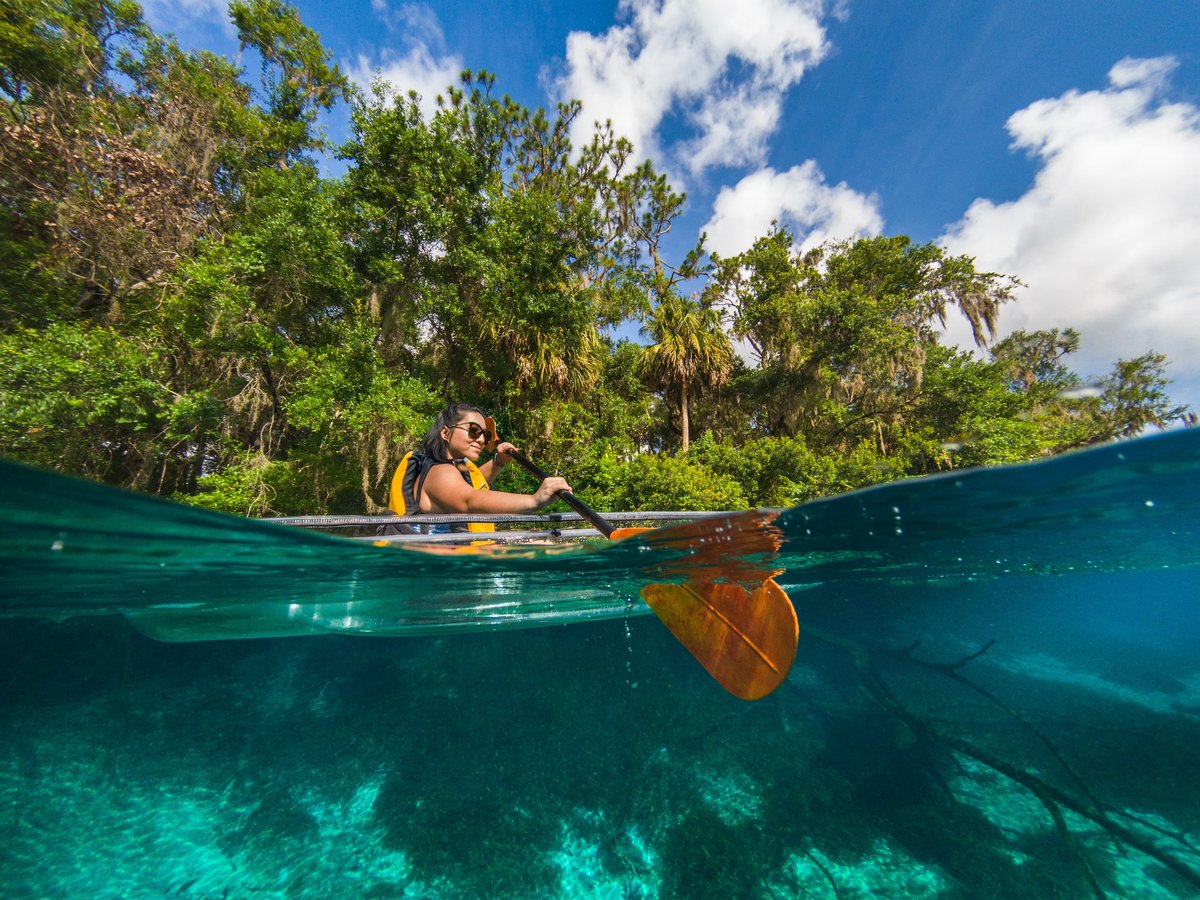
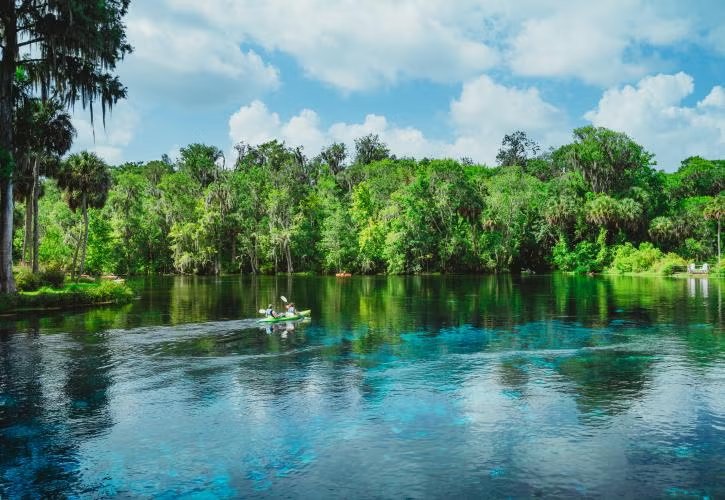
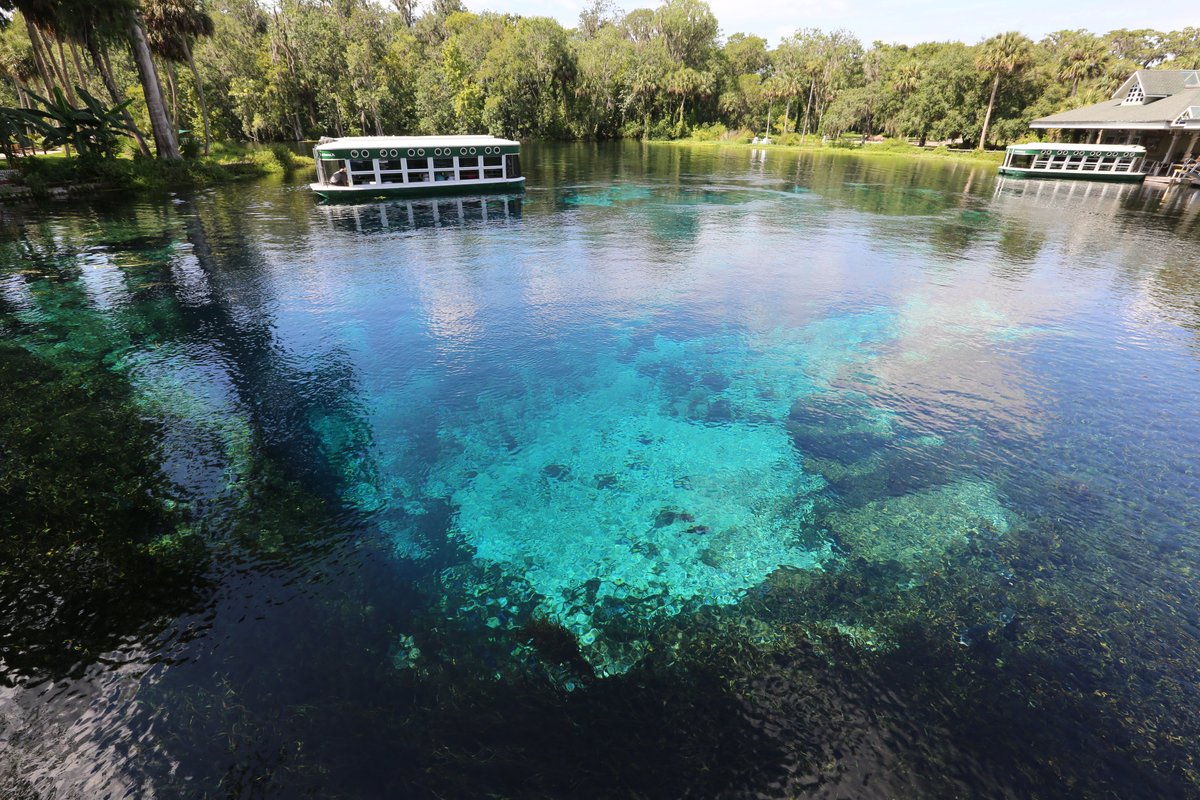
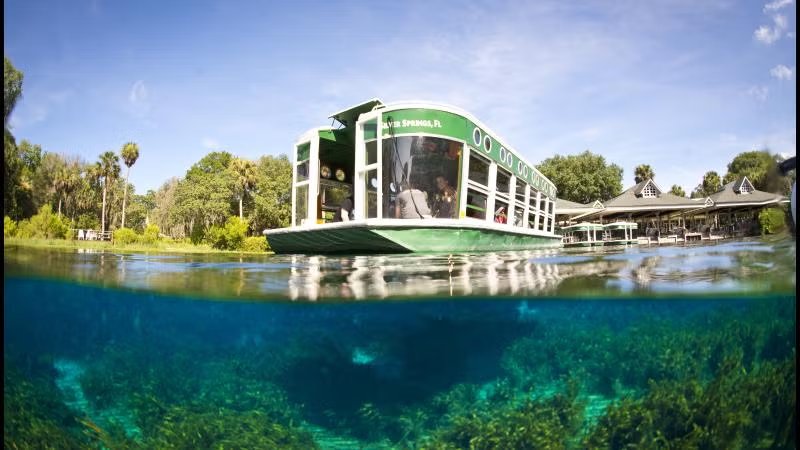
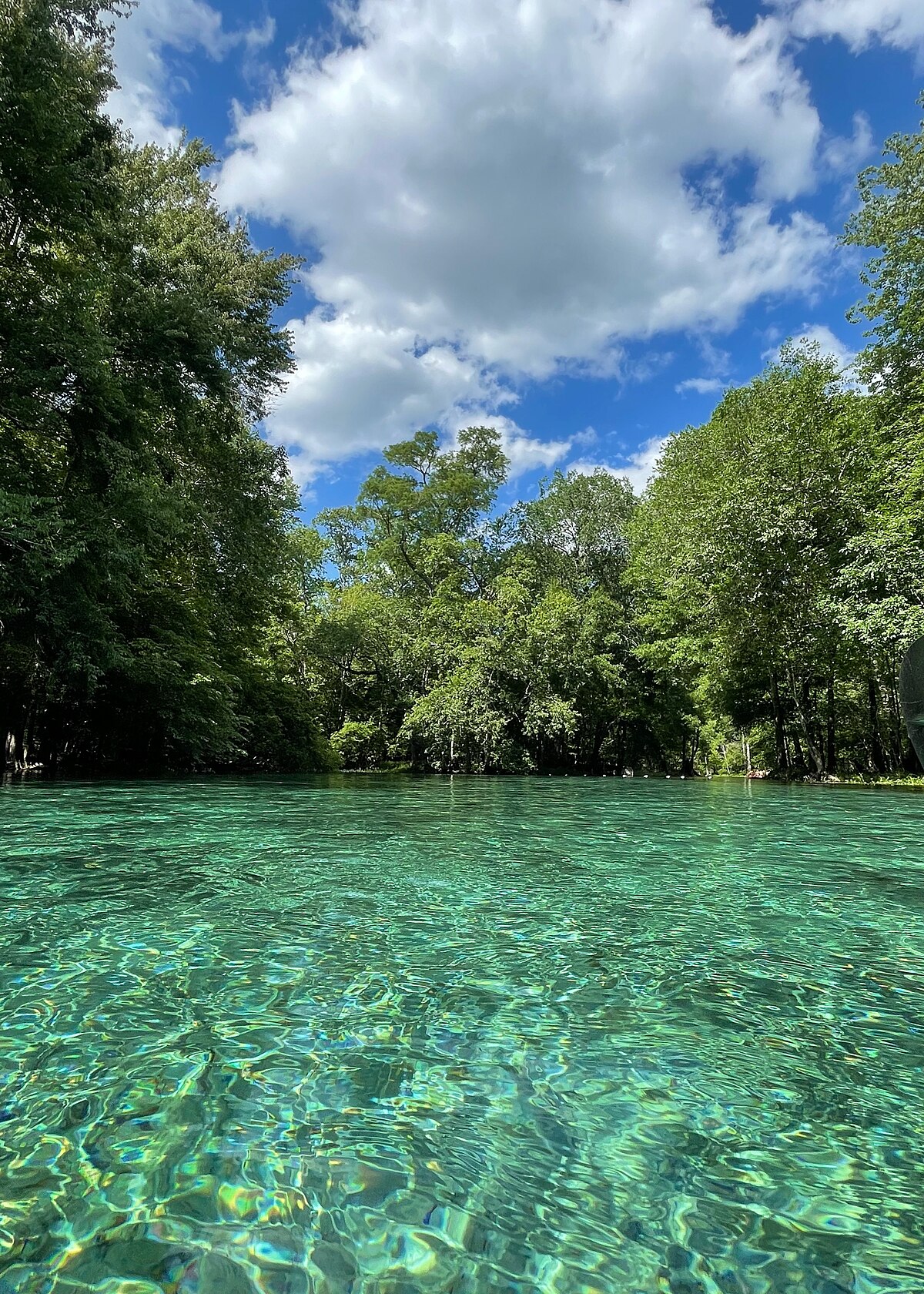
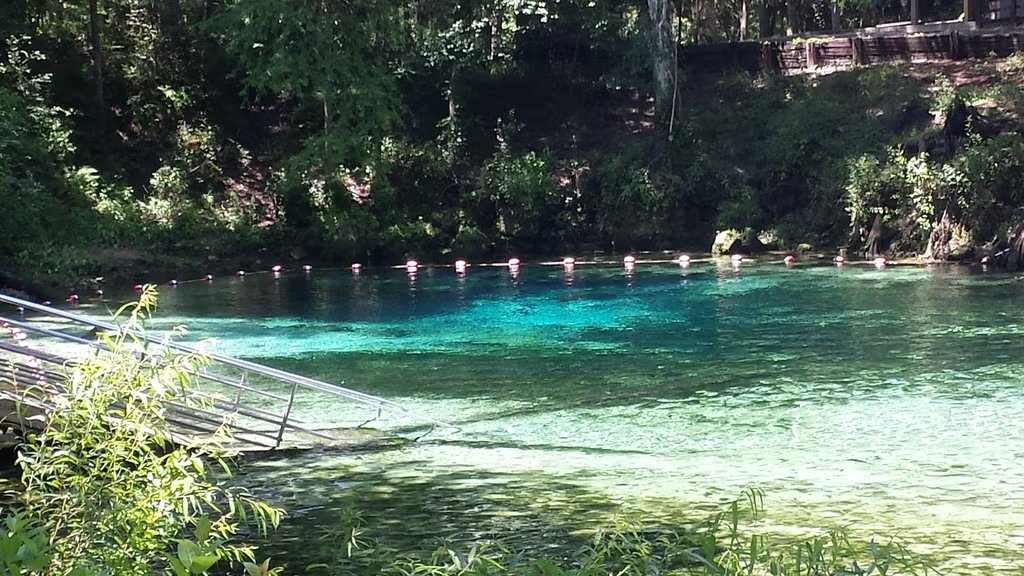
Escape to the serene shores of 160-acre Lake Holathlikaha, where Fort Cooper State Park's 700+ acres of largely undeveloped wilderness offer a peaceful retreat into old Florida. The park's intimate primitive group tent campground sits tucked along the south shore, providing an authentic backcountry experience that requires advance reservations.
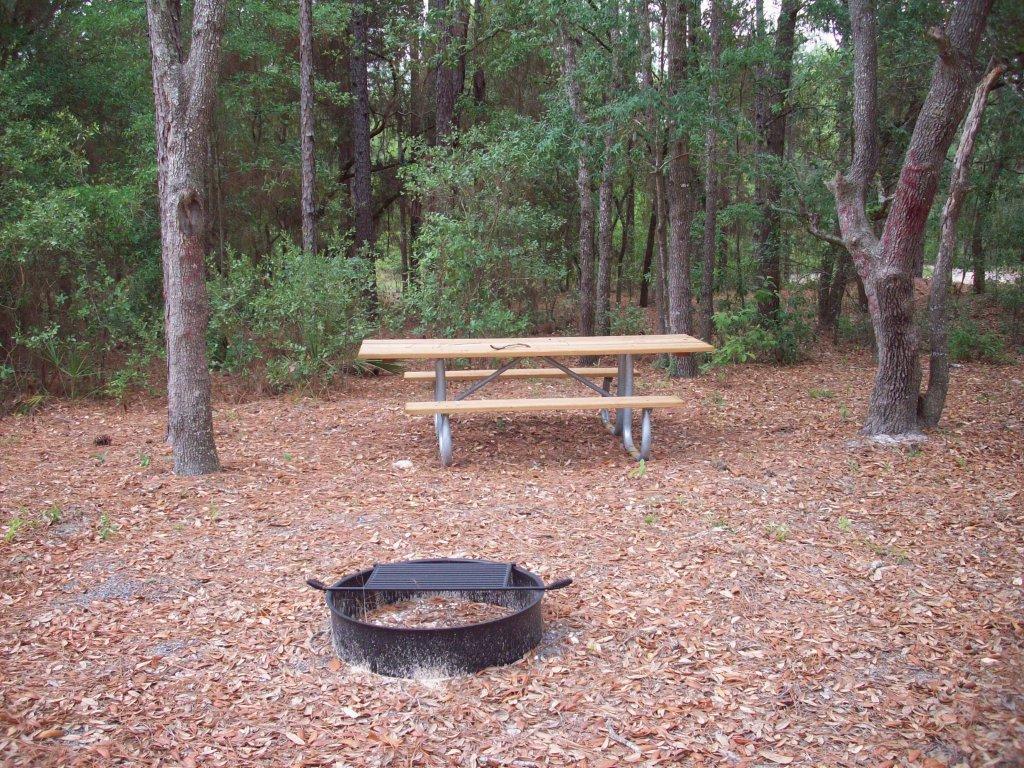
Camping is limited to a primitive group tent campground on the south side of Lake Holathlikaha (group capacity commonly cited around 6–20 people). No RV or standard individual family campsites are provided.
Historical Significance
The park protects the Fort Cooper site (established in 1836 during the Second Seminole War) and includes interpretive signage and displays. The park hosts an annual Second Seminole War reenactment in March and offers historical interpretation along trails.Weather and SeasonsPlan your group camping adventure any time of year, though November through March offers the most comfortable conditions with cooler temperatures and lower humidity—perfect for hiking and gathering around the campfire. Summer months bring quintessential Florida weather: warm lake waters tempered by afternoon thunderstorms that roll in with dramatic flair. If you're visiting in March, you might catch the park's popular annual historical reenactment, when visitor numbers swell and history comes alive on these grounds.
Weather data by Open-Meteo.com, licensed under CC BY 4.0, processed by Outdoorithm.
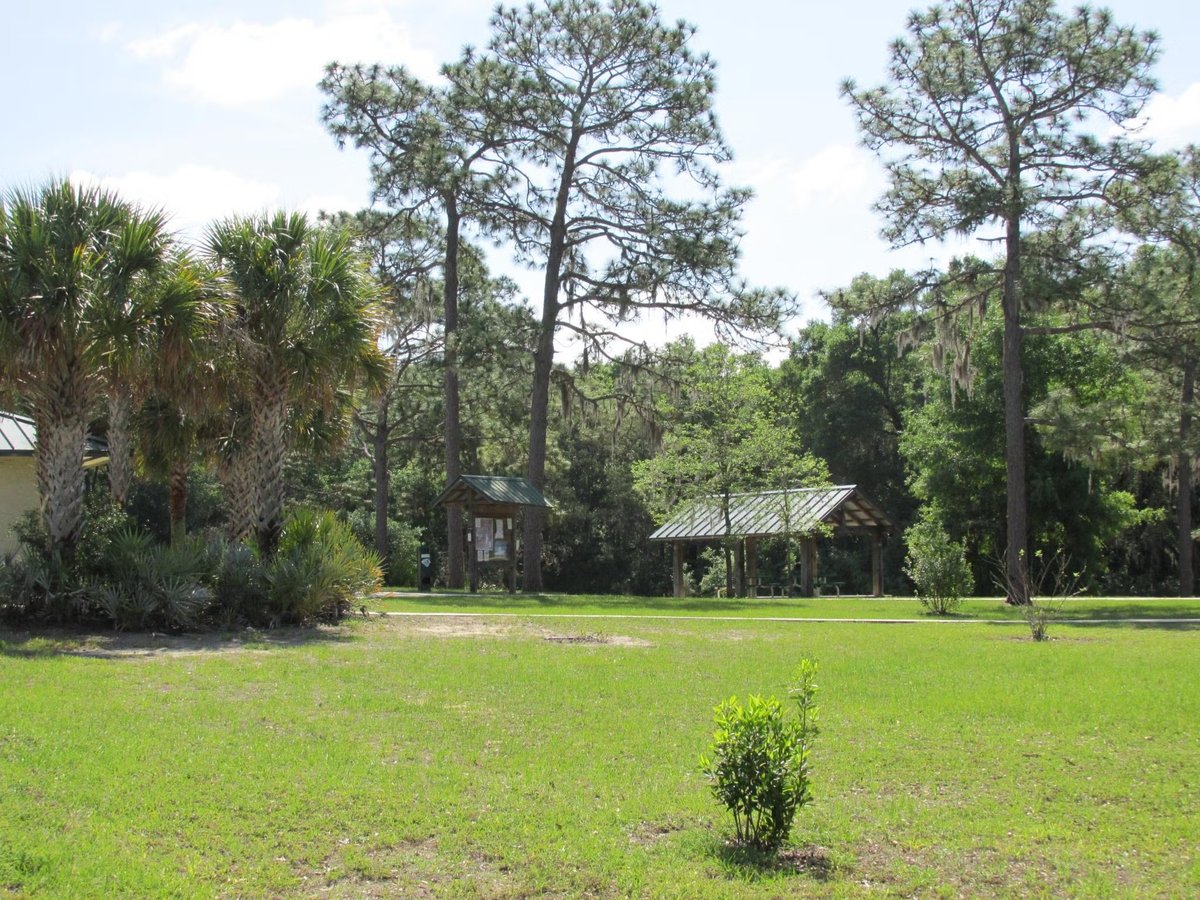
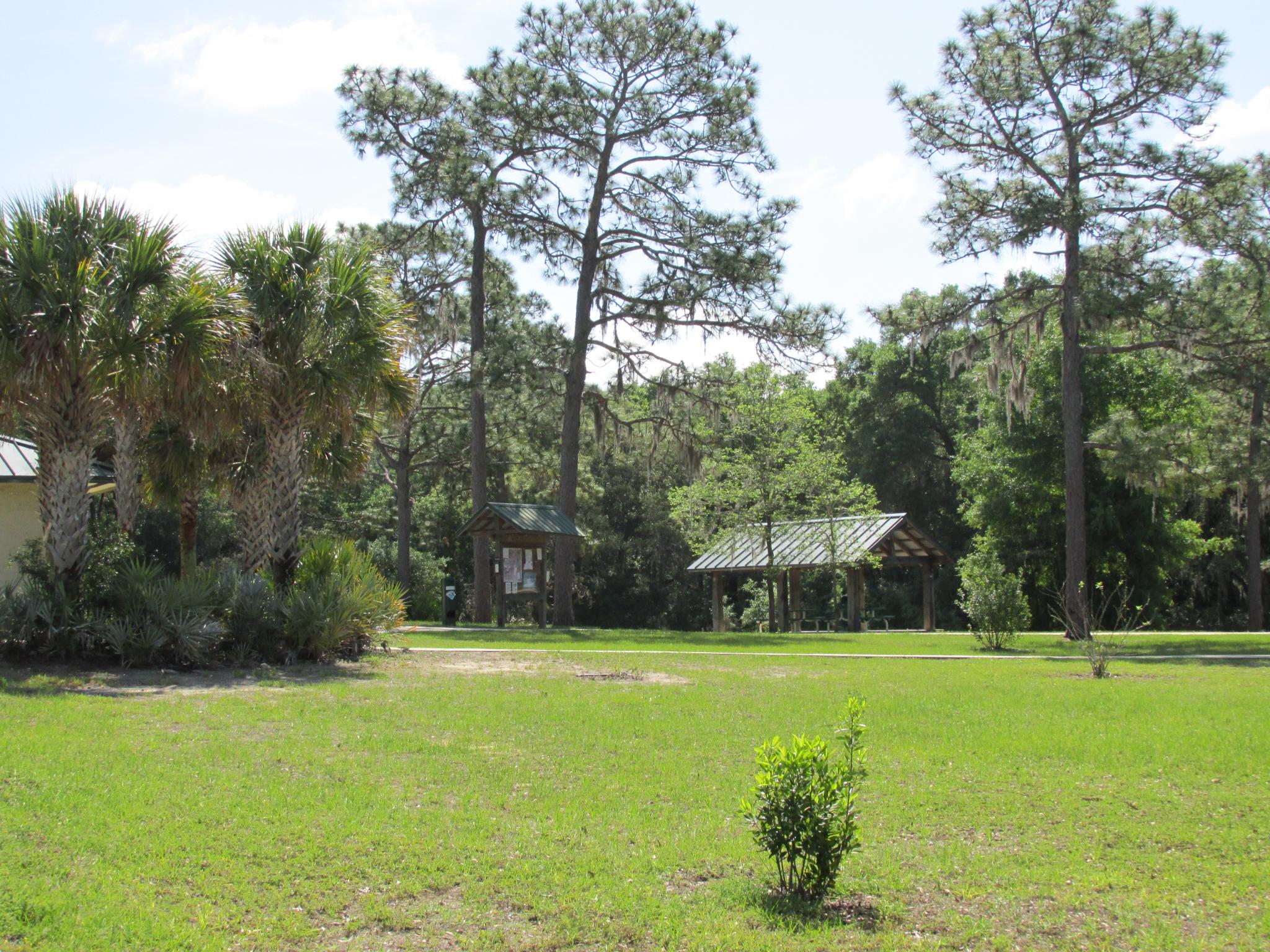
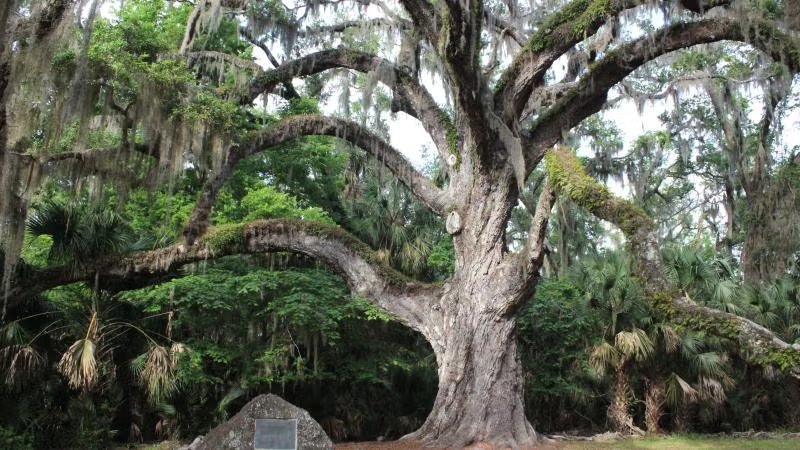
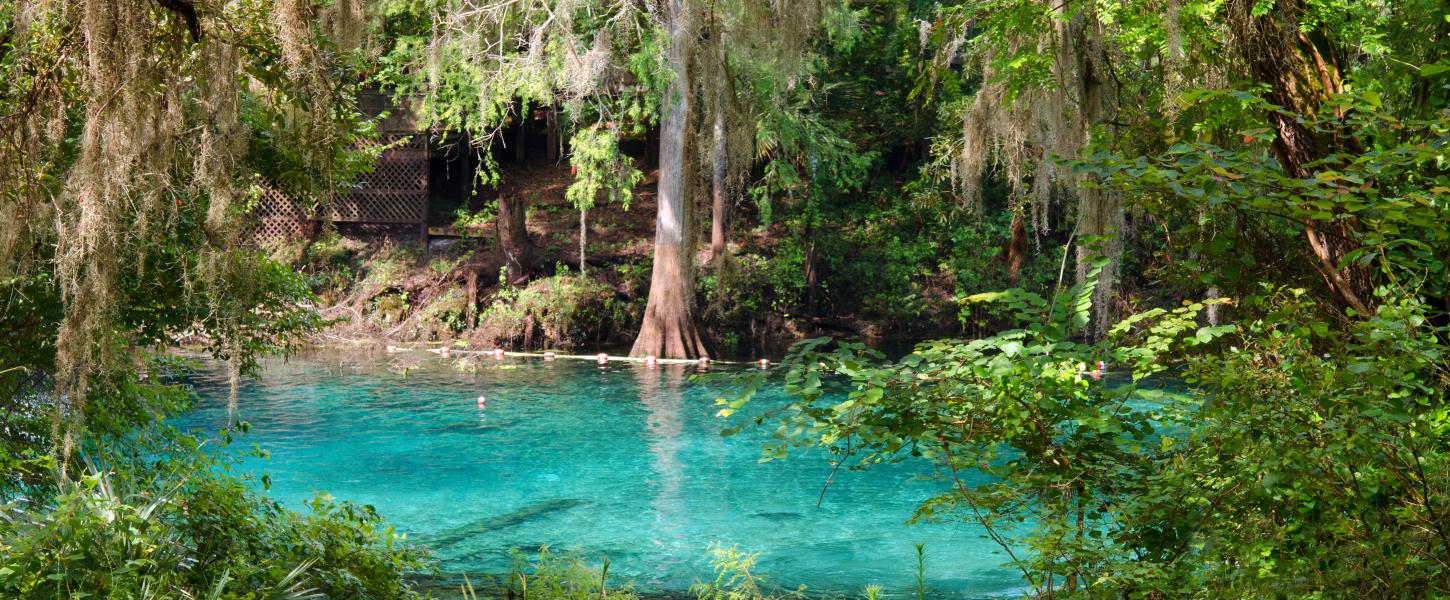
Natural Features and SceneryLake Holathlikaha lies at the heart of a diverse tapestry of ecosystems—rolling sandhills give way to pine flatwoods, while mixed hardwood hammocks provide cool shade and freshwater marshes hum with life. A small sandy beach invites you to dip your toes in the lake, and woodland trails wind through the canopy-covered landscape. As a designated stop on the Great Florida Birding Trail, the park rewards patient observers with sightings of herons, woodpeckers, and countless other species that call central Florida home, along with turtles, deer, and other native wildlife.
Scenic ViewsPanoramic views over Lake Holathlikaha from the beach and lakeside trails, with shaded interior trails through sandhill and hammock habitats; interpretive areas around the fort site provide open views of the historic grounds.
 4.92
4.92