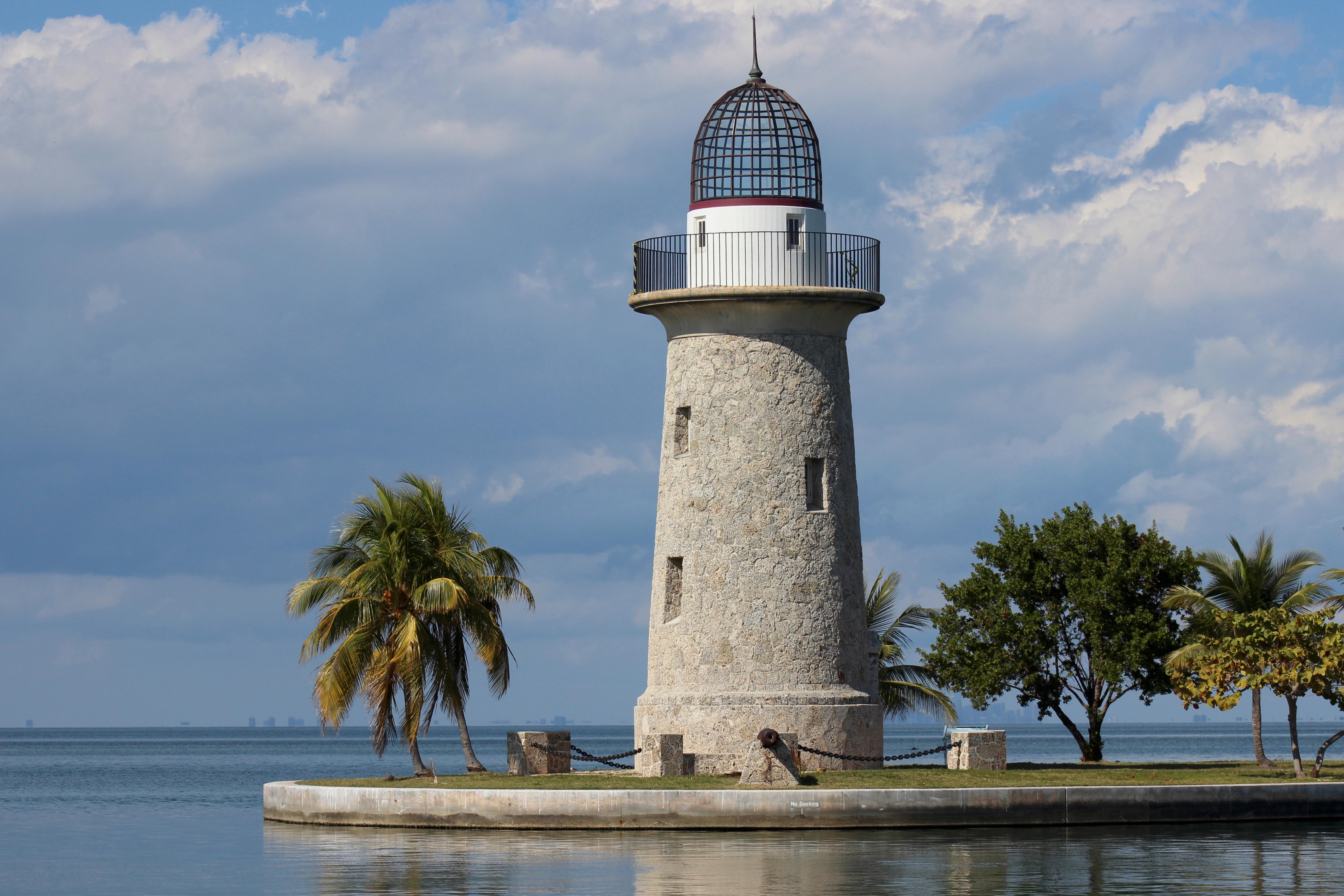
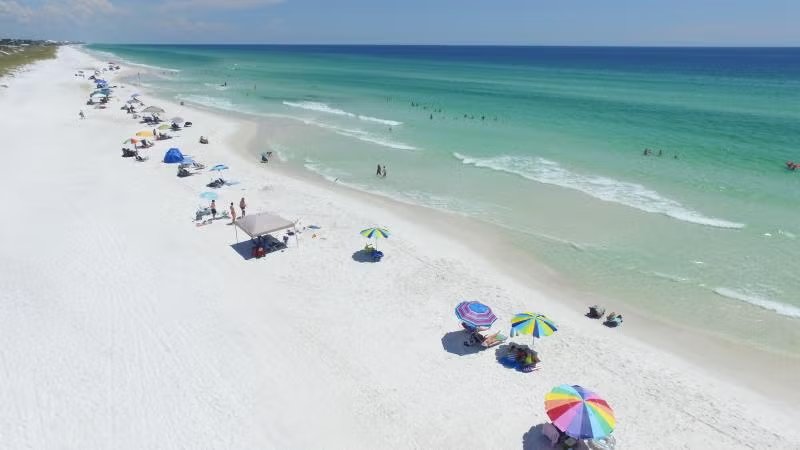
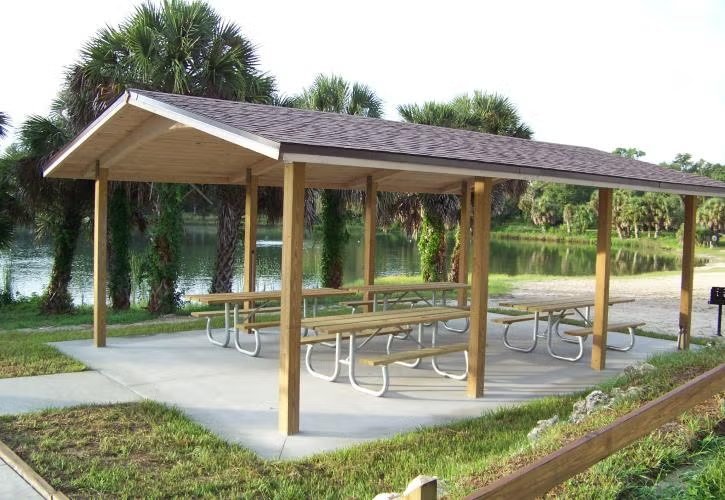
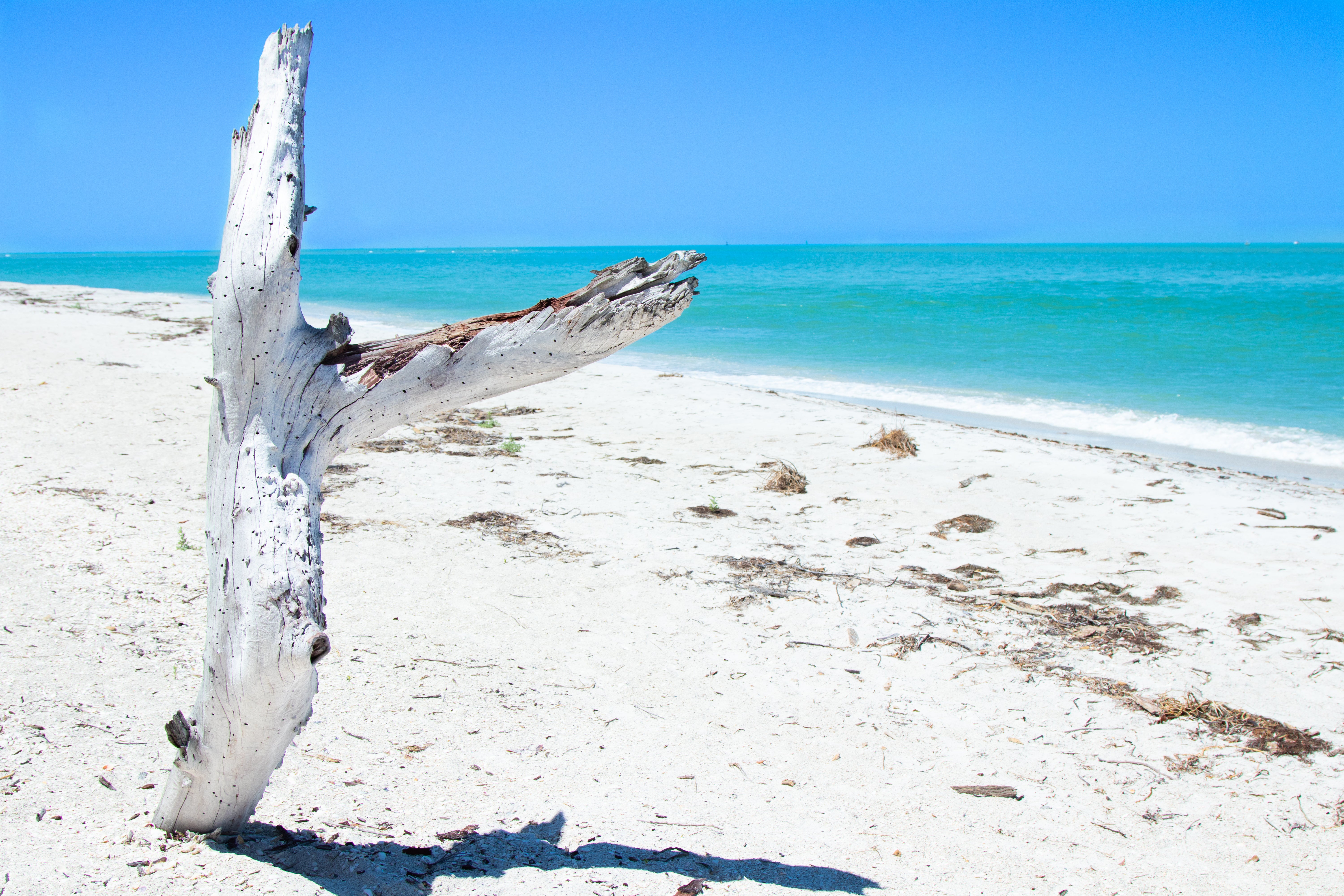
Bill Baggs Cape Florida State Park sits on the southern tip of Key Biscayne and offers a long Atlantic beachfront, coastal dunes, maritime hammock and mangrove wetlands. The park highlights include the historic Cape Florida Lighthouse, beach access, trails and picnic facilities; there is no public campground with reservable individual campsites (only limited primitive group or boat camping uses).
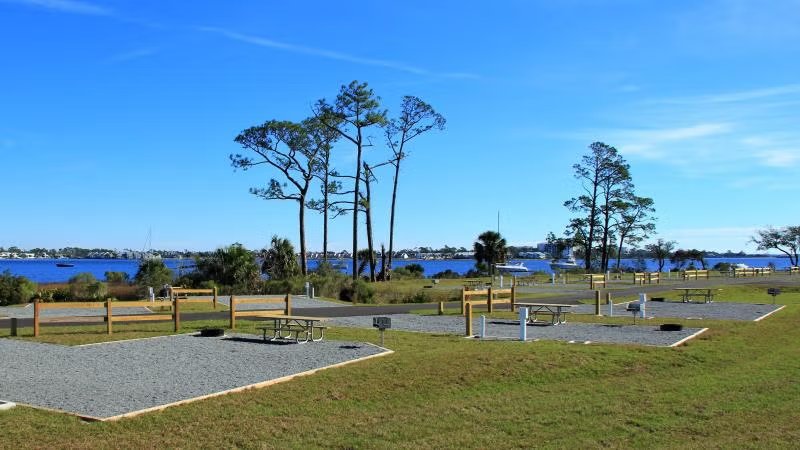
There is no public, reservable individual campsite campground. The park management references primitive group camping and boat camping as limited/special uses rather than a developed campground.
Historical Significance
The park protects the historic Cape Florida Lighthouse (dating to the early 19th century) and related maritime history; the lighthouse and grounds have been restored and are interpreted for visitors, with guided tours available on set days. The site is part of the region's maritime heritage and is listed on the National Register of Historic Places.Weather and SeasonsBest months are generally the cooler, drier season from November through April. Summers are hot and humid with frequent afternoon thunderstorms and coincide with the Atlantic hurricane season (roughly June–November), which can affect access and conditions.
Weather data by Open-Meteo.com, licensed under CC BY 4.0, processed by Outdoorithm.
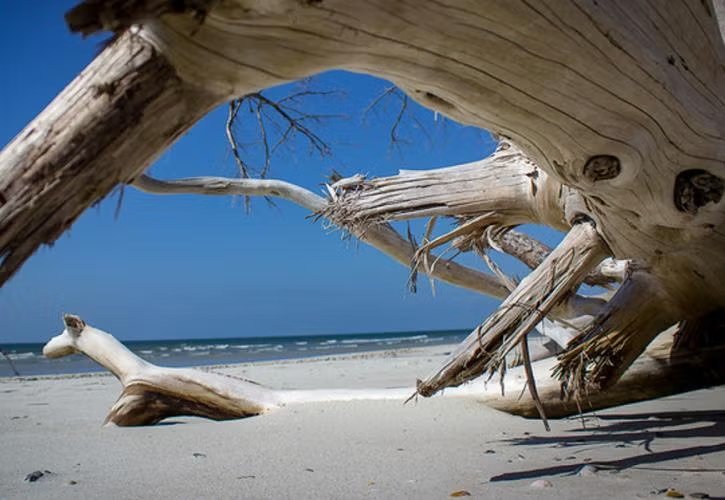
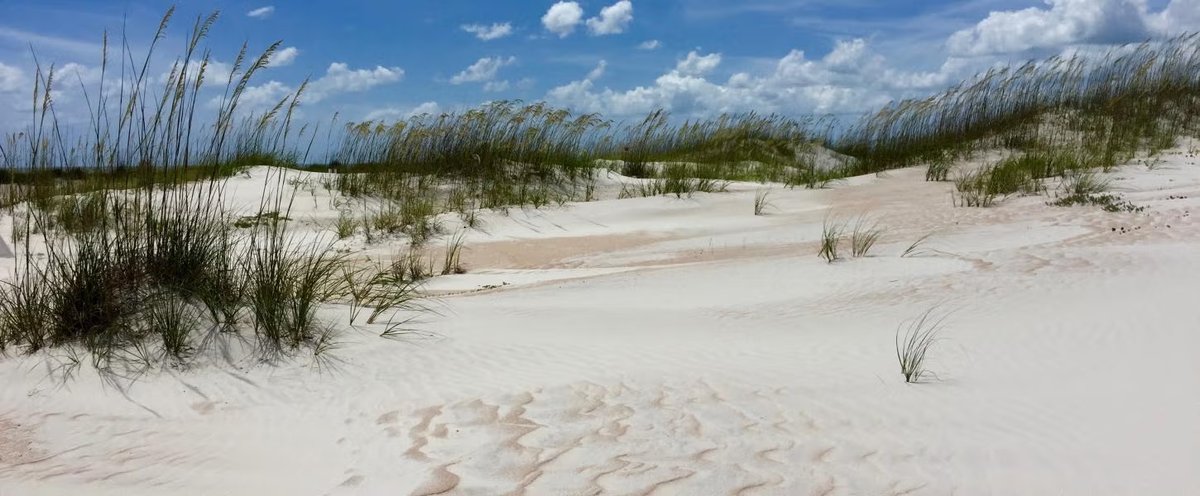
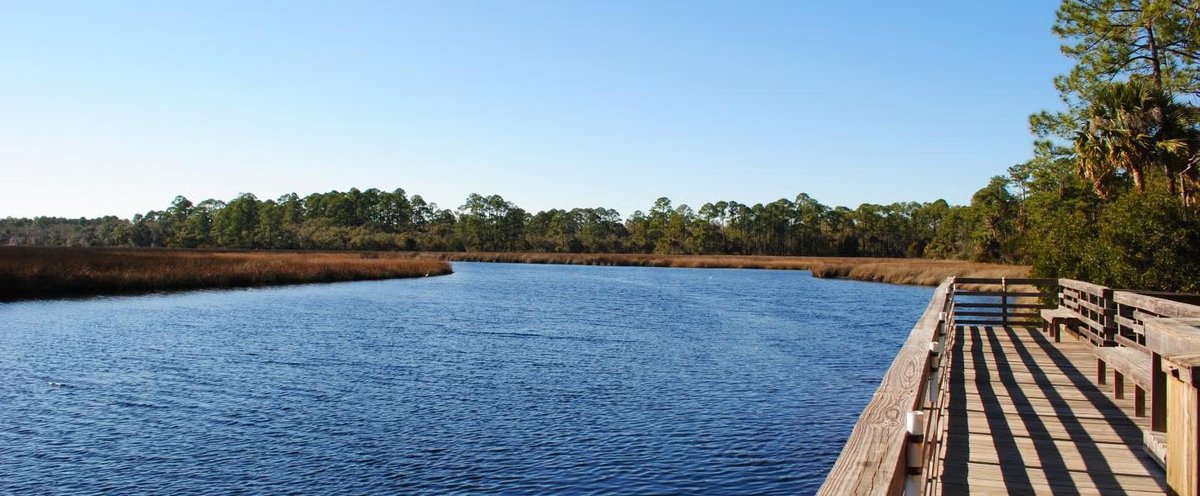
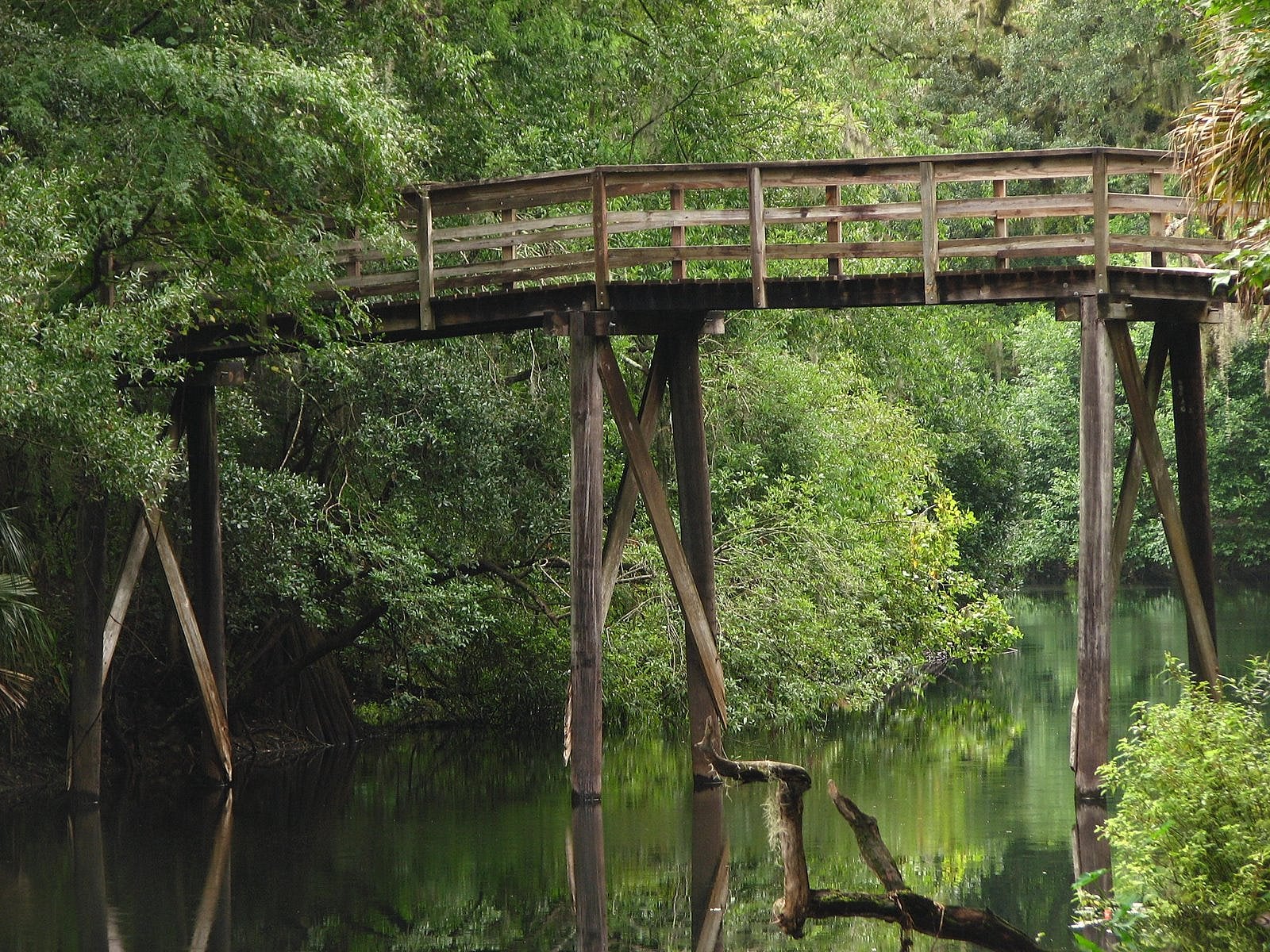
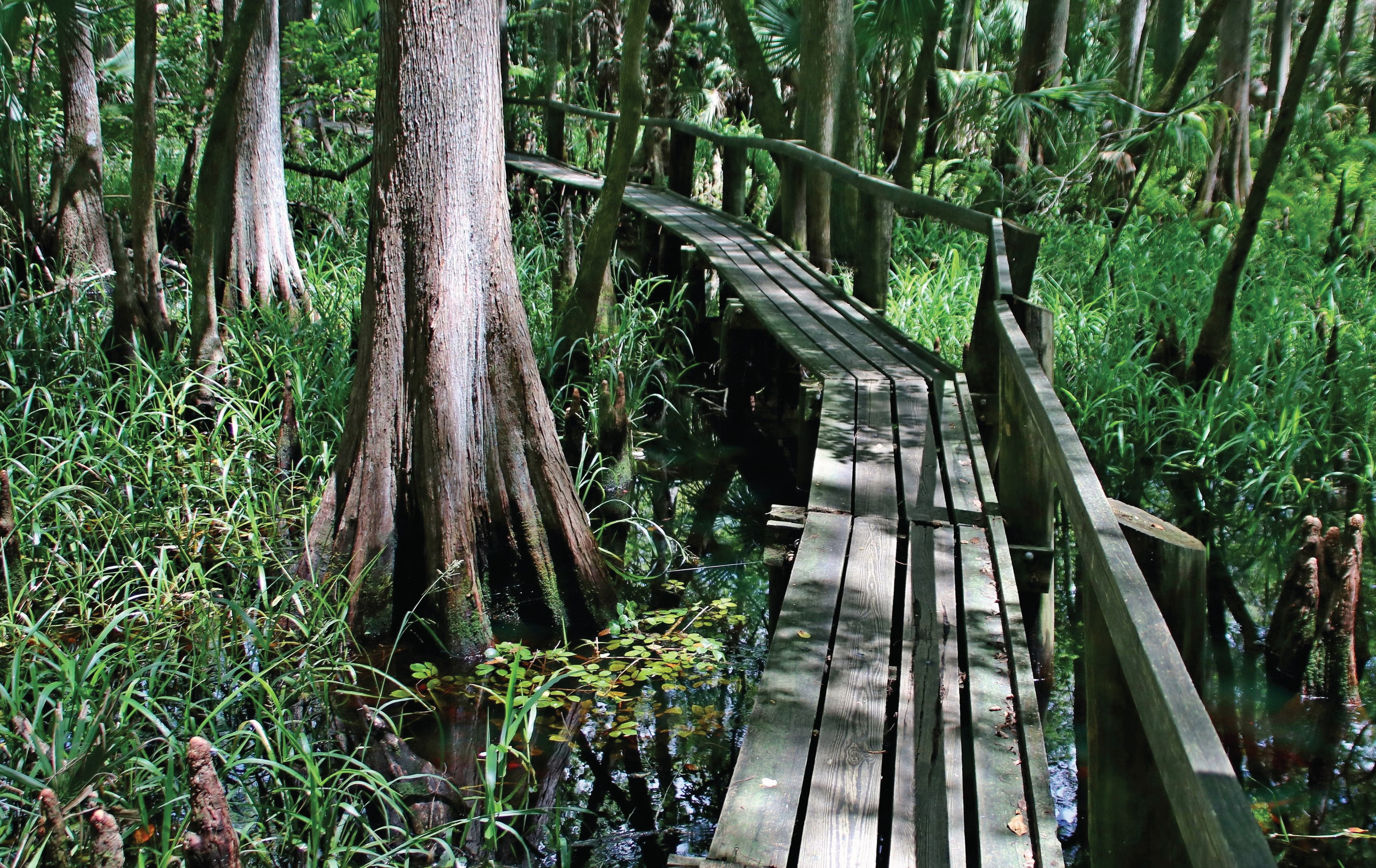
Natural Features and SceneryThe park features extensive Atlantic Ocean beachfront, sandy dunes, tree‑lined maritime hammock and mangrove wetlands along Biscayne Bay, with trails and overlooks into restored mangrove areas. These coastal habitats support shorebirds, wading birds and typical South Florida coastal flora and fauna.
Geological RegionBarrier island (southern tip of Key Biscayne) featuring coastal dunes, maritime hammock, and mangrove wetlands along Biscayne Bay.
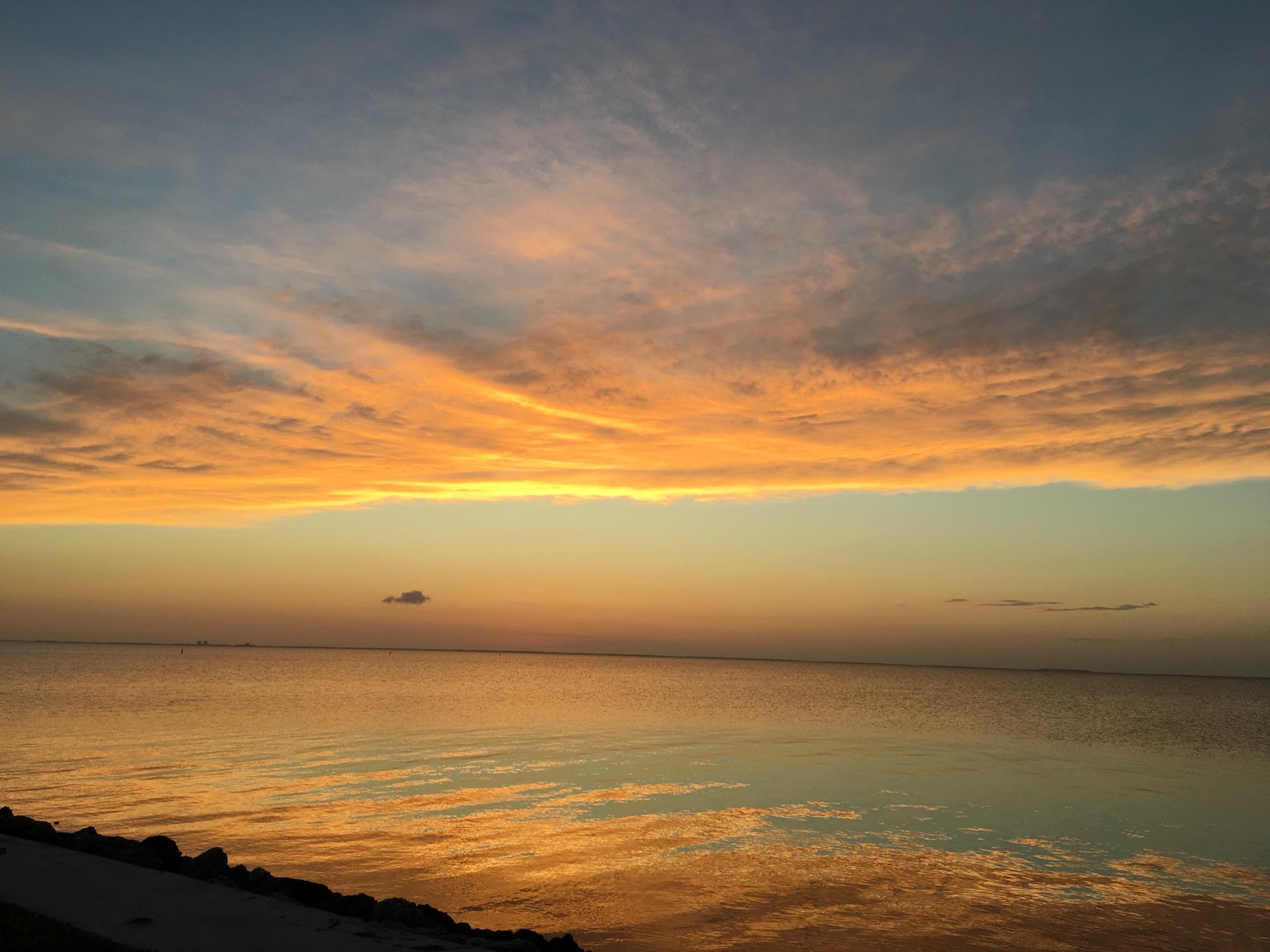
Scenic ViewsPanoramic views of the Atlantic Ocean and Biscayne Bay are available from the shoreline, jetties and from the top of the Cape Florida Lighthouse; mangrove overlooks and tree‑lined paths provide framed vistas of the bay and lighthouse.
 4.36
4.36