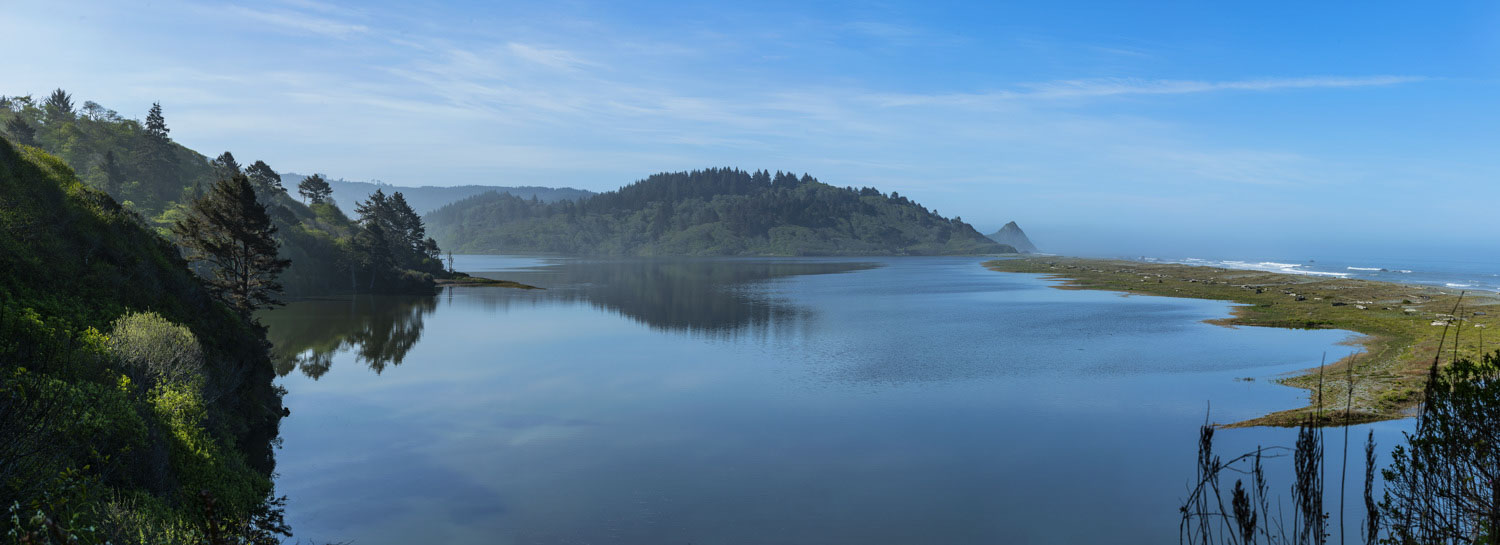
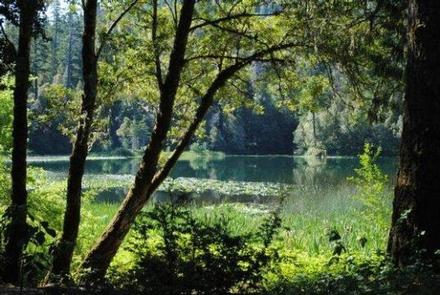
Stone Lagoon Boat-in Campground sits at Ryan's Cove within Humboldt Lagoons State Park, accessible only by paddling or motor craft across the lagoon. Six primitive campsites accommodate up to six people each, tucked between coastal forest and brackish water. The setting is remote and quiet. Sites cost $20 per night.
Stone Lagoon Boat-in Campground offers primitive environmental campsites accessible by boat or hike. It emphasizes minimal impact camping in a unique coastal lagoon setting.
The Yurok people have lived on these waters for generations. The village of Chah-pekw occupied this area, and the lagoon sustained Yurok families for millennia. The landscape holds ongoing cultural significance for the Yurok Tribe, whose stewardship helps maintain the area's condition. Weather and SeasonsSummer brings the most reliable conditions for paddling. Daytime temperatures range from the mid-50s to upper-60s°F, with morning fog that usually clears by midday. Afternoon winds can kick up whitecaps on the lagoon, so plan boat trips for calmer mornings. Wildlife viewing peaks in warmer months when seals and otters are most active. Winter storms bring cold, wet conditions. Reviewers note the cold requires extra bedding and preparation for primitive camping. Rain and wind make the season less forgiving but dramatically reshape the landscape for visitors who enjoy rougher weather.
ElevationPerched at sea level where freshwater meets the Pacific's influence, the campground rests in the gentle embrace of California's coastal lowlands, where the subtle rise and fall of tides marks the passage of time.
Weather data by Open-Meteo.com, licensed under CC BY 4.0, processed by Outdoorithm.
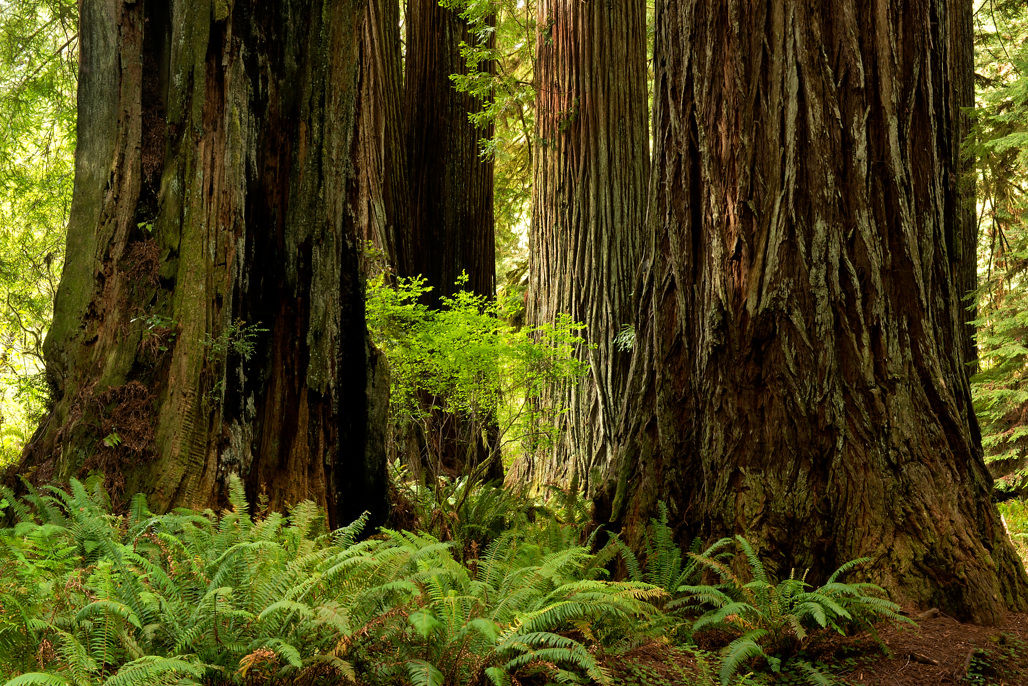
Natural Features and SceneryDouglas fir and Sitka spruce surround the cove, filtering light down to the campsites and lagoon edge. Beyond the trees, coastal dunes separate the lagoon from the Pacific. The brackish water shifts with tides and wind, creating a mix of freshwater and salt where streams meet ocean currents behind sand barriers. Prairie openings break up the forest canopy in places, offering views across the water. Seals, sea otters, and shorebirds are common. The lagoon is part of a large system shaped by tectonic activity where the Gorda Plate subducts beneath the continent. It sits at about 75 feet elevation.
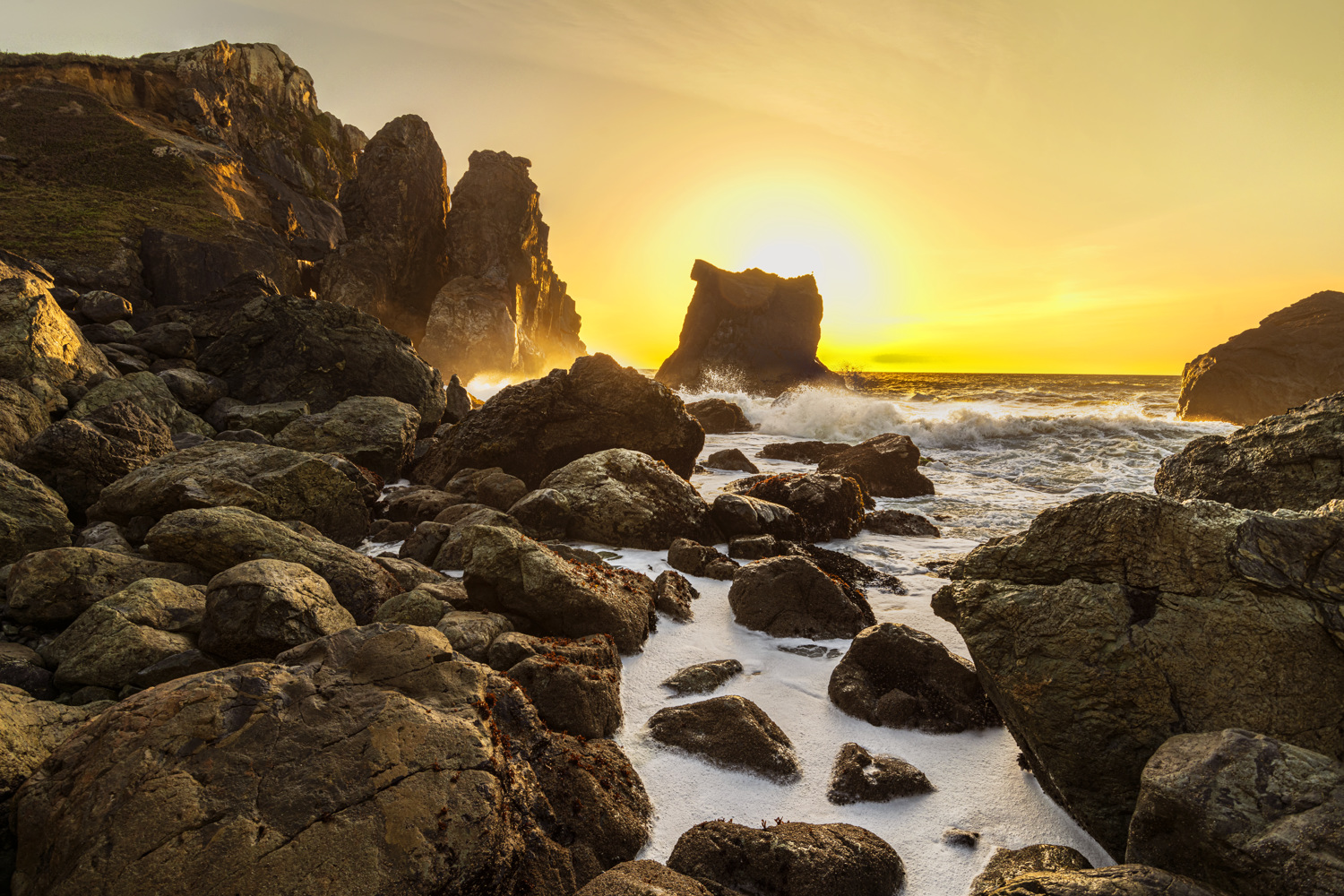
Geological RegionThis remarkable landscape tells a story written in earth and water, shaped by the relentless forces of plate tectonics where the Gorda Plate plunges beneath North America. The resulting geological drama has created the continent's largest lagoon system—a rare ecosystem where freshwater streams mingle with ocean tides behind protective sand barriers. These brackish waters, cradled between ancient forests and shifting dunes, showcase millions of years of geological artistry in motion.
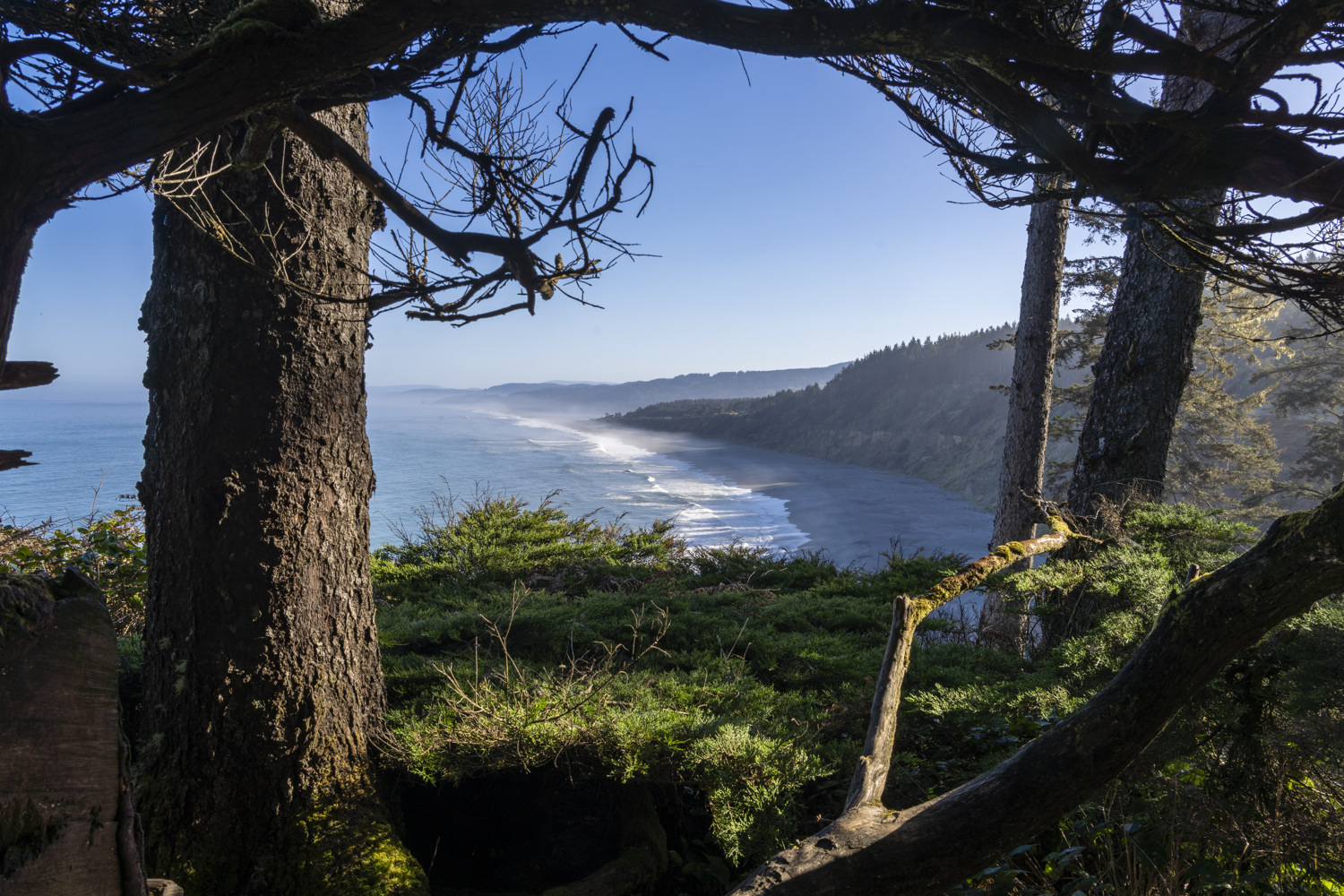
Scenic ViewsLagoon-side views coupled with forest vistas; opportunities to view migratory birds, elk, and river otters.
Lodging & AccommodationsLodging accommodations like cabins or hotel-styled lodges are absent at the Stone Lagoon Boat-in Campground.
Programs & ActivitiesThe nearby Chah-pekw O’ Ket’-toh Visitor Center operated by the Yurok Tribe provides cultural insights, showcasing the Tribe’s longstanding connection to the lagoon.
 4.17
4.17