Backpack Campsites Campground sits within Mille Lacs Kathio State Park, a National Historic Landmark one mile west of Onamia off Highway 169. The park protects 9,000 years of human history across rolling hardwood forests, wetlands, and glacial eskers. Vault toilets and parking at the sanitation station past the park office; expect to carry gear on potentially wet or uneven trail sections to reach sites.
Named backpack campsites are offered at the park. Specific campsite type details (hookups, number of sites, reservation categories) are not listed on the official park page.
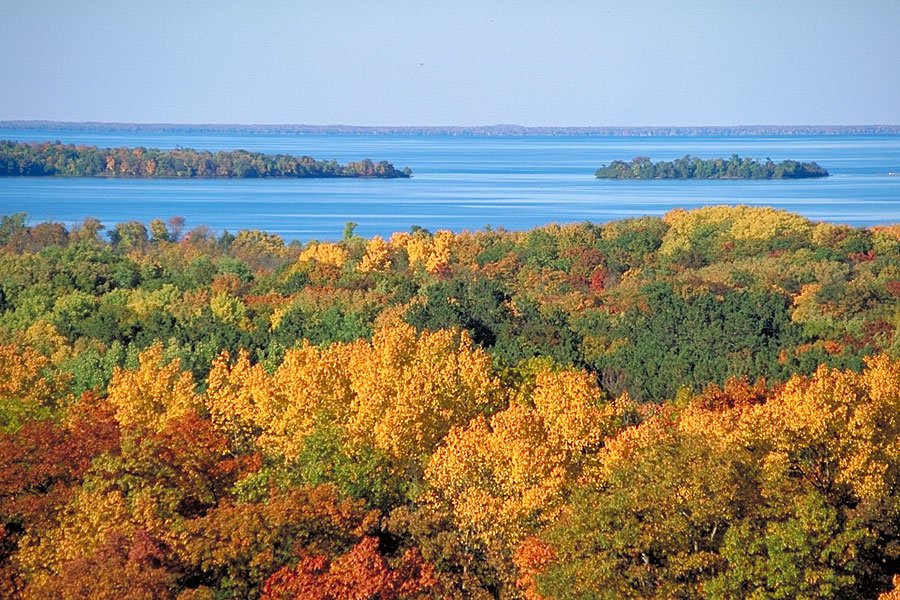
Mille Lacs Kathio State Park protects significant archaeological sites representing 9,000 years of Dakota and Ojibwe history, who relied on wild rice, fish, and local resources. The park holds National Historic Landmark status, with interpretive displays at the visitor center covering this deep Indigenous legacy. Weather and SeasonsFall is the standout season here for brilliant hardwood color and calm, reflective lake paddling. Expect crisp days in the 45–65°F range and cool nights as trails and eskers reach their most scenic for hiking and wildlife viewing. Leaves turn orange and red, the park quiets noticeably from summer crowds, and canoeing and photography peak. Bring layered clothing and be aware of deer hunting seasons in parts of the region. Peak leaf weekends can still draw visitors. Summer offers shaded trails and swimming. Winter transforms the park for cross-country skiing on 20 miles of trails and snowshoeing, though you'll contend with seasonal insects like deer flies in warmer months.
Weather data by Open-Meteo.com, licensed under CC BY 4.0, processed by Outdoorithm.
Natural Features and SceneryGlacial landforms shape the landscape here. Rolling eskers, quiet marshes, and second-growth hardwood forests of birch, maple, and oak at 1,289 feet elevation. Shakopee and Ogechie Lakes reflect the canopy within park boundaries, while the Rum River meanders through wetlands and Mille Lacs Lake stretches beyond. The park's 100-foot fire tower offers sweeping views across the undulating forest canopy toward the lake on clear days. Deer feed at dusk along trails, beavers maintain lodges in quieter waterways, and occasional foxes appear near the edges of hardwood stands.
Geological RegionGlacial landforms and rolling hills with lakes, wetlands, and hardwood forests (eskers, marshes, second-growth hardwoods)
Scenic ViewsViews include forested canopy vistas and lake views from the 100-foot observation/fire tower, and wooded, shoreline and river corridor scenery throughout the park.
 0
0