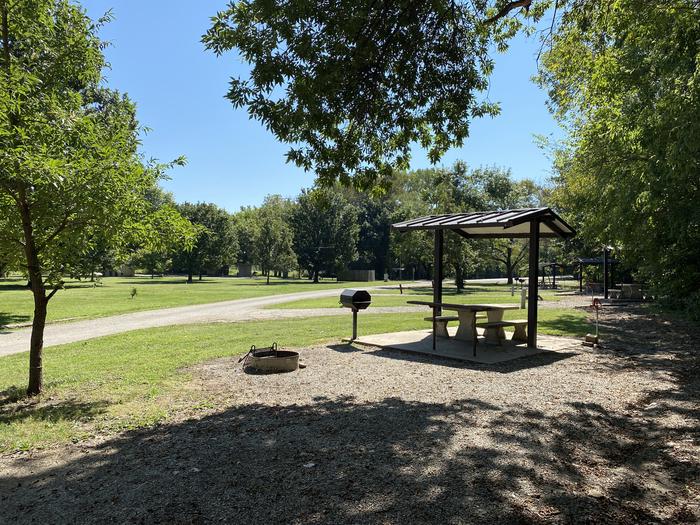
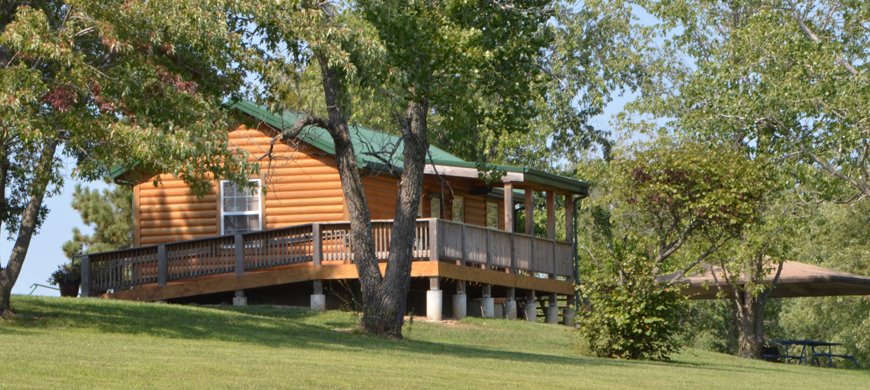
Flandrau State Park's camper cabins sit in a wooded river valley where the Cottonwood River carves through floodplain forest, oxbow marshes, and oak-covered bluffs. The park is minutes from downtown New Ulm. Popular with day-users for its sand-bottom swimming pond and 1930s stone buildings. And serves visitors looking for a shaded cabin stay with trail access and easy town runs.
The park page explicitly notes a reservable stone CCC cabin; the site also references shaded campsites but does not specify tent, RV, primitive or group-site classifications on the official page.
Historical Significance
The park's stone buildings were constructed in the 1930s by Civilian Conservation Corps, Veterans Conservation Corps, and Works Progress Administration crews. These hand-built structures. Beach houses, shelters, overlooks. Remain central to the visitor experience and are highlighted on interpretive signage.Weather and SeasonsSummer is peak season. Daytime highs run mid-70s to mid-80s°F, the pond is open for swimming, and families pack the beach on weekends. Expect crowds in July and August; reserve cabins early. Spring and fall are quieter. Foliage changes color on the bluffs, trails empty out, and bird migration is strong. Winter brings groomed cross-country ski and snowshoe trails through frosted bottomlands; the stone beach house opens as a warming shelter. Check ahead on pond status and equipment-rental availability before any visit.
Weather data by Open-Meteo.com, licensed under CC BY 4.0, processed by Outdoorithm.
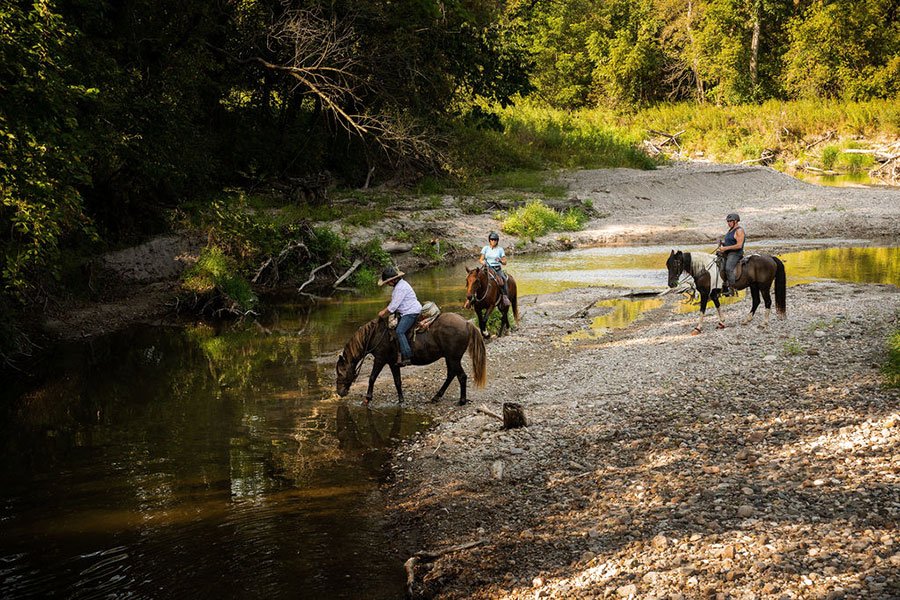
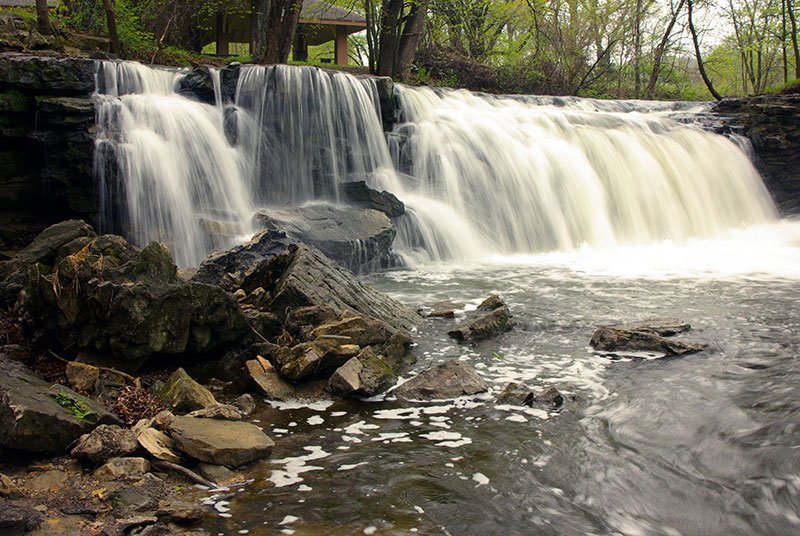
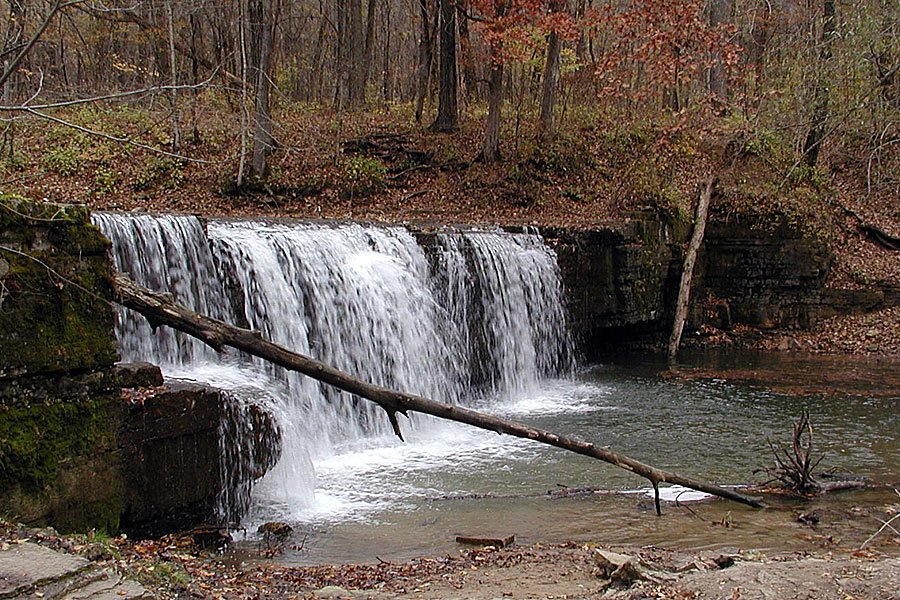
Natural Features and SceneryThe Cottonwood River shapes everything here. Floodplain forest crowds the bottomlands, opening into oxbow marshes where beavers, minks, and turtles work the edges. Oak-shaded bluffs rise 50 to 80 feet above the valley floor, transitioning into restored goat prairies with views across the wetlands. The park sits at 886 feet elevation. Over 168 bird species pass through. Warblers, vireos, thrushes. Making spring and fall migration windows especially active for birders. White-tailed deer, gray foxes, raccoons, and coyotes move through the wooded corridors; at least 25 mammal species use the park as a refuge from surrounding development. The sand-bottom pond, fed by the river, anchors the day-use area. Stone beach houses and shelters built by CCC and WPA crews in the 1930s still stand, giving the valley floor a sturdy, Depression-era permanence.
Geological RegionCottonwood River valley with wooded river bottoms, oxbow marshes and open grasslands; oak-shaded bluffs and floodplain forest
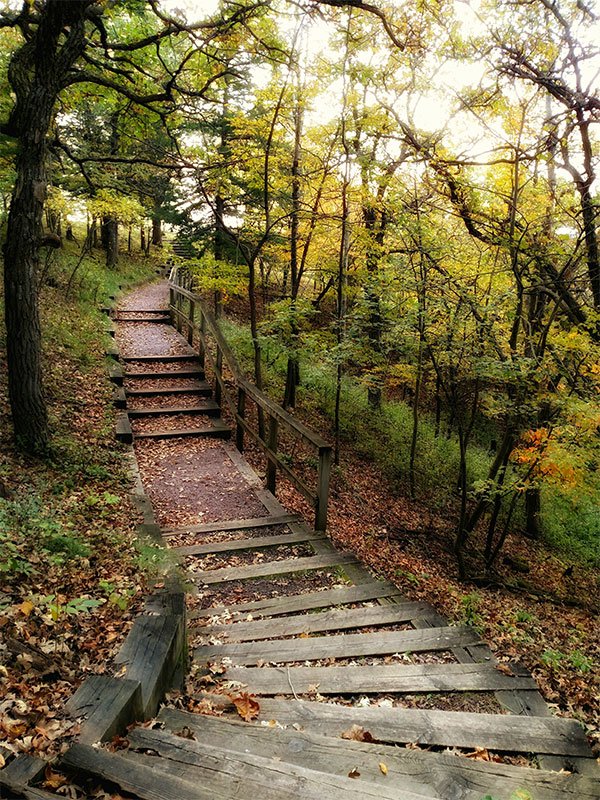
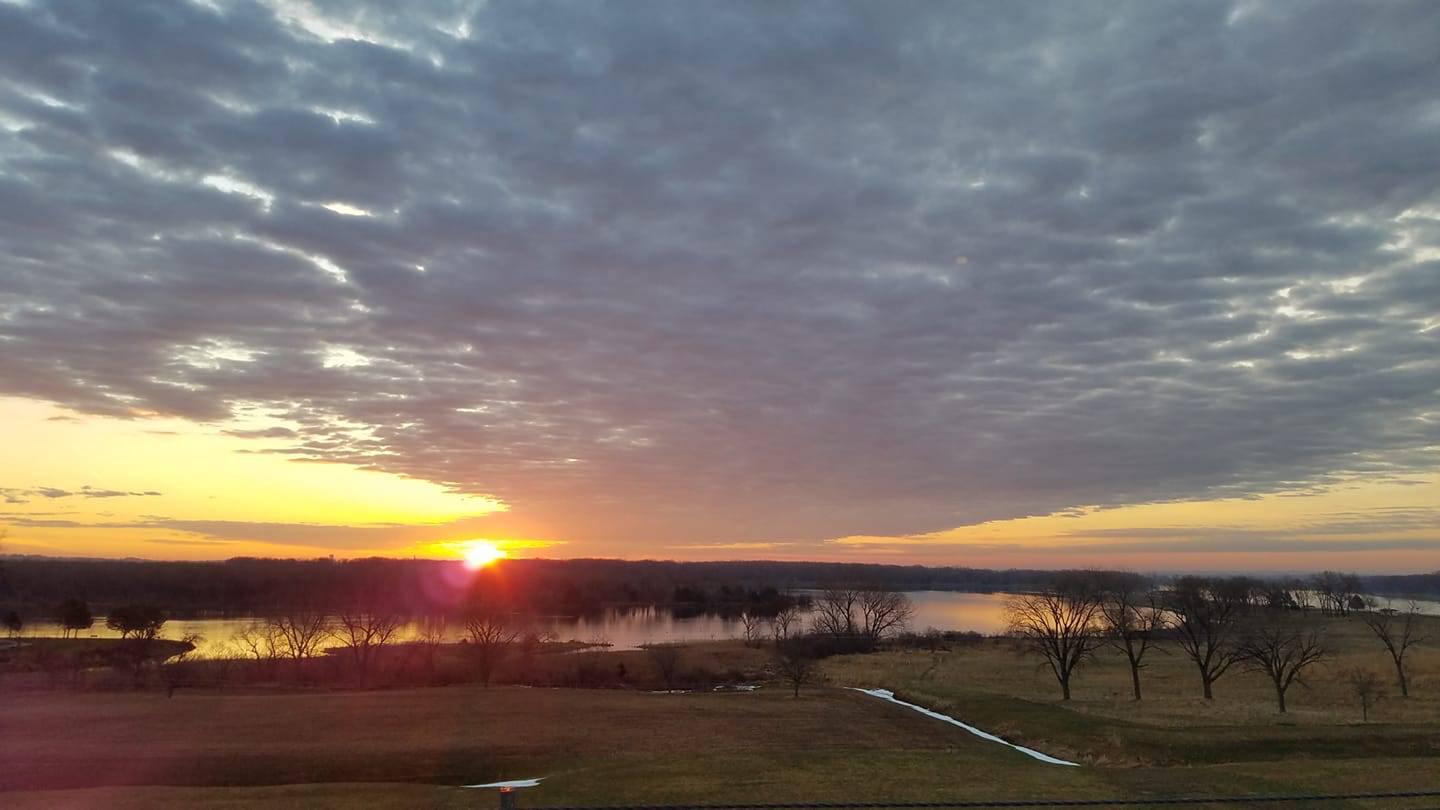
Scenic ViewsScenic overlooks and trails provide views of the Cottonwood River valley, marshes and wooded bluffs. Open prairie clearings and valley-floor trails offer varied vantage points within a relatively compact park.
 4.04
4.04