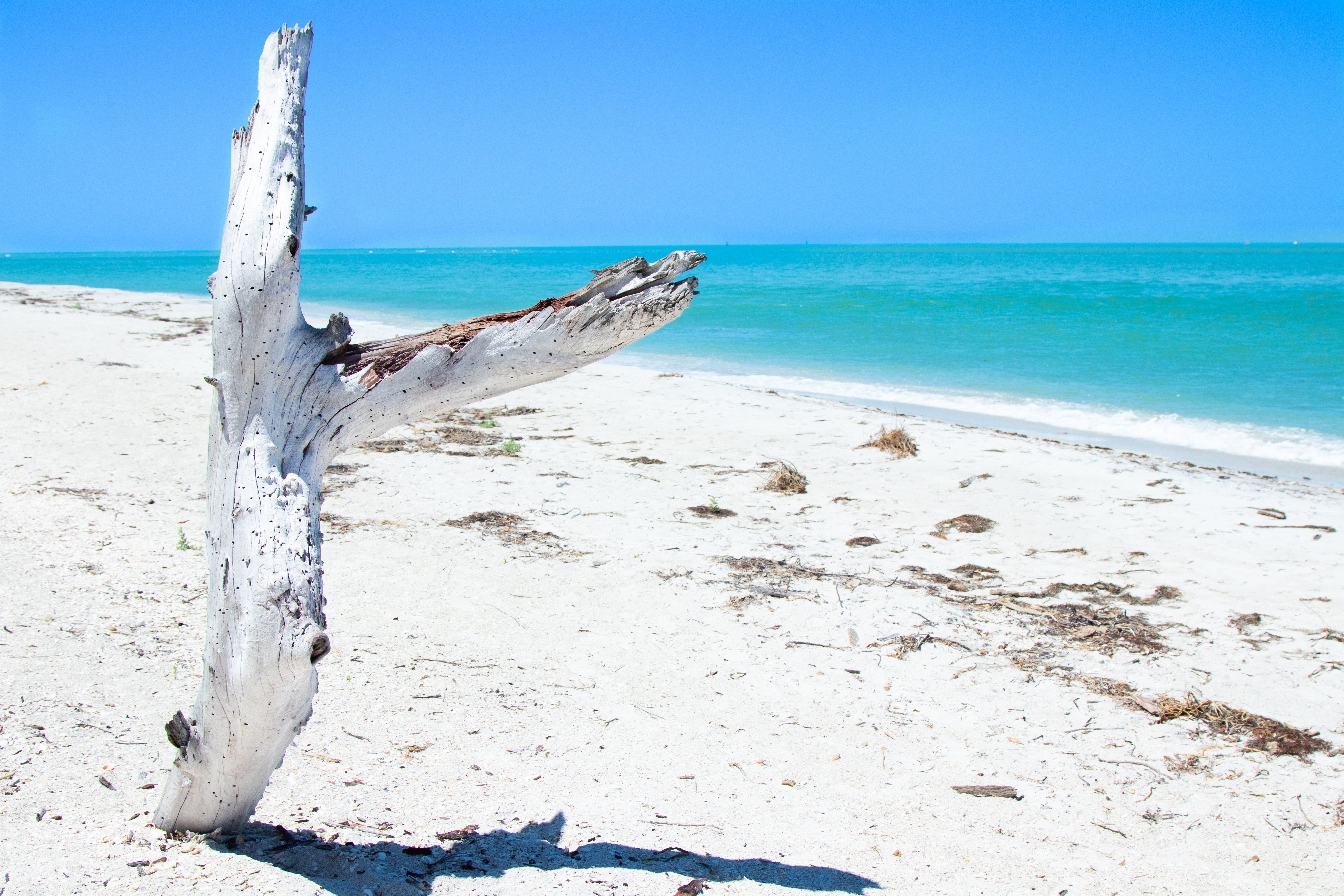
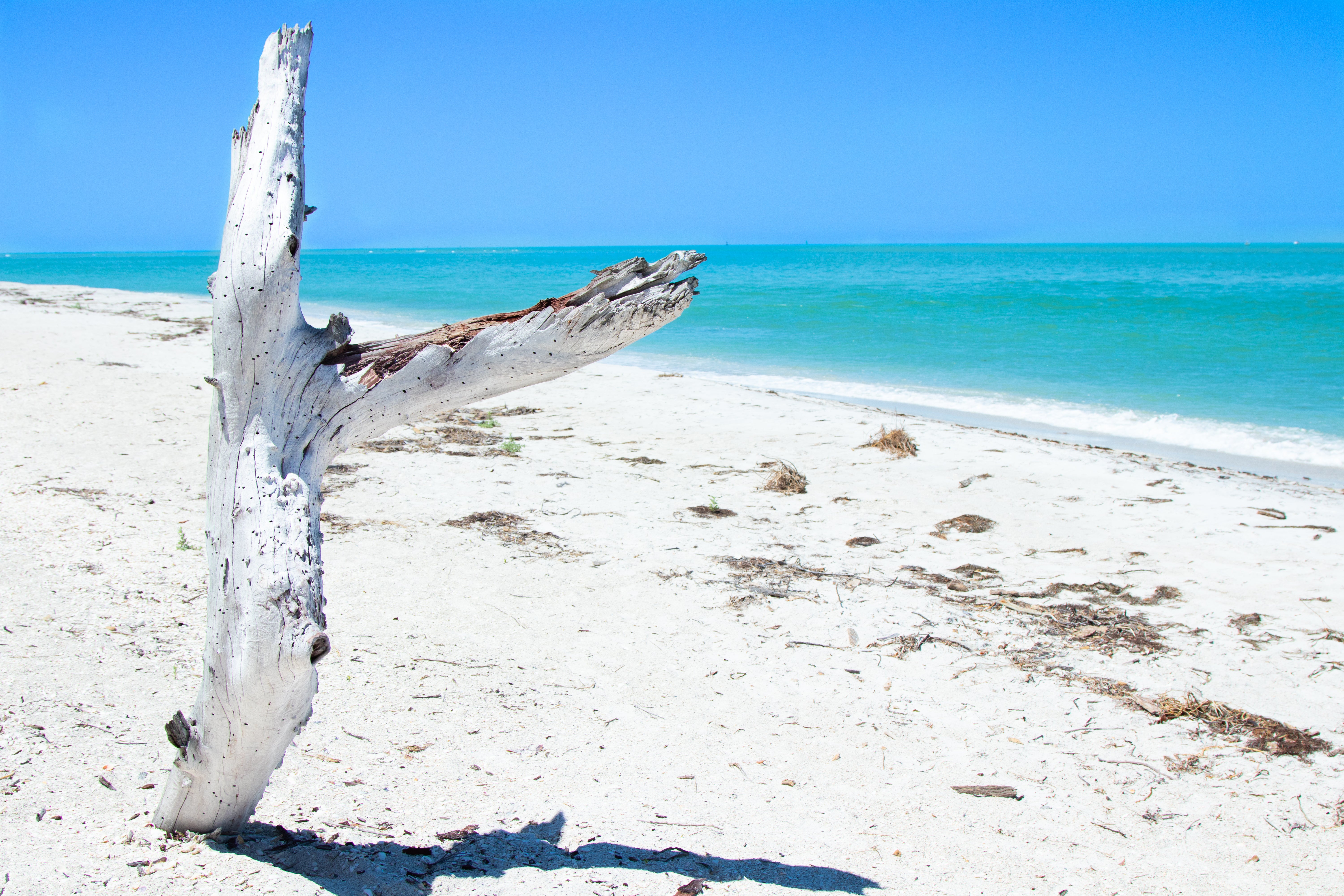
Escape to one of Florida's last wild places at Cayo Costa State Park Campground, where nearly nine miles of pristine Gulf beaches await those willing to venture off the grid. Accessible only by boat, this primitive barrier island campground offers true backcountry solitude with basic facilities—pack as if you're journeying to the frontier, because you are.
Primitive island campground with tent sites and primitive cabins; access is by boat and facilities are minimal.
Historical Significance
The island contains cultural sites associated with the Calusa Indians (shell mounds and village sites) and remnants of an early 20th‑century fishing village, reflecting the area’s historical use and heritage.Weather and SeasonsPlan your island escape between late fall and spring (October through May) when cooler temperatures, lower humidity, and lighter mosquito activity make exploring pure pleasure. Summer months bring intense heat, thick humidity, and the Atlantic hurricane season (June–November), which can mean sudden closures and challenging conditions—save this adventure for the cooler months when Cayo Costa shows its best side.
Weather data by Open-Meteo.com, licensed under CC BY 4.0, processed by Outdoorithm.
Natural Features and SceneryImagine having nine miles of powder-white Gulf beaches virtually to yourself, where your only companions are wading birds and the steady rhythm of waves. Beyond the dunes, the island reveals a tapestry of wild Florida ecosystems: shaded oak-palm hammocks give way to sun-dappled pine flatwoods, while mangrove forests line the tranquil bay side. This is one of Florida's last largely undeveloped barrier islands, where pristine shelling beaches meet interior trails, and night falls in a cascade of stars undimmed by city lights. The profound sense of remoteness here isn't just a feeling—it's the real thing.
Geological RegionGulf of Mexico barrier island (Charlotte Harbor / Gulf Coast barrier island system)
Scenic ViewsSweeping Gulf of Mexico vistas and long sightlines along undeveloped shoreline with excellent sunrise and sunset views; occasional wildlife sightings (dolphins, seabirds) and good stargazing due to minimal artificial light.
 4.31
4.31