An Outdoorithm Study · Great Plains & Prairies
Western Corn Belt Prairies
Worth the effortPlan a trip around it — great camping with real standouts. · #23 of 65 regions · 13,163 reviews across 177 campgrounds.
Camping across the Western Corn Belt Prairies is a quiet, well-kept experience built on clean facilities and roomy, level sites rather than dramatic landscapes. The headline trade-off is plain: the scenery rarely wows, but the day-to-day fundamentals like cleanliness and ease of access consistently deliver.
The best campgrounds here
Ranked by camper sentiment across every topic. Tap a pin or photo to open a campground.
- 1Lake Vermillion Campground
- 2Oakwood Lakes Campground
- 3Roberts Creek West Campground
- 4Annie And Abel Van Meter State Park Campground
- 5Lake Manawa State Park
- 6Lake Herman Campground
- 7Highland Ridge
- 8Linder Point Campground
- 9Big Sioux Campground
- 10Shady Creek
- 11Backbone State Park
- 12St. Croix Bluffs Regional Park
 Worth the trip
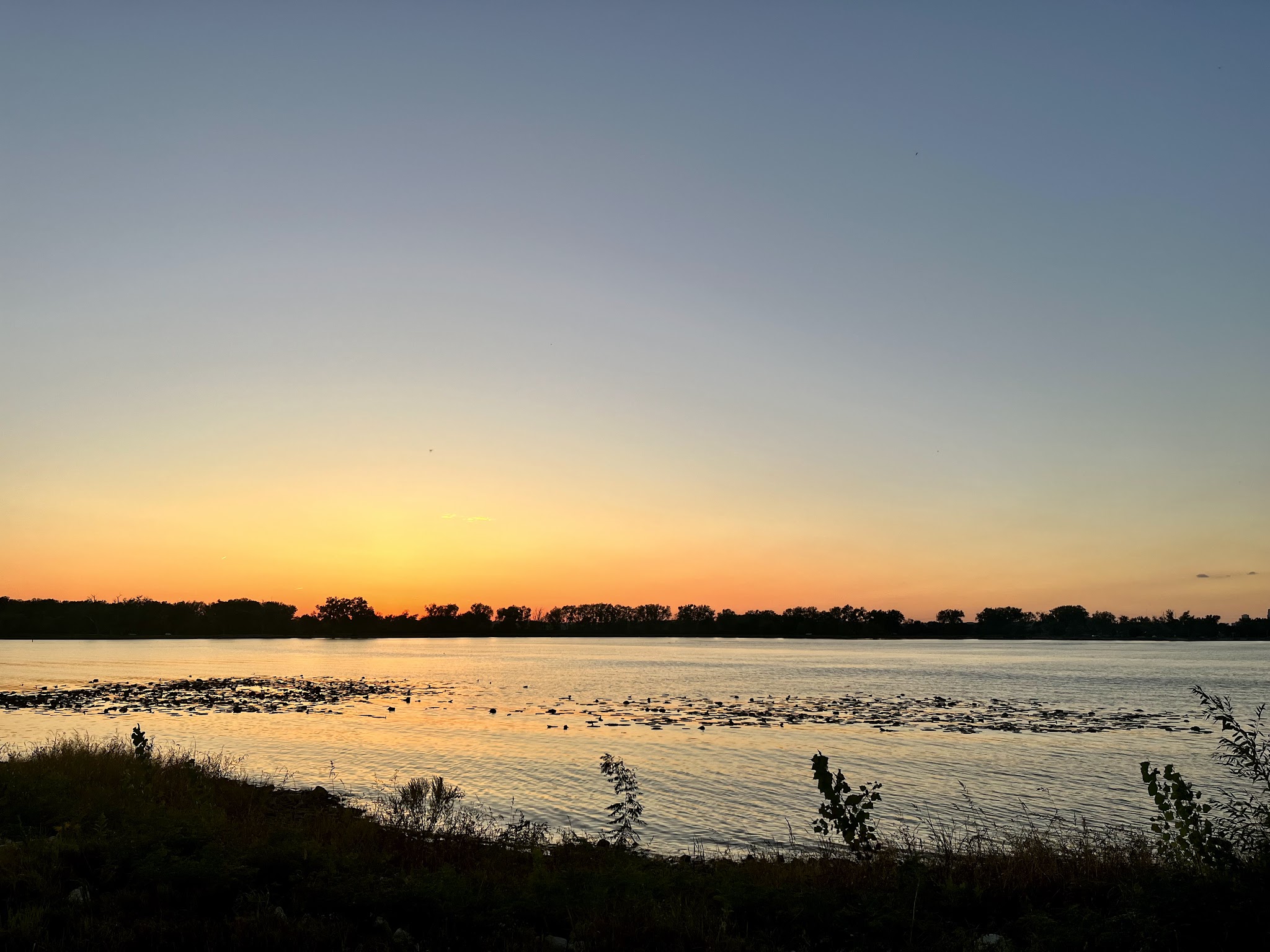
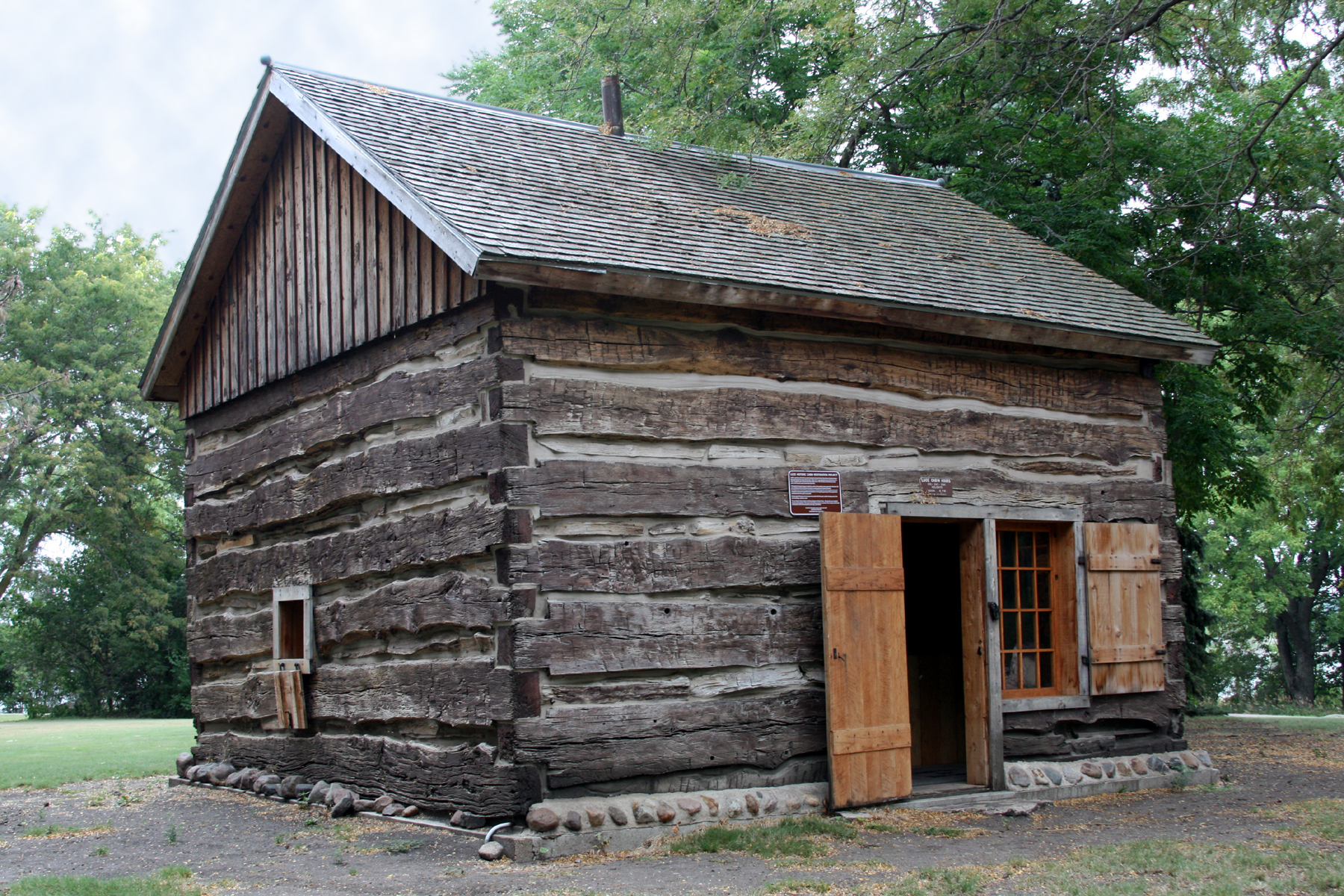
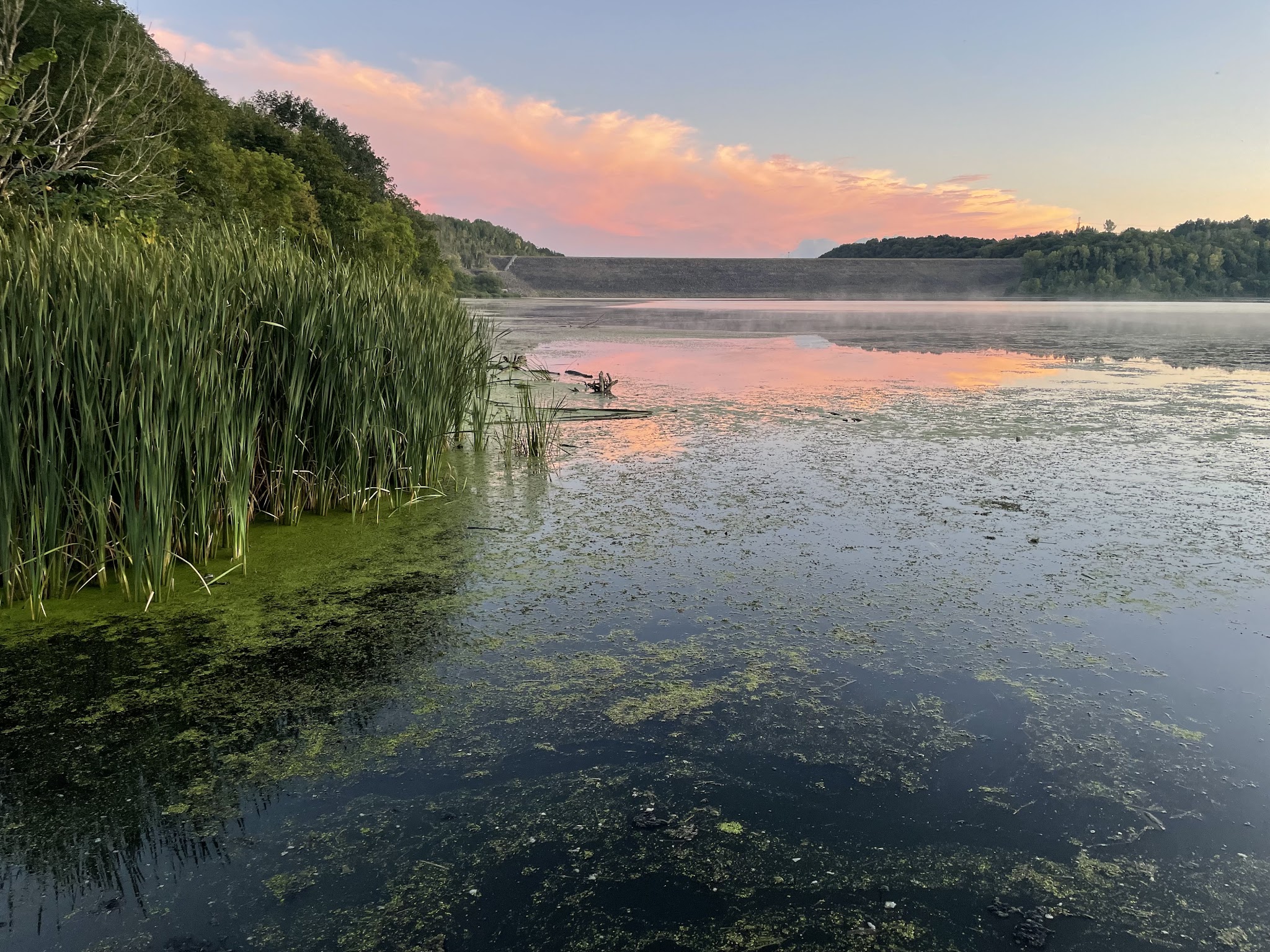
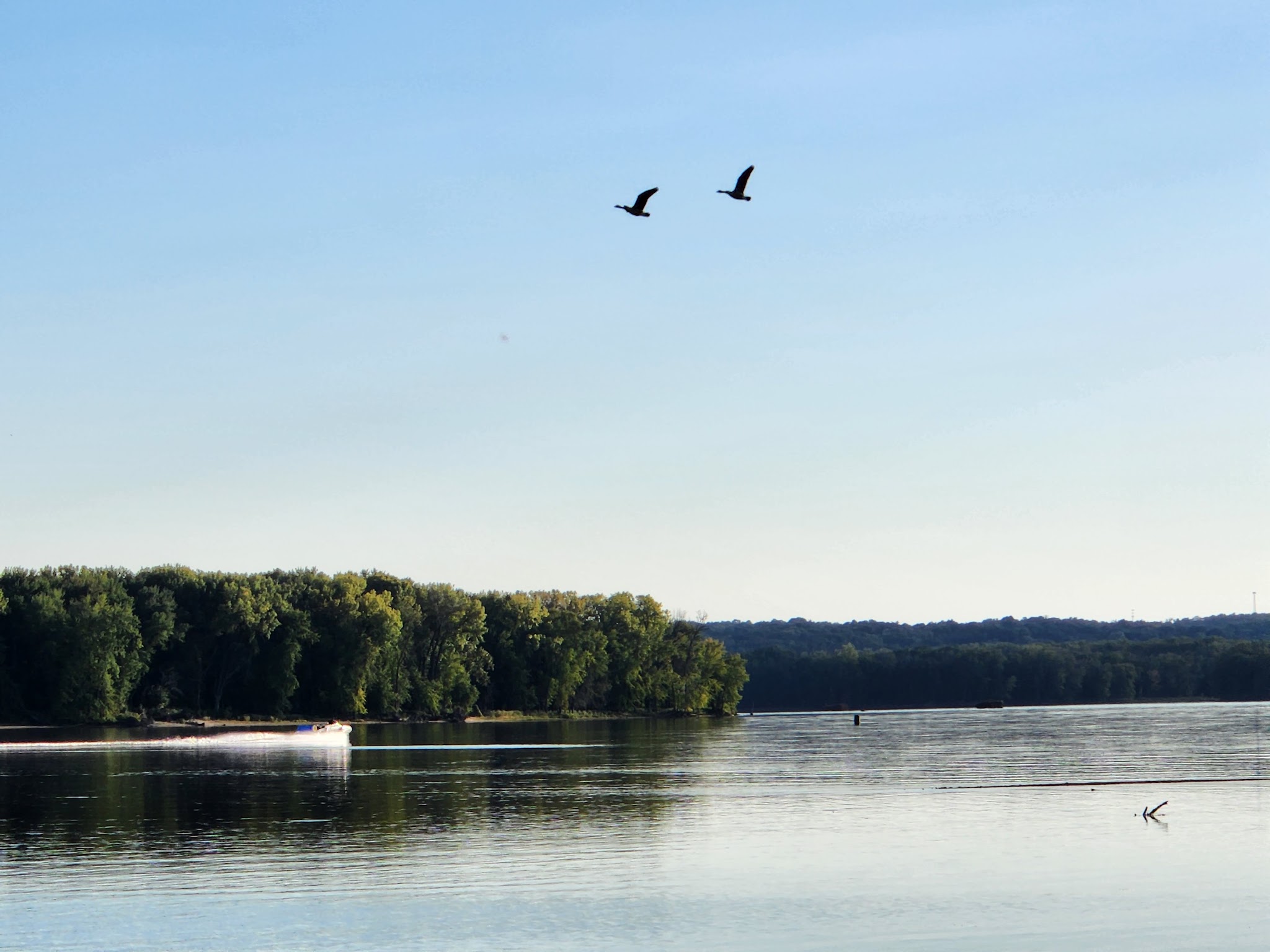
B- is a destination grade — it blends the typical campground here with the region’s best. Camping here is consistent — even the typical site holds its own, with 2 campgrounds in the A range (topped by Lake Vermillion Campground).
What it’s like to camp here
The 14 things campers actually wrote about — the whole experience, not just the views. Each is graded against every other region: A is among the best, C about average. Tap any topic to see what campers said and the campgrounds behind it.
The camping experience
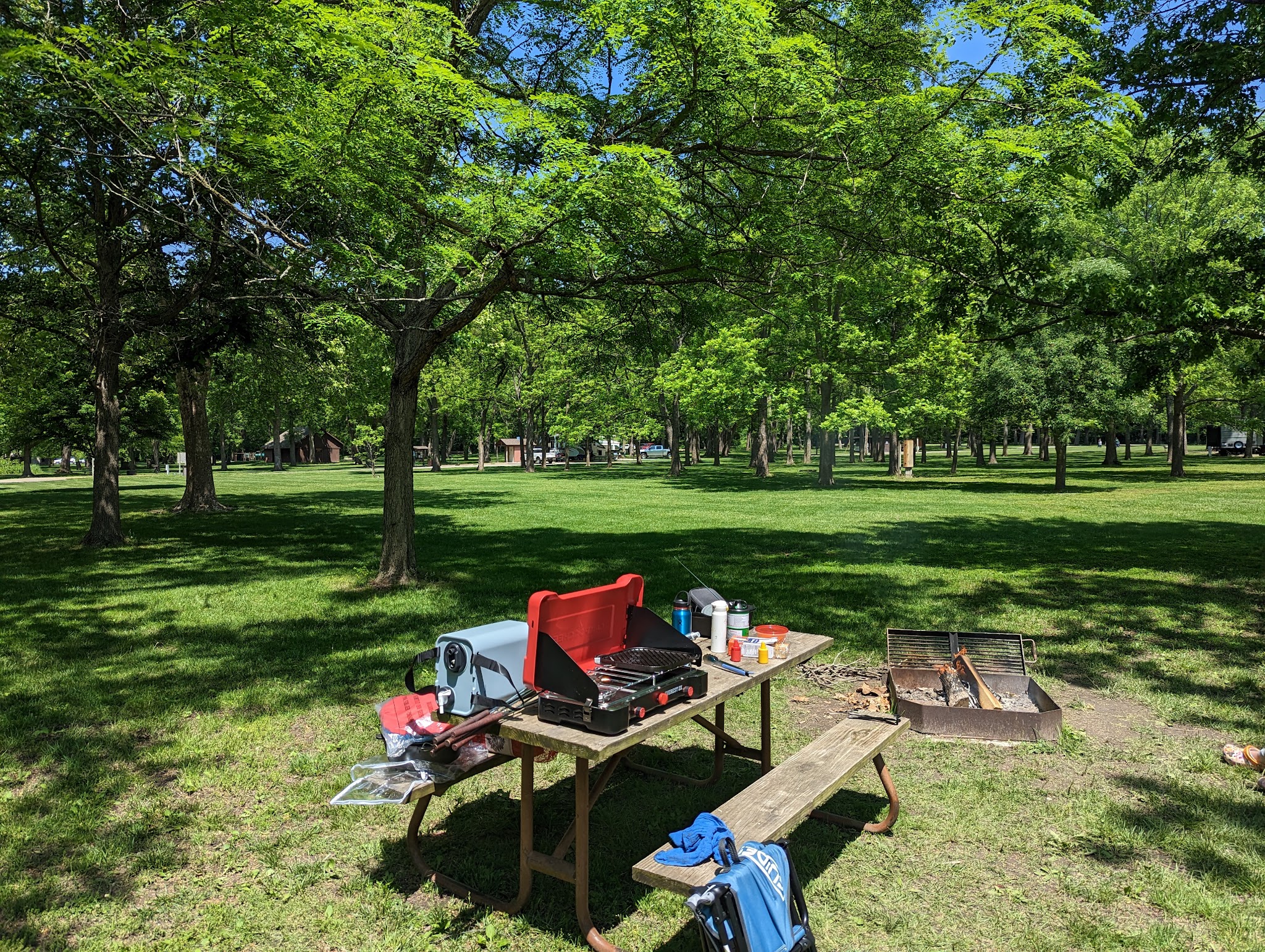
This region grades best on the things that actually shape a trip. Cleanliness earns an A, and campers repeatedly call out tidy, well maintained bathhouses and showers. Getting there lands an A-, so most sites are easy to reach, and Campsites and Facilities both score B+ thanks to spacious, level pads with good hookups and shade. The counter-intuitive part is Scenery, which sits at a low C-. People praise the prairie and lake views constantly, but compared with other regions it just does not stand out, and that is fine because scenery is rarely the problem here. Where to stay alert: Bugs and weather draw frequent complaints after rain, Crowds and noise are mixed at B-, and Rules and policies plus Staff and hosts can frustrate, with occasional nickel-and-diming and uneven host interactions. Value is solid but not standout at B-.
The standout campgrounds
Roberts Creek West Campground is the lone A-range pick, strong on Facilities and Campsites, with full hookups, mature shade trees, level concrete pads, private showers, and friendly hosts. It suits RV travelers who want reliable hookups near the water. Annie and Abel Van Meter State Park Campground rewards the short detour off the highway with huge, secluded, tree-canopied sites, very clean bathrooms, hiking, and low prices, ideal for tent campers and anyone who values quiet. Lake Manawa State Park is a renovated, big-rig-friendly base near Omaha with spacious concrete pads and a gated entrance, though it lacks shade trees. Backbone State Park, Iowa's first, stands out for things to do, with cliffs, trails, a beach, and modernized, shady campsites that fill fast. Highland Ridge offers wooded, spacious sites and a quiet valley setting for those who do not mind the drive from the freeway.
Know before you go
Late spring through fall is the sweet spot, but plan around two weak areas. Bugs and weather are the most common complaint region-wide, and heavy rain can leave low sites full of puddles and insects, so favor higher, shaded sites and check forecasts. The region suits RVs and families well, with level pads, hookups, playgrounds, and clean showers, while tent campers do best at the wooded state parks. Book early, since electric sites at popular parks like Backbone fill quickly. Watch for inconsistent rules enforcement and the occasional surprise fee, and read site dimensions carefully if you run a large rig.
How we grade
No star ratings — real reviews. We read hundreds of thousands of written camper reviews and used AI to tag what each person praised or complained about, across 14 topics (scenery, crowds, bugs, value, and more).
Each topic is praise minus complaints. A topic’s score is the share of campers who praised it minus the share who complained.
Grades are relative. Every grade compares this place to all the others on that topic — an A means among the best, a C about average. We grade this way because campers rave about scenery but only mention bugs when bitten, so one fixed scale couldn’t be fair across topics.
Two fairness rules. A topic campers liked never grades below a C− — something people enjoyed can’t “fail.” And an F is reserved for the rare topic campers clearly complained about and that’s a real outlier.
The headline grade is a destination grade. It blends what the typical campground here is like with how good the region’s best are — because you choose a region for its best camping, then pick a site. We show both, plus the standout campgrounds.
Enough data to be fair. We only grade places with enough reviews; thinner ones show “limited data” instead of a letter, and every topic carries a confidence range from its sample size. The Belonging topic is graded by our Green Book community score — how welcoming campers describe the staff and community, with discrimination and hostility as hard penalties — not sentiment alone.
We check the AI. An independent model (from a different maker) audits a sample of the tags. It found the complaint labels ran over-eager (passing mentions scored as gripes), so we re-judged all 499,009 of them and removed the quarter that were really about another topic or weren’t complaints, keeping the real-but-mild ones. Then a human rater, blind to our labels, agreed with 87% of them (89% of complaints) across 420 labels.
What this grade measures
The trip, not the view
Across 688,170 camper reviews, the scenery barely predicts whether people actually enjoy a place. What sends newcomers home are the un-photographable parts — the three Bs: bathrooms, booking, and belonging. So we grade every place on those, not the postcard.
How Western Corn Belt Prairies scores on the three things that decide a newcomer’s trip.