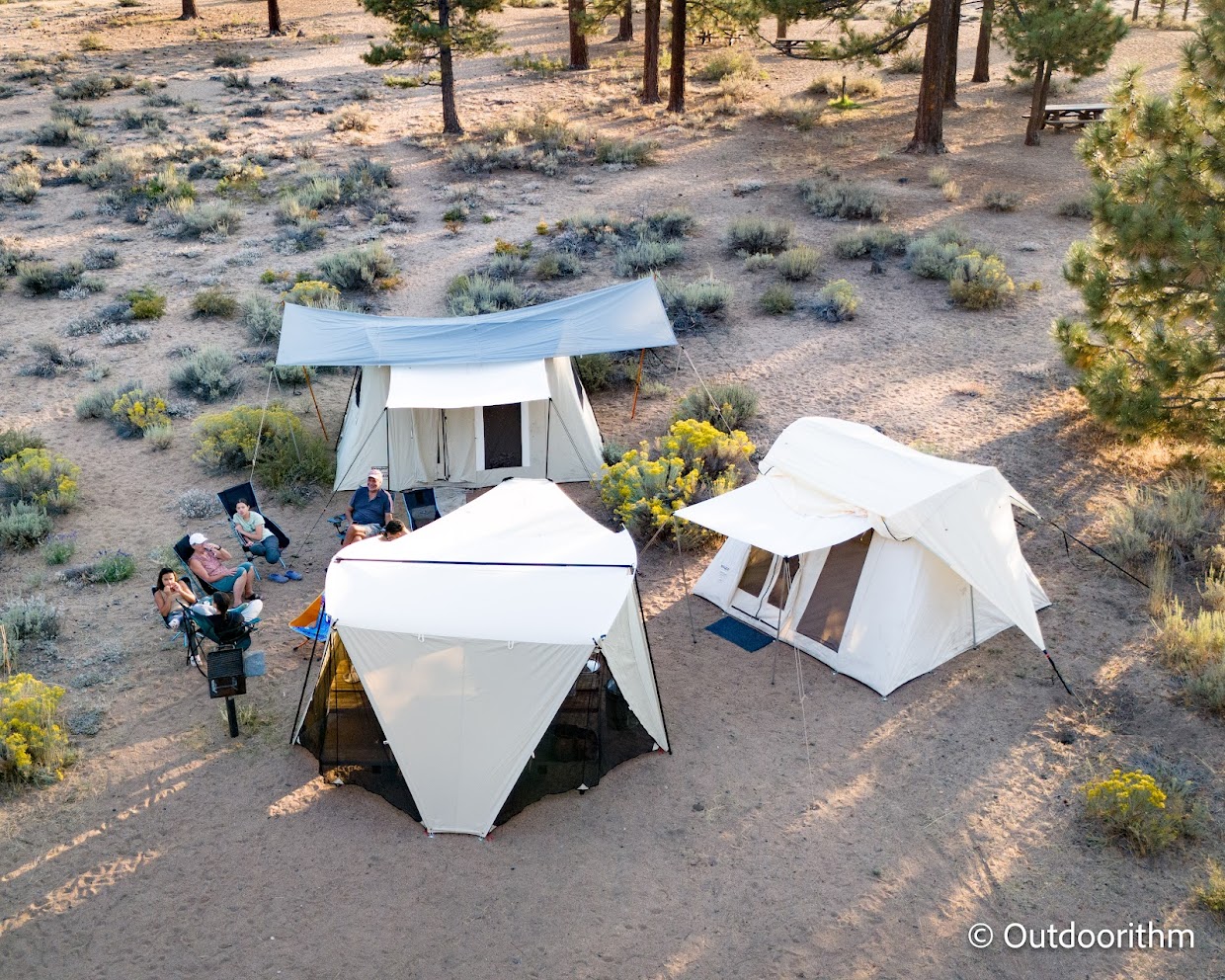
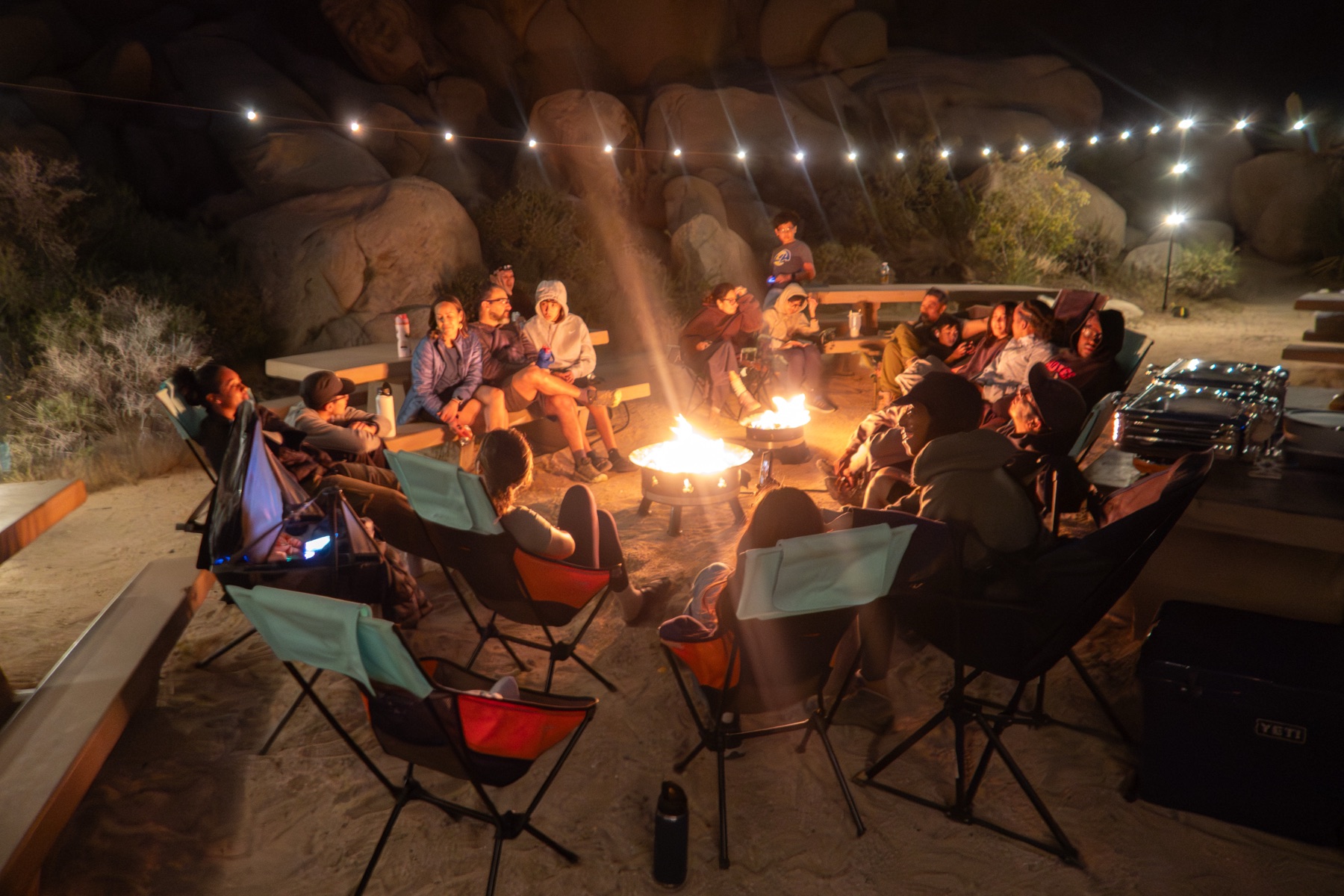
Nobody is born knowing this — every confident family at every campground learned it one trip at a time. Here's the compressed version.
01
Pick a developed campground close to home
Less than two hours away, with flush toilets, running water, and ideally a campground host — a host means there's someone to ask. Close to home means the drive doesn't eat the day, and if the night truly falls apart, you can sleep in your own beds. Knowing you can bail is usually the reason you don't need to.
▸The details, and why they work
Look for what kids actually use: a swimming area or shallow creek, a loop road for bikes, other families in the loop. County and regional parks are the most overlooked first-timer option in most states — easier to book than the famous parks and just as good at this stage. You're not choosing a destination for life; you're choosing a place to learn.
02
Book it early — or catch a cancellation
Public campgrounds open reservations on a schedule — often months ahead, and it genuinely varies by campground. The When to Book calculator tells you the exact date and time for yours; book the moment your dates open. Already sold out? Sold out doesn't mean sold out: campers cancel constantly, and in our own booking data the openings cluster in the final two weeks before check-in. Set a free alert and someone else's change of plans becomes your campsite.
▸The details, and why they work
Recreation.gov covers federal lands, and every state runs its own system with its own windows and release times. Whichever system it is: create and verify your account days before a booking morning, not at 7:58. Our own family has made 381 reservations and cancelled 233 — that churn is why alerts work.
03
Borrow the gear first, buy slowly
Don't buy everything. Ask friends, check your library for gear lending, look at rentals — trip one is how you find out what your family actually needs. If you do buy, this order: sleeping pad first, sleeping bag second, headlamp third, rain layer fourth.
▸The details, and why they work
The pad surprises people: cold comes up from the ground, not down from the air, so the pad's R-value (look for 3+) matters more than anything about the bag. Get bags rated 10–15 degrees colder than the forecast low — nights outdoors run far colder than the daytime high suggests. Tents: size up by two; a "6-person" tent sleeps four people and their stuff.
04
Pack bins for gear, bags for clothes
One clear latching bin is the kitchen. One is camp gear: lights, stakes, tarp, tools, first aid. Clothes go in duffel bags, one per person. The bins stay packed between trips forever — so trip two takes twenty minutes of prep instead of two days.
▸The details, and why they work
Load bins first, heavy and low; the tent and chairs go in last because they come out first. Pack a complete extra set of dry clothes per kid, and remember the things families forget most: toothbrushes, tent stakes, medications, trash bags, toilet paper, spare batteries, the lighter. Print a packing list and let each kid pack their own bag against it.
05
Leave in the morning, arrive by 3
If this page could give you one sentence: leave in the morning and be at the campground by mid-afternoon. Setting up a tent for the first time by headlamp, with tired and hungry kids, is the single most common way families decide camping isn't for them.
▸The details, and why they work
You'll lose cell service about an hour out. Before you do: download offline maps, screenshot the reservation confirmation and site number, and keep snacks in the cab. Check the weather and fire restrictions the morning you leave — and buy firewood near the campground, never at home; moving it spreads invasive pests and most parks prohibit it.
06
Practice the tent, then pitch it in daylight
Pitch the tent once in the backyard before the trip — it turns a stressful unknown into a rehearsed twenty-minute job. At the site, walk it first: flat ground, no roots, away from the low spot where rain pools. Look up — never pitch under a dead or hanging limb.
▸The details, and why they work
The order that works: ground sheet first, folded slightly smaller than the tent floor (an exposed edge funnels rain underneath you). Stake opposite corners tight at 45 degrees. Rain fly on even in a clear forecast — dew is as wet as rain — pulled taut with an air gap, guylines out. Give every family member a setup job; kids stop being passengers and start being campers.
07
Cook boring food, store it by the campground's rules
The first-trip menu that works: sandwiches on arrival, one easy hot dinner, pancakes in the morning, and s'mores, which are mandatory. Then the rule that's actual law in bear country: everything scented gets stored exactly the way your campground's posted rules say — rules differ by park, and the signs at your site are the authority. Never, ever in the tent.
▸The details, and why they work
Do the knife work at home: chop vegetables into bags, freeze a pre-cooked chili flat so it doubles as cooler ice. Pre-chill the cooler overnight, block ice on the bottom, cubes on top. "Scented" includes the ones that surprise people — toothpaste, sunscreen, bug spray, baby wipes. Even outside bear country, the same habit keeps raccoons out of your tent at 2 a.m.
08
Warm kids at night, found kids by day
Warm kids sleep; cold kids end trips. An insulated pad under every sleeper, dry sleep clothes, a beanie, and a warm water bottle dropped in the sleeping bag fifteen minutes before bedtime. Everyone pees before bed — no exceptions, including you.
▸The details, and why they work
By day: a whistle on every kid — three blasts means "I'm lost, I stay put and keep blowing." Walk the campsite boundary together on arrival, and clip a glow stick to each kid after dark. Health kit: children's pain reliever with the dosing syringe, antihistamine, tweezers, and the character band-aids that end tears on contact. Sunscreen first, bug spray second; picaridin 20% works as well as DEET for kids and is gentler.