An Outdoorithm Study · Pacific Northwest
The Cascades
Worth the effortPlan a trip around it — great camping with real standouts. · #10 of 65 regions · 31,000 reviews across 437 campgrounds.
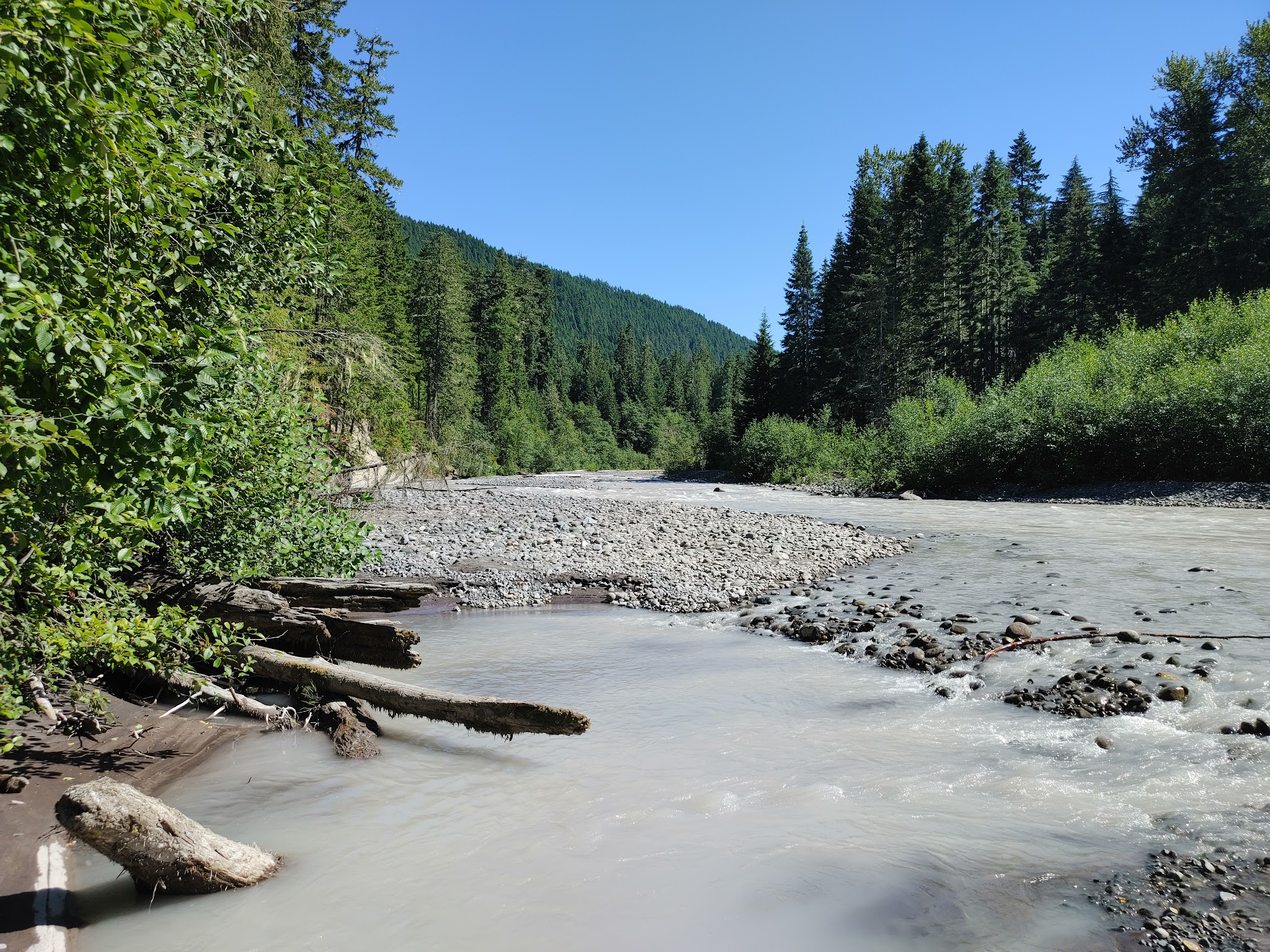
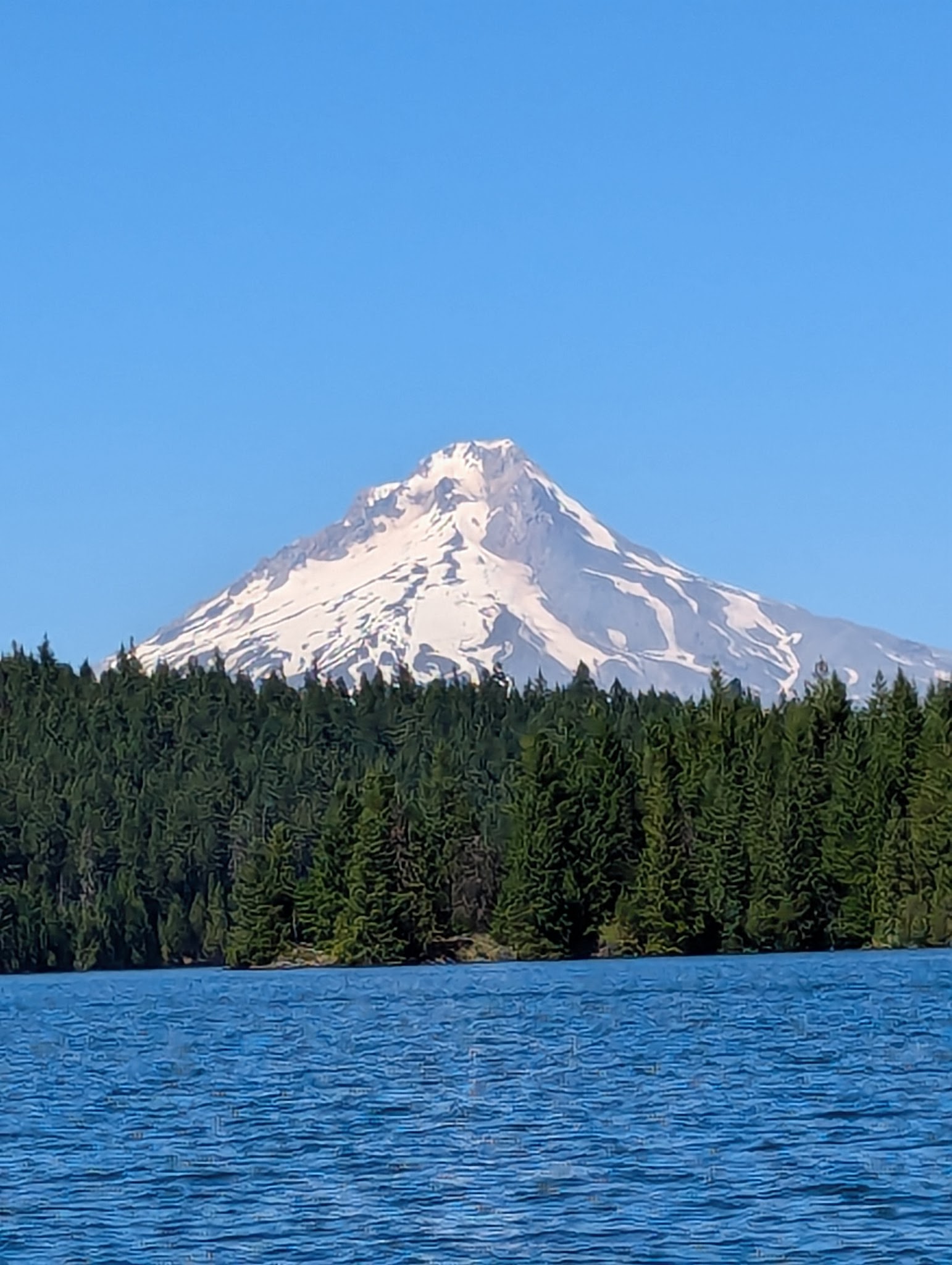
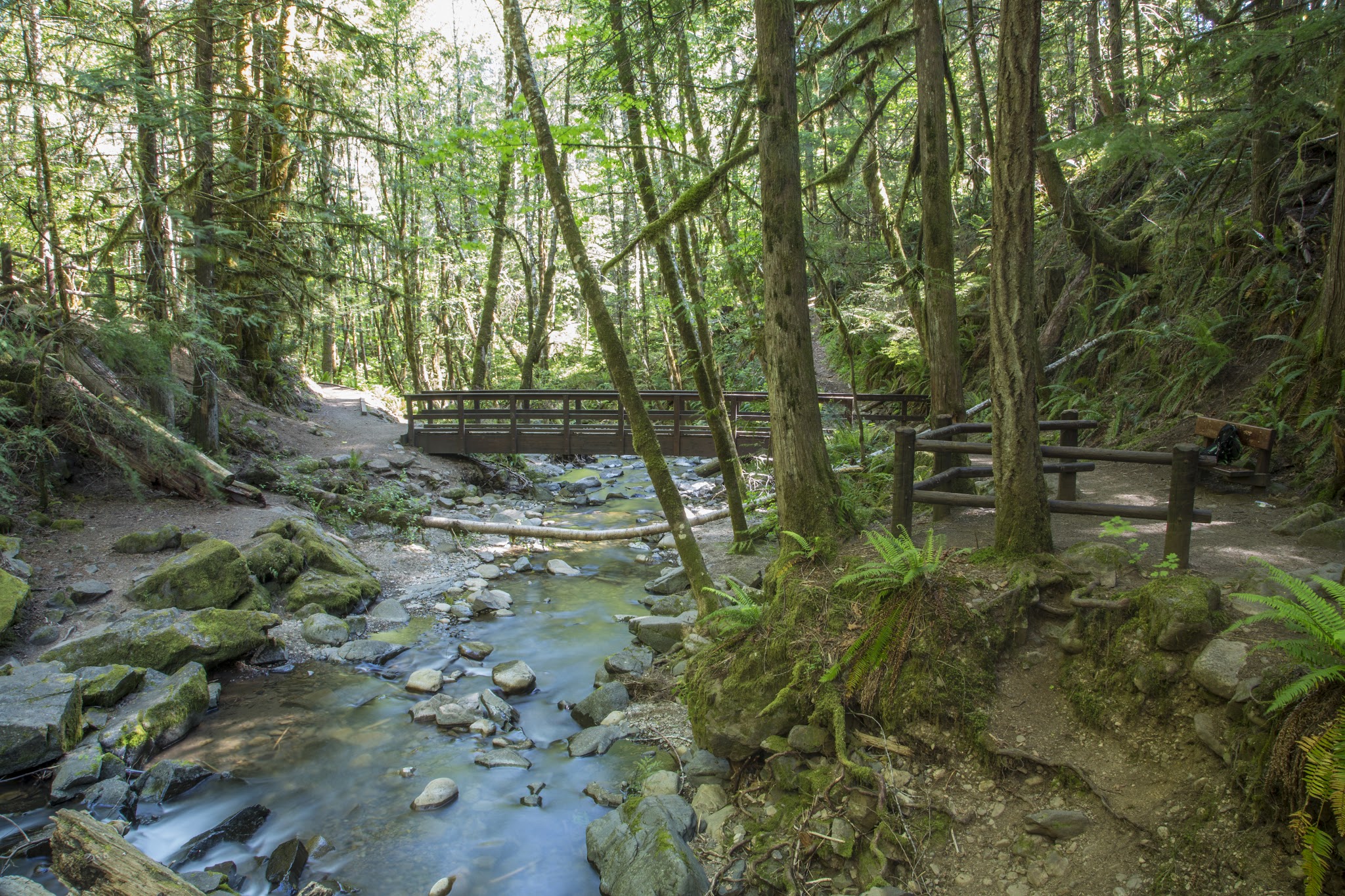
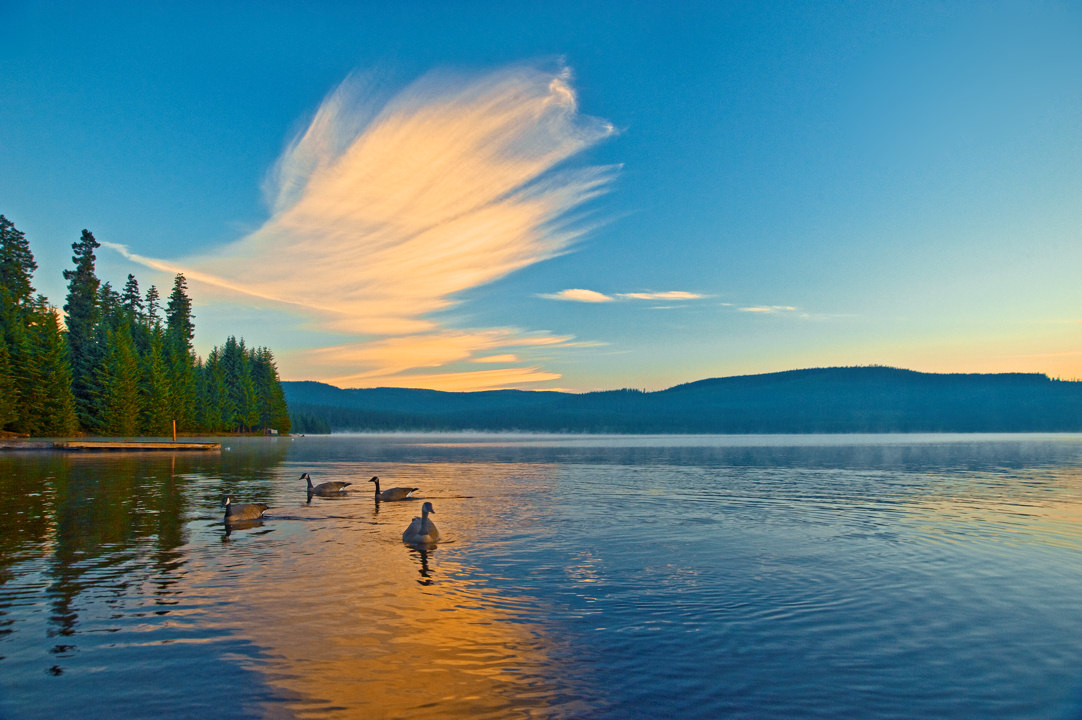
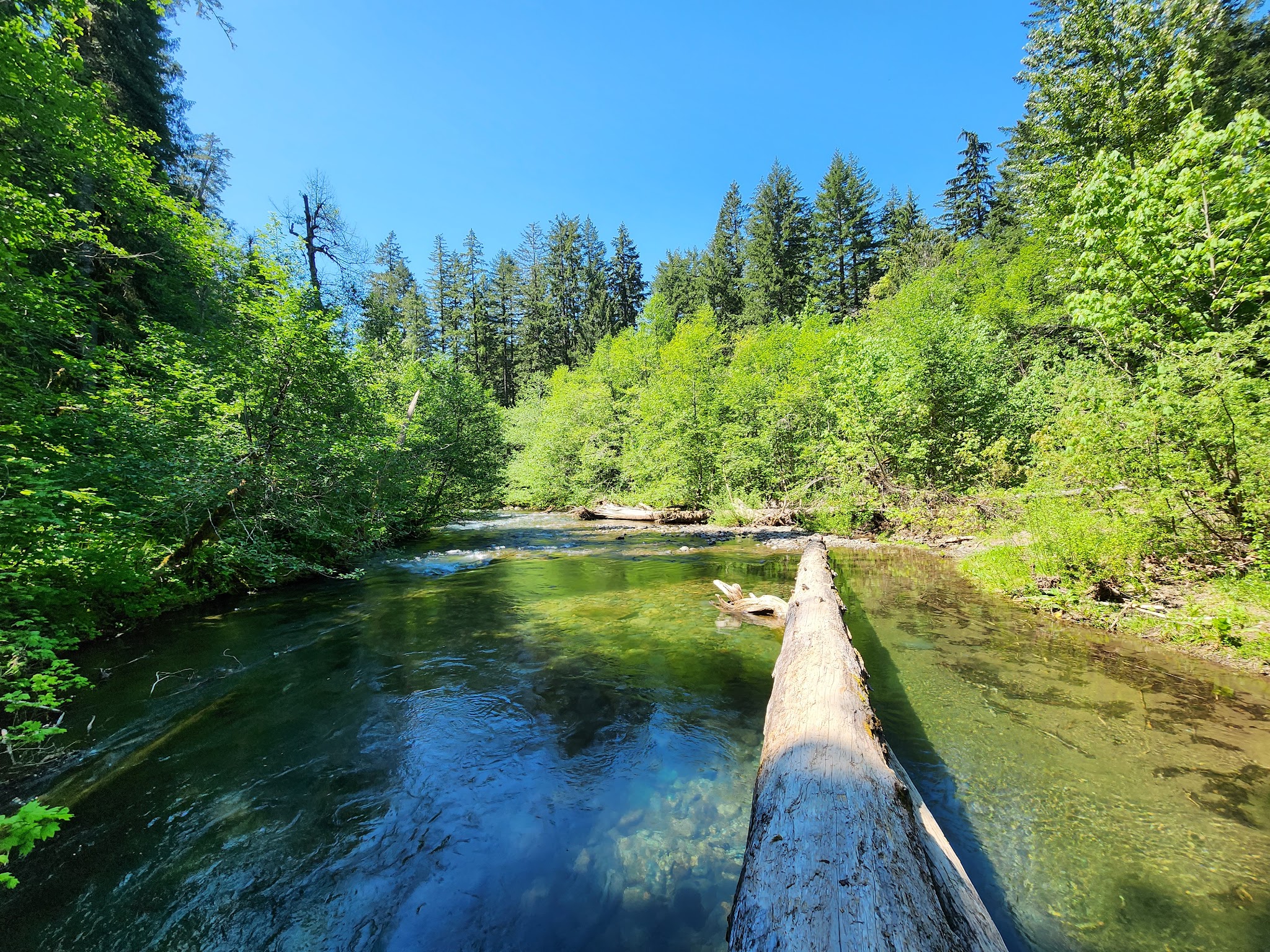
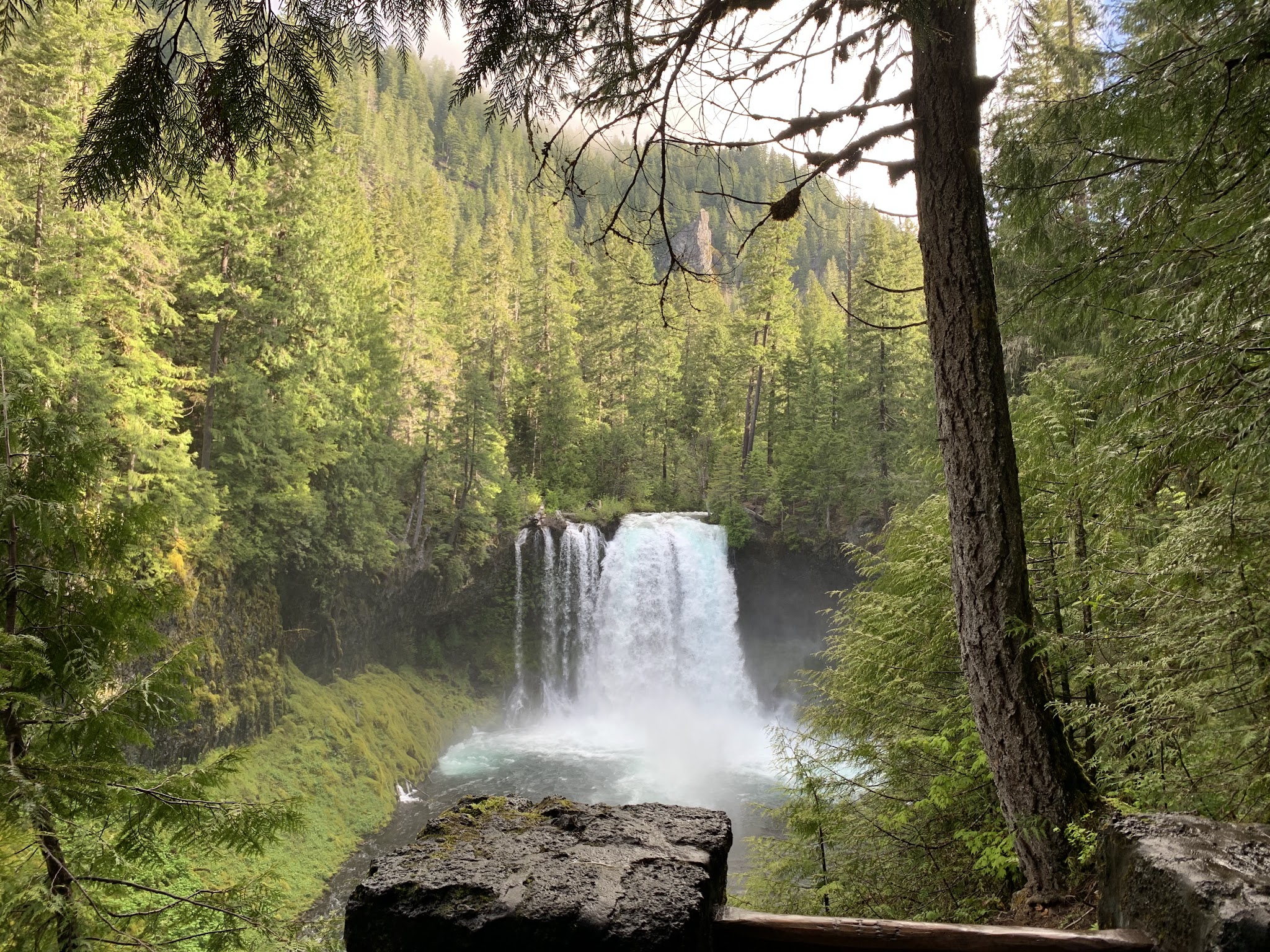
Camping in the Cascades earns a B+ when you blend in the region's best sites, but the typical campground lands at a C+, which tells the real story. The scenery is the easy part, with Mt. Hood views, alpine lakes, and old growth forest delivering reliably. The trade-off is logistics: getting a reservation and getting there are the hardest parts of any trip here.
The best campgrounds here
Ranked by camper sentiment across every topic. Tap a pin or photo to open a campground.
- 1Stone Creek Campground (Timothy Lake, Or)
- 2Susan Creek Campground
- 3Hoodview Campground (Timothy Lake, Or)
- 4Eagle Campground
- 5North Arm Campground (Timothy Lake, Or)
- 6Mona
- 7Oak Fork Campground (Timothy Lake, Or)
- 8Panther Creek Campground
- 9Ice Cap Campground
- 10Tollgate
- 11Gone Creek Campground (Timothy Lake, Or)
- 12Nottingham Campground
 Worth the trip
 Worth the trip
 Worth the trip
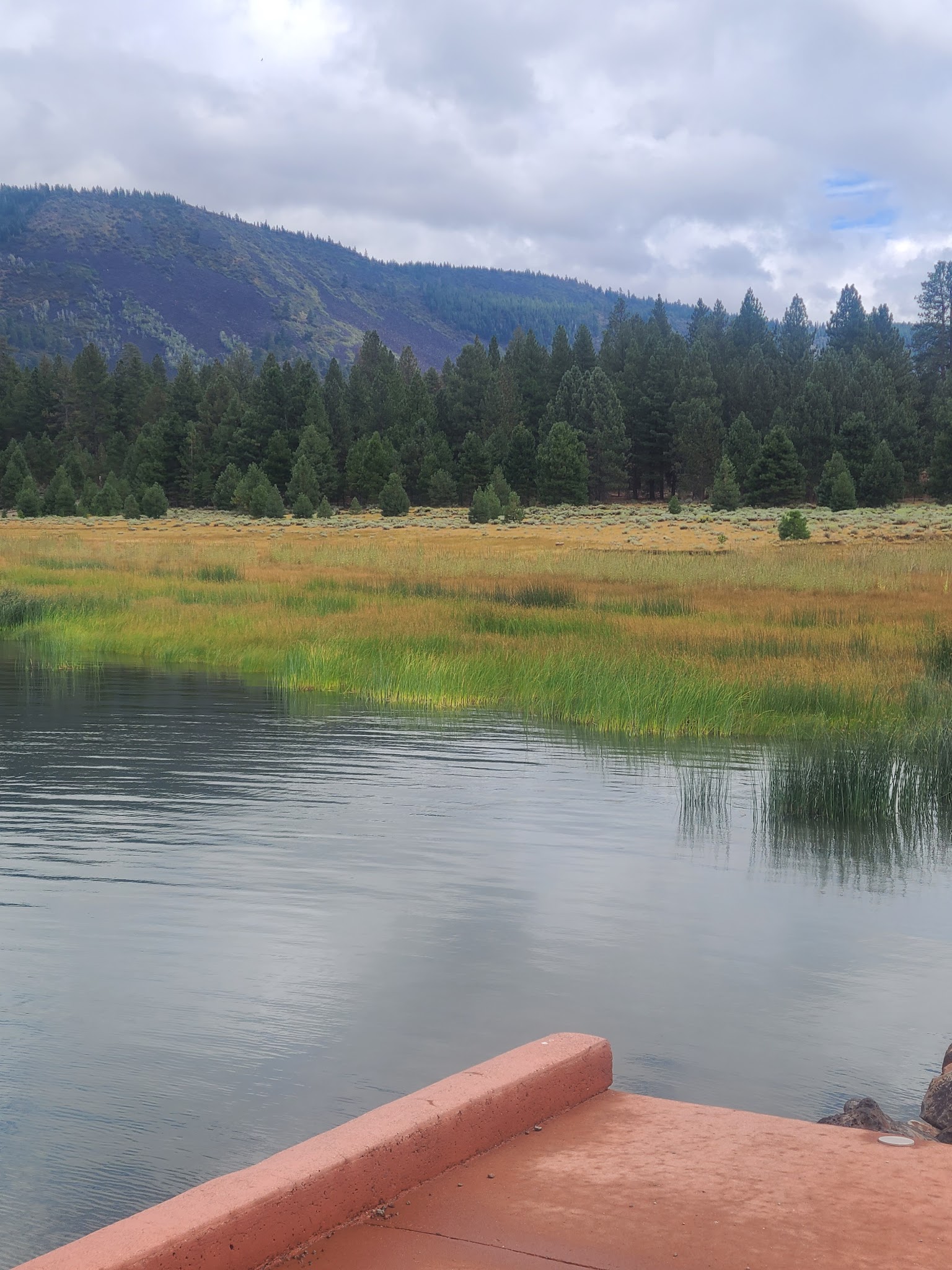 Worth the trip
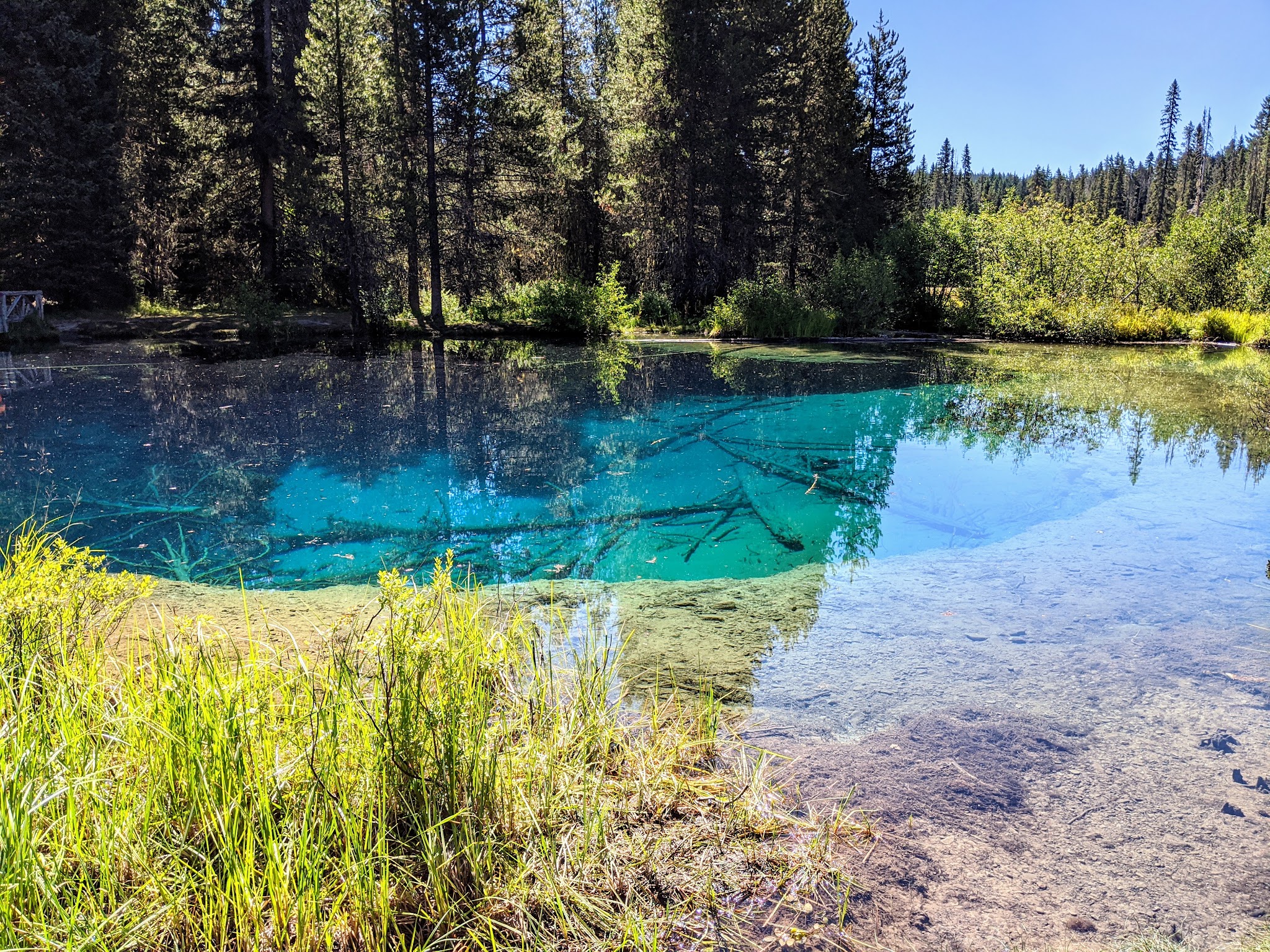 Worth the trip
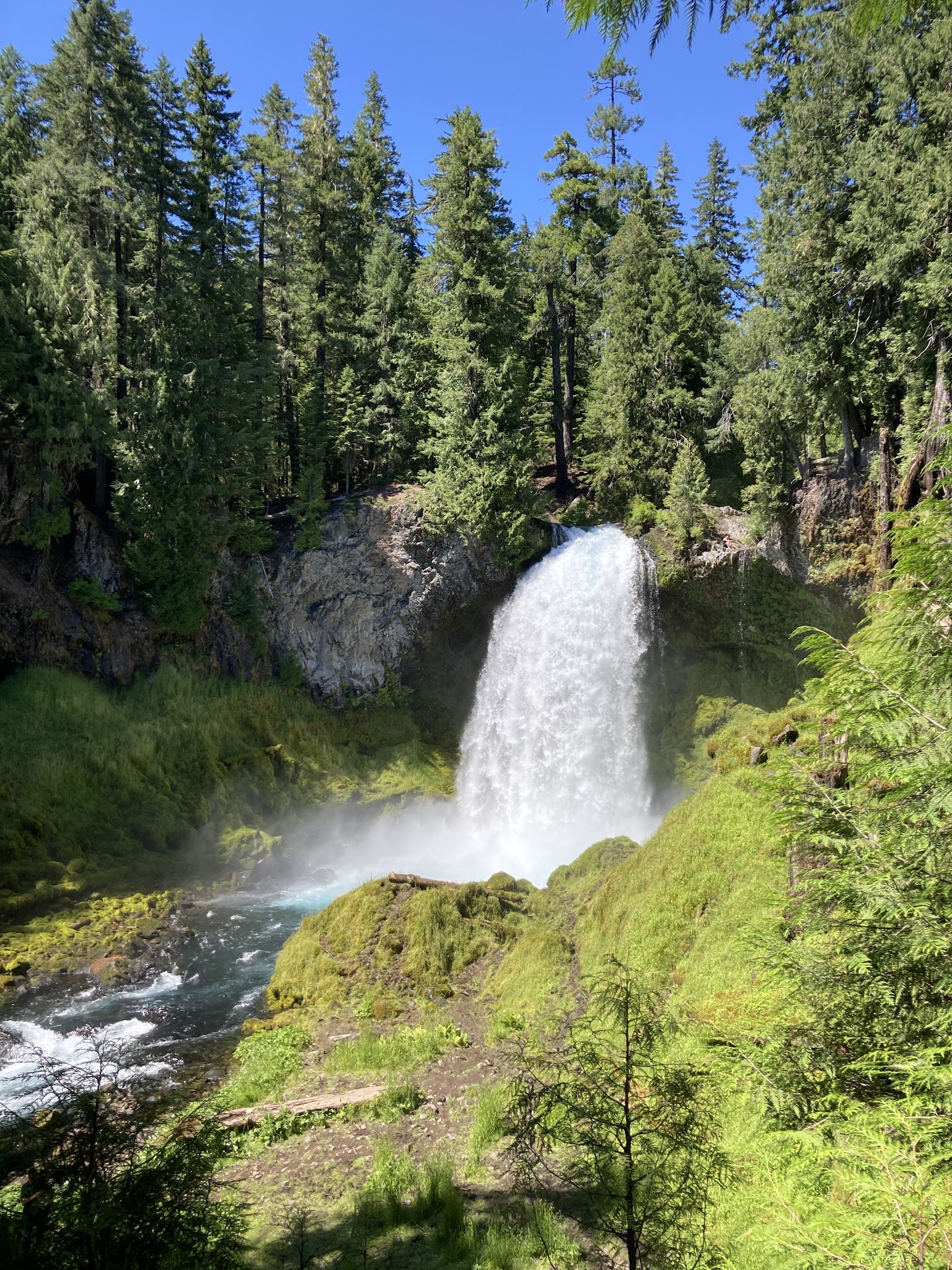 Worth the trip
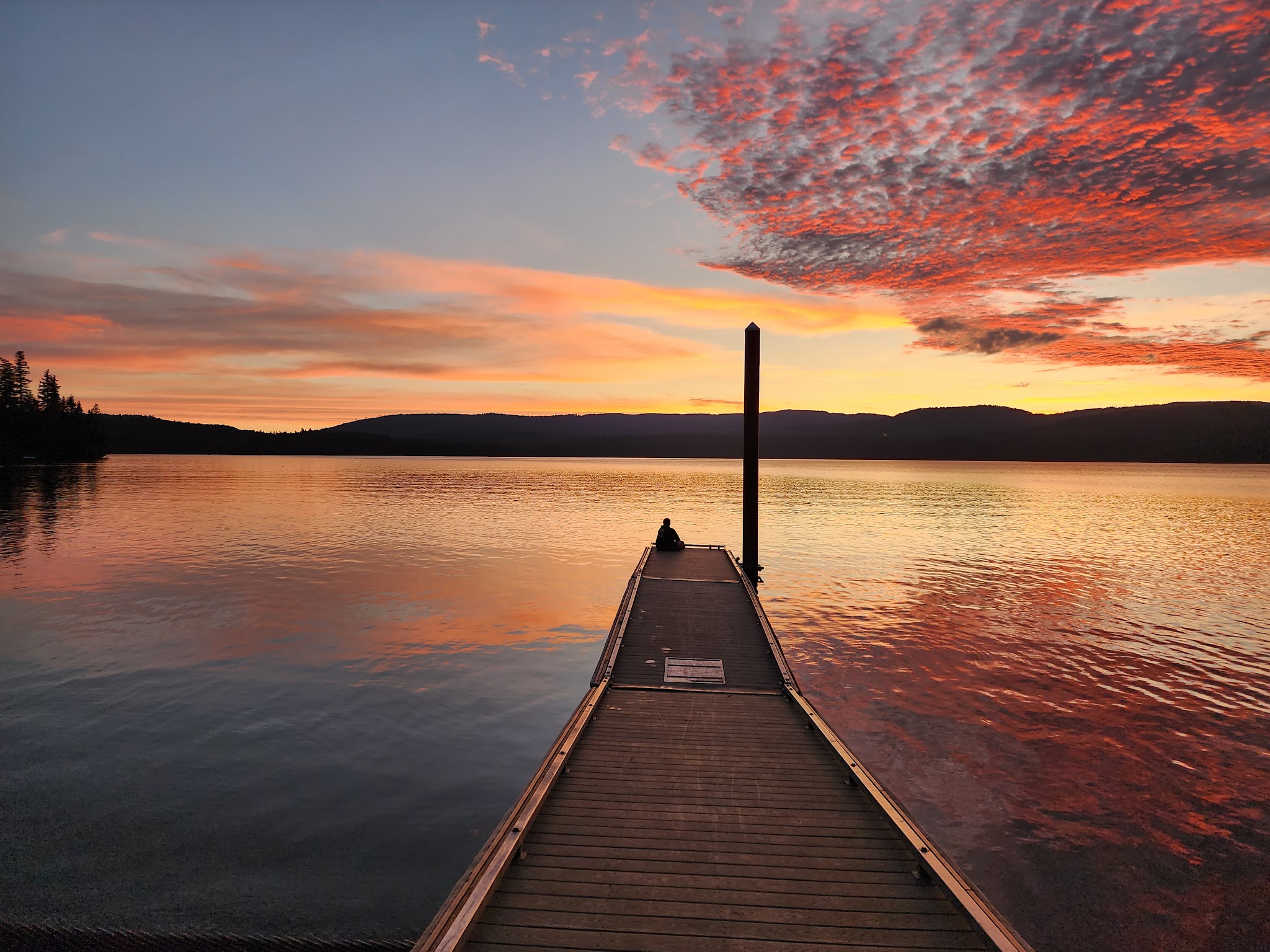 Worth the trip
 Worth the trip
 Worth the trip
 Worth the trip
 Worth the trip
 Worth the trip
B+ is a destination grade — it blends the typical campground here with the region’s best. The typical site is middle-of-the-pack, but the best are exceptional: 18 campgrounds grade in the A range, topped by Stone Creek Campground (Timothy Lake, Or) (A+). Here, where you book matters more than where you go — pick one of the best.
What it’s like to camp here
The 14 things campers actually wrote about — the whole experience, not just the views. Each is graded against every other region: A is among the best, C about average. Tap any topic to see what campers said and the campgrounds behind it.
The camping experience
Scenery is the headline strength at a B+, and campers also consistently praise the campsites and the staff and hosts, both of which run friendlier and more helpful than the national average. The counter-intuitive part is where the region struggles. Booking and Getting there are the two weakest topics, both at a D, meaning the views are easy but securing a site and reaching it are not. Reservations vanish the minute they open, and many of the best campgrounds sit at the end of gravel or dirt roads. Facilities grade only a C-, and value sits at a C-, so amenities and price draw real complaints. Bugs and weather, crowds and noise, and cleanliness all land at a C, average rather than excellent. Mosquitoes near lakes, yellowjackets, and the occasional loud neighbor are recurring themes campers warn about.
The standout campgrounds
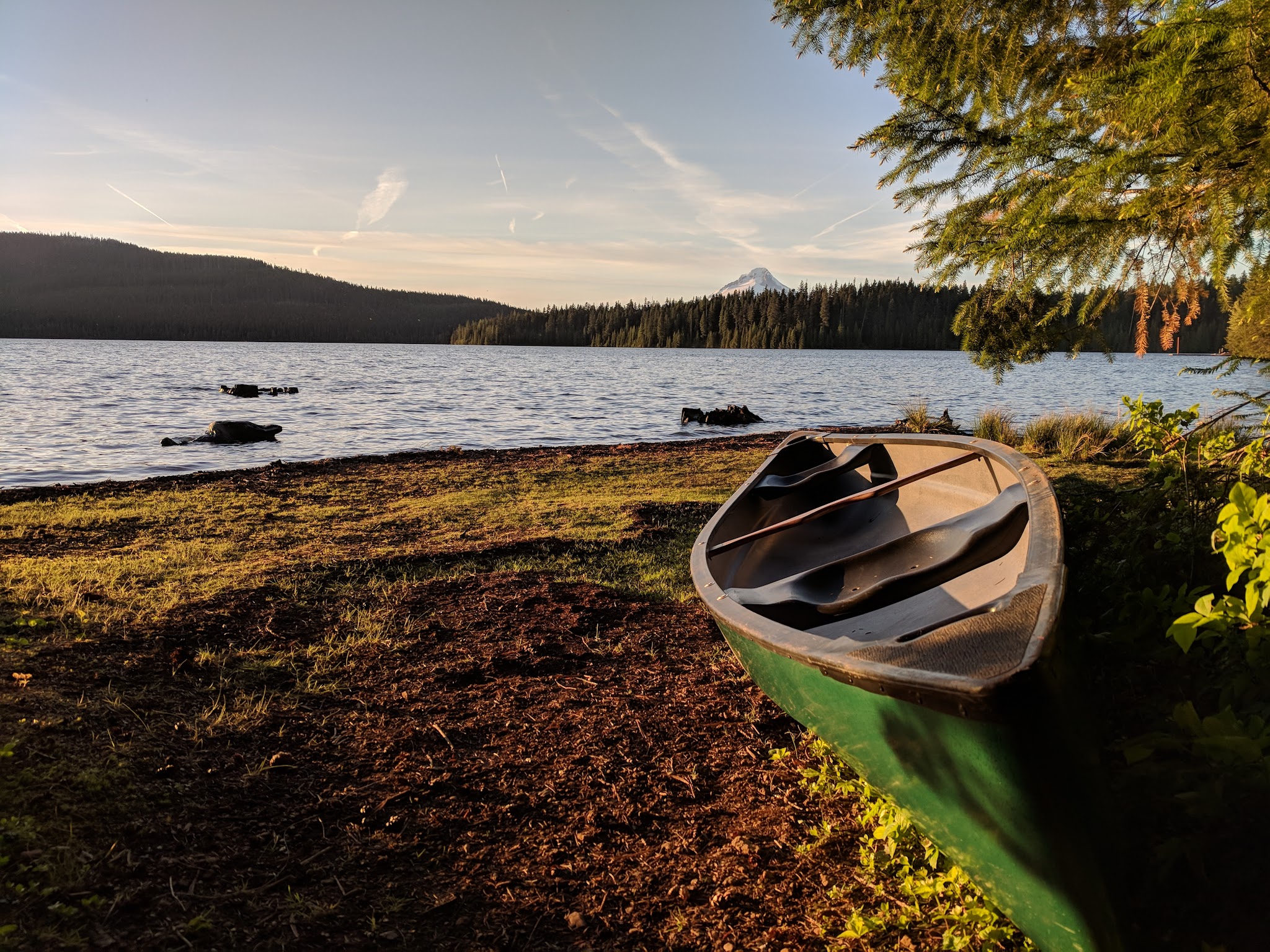
Stone Creek Campground at Timothy Lake leads the region with an A+, praised for exceptionally clean vault toilets, helpful hosts, and good lake and kayak access, though it is newer, dusty, and short on shade. Susan Creek earns an A on the strength of spotless sites, free hot showers, and a family-friendly swimming hole on the Umpqua, a strong pick for those who want amenities. Hoodview Campground, also on Timothy Lake, delivers spacious waterfront sites with postcard Mt. Hood views and a quiet 10 mph boat limit, ideal for paddlers, if you can land a reservation. Oak Fork and North Arm round out the Timothy Lake cluster with private, well-spaced sites and clean facilities, good for tents and RVs without hookups. Horseshoe Bend suits anyone wanting riverside sites off Highway 138 with some first-come-first-served options. Panther Creek works for forested privacy, but skip it with a larger trailer.
Know before you go
Aim for summer, when lakes warm up and bug pressure eases, though August still brings mosquitoes near water. This region suits tents and smaller RVs better than big rigs; several top campgrounds, including Panther Creek and North Arm, involve tight loops or gravel access roads that punish large trailers. Hookups and showers are rare outside spots like Susan Creek, so plan to dry camp. The biggest watch-outs come from the weakest topics: book the moment reservations open, since popular sites sell out instantly, and budget extra drive time for unpaved final stretches. Pack for bugs and bring your own water toys, as on-site rentals are uncommon.
How we grade
No star ratings — real reviews. We read hundreds of thousands of written camper reviews and used AI to tag what each person praised or complained about, across 14 topics (scenery, crowds, bugs, value, and more).
Each topic is praise minus complaints. A topic’s score is the share of campers who praised it minus the share who complained.
Grades are relative. Every grade compares this place to all the others on that topic — an A means among the best, a C about average. We grade this way because campers rave about scenery but only mention bugs when bitten, so one fixed scale couldn’t be fair across topics.
Two fairness rules. A topic campers liked never grades below a C− — something people enjoyed can’t “fail.” And an F is reserved for the rare topic campers clearly complained about and that’s a real outlier.
The headline grade is a destination grade. It blends what the typical campground here is like with how good the region’s best are — because you choose a region for its best camping, then pick a site. We show both, plus the standout campgrounds.
Enough data to be fair. We only grade places with enough reviews; thinner ones show “limited data” instead of a letter, and every topic carries a confidence range from its sample size. The Belonging topic is graded by our Green Book community score — how welcoming campers describe the staff and community, with discrimination and hostility as hard penalties — not sentiment alone.
We check the AI. An independent model (from a different maker) audits a sample of the tags. It found the complaint labels ran over-eager (passing mentions scored as gripes), so we re-judged all 499,009 of them and removed the quarter that were really about another topic or weren’t complaints, keeping the real-but-mild ones. Then a human rater, blind to our labels, agreed with 87% of them (89% of complaints) across 420 labels.
What this grade measures
The trip, not the view
Across 688,170 camper reviews, the scenery barely predicts whether people actually enjoy a place. What sends newcomers home are the un-photographable parts — the three Bs: bathrooms, booking, and belonging. So we grade every place on those, not the postcard.
How The Cascades scores on the three things that decide a newcomer’s trip.