An Outdoorithm Study · Pacific Northwest
Eastern Cascades
If you're nearbyA few spots worth it mainly if you're local and want a new scene. · #54 of 65 regions · 6,717 reviews across 203 campgrounds.
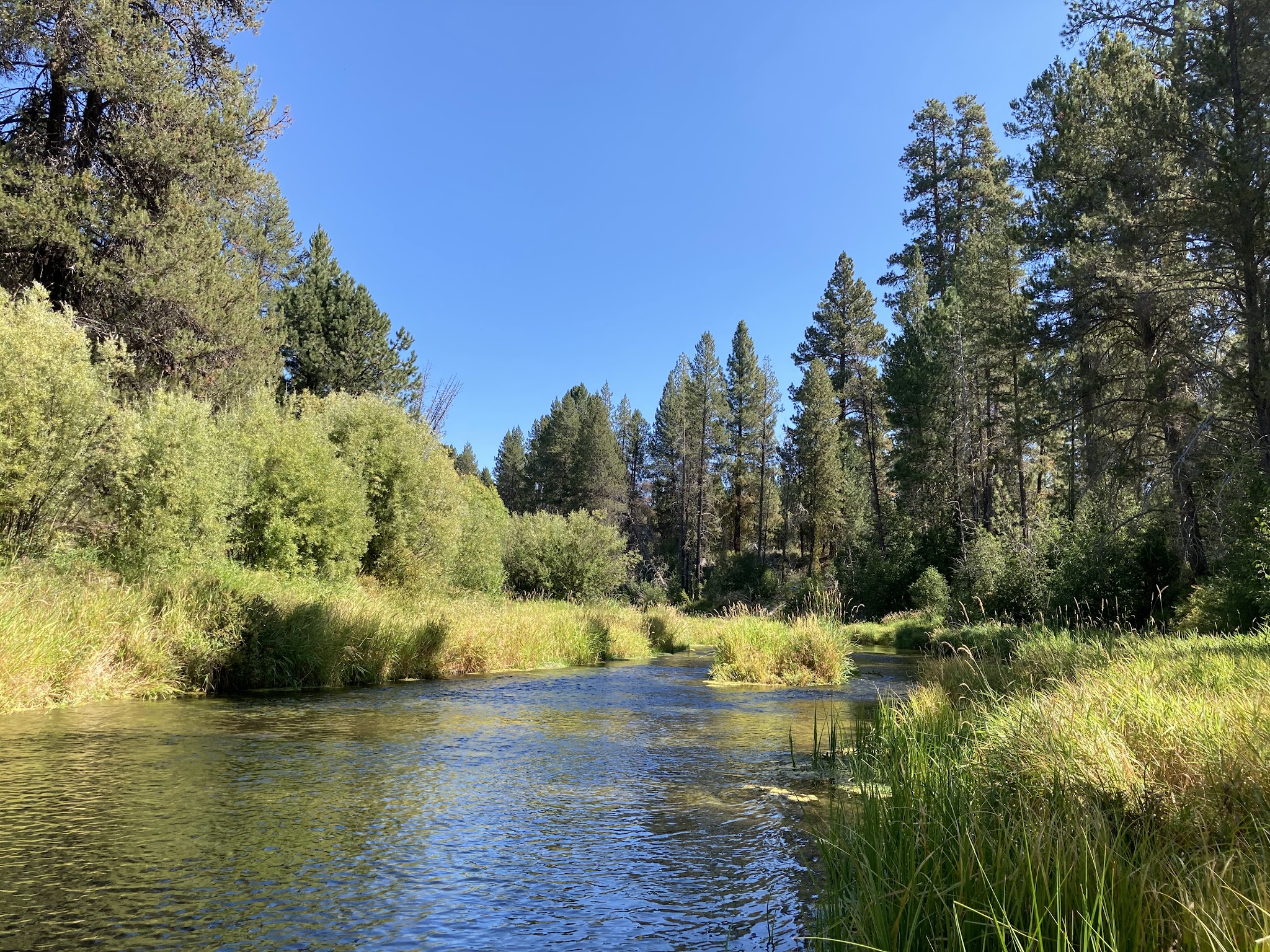
Camping in the Eastern Cascades looks the part, with pine forests, river frontage, and dark-sky nights, but the experience earns a C- because the practical side lags behind the scenery. The headline trade-off: you can find genuinely clean, friendly, well-run campgrounds here, but getting to them and booking them is a grind, and facilities are inconsistent.
The best campgrounds here
Ranked by camper sentiment across every topic. Tap a pin or photo to open a campground.
- 1North Eagle Lake Campground
- 2Williamson River Campground
- 3Lapine State Park
- 4Little Naches Campground
- 5Cottonwood Campground - Naches River (Wa)
- 6Gorge Campground
- 7Pine Rest Campground
- 8Hause Creek Campground
- 9Soda Springs Campground (Bumping River, Wa)
- 10Cedar Springs Campground (Wa)
- 11Allingham Campground
- 12Indian Well Campground
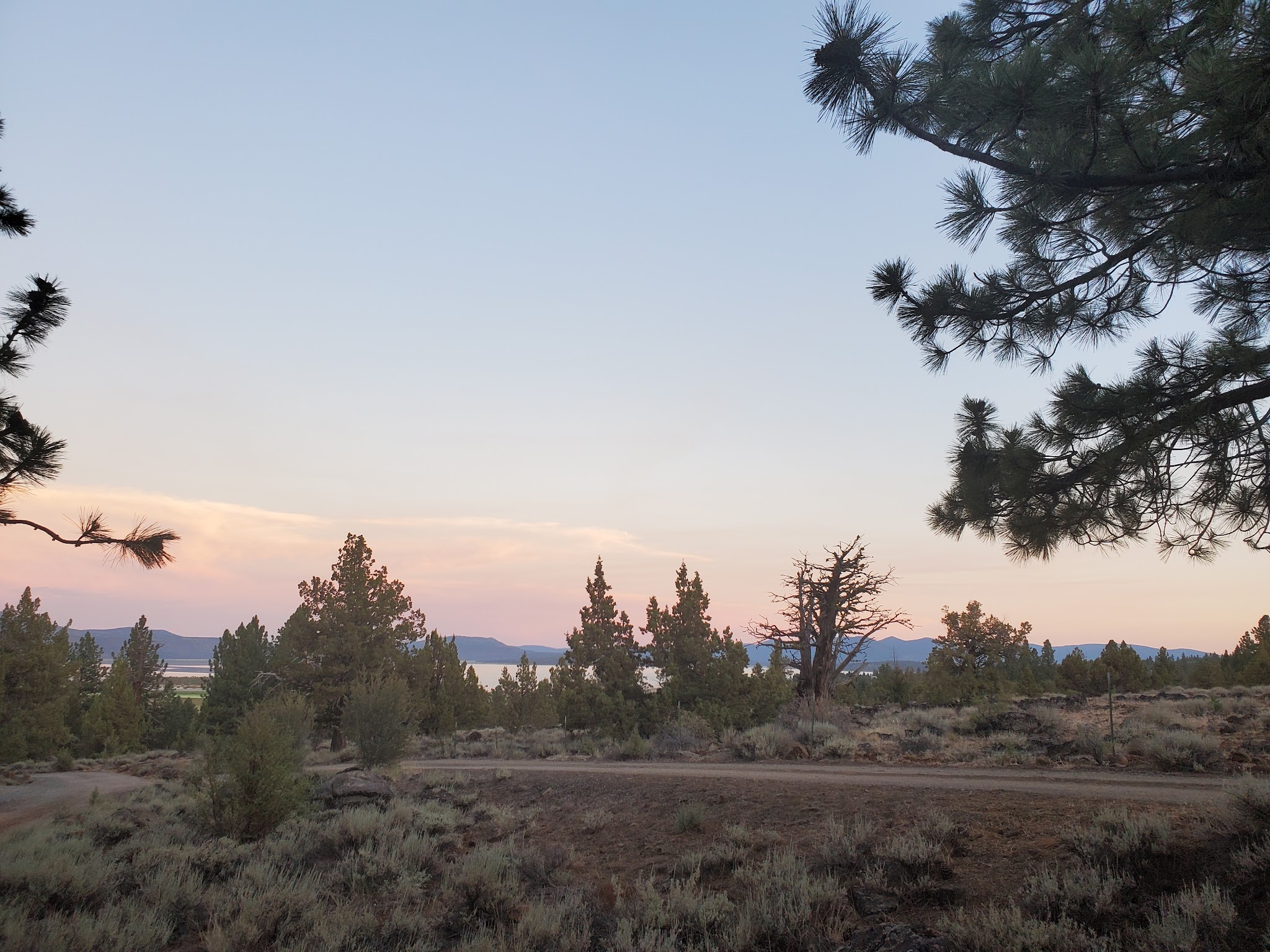 Worth the trip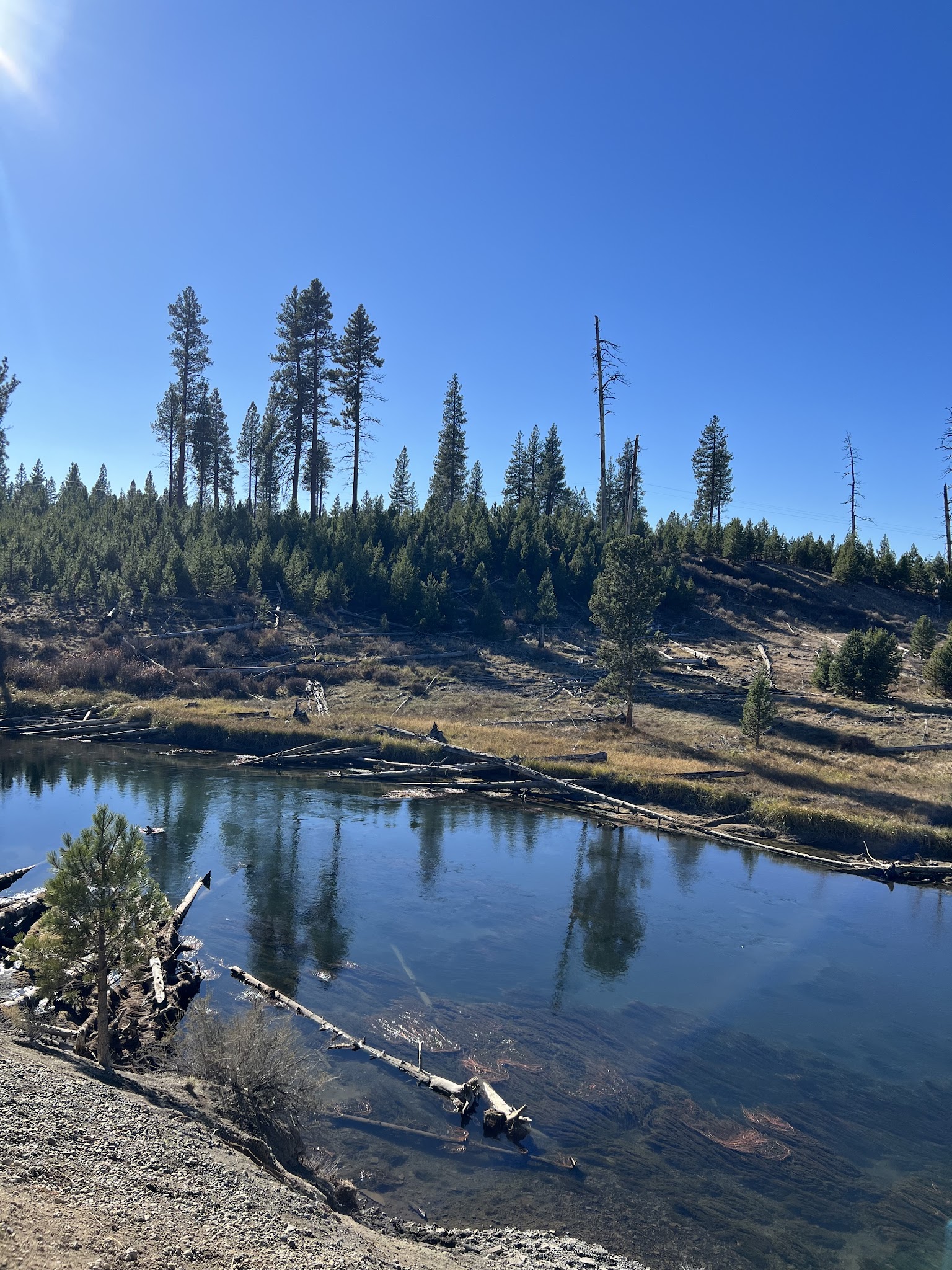
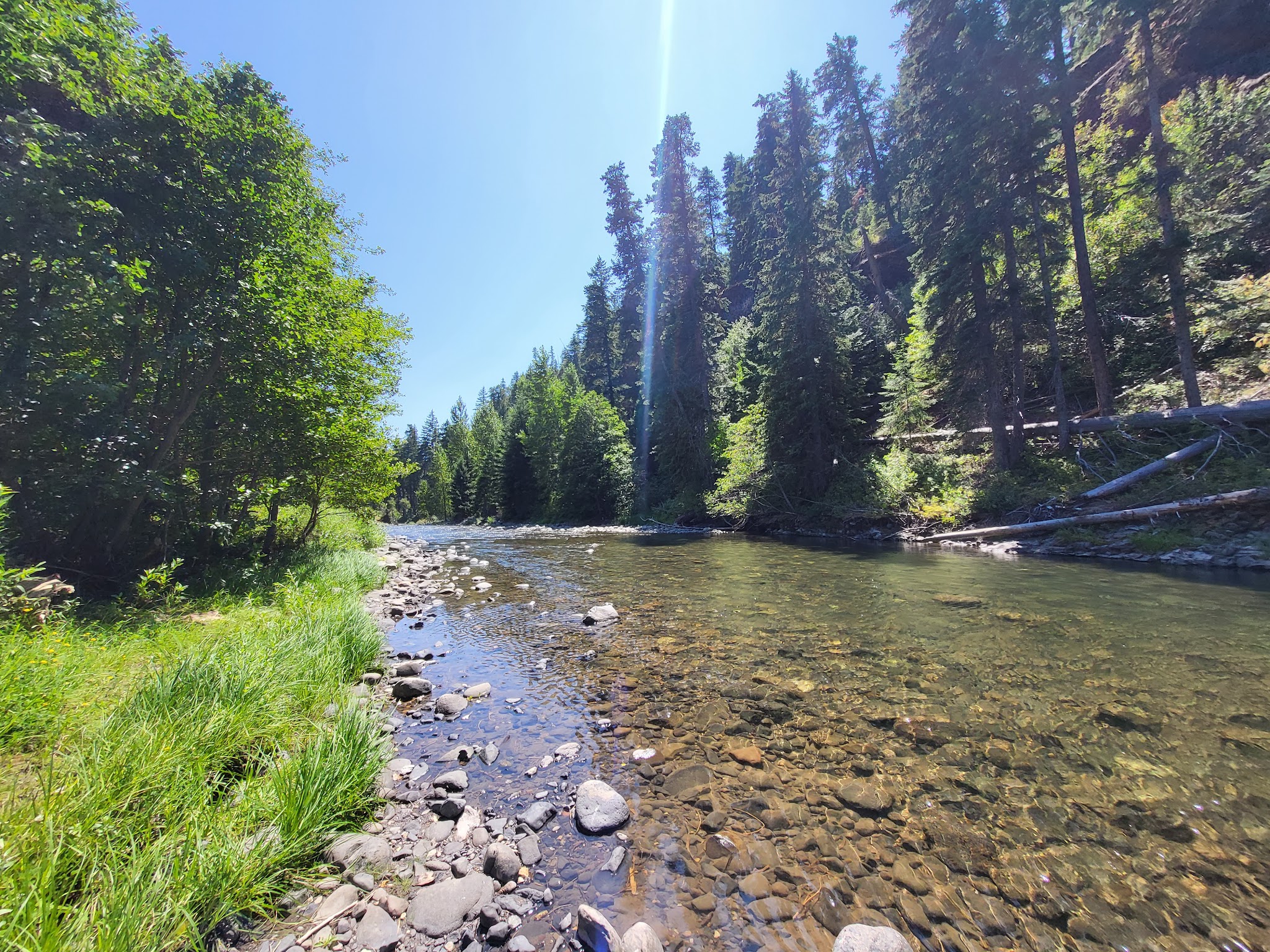
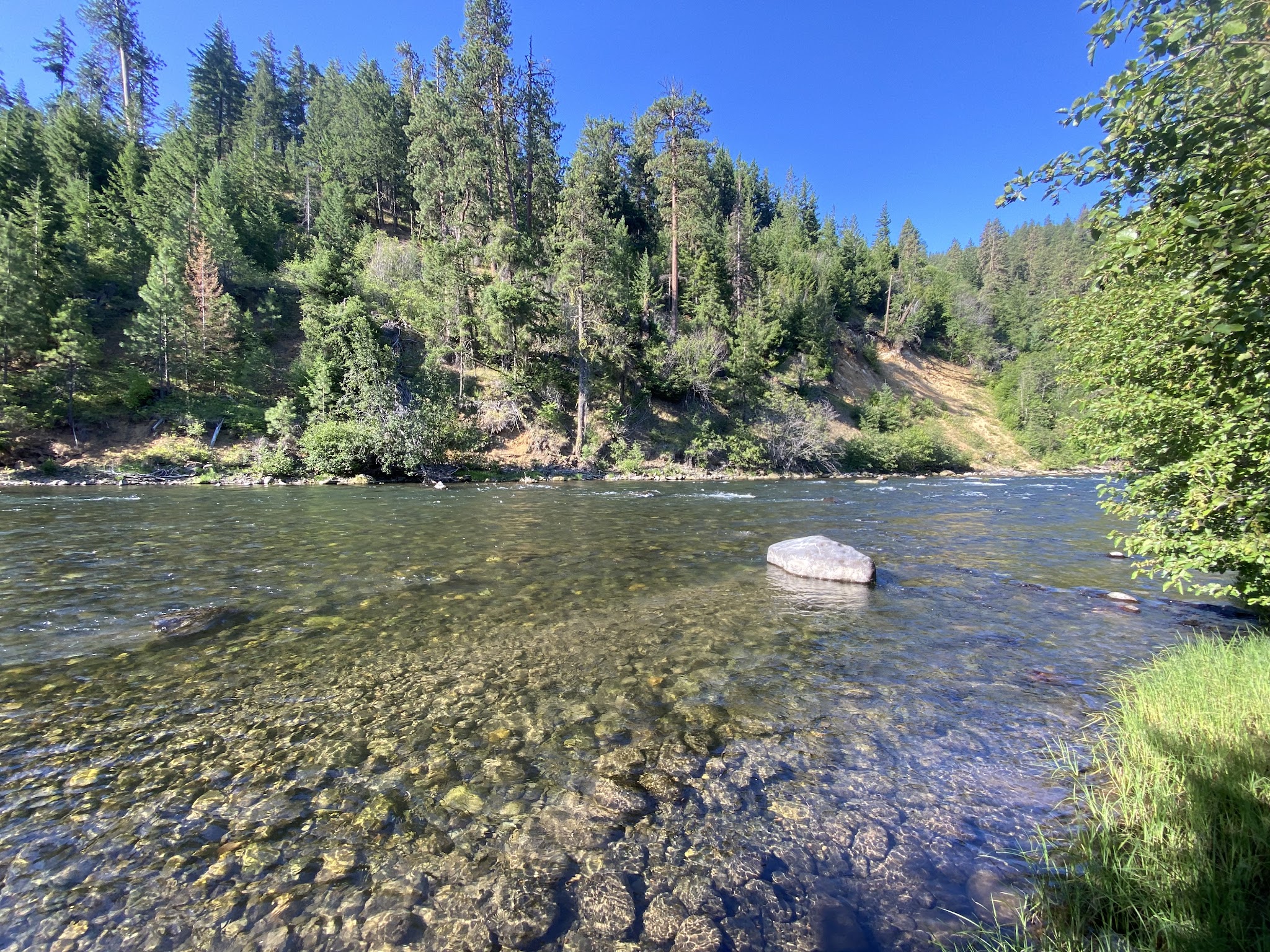
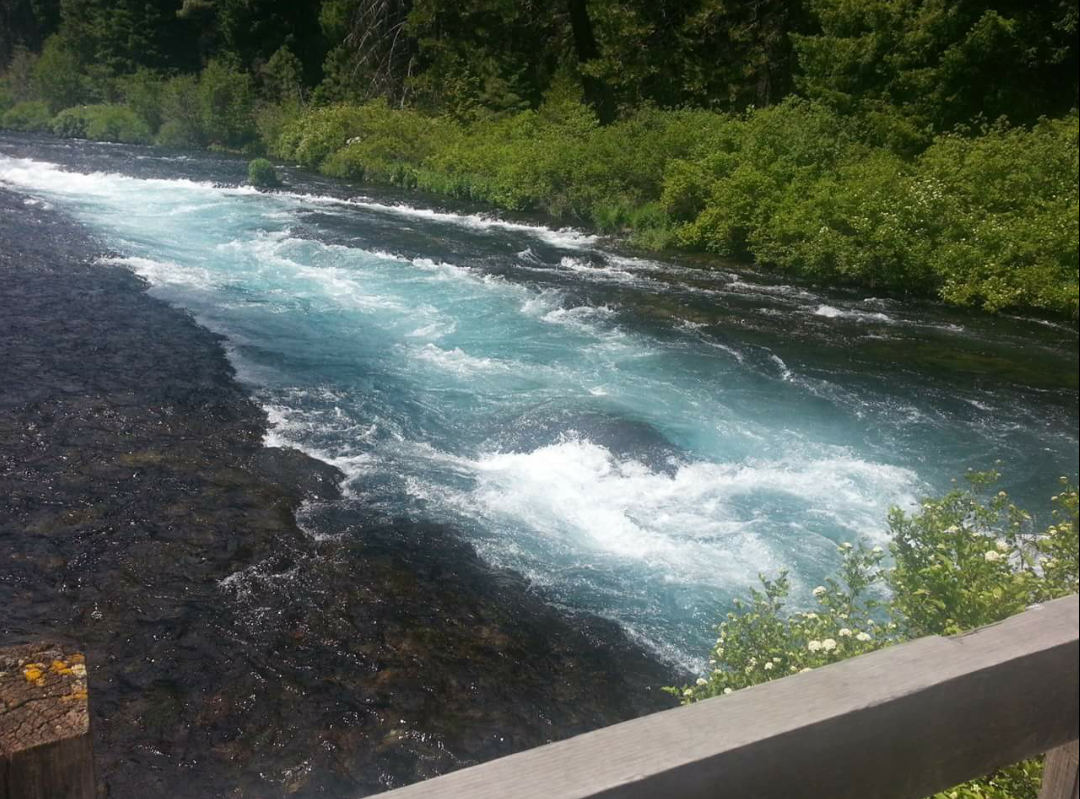
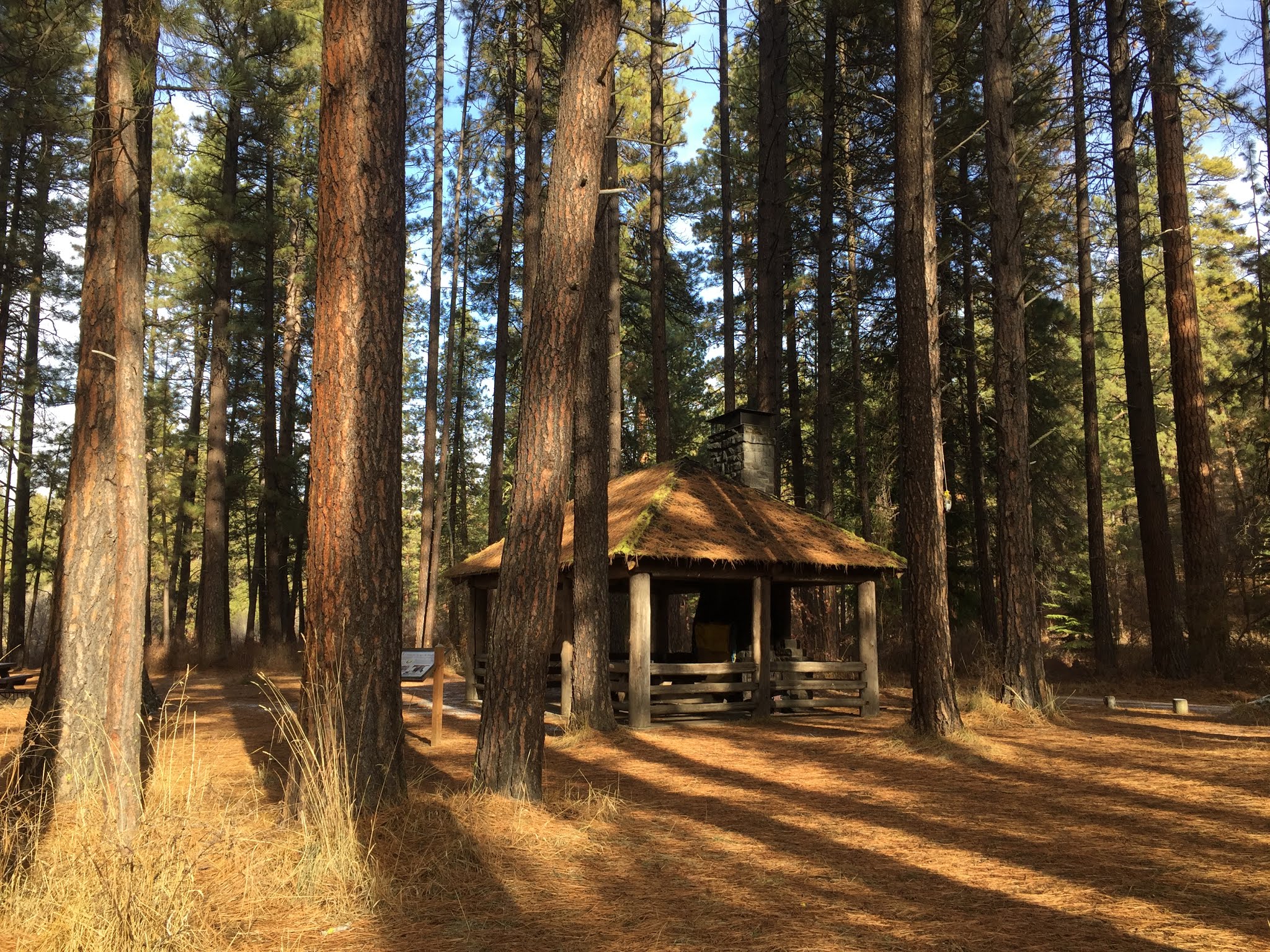
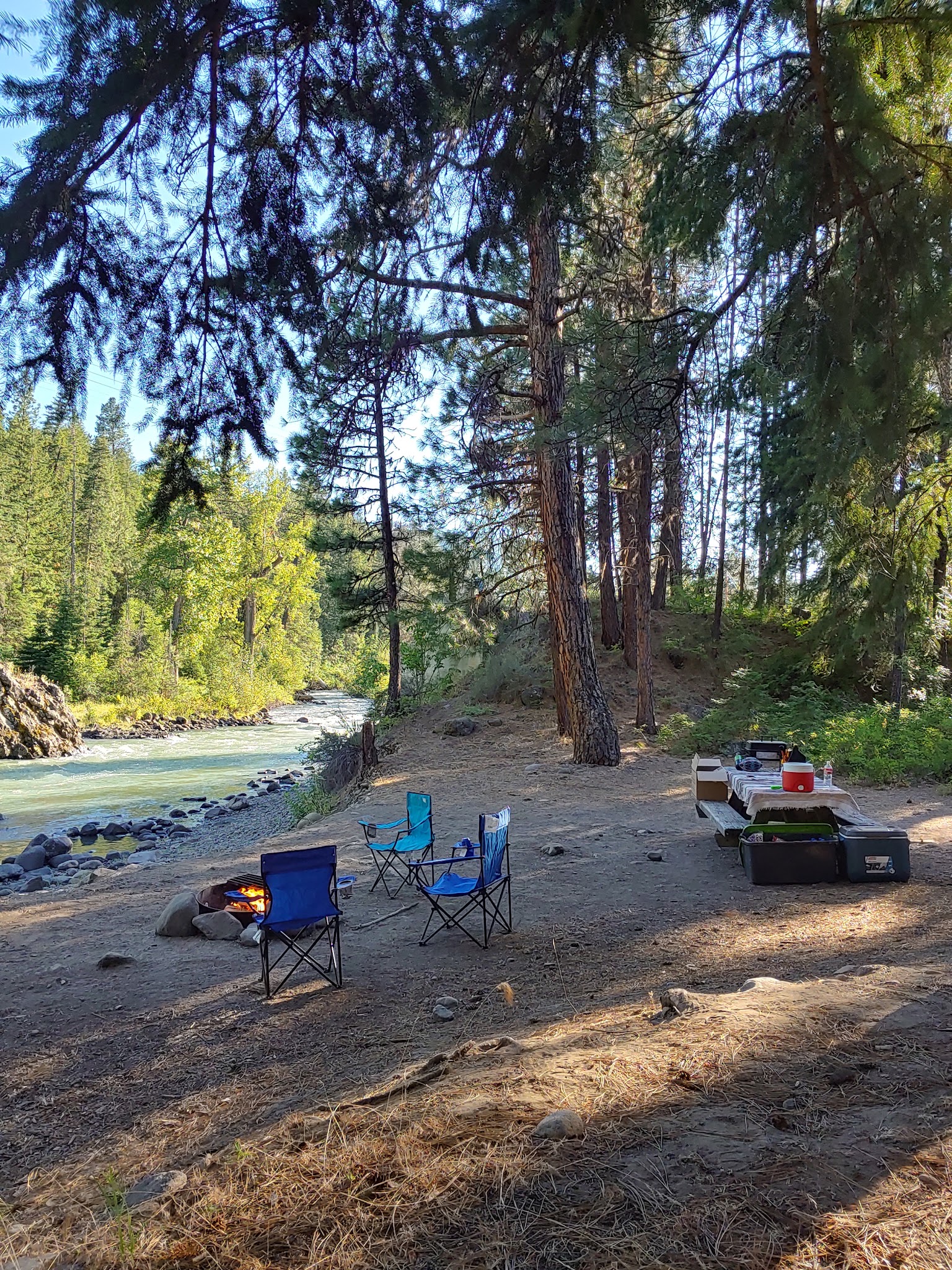
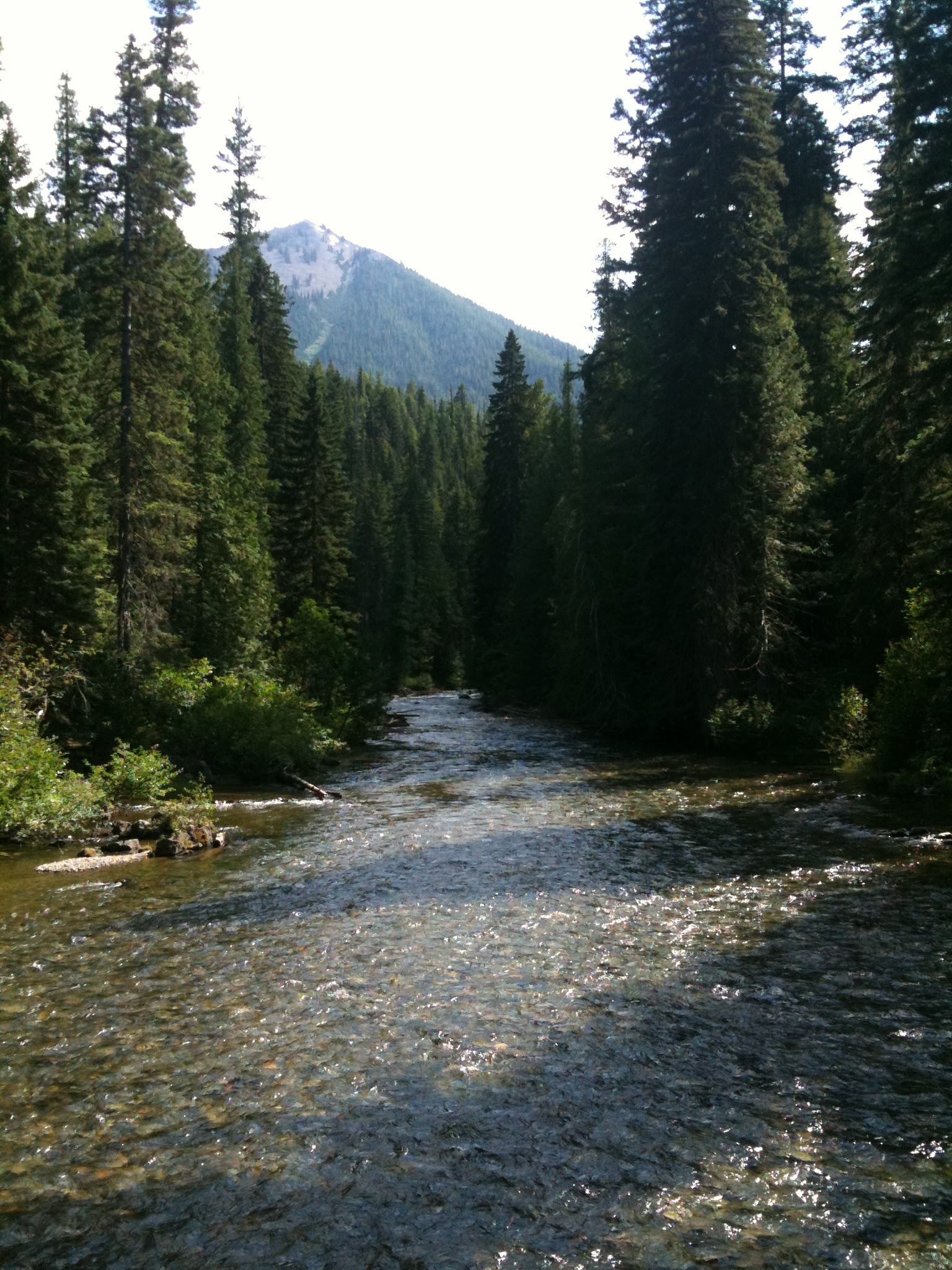
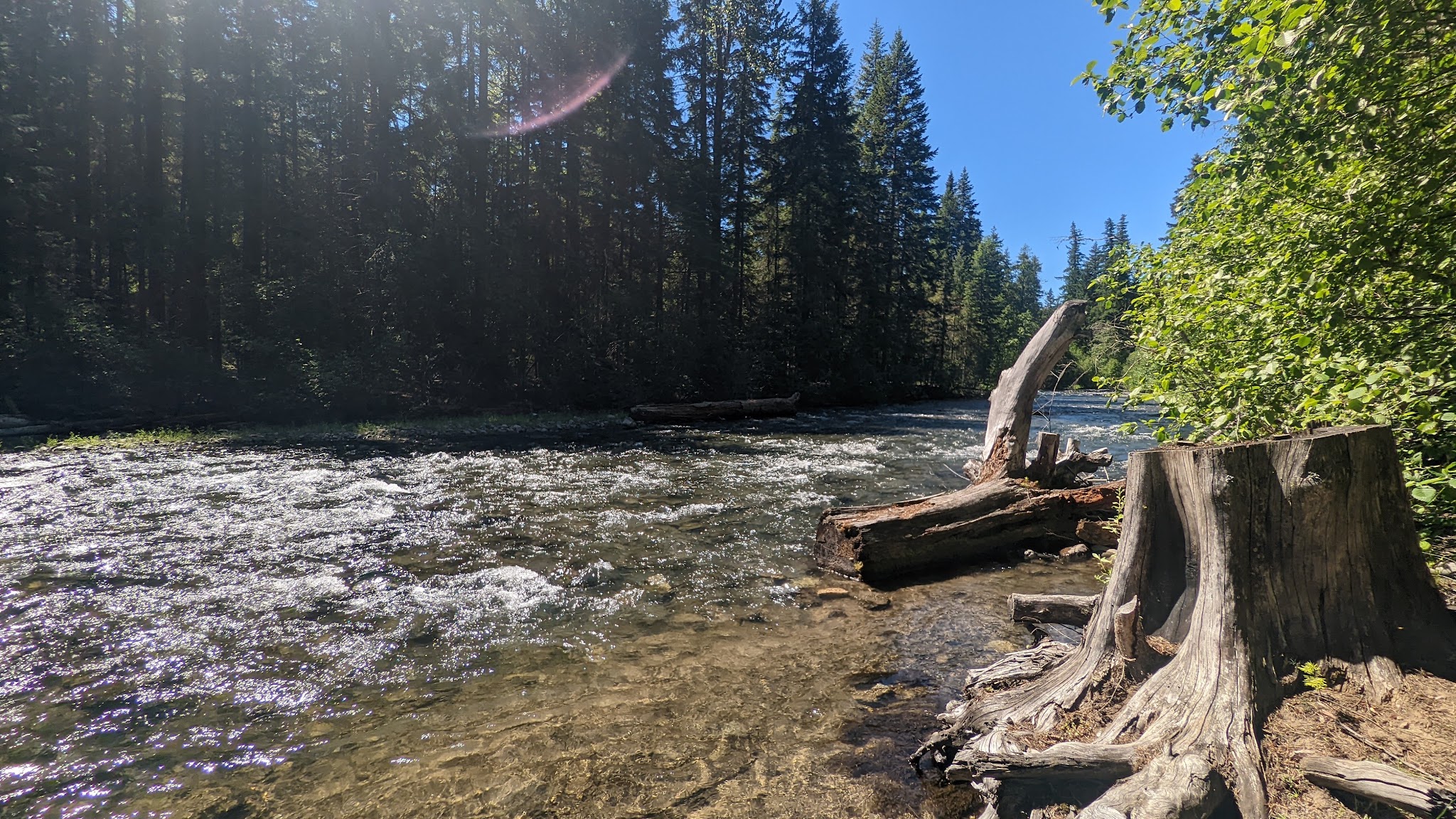
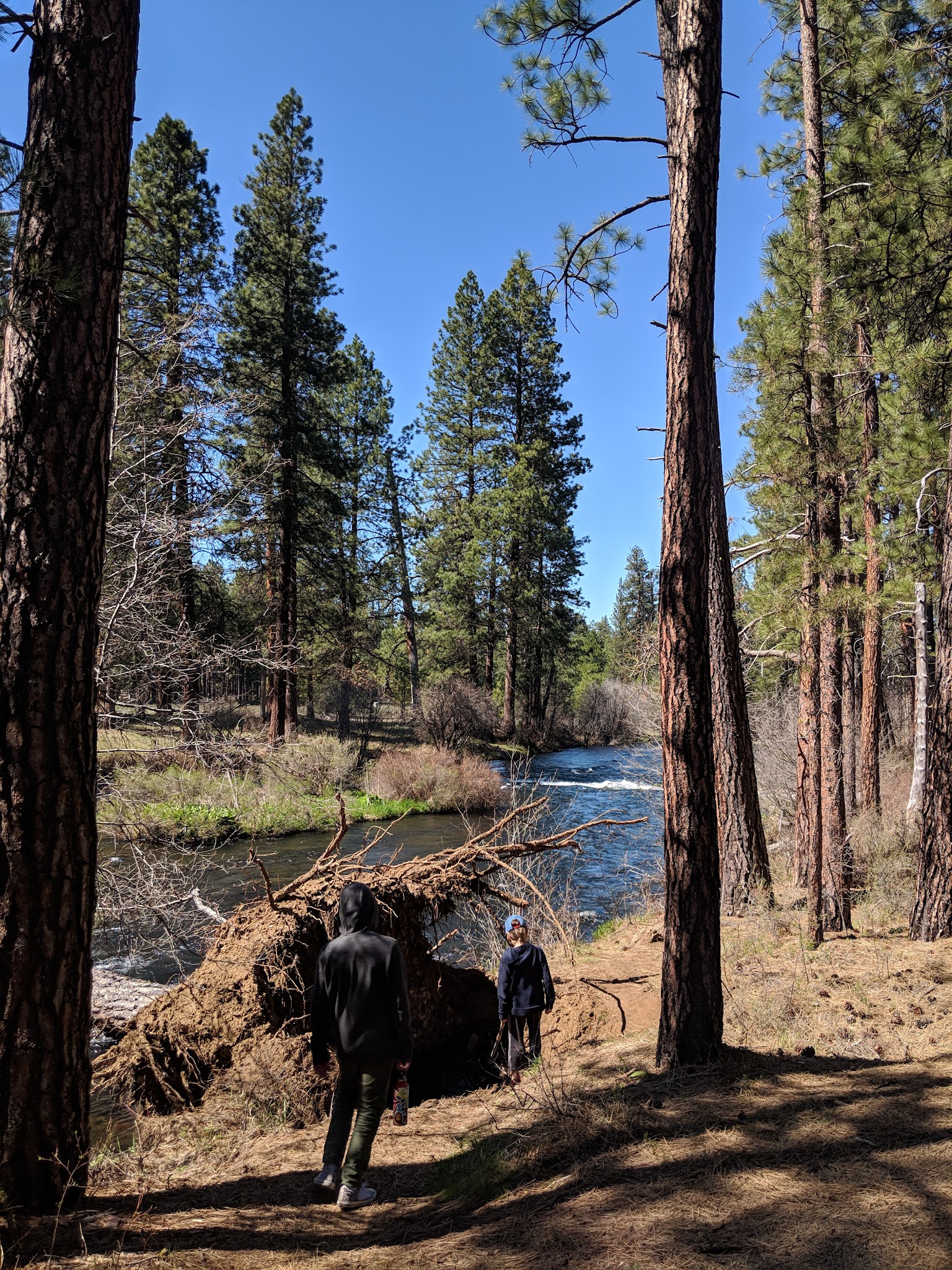
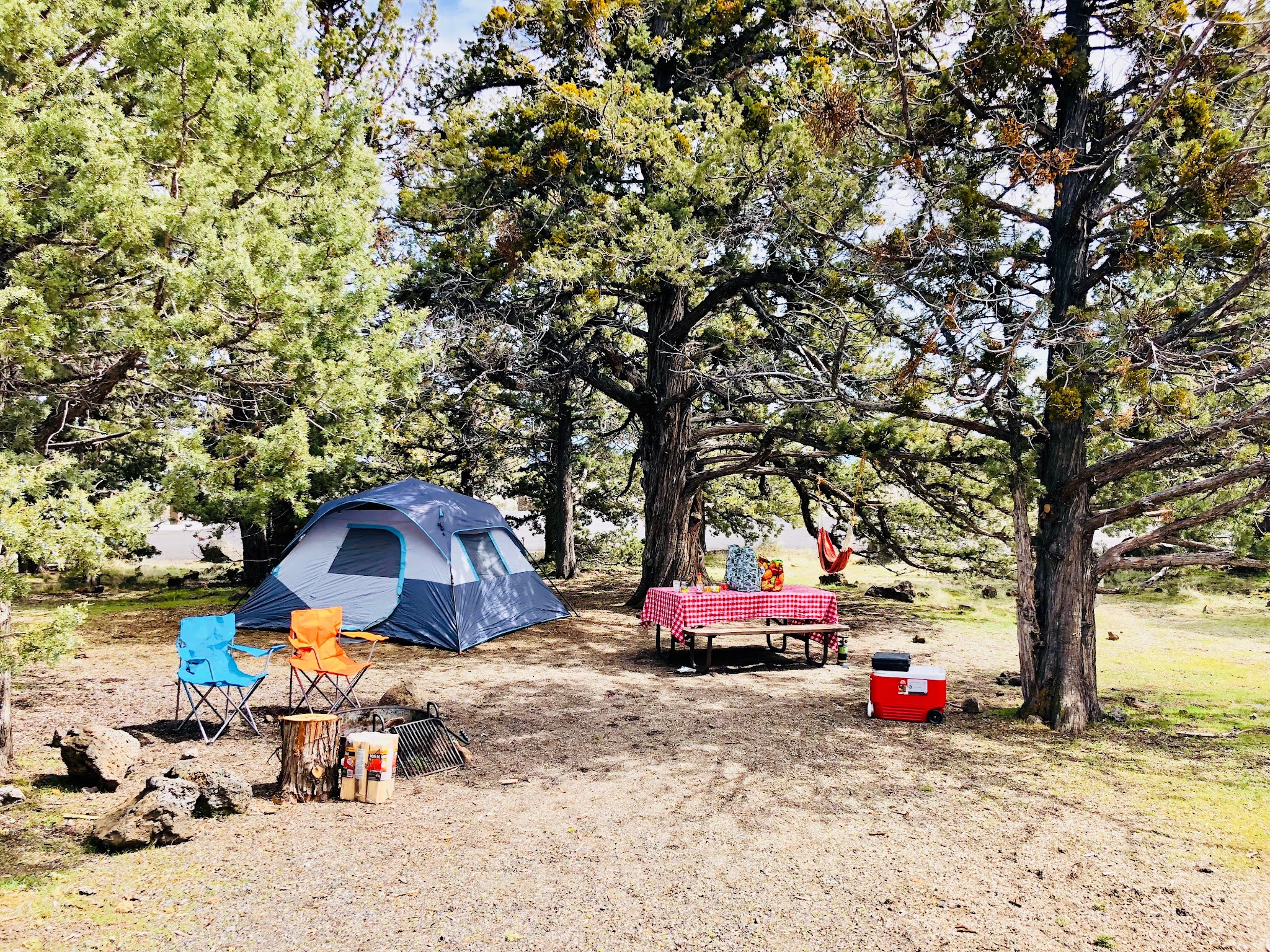
C- is a destination grade — it blends the typical campground here with the region’s best. The typical site is middle-of-the-pack, but the best are exceptional: 1 campground grade in the A range, topped by North Eagle Lake Campground (A-). Here, where you book matters more than where you go — pick one of the best.
What it’s like to camp here
The 14 things campers actually wrote about — the whole experience, not just the views. Each is graded against every other region: A is among the best, C about average. Tap any topic to see what campers said and the campgrounds behind it.
The camping experience
The region grades best on Welcoming and Scenery, and campers consistently appreciate the friendly camp hosts and quiet, forested settings. Cleanliness is a real strength at the top sites even though it grades C- region-wide, which tells you the gap between the best and the average is wide. The warnings are louder and more practical. Booking is the weakest topic at an F, with first-come, first-served sites and reservation headaches a recurring theme. Getting there grades D, and reviewers repeatedly flag confusing directions and steep mountain roads. Facilities also grade D, with closed bathrooms, contaminated water sources, and overflowing dumpsters showing up often. Bugs and weather grade D too, so expect mosquitoes near the water and cold, wet conditions off season. The counter-intuitive point: scenery almost never sinks a trip here. What does is logistics, facilities, and snagging a site.
The standout campgrounds
North Eagle Lake Campground is the lone A-range site and the value leader, an $8-a-night BLM spot praised for spotless vault toilets, potable water, stocked wood, and incredible stars. The trade-off is hilly sites that make leveling tricky, so it suits tent campers and small vans over big rigs. Williamson River Campground (B+) draws raves for large, spaced sites, a meticulous camp host, and a river trail, ideal for campers who want quiet and room. Lapine State Park (B+) is the most developed pick, with full hookups, paved sites, and helpful rangers, strong for RVers and winter travelers near Bend and Sunriver, though sites run close together and dusty. Pine Rest Campground (B+) stays open year round and rewards off-season solitude seekers. For families, Hause Creek and Little Naches (both B) offer river access and things to do, with the caveat of road noise and the occasional bear-raided dumpster.
Know before you go
Aim for mid to late summer for warmer, drier conditions, but plan around mosquitoes near the rivers and prepare for cold, possibly snowy nights in the shoulder seasons. Many of the best sites are first-come, first-served, so arrive early on weekends and have a backup, since Booking is the region's weakest topic. Double-check directions before you leave, as mapping apps are often wrong and mountain roads can be steep and narrow. The region suits tent campers and small rigs more than large RVs at the rustic Forest Service and BLM sites, though Lapine State Park covers full-hookup needs. Watch for closed facilities and secure your food against bears.
How we grade
No star ratings — real reviews. We read hundreds of thousands of written camper reviews and used AI to tag what each person praised or complained about, across 14 topics (scenery, crowds, bugs, value, and more).
Each topic is praise minus complaints. A topic’s score is the share of campers who praised it minus the share who complained.
Grades are relative. Every grade compares this place to all the others on that topic — an A means among the best, a C about average. We grade this way because campers rave about scenery but only mention bugs when bitten, so one fixed scale couldn’t be fair across topics.
Two fairness rules. A topic campers liked never grades below a C− — something people enjoyed can’t “fail.” And an F is reserved for the rare topic campers clearly complained about and that’s a real outlier.
The headline grade is a destination grade. It blends what the typical campground here is like with how good the region’s best are — because you choose a region for its best camping, then pick a site. We show both, plus the standout campgrounds.
Enough data to be fair. We only grade places with enough reviews; thinner ones show “limited data” instead of a letter, and every topic carries a confidence range from its sample size. The Belonging topic is graded by our Green Book community score — how welcoming campers describe the staff and community, with discrimination and hostility as hard penalties — not sentiment alone.
We check the AI. An independent model (from a different maker) audits a sample of the tags. It found the complaint labels ran over-eager (passing mentions scored as gripes), so we re-judged all 499,009 of them and removed the quarter that were really about another topic or weren’t complaints, keeping the real-but-mild ones. Then a human rater, blind to our labels, agreed with 87% of them (89% of complaints) across 420 labels.
What this grade measures
The trip, not the view
Across 688,170 camper reviews, the scenery barely predicts whether people actually enjoy a place. What sends newcomers home are the un-photographable parts — the three Bs: bathrooms, booking, and belonging. So we grade every place on those, not the postcard.
How Eastern Cascades scores on the three things that decide a newcomer’s trip.