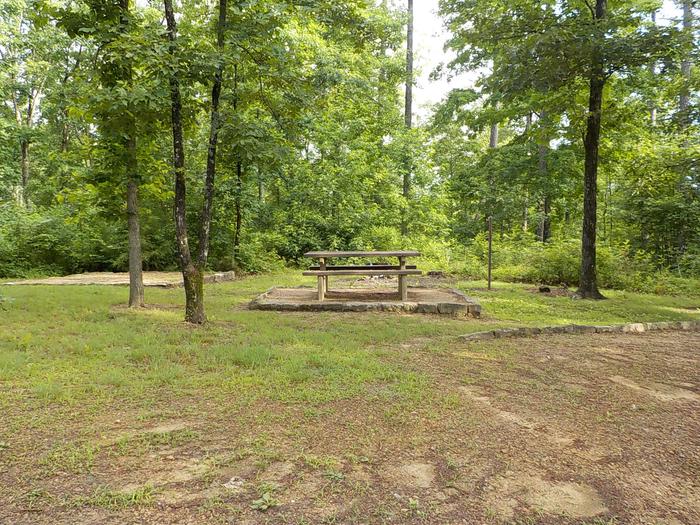
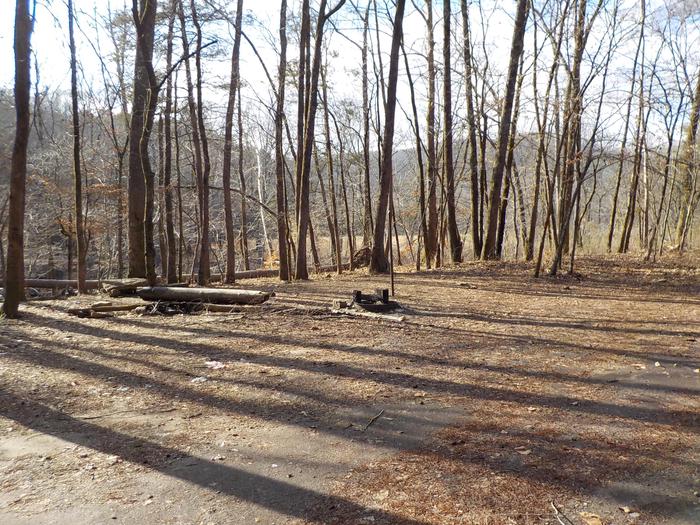
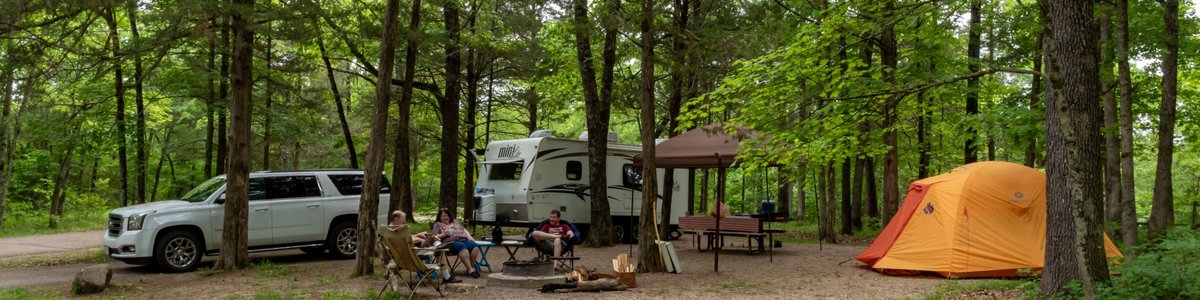
Wolf Junction sits in Mark Twain National Forest near Ava, Missouri, at 1,414 feet elevation. This dispersed camping area has two primitive sites and welcomes tents and groups. No fee information is listed. The area requires campers to pack in water and pack out all waste.
Wolf Junction primarily supports dispersed camping, emphasizing a primitive experience with no standard campsite facilities. There is a clear delineation between dispersed camping at Willie Lee and day-use-only activities at Wolf Junction.
Historical Significance
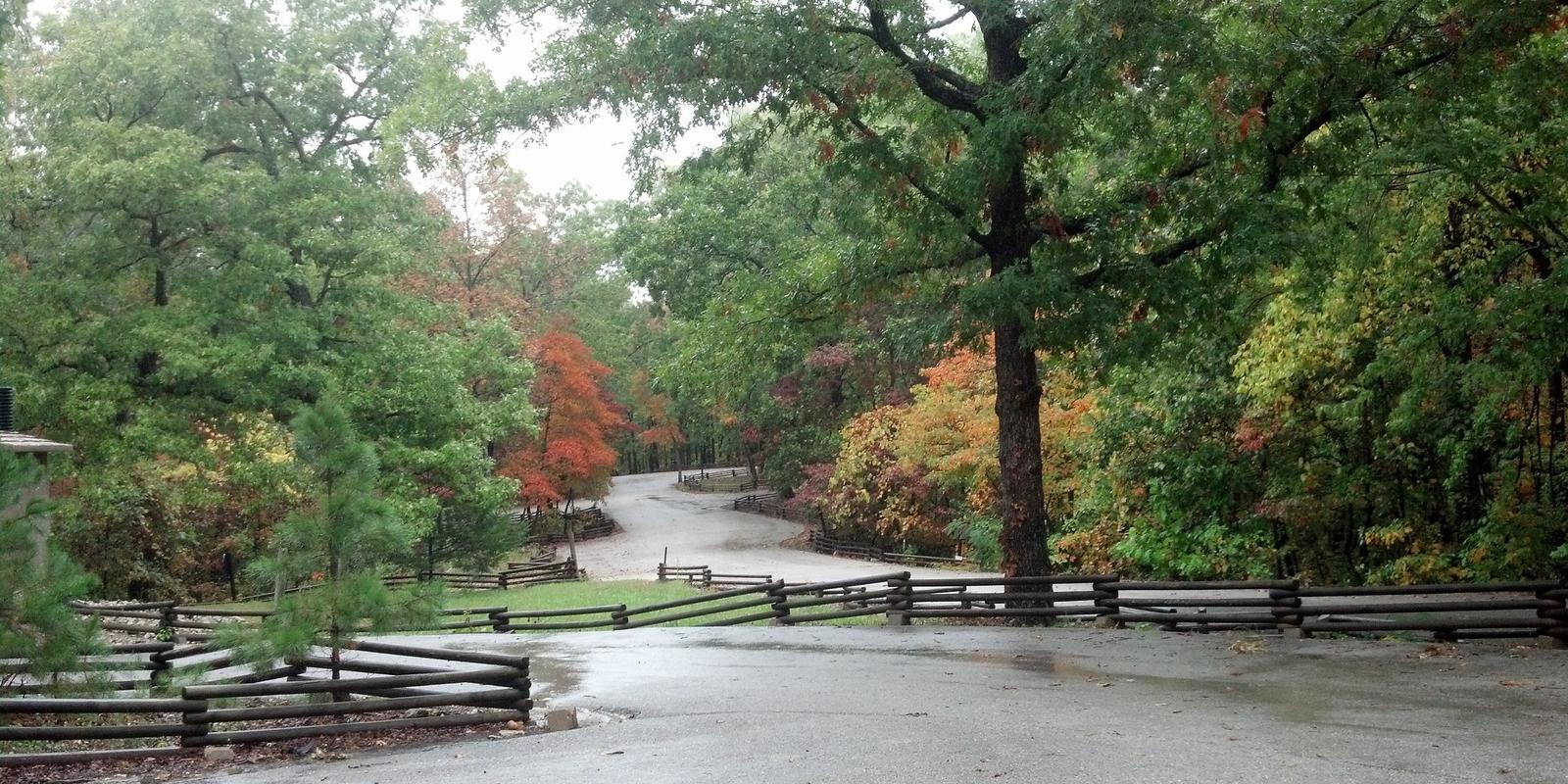
J.W. Findley, a local historian and preacher, walked these paths in the 1930s and wrote about the Ozarks' beauty. His words contributed to efforts that eventually preserved the land. The Forest Service acquired the area through the Weeks Act and designated it for non-motorized trail use in 2007.Weather and SeasonsFall brings the best conditions, particularly October. Daytime highs run mid-50s to low-70s°F (12–22°C), with nights dropping to the 30s and 40s°F (0–8°C). Oak and hickory color peaks in October. Mosquitoes and ticks decline. Weekend traffic picks up from hikers and leaf-peepers, but dispersed sites stay quieter than developed campgrounds. Deer hunting season overlaps with fall. Check dates before you go. Winter offers solitude and crisp air. Summer gets warm and humid.
ElevationThe rolling topography creates natural vantage points and hidden hollows throughout the camping area, though specific elevation details await your personal discovery.
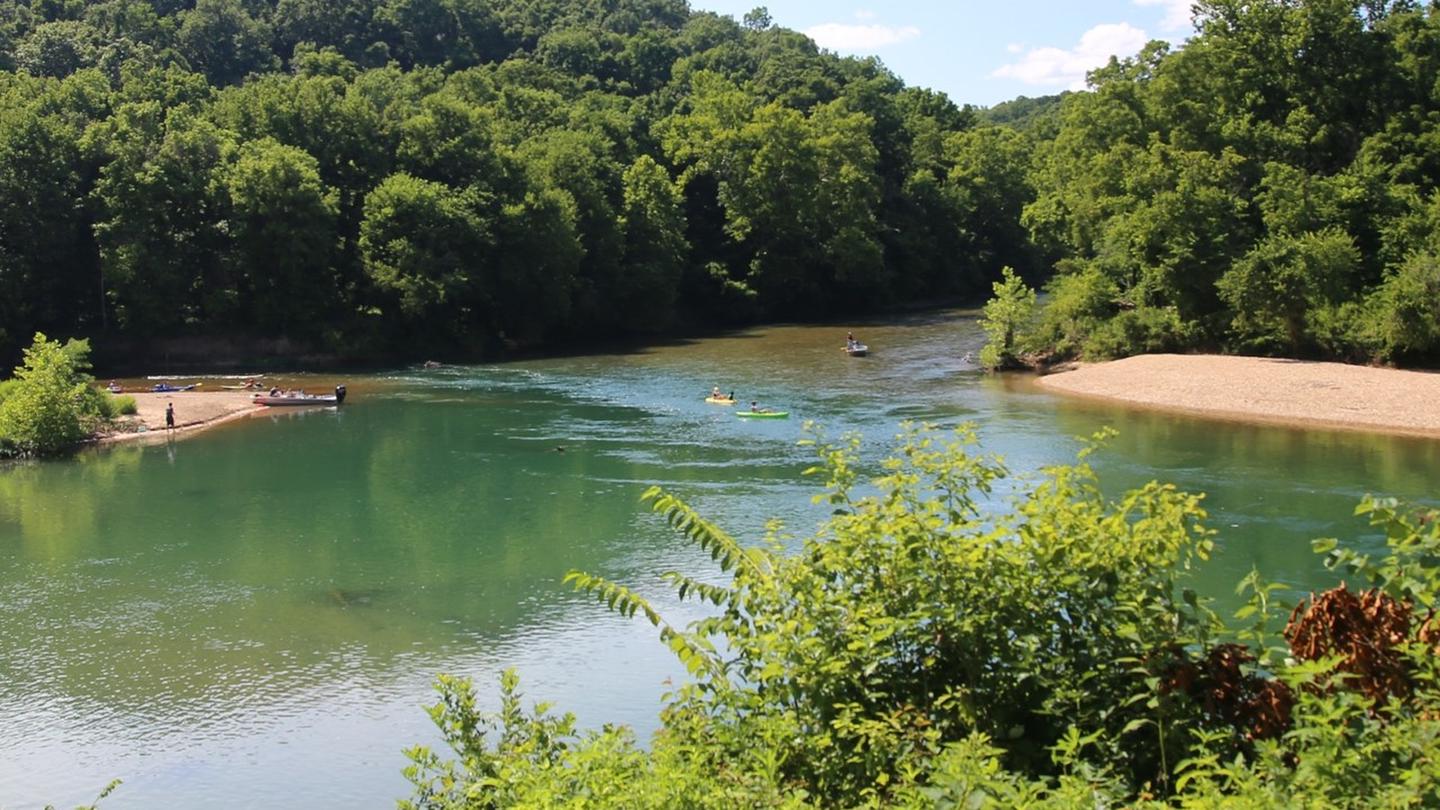
Natural Features and SceneryThe Missouri Ozarks here show millions of years of geology in action. Limestone glades interrupt rolling hills, and weathered rock outcrops surface between pockets of tall grass prairie. The terrain rises and falls in moderate waves, creating valleys and ridgelines. These prairie remnants preserve what once stretched across the continent. Oak and hickory dominate the tree cover.
Geological RegionWolf Junction rests in the heart of the Missouri Ozarks, where millions of years of geological artistry have sculpted a landscape of remarkable diversity. Limestone glades punctuate the gently rolling hills like natural amphitheaters, while weathered rock outcrops tell ancient stories written in stone. The terrain rises and falls in moderate waves, creating intimate valleys and scenic ridgelines. Between the rocky bones of the earth, tall grass prairies sway in the breeze, remnants of a vast ecosystem that once stretched across the continent, now preserved in these precious pockets of wilderness.
Scenic ViewsScenic views of the Ozarks are abundant, particularly along the Glade Top National Scenic Byway.
Lodging & AccommodationsLodging options such as cabins or hotel-style accommodations are not mentioned in the materials, suggesting they are unavailable.
Programs & ActivitiesThe site has historical significance, with ties to J.W. Findley, a noted local historian and author. Visitors can explore historical aspects such as old homestead foundations and a historic cellar. Educational connections are enriched through links to organizations like the White River Historical Society.
 0
0