Go if
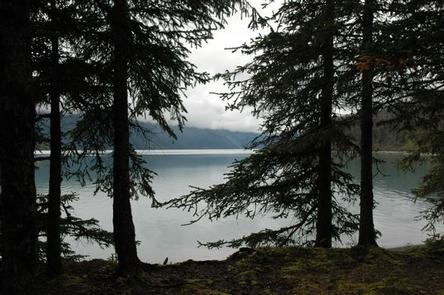
You want affordable, spacious sites near the Delta Wild and Scenic River with good hiking access during summer.
 4.1120 reviews
Price
$20/night
Booking
Reservable
Sites
22 campsites
Season
Campground opening a...
Cell
No Service
Pets
Check Policy
Elevation by Open-Meteo.com, licensed under CC BY 4.0, processed by Outdoorithm.
Price
$20/night
Booking
Reservable
Sites
22 campsites
Season
Campground opening a...
Cell
No Service
Pets
Check Policy
Elevation by Open-Meteo.com, licensed under CC BY 4.0, processed by Outdoorithm.
We'll monitor this campground and alert you the moment sites become available.
Free to start · Premium adds 2-min scans
263,000+ sites monitored · Email alerts to start; SMS and in-app with an account
Learn more about alerts →Brushkana Creek Campground
PO Box 147, Glennallen, AK, 99588
We'll monitor this campground and alert you the moment sites become available.
Free to start · Premium adds 2-min scans
263,000+ sites monitored · Email alerts to start; SMS and in-app with an account
Learn more about alerts →You want affordable, spacious sites near the Delta Wild and Scenic River with good hiking access during summer.
You need cell service, want to avoid heavy mosquitoes, or plan to camp outside peak summer months.
Context for the broader area surrounding Brushkana Creek Campground , sourced from the federal Recreation.gov rec-area record.
<p>The Delta River watershed is in the Alaska Range in Southcentral Alaska and provides year-round recreational opportunities within its 150,000 acres of land, 160 miles of streams, and 21 lakes. The Tangle River connects several of the Tangle Lakes and then drains into the Delta River, which joins the Tanana River, before flowing into the mighty Yukon River.</p> <p><span>Season and Climate </span></p> <p>River-running season generally begins in early to mid-June, depending on ice breakup and precipitation. Average annual precipitation measured at Paxson is 11 inches of rain and 120 inches of snow. July is commonly the wettest month. During the summer, temperatures range from 35 °F to 70 °F, with occasional highs in the 80s. By mid-September the shorter daylight and colder temperatures bring the river recreation season to an end.</p> <p><span>History and Prehistory </span></p> <p>Native people may have lived in this area as long ago as the end of the last ice age (about 10,000 years ago). Approximately 226,660 acres in the Tangle Lakes area are designated as the Tangle Lakes Archaeological District. This area has hundreds of archaeological sites that are listed on the National Register of Historic Places.</p> <p><span>NOTE: Collection or disturbance of any historic or prehistoric remains is against the law. </span></p> <p><span>Vegetation </span></p> <p>Vegetation ranges from arctic tundra to spruce-poplar forests. Grasses, sedges and forbs grow on the highest, most exposed slopes and above the brush line. Willows grow on moist lowland sites and in the many brushy draws draining the side slopes.</p> <p>Dwarf birch occupies drier sites with well-drained soils. Alder grows on steep slopes of hillsides and canyon walls. Forests of white and black spruce grow in small pockets along the river, and on some hillsides below an elevation of 3,200 feet. You will find open spruce-poplar forests on lowland sites along the river and on some mid-slope hillsides.</p> <p>Understory plants are varied and abundant. Fireweed, bistort, rose, mountain avens, burnet, and shrubby cinquefoil are just some of the many plants in the area. In August, many people travel to Tangle Lakes to pick blueberries. Other harvestable berries in the Delta River area include crowberry, alpine bearberry, cranberry and red currant.</p> <p><span>Wildlife </span></p> <p>Wildlife provides opportunities for hunting, trapping, photography and viewing. Hunters seek moose, caribou, bear, Dall sheep, ptarmigan, waterfowl and snowshoe hare. Trappers harvest beaver, fox, wolf, marten, lynx, wolverine, otter, muskrat and mink.</p> <p>Of the 110 species of birds identified in this area, most are summer residents (May to September). Nesting bald eagles can be observed from Tangle Lakes to the lower Delta River during the summers.</p> <p>Wildlife viewing is best in the early morning.</p> <p><span>Fish </span></p> <p>Tangle Lakes and the Delta River contain grayling, round whitefish, lake trout, burbot and longnose suckers. Most fishing is for grayling, but good lake trout fishing is available in late winter and early spring.</p> <p>Salmon are not found in the Delta River due to the 15-foot-high falls and the heavy silt load entering from Eureka Creek.</p> <p>You can purchase an Alaska fishing license and view sport fishing regulations online at the <a href="http://www.adfg.state.ak.us" rel="nofollow"> Alaska Department of Fish and Game </a> website or buy in person from license agents throughout the state, including stores in Glennallen, Delta Junction and Tok.</p>
<p>Lower Tangle Lakes and Upper Delta River trip: Put-in is at Tangle Lakes Campground (MP 21 Denali Highway) and take out is north of Phelan Creek (MP 212 Righardson Highway). If continuing on to Lower Delta River past MP 212 of the Richardson highway there is no designated take-out point but the Richardson Highway parallels the river in many places.</p>
<p>No fee for Delta Wild and Scenic River use. Camping at Tangle Lakes Campground is $15 per night drive in, and $6 per night walk in. </p>
Brushkana Creek Campground appears in our curated guides. Explore more top-rated campgrounds for the same activities and regions.

Availability, what to pack, similar spots — ask anything and get an instant answer.
Best season: summer. Summer offers the warmest, most accessible conditions (daytime highs typically 50–70°F / 10–21°C, nights often 30–45°F / -1–7°C) with long daylight (up to ~18–20 hours around solstice) for extended hiking, fishing, and wildlife viewing. Trails and the Denali Highway gravel road are usually clear, Brushkana Creek runs high and fishable, and the 22 sites with bear‑proof storage and potable water are fully usable. Expect mosquitoes at peak season — bring a head net and repellent — and moderate but Peak months: July, June, August Avoid: October, November, December, January
Best season: campground open for summer, long daylight, hiking and fishing peak.
Weather data by Open-Meteo.com, licensed under CC BY 4.0, processed by Outdoorithm.
Reservation tips, booking windows, and free cancellation alerts.
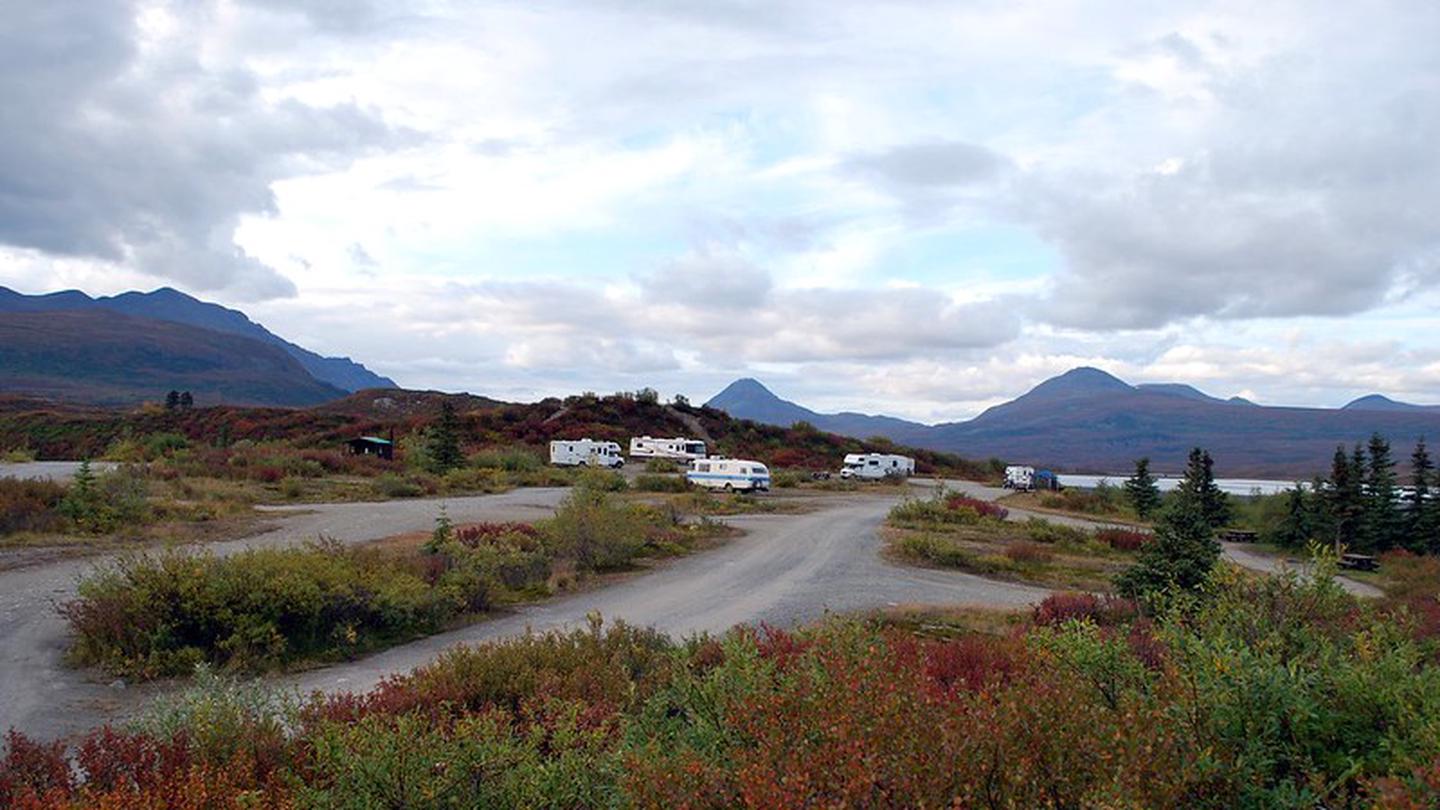
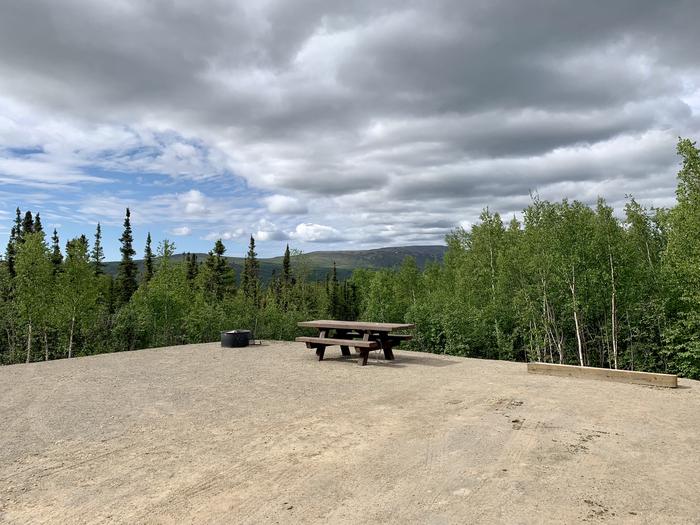
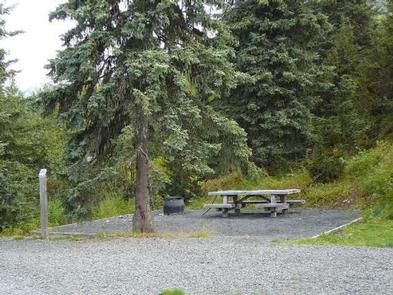
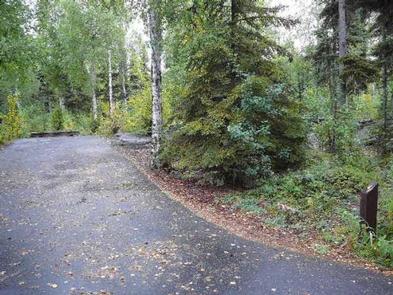
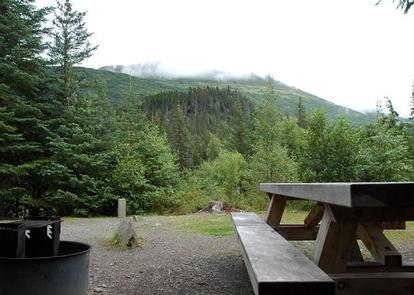
Brushkana Creek Campground offers a variety of amenities that cater to both basic and recreational needs. The site features fire rings and picnic tables at all 22 campsites, three double vaulted accessible toilets, bear-proof trash receptacles, food lockers, potable water via a hand pump, a picnic area with a shelter, and interpretive panels. These facilities are designed to enhance the camping experience while ensuring safety from wildlife. The campground is accessible from May to September (weather permitting) and is closed during winter. Notably, it is one of only two developed campgrounds along the 135-mile Denali Highway, making it an essential stop for travelers.
Researching this campground? Ask anything — other campers and our team will weigh in. No visit required.
Short heads-ups about the road in, gear quirks, and timing, compiled by Outdoorithm from public reviews and operator information.
Rate Brushkana Creek Campground
Been here? Tap a star to start. Takes about a minute.
Sign-in required only if you want your name on it.

Be the first to review this campground
Every adventure creates another. Share what you learned so the next camper feels a little more prepared heading out.