Camping in the Rain: How to Stay Dry and Actually Enjoy It

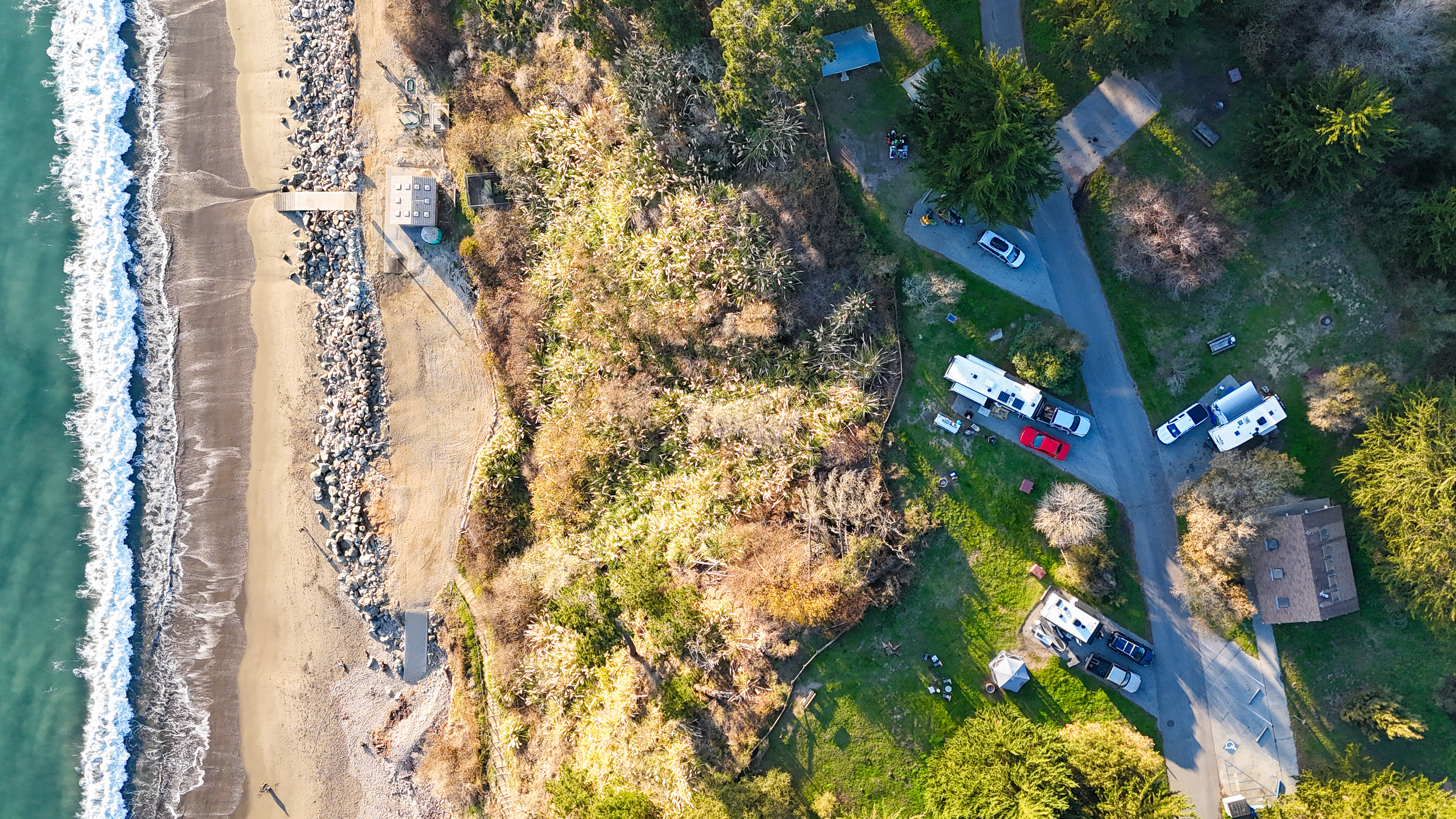
The forecast for Gualala Point said rain all weekend. Not a chance of rain. A certainty. An atmospheric river parked over the Sonoma coast, the kind of system that turns creeks into rivers and dirt roads into mud. We loaded the car anyway.
We arrived at 10 PM. A raccoon immediately stole the mac and cheese out of the car. It rained Friday night straight through Saturday, sometimes heavy, sometimes a drizzle. It stopped long enough for us to hike to the ocean. Sat under our tarp and played cards. Cooked dinner under the tarp. Never once considered leaving.
Sunday morning the rain stopped. The Gualala River was running high, the redwoods were dripping, and the campground had that particular stillness that only happens when weather clears after a storm. It was one of our best trips.
Rain doesn't ruin camping. Being unprepared for rain ruins camping. Here's everything we've learned from camping through atmospheric rivers, freak mountain storms, and desert downpours over 395 nights outdoors.
The Tarp Changes Everything
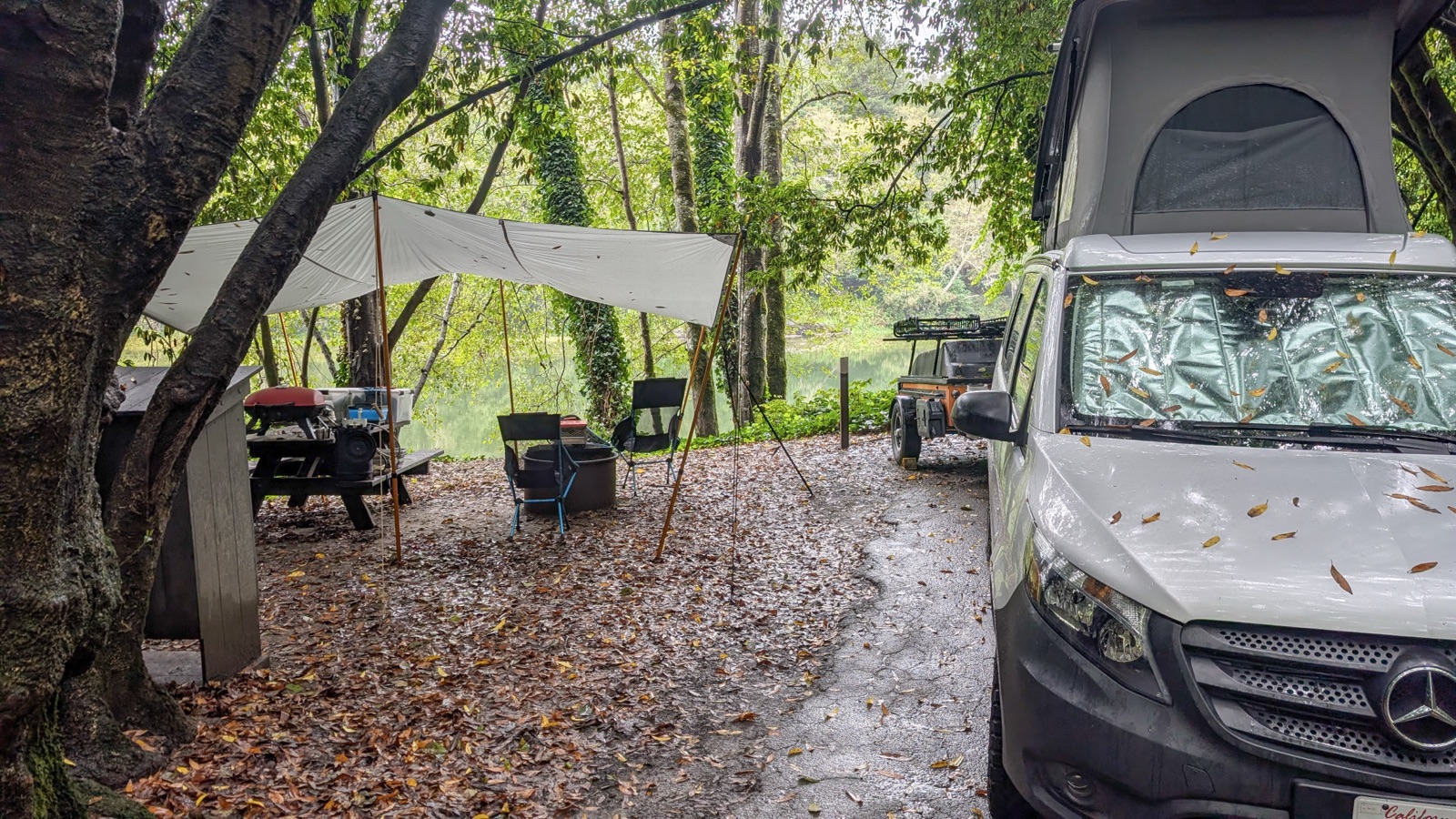
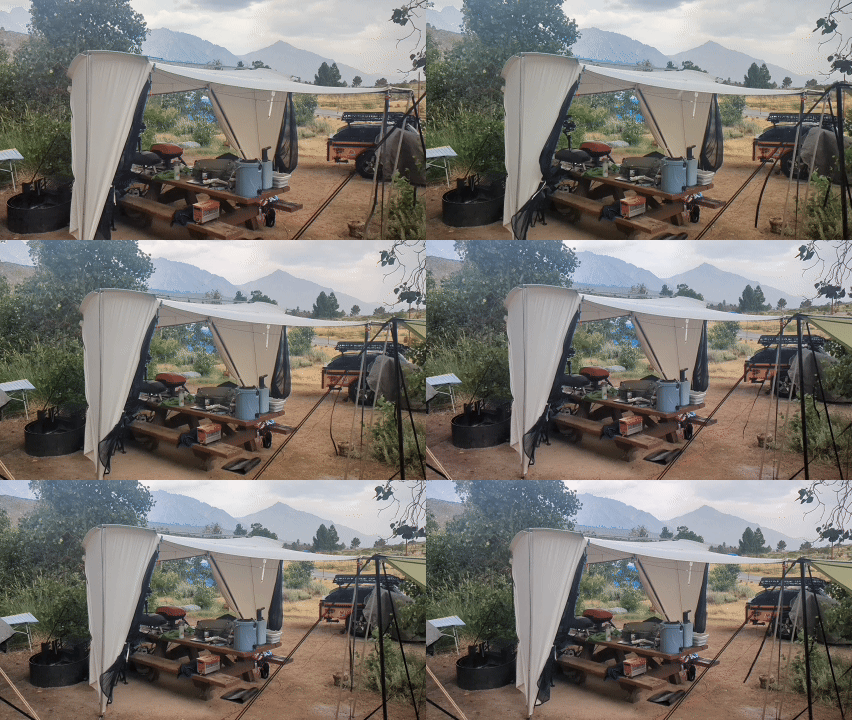
A tarp is our preferred way to camp in rain. We use the AquaQuest Safari with adjustable poles. It covers our entire living area, we pitch the tent underneath it, and the whole setup keeps a low footprint at the car. It takes some practice to get right (we'll post a setup guide soon), but once you've done it a few times, it's the single piece of gear that makes rain camping feel like no big deal.
Our early shelters were too flimsy. Pop-up canopies that blew over in the first real wind. We learned the hard way that lightweight doesn't mean useful when a coastal gust catches a flat roof like a sail. Tarps changed our rain camping completely. They're lighter than canopies, cover more area, and handle wind because they're staked and guyed out instead of standing on legs.
The Alice Eastwood Technique
We perfected this at Alice Eastwood Group Camp near Muir Woods one February. Set up the tarps first. Then build your tents underneath the tarps. When it's time to leave, break down the tents under the tarp — tents stay dry, sleeping bags stay dry, everything gets packed dry. Only the tarps get wet, and tarps don't care.
The setup takes two people. I hold the center pole while Justin stakes out the guy lines. Two per middle pole, one per edge pole. Get the tension right and a tarp will hold through anything. Get it wrong and you wake up at 3 AM with a puddle of rainwater sagging into your kitchen.
Rain Stories from the Field
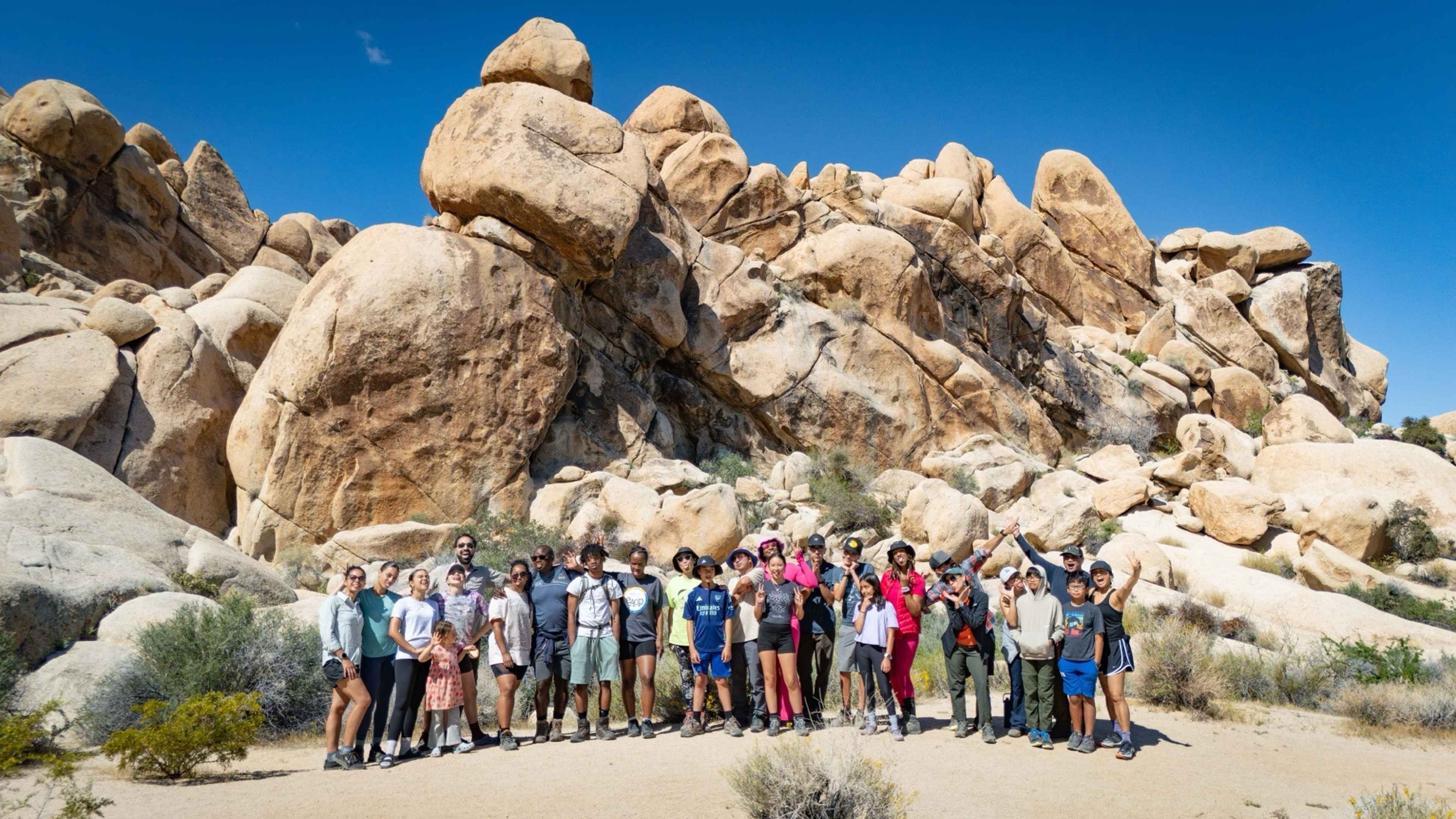
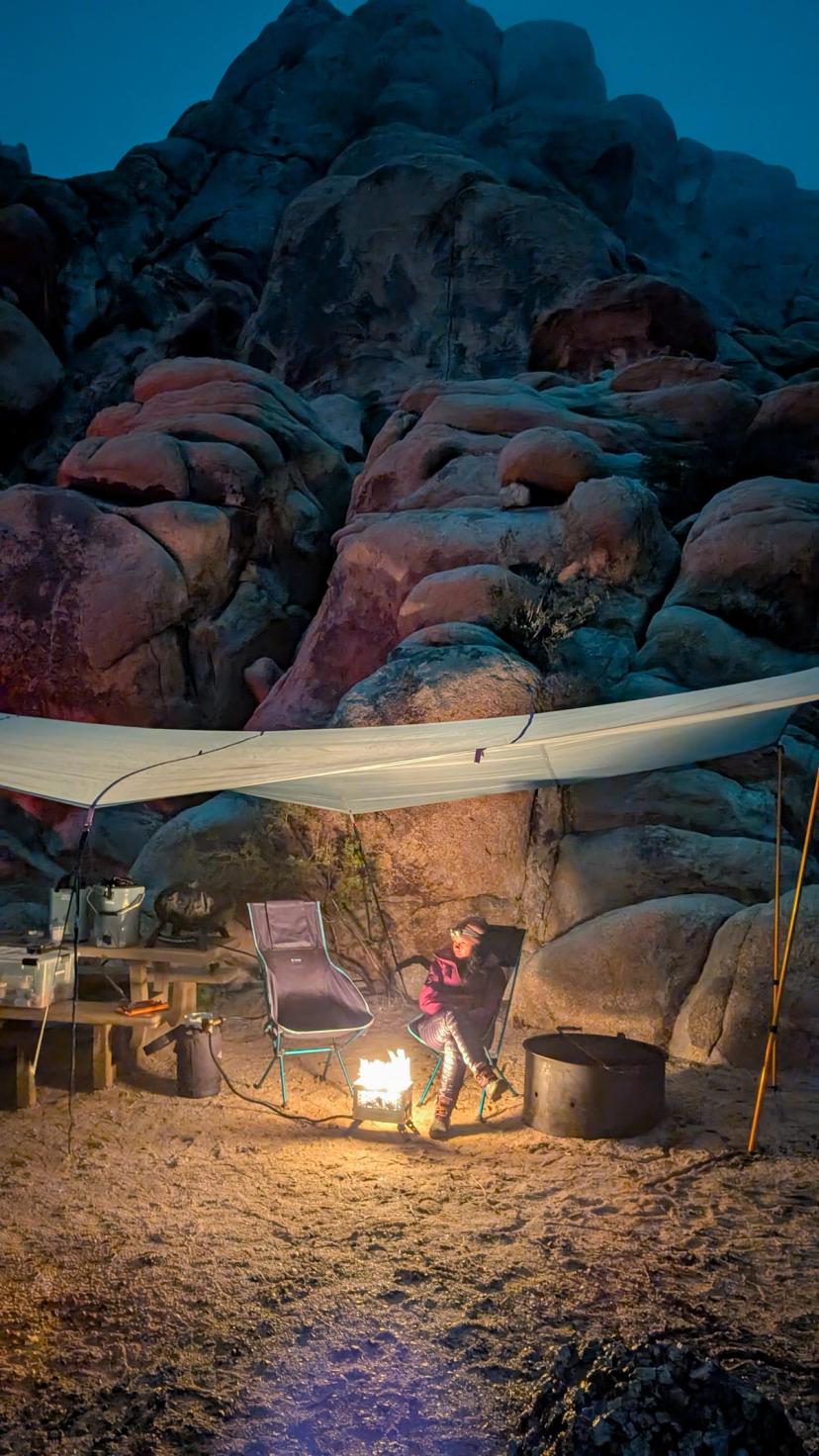
Joshua Tree, New Year's Eve. We drove from Oakland to Joshua Tree in pouring rain. Huge puddles on the park roads. Set up the tarp at 10 PM in the dark, in the rain. I held the pole while Justin staked. Woke up the next morning and everything under the tarp was bone dry. We built a fire under cover and spent New Year's Day in the desert with rain pattering on the tarp overhead. Quite peaceful.
Gerle Creek, Labor Day. A freak rainstorm hit Gerle Creek in El Dorado National Forest, bone-dry country that doesn't expect rain in September. We skipped Friday night when the forecast turned. Arrived Saturday to find rivers of water running through campsites. The parents camped in the van while the girls played cards. Tarps over every tent. We made it work, but the lesson was clear: pay attention to where water flows through a campsite before you pitch.
Yosemite, thunderstorm. This one we bailed on. A legitimate thunderstorm rolled through Lower Pines and our small backpacking tents felt inadequate. We packed up a day early and drove past a duck-tour truck full of tourists in plastic ponchos looking miserable. Sometimes leaving early is the right call. Knowing when to stay and when to go is its own kind of camping skill.
How to Stay Dry Camping in the Rain
Tension your rain fly. A loose rain fly is a wet tent. The fly needs to be taut with a visible air gap between the fly and the inner tent wall. If the fly sags and touches the inner tent, water transfers straight through by contact. This is the number one mistake people make in rain.
Orient your door away from wind. Check which direction the weather is coming from. Put your tent door on the opposite side. Simple, but it makes a massive difference in how much rain blows into your entry.
Never camp in a low spot. Water collects there. Look at the ground before you pitch — are there channels where water has run before? Leaves or debris pushed into lines? That's a drainage path, and in rain, it becomes a stream running through your tent. Read our campsite selection guide for more on choosing the right spot.
Keep your sleeping bag in a dry bag. Priority one is keeping your sleep system dry. Everything else can get wet and you'll survive the trip. A wet sleeping bag at 2 AM means you're going home. Stuff it in a dry bag or heavy-duty trash bag until you're ready to unroll it inside a dry tent.
Skip the cotton. Cotton absorbs water, holds it, and takes forever to dry. In cold rain, wet cotton pulls heat from your body fast. Wear synthetic or merino layers, bring rain jackets and rain pants, and put the kids in rain boots. Let them splash. Once you accept that they're going to get wet, rain becomes an activity instead of a problem.
Pack up wet, dry everything at home. If it's still raining when you leave, pack everything wet and deal with it when you get home. But deal with it immediately — spread out the tent, hang the tarps, air out the sleeping bags. Mold sets in within days on stored wet gear, and a moldy tent is a ruined tent.
What to Do When It's Raining
Rain doesn't mean sitting in your tent staring at the ceiling. Hike in rain gear. Trails are empty and the forest smells incredible when it's wet. Keep a fire going in the ring if there's no burn ban, and set up your tarp nearby for a dry hangout with a deck of cards. Cook something that takes a while. At Gerle Creek we spent a full afternoon playing cards under the tarp while the storm hammered outside. The kids still talk about it.
The hardest part is mental. Most people hear "rain" and cancel. That instinct is worth fighting. Our mantra is Leave Anyway. Get in the car, drive to the campground, set up camp. The trip almost always turns out better than the forecast suggested. Some of our most memorable camping weekends have been in rain.
Rain Is an Opportunity
Here's something most campers don't realize: weather forecasts create cancellations. When the forecast locks in about a week out and shows rain, tent campers start canceling their reservations. RV and van campers hold, but tent sites open up. Sometimes at campgrounds that are normally impossible to book.
Wildfire smoke works the same way. Any time conditions look uncomfortable, people bail. If you have the gear and the mindset to handle weather, you can score sites at places like Kirk Creek and Pfeiffer Big Sur that normally book out in seconds. Set up cancellation alerts and watch for openings when weather turns.
Planning where to go next? Camp Sage knows every campground we track. Ask it anything, from drive times to which loops have shade.
Ask Camp SageRain Gear Worth Having
Your rain camping kit doesn't need to be complicated. A large tarp with adjustable poles and good stakes covers the big stuff. Add a ground tarp under your tent (cut slightly smaller than your tent's footprint so it doesn't funnel rain underneath). Rain jackets and rain pants for everyone. Boots for the kids. A few dry bags for sleeping gear. That's the whole system.
The Rain Camping Checklist
- Tarp with adjustable poles and solid stakes, big enough to cover your whole living area.
- Ground tarp or footprint, cut slightly smaller than your tent so it doesn't funnel rain underneath.
- Rain jackets and rain pants for everyone in the group.
- Rain boots for the kids, so puddles turn into an activity instead of a problem.
- Dry bags (or heavy-duty trash bags) for sleeping bags and spare layers.
- Synthetic or merino base layers. Never cotton.
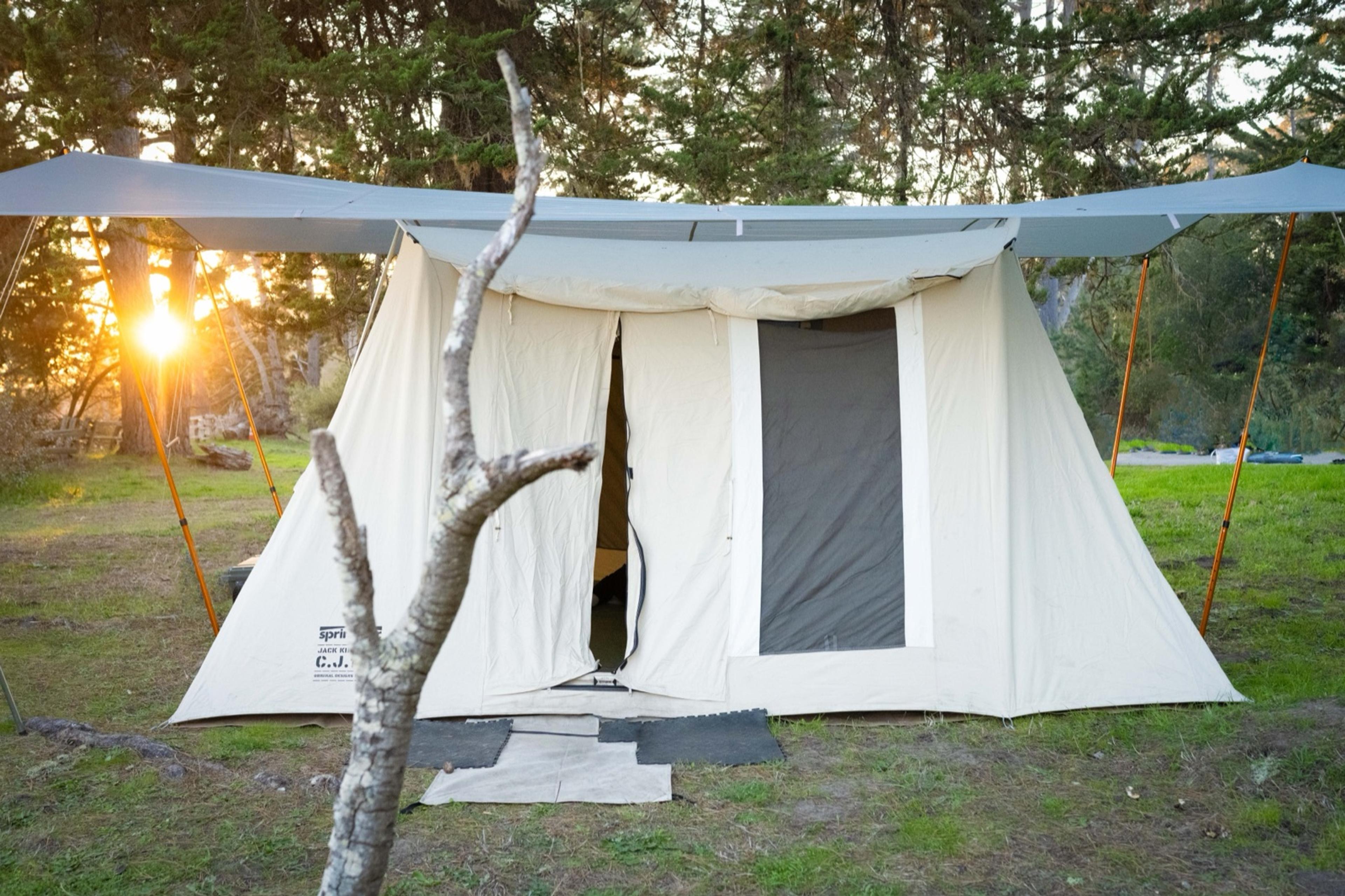
For tents, canvas tents handle rain better than nylon because the fabric breathes — less condensation buildup inside, which means you're not getting dripped on from your own tent walls. But any quality tent with a properly tensioned rain fly will keep you dry. The tent matters less than the setup. Check our car camping guide for more on choosing the right tent for your style. And when the rain comes with real cold, our tent heater guide covers the heaters we actually run.
When to Bail
We believe in leaving anyway. We also believe in knowing your limits. A sustained thunderstorm in small backpacking tents with kids? That's a bail situation, and we've done it. Yosemite taught us that. Flash flood warnings, lightning in exposed terrain, or genuinely dangerous conditions aren't "camping in the rain." They're emergencies. Camp As It Comes means adapting, not being reckless.
But steady rain with good gear? A drizzly weekend at a coastal campground? A spring storm that clears by afternoon? Stay. You'll be glad you did.
That Sunday at Gualala, after the rain stopped and the river was running high and the redwoods were dripping, the girls found a banana slug the size of a hot dog. They named it Gerald. Nobody would have met Gerald if we'd stayed home. Load the car anyway.
Frequently Asked Questions
Can you actually enjoy camping in the rain?
Yes, and some of our best trips have been wet ones. Rain doesn't ruin camping. Being unprepared for rain ruins camping. With a tarp over your living area, a dry sleep system, and the right layers, a rainy weekend turns into empty trails, dramatic scenery, and cards under cover.
Tarp or pop-up canopy for camping in the rain?
A tarp, every time. Our early pop-up canopies blew over in the first real coastal gust because a flat roof catches wind like a sail. A tarp is lighter, covers more area, and holds up because it's staked and guyed out instead of standing on legs. Pitch the tent underneath it and the whole setup stays dry.
How do you keep a tent from leaking in heavy rain?
Tension the rain fly so it's taut with a visible air gap between the fly and the inner tent wall. If the fly sags and touches the inner wall, water wicks straight through by contact. A loose rain fly is the number one mistake people make in rain. Then orient the door away from the wind and never pitch in a low spot where water collects.
How do you keep sleeping bags dry when it's raining?
Treat your sleep system as priority one. Stuff each sleeping bag in a dry bag or heavy-duty trash bag and don't unroll it until you're inside a dry tent. Everything else can get wet and you'll survive the trip. A wet sleeping bag at 2 AM means you're going home.
Should you cancel a camping trip if rain is in the forecast?
Usually not. Our mantra is Leave Anyway: get in the car, drive to the campground, set up camp. The trip almost always turns out better than the forecast suggested. There's a bonus, too. When rain locks into the forecast a week out, tent campers cancel, so hard-to-book sites open up for anyone with the gear to handle weather.
When should you not camp in the rain?
When it stops being rain and becomes danger. A sustained thunderstorm in small backpacking tents, flash flood warnings, or lightning in exposed terrain are bail situations, not camping in the rain. We've packed up and left Yosemite a day early for exactly this. Steady rain with good gear is fine. Genuinely dangerous conditions are not.

Want a personalized version of this guide?
Camp Sage tailors recommendations to your dates, group, and gear — free.
Join our newsletter to get more resources and tips to help your family camp with confidence!