An Outdoorithm Study · Great Plains & Prairies
Texas Prairies
If you're nearbyA few spots worth it mainly if you're local and want a new scene. · #55 of 65 regions · 14,021 reviews across 58 campgrounds.
Camping the Texas Prairies is a quiet, lake-centered experience built around small state parks where fishing, kayaking, and easy trails matter more than dramatic landscapes. The region grades a C- overall, and the headline trade-off is consistency: friendly rangers and peaceful sites are common, but cleanliness, facilities, and rigid rules drag the typical campground down.
The best campgrounds here
Ranked by camper sentiment across every topic. Tap a pin or photo to open a campground.
- 1Cooper Lake State Park Doctors Creek
- 2Lake Bastrop North Shore Park
- 3Lake Bastrop South Shore Park
- 4Fort Parker State Park
- 5Cooper Lake State Park South Sulphur
- 6Fort Boggy State Park
- 7Bonham State Park
- 8Purtis Creek State Park
- 9Falcon State Park
- 10Rocky Creek (Somerville Lake)
- 11Choke Canyon State Park
- 12Goliad State Park
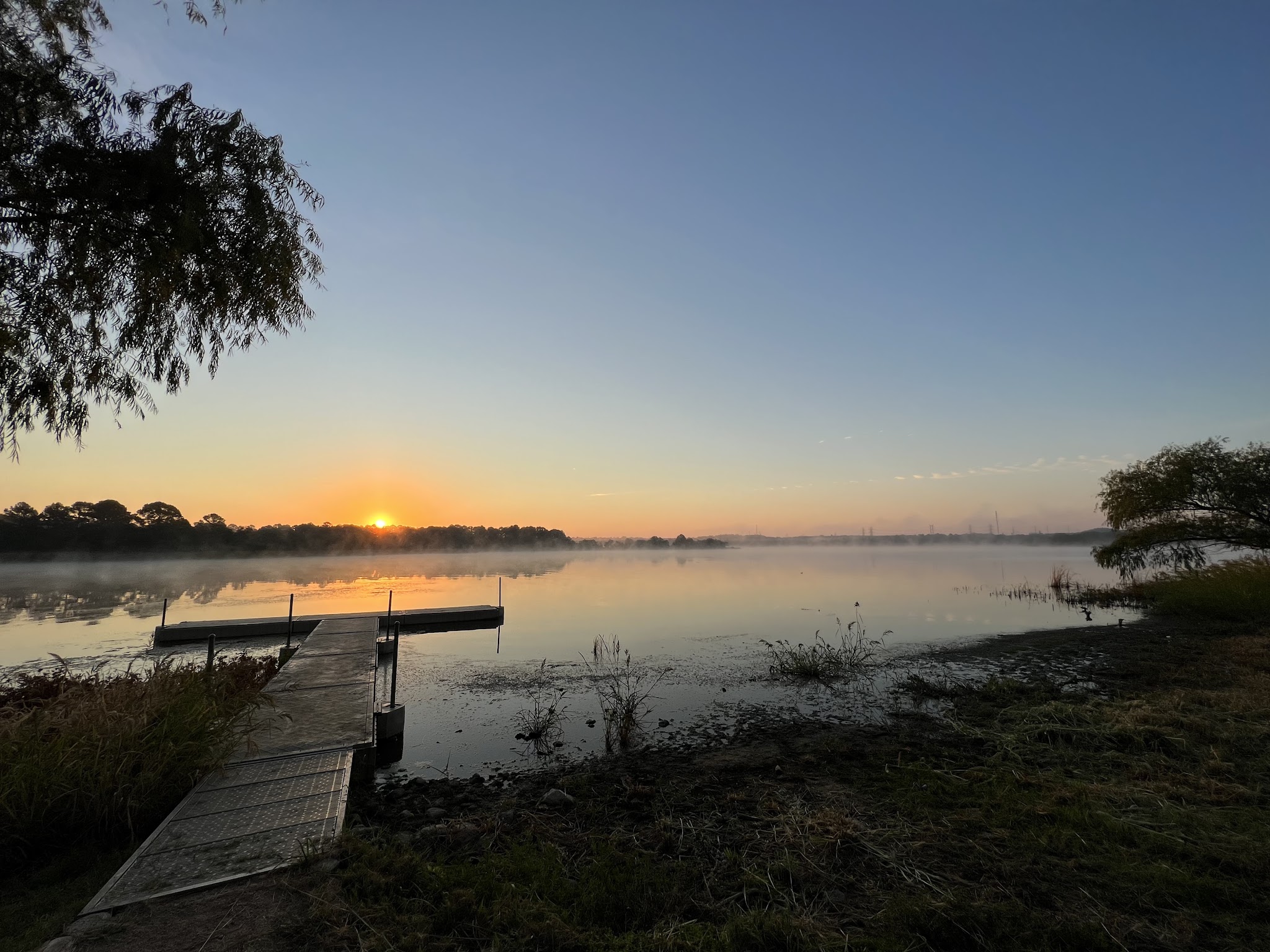
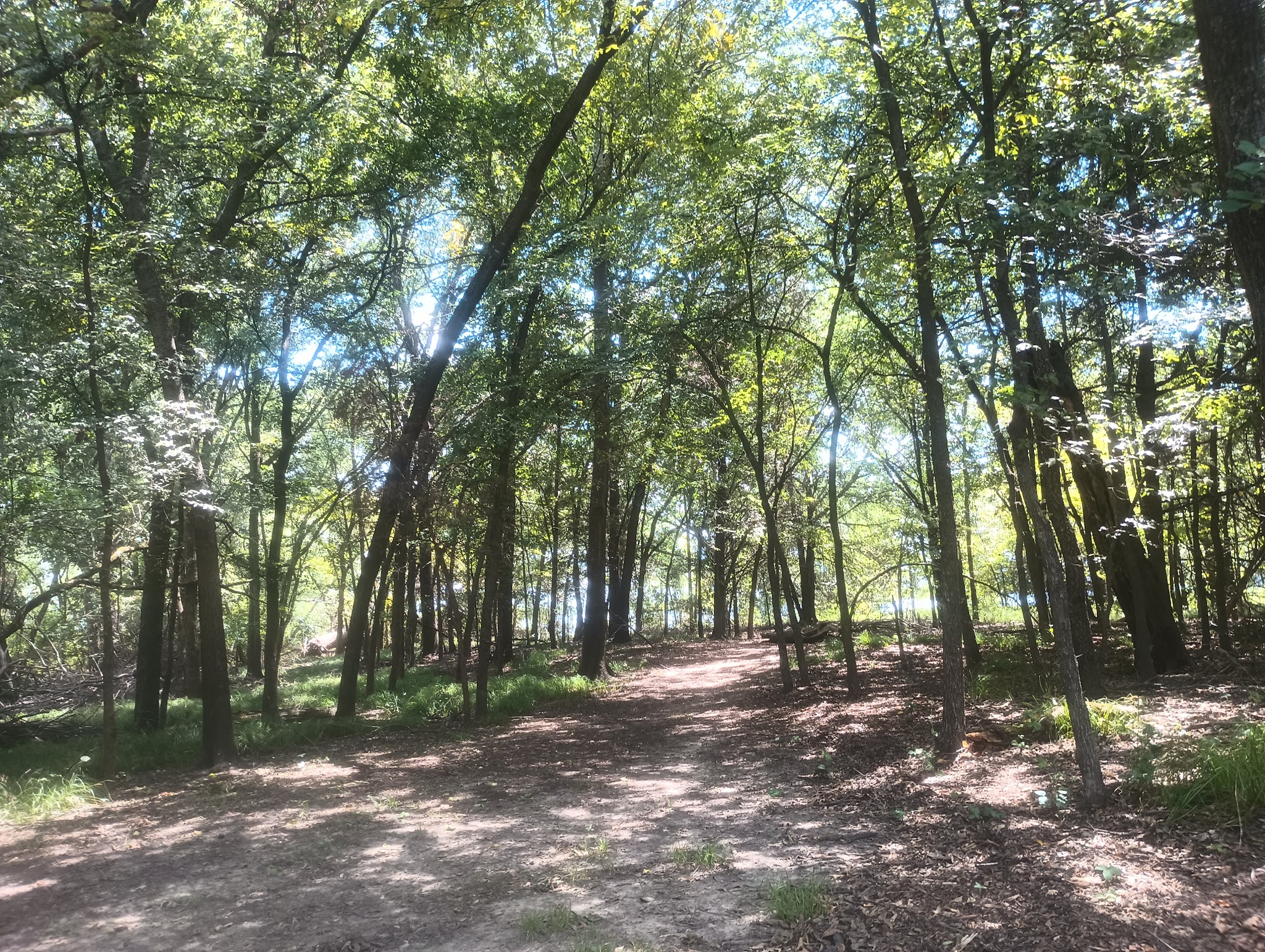 Worth the tripWorth the trip
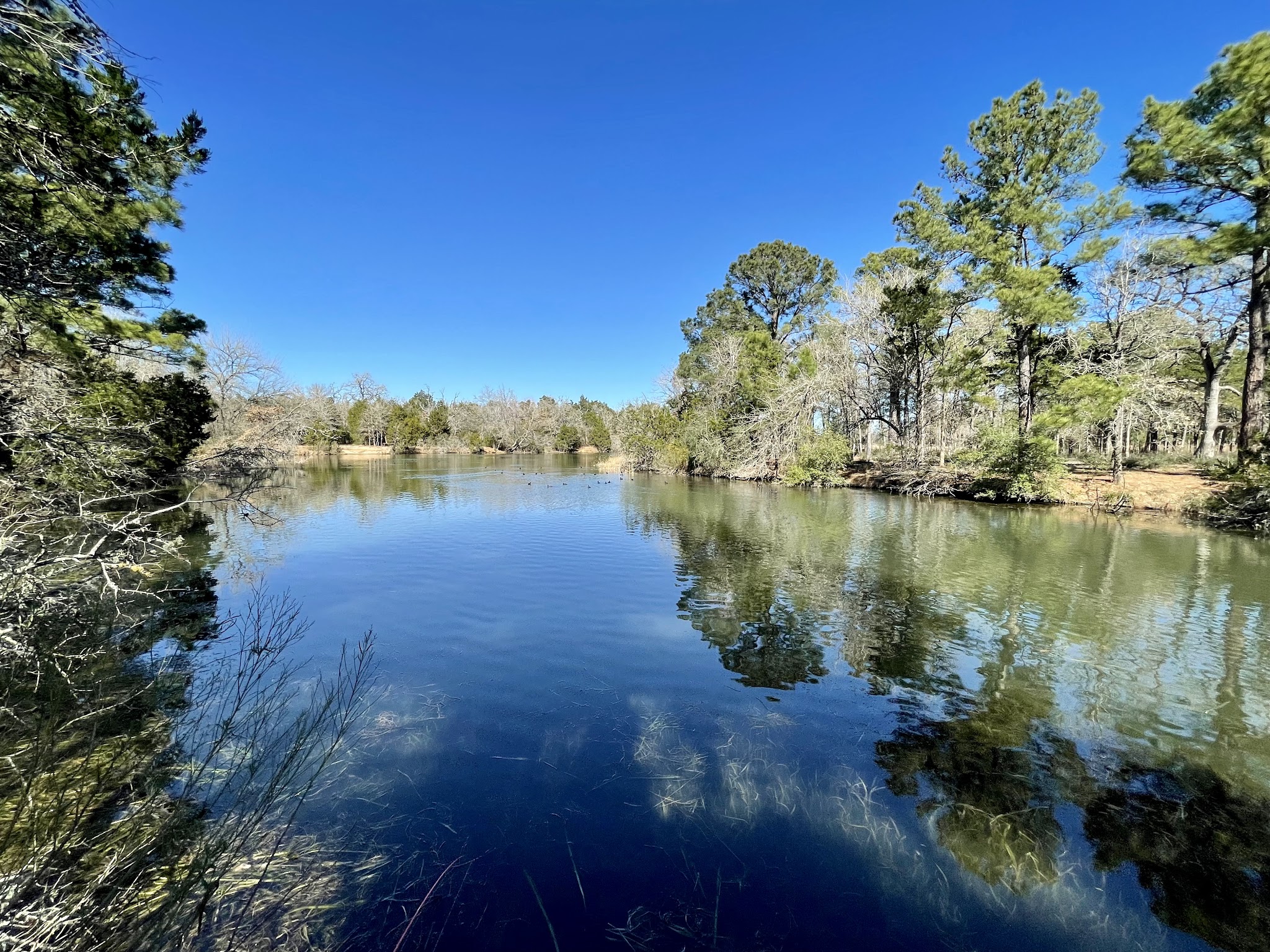 Worth the trip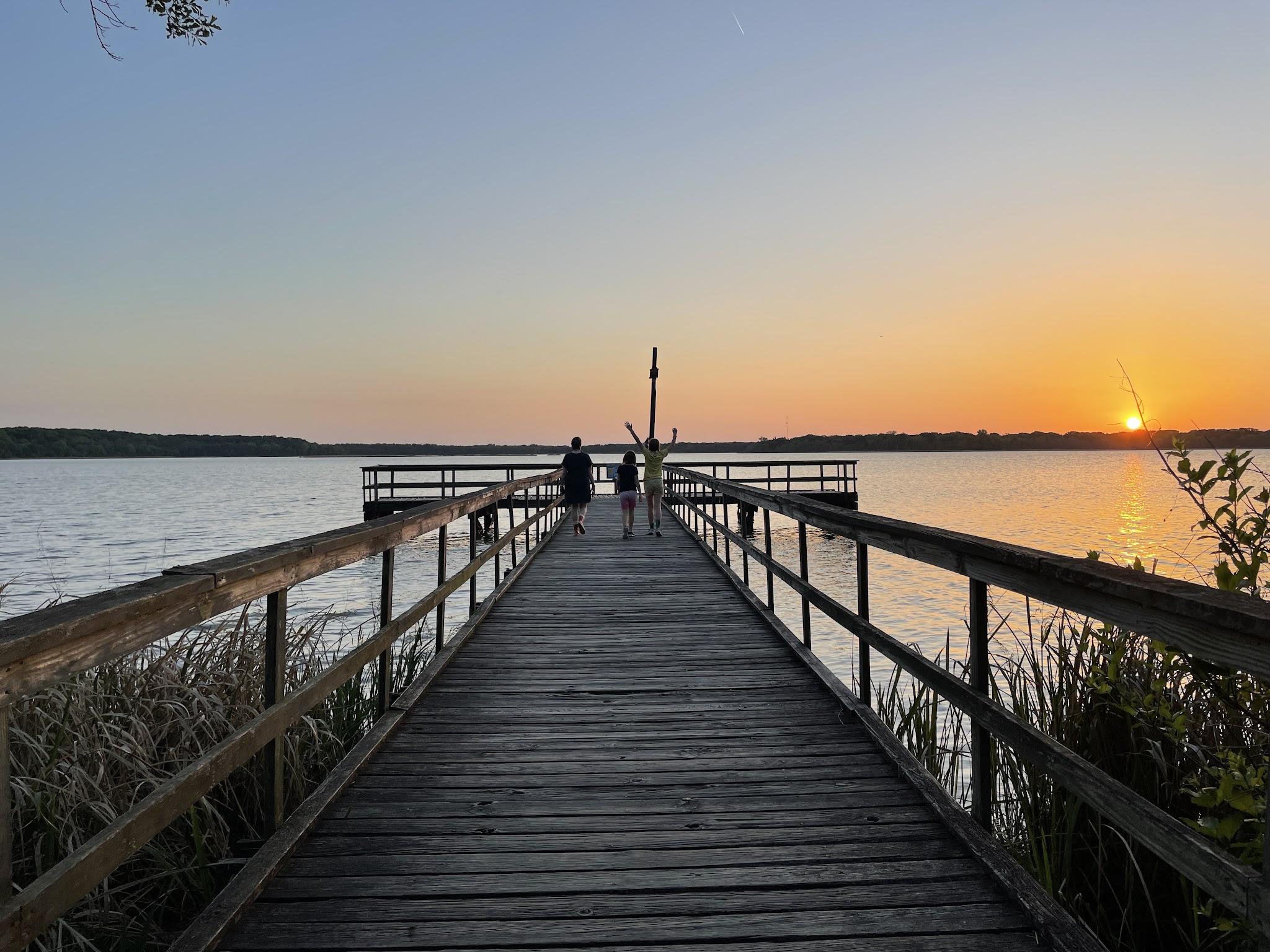
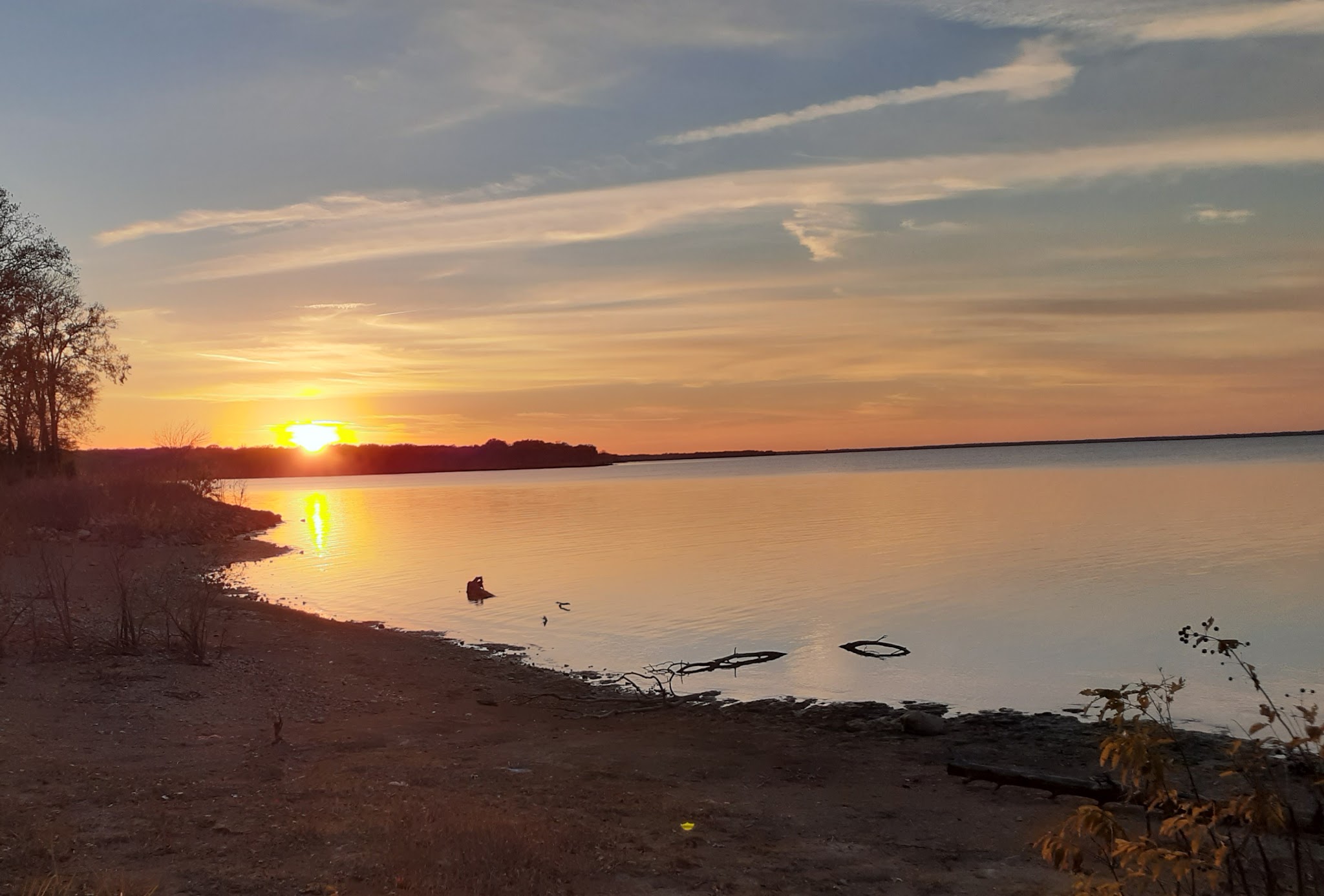
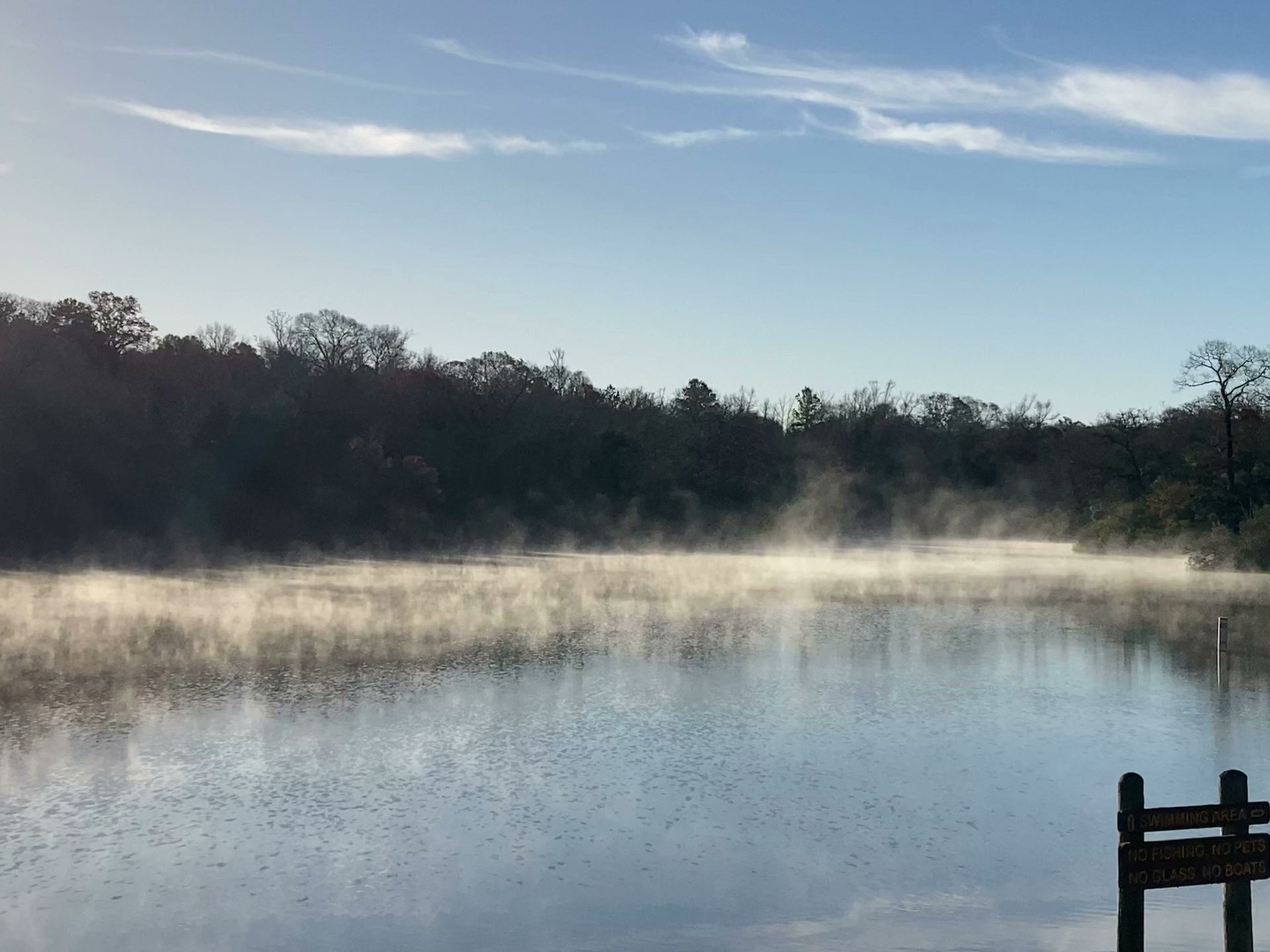
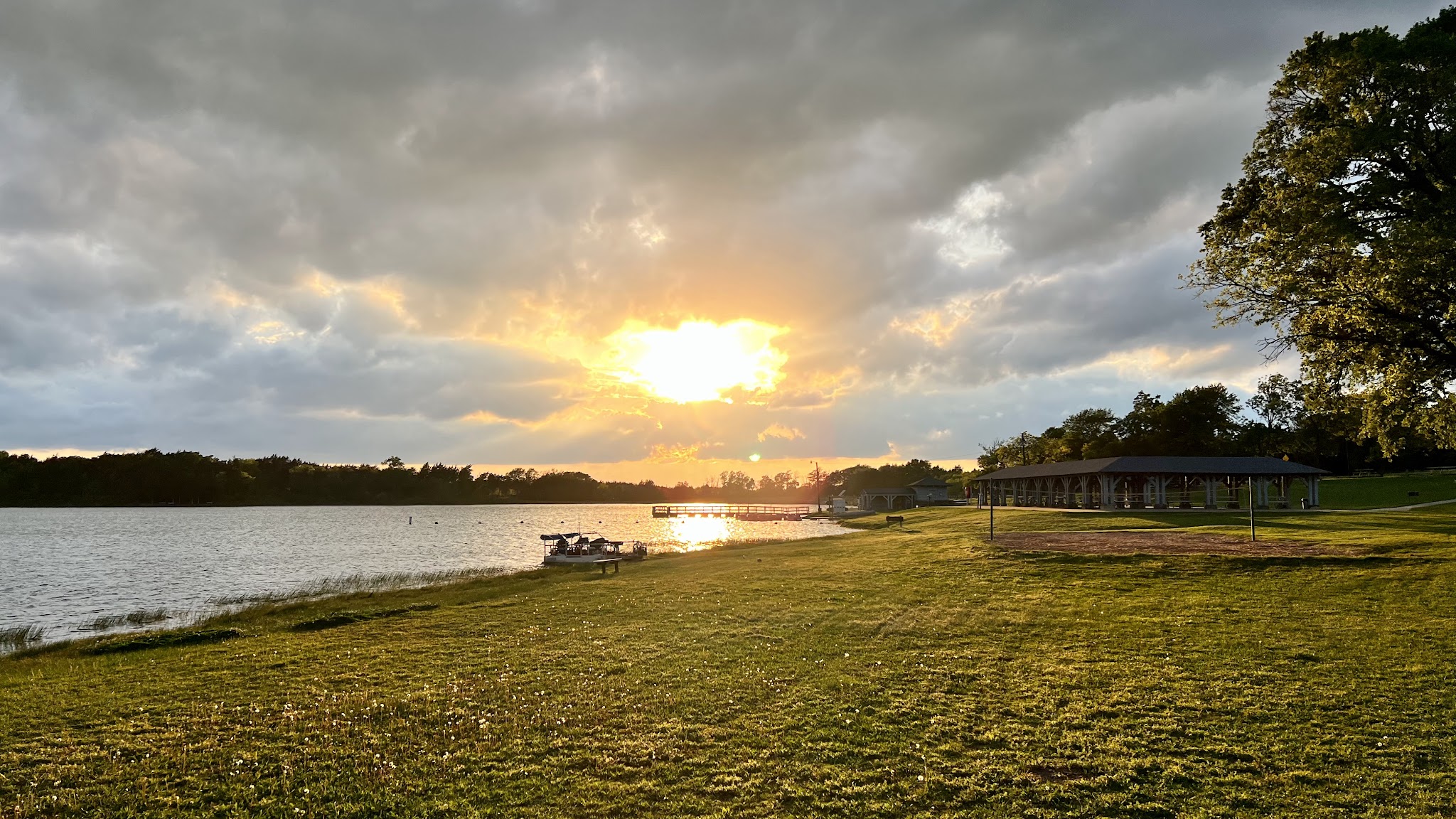
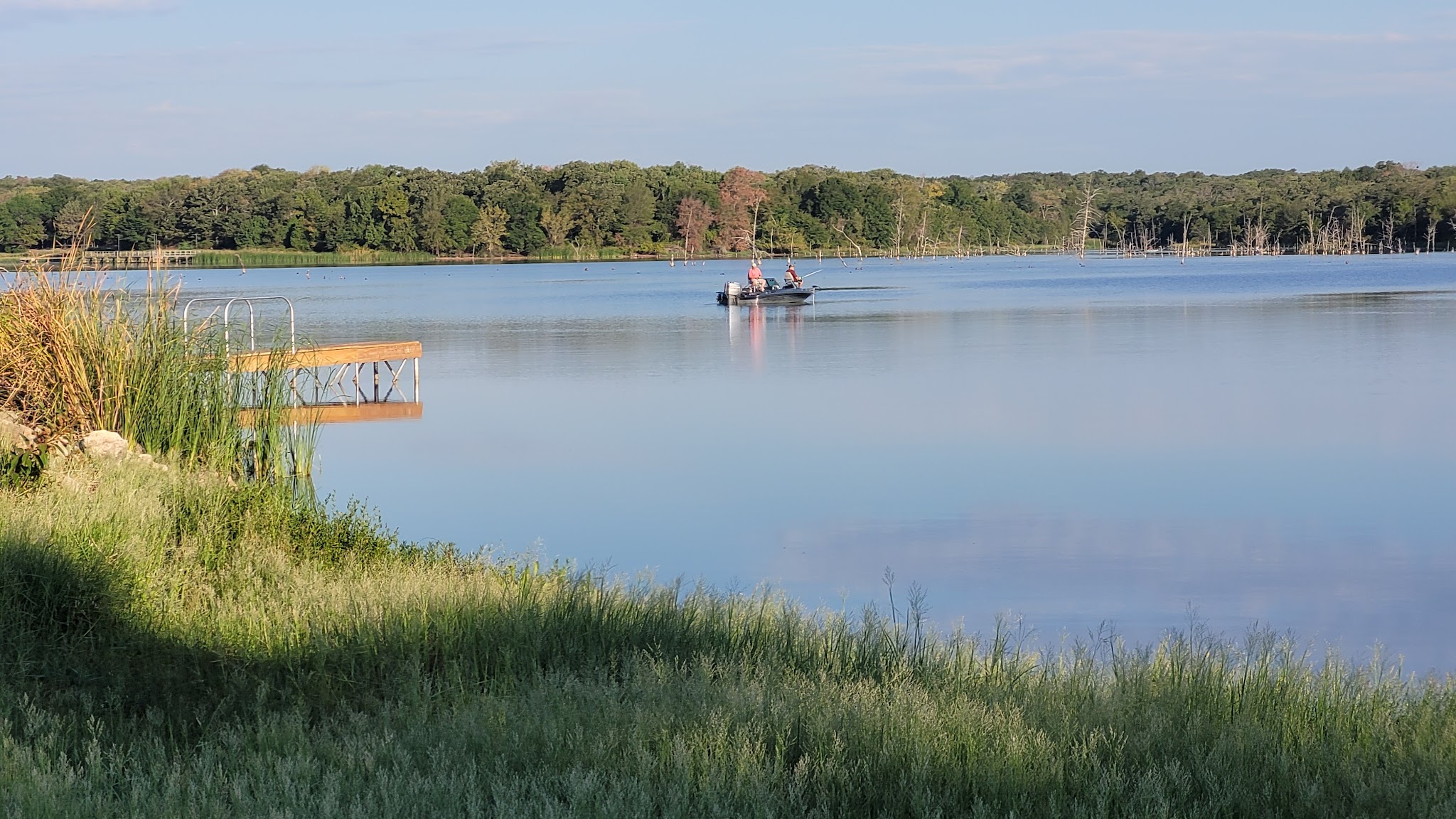

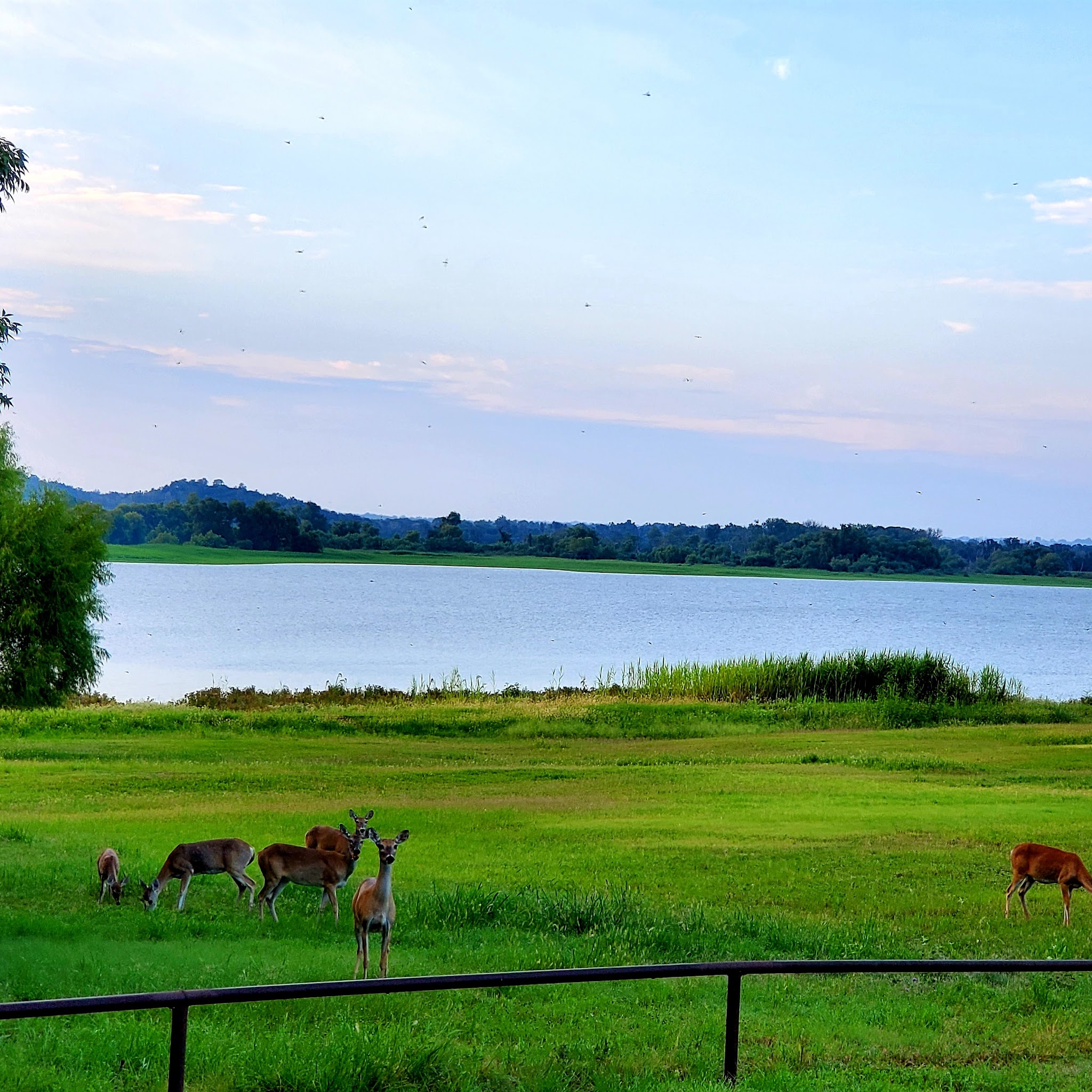
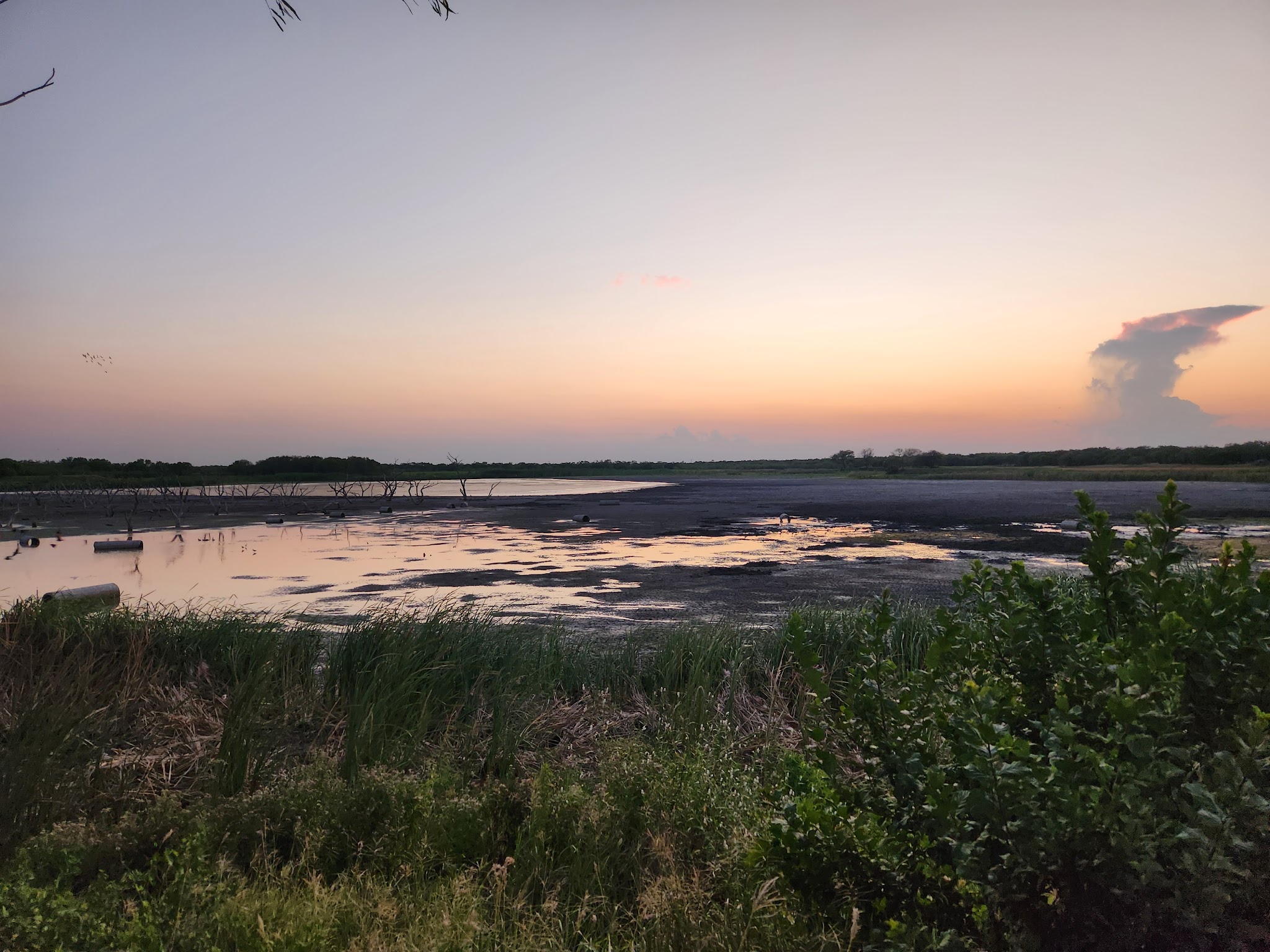
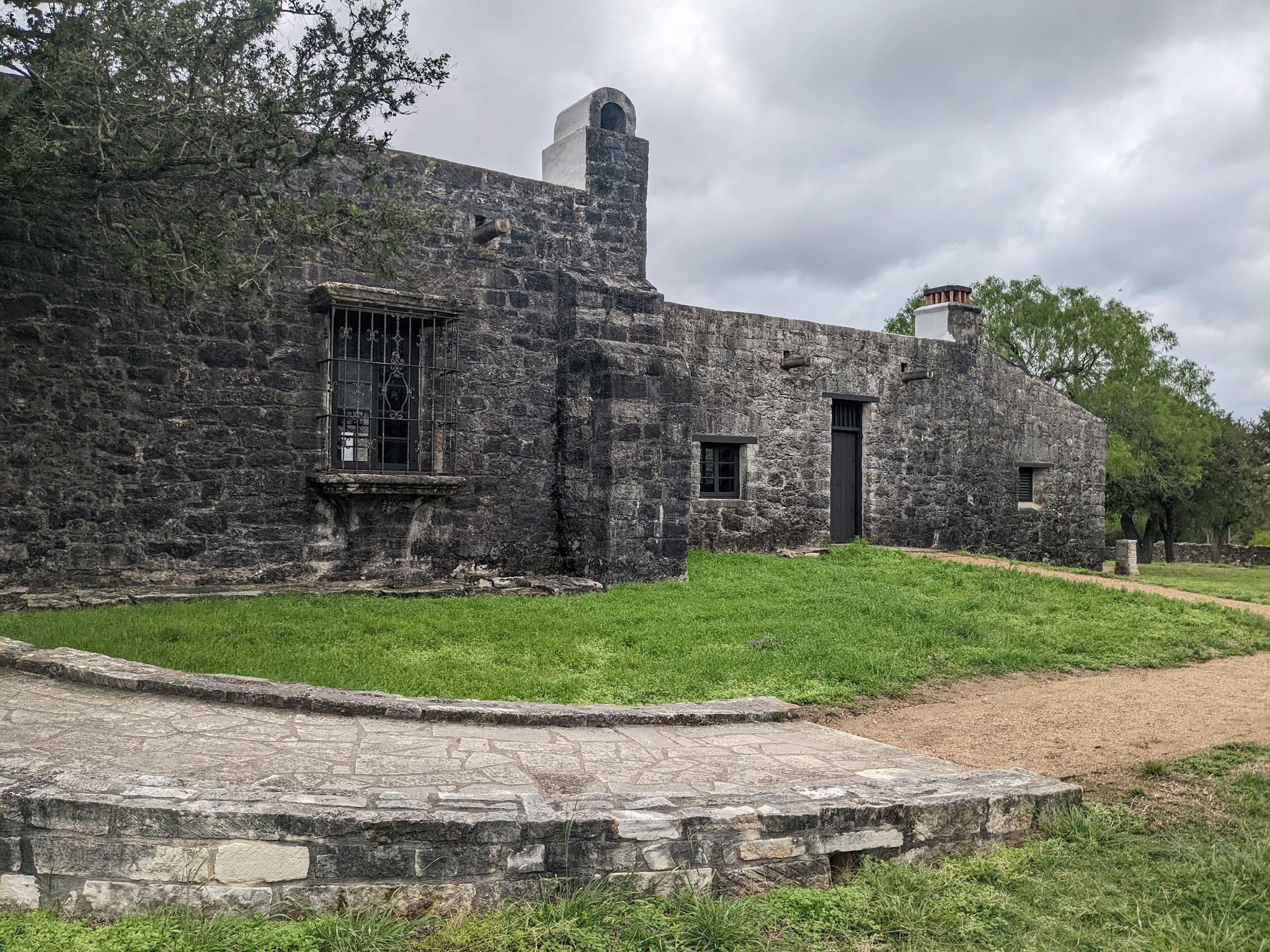
C- is a destination grade — it blends the typical campground here with the region’s best. The typical site is middle-of-the-pack, but the best are exceptional: 3 campgrounds grade in the A range, topped by Cooper Lake State Park Doctors Creek (A-). Here, where you book matters more than where you go — pick one of the best.
What it’s like to camp here
The 14 things campers actually wrote about — the whole experience, not just the views. Each is graded against every other region: A is among the best, C about average. Tap any topic to see what campers said and the campgrounds behind it.
The camping experience
What campers reliably praise here is the human side of camping. Staff and hosts earn a B, with rangers who are visible, helpful, and genuinely invested in their parks. Crowds and noise also score well; many of these lakes stay calm and uncrowded, especially off-season. The warnings cluster in predictable places. Bugs and weather is a recurring complaint, with wind off open water and rain that turns unpaved sites muddy. Cleanliness and facilities both land at C-, meaning bathhouses and hookups are hit or miss and often dated. The most counter-intuitive grade is Rules and policies, the region's weakest at D: campers run into restrictions and check-in friction more than you would expect at small, laid-back parks. Scenery is the most-praised topic by volume, but it grades only C- because pleasant lake views are simply average against the rest of the country.
The standout campgrounds
Cooper Lake State Park Doctors Creek earns the region's top grade (A) on strong campsites, fishing, and a clean, well-run feel, though it is exposed to wind near the water. Both Lake Bastrop units (North Shore and South Shore, A-) are the picks for comfort-first campers: clean sites, easy trails, paddle rentals, and at North Shore, fully stocked Airstream and glamping rentals that suit groups or first-timers who want it done for them. Fort Parker State Park (B+) rewards anglers and birders with lakeside RV sites and abundant wildlife, but big rigs should expect short, sloping pads and bring leveling blocks. Bonham State Park (B) is a small, tidy favorite with friendly staff and a daily-changing gate code that keeps things peaceful, ideal for families wanting security and quiet. Fort Boggy State Park (B) stands out for new cabins and an uncrowded, wooded calm, best for travelers who do not mind a longer drive in.
Know before you go
Spring and fall are the smart windows; summer brings heat, bugs, and lower lake levels that can close swim areas, while rain leaves unpaved sites muddy. This is tent and small-to-midsize RV country plus cabins, not a big-rig region, since many parks have short, uneven, or limited full-hookup sites. Families do well at Bonham, Fort Boggy, and the Bastrop parks thanks to paddle rentals and easy trails. Watch the weak spots: facilities and cleanliness vary by park, rules and check-in policies can feel strict, and a few parks score lower on safety, so read recent reviews and book ahead at the small ones.
How we grade
No star ratings — real reviews. We read hundreds of thousands of written camper reviews and used AI to tag what each person praised or complained about, across 14 topics (scenery, crowds, bugs, value, and more).
Each topic is praise minus complaints. A topic’s score is the share of campers who praised it minus the share who complained.
Grades are relative. Every grade compares this place to all the others on that topic — an A means among the best, a C about average. We grade this way because campers rave about scenery but only mention bugs when bitten, so one fixed scale couldn’t be fair across topics.
Two fairness rules. A topic campers liked never grades below a C− — something people enjoyed can’t “fail.” And an F is reserved for the rare topic campers clearly complained about and that’s a real outlier.
The headline grade is a destination grade. It blends what the typical campground here is like with how good the region’s best are — because you choose a region for its best camping, then pick a site. We show both, plus the standout campgrounds.
Enough data to be fair. We only grade places with enough reviews; thinner ones show “limited data” instead of a letter, and every topic carries a confidence range from its sample size. The Belonging topic is graded by our Green Book community score — how welcoming campers describe the staff and community, with discrimination and hostility as hard penalties — not sentiment alone.
We check the AI. An independent model (from a different maker) audits a sample of the tags. It found the complaint labels ran over-eager (passing mentions scored as gripes), so we re-judged all 499,009 of them and removed the quarter that were really about another topic or weren’t complaints, keeping the real-but-mild ones. Then a human rater, blind to our labels, agreed with 87% of them (89% of complaints) across 420 labels.
What this grade measures
The trip, not the view
Across 688,170 camper reviews, the scenery barely predicts whether people actually enjoy a place. What sends newcomers home are the un-photographable parts — the three Bs: bathrooms, booking, and belonging. So we grade every place on those, not the postcard.
How Texas Prairies scores on the three things that decide a newcomer’s trip.