
An Outdoorithm Study · Pacific Northwest
Puget Sound & Northwest Valleys
Solid stopoverGood options if you're already passing through. · #35 of 65 regions · 7,378 reviews across 73 campgrounds.
Camping around Puget Sound and the Northwest valleys is mostly a state park experience: water views, forest cover, and trails that suit short hikes and day trips. The headline trade-off is crowding. The scenery and things to do score well, but popular sites fill fast and quiet can be hard to find on a busy weekend.
The best campgrounds here
Ranked by camper sentiment across every topic. Tap a pin or photo to open a campground.
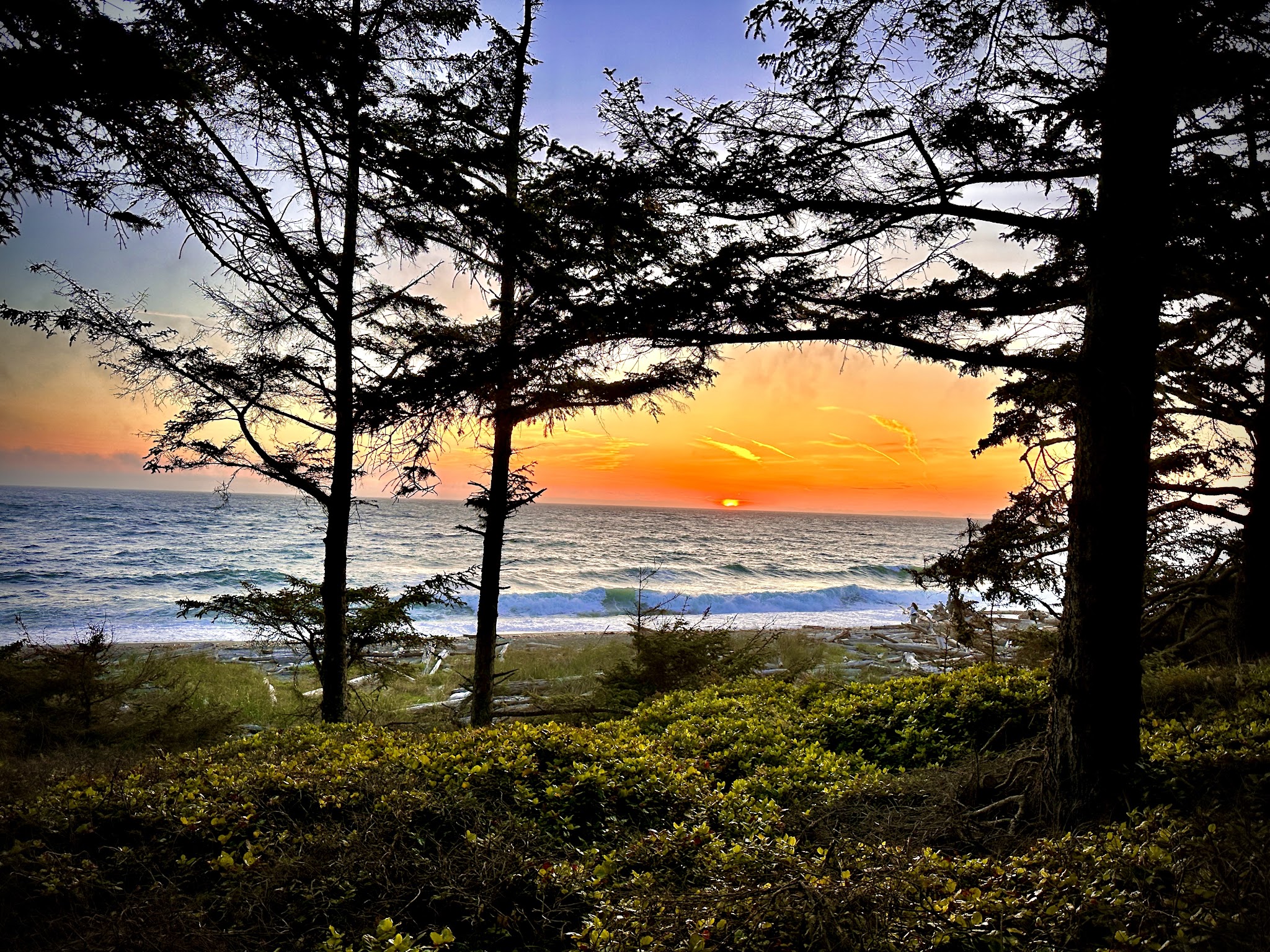 Worth the trip
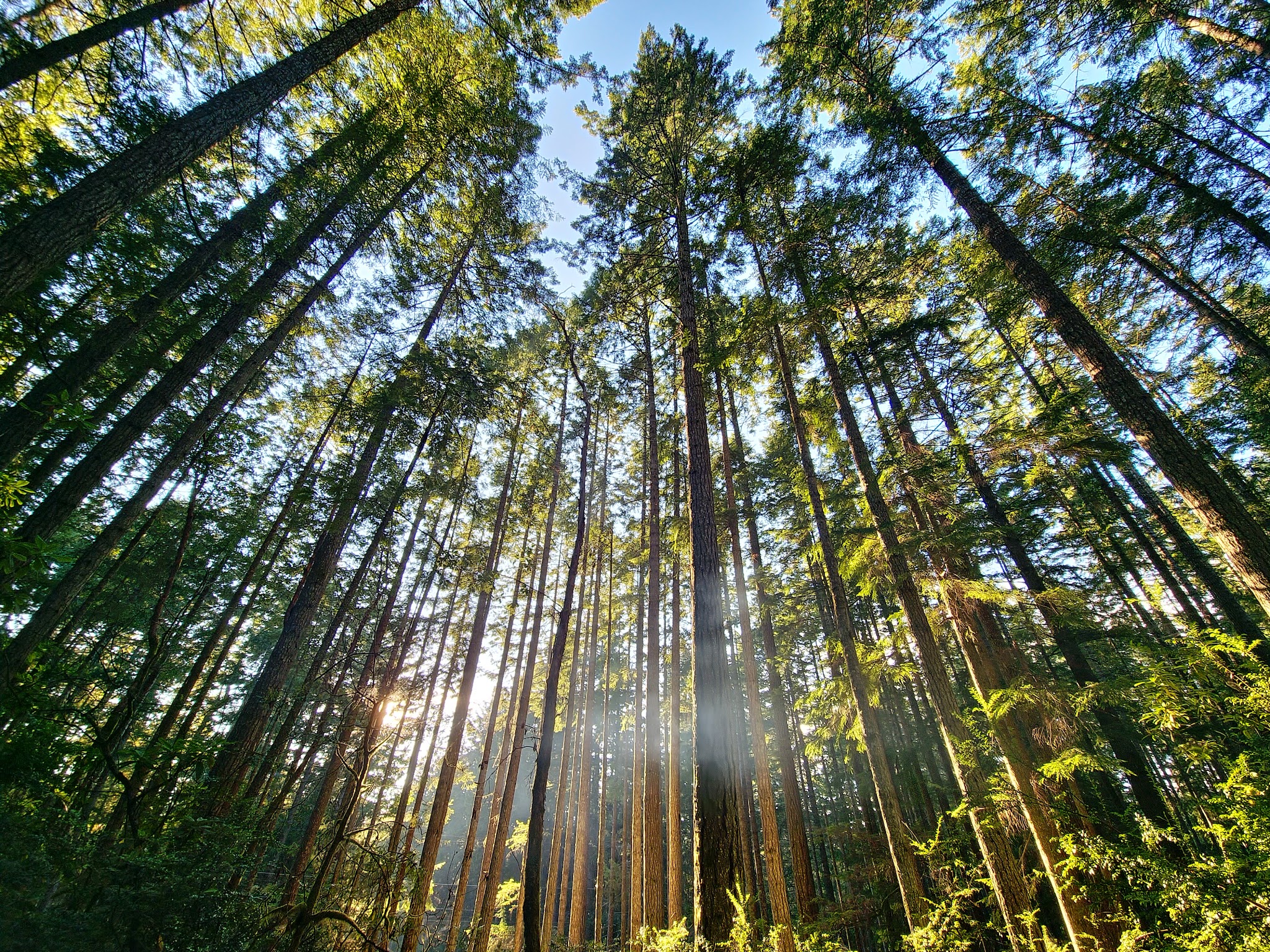 Worth the trip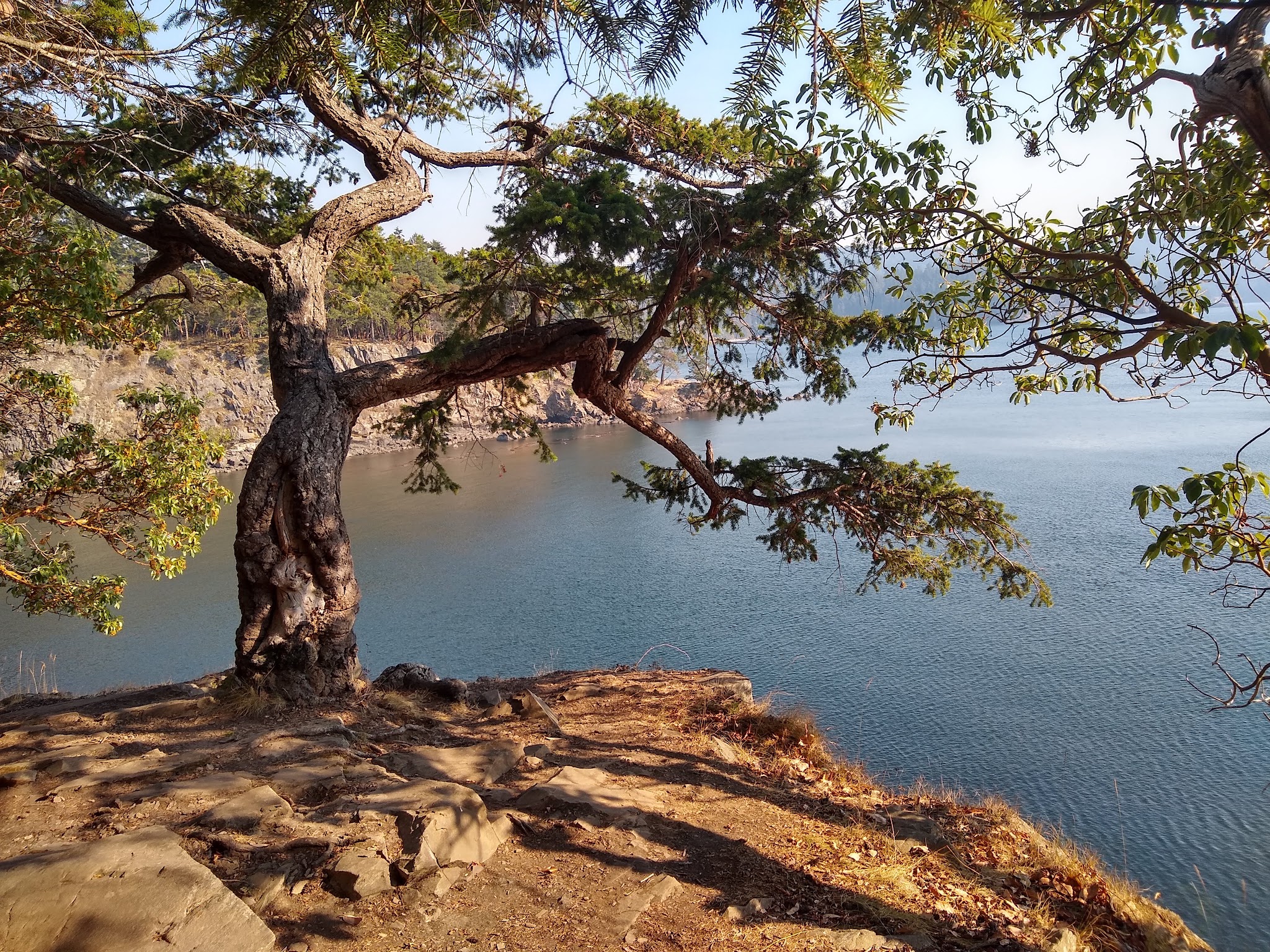
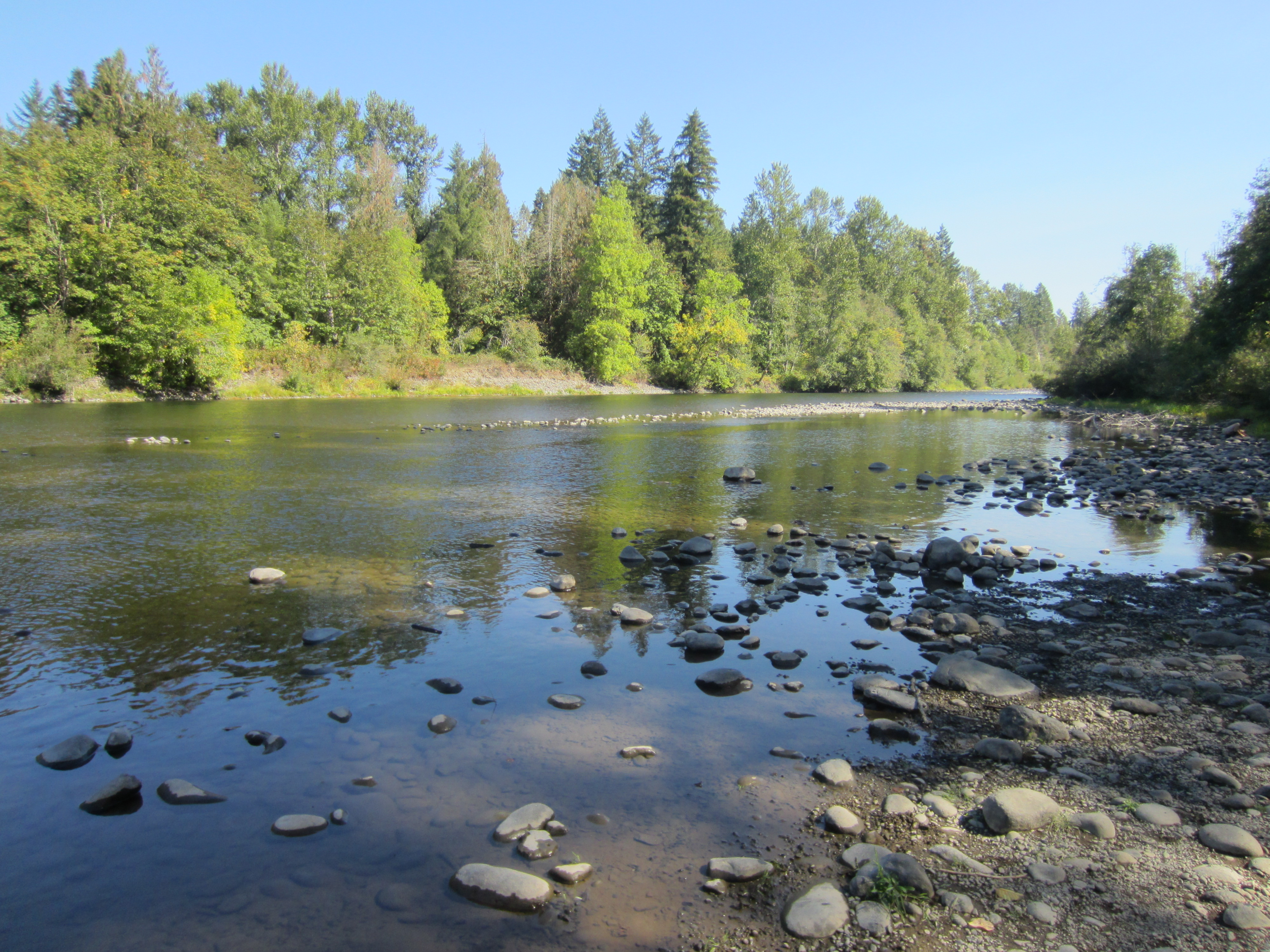
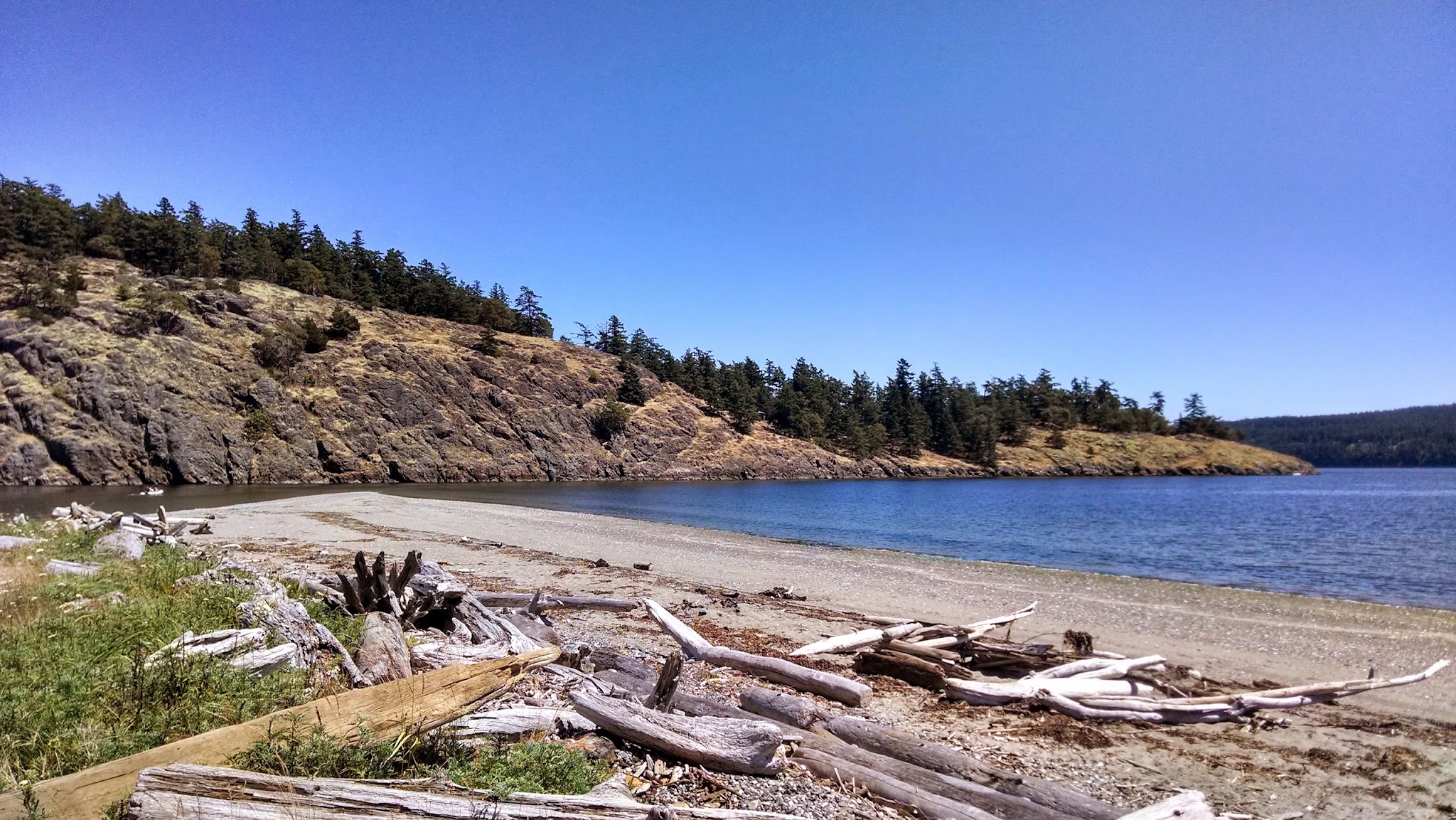
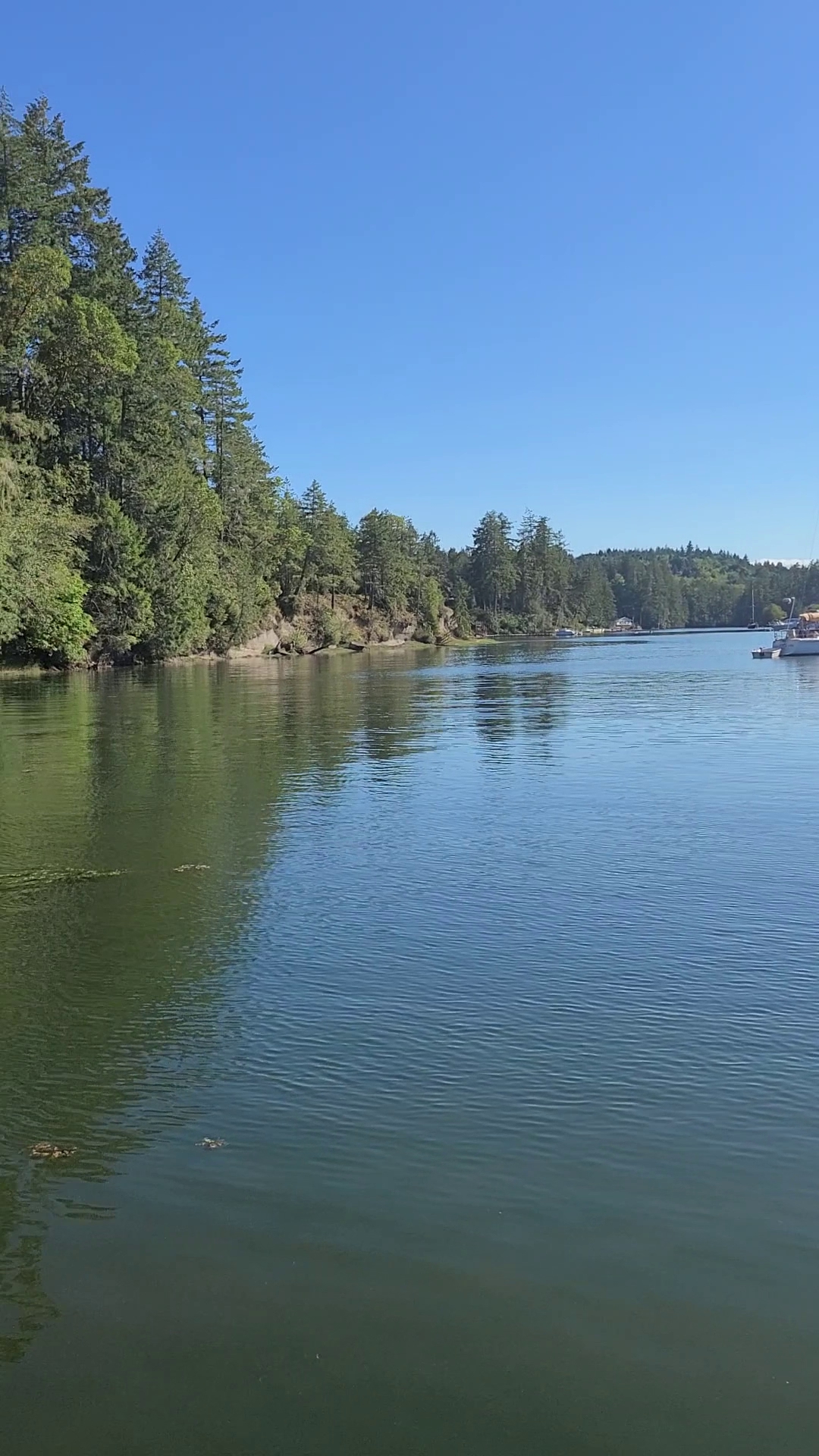
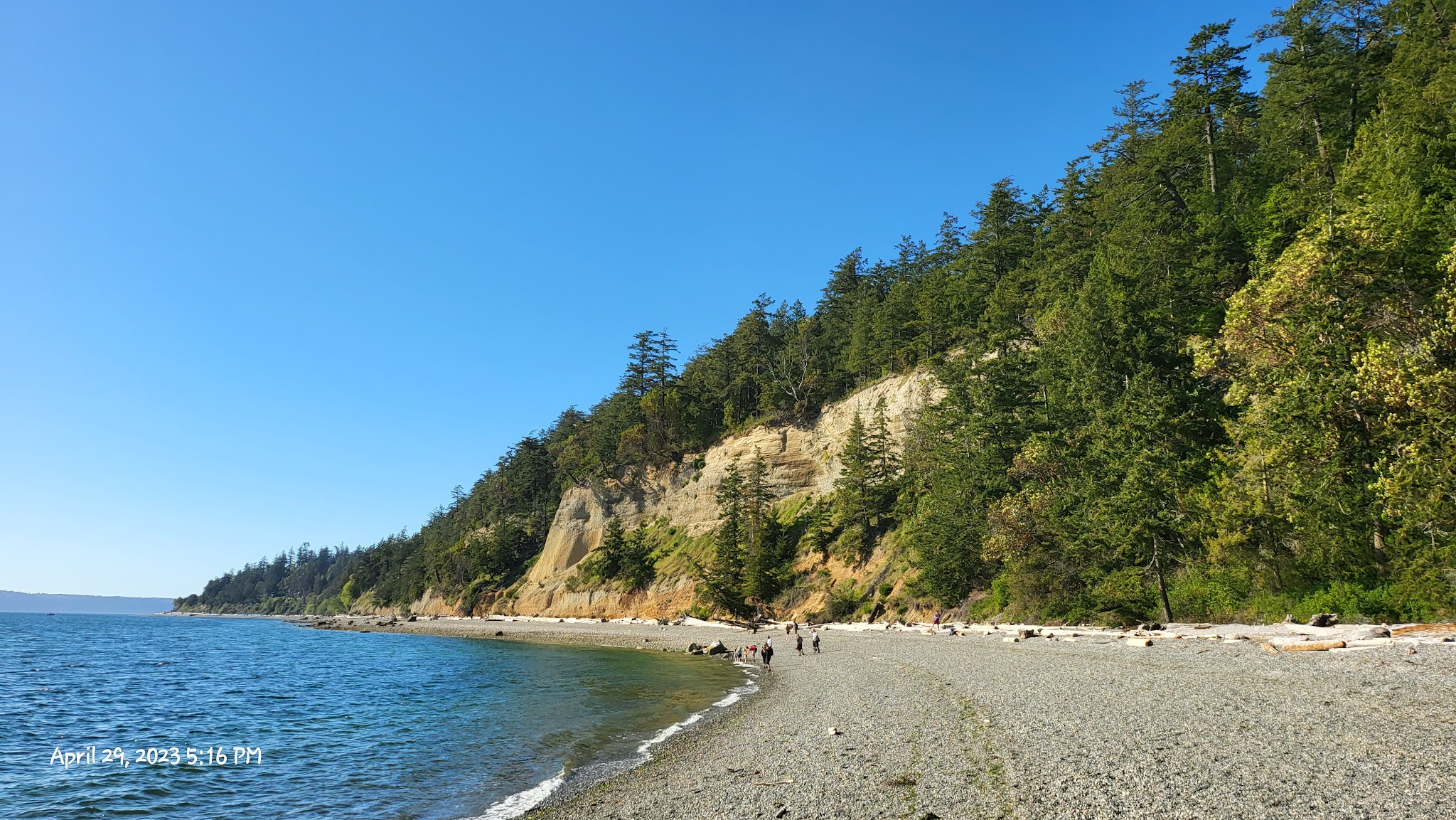
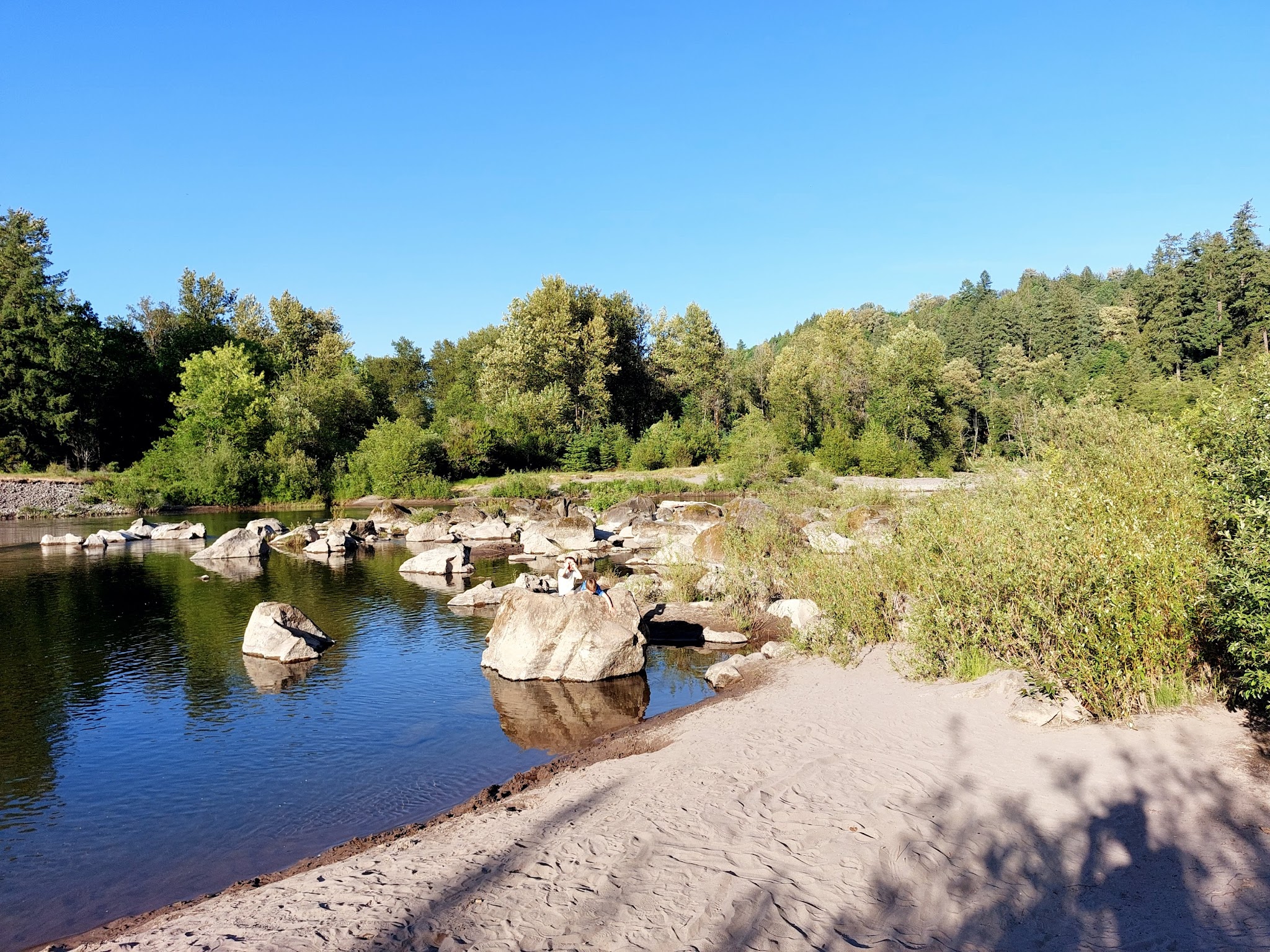
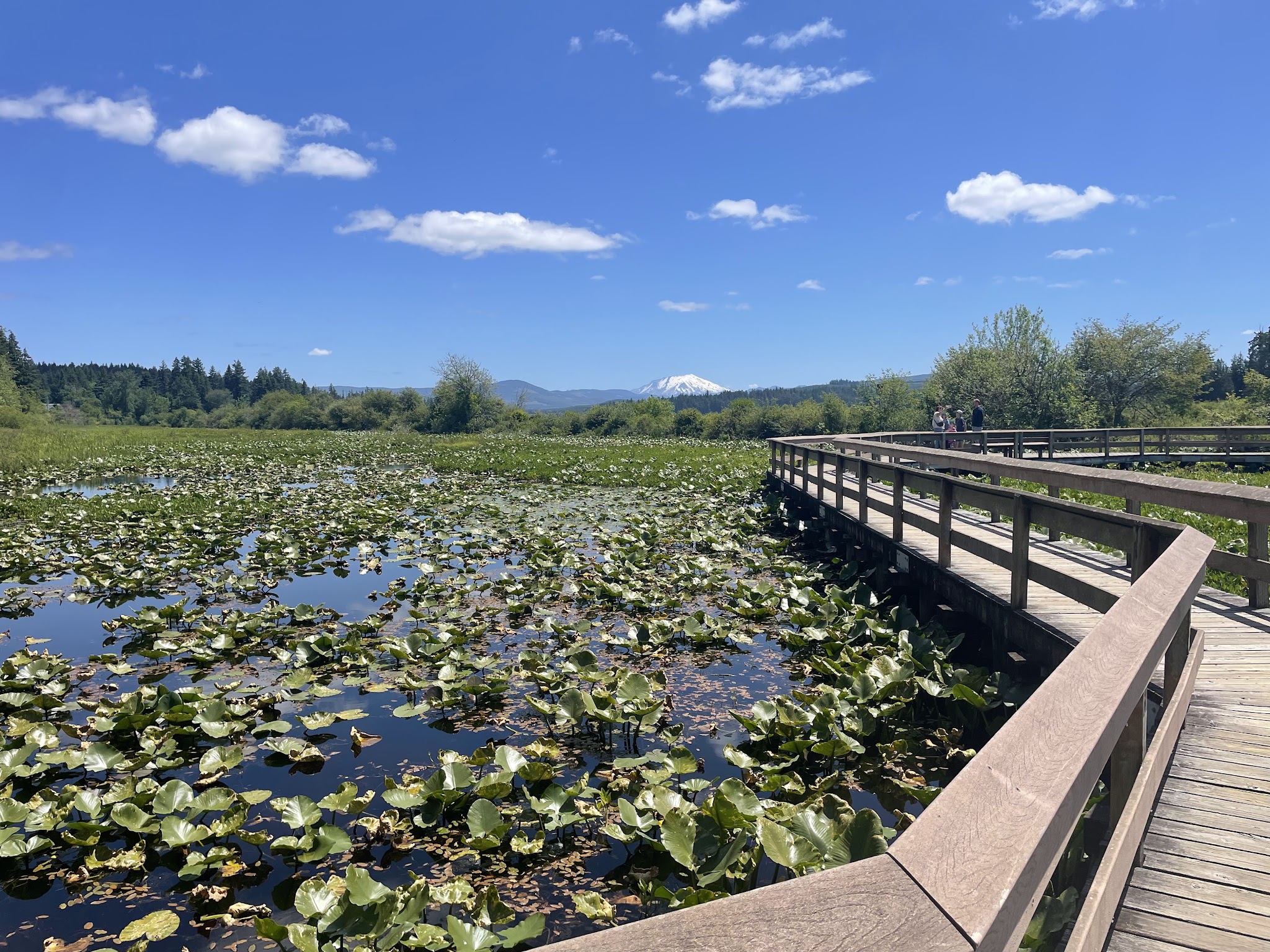
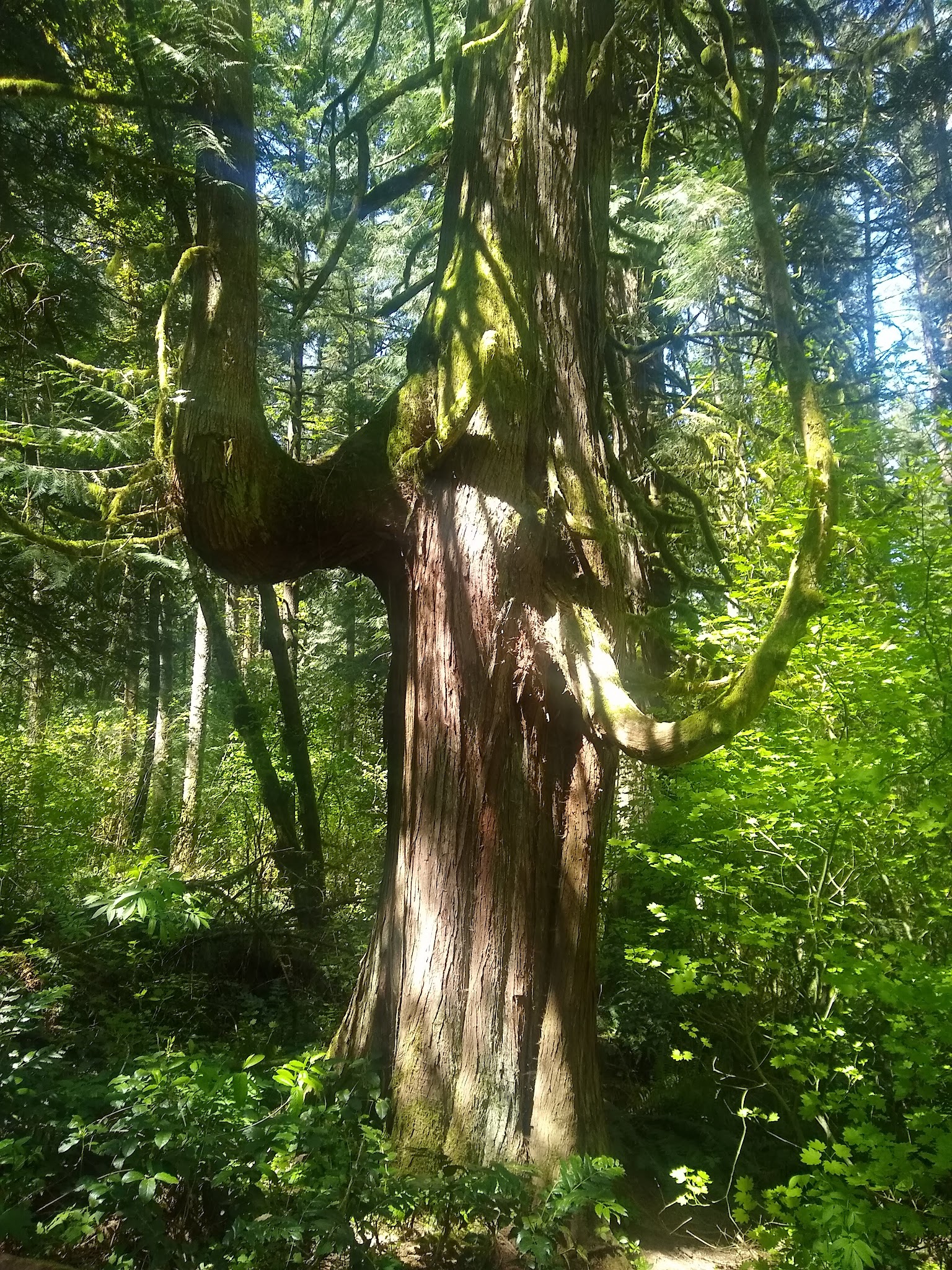
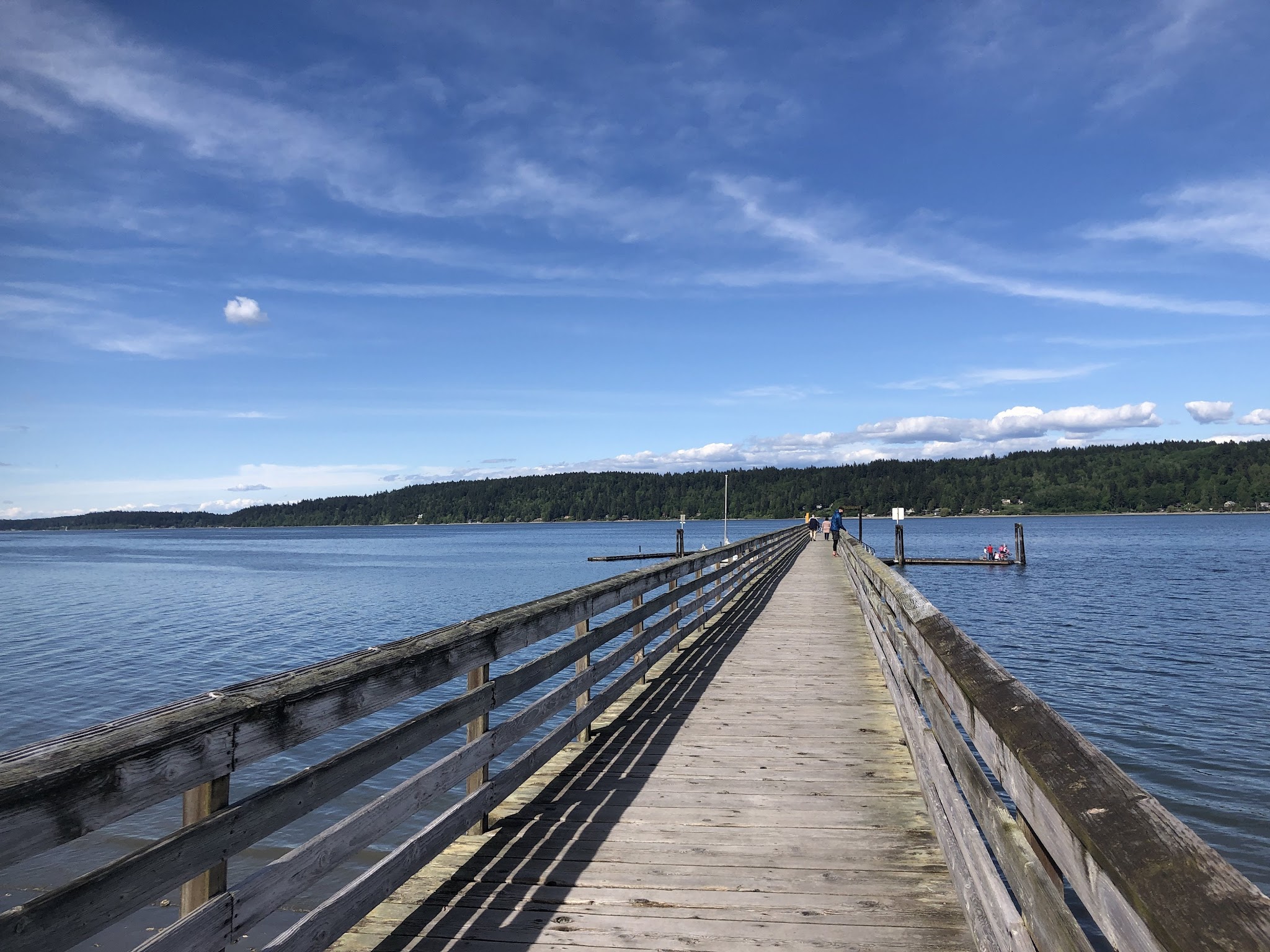
C+ is a destination grade — it blends the typical campground here with the region’s best. The typical site is middle-of-the-pack, but the best are exceptional: 2 campgrounds grade in the A range, topped by Fort Ebey State Park (A). Here, where you book matters more than where you go — pick one of the best.
What it’s like to camp here
The 14 things campers actually wrote about — the whole experience, not just the views. Each is graded against every other region: A is among the best, C about average. Tap any topic to see what campers said and the campgrounds behind it.
The camping experience
The region's strengths are clear. Things to do grades A- and Facilities B+, with campers praising the trail networks, beach and water access, and generally well-equipped restrooms and showers. Scenery and Campsites earn steady marks too, especially for wooded, private, and reasonably spaced sites at the better parks. The warnings cluster around the experience side of camping. Crowds and noise grade a D, the weakest topic, so expect busy weekends and competition for sites. Cleanliness lands at C-, which is uneven for a region with otherwise solid facilities. Value is also C-, with repeated frustration over what dry camping costs at state parks. Rules and policies (C-) and Booking (B) draw complaints about strict check-in enforcement and a reservation system that does not always reflect which sites are actually available. The counter-intuitive takeaway: facilities are good, but the human factors drag the grade down.
The standout campgrounds
Fort Ebey State Park is the top pick, graded A, with private wooded and walk-in sites, sand tent pads, and the bluff and beach trails. It suits tent campers who want privacy and space rather than hookups. Scenic Beach State Park (A-) faces Hood Canal with Olympic Mountain views, large level sites, and notably clean restrooms, a strong choice for both tents and RVs doing dry camping. Obstruction Pass State Park (A-) is a small first-come walk-in spot a short hike from a rocky beach with tidepools, best for tent campers and kayakers who arrive early for one of the limited sites. Moran State Park (B+) on Orcas Island offers the widest variety, from lakefront and walk-in to RV sites, plus extensive trails, though larger trailers struggle on its narrow roads. Camano Island State Park (B+) adds cabins, clean facilities, and easy off-season availability, making it a solid family option.
Know before you go
Shoulder seasons pay off here. Several campers found open sites and quiet conditions in fall and winter, while summer weekends bring the crowds reflected in the region's lowest grade. The area suits tent campers and smaller rigs best; Moran and other parks have narrow, hilly access roads and limited or no hookups, so large trailers should research sites carefully. Many state parks are dry camping at prices some find steep, so factor value into your plans. Reservation systems can be inaccurate, so calling ahead or arriving early for first-come sites is wise. Pack rain gear and expect strict check-in enforcement.
How we grade
No star ratings — real reviews. We read hundreds of thousands of written camper reviews and used AI to tag what each person praised or complained about, across 14 topics (scenery, crowds, bugs, value, and more).
Each topic is praise minus complaints. A topic’s score is the share of campers who praised it minus the share who complained.
Grades are relative. Every grade compares this place to all the others on that topic — an A means among the best, a C about average. We grade this way because campers rave about scenery but only mention bugs when bitten, so one fixed scale couldn’t be fair across topics.
Two fairness rules. A topic campers liked never grades below a C− — something people enjoyed can’t “fail.” And an F is reserved for the rare topic campers clearly complained about and that’s a real outlier.
The headline grade is a destination grade. It blends what the typical campground here is like with how good the region’s best are — because you choose a region for its best camping, then pick a site. We show both, plus the standout campgrounds.
Enough data to be fair. We only grade places with enough reviews; thinner ones show “limited data” instead of a letter, and every topic carries a confidence range from its sample size. The Belonging topic is graded by our Green Book community score — how welcoming campers describe the staff and community, with discrimination and hostility as hard penalties — not sentiment alone.
We check the AI. An independent model (from a different maker) audits a sample of the tags. It found the complaint labels ran over-eager (passing mentions scored as gripes), so we re-judged all 499,009 of them and removed the quarter that were really about another topic or weren’t complaints, keeping the real-but-mild ones. Then a human rater, blind to our labels, agreed with 87% of them (89% of complaints) across 420 labels.
What this grade measures
The trip, not the view
Across 688,170 camper reviews, the scenery barely predicts whether people actually enjoy a place. What sends newcomers home are the un-photographable parts — the three Bs: bathrooms, booking, and belonging. So we grade every place on those, not the postcard.
How Puget Sound & Northwest Valleys scores on the three things that decide a newcomer’s trip.