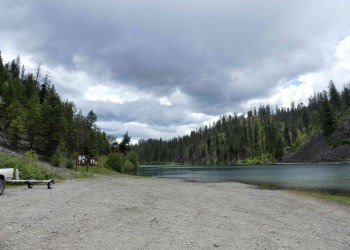
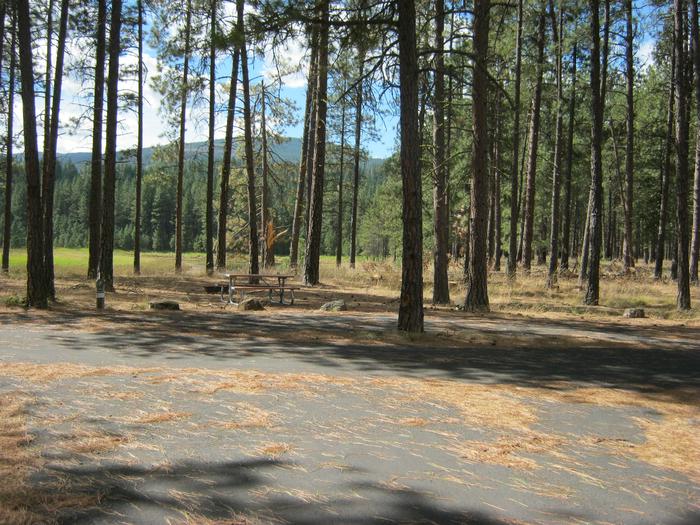
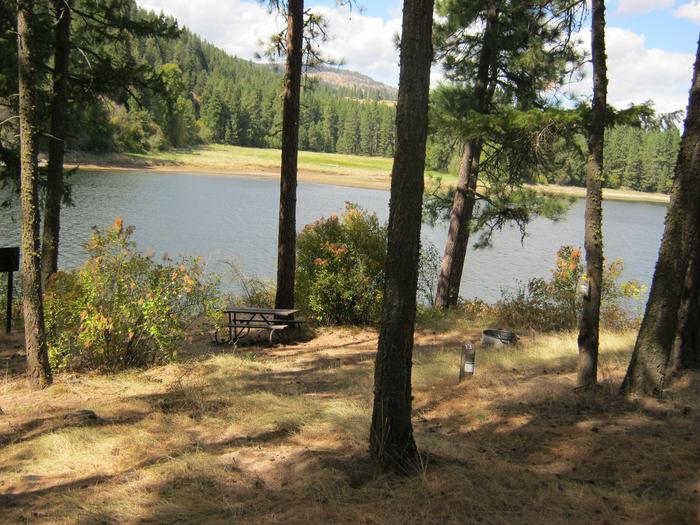
Kettle Crest Trailhead sits at 5,436 feet on Sherman Pass in Colville National Forest, serving as the main access point to the Kettle Crest National Recreation Trail. Overnight camping is discouraged at the trailhead itself, and campfires are prohibited. The site has vault toilets and divided parking for passenger vehicles (upper lot) and trucks, RVs, and horse trailers (lower lot).
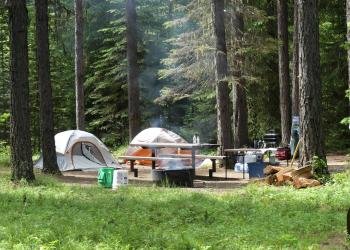
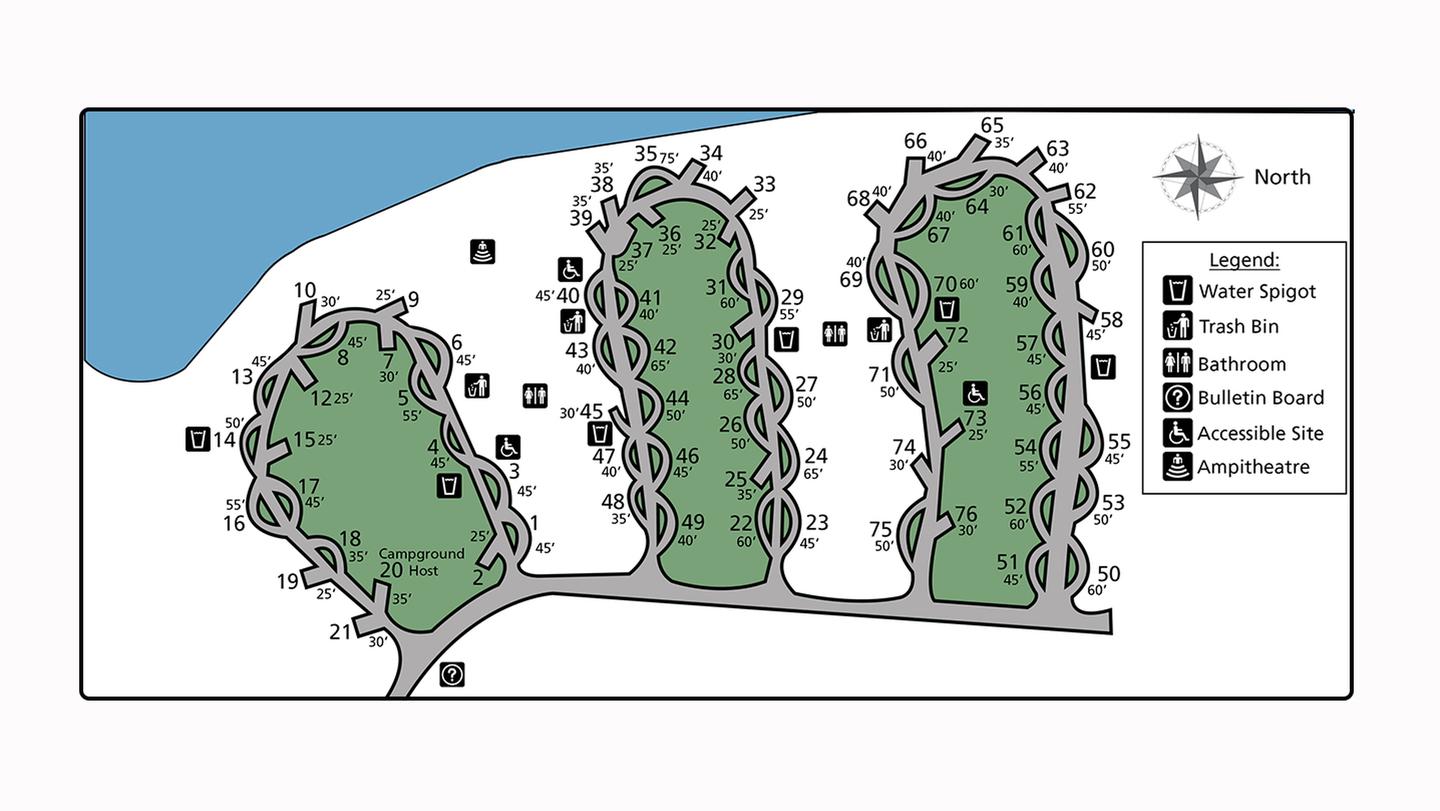
Camping is discouraged at the trailhead. Nearby options include Sherman Overlook Campground (1 mile east) and Jungle Hill Trailhead (5 miles east), which supports horse camping.
Historical Significance
Sherman Pass takes its name from Civil War General William Tecumseh Sherman. Pioneers first crossed the route in 1883, establishing it as a corridor through Washington's rugged interior.Weather and SeasonsSummer delivers the most reliable access and conditions, with daytime temperatures typically between 60 and 75°F and cool nights dropping to 30–45°F. Trails are driest then, wildflowers bloom through mid- to late summer, and deep snow is unlikely. Winter brings heavy snow accumulations (up to 27% chance on any given day), plunging temperatures, and arctic winds that make the pass feel stark and remote. Weekdays or early mornings reduce weekend and holiday crowds in peak summer.
ElevationStanding as Washington state's highest year-round maintained mountain pass, Sherman Pass delivers an authentic high-altitude experience that takes your breath away—literally and figuratively. The rarified air and sweeping panoramas remind visitors they've entered a realm where eagles soar at eye level and the landscape stretches endlessly beneath towering peaks. This remarkable elevation creates a natural gateway between valleys, offering adventurers a true taste of Washington's magnificent vertical terrain.
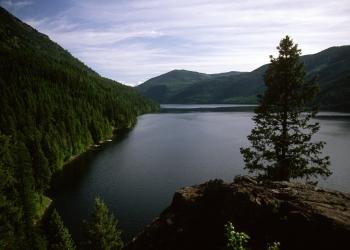
Natural Features and SceneryThe trailhead sits within the Kettle River Range, where dense coniferous forests shift with elevation. Lower slopes support thick stands of Douglas fir and ponderosa pine. Higher up, hardy subalpine species cling to windswept ridges. The landscape formed through millions of years of tectonic uplift, creating the dramatic peaks and valleys that define this corner of the Pacific Northwest. Ridge-line views stretch across the surrounding mountains.
Geological RegionNestled within the majestic Kettle River Range in Washington's Colville National Forest, this geological marvel showcases millions of years of mountain-building forces. The landscape tells an ancient story written in stone and forest, where tectonic upheaval created the dramatic peaks and valleys that define this corner of the Pacific Northwest. Dense coniferous forests blanket the mountainsides, creating a verdant tapestry that changes with elevation, from thick stands of Douglas fir and ponderosa pine to hardy subalpine species clinging to windswept ridges.
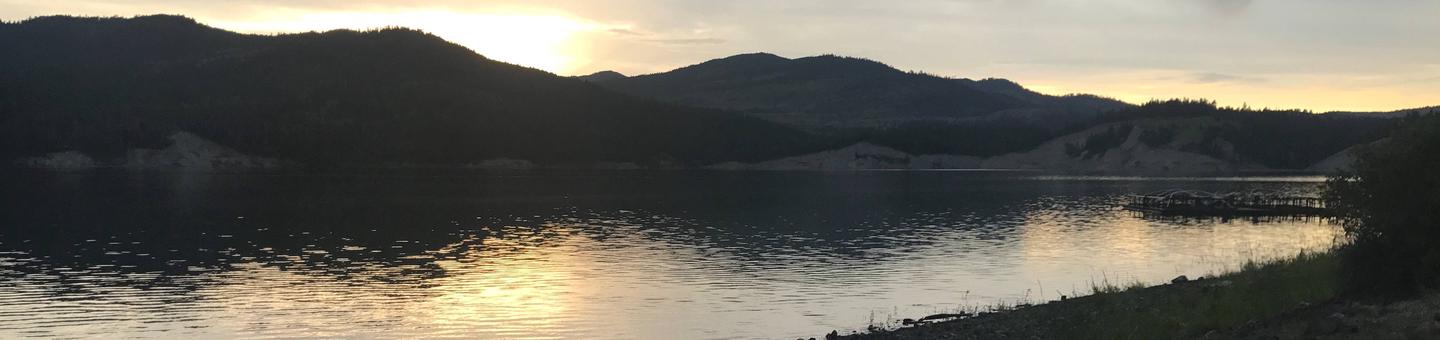
Scenic ViewsElevated vistas accessible from Sherman Pass. Forested surroundings.
Lodging & AccommodationsCamping is discouraged at the trailhead, but horse camping is encouraged at Jungle Hill Trailhead, 5 miles east.
Programs & ActivitiesNo cultural or educational programs are detailed.
 0
0