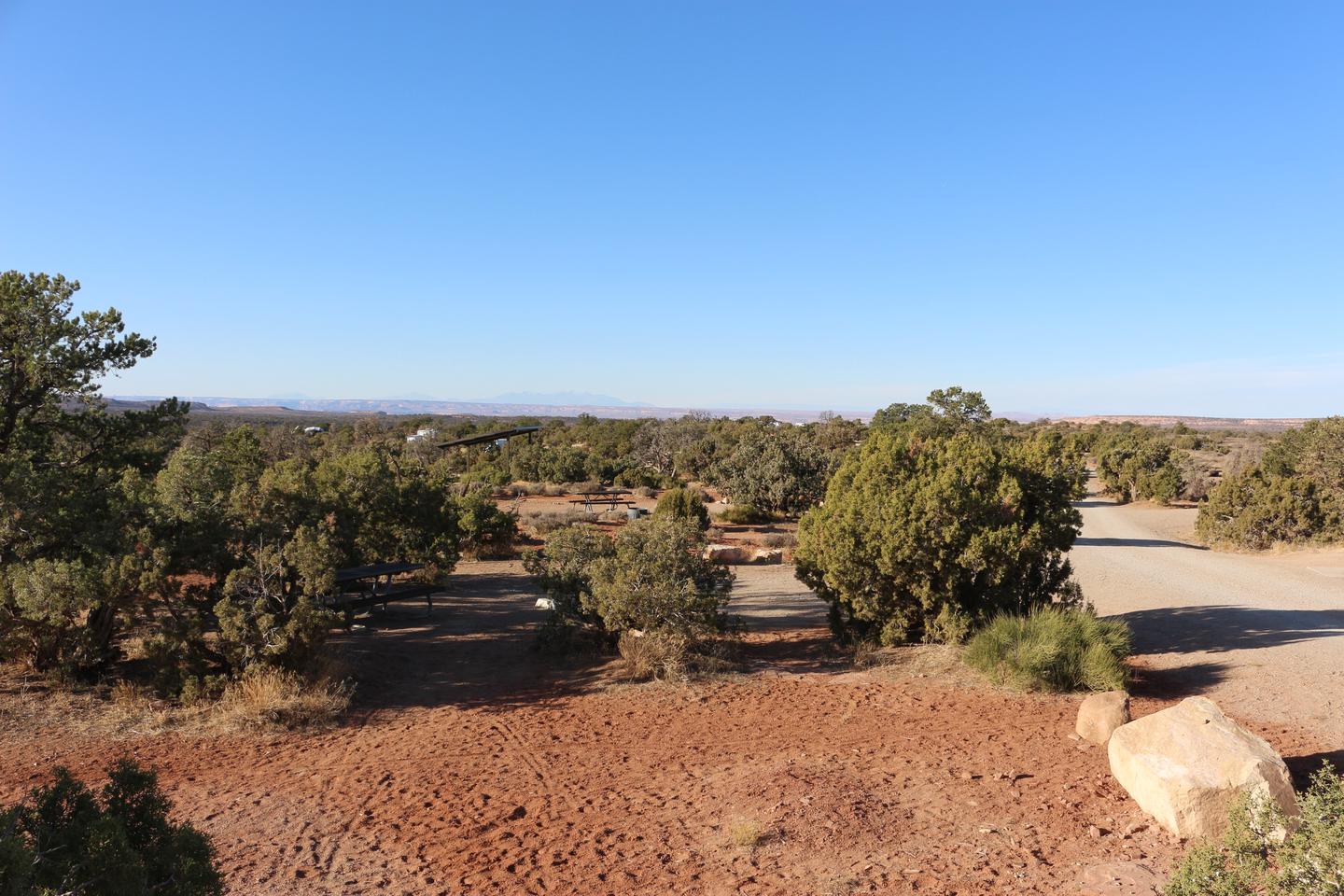
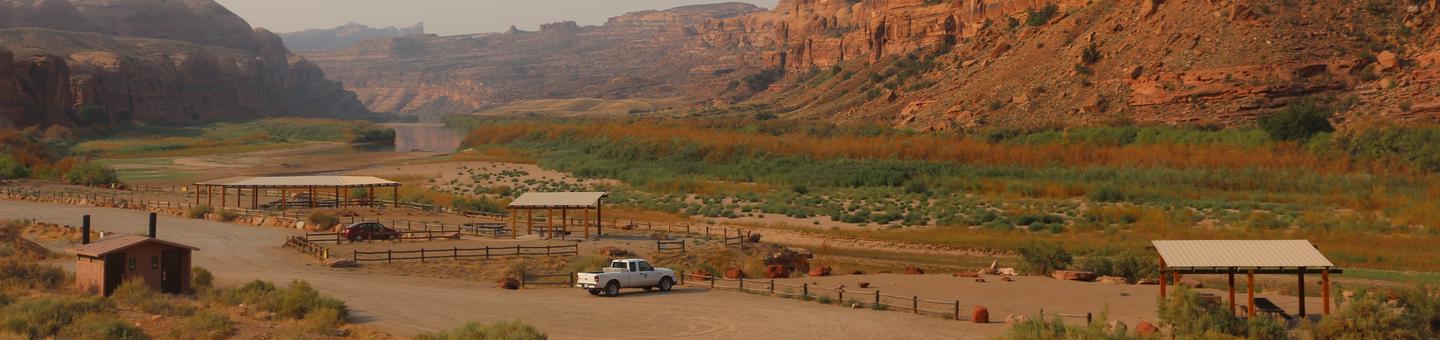
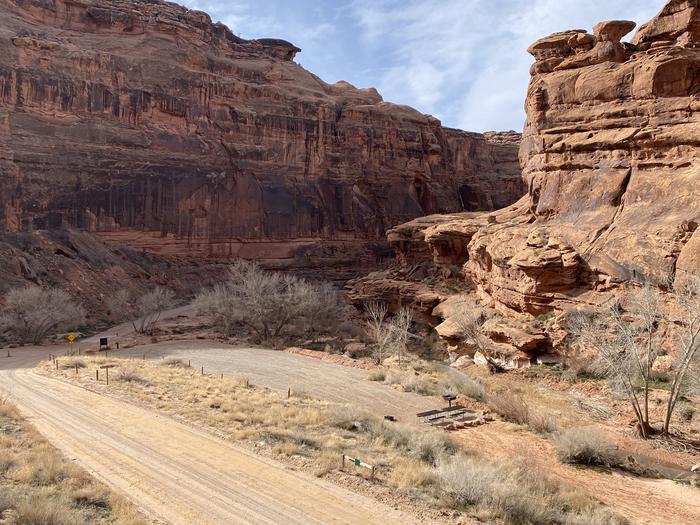
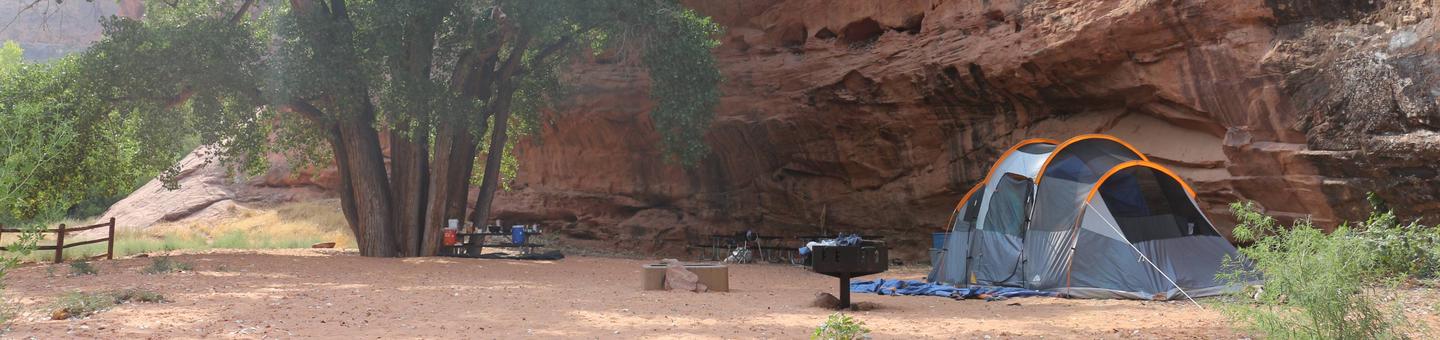
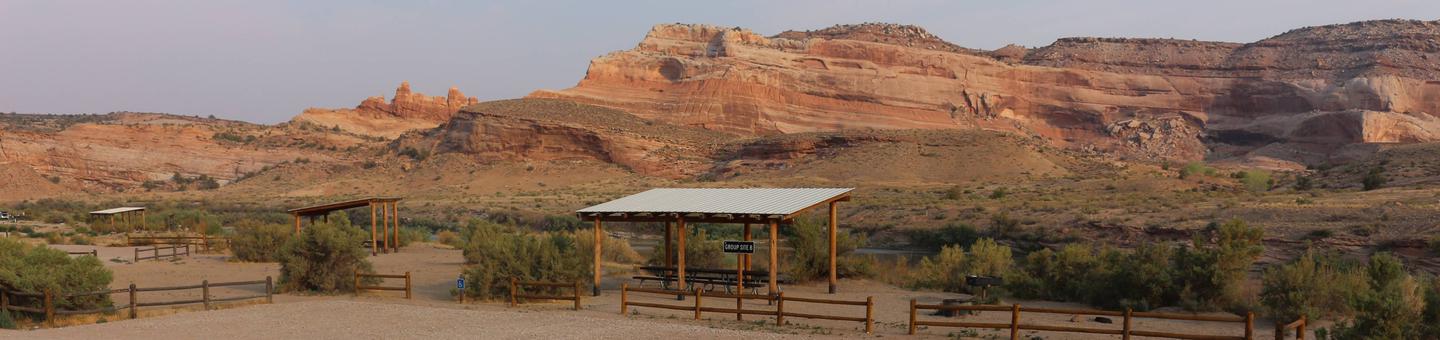
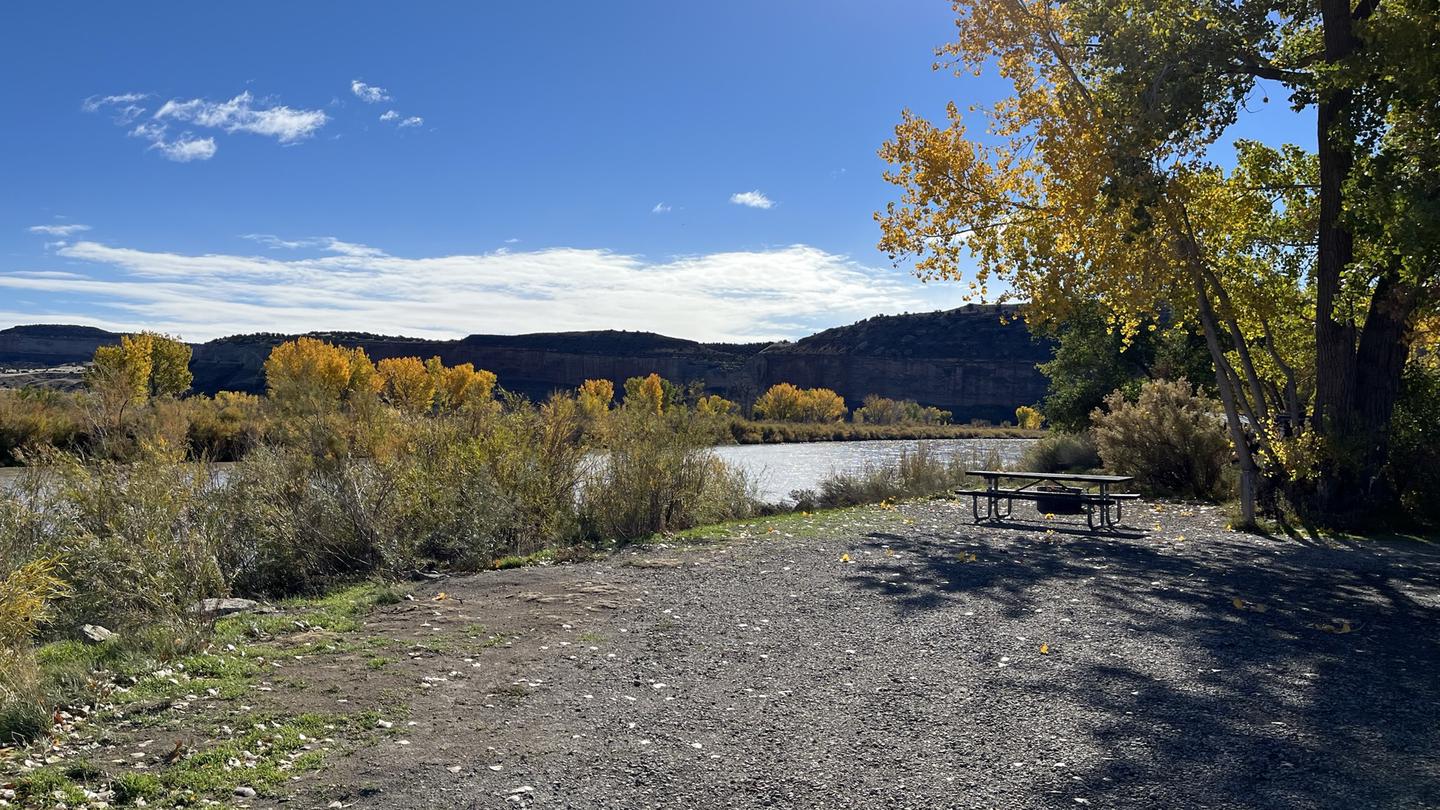
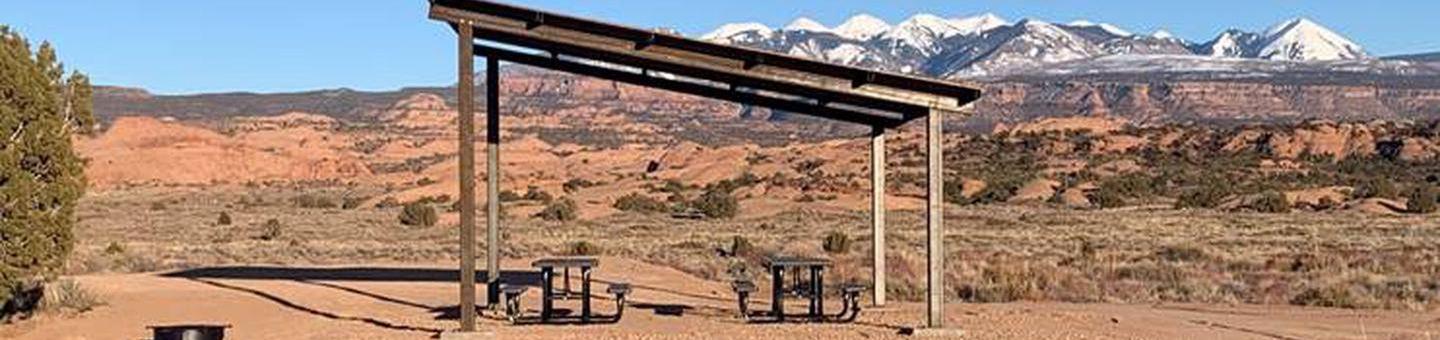
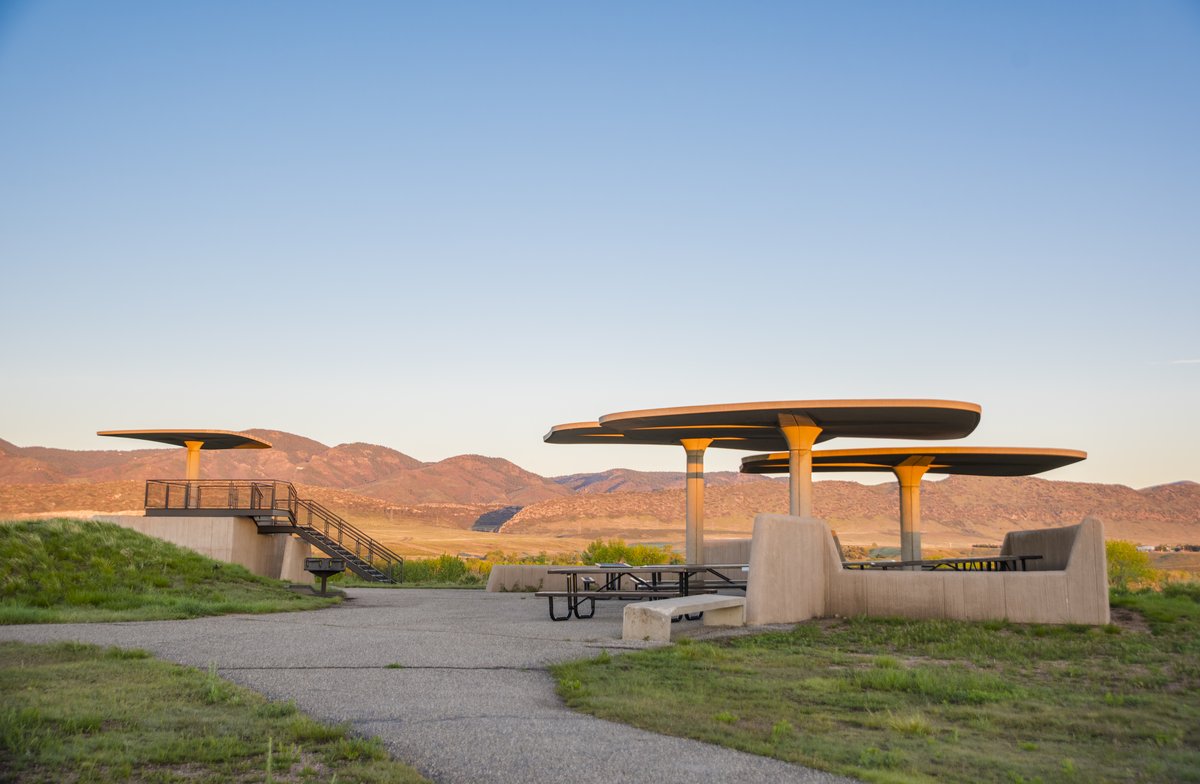
Dead Horse Point sits 2,000 feet above the Colorado River on a mesa edge, with views across the canyon country near Moab. The park has 21 campsites split between two campgrounds, plus yurts for glamping. Sites run $20-$50 per night and include shade shelters, electric hookups, and paved pads suitable for RVs. No showers or water hookups. Book well ahead during spring and fall.
Dead Horse Point State Park provides diverse camping options, including RV sites with electrical hookups, tent sites, and yurts. The campgrounds cater to a variety of preferences and group sizes.
Historical Significance
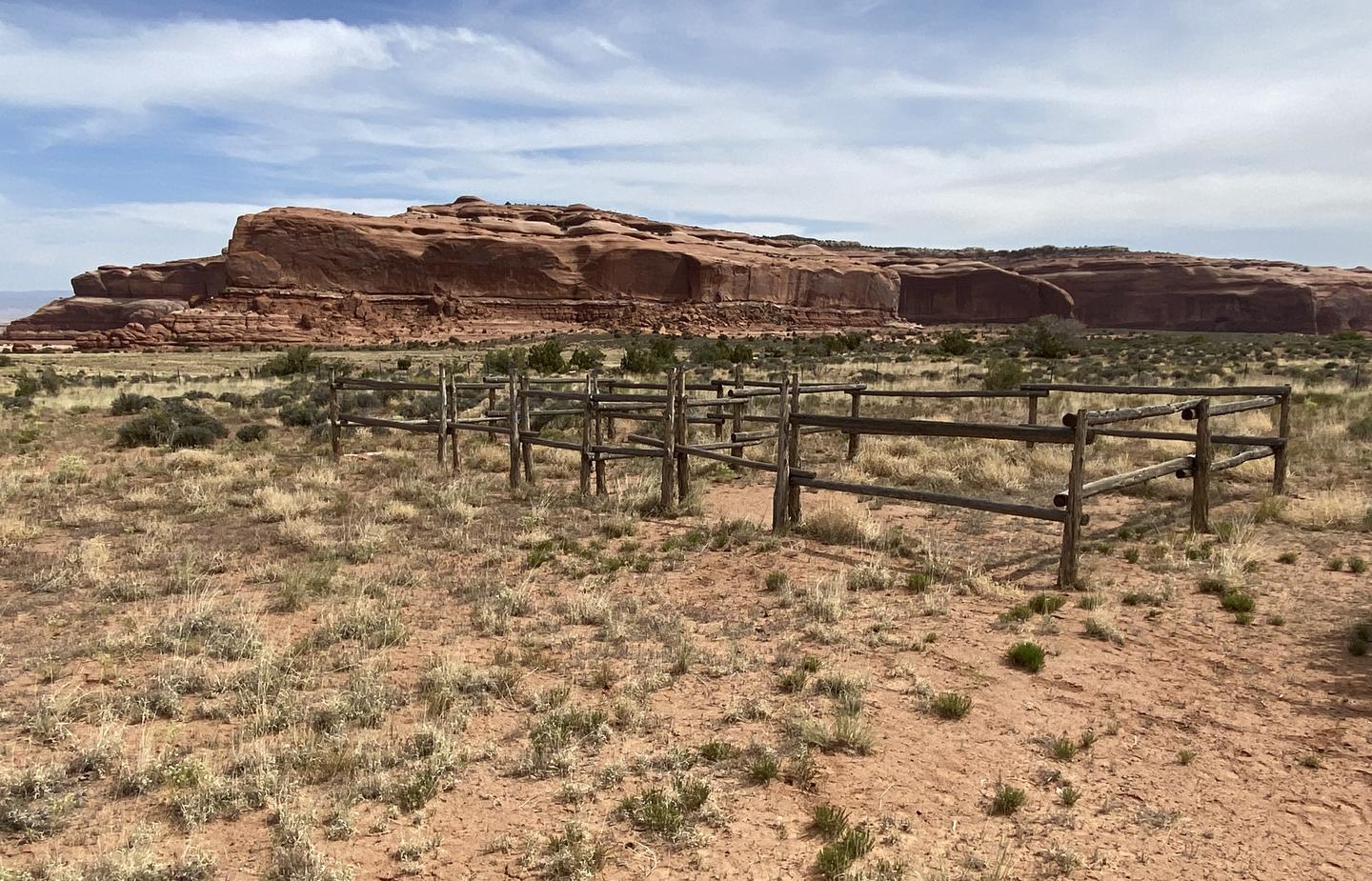
Cowboys used the natural peninsula to corral wild mustangs. Legend says horses left behind on the isolated point died here, giving the park its name. The visitor center includes exhibits on cowgirls who worked this landscape and the geological transformation from ancient seabed to canyon.Weather and SeasonsSpring (March through May) offers the best balance. Daytime highs run 50s to 70s°F, with nights in the mid-40s to 50s°F. Wildflowers peak in April and May. Sunrise and sunset light is excellent for photography. Summer temperatures exceed 100°F. Plan hikes for early morning. Winter brings occasional snow and crisp air, with fewer crowds. Fall provides comfortable temps but expect weekend crowds around Moab. Cell reception is spotty throughout the park.
ElevationRising to meet the sky at high altitude, Dead Horse Point's lofty elevation creates a unique high-desert environment that surprises many first-time visitors. This elevated perch means winter temperatures can dip lower than expected for a desert park, while summer nights often bring welcome relief from the day's heat. The thin air at this altitude makes the stars seem impossibly bright and close, creating some of the darkest night skies in the region—a celestial show that draws stargazers from around the world.
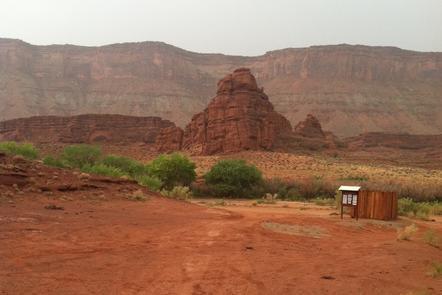
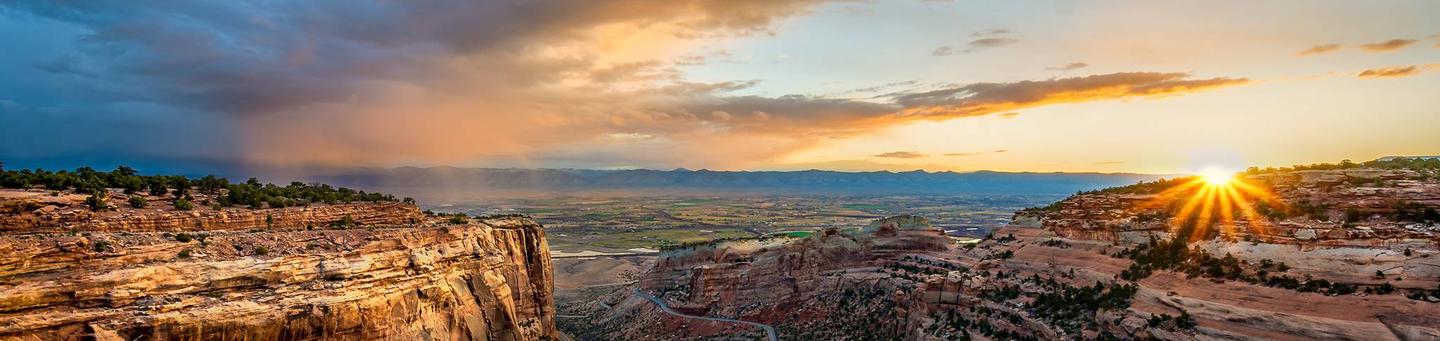
Natural Features and SceneryTowering 2,000 feet above the Colorado River, the park features an immense desert landscape of canyons, sculptured pinnacles and buttes, high desert woodland, red rock cliffs, open desert, and juniper groves. Sunrises and sunsets illuminate canyon walls in golden light.[1][2][4]
Geological RegionDead Horse Point stands as a crown jewel in Utah's southeastern desert, where 300 million years of Earth's history lie exposed in stunning cross-section. This geological wonderland began as ancient seas, their sediments slowly transforming into the layered rock formations visible today. Rivers and streams carved through these deposits over eons, while volcanic activity in the distant La Sal Mountains added the final dramatic touches to the landscape. The result is a natural sculpture garden of impossible scale—soaring pinnacles, graceful buttes, and fins of red rock that glow like embers in the desert sun, all testament to the patient artistry of geological time.
Scenic ViewsPanoramic views from Dead Horse Point overlook encompass the Colorado River, its gooseneck formations, and the La Sal Mountains. Visitors frequently highlight the stunning sunsets and dramatic canyon vistas.
Lodging & AccommodationsWingate Campground offers 4 yurts, and Moenkopi Yurt area features 5 yurts. These yurts include bunk beds, futons, air conditioning/heating units, and tables, with outdoor grills and fire pits. Pets are not allowed in Wingate yurts, but up to two dogs are permitted in Moenkopi yurts for an additional pet fee. Smoking and indoor cooking are prohibited.
Programs & ActivitiesThe visitor center offers educational exhibits on the park's geology, history, and biology. Summer evening programs are also a highlight.
 4.74
4.74