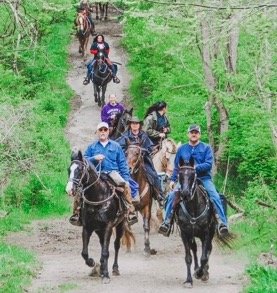
Nestled on the northern shores of William H. Harsha Lake, East Fork State Park Campground welcomes you with 416 spacious sites tucked beneath a canopy of towering hardwoods. Whether you're pulling in with your RV to one of the electric or full-hookup sites, arriving on horseback to the equestrian area, or settling in for a winter escape, this year-round retreat offers the perfect basecamp for lake adventures and forest wandering—with your leashed pup right by your side.
The campground is primarily a developed, electric-site campground with a mix of electrical-only and full-hookup sites; equestrian sites are also present elsewhere in the campground complex. Non-electric/primitive campsites are not available within the main campground.
Historical Significance
The broader park includes interpretive features and historic elements (for example, the Bethel Methodist Church and interpretive trails that tell the story of the East Fork valley), though specific historic structures within loops H–L are not documented.Weather and SeasonsThe campground hits its stride from late spring through early fall, when warm days beckon swimmers to the beach, boaters to the lake, and hikers to sun-dappled trails. For those seeking solitude, select loops remain open through winter months—though you'll trade the summer buzz and full amenities (which wind down after November 1) for peaceful, frost-kissed mornings and the quiet crackle of a campfire under bare branches.
Weather data by Open-Meteo.com, licensed under CC BY 4.0, processed by Outdoorithm.
Natural Features and SceneryWake up to dappled sunlight filtering through mature oaks, maples, and hickories that have been sheltering campers for generations. The forest floor comes alive with woodland wildflowers and native understory, while just a short stroll or drive from your site, the shimmering expanse of Harsha Lake reveals itself through scenic overlooks and winding trails that invite exploration from sunrise to sunset.
Geological RegionRolling hardwood forest in the East Fork valley around William H. Harsha Lake (mature oak, maple, and hickory canopy with ravines and reclaimed farmland transitioning to forest).
Scenic ViewsMost sites have filtered woodland views beneath a mature tree canopy rather than broad lake panoramas; lake viewpoints and trail overlooks are a short walk or drive from the campground.
 3.92
3.92