Putnam Pond sits at the edge of the Pharaoh Lake Wilderness Area in the Adirondacks, offering 72 sites that range from developed spots with hot showers to remote backcountry options. Sites run $5-20/night and accommodate tents, RVs, and primitive camping. The developed area is well-forested, though site spacing varies. Some campers note neighbors are closer than expected while remote sites sit far apart. Expect no cell service within a 7-mile radius, a feature most visitors appreciate.
Putnam Pond caters to a range of camping preferences, including tent camping, RV camping, and primitive camping at remote sites.
Historical Significance
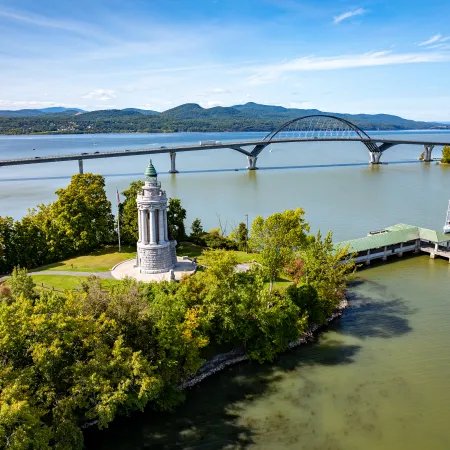
Fort Ticonderoga and Crown Point Historic Site sit a short drive from the campground. Both witnessed Revolutionary War battles that shaped control of this strategic corridor between the colonies and Canada. The sites remain open to visitors walking the same grounds where American and British forces clashed.Weather and SeasonsFall delivers the most dramatic experience at Putnam Pond. Peak foliage. Typically mid-September through mid-October. Paints the ridgelines in reds, oranges, and golds. Daytime highs run low 50s to mid 60s°F, with nights dropping into the 30s and 40s. Campfires feel essential. Wildlife viewing and shore fishing improve as animals prepare for winter and crowds thin. Summer brings humidity and warm water for swimming and paddling, but also heavy mosquito pressure. Multiple reviews warn to bring repellent. Spring sees rushing streams and wildflowers as the forest thaws. Winter transforms the area into backcountry terrain for hardy campers.
ElevationThe campground's gentle terrain makes it accessible for all skill levels, with subtle elevation changes that add interest to hiking trails without overwhelming newcomers to mountain camping.
Weather data by Open-Meteo.com, licensed under CC BY 4.0, processed by Outdoorithm.
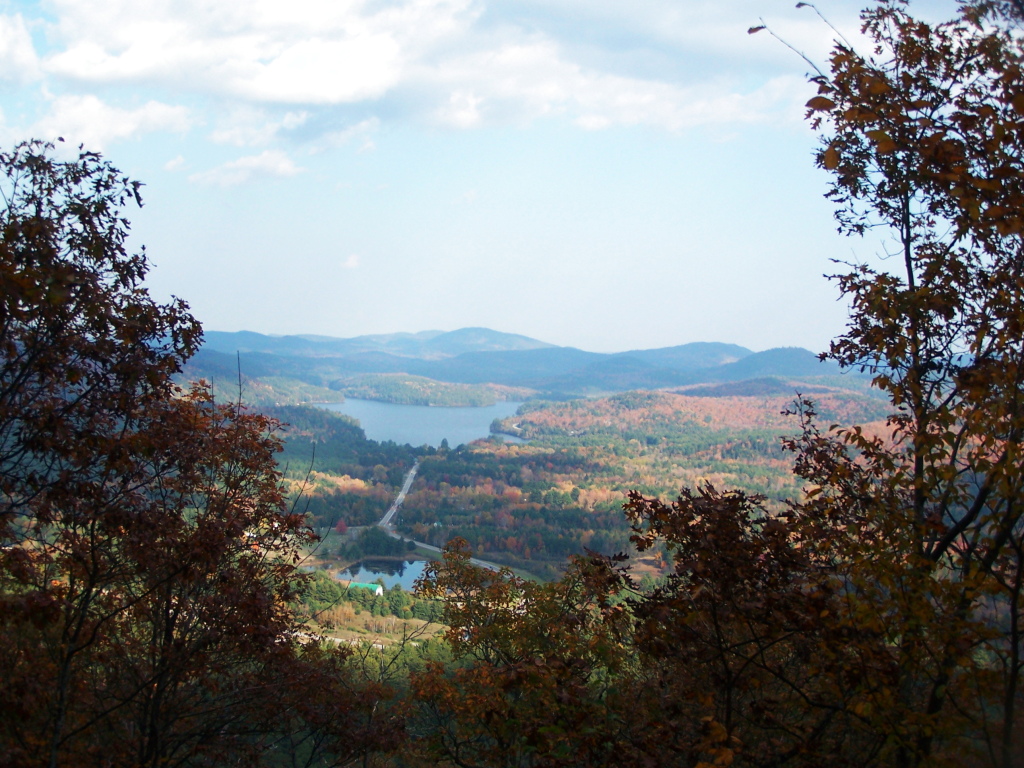
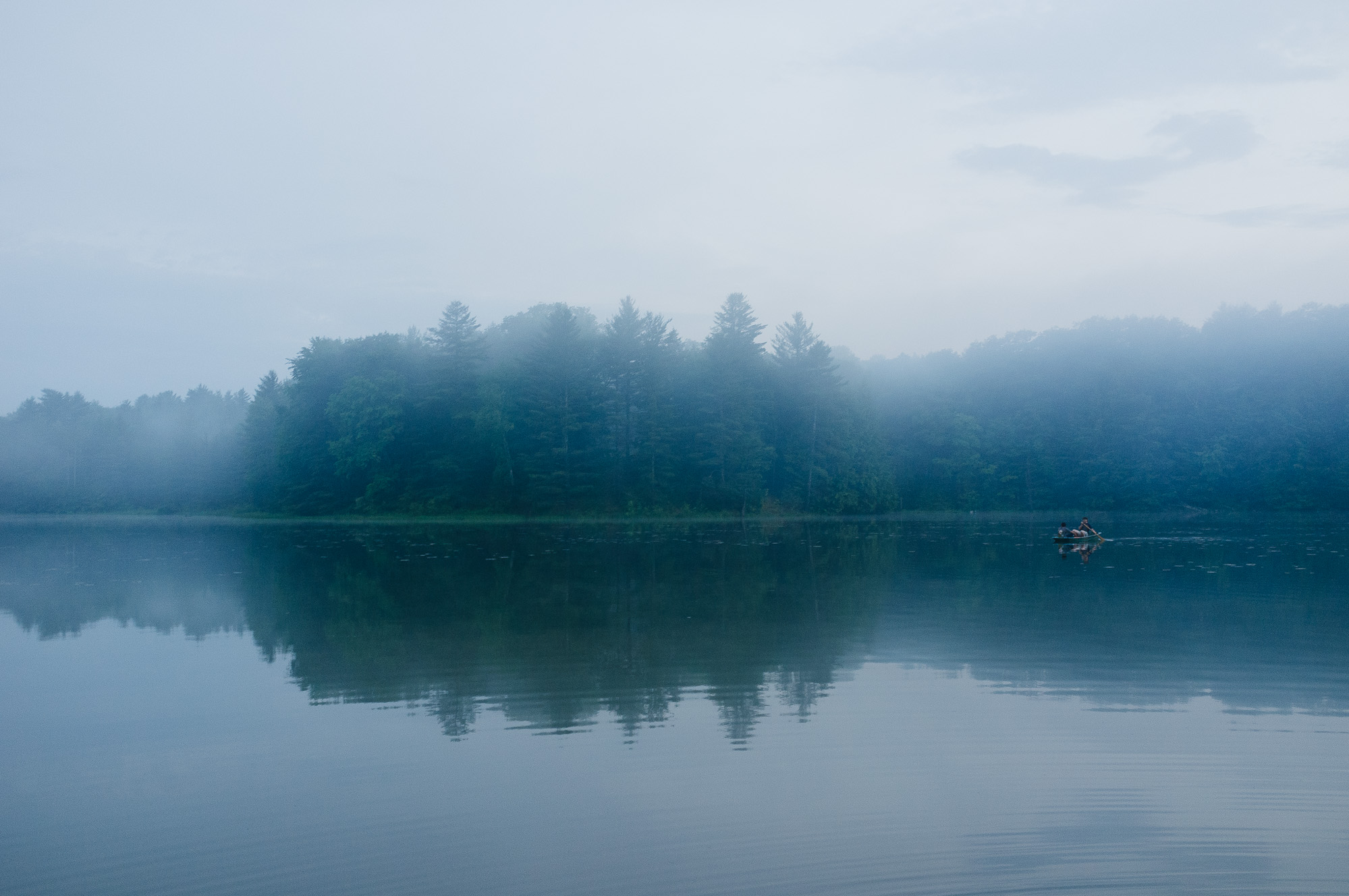
Natural Features and SceneryThe campground occupies ancient Adirondack forest at 1,306 feet elevation, where towering pines and hardwoods frame Putnam Pond and North Pond. The understory grows thick with ferns, and mountain ridgelines define the horizon. Loons call across the water at dusk. Beavers work the shorelines, building lodges visible from the water. The proximity to Lake Champlain creates a transition zone where northern forests meet wetlands, giving the area more ecological diversity than typical high-elevation Adirondack camps. Morning mist settles in the basins between peaks.
Geological RegionSituated in the heart of the legendary Adirondack Mountains, this campground rests within one of North America's most ancient geological formations. The surrounding peaks and valleys tell a billion-year story written in granite and gneiss, while crystalline ponds fill basins carved by glaciers. This unique position near Lake Champlain creates a diverse ecosystem where northern forests meet wetlands, offering campers an extraordinary variety of landscapes to explore within a single adventure.
Scenic ViewsRemote sites provide unobstructed views of Putnam Pond and the surrounding forest. Sunsets and views of the Milky Way can be enjoyed near the main parking lot or dock area.
Lodging & AccommodationsWhile no hotel-style accommodations are available, the campground offers remote primitive campsites accessible by boat or hiking, with outhouses and no potable water. These sites are noted for their scenic views and solitude.
 4.39
4.39