Go if
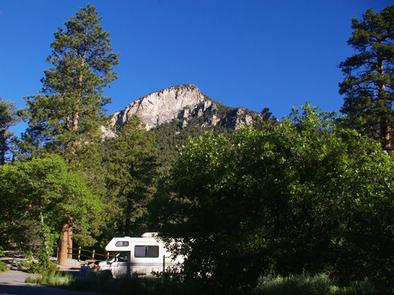
you want a well-maintained campground near good trails and can snag a shaded, well-placed site like 27
 4.52691 reviews
Seasonal ranking by Open-Meteo.com, licensed under CC BY 4.0, processed by Outdoorithm.
Price
$25 - $50/night
Booking
Reservable
Sites
100 campsites
Season
Open season from May...
Cell
Unknown
Pets
Very Pet Friendly
Elevation by Open-Meteo.com, licensed under CC BY 4.0, processed by Outdoorithm.
Price
$25 - $50/night
Booking
Reservable
Sites
100 campsites
Season
Open season from May...
Cell
Unknown
Pets
Very Pet Friendly
Elevation by Open-Meteo.com, licensed under CC BY 4.0, processed by Outdoorithm.
We'll monitor this campground and alert you the moment sites become available.
Free to start · Premium adds 2-min scans
263,000+ sites monitored · Email alerts to start; SMS and in-app with an account
Learn more about alerts →Mcwilliams
36.3092, -115.6825
We'll monitor this campground and alert you the moment sites become available.
Free to start · Premium adds 2-min scans
263,000+ sites monitored · Email alerts to start; SMS and in-app with an account
Learn more about alerts →you want a well-maintained campground near good trails and can snag a shaded, well-placed site like 27
you need strong privacy, easy RV maneuvering, or hands-on host support during busy weekends
Camper Report Card
Rated higher than 52% of graded campgrounds
Graded on what 435 campers actually wrote - graded on 14 things that make or break a trip. Each topic is graded against every other campground on it - A is among the best, C about average. No star ratings.
Strengths
Watch-outs
Each topic is graded against every other campground on it; a topic campers liked never grades below C−. ± shows the 95% confidence range from the sample size.
Mcwilliams appears in our curated guides. Explore more top-rated campgrounds for the same activities and regions.

Availability, what to pack, similar spots — ask anything and get an instant answer.
Best season: summer. Summer offers the most reliable, accessible conditions at McWilliams — daytime highs are typically pleasant (mid-60s to low-80s°F) with cool nights (mid-30s to low-50s°F), making hiking and mountain biking comfortable while the campground and trails are fully open. Wildflowers and active wildlife carry through late spring into summer, but summer provides the longest window for recreation and the lowest chance of lingering snow. Expect moderate crowds on summer weekends from Las Vegas visitors,so Peak months: June, July, August, September Avoid: November, December, January, February
Peak season; pleasant daytime highs (mid‑60s to low‑80s°F) and many positive summer reviews.
Weather data by Open-Meteo.com, licensed under CC BY 4.0, processed by Outdoorithm.
Reservation tips, booking windows, and free cancellation alerts.
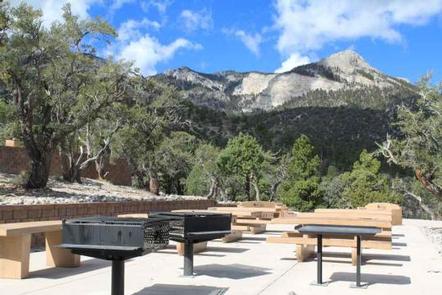
McWilliams Campground is equipped with a range of useful amenities designed to enhance the camping experience. The campground offers paved roads and parking spurs, along with flush toilets, drinking water, and trash collection facilities. Each campsite is equipped with picnic tables, grills, and campfire rings. The campground is well-maintained, with reports of clean restrooms and plentiful water spigots located throughout. However, some reviews highlighted specific issues such as locked water spigots, trash overflow, and occasional maintenance lapses. The campground does not provide utility hookups or showers, which is something to consider for extended stays.
Researching this campground? Ask anything — other campers and our team will weigh in. No visit required.
Short heads-ups about the road in, gear quirks, and timing, compiled by Outdoorithm from public reviews and operator information.
Rate Mcwilliams
Been here? Tap a star to start. Takes about a minute.
Sign-in required only if you want your name on it.

Be the first to review this campground
Every adventure creates another. Share what you learned so the next camper feels a little more prepared heading out.