Providence Canyon State Park sits in southwest Georgia near Lumpkin, where erosion has carved gullies up to 150 feet deep into soft, ancient soils. The park offers primitive camping with six backcountry sites and three pioneer sites, plus a network of hiking trails through the canyon's pink, orange, red, and purple sediment layers. Fees range from $3.75 to $70 per night.
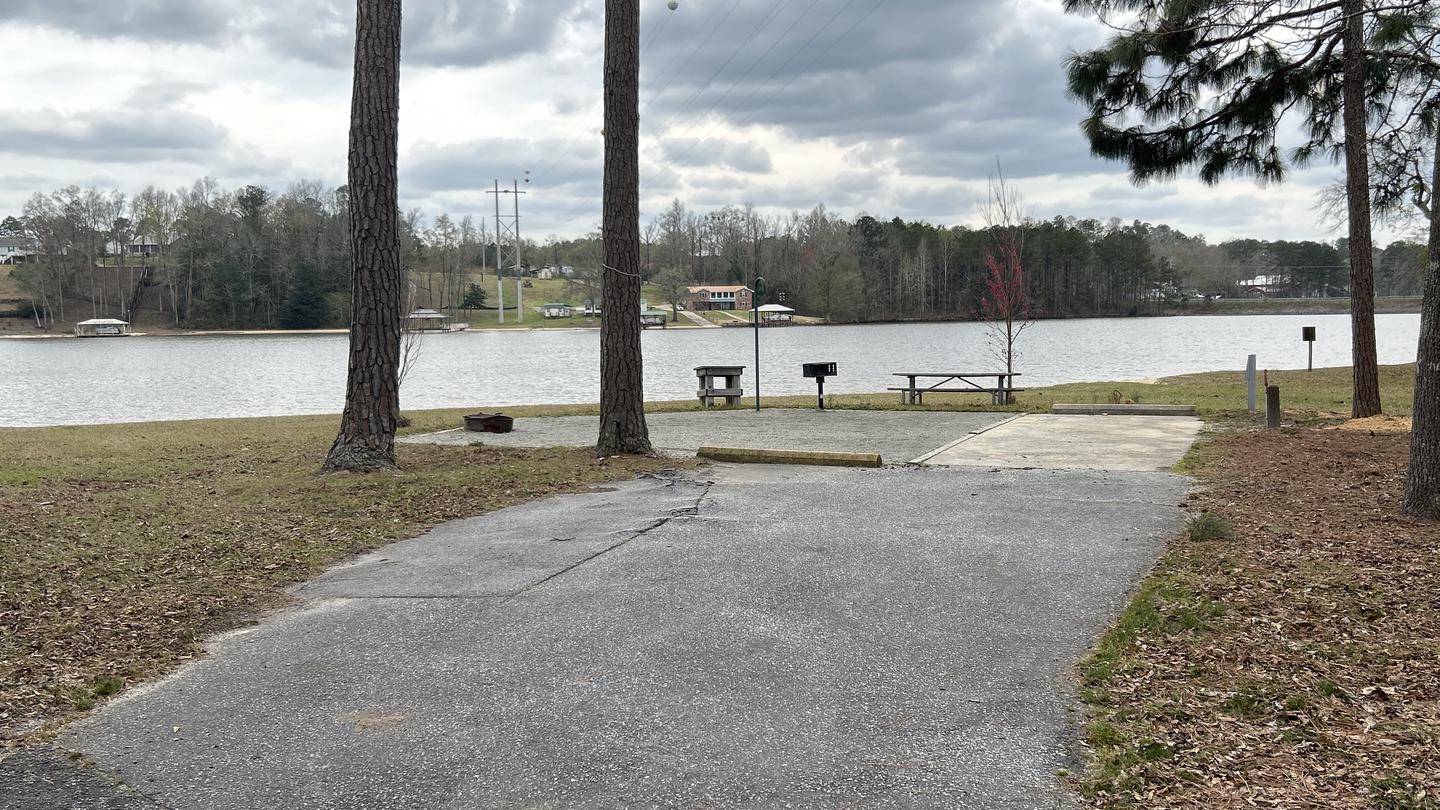
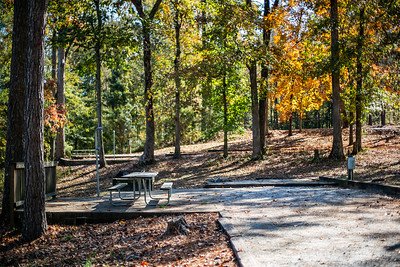
Providence Canyon State Park is primarily a day-use and backcountry camping facility. It does not offer traditional developed campsites for RVs or tents but features six backcountry campsites and three pioneer campsites.
Historical Significance
The canyons began forming in the 19th century when agricultural practices exposed the land's soft soils to erosion. What started as environmental damage created one of Georgia's Seven Natural Wonders.Weather and SeasonsSpring offers the most comfortable hiking conditions, with daytime highs in the mid-50s to mid-70s°F. Fresh green growth contrasts with the canyon walls, wildflowers bloom, and migrating songbirds pass through. Trails are generally dry between rains. Weekends and holidays see the heaviest crowds. Summer is hot. Reviewers recommend bringing plenty of water on warm days.
ElevationThe canyon's dramatic vertical relief creates its own microclimate and ecosystem, with trails that wind from rim to floor, offering constantly changing perspectives of this geological marvel.
Weather data by Open-Meteo.com, licensed under CC BY 4.0, processed by Outdoorithm.
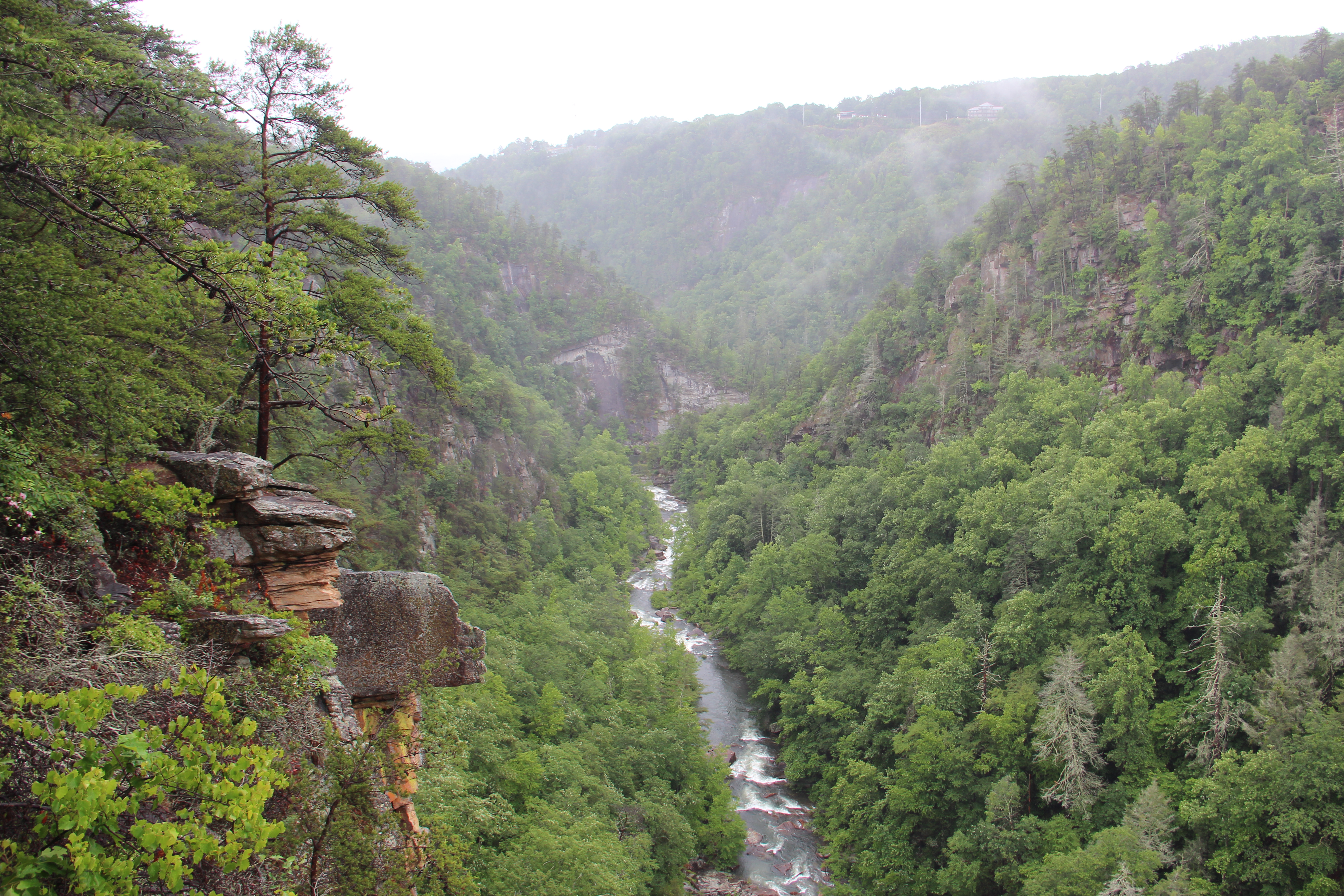
Natural Features and SceneryThe canyon walls expose millions of years of geological history in vivid bands of color. Mixed forests surround the gullies, and water trickles across the canyon floor in places. In July and August, the endangered Plumleaf Azalea blooms here, one of the few places on Earth where this wildflower grows. The park sits at 443 feet elevation. Reviewers note the scenery is striking but trails can get muddy, especially after rain.
Geological RegionNestled in the heart of southwest Georgia's Region 5, Providence Canyon stands as a testament to the dramatic forces of erosion. These massive gullies, plunging up to 150 feet deep, began forming in the 19th century when agricultural practices exposed the land's soft, ancient soils. Today, this geological phenomenon reveals millions of years of Earth's history in its colorful layers of pink, orange, red, and purple sediments. The unique conditions here support the endangered Plumleaf Azalea, making summer visits especially rewarding for wildflower enthusiasts and nature lovers alike.
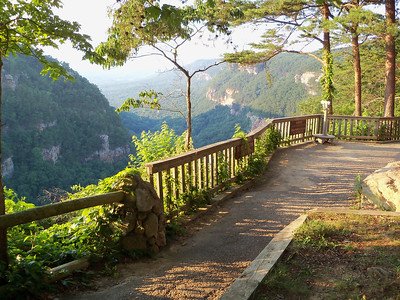
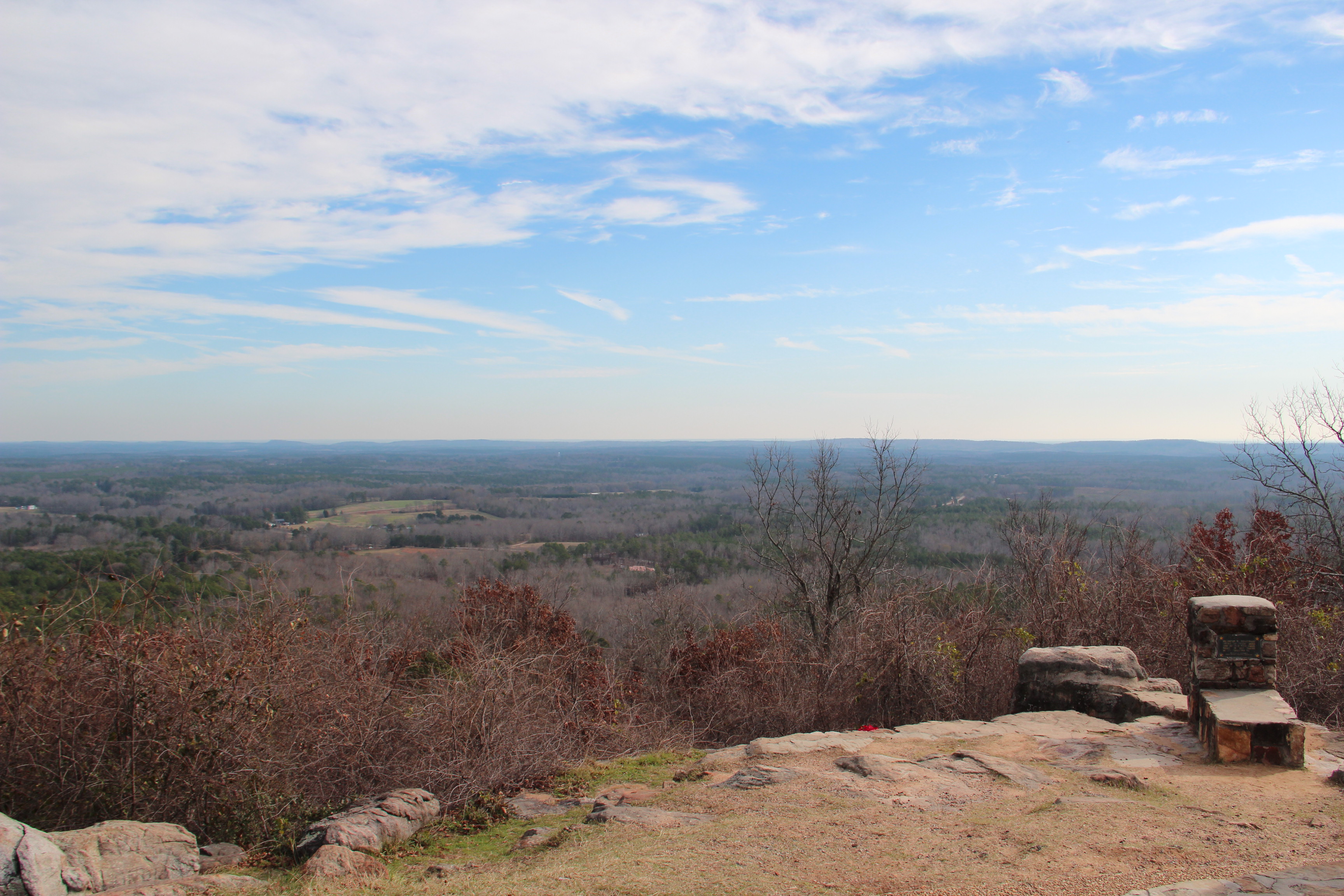
Scenic ViewsVisitors can enjoy canyon views from rim trails and overlooks, with opportunities for photography. Trails to canyons 5 and 6 offer desert-like views resembling western landscapes.
Lodging & AccommodationsLodging like cottages and efficiency units are available at nearby Florence Marina State Park, approximately 8 miles away.
Programs & ActivitiesThe park hosts geology and astronomy programs, as well as other educational initiatives like the Providence Canyon School Program Brochure.
 4.57
4.57