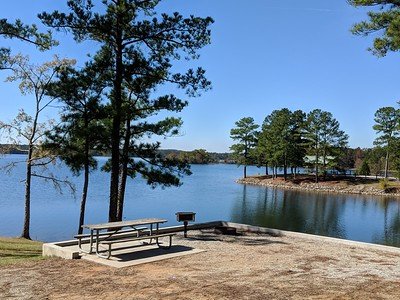
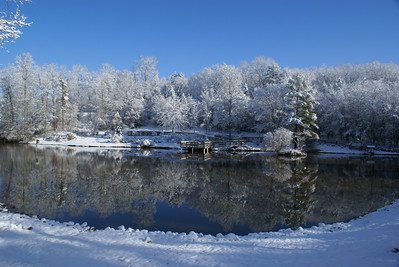
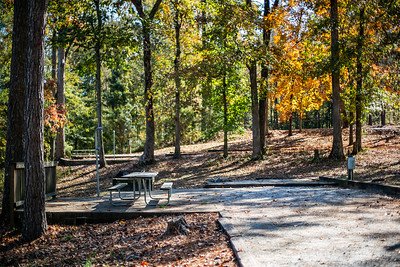
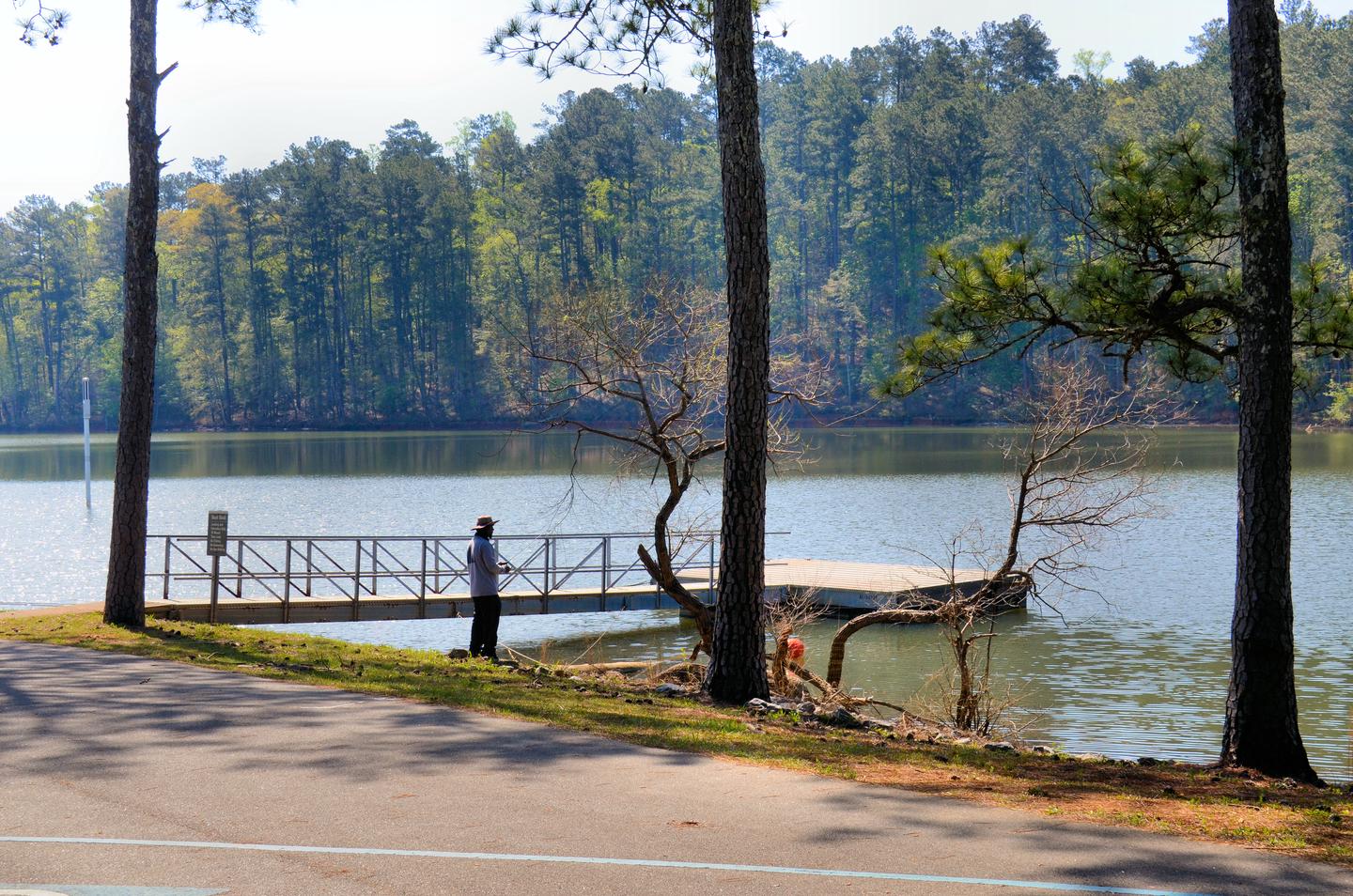
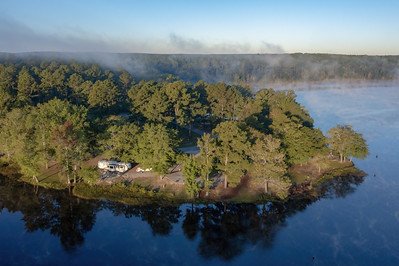
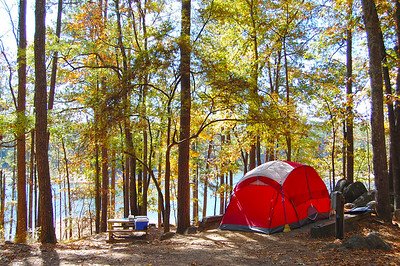
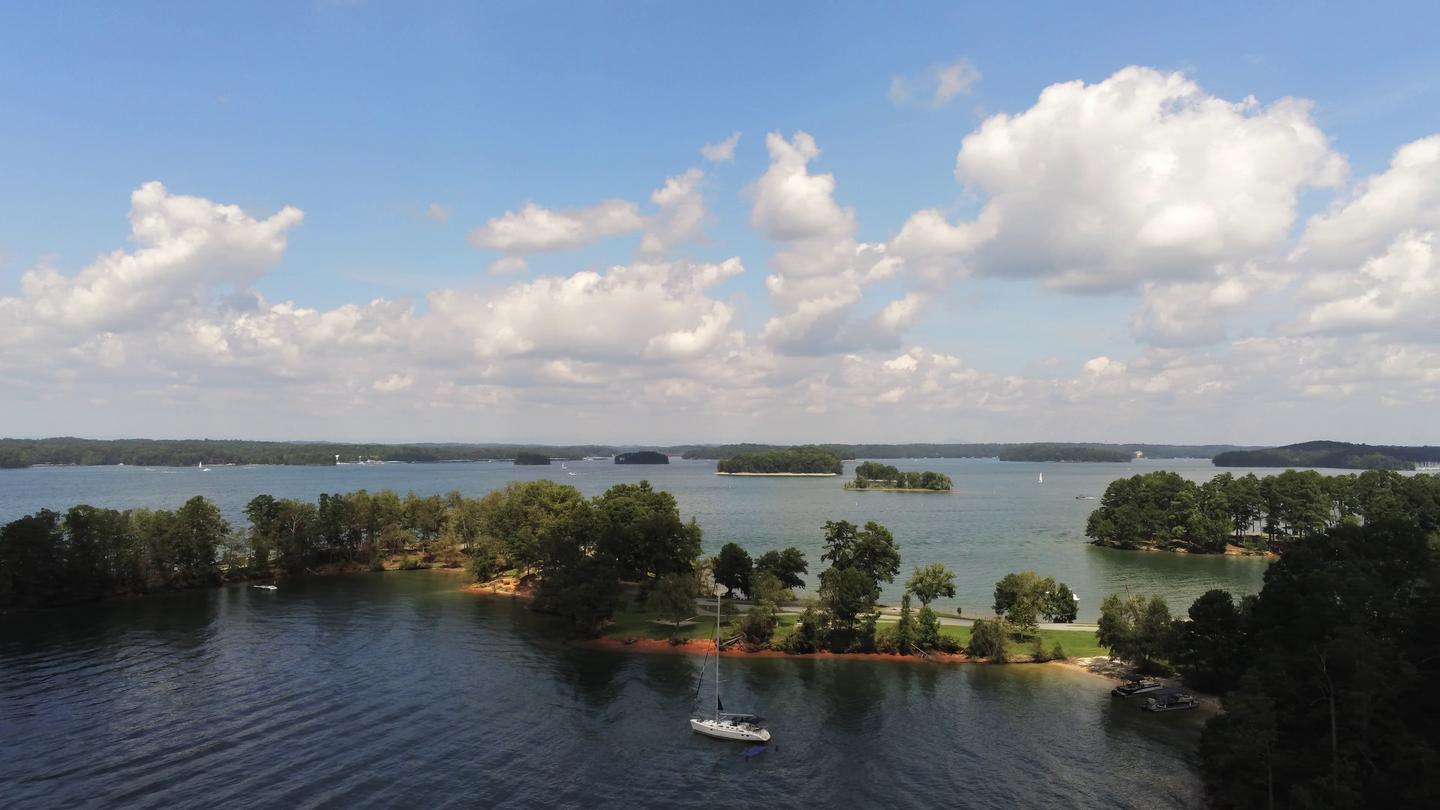
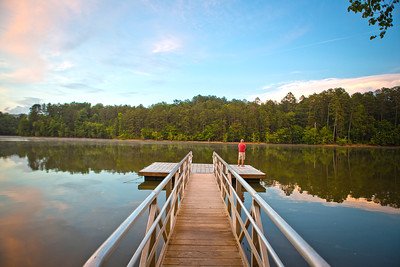
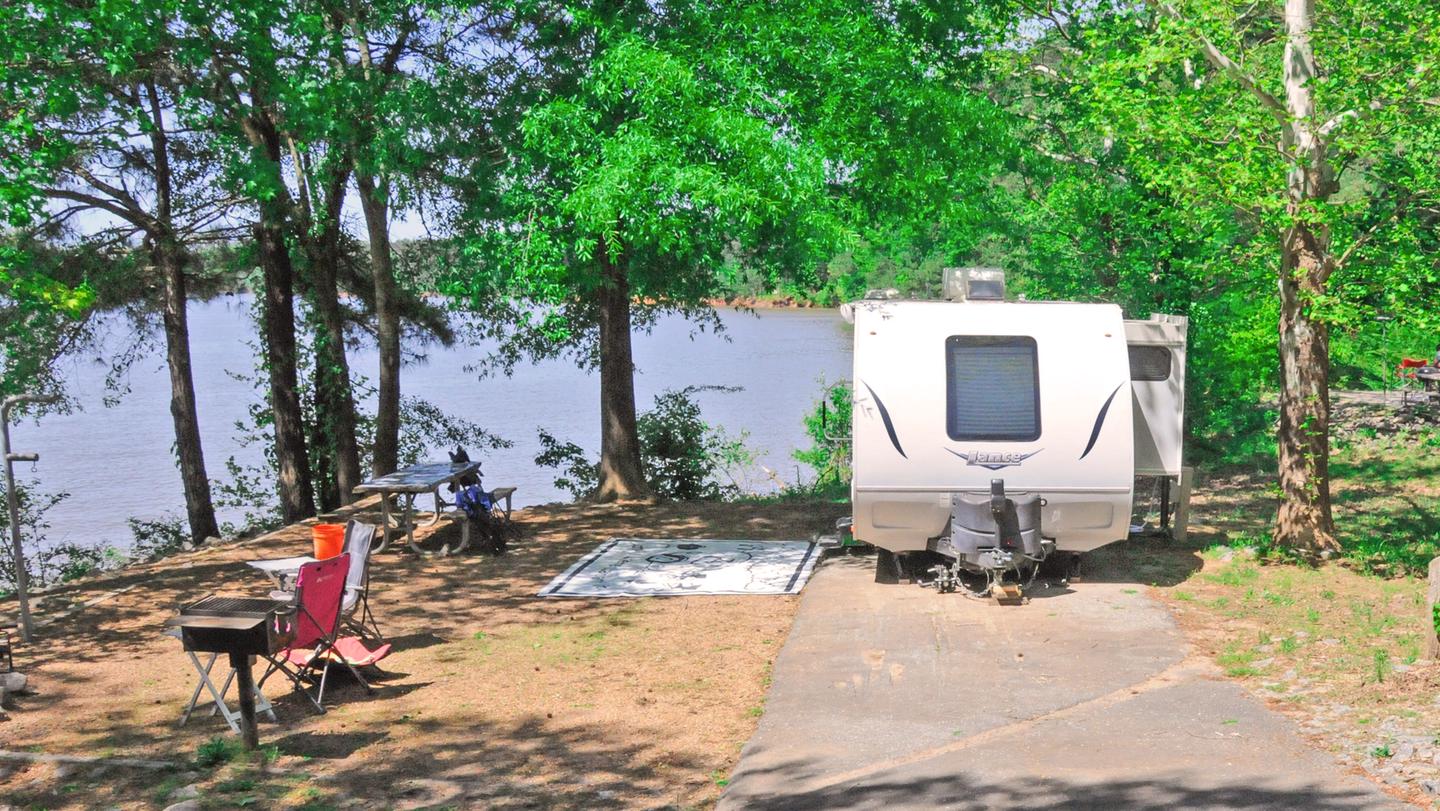
Indian Springs State Park sits on 528 acres in middle Georgia, about 15 miles southeast of Jackson. One of the oldest state parks in the country, it's built around natural springs that have drawn visitors for centuries. The 105-acre McIntosh Lake anchors the recreation: fishing, boating, and a sandy beach for swimming. The park has 60 campsites (tent and RV), plus cabins. Sites run $5-70/night. Amenities include showers, electric hookups, a dump station, and a small camp store.
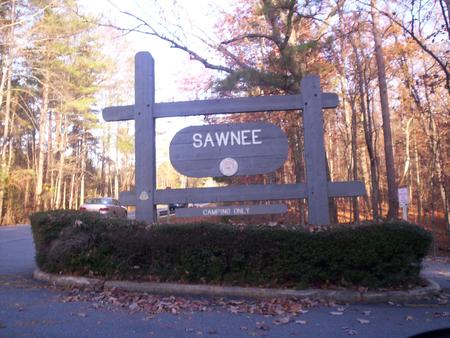
Indian Springs State Park offers diverse camping accommodations, including sites for tents, trailers, RVs, and group camping. Cottages are also available.
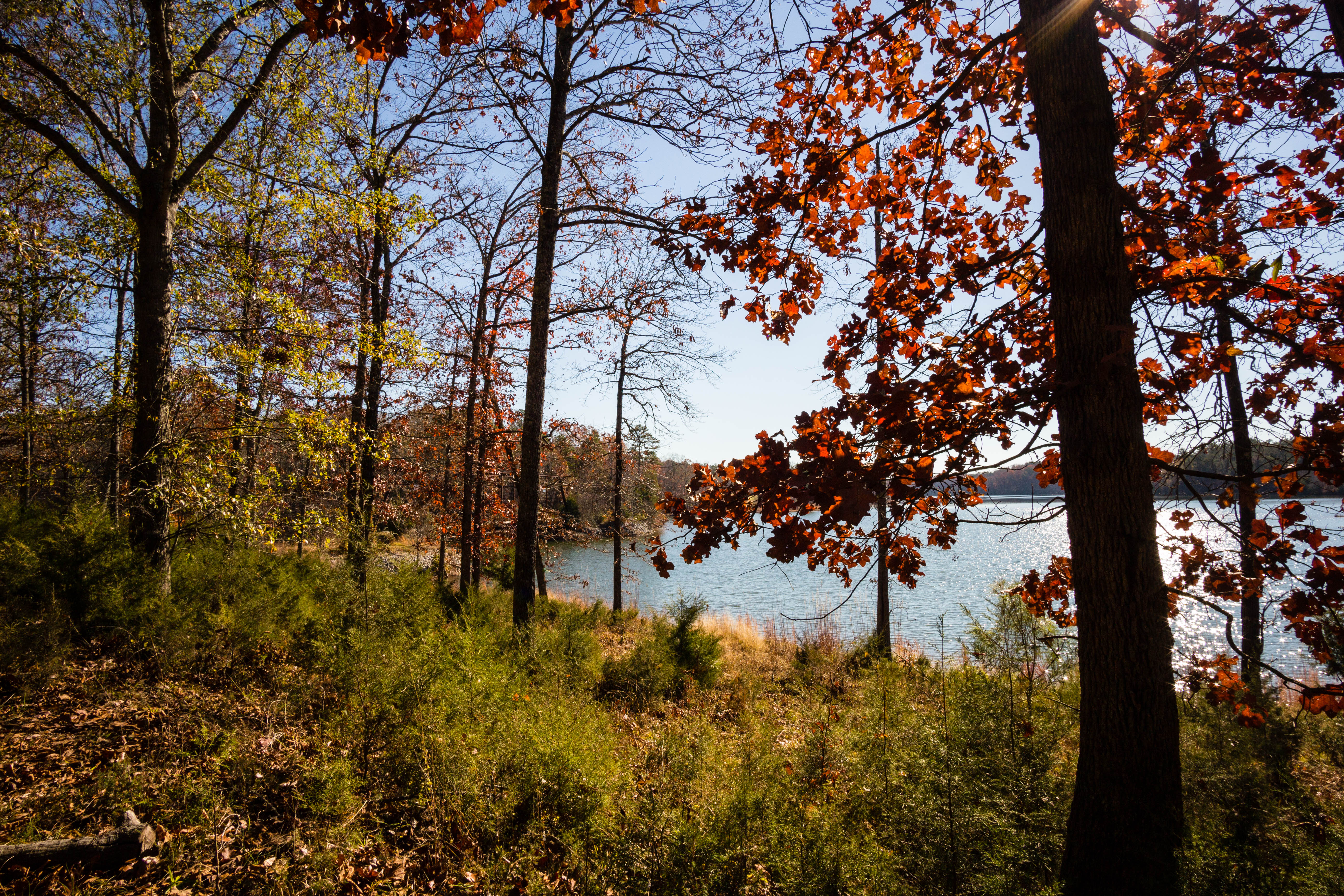
Creek Indians used these springs long before European settlement, traveling for the mineral waters they considered medicinal. The site became one of the first state parks in the U.S. During the Great Depression, the Civilian Conservation Corps built stone pavilions, retaining walls, and park structures that still stand. You can see the hand-laid stonework throughout the grounds. A small museum on-site covers the spring's history and the CCC's work. Weather and SeasonsSpring is the sweet spot: mid-60s to low-80s during the day, 50s to low-60s at night. Trails and lake edges bloom with dogwood and wildflowers. Fish move shallow, so fishing and boating pick up. Bugs and humidity are lower than summer. Fall runs a close second, with temperatures in the same range and hardwoods turning gold and crimson. Summer hits 85-90°F with Georgia humidity. Most people stick to the lake or creek to cool off. Winter days are mild, around 55°F, but nights drop to the low 40s. The park stays open year-round, though the beach and some facilities close in colder months.
ElevationThe park's gently rolling terrain creates an accessible landscape perfect for visitors of all ages and abilities, with subtle changes in elevation that add visual interest without challenging comfort.
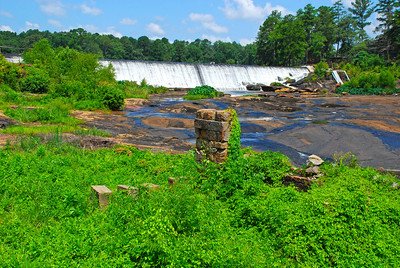
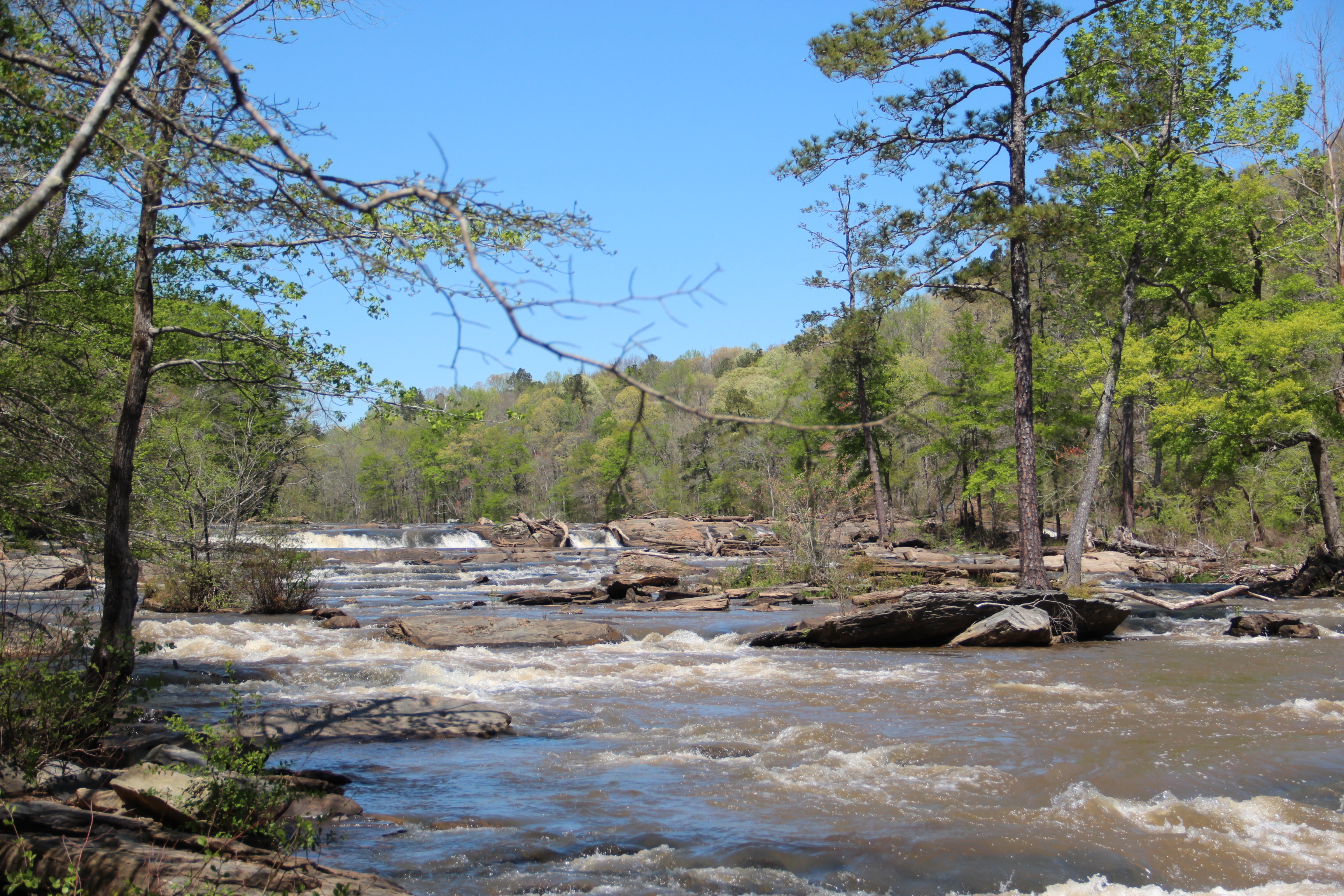
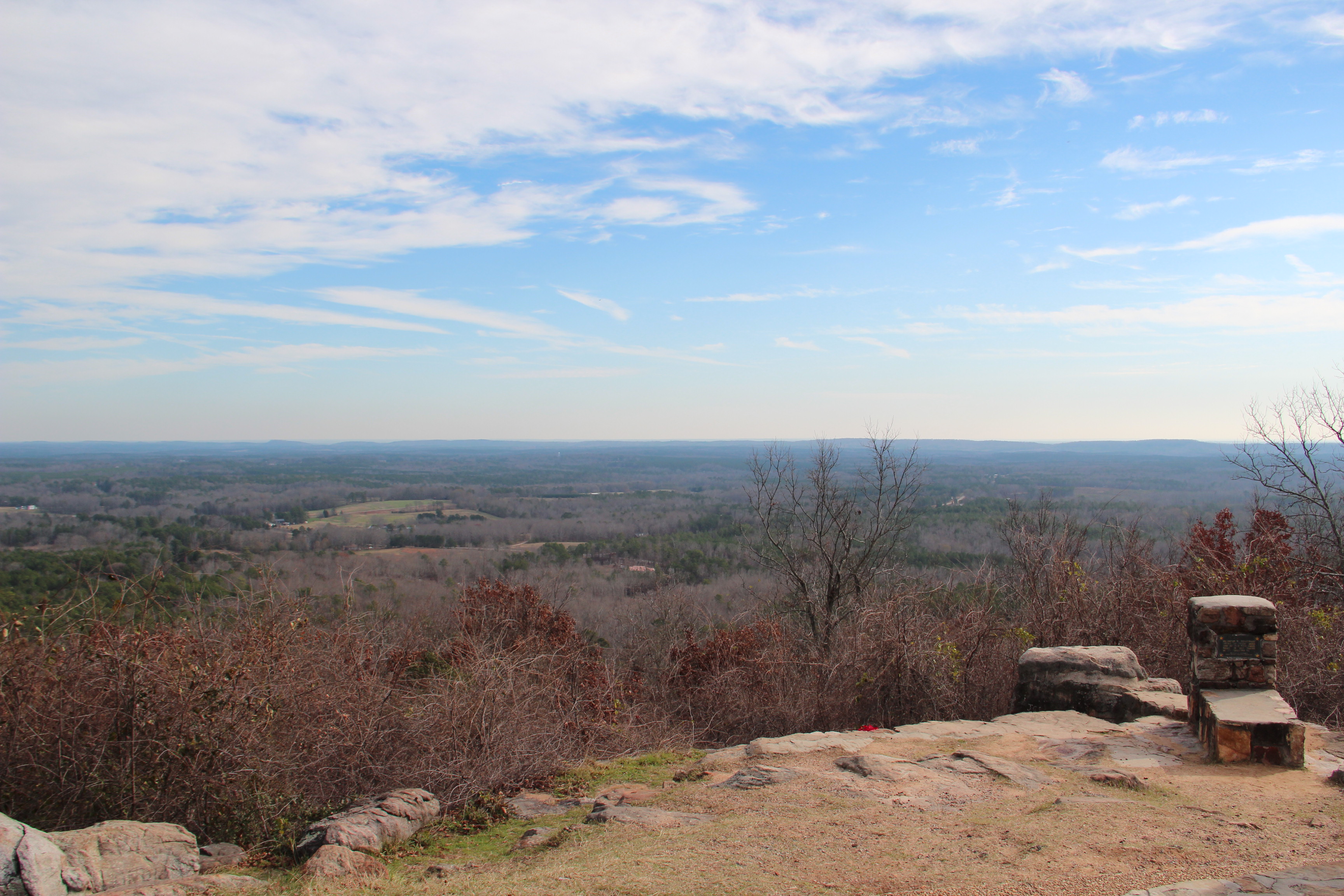
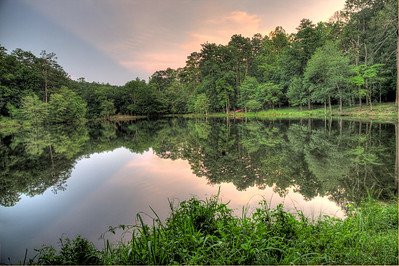
Natural Features and SceneryThe park sits at 568 feet elevation in Georgia's piedmont region, where rolling terrain meets dense Southern mixed hardwood and pine forests. McIntosh Lake covers 105 acres, with a dam-controlled shoreline and shallow coves good for bass fishing. Sandy Creek winds through the property. Shallow enough for wading, popular with kids. The namesake springs emerge cold and clear from underground, mineral-rich enough that visitors still fill bottles to take home. Canopy cover varies: dense hardwoods near the creek, more open pine stands on ridges. Stone structures from the 1930s Civilian Conservation Corps dot the grounds. Pavilions, retaining walls, a museum building. Built from local rock and still in use.
Geological RegionNestled in the heart of middle Georgia's distinctive landscape, Indian Springs showcases the region's unique blend of rolling piedmont topography and abundant water resources. The 105-acre McIntosh Lake serves as the aquatic jewel of the park, while the surrounding forests represent the classic Southern mixed hardwood and pine ecosystem that once covered much of the Southeast. This geological setting creates the perfect conditions for the natural springs that have made this location famous for generations, where underground waters emerge crystal-clear and mineral-rich from deep beneath the Georgia clay.
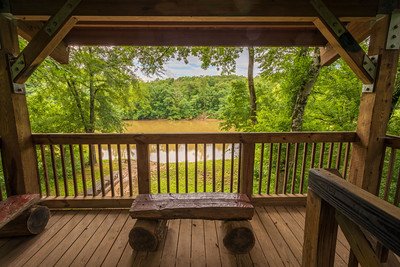
Scenic ViewsViews include the serene McIntosh Lake and surrounding forested areas, though most campsites do not have direct lake views.
Lodging & AccommodationsThe park offers 10 cottages and a group camp that can accommodate up to 130 people. Several users noted the availability of cabins, with Jay Williamson commenting, 'Cabins are amazing,' and Nancy Varn highlighting, 'Perfect spot. Well-appointed cabins.'
Programs & ActivitiesThe museum on-site highlights Creek Indians, resort-era history, and the Civilian Conservation Corps. It operates seasonally and offers limited hours.
 4.42
4.42