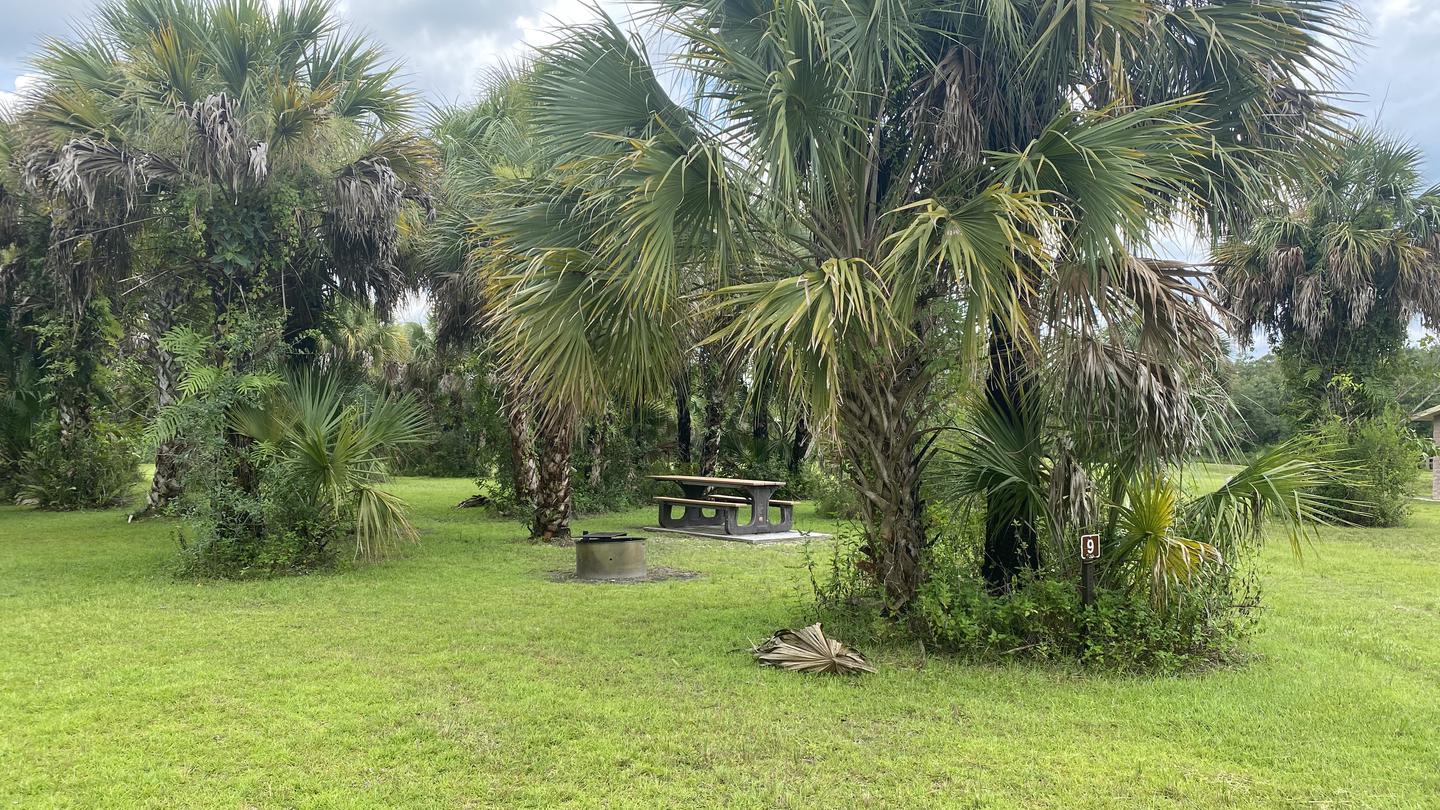
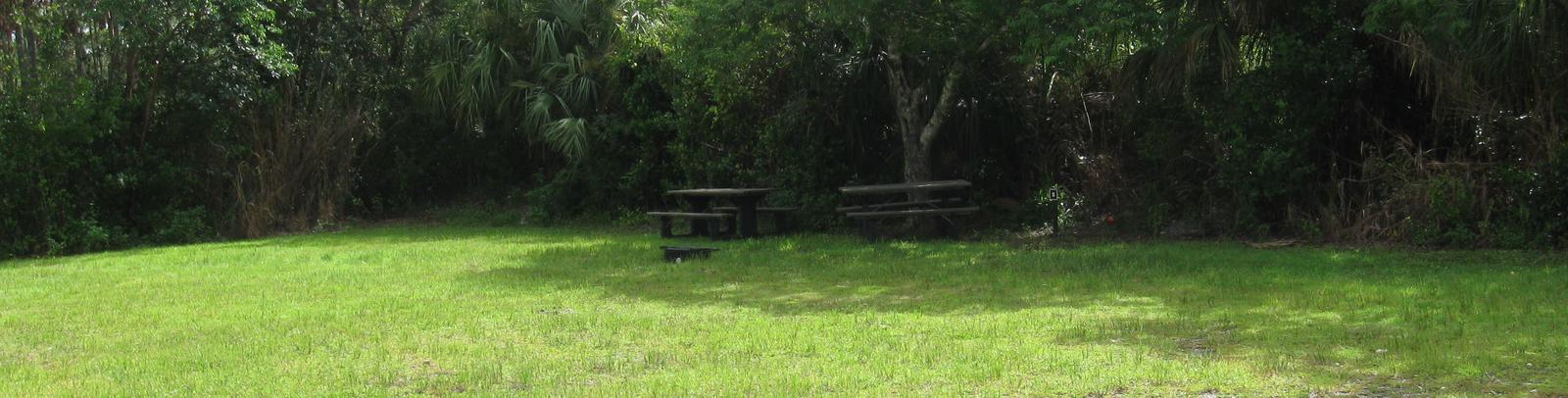
Hugh Taylor Birch sits on 180 acres between the Atlantic Ocean and the Intracoastal Waterway in Fort Lauderdale, offering group and youth camping in a maritime tropical hardwood hammock. The park has six air-conditioned cabins that sleep 68 and a primitive group site for up to 50 tent campers. Fees run $1–6 per night. Organized youth groups need one adult chaperone per ten kids and must stay in camp after the park closes.
Overnight options include organized group/youth camping: a primitive group campsite for up to 50 in tents and the Elks Youth Camp with six cabins (accommodates 68) with restrooms and air conditioning. Reservations are for organized groups only.
Historical Significance
Hugh Taylor Birch preserved the land as an estate and later gifted it to the city. The Terramar Visitor Center displays the area's natural and cultural history, though reviews focus more on the park's role as a peaceful urban refuge than on specific historical events.Weather and SeasonsSpring brings the most comfortable conditions: 70–85°F, lower humidity than summer, and active wildlife in the hammock and along the lake. Water warms enough for swimming and paddling, and afternoon thunderstorms are still less frequent than in midsummer. Year-round temperatures range from mid-60s to high 80s. Summer heat intensifies. Sand gets hot enough that campers recommend shoes, and flies can be heavy in some areas. Parking fills up fast on busy days in any season, so arrive early.
Natural Features and SceneryThe campground sits at 16 feet elevation in a coastal dune lake ecosystem that feels miles from the surrounding city. Ancient maritime hammock creates dense shade overhead. Palms, oaks, and sea grapes mixing into lush subtropical understory. A rare coastal dune lake reflects the canopy, and the park's position between ocean and Intracoastal means you can walk windswept beach dunes on one side and watch wading birds in calm shallows on the other. Gopher tortoises amble through the trails. Iguanas show up on kayak routes. No alligators. Screened park entrances keep them out. A pedestrian tunnel under A1A connects the campground to a serene beach.
Geological RegionCoastal setting with coastal dune lake and maritime tropical hardwood hammock ecosystem
Scenic ViewsPicnic areas and Pavilion 3 overlook the Intracoastal Waterway and channel; beach access provides ocean views via A1A.
 4.56
4.56