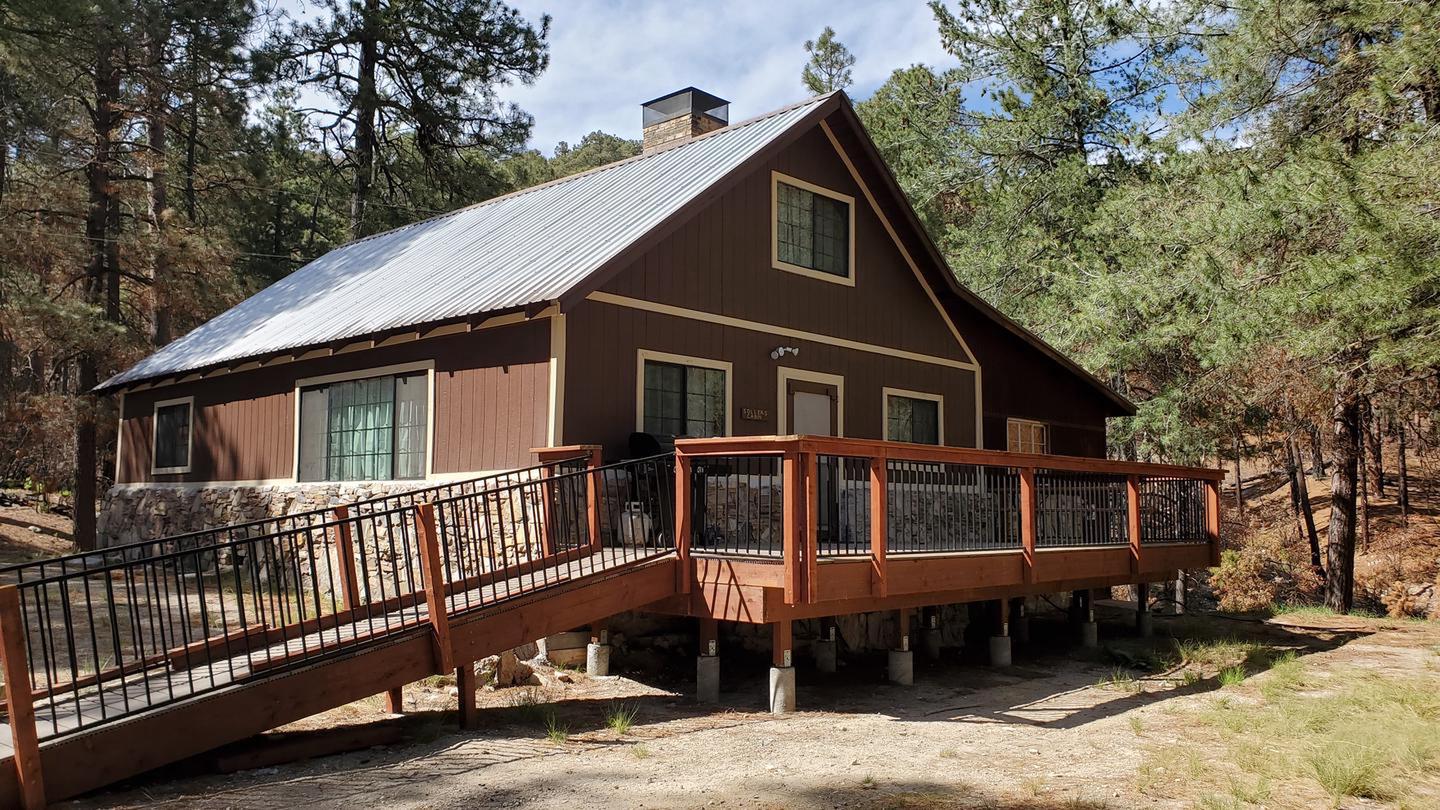
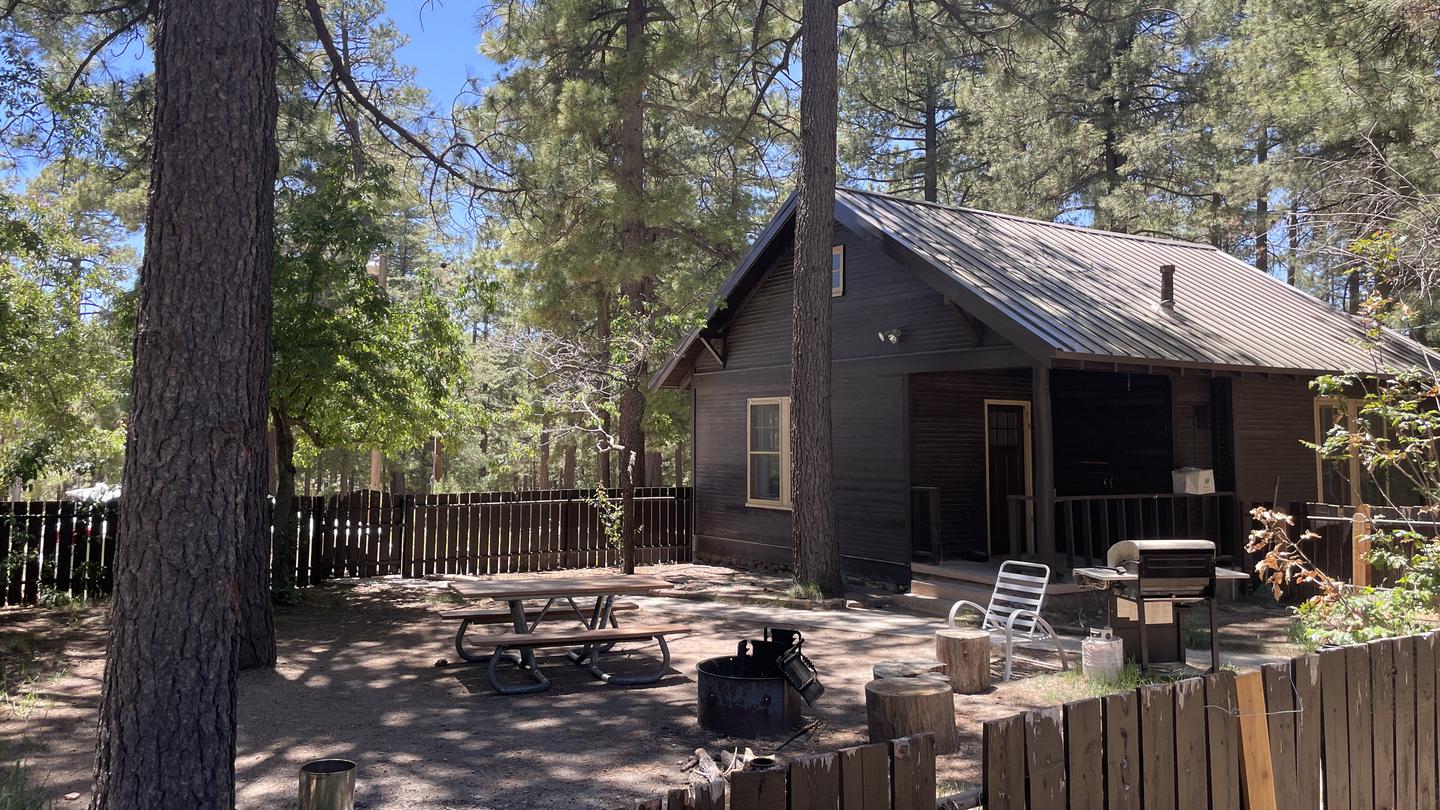
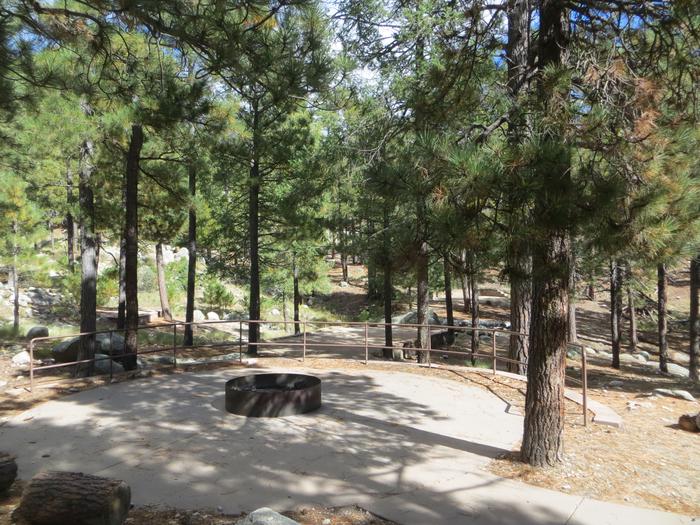
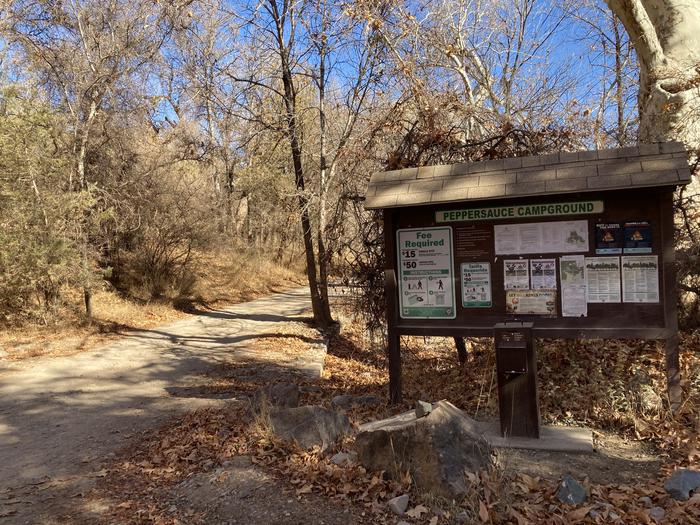
Gordon Hirabayashi Campground sits at 4,700 feet in the Santa Catalina Mountains, 11 sites tucked along a seasonal creek north of Tucson. Named for the civil rights leader who challenged wartime internment orders, this former Federal Honor Camp now serves hikers, climbers, and equestrians exploring the rugged desert mountains. Sites cost $20-40 per night and accommodate tents and RVs, though leveling is often needed on the gravel pads.
Gordon Hirabayashi Campground offers 11 combined tent and RV sites, a group camping area with horse corrals, and equestrian-friendly facilities.
During World War II, this site operated as a Federal Honor Camp where Japanese Americans and conscientious objectors were interned. They built roads that still climb into the Santa Catalinas. In 1999, the campground was renamed for Dr. Gordon Hirabayashi, who challenged the constitutionality of internment orders during the war. Memorials at the site acknowledge this history. What was once a place of confinement is now open to anyone seeking the mountains. Weather and SeasonsWinter and spring bring the easiest conditions. Days in the 50s to 80s, nights in the 30s and 50s. Summer pushes past 90 degrees, but elevation provides some relief from the valley heat. Monsoon season brings dramatic afternoon storms and flash flood risk. The cooler months are popular for hiking and climbing. Summer requires careful timing and weather awareness.
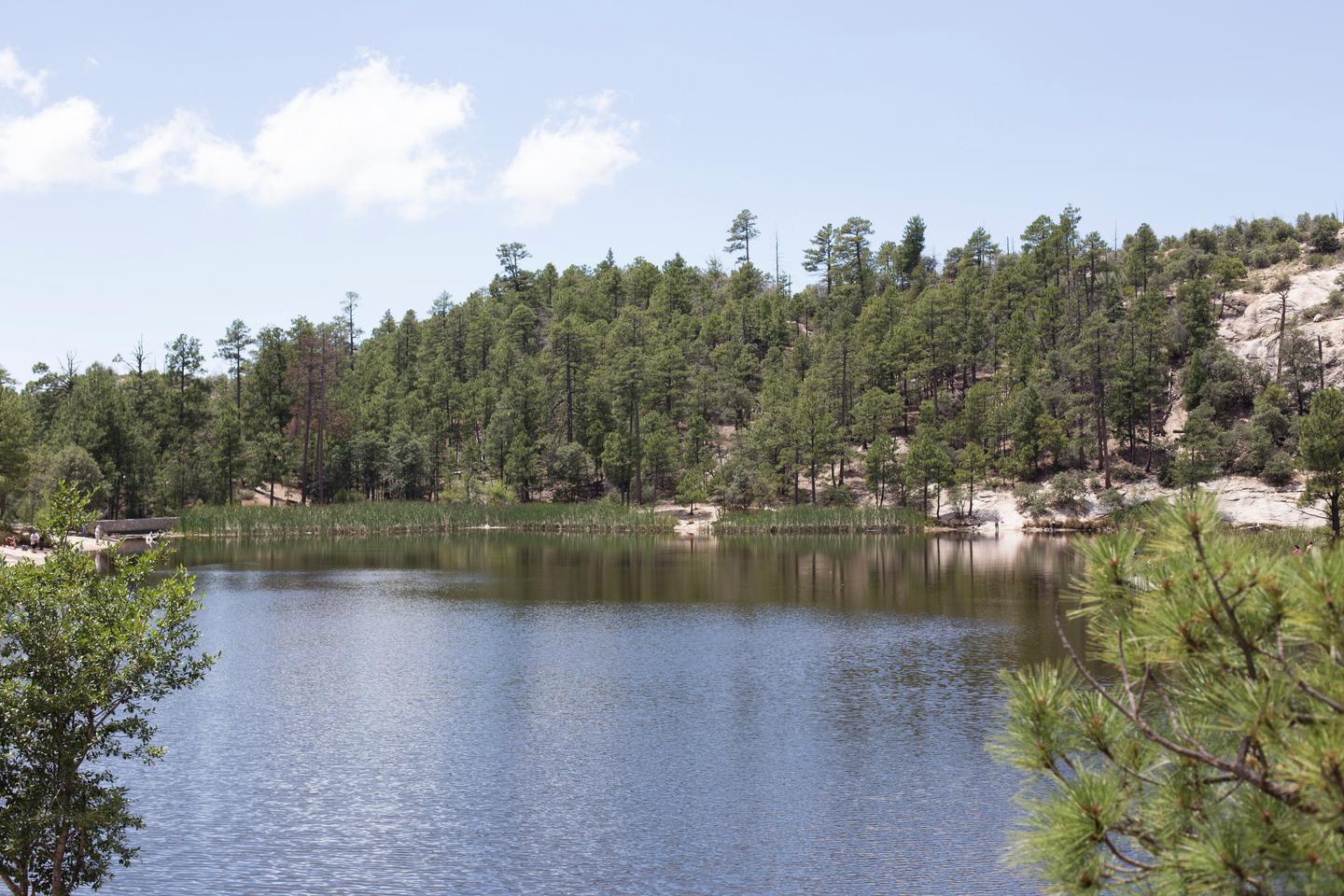
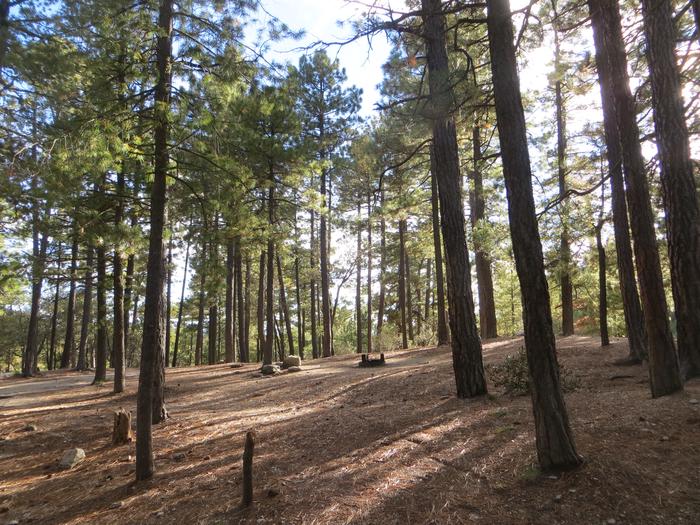
ElevationPerched at 4,700 feet above sea level, the campground exists in a sweet spot where desert meets sky, creating a high-altitude oasis that offers blessed relief from the valley heat below. This elevation gifts visitors with a remarkable transition through life zones, where saguaro-studded lower slopes give way to pine-scented heights, and where every thousand feet climbed reveals new ecosystems, cooler temperatures, and increasingly spectacular vistas that stretch across the Sonoran Desert.
Weather data by Open-Meteo.com, licensed under CC BY 4.0, processed by Outdoorithm.
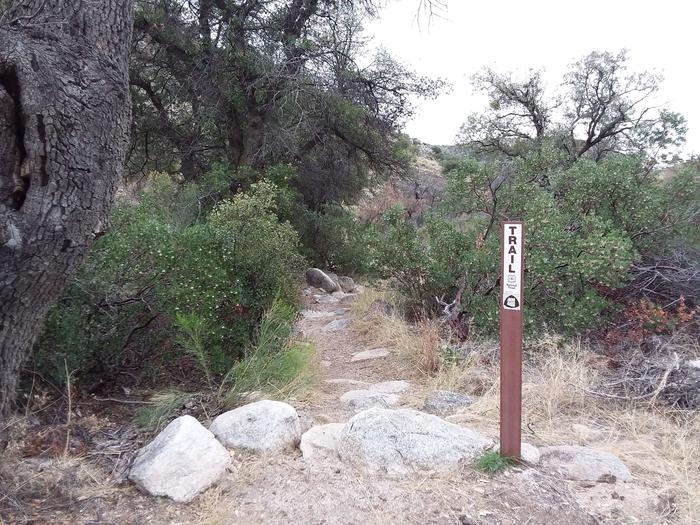
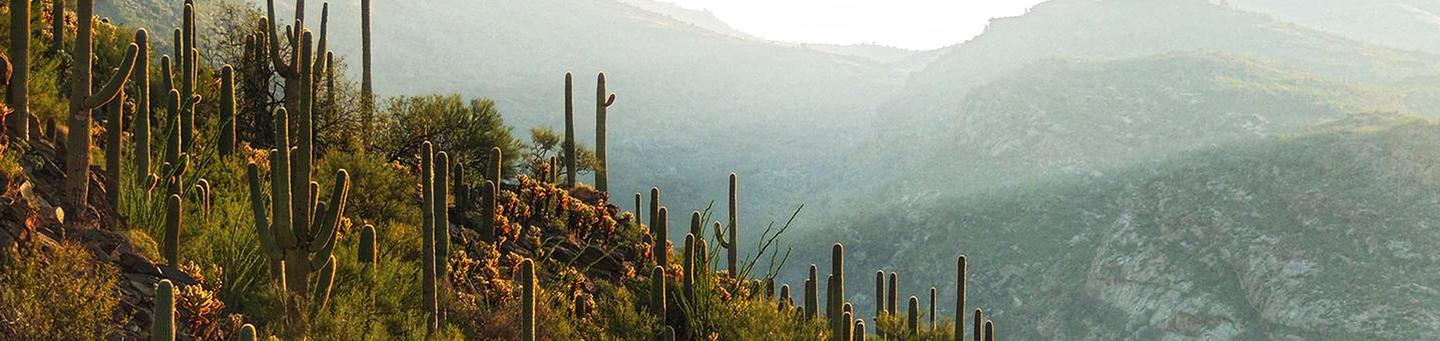
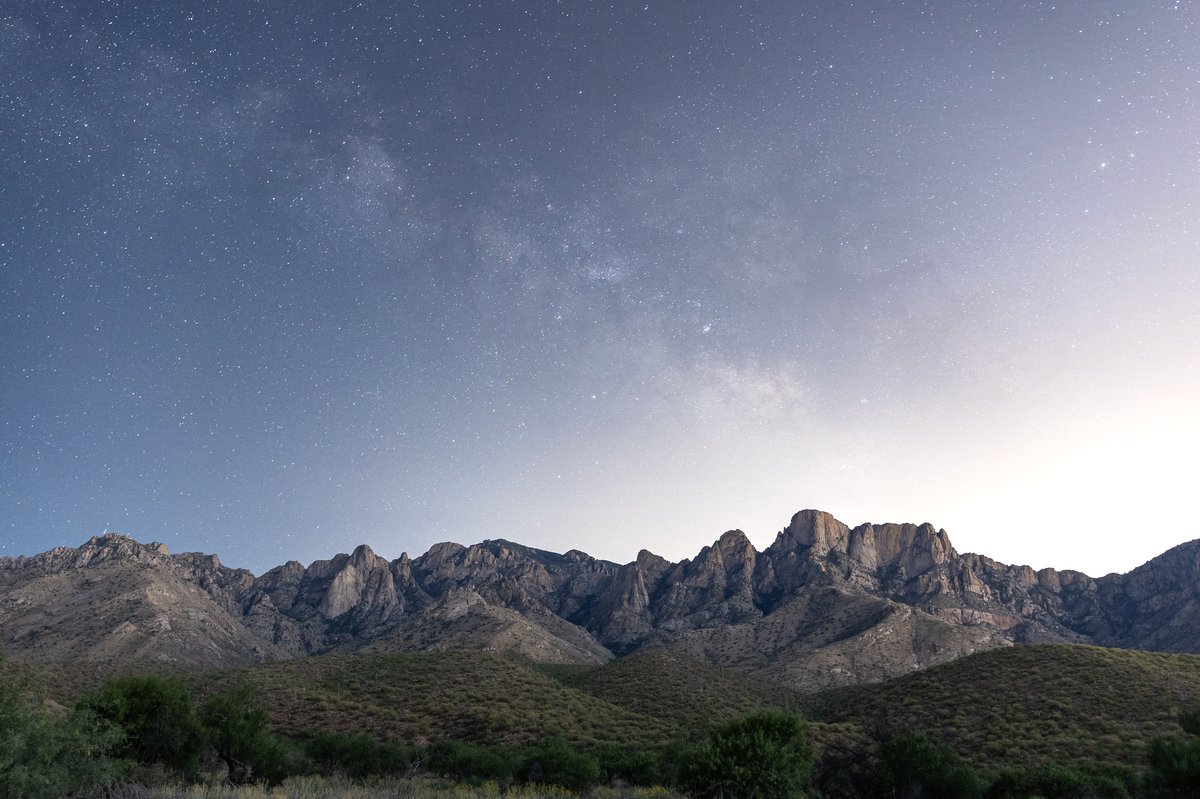
Natural Features and SceneryThe Santa Catalinas rise sharply from the Sonoran Desert floor, ancient granite cores thrust skyward through younger rock. The campground sits in a canyon carved by seasonal streams that rage during summer monsoons and trickle the rest of the year. Steep slopes hold desert flora. Century plants, ocotillos. While shaded pockets near the creek support surprisingly lush vegetation. One visitor described it as "a gorgeous desert-oasis," not dense woods but something wilder. Mount Lemmon dominates the skyline. Desert bighorn sheep sometimes appear on cliffsides in the nearby Pusch Ridge Wilderness. Sunrises and sunsets turn the rocky terrain gold and rose.
Geological RegionThe Santa Catalina Mountains tell a geological story written over millions of years, where ancient granite cores thrust skyward through younger rock formations, creating the dramatically rugged terrain that defines this sky island ecosystem. These mountains rise abruptly from the Sonoran Desert floor, their steep canyons carved by seasonal streams that rage during summer monsoons and whisper during winter rains. Desert flora clings tenaciously to sun-baked slopes, while hidden springs and shaded grottos harbor surprising pockets of lush vegetation, making this geological wonderland a paradise for those who seek adventure in landscapes shaped by time, weather, and the patient work of erosion.
Scenic ViewsViews include seasonal streams, desert landscapes, and surrounding mountains, particularly Mount Lemmon.
Lodging & AccommodationsThere are no hotel-style lodgings or accommodations available.
Programs & ActivitiesWhile there are no formal programs, the site has significant historical value, including a memorial to the Honor Camp and its role in Japanese-American internment during WWII.
 4.52
4.52