Black Families in the Outdoors: My Father's Memphis, My Daughter's Redwoods
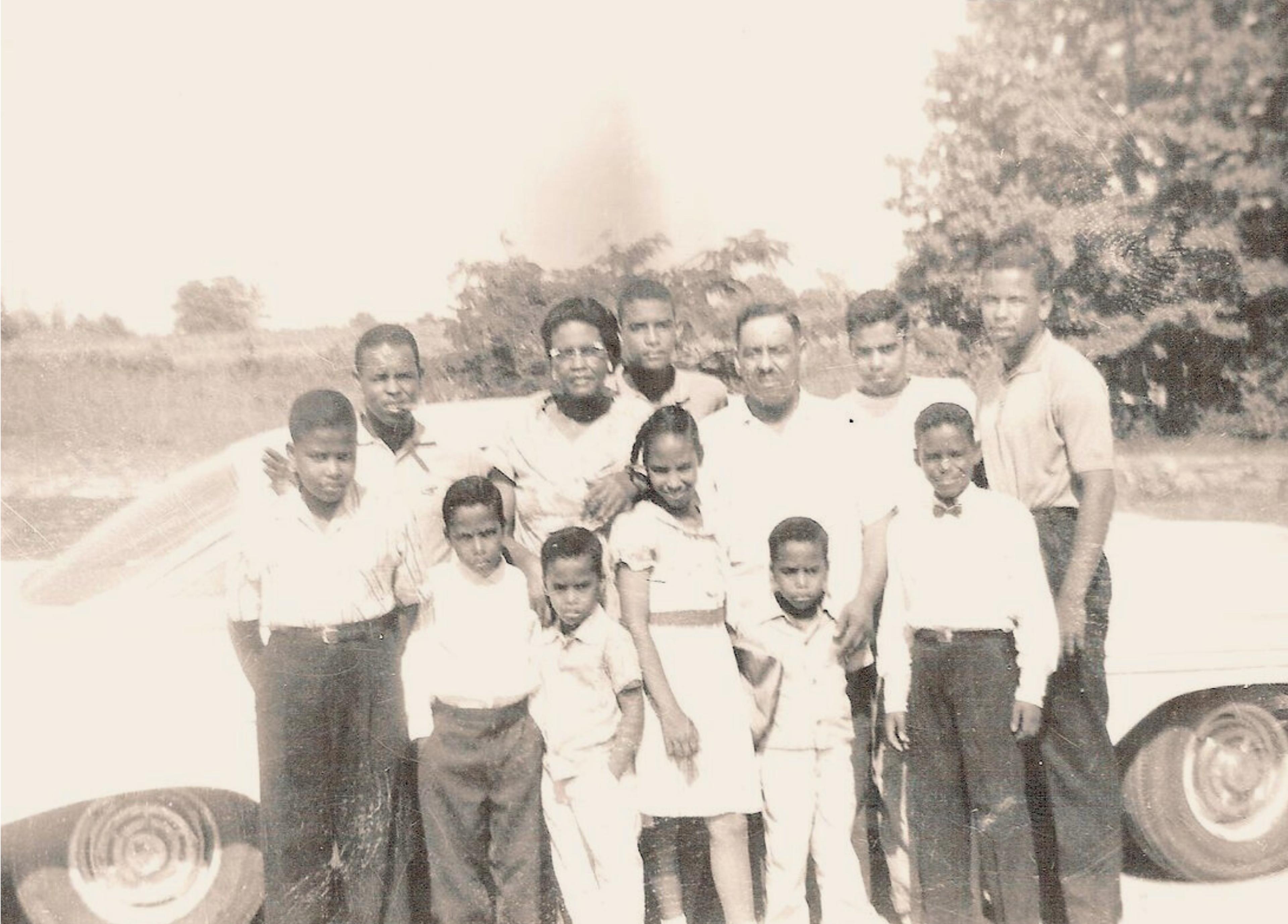
Family photo (Memphis, Tennessee)

My father grew up on a farm in segregated Memphis, the youngest of ten kids alongside his twin brother. The outdoors wasn't recreation. It was a job. He tended gardens. He cared for animals. He helped his foreman uncle load hay bales onto trucks in the sweltering Tennessee humidity, with poison ivy and mosquitoes and no AC on the truck cab ride home.
When he talked about the outdoors, he was describing work. Hot work. Itchy work. The kind of work you wanted to be done with by the time the sun set. He didn't pack a backpack and head into the woods for fun. The land was not a retreat from his life. It was where his life happened to take place.
Two generations later, our four kids ask if we can go camping every weekend.
This is the story of how that happened. It's also the story of why it didn't happen sooner.
Yellowstone was Yogi Bear's house
I grew up urban and suburban. My father's farm childhood ended where mine began. Whatever knowledge he had of soil and seasons and how to read a sky stayed mostly with him, because the outdoors of my generation was an indoor childhood. Camping and hiking and fishing were things I saw on TV. Yellowstone was Yogi Bear's house. I had no idea it was a real place that real people went.
If you'd asked me in my twenties what I thought of nature, I'd have said something polite. The word I would not have used was mine.
The first hike
I went on my first real hike in my twenties because a friend invited me on a group trip. I tagged along with a guy I'd been talking to for about a week. He's my husband now. Twenty years and four kids later, every photo of our family seems to have a mountain or a redwood or an ocean in the background. But that first day on the trail, I had no idea what I was doing. We climbed. Then we climbed more. The air was unreasonably crisp. The views opened up gradually, the way views do when you have to earn them. Somewhere on the way up, the way I'd been thinking about nature my whole life cracked open. I have never been able to put it back the way it was.
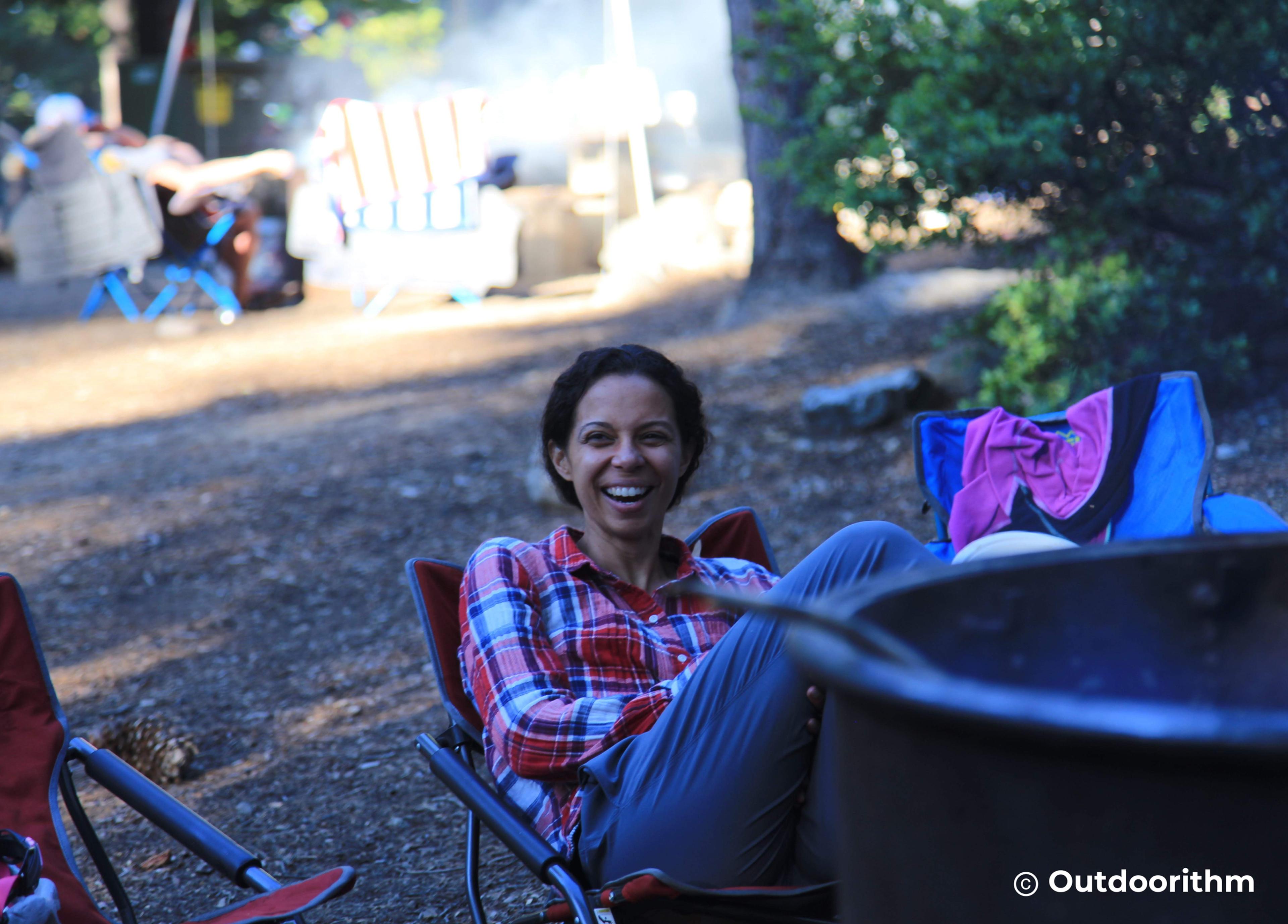
Justin and I started camping. Then backpacking. Then D.L. Bliss every summer. We discovered Humboldt Redwoods. I started feeling something I didn't have a word for at the time, but that I would later learn other cultures had named long before I needed it. The Japanese call it shinrin-yoku, forest bathing: the practice of being slowly and deliberately present in the woods. Western science has been catching up for thirty years. Lower blood pressure. Quieter cortisol. Better sleep. The data is real, and it's also beside the point. The point is what it feels like, which is hard to describe to someone who hasn't done it.
I started to wonder why it took me thirty years to find this. That question is the rest of this essay.
A history that doesn't end
The gap between my father's relationship with the outdoors and mine isn't a personal story. It's a Black American story. The reasons it took me thirty years to find a hiking trail are older than I am and older than my father is and older than anyone alive.
Enslaved Africans were forced into the most intimate possible relationship with the American landscape. They worked it. They knew its plants and weather and seasons better than the people who claimed to own them. Forests and swamps became routes to freedom, but the land that promised escape was the same land that held the work and the violence. A connection to the outdoors was forged under conditions no human should have to forge anything.
Emancipation didn't restore that relationship. Jim Crow segregation reached into the parks. National parks, state parks, swimming holes, beaches: separate, and the equal part was a lie. Even after the legal barriers came down, the cultural ones didn't. Outdoor recreation got marketed as a white pastime. The campsites in magazine ads had nobody in them who looked like my father. The history of lynchings and sundown towns made certain forests feel less like sanctuary and more like risk. None of that is in the past tense. It's not history. It's why.
Four families on that trail. One looked like ours.
Justin and I took our daughter Eliza to Gualala Point on a stormy October weekend. The rain came down all night. The next morning we hiked the bluffs in head-to-toe rain gear. The trail filled up despite the downpour: families with kids in puffy coats, families with kids in muddy boots, families who'd left their warm beds anyway.
Four families on that trail. One looked like ours. That's not a nature problem. That's an access problem.
Not everyone inherits camping knowledge. Not everyone has gear passed down through generations. Not everyone has a parent who knew where to take them, or who could afford to. The skills look intuitive when you watch a confident family roll into a campsite at 5 PM and have dinner on by 6:30. They're not intuitive. They're learned. Usually from your parents. Sometimes from a YouTube channel. Almost never from cold.
Who's doing the work
REI announced the sunset of its Experiences division in January 2025, ending forty years of programs that helped almost a million people build outdoor confidence. The market alone won't solve access. That part is clear by now. The work is being done by community-led organizations, mostly Black- and Brown-founded, mostly small, mostly underfunded:
• Outdoor Afro. Celebrating African American connections to nature for fifteen years. Their leaders run hikes, camping trips, and ski programs in cities across the country.
Planning where to go next? Camp Sage knows every campground we track. Ask it anything, from drive times to which loops have shade.
Ask Camp Sage• Black Outside Inc. Youth programs out of San Antonio, including the Boyz N The Wood backpacking expeditions. Generational work.
• Camp Yoshi. Culinary outdoor adventures. The food is the point and also not the point.
• Latino Outdoors. Connecting Latino communities with public lands, in Spanish and English, across more than thirty states.
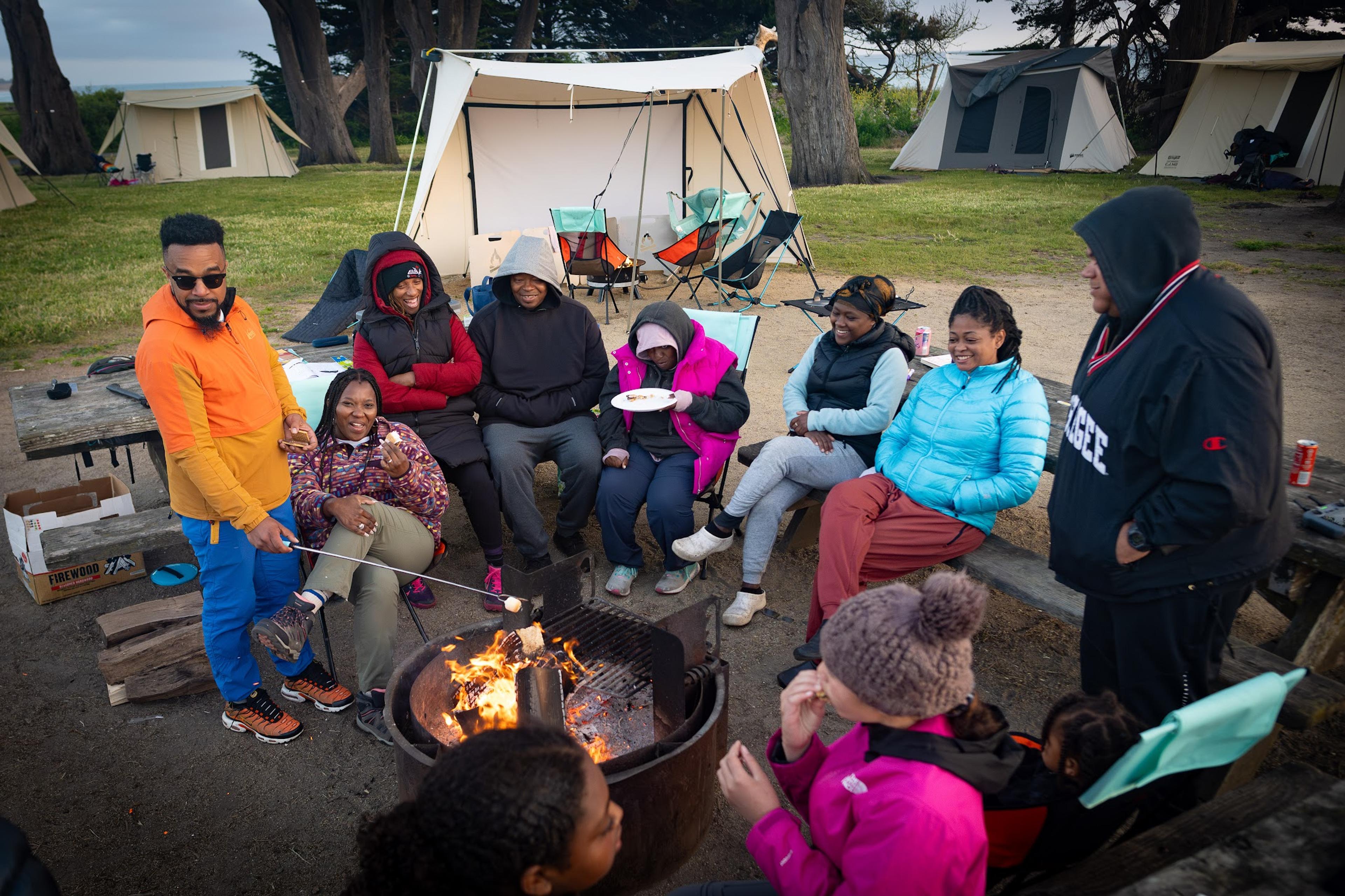
These are not get-people-outside organizations. They're building belonging. They're healing generational trauma in the only space wide enough to hold it. They're rewriting the narrative of who feels at home in nature, and we're doing our part with Outdoorithm Collective: free group camping trips for urban families, mostly first-time campers, mostly families who would never call themselves outdoor people until they spent four days at a campground learning that they are.
What nature actually does
The research on forest bathing is real. Twenty minutes among trees lowers cortisol measurably. Two hours of weekly green-space exposure correlates with better mental health outcomes across every demographic that's been studied. For communities carrying generational stress, the effect is bigger, not smaller. This shouldn't be surprising. The bodies that have been most worn down by the violence of our history are the bodies that have the most to recover.
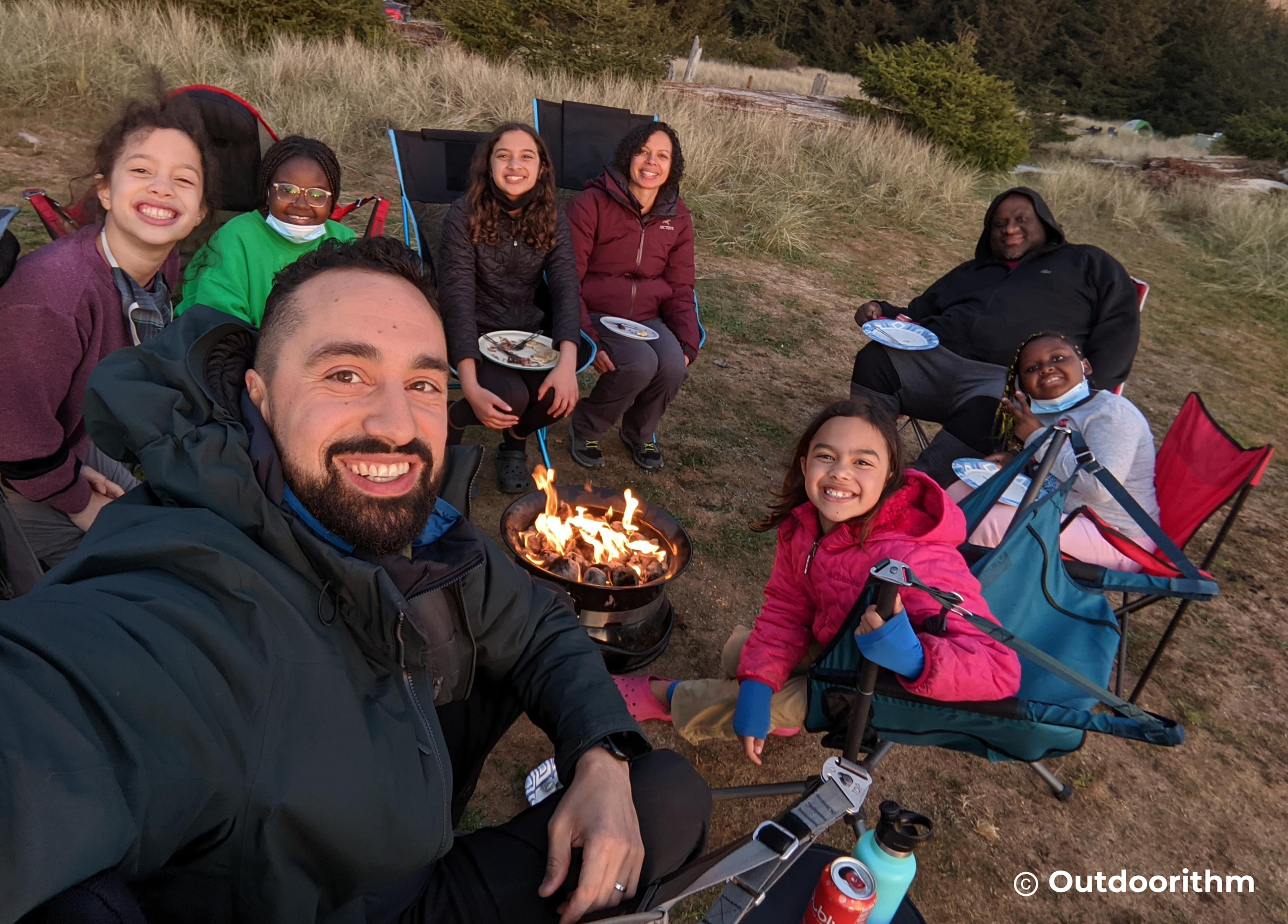
The science is the part you can put on a slide. What I noticed first was simpler. I slept differently. I worried less about things that didn't deserve the worry. I noticed my own breathing. Time felt like it moved at a reasonable speed. I started seeing my kids more clearly, which is to say I started seeing them less through the lens of what they needed to get done and more through the lens of who they were turning into.
That's the rest I came looking for, and that's the rest the redwoods were going to give me whether I knew to ask for it or not. They give it to everybody. They've been giving it to everybody this whole time.
What I've come to understand about my father
I used to think my father was indifferent to nature. He wasn't. He still isn't. His relationship with the outdoors is different from mine. It is not less. It is older. It was the relationship most of his ancestors had. It was the relationship most people across most of human history had.
The recreation framing is recent. White middle-class America invented it in the late 1800s and started exporting it around World War II. My father's relationship with the land is the older one. Born of necessity, not leisure. Knowledge passed down rather than picked up from a magazine.
I don't need to convince my father to love nature differently than he already does. He loves it the way he was taught to love it, which was as a co-worker and a teacher. I love it the way I learned to love it, which was as a refuge. Both are real. Neither is the whole story.
What we want for our kids
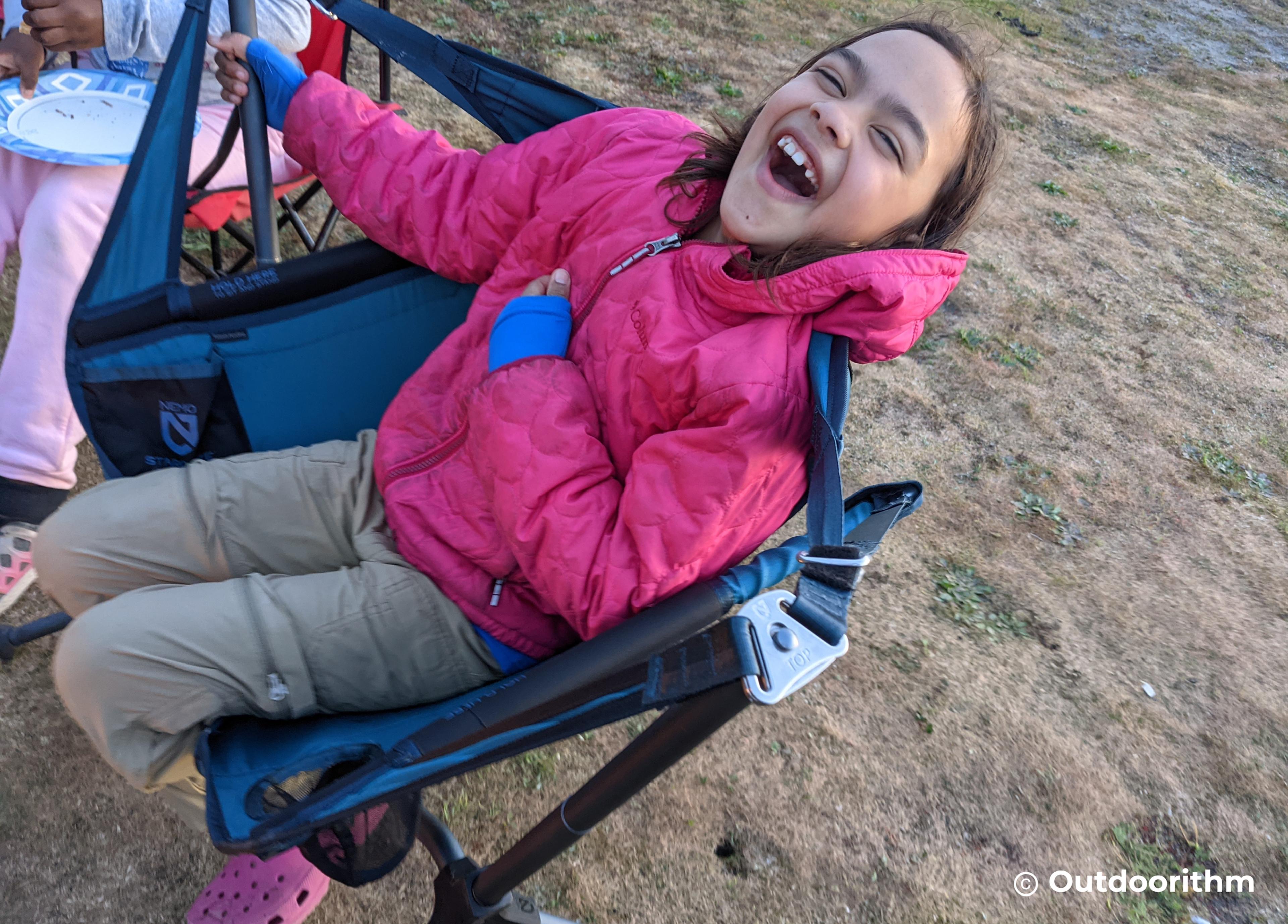
Our daughters were born into camping the way most kids are born into screen time. Eliza, our youngest, fell asleep in a canvas tent before she could form sentences. Our older three are out in the redwoods six or eight weekends a year. Their idea of normal includes the smell of pine, the temperature of a lake at 7 AM, the way a campfire takes about ten minutes to settle into a quiet glow you can sit in front of for hours.
I don't know exactly what their relationship with the outdoors will be. I know it will be different from mine, the way mine is different from my father's, the way his was different from his grandmother's. What I want is for it to be theirs. Not borrowed. Not granted. Theirs. To use however they choose, with whatever framing they grow into.
That's what we're trying to build. For our kids, and for the other families who are taking their first tent out of the box this summer, and for the ones who haven't yet decided this is a thing they're allowed to want.
Family legacy
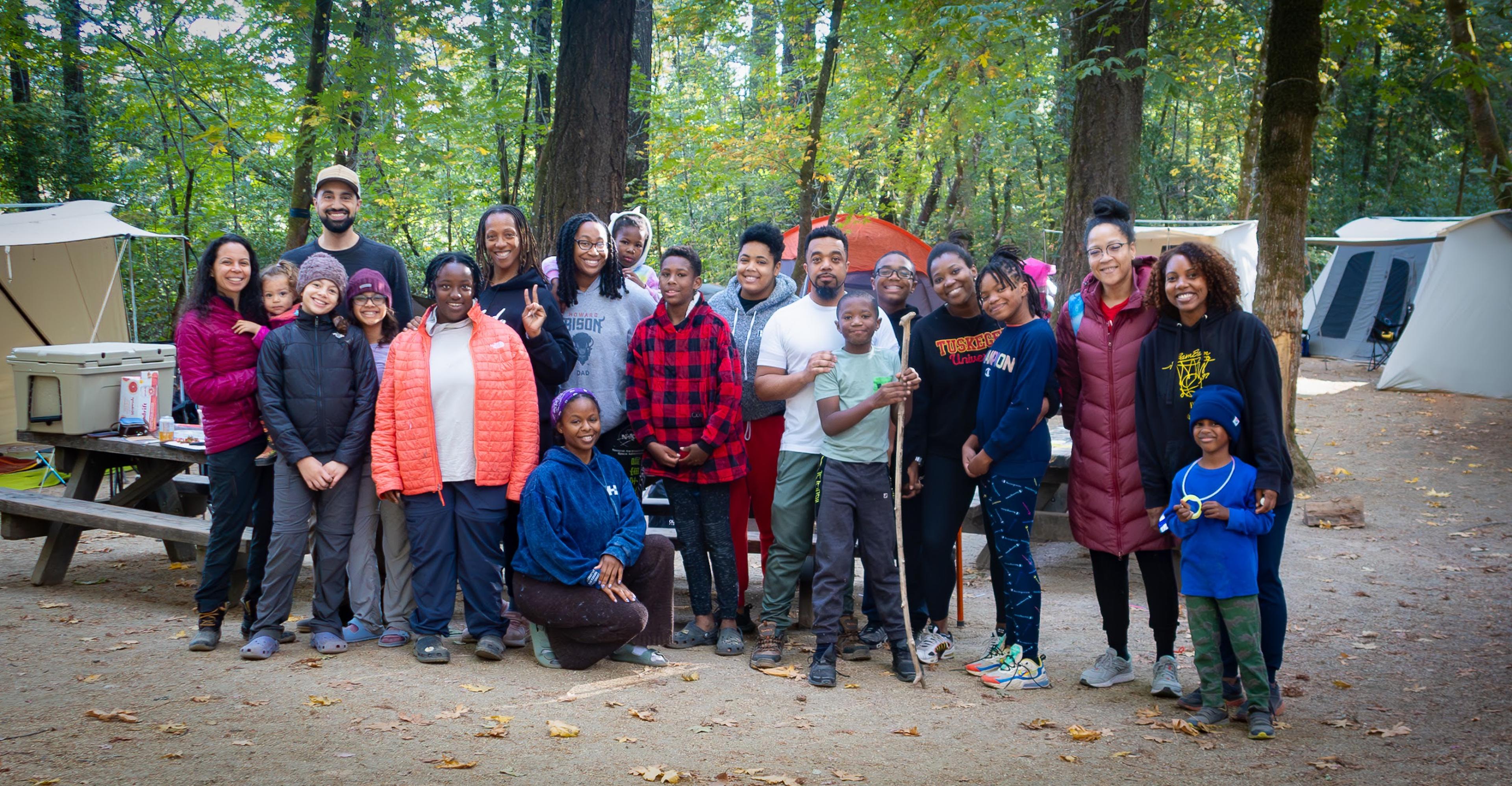
My father's relationship with the land was forged under conditions that weren't his to choose. Mine was discovered in my twenties because a friend invited me on a hike and a man I barely knew came along and never left. My daughters' is being built right now, weekend by weekend, around campfires they help build and trails they walk and tents they're learning to put up themselves.
If you've been quietly wondering whether the outdoors is for you, this is your invitation. Setting up a tent isn't hard. Most of the gear you need can be borrowed or rented the first time. The campground host has answers to questions you don't know to ask yet. The other families at the campsite next to yours will lend you a hatchet if you forgot one.
And if you're a family who already camps a lot, please notice who's on the trail with you next time you're out, and notice who isn't. Outdoor Afro, Black Outside Inc, Camp Yoshi, Latino Outdoors. These organizations exist because the trail still doesn't reflect the country. They could use your follow, your money, your time.
The outdoors belongs to all of us. It always did. The work now is making sure every family who wants to feel that knows how to find it.
See you out there.

Want a personalized version of this guide?
Camp Sage tailors recommendations to your dates, group, and gear — free.
Join our newsletter to get more resources and tips to help your family camp with confidence!