10 Best California Campgrounds for Winter Camping
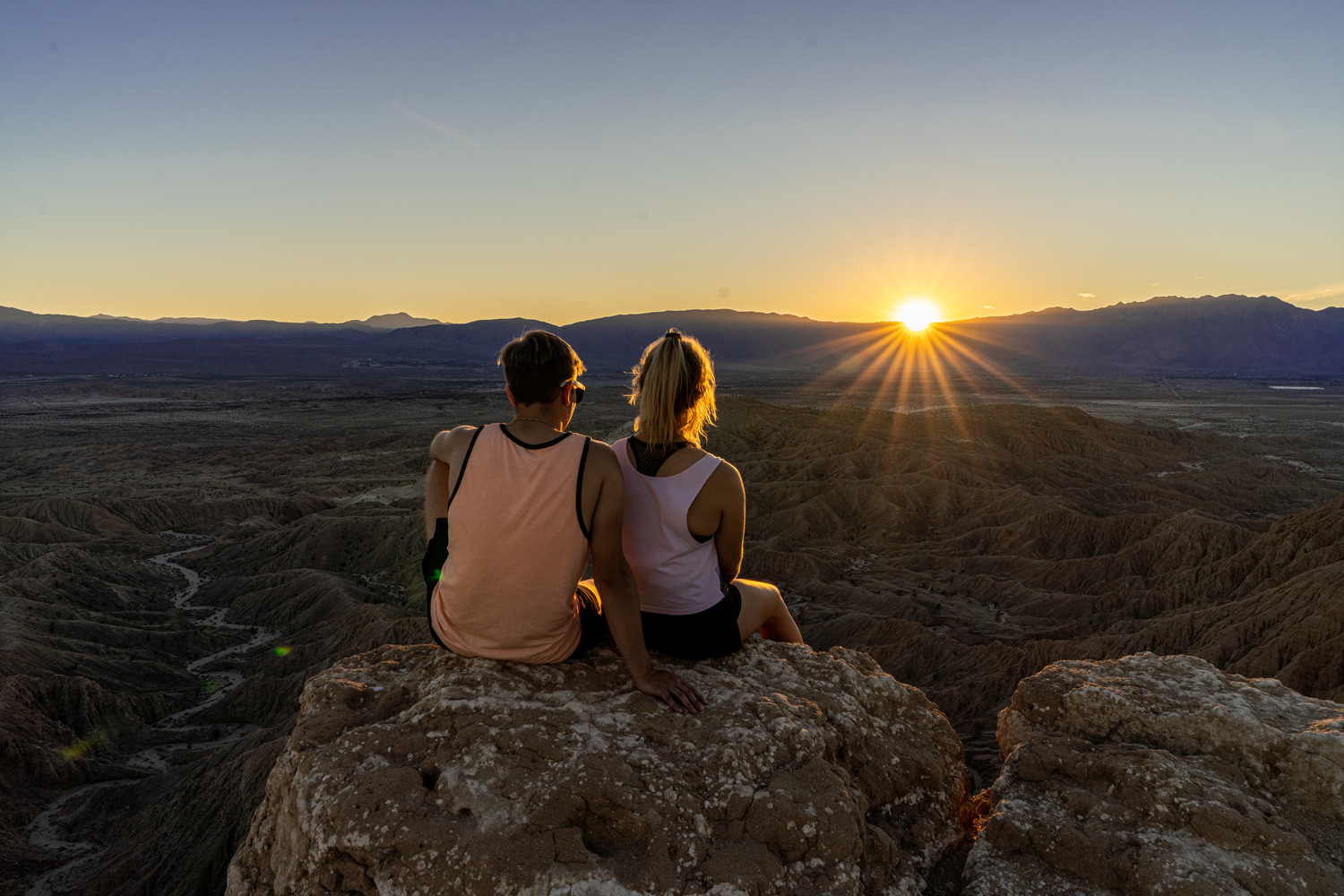
Photo: Courtesy of California State Parks, 2026

While most campers pack away their gear when temperatures drop, California's diverse landscapes offer some of the most rewarding camping experiences during the winter months. From sun-soaked desert valleys to mild coastal bluffs, and even snow-covered Sierra peaks for the adventurous, the Golden State transforms into a winter camping paradise for those who know where to look.
Why Winter Camping in California?
Winter camping in California isn't about braving the cold. It's about escaping it. While much of the country shivers under snow, California's deserts reach their peak season with comfortable daytime temperatures in the 60s and 70s. Coastal campgrounds offer mild weather and whale migration viewing, and even the Sierra foothills provide accessible adventures between storms.
The benefits go beyond weather:
- Fewer crowds: Popular campgrounds that book months in advance during summer often have availability
- Clearer skies: Winter storms give way to crystal-clear days perfect for stargazing
- Wildlife activity: Migrating whales, wintering birds, and desert wildlife are most active
- Easier booking: Sites that require months-ahead planning in summer are often available last-minute in winter
Desert Destinations: Peak Season Paradise
1. Furnace Creek Campground, Death Valley National Park
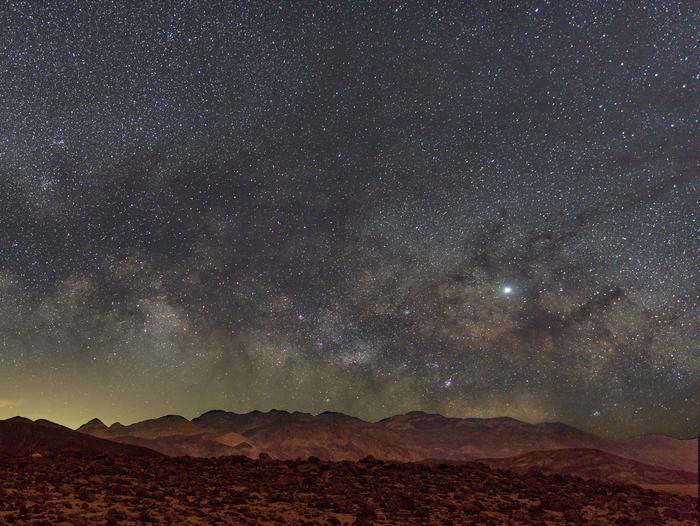
Photo: Recreation.gov
Location: Death Valley, Inyo County | Best For: Stargazing, desert exploration, photography
Death Valley's most popular campground transforms from an unbearable inferno to a desert oasis in winter. Daytime temperatures hover in the pleasant 50-70°F range, with clear skies and minimal humidity creating ideal conditions for exploring this otherworldly landscape. The park holds International Dark Sky certification, making winter nights absolutely spectacular for astronomy—campers regularly report seeing the Milky Way stretch across the entire sky with unprecedented clarity.
Furnace Creek sits at 190 feet below sea level, making it one of the lowest campgrounds in North America. The campground offers 136 sites with full amenities including flush toilets, potable water, and a nearby general store for supplies. Popular winter activities include hiking to Zabriskie Point for sunrise, driving Artist's Drive through colorful volcanic hills, and visiting the Badwater Basin salt flats—the lowest point in North America at 282 feet below sea level. Book early for weekend stays during peak winter season (December-February), as sites fill quickly.
View Furnace Creek Campground details →
2. Texas Springs Campground, Death Valley National Park
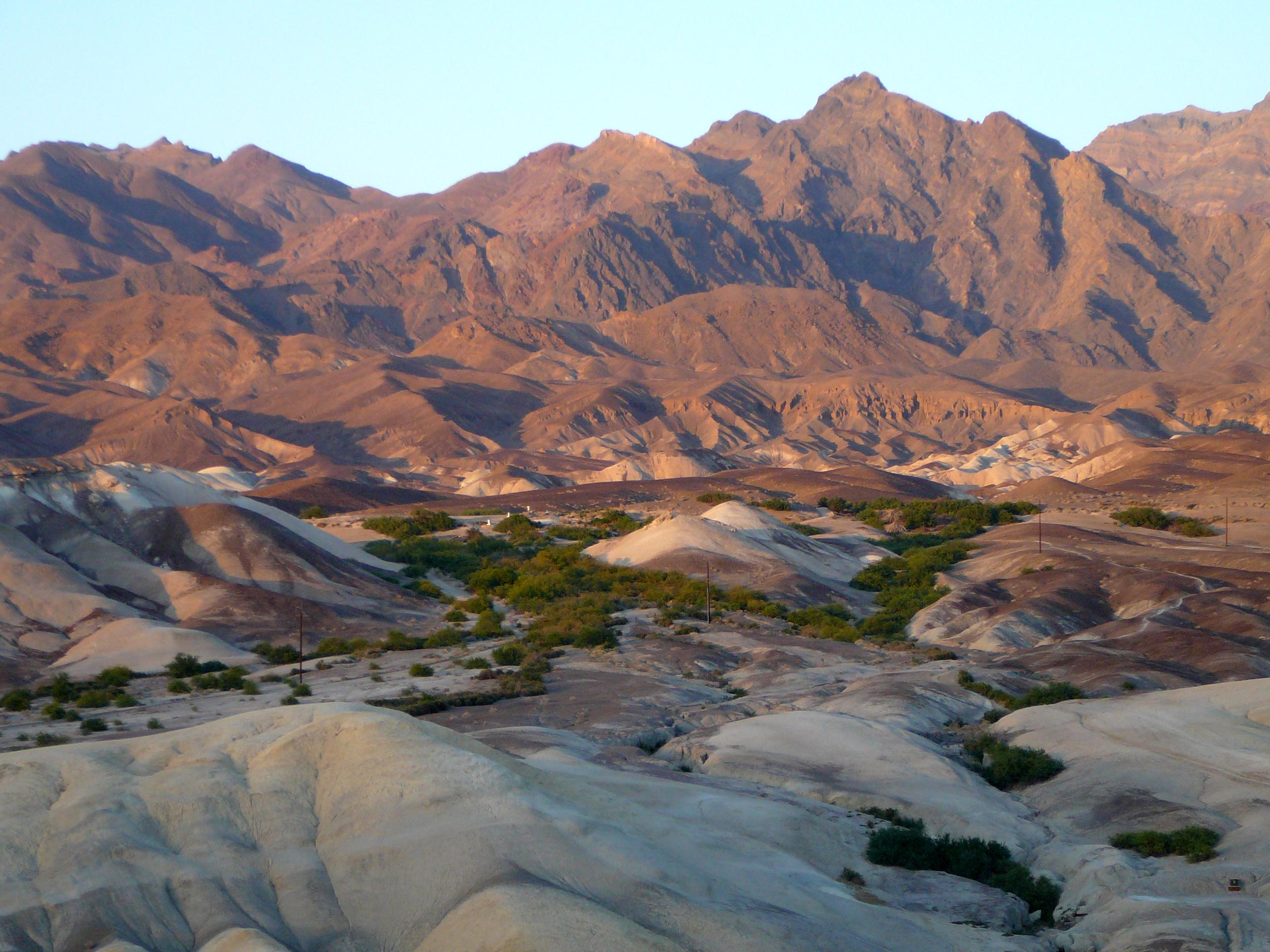
Photo: NPS
Location: Death Valley, Inyo County | Best For: Quieter alternative, hiking access, sunrise views
Just minutes from Furnace Creek but with a fraction of the crowds, Texas Springs offers the same spectacular Death Valley winter experience with significantly more solitude. The elevated position at sea level provides stunning panoramic views of the Panamint Range at sunset, with the mountains glowing in shades of orange and purple as the sun dips below the horizon. The campground's 92 sites are spread across a gently sloping alluvial fan, giving each site a sense of privacy and space that's rare in popular national park campgrounds.
Winter visitors appreciate the slightly higher elevation, which typically means a few degrees cooler during summer but virtually identical pleasant conditions in winter. The campground serves as an excellent base for exploring Golden Canyon, Natural Bridge, and the Harmony Borax Works. Unlike Furnace Creek, Texas Springs operates seasonally and may close during the hottest summer months, making winter the perfect time to experience this hidden gem. The lack of developed amenities beyond pit toilets adds to the remote, wilderness feel that many campers seek.
View Texas Springs Campground details →
3. Borrego Palm Canyon Campground, Anza-Borrego Desert State Park
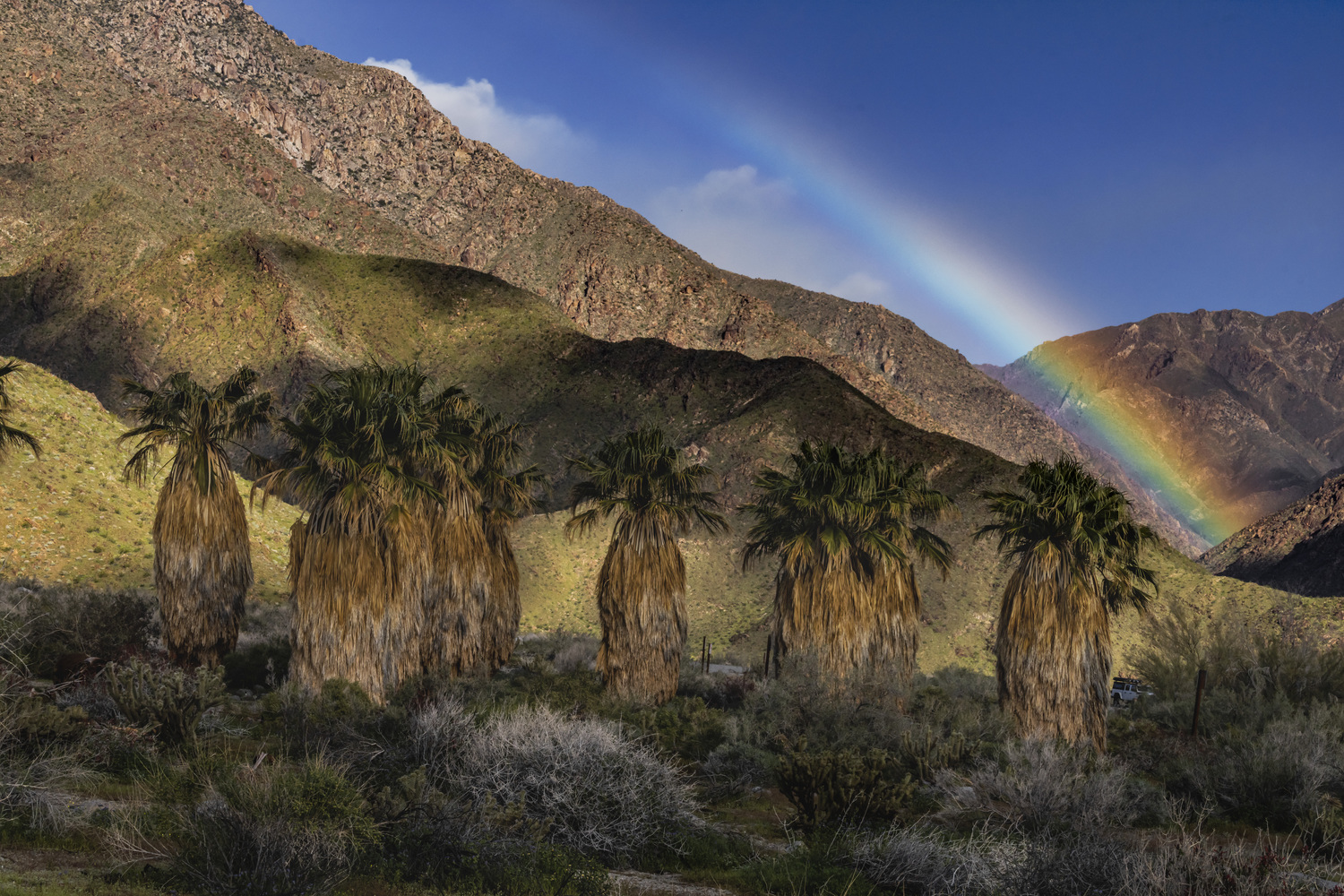
Photo: Courtesy of California State Parks, 2026
Location: Borrego Springs, San Diego County | Best For: Palm oasis hiking, wildflower season, dark skies
California's largest state park truly comes alive in winter, transforming from a scorching summer desert into a mild-weather paradise. The signature Palm Canyon Trail leads 3 miles round-trip to a lush desert oasis where native California fan palms cluster around a year-round stream—a striking contrast to the surrounding arid landscape. The surrounding Borrego Badlands offer endless exploration opportunities, with slot canyons, ancient marine fossils, and some of the darkest night skies in Southern California.
Winter visitors often catch early wildflower blooms beginning in February and reaching spectacular displays by March, when the desert floor explodes with carpets of yellow, purple, and orange flowers. The campground features 52 developed sites with water and restrooms, plus access to over 500 miles of dirt roads perfect for off-highway vehicle exploration. Don't miss the famous Galleta Meadows metal sculptures scattered throughout Borrego Springs—over 130 fantastical creatures from prehistoric animals to dragons dot the landscape, creating unique photo opportunities at sunrise and sunset.
View Borrego Palm Canyon Campground details →
4. Jumbo Rocks Campground, Joshua Tree National Park
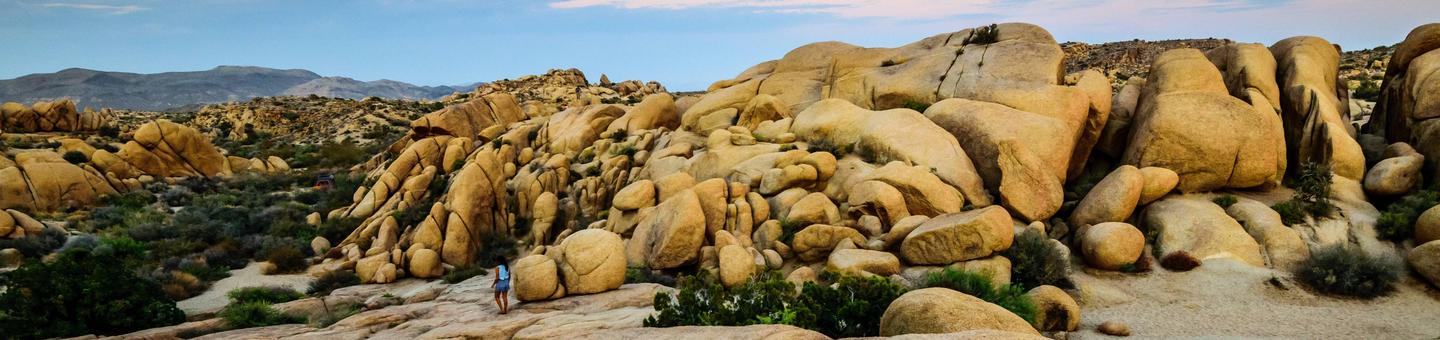
Photo: Recreation.gov
Location: Joshua Tree, San Bernardino County | Best For: Rock climbing, photography, iconic desert landscapes
Set among massive boulder formations that look like they were scattered by giants, Jumbo Rocks is Joshua Tree's most scenic and photogenic campground. The 124 sites are nestled between towering rock piles that provide natural windbreaks and create an otherworldly atmosphere, especially when the golden light of sunset paints the granite in warm orange and pink hues. Winter brings comfortable daytime temperatures in the 60s-70s°F, ideal for the world-class rock climbing that draws enthusiasts from around the globe.
Nights can dip into the 30s-40s°F, so pack layers, but the reward is some of the best stargazing in Southern California—Joshua Tree is a designated International Dark Sky Park. The campground's central location provides easy access to popular trails like Skull Rock (1.7 miles) and the nearby Arch Rock trail. For photographers, the bizarre Joshua trees silhouetted against star-filled skies create iconic images. Note that Jumbo Rocks has no water or hookups, so come prepared with full tanks and plenty of drinking water.
View Jumbo Rocks Campground details →
Coastal Escapes: Mild Weather & Whale Watching
5. Moro Campground, Crystal Cove State Park
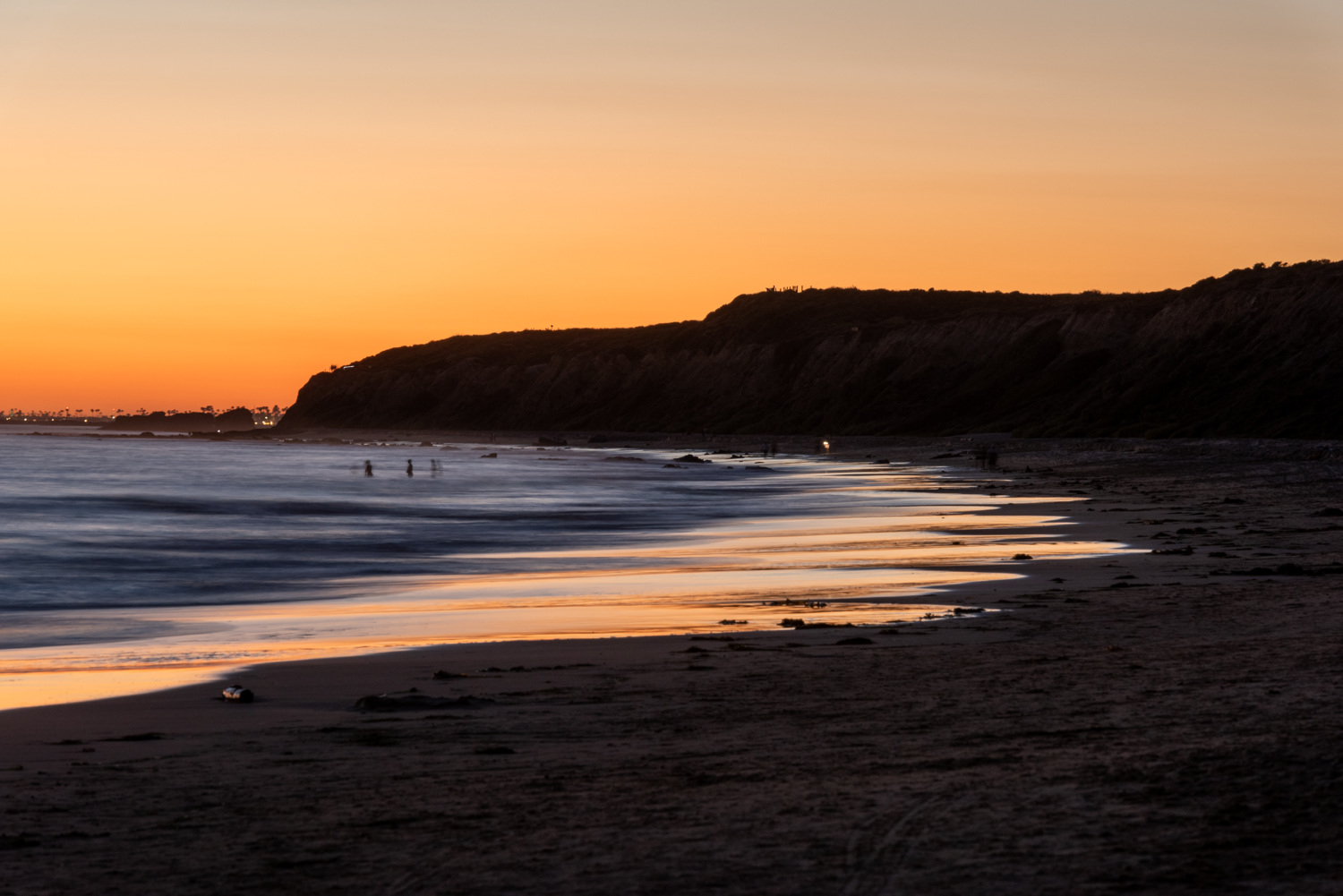
Photo: Courtesy of California State Parks, 2026
Location: Laguna Beach, Orange County | Best For: Beach access, coastal hiking, whale watching
Perched on dramatic bluffs overlooking Crystal Cove's 3.2 miles of pristine beaches, this campground offers arguably the most scenic coastal camping experience in Southern California. The 57 sites feature stunning Pacific Ocean views, and the sound of crashing waves provides the perfect soundtrack for a winter camping retreat. Winter brings the annual gray whale migration from December through April, and campers with binoculars can spot these magnificent creatures spouting and breaching just offshore.
The park encompasses both the historic Crystal Cove Beach Cottages—a collection of vintage 1930s-1940s beach cottages that can also be rented—and over 2,400 acres of backcountry wilderness with 18 miles of hiking trails. Winter temperatures remain mild (55-65°F days, 45-55°F nights), perfect for tide pool exploration at low tide or hiking the Moro Canyon loop. The campground features modern amenities including hot showers, flush toilets, and an on-site camp store. Pro tip: book sites 1-15 for the best ocean views.
View Moro Campground details →
6. South Carlsbad State Beach Campground
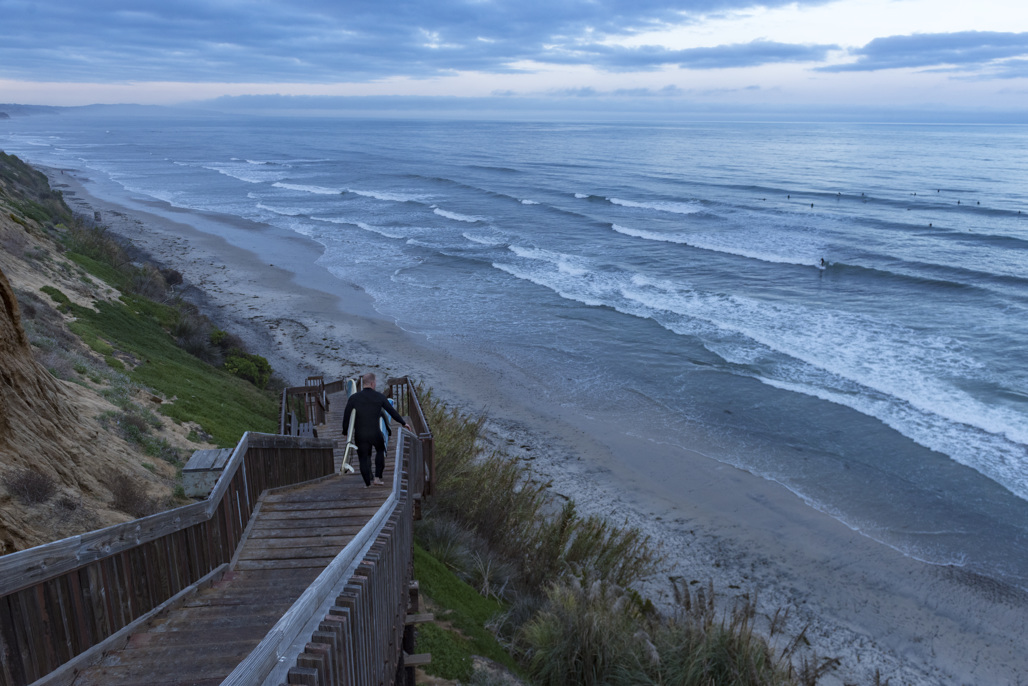
Photo: Courtesy of California State Parks, 2026
Location: Carlsbad, San Diego County | Best For: Families, beach camping, surfing
With 220 sites perched right on the bluffs overlooking the Pacific Ocean, South Carlsbad delivers quintessential California beach camping at its finest. The stairways leading down to the sand put you on the beach in minutes, and winter offers uncrowded waves that surfers and bodyboarders treasure. Morning fog often burns off by mid-morning to reveal brilliant sunny afternoons with temperatures in the 60s—perfect for beach walks, tide pool exploration, and sunset watching from your campsite.
The campground's proximity to the charming village of Carlsbad provides easy access to restaurants, shops, and the famous Carlsbad flower fields (blooming March-May). Winter surf conditions are often excellent, with consistent swells and smaller crowds than summer. The camp store stocks basics, and hot showers help wash off the salt after a day in the waves. Sites on the ocean side (numbers vary by row) command premium prices but offer unobstructed ocean views—worth it for the experience of falling asleep to the rhythm of waves and waking up to dolphin sightings.
View South Carlsbad Campground details →
Planning where to go next? Camp Sage knows every campground we track. Ask it anything, from drive times to which loops have shade.
Ask Camp Sage7. Sycamore Canyon Campground, Point Mugu State Park
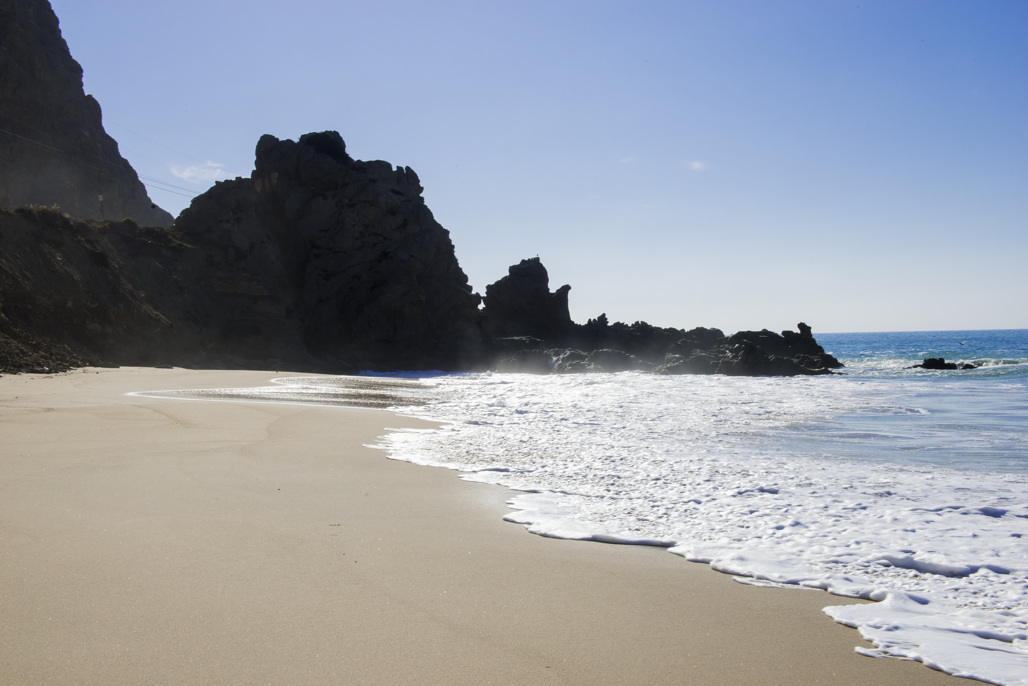
Photo: Courtesy of California State Parks, 2026
Location: Malibu, Ventura County | Best For: Beach and mountain hiking, tide pools, coastal scenery
Nestled in a shaded canyon just steps from a beautiful beach, Sycamore Canyon offers the best of both worlds—ocean access and mountain trails in a single spectacular location. The 55 sites sit beneath towering sycamore trees that provide welcome shade during warmer days, while the canyon's position creates a natural shelter from coastal winds. A short walk through the campground leads directly to Sycamore Cove Beach, where winter storms deposit fascinating driftwood and create dynamic, ever-changing tide pools teeming with sea life.
The campground serves as a gateway to Point Mugu State Park's extensive trail system, including the challenging but rewarding La Jolla Valley Loop (6.5 miles) with its seasonal pond and sweeping ocean views. Winter brings dramatic surf to watch from the bluffs, and the mild coastal climate keeps temperatures comfortable year-round. Watch for dolphins playing in the waves and sea lions hauled out on nearby rocks. The Pacific Coast Highway runs right past the entrance, making this an ideal stop on a coastal road trip—just 30 miles north of Malibu and a world away from LA's hustle.
View Sycamore Canyon Campground details →
Island Adventures: Ultimate Escape
8. Scorpion Canyon Campground, Santa Cruz Island, Channel Islands National Park
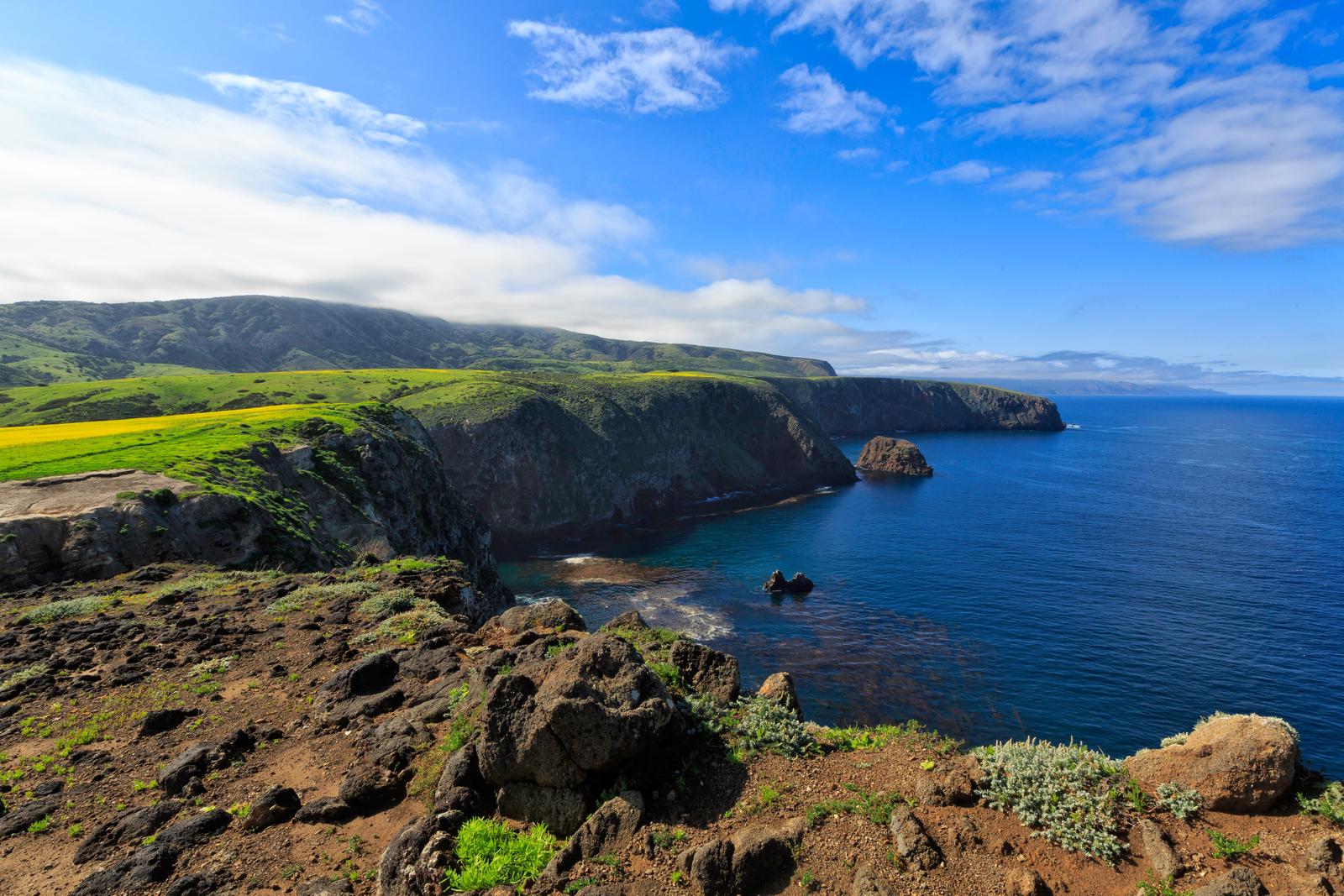
Photo: Recreation.gov
Location: Channel Islands, Ventura County | Best For: Complete escape, kayaking, hiking, wildlife
Accessible only by boat from Ventura Harbor (1-hour crossing), Santa Cruz Island offers a true wilderness escape just 20 miles off the California coast. The 30 primitive campsites at Scorpion Canyon are nestled in a eucalyptus grove near the historic Scorpion Ranch, which dates back to the island's sheep ranching days. This is camping stripped to essentials—you'll carry everything in from the pier, there's no running water, and cell service is nonexistent. The reward is an experience that feels like stepping back in time to a wilder California.
Winter brings mild temperatures, fewer crowds, and excellent conditions for kayaking the famous Painted Cave—one of the world's largest sea caves stretching over a quarter mile into the island's cliffs. Gray whales pass through the Santa Barbara Channel from December through March, often visible from the island's dramatic bluffs at Cavern Point. The island hosts unique subspecies of plants and animals found nowhere else, including the diminutive island fox. Book boat transportation and camping through Recreation.gov well in advance—even in winter, this iconic destination fills up quickly.
View Scorpion Canyon Campground details →
Sierra Snow Adventures: For the Bold
9. Upper Pines Campground, Yosemite National Park
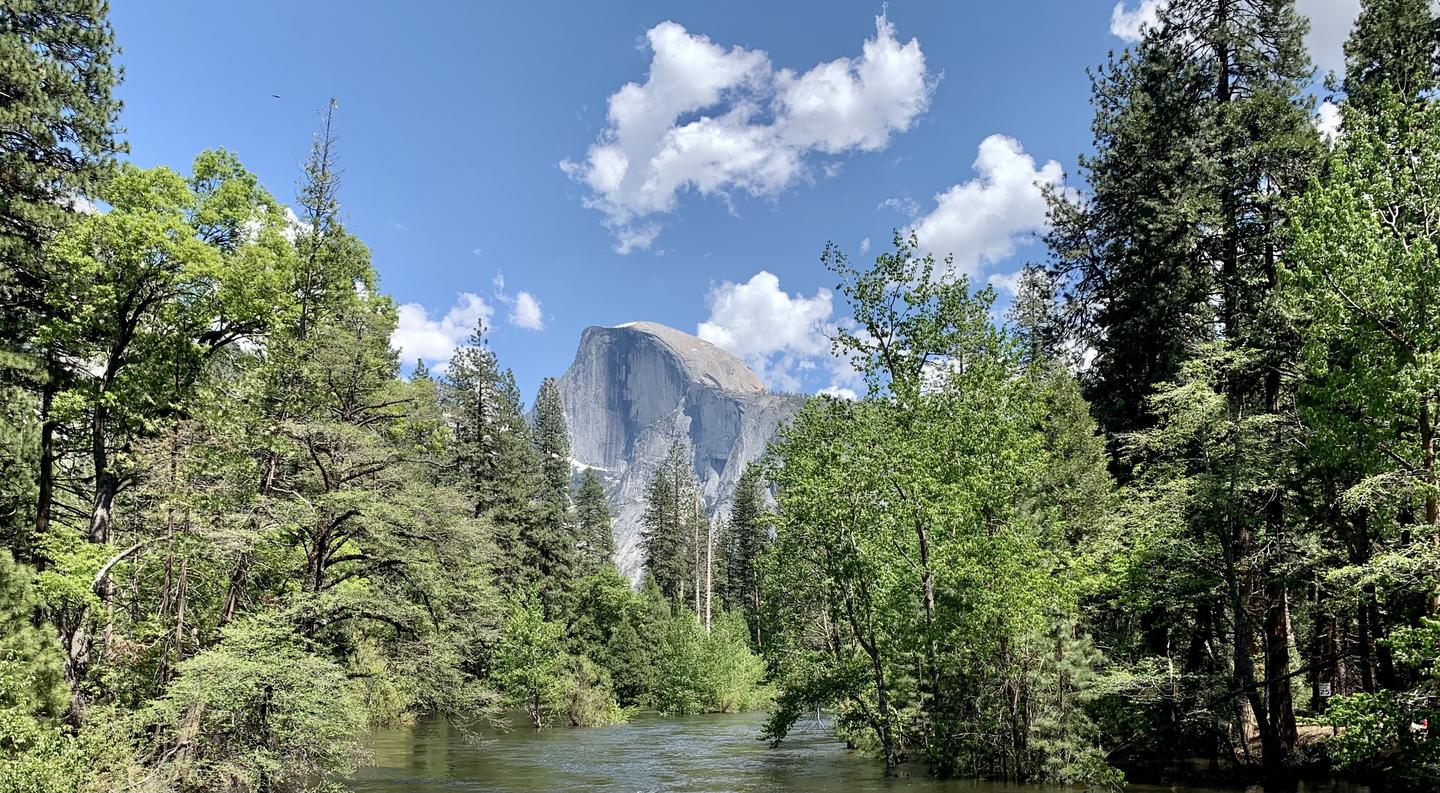
Photo: NPS/Eric Bissmeyer
Location: Yosemite Valley, Mariposa County | Best For: Snow camping, winter hiking, iconic scenery, quieter Yosemite
Upper Pines offers the quintessential Yosemite winter camping experience, with 238 sites nestled among towering pine trees on the valley floor. Winter transforms this iconic landscape into a snow-dusted wonderland—Half Dome wears a cap of white, frozen waterfalls create spectacular ice formations, and the crowds that pack the valley in summer vanish almost entirely. The campground sits at 4,000 feet elevation, where snow is common but not overwhelming, creating magical conditions for those prepared with proper cold-weather gear.
Winter activities abound: snowshoe to Mirror Lake for perfect reflections of the valley walls, hike the mist trail when Vernal Fall transforms into an ice sculpture, or simply walk the valley loop trail in peaceful solitude. The famous "firefall" phenomenon occurs in mid-February when Horsetail Fall glows orange at sunset—a bucket-list sight best viewed from the eastern valley floor. Note that not all sites remain open in winter, and tire chains are often required to enter the valley. Check current conditions and book through Recreation.gov; even in winter, Yosemite camping is in high demand.
View Upper Pines Campground details →
10. Calpine Lookout, Tahoe National Forest (Expert Only)
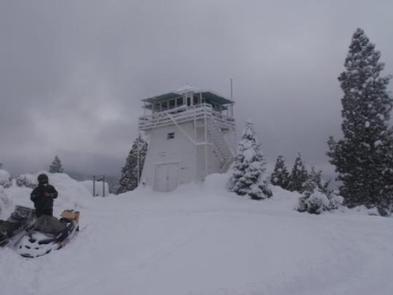
Photo: Recreation.gov
Location: Sierraville, Sierra County | Best For: Backcountry skiing, snowshoeing, true wilderness solitude
For the ultimate Sierra snow adventure, this historic 1920s fire lookout tower sits at 6,800 feet and is accessible only by cross-country skis or snowmobile in winter—a 2-mile trek through pristine, snow-covered forest. The effort required to reach this destination ensures you'll likely have the mountain to yourself, with nothing but the whisper of wind through snow-laden pines and the crackle of your fire for company. This is winter camping elevated to an art form—literally, as the lookout tower perches above the trees.
The reward for your effort? A heated cabin with propane stove, propane lights, and 360-degree views of snow-covered peaks stretching to the horizon. Sleeping up to 4 people, the lookout provides all the shelter you need while still delivering an immersive wilderness experience. Bring your own bedding, food, and plenty of water—this is backcountry camping with a cabin twist. Expert winter skills are required: proficiency with avalanche safety, navigation in snowy conditions, and cold-weather camping gear are essential. The views at sunset, with the alpenglow painting distant peaks in shades of pink and orange, make every challenging mile worthwhile.
View Calpine Lookout details →
Tips for Winter Camping in California
- Layer strategically: Desert nights can drop below freezing while days reach the 70s. Pack versatile layers you can add or remove.
- Check conditions before departure: Winter storms can close mountain roads and flood desert washes. Check park websites and road conditions before heading out.
- Book early for desert destinations: Winter is peak season in California's deserts. Popular campgrounds like Jumbo Rocks and Furnace Creek can fill weeks in advance.
- Bring extra water: Desert air is extremely dry, and many desert campgrounds have limited or no water. Plan for at least one gallon per person per day.
- Watch for wildlife: Winter brings migrating gray whales to the coast (December-April) and increased desert wildlife activity as animals move in cooler temperatures.
- Prepare for shorter days: Sunset comes as early as 4:45 PM in December. Plan hikes for morning, bring headlamps, and embrace the longer evenings by the campfire.
Plan Your Winter Adventure
California's winter camping season runs roughly from October through April, with the sweet spot in December through February for desert destinations. Coastal campgrounds offer year-round mild conditions but are most peaceful in winter months. Sierra destinations vary widely—some close entirely for winter, while others like Upper Pines offer limited winter camping for those properly equipped.
Whether you're seeking the solitude of Death Valley's vast landscapes, the drama of whale migration along the coast, the otherworldly beauty of Joshua Tree's rock formations, or the snow-covered magic of Yosemite Valley, California delivers unforgettable winter camping experiences for every skill level and adventure style.
Ready to find your perfect winter campsite? Explore California campgrounds on Outdoorithm with our intelligent search and real-time availability alerts.

Want a personalized version of this guide?
Camp Sage tailors recommendations to your dates, group, and gear — free.
Join our newsletter to get more resources and tips to help your family camp with confidence!