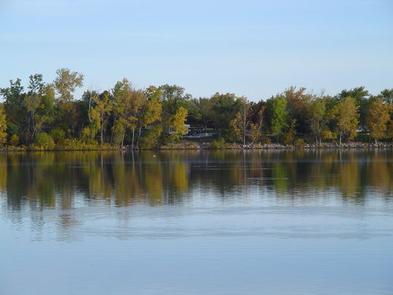

Council Grove Lake
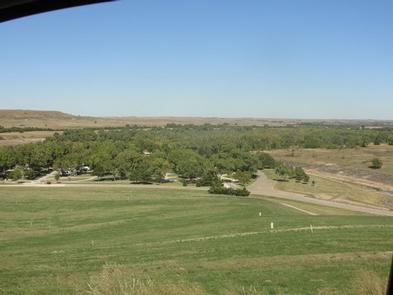
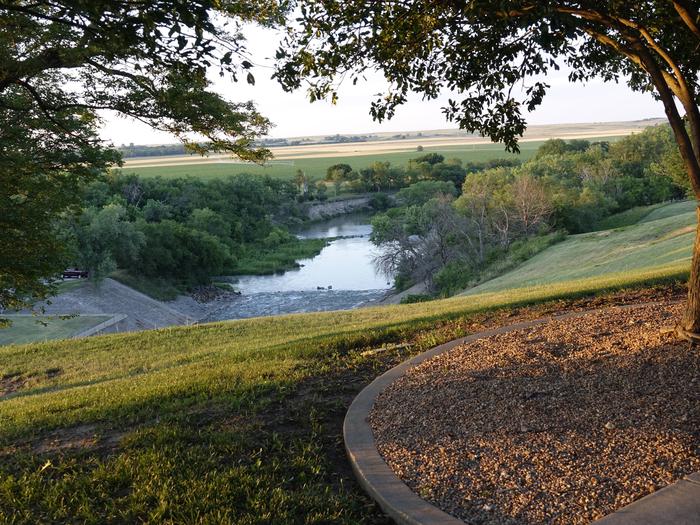
Tallgrass prairie stretches to the horizon here, not dense forest—think wind-swept meadows dotted with wildflowers where deer and wild turkeys roam freely through campsites.

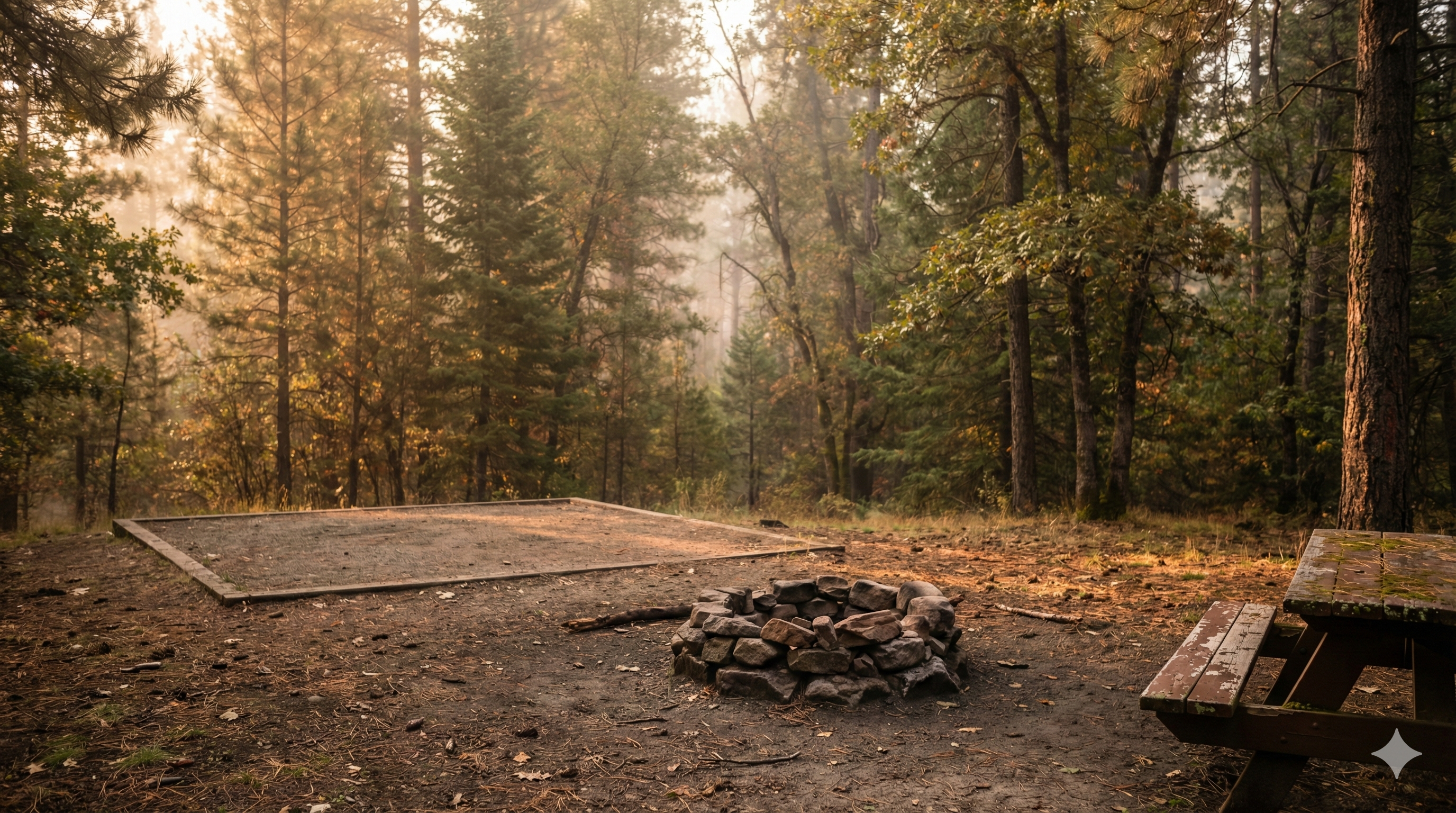
Discover the best forest camping across Kansas. Immerse yourself in the forest. Towering trees, dappled sunlight, and the sounds of nature.
Handpicked destinations that define the region

Tallgrass prairie stretches to the horizon here, not dense forest—think wind-swept meadows dotted with wildflowers where deer and wild turkeys roam freely through campsites.

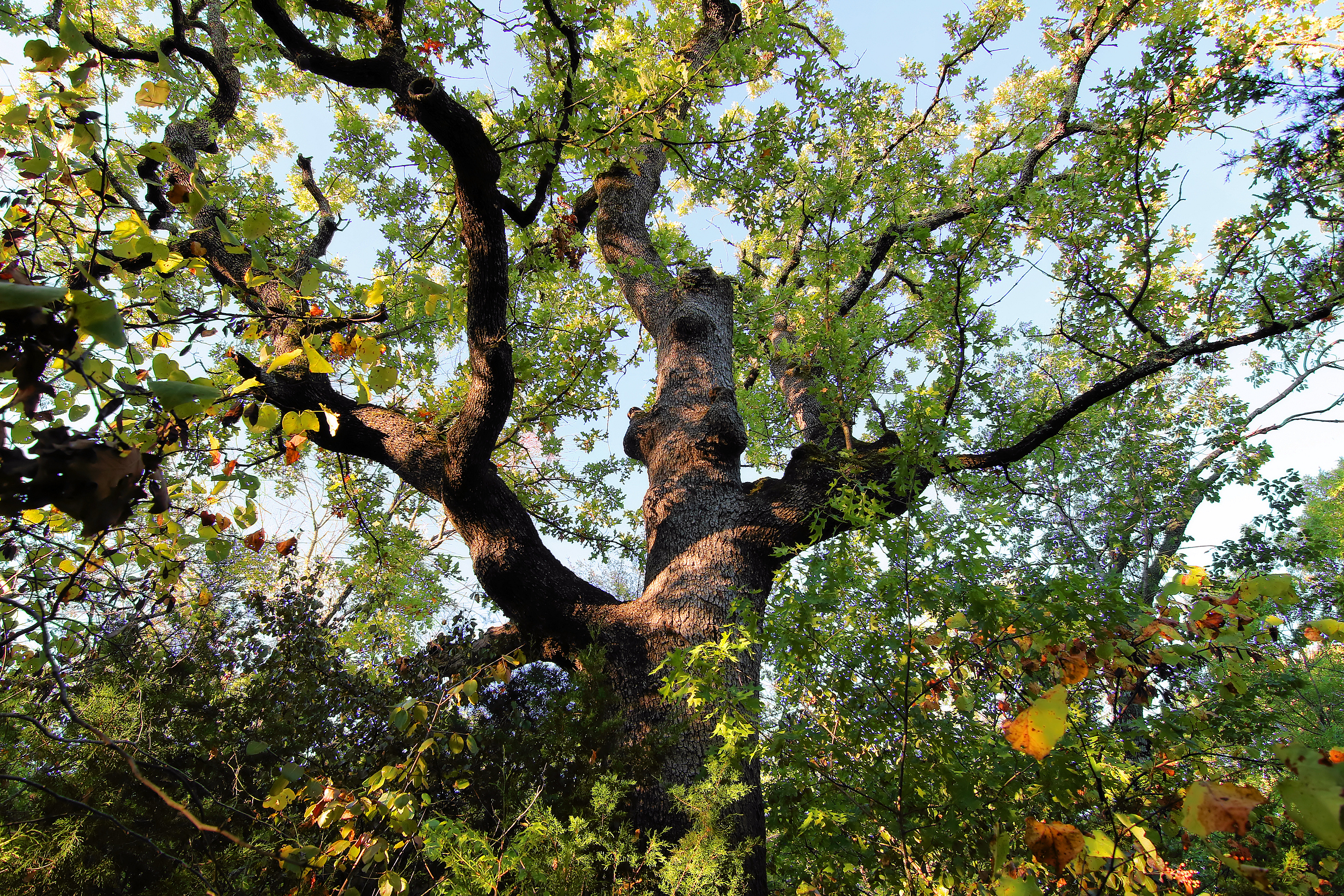
Dense canopy along the Bur Oak Nature Trail shelters hikers beneath towering hardwoods, where interpretive stops reveal the stories of limestone bluffs and diverse ecosystems thriving in the dam's shadow.

Mature oaks and hickories create a dense canopy where white-tailed deer emerge at dawn and bald eagles soar overhead. Three interconnected trail systems wind through the forest, including the 33-mile Black Hawk Trail that leads deep into eastern Kansas woodlands.
Forest camping Kansas offers an unexpected treasure trove of woodland experiences across the state's diverse ecosystems, from the ancient tallgrass prairies of the Flint Hills to the oak-hickory forests of the Ozark foothills. While Kansas is often associated with endless prairies, the state harbors remarkable forested camping destinations along its lakes and river corridors, where mature tree canopies create natural cathedrals and provide welcome shade during warm summer months.
The prime season for forest camping in Kansas extends from April through October, with distinct advantages to different periods. Spring (April-May) brings spectacular wildflower displays and redbud blooms, particularly stunning at Crawford State Park, though occasional severe weather requires monitoring.
Showing top 20 campgrounds near Forest Camping in Kansas
The most popular campgrounds for forest camping in kansas book up months in advance. Here are the tools to help you get a site.
The best forest camping in Kansas book up quickly. Set up free alerts to catch cancellations.
Outdoorithm
Just now
🎉 Site opened up!
Canning Creek
Your preferred dates
Quick! This site typically books within hours.

Create your free account to save favorites, set availability alerts, and get personalized recommendations.
No credit card required. Every feature is free to use.
Discover 17 additional top-rated forest camping in Kansas

Ancient shade trees form a living canopy over campsites where white-tailed deer wander through and bald eagles circle overhead. Winding trails lead through dense forests and diverse ecosystems, including access to the 33-mile Black Hawk Trail that weaves between woodlands and creek bottomlands.

Tallgrass prairie stretches to the horizon here, but wooded corridors along Melvern Lake's shoreline provide shaded campsites and trails where deer browse at dawn and songbirds fill the canopy.

Dense oak-hickory forests blanket the hillsides, creating miles of shaded trails where white-tailed deer emerge at dawn and songbirds fill the canopy overhead.

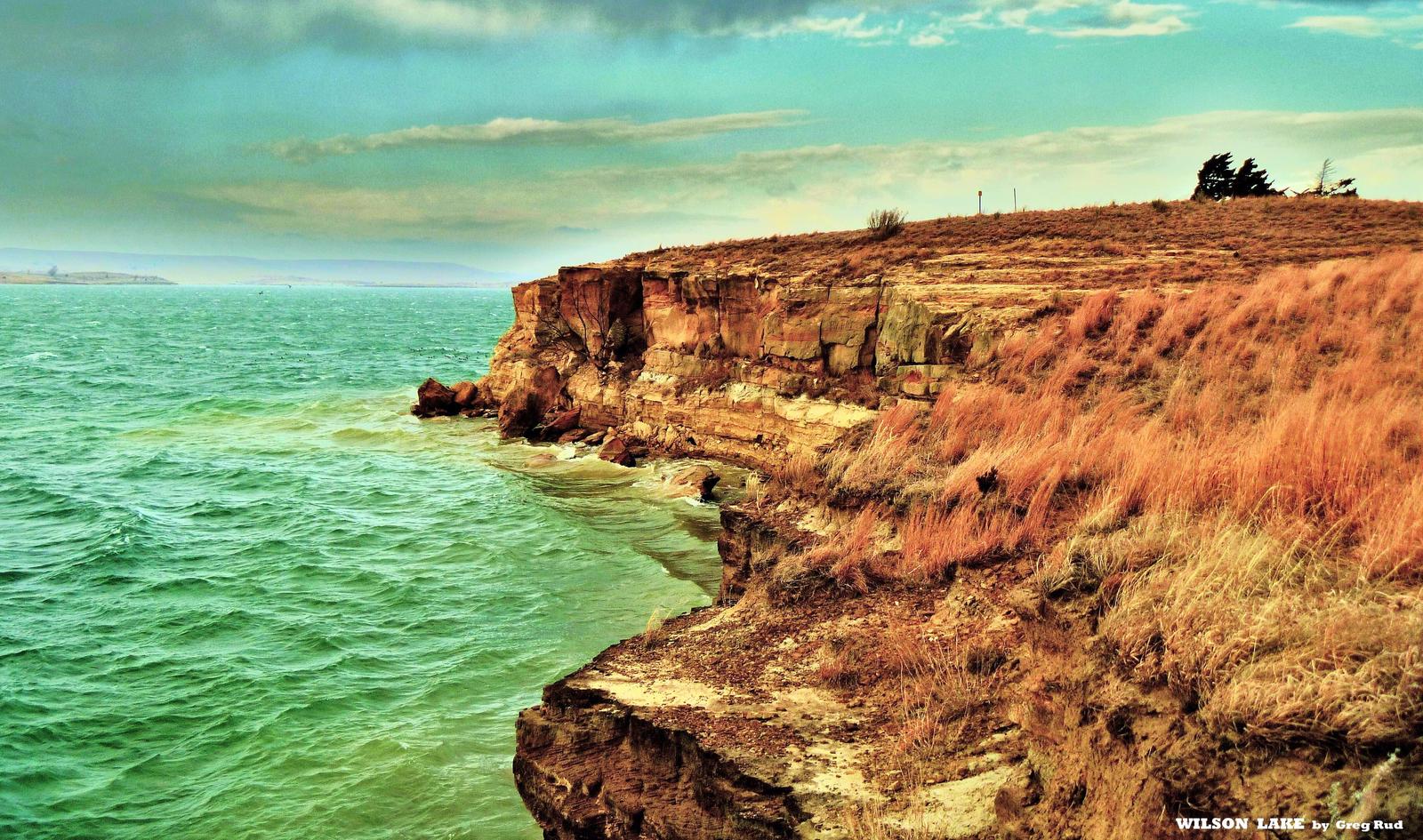
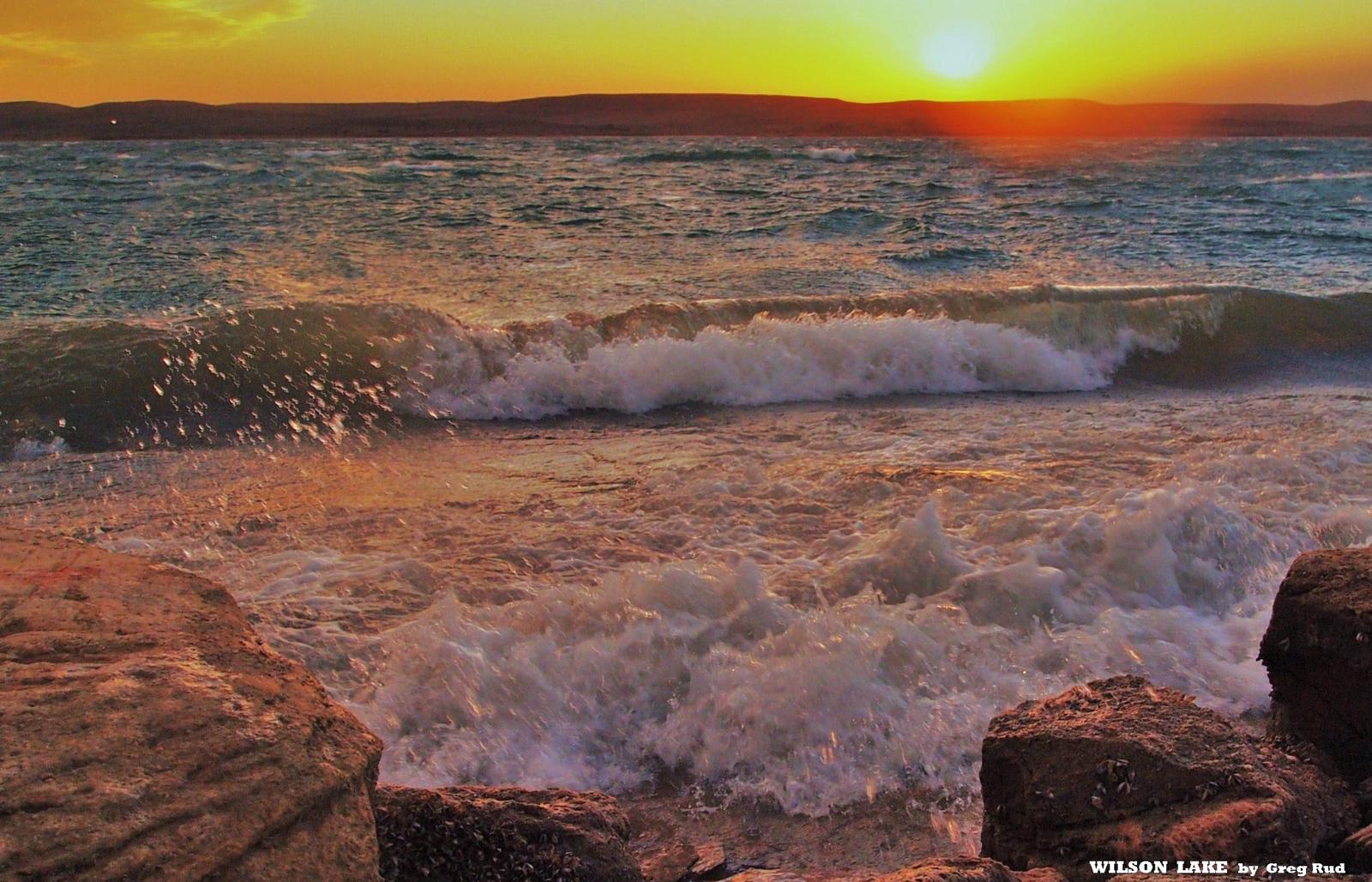
Dense prairie grasses and scattered cottonwoods create pockets of natural shade along Wilson Lake's shoreline, where white-tailed deer browse at dusk and hawks wheel overhead.

Ancient forests sweep down to meet the reservoir's edge, wrapping campsites in natural shade while deer emerge at dusk and herons stalk the wooded shallows. Hiking trails wind through timber stands where pelicans soar overhead and morning mist filters through the canopy above 51 secluded sites.

Ancient cottonwoods and oaks form towering natural cathedrals above campsites, casting welcome shade across the rolling terrain. Miles of multi-use trails wind through diverse ecosystems where prairie meets woodland, revealing hidden wildlife viewing spots and secluded coves perfect for exploration.

Tall cottonwoods and native hardwoods create shaded retreats along the southern shore, where trails wind through wooded draws between the bluffs and water's edge.

Cottonwood groves and pockets of woodland nestle between sandstone bluffs and prairie hills, where white-tailed deer emerge at dusk and wild turkeys roam beneath the canopy.

The Flint Hills prairie landscape offers rolling grasslands and limestone cliffs rather than dense forest canopy, with bald eagles circling overhead and white-tailed deer emerging at dawn.