Garmin
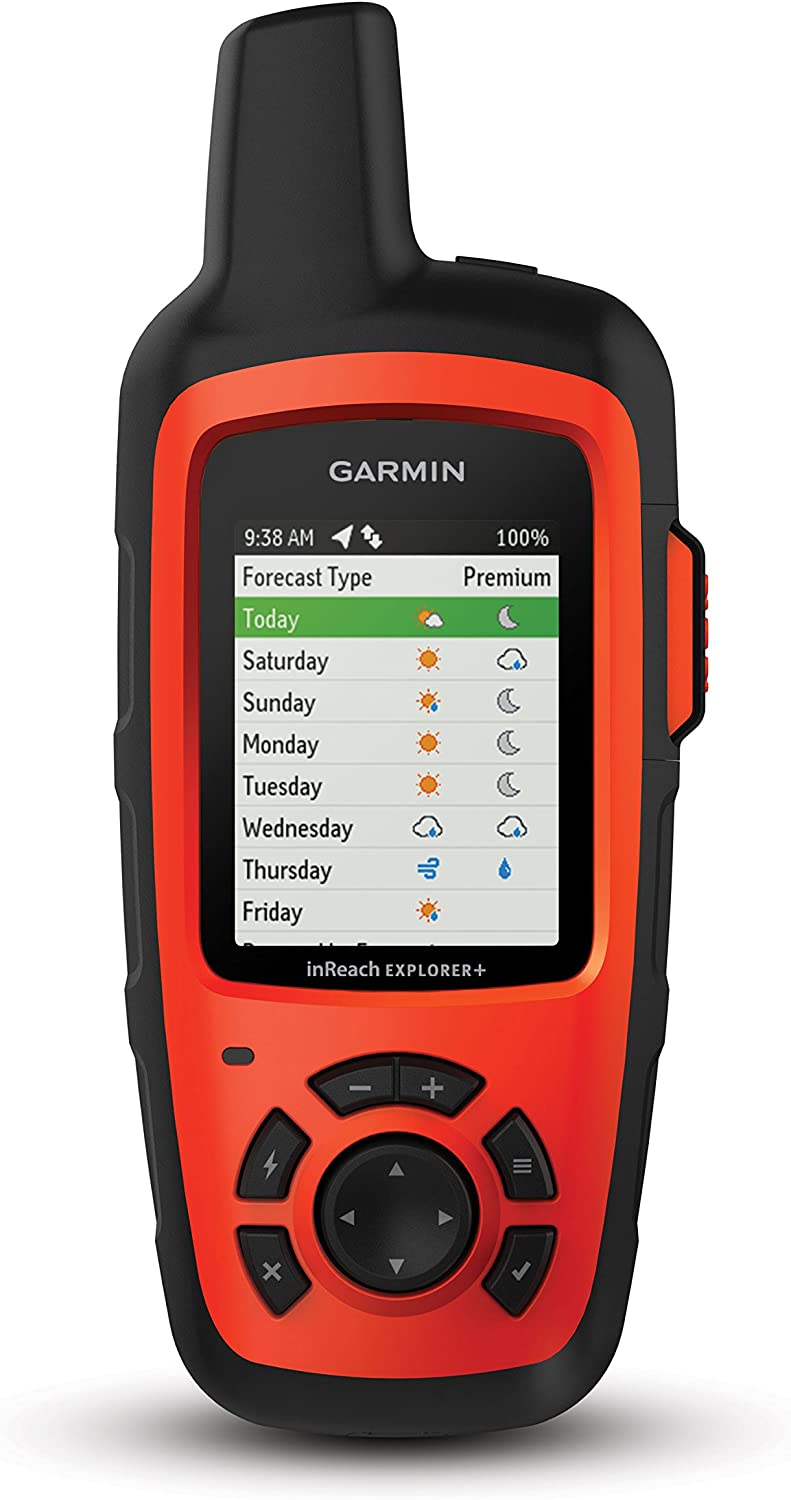
Garmin InReach Explorer
Compiled from published reviews and manufacturer specs
Click to expand
Share this gear
- Best for:
- remote expeditions, wilderness backpacking, marine travel and any trip where guaranteed two-way messaging, tracking and SOS beyond cell range are required
- Skip it if you want:
- users who prioritize low weight, minimal cost, or full-featured on-device navigation (casual day hikes or most in-range cell use)
Main tradeoff: Relatively heavy and bulky compared with smaller satellite messengers
Before you buy
Why it works
- True global two-way messaging and interactive SOS via the Iridium networkPublished reviews
- Built-in GPS navigation, preloaded topo maps and sensors (compass, altimeter)RemoteSatellite, OutdoorGearLab
- Long battery life (many days on typical 10-minute tracking intervals)RemoteSatellite, SectionHiker
- Rugged, weatherproof construction (IPX7 rated) suitable for harsh environmentsManufacturer · HikingEmergencyBeacon
Tradeoffs
- Relatively heavy and bulky compared with smaller satellite messengersOutdoorGearLab
- High upfront cost plus ongoing subscription/airtime feesHikingEmergencyBeacon
- On-device navigation and maps are basic compared to dedicated handheld GPS unitsSectionHiker
- Setup, Bluetooth pairing and syncing can be fiddly for some usersHikespeak
Details
About the Garmin InReach Explorer
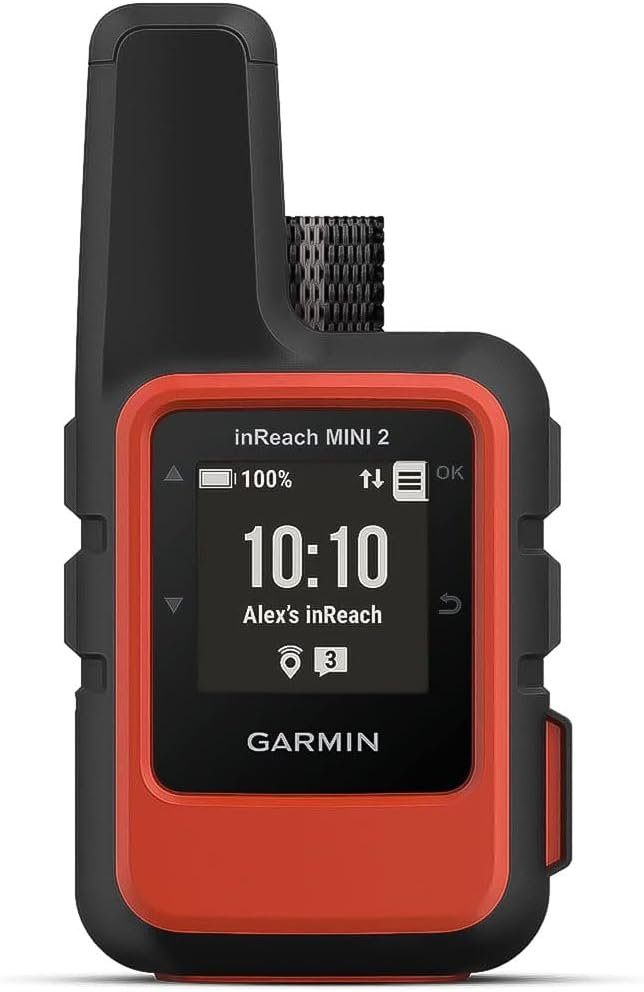
DISCONTINUED — Replaced by the Garmin inReach Mini 2. The original InReach Explorer was a handheld satellite communicator with built-in GPS navigation, two-way messaging, and SOS capability via the Iridium network.
Specifications
- Weight
- 0.5 lb (8.0 oz)
- Packed size
- 6.5 x 2.7 x 1.5 inches
- Materials
- rugged plastic housing with rubber seals
- Changes from the last model
- Explorer+ (2017) added onboard maps and sensors; product has been gradually phased toward newer models since 2020
Questions (1)
- Is it worth the price over cheaper alternatives?
- For frequent remote users and expeditions, the reliability, two-way messaging and interactive SOS justify the premium; casual users who stay in cell range or prioritize weight may prefer cheaper or smaller options.
Fit and sizing
runs large
Care and warranty
Care
- keep device and rubber seals clean and dry
- recharge to ~50% for long-term storage and refresh periodically
- update firmware via Garmin Express
- keep device warm in extreme cold and avoid charging below 32°F (0°C)
What tends to wear out
- battery capacity reduction over years of use
- battery performance drops in cold weather
- accidental SOS triggers on some older units if lock fails
- USB port corrosion if exposed to salt/water with flap open
Durability
- most long-term users report solid durability and no widespread hardware failures
- older units had SOS-button lock issues; modern Explorer+ improved the lock
Warranty
1-year limited warranty; generally honored but occasional reports of slow or unsatisfactory support responses
Sources
“a high performer…among the best devices for nearly-comprehensive communications”
Have you used the Garmin InReach Explorer?
Tell other campers how it worked for you.
Last updated March 22, 2026