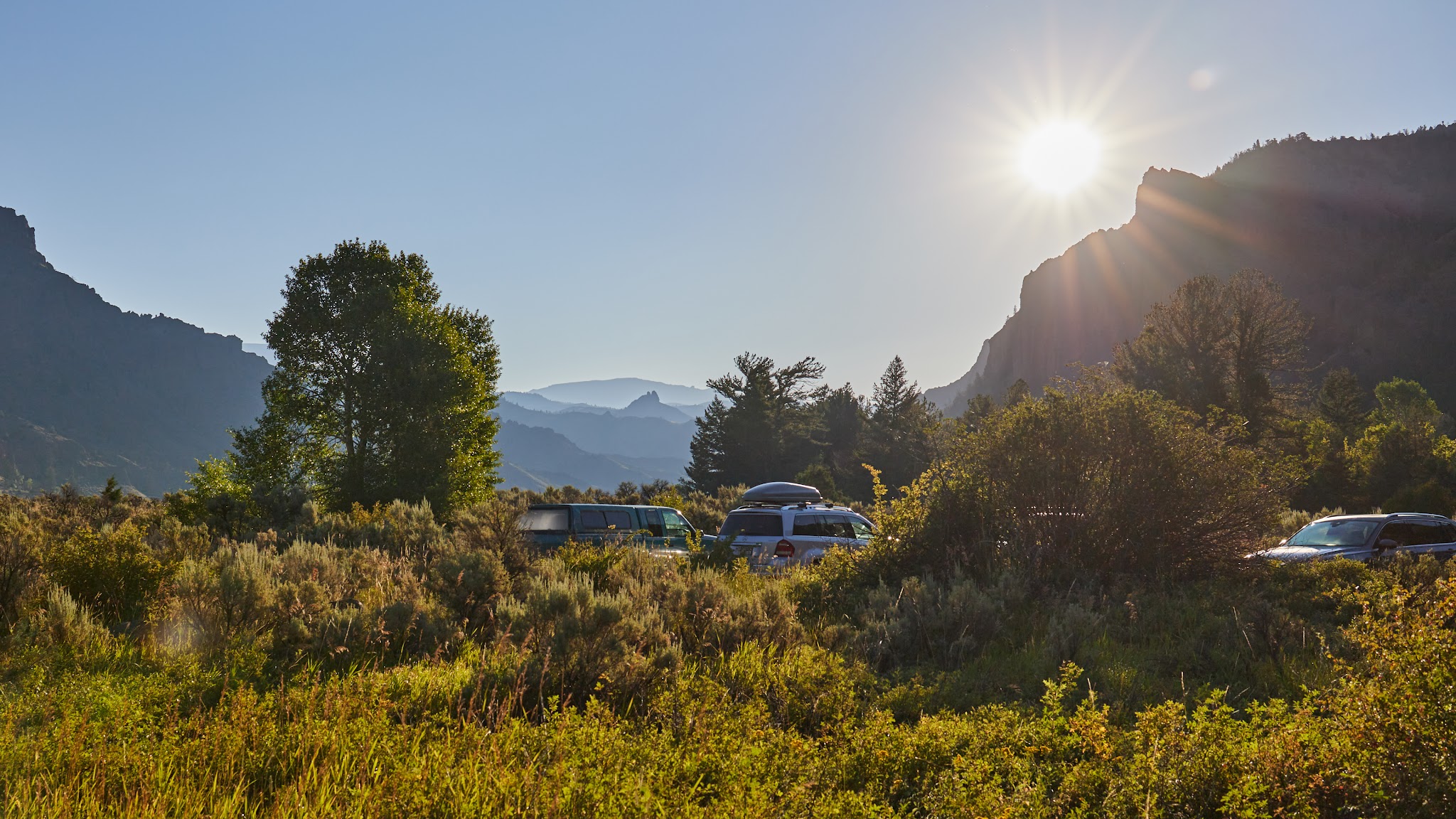
An Outdoorithm Study · Rocky Mountains
Greater Yellowstone & the Tetons
Bucket-listA camping destination in its own right — go out of your way for it. · #4 of 65 regions · 32,817 reviews across 541 campgrounds.
Camping in the Greater Yellowstone and Tetons region earns top marks where it counts: clean campgrounds, exceptional camp hosts, and the kind of riverside settings that lull families to sleep. The headline trade-off is that you pay for it in tougher categories like value, crowds, and a short, buggy season, and the best sites book out months ahead.
The best campgrounds here
Ranked by camper sentiment across every topic. Tap a pin or photo to open a campground.
 Worth the trip
 Worth the trip
 Worth the trip
 Worth the trip
 Worth the trip
 Worth the trip
 Worth the trip
 Worth the trip
 Worth the trip
 Worth the trip
 Worth the trip
 Worth the trip
A is a destination grade — it blends the typical campground here with the region’s best. The typical site is middle-of-the-pack, but the best are exceptional: 30 campgrounds grade in the A range, topped by South Fork (Wyoming) (A+). Here, where you book matters more than where you go — pick one of the best.
What it’s like to camp here
The 14 things campers actually wrote about — the whole experience, not just the views. Each is graded against every other region: A is among the best, C about average. Tap any topic to see what campers said and the campgrounds behind it.
The camping experience
The standout strength here is the human side of camping. Staff and hosts grade an A, with campers repeatedly singling out attentive hosts who keep firewood stocked, share local knowledge, and lend a hand. Cleanliness is nearly as strong, and the running theme is genuinely spotless vault and outhouse facilities, which is rare anywhere. Scenery and Campsites both score well, helped by creekside and riverfront spots with room and shade. The warnings are concrete. Bugs and weather grade a C, with mosquitoes a recurring problem from late June onward, plus cold high-altitude nights even in early summer. Value lands at C-, so expect to pay for the experience. Crowds and noise are only average, and Things to Do underwhelms relative to expectations. Booking and Rules also draw complaints, often around reservation confusion and first-come sites that turn out to be taken.
The standout campgrounds
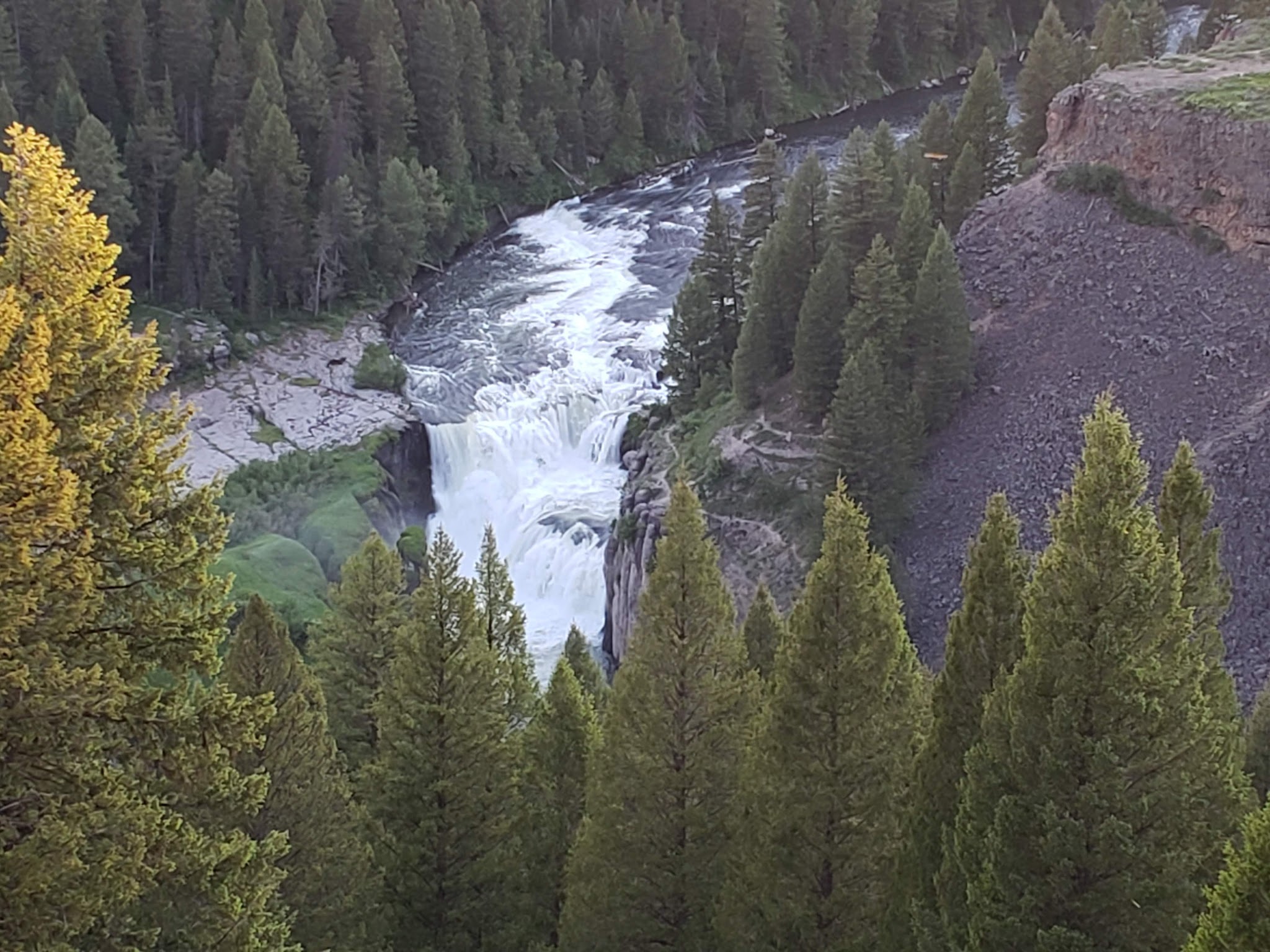
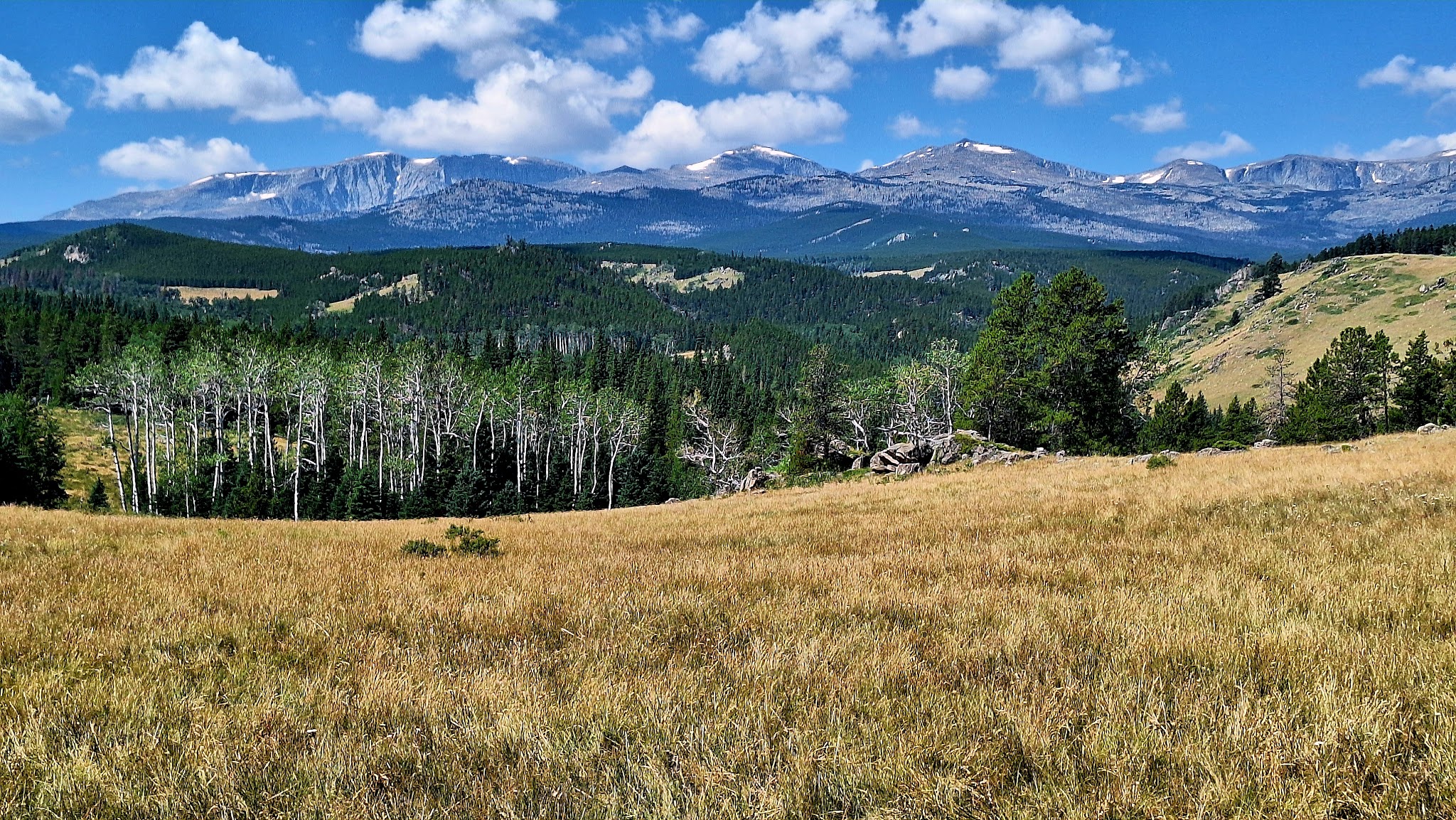
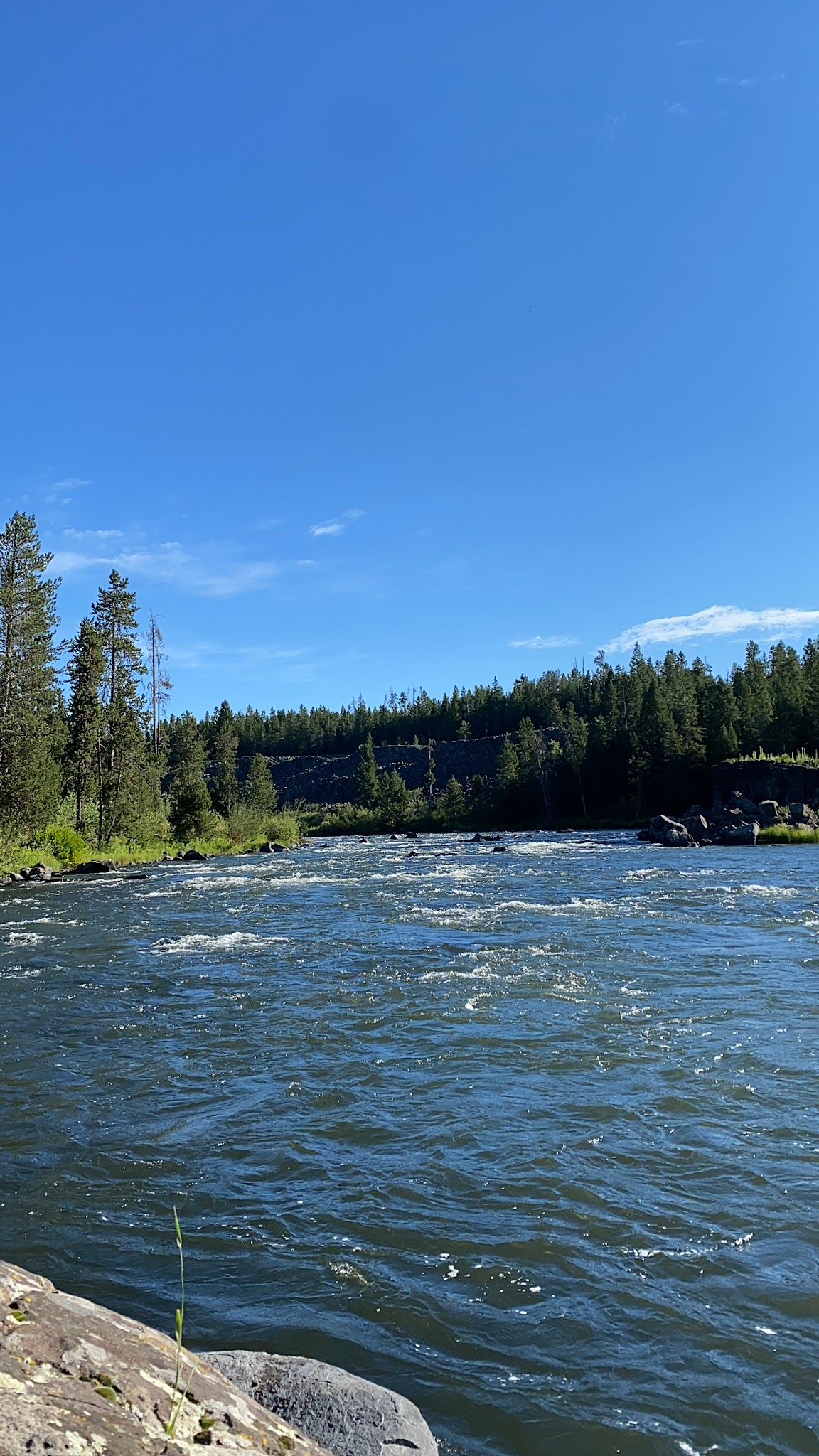
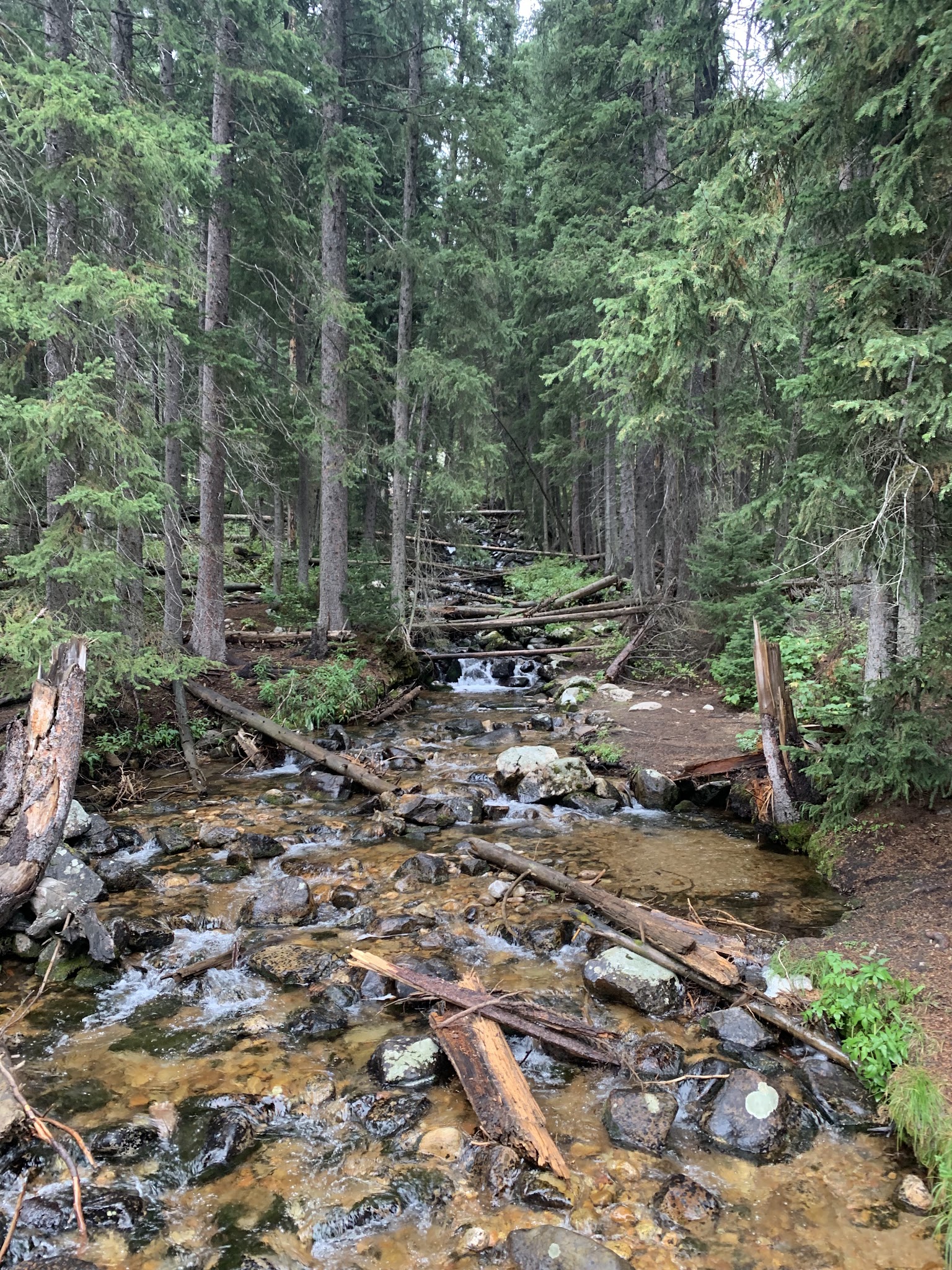
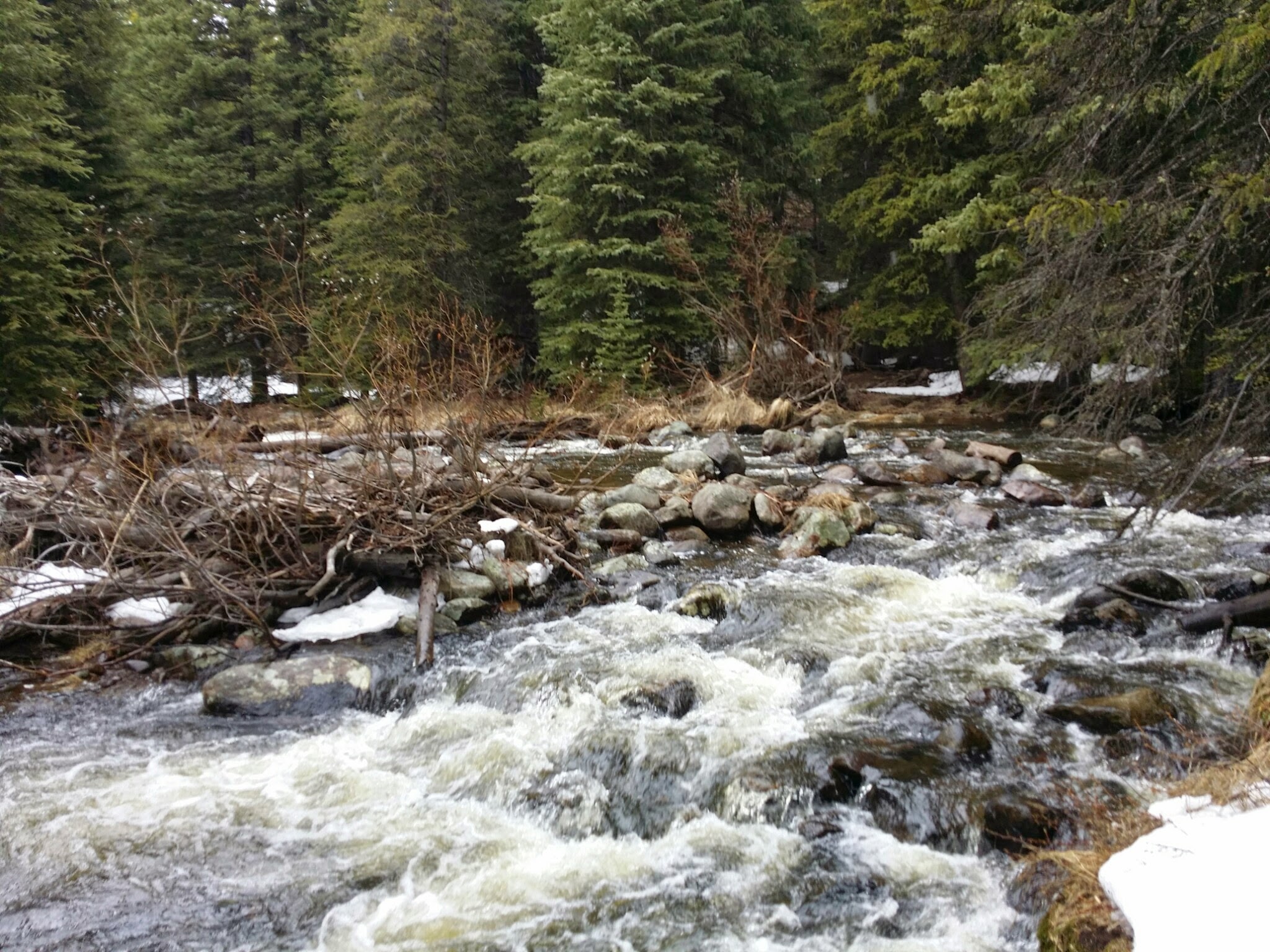
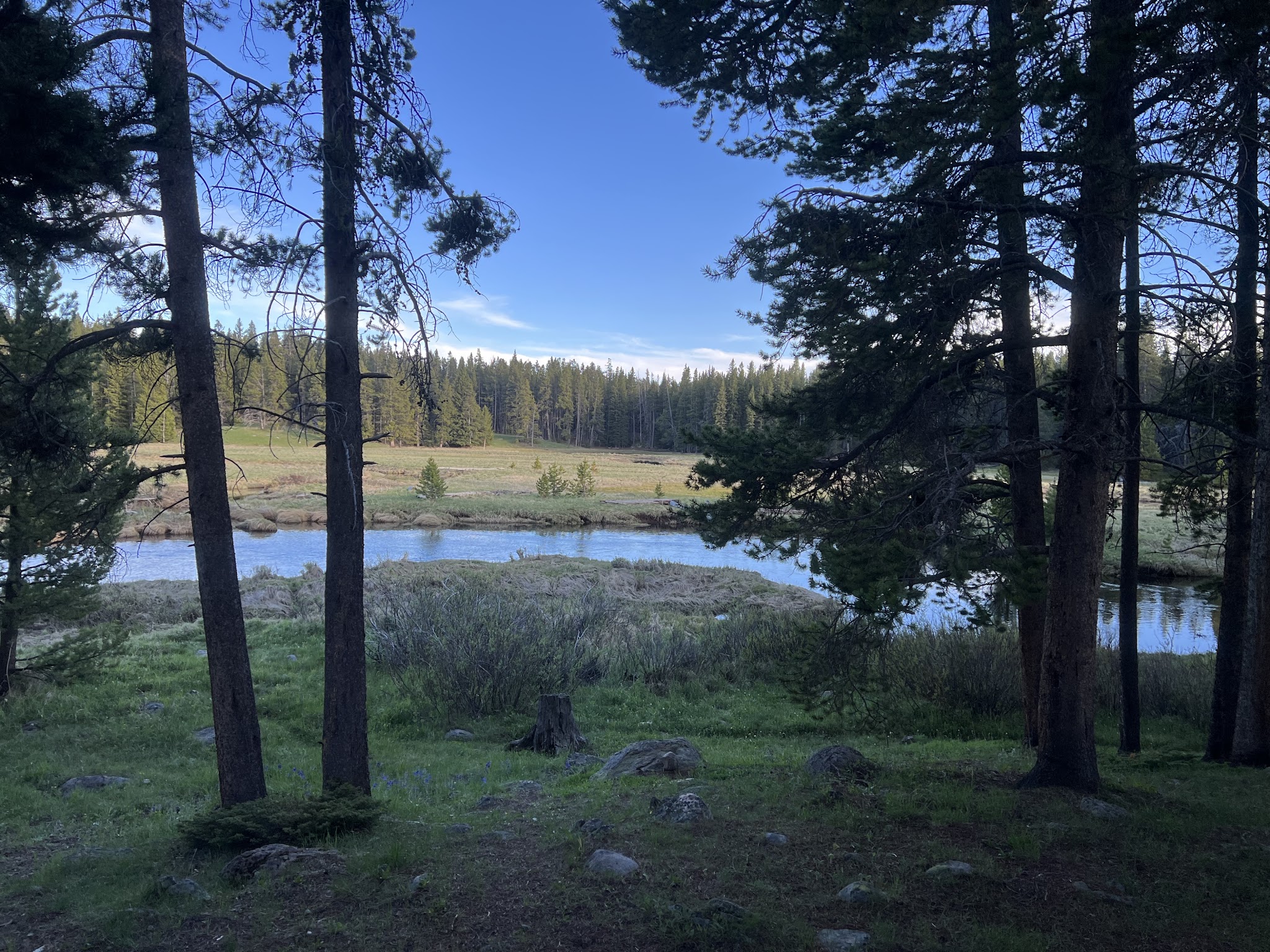
South Fork in Wyoming earns an A on the strength of its scenery, hosts, and cleanliness, a quiet off-grid spot near Buffalo with creekside sites, pit toilets, and hand-pumped water that suits tent campers who do not need hookups. Reunion Flat scores for its host and group-friendly layout, good for families and larger parties willing to drive a short dirt road. Grandview in Idaho sits near Mesa Falls with walk-in access to the overlook, ideal for hikers, though reserve early. Swan Creek and Stoddard Creek both grade A for spacious, well-separated sites near Bozeman and just off I-15 respectively, the latter convenient for RVs wanting easy interstate access. Riverside in Targhee draws praise for riverfront sites, bear boxes, and exceptionally clean toilets, fitting anglers on the Henry's Fork who do not mind limited cell service.
Know before you go
Plan for summer, but come prepared for the season's two weaknesses. Bugs and weather grade a C: mosquitoes are heavy from late June through midsummer, so bring repellent, and nights run cold at altitude even in early June. Value grades C-, so these are not budget-friendly trips. Booking and Rules draw complaints around reservation systems and first-come sites that fill fast, so reserve early and have a backup plan, especially over holiday weekends. The region suits tent campers and self-sufficient RVers comfortable with no hookups; many top sites are bare-bones Forest Service grounds. Watch for seasonal closures and locked facilities in fall.
How we grade
No star ratings — real reviews. We read hundreds of thousands of written camper reviews and used AI to tag what each person praised or complained about, across 14 topics (scenery, crowds, bugs, value, and more).
Each topic is praise minus complaints. A topic’s score is the share of campers who praised it minus the share who complained.
Grades are relative. Every grade compares this place to all the others on that topic — an A means among the best, a C about average. We grade this way because campers rave about scenery but only mention bugs when bitten, so one fixed scale couldn’t be fair across topics.
Two fairness rules. A topic campers liked never grades below a C− — something people enjoyed can’t “fail.” And an F is reserved for the rare topic campers clearly complained about and that’s a real outlier.
The headline grade is a destination grade. It blends what the typical campground here is like with how good the region’s best are — because you choose a region for its best camping, then pick a site. We show both, plus the standout campgrounds.
Enough data to be fair. We only grade places with enough reviews; thinner ones show “limited data” instead of a letter, and every topic carries a confidence range from its sample size. The Belonging topic is graded by our Green Book community score — how welcoming campers describe the staff and community, with discrimination and hostility as hard penalties — not sentiment alone.
We check the AI. An independent model (from a different maker) audits a sample of the tags. It found the complaint labels ran over-eager (passing mentions scored as gripes), so we re-judged all 499,009 of them and removed the quarter that were really about another topic or weren’t complaints, keeping the real-but-mild ones. Then a human rater, blind to our labels, agreed with 87% of them (89% of complaints) across 420 labels.
What this grade measures
The trip, not the view
Across 688,170 camper reviews, the scenery barely predicts whether people actually enjoy a place. What sends newcomers home are the un-photographable parts — the three Bs: bathrooms, booking, and belonging. So we grade every place on those, not the postcard.
How Greater Yellowstone & the Tetons scores on the three things that decide a newcomer’s trip.