An Outdoorithm Study · Pacific Northwest
Columbia & Snake River Plateau
Solid stopoverGood options if you're already passing through. · #51 of 65 regions · 7,933 reviews across 85 campgrounds.
Camping on the Columbia and Snake River Plateau is mostly a state park and reservoir experience, with clean, well-spaced sites along big rivers and lakes. The headline trade-off is comfort versus the elements: the campgrounds themselves grade well, but relentless wind, heat, and bugs drag the overall experience down to about average.
The best campgrounds here
Ranked by camper sentiment across every topic. Tap a pin or photo to open a campground.
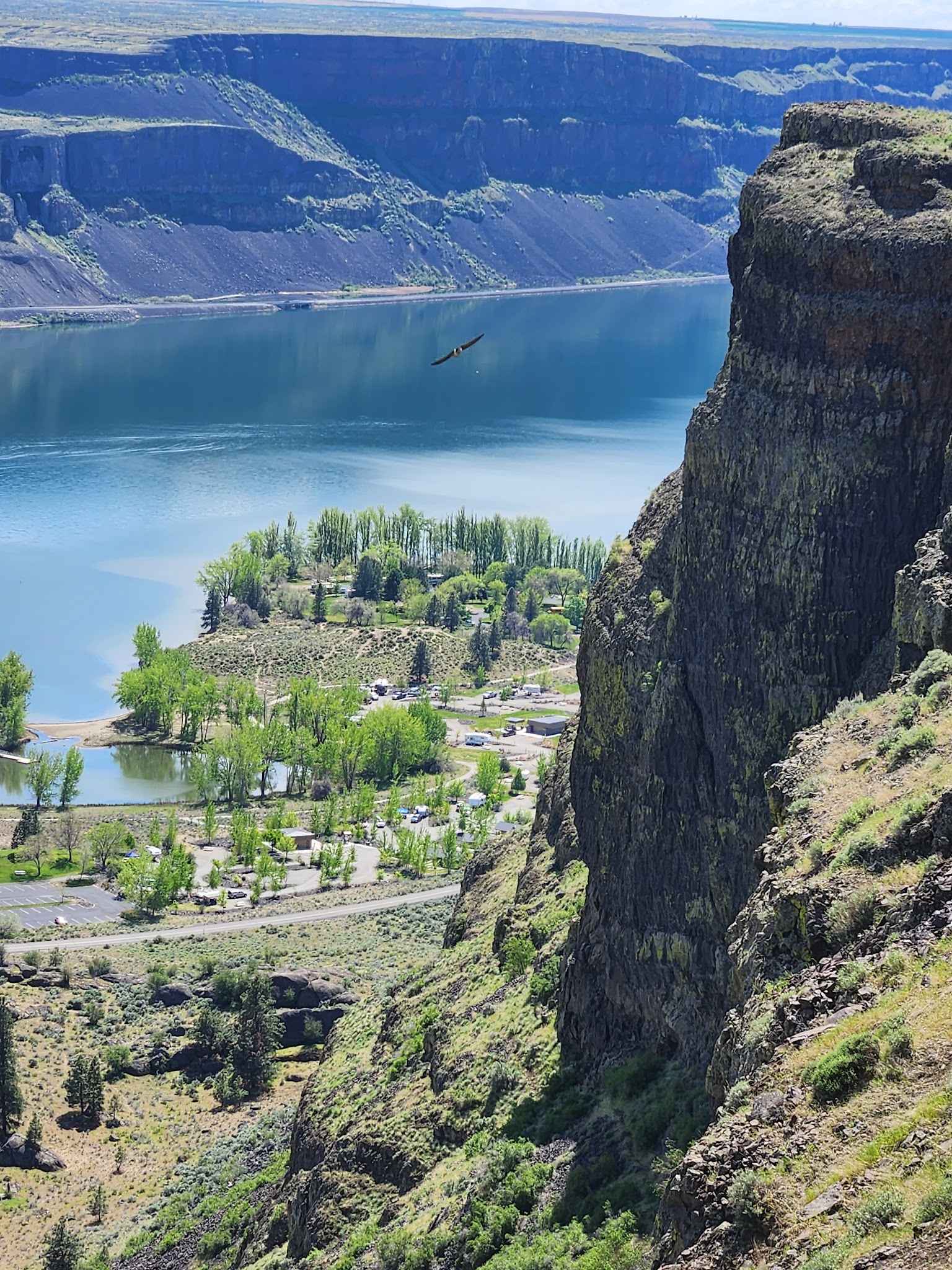
 Worth the trip
 Worth the trip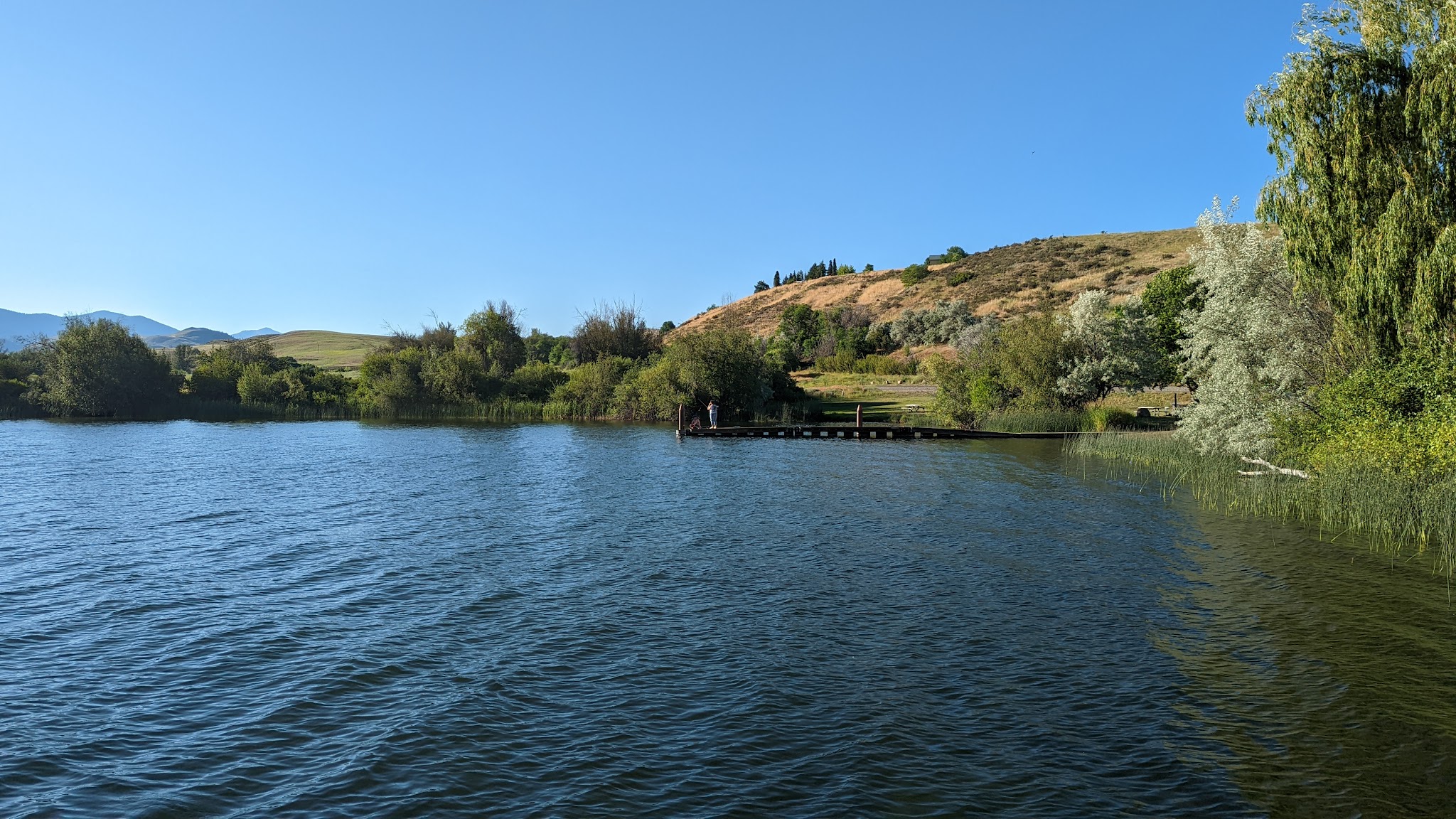
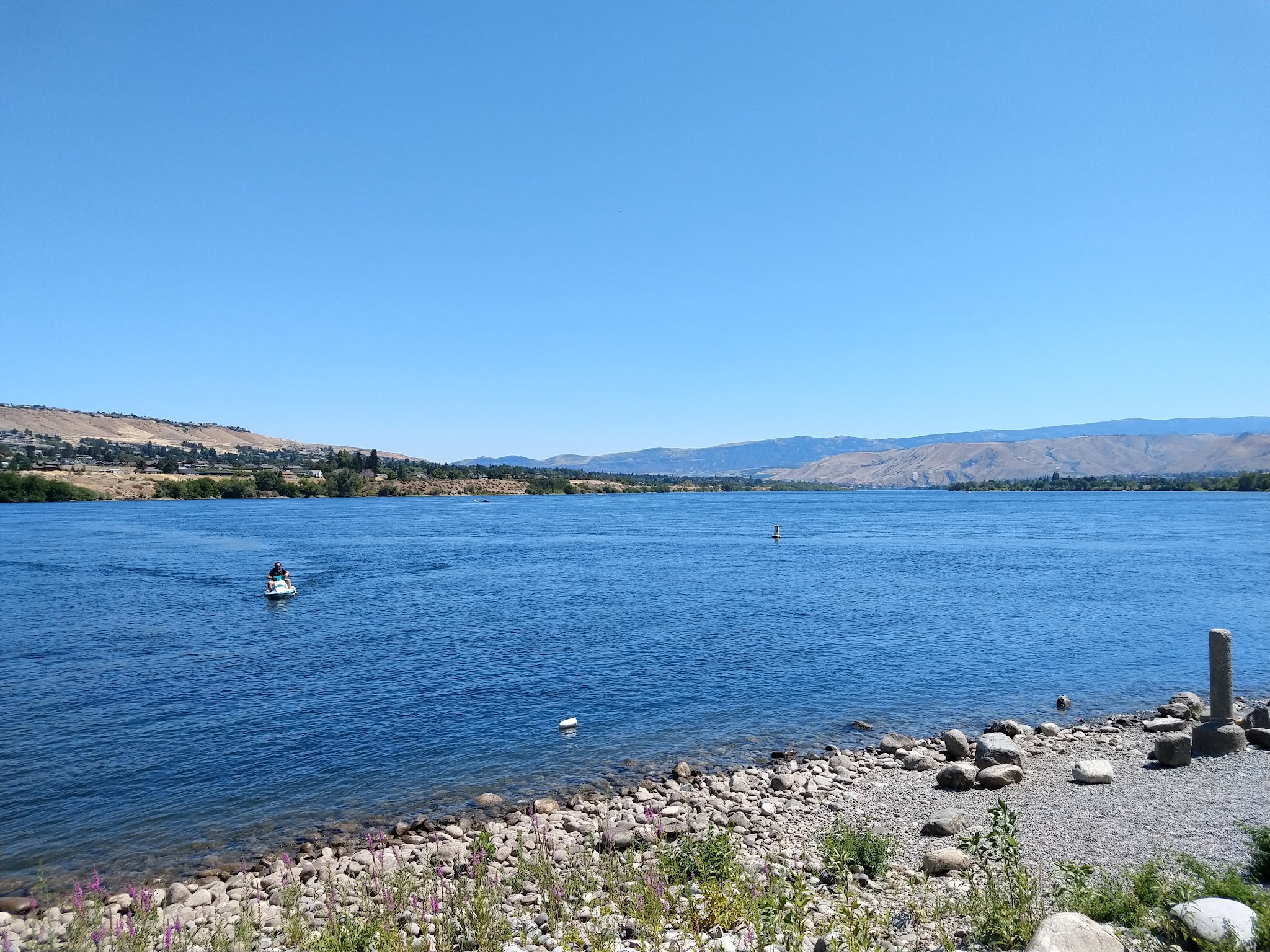
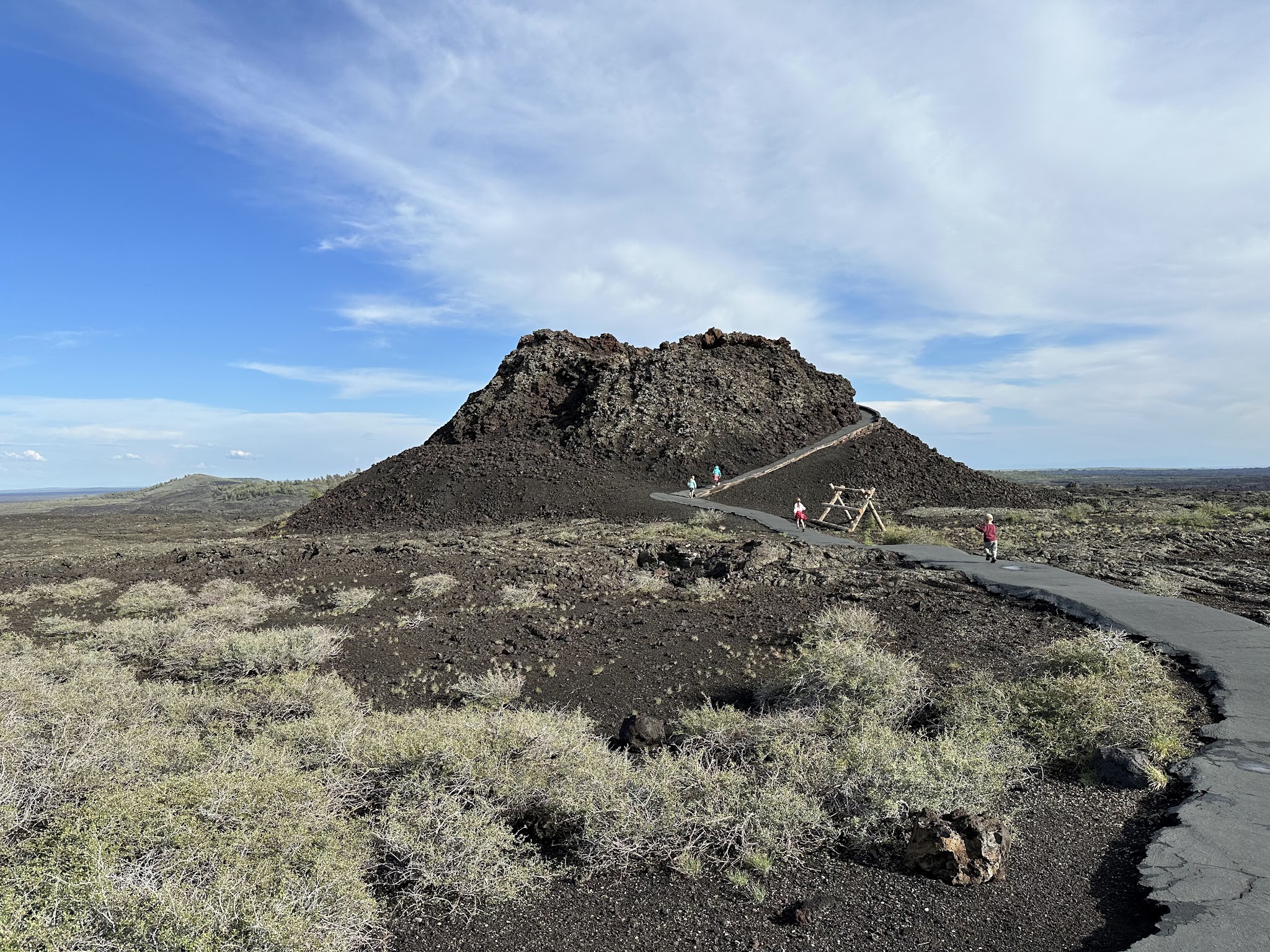
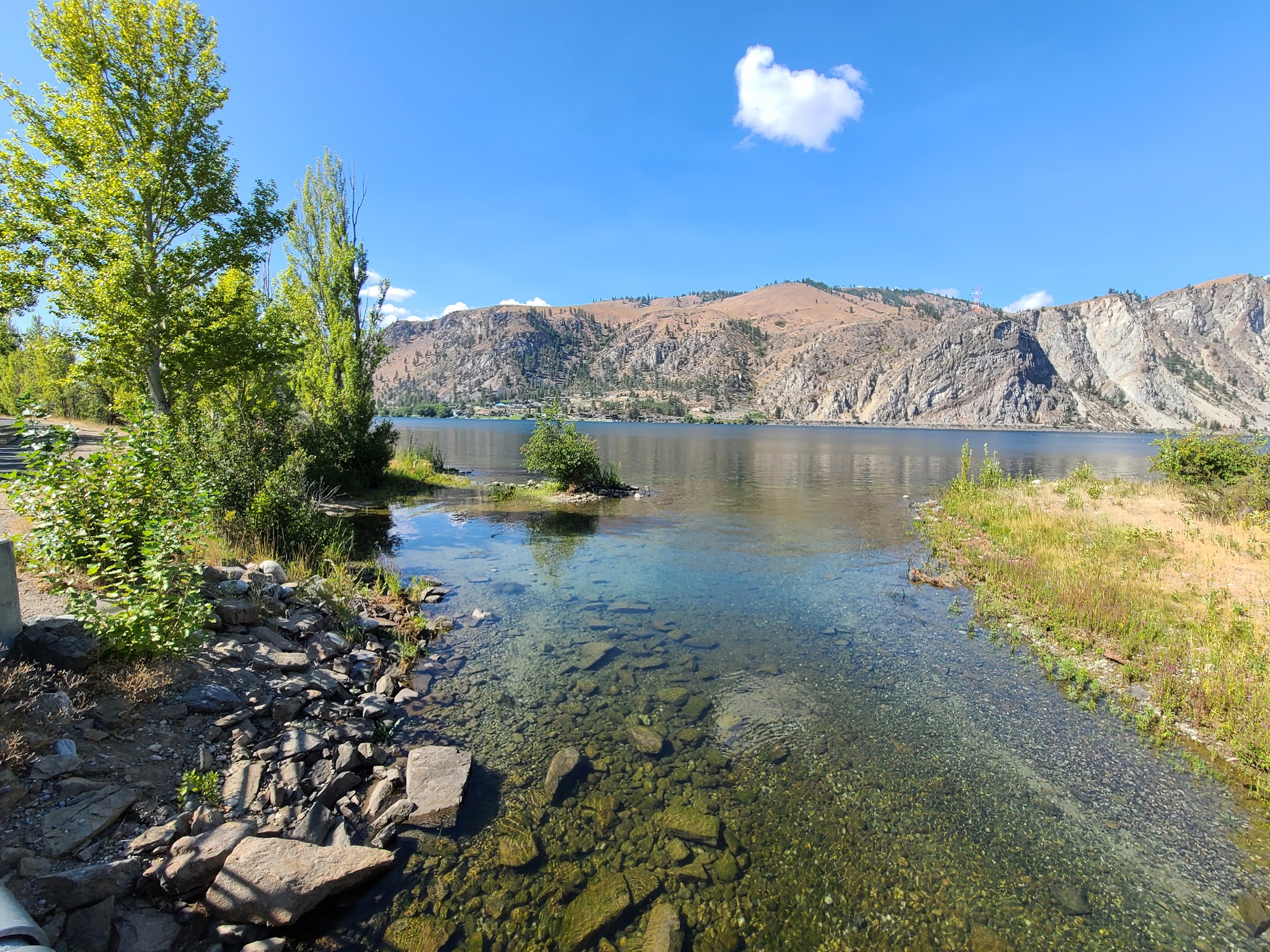
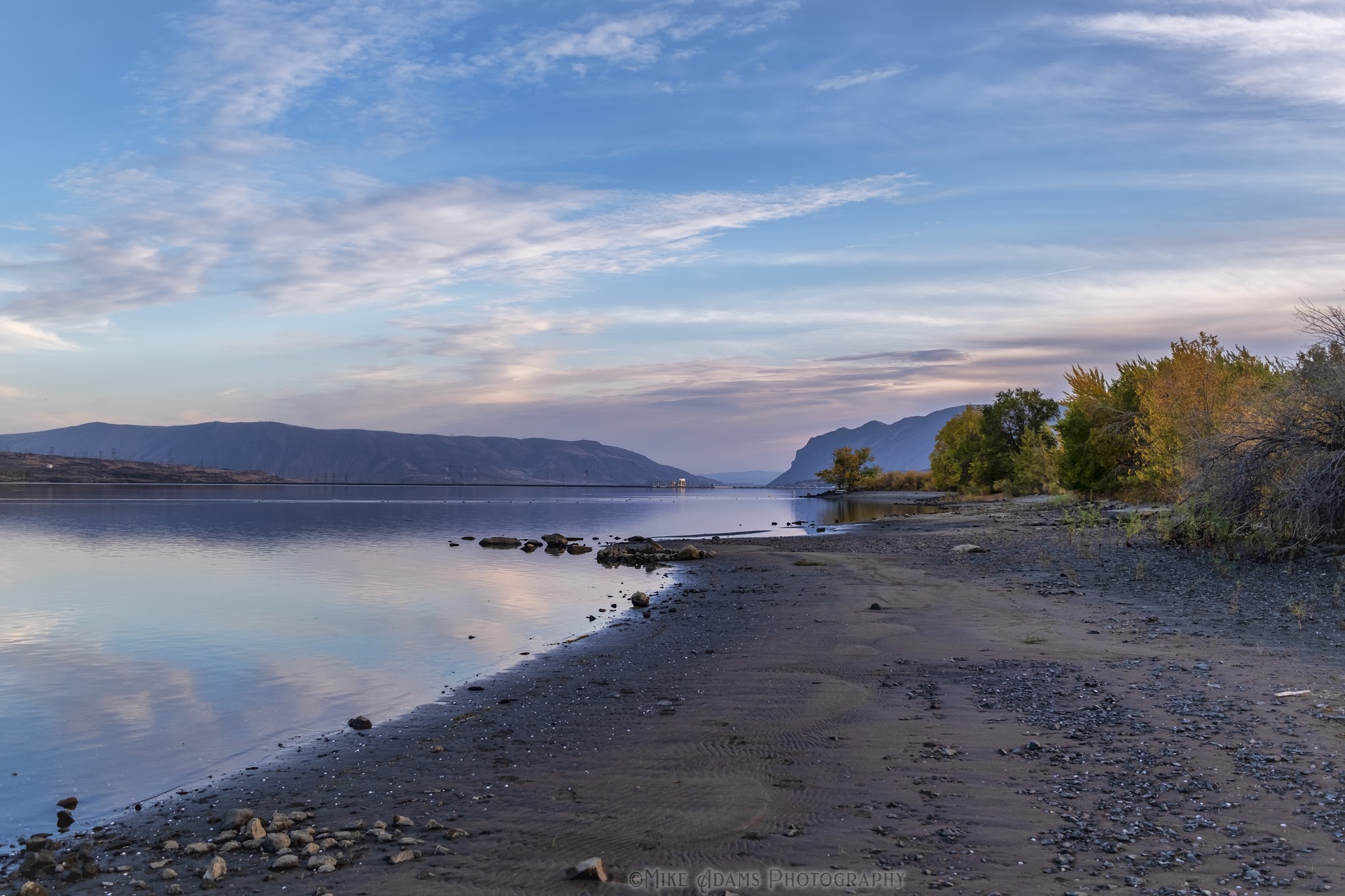
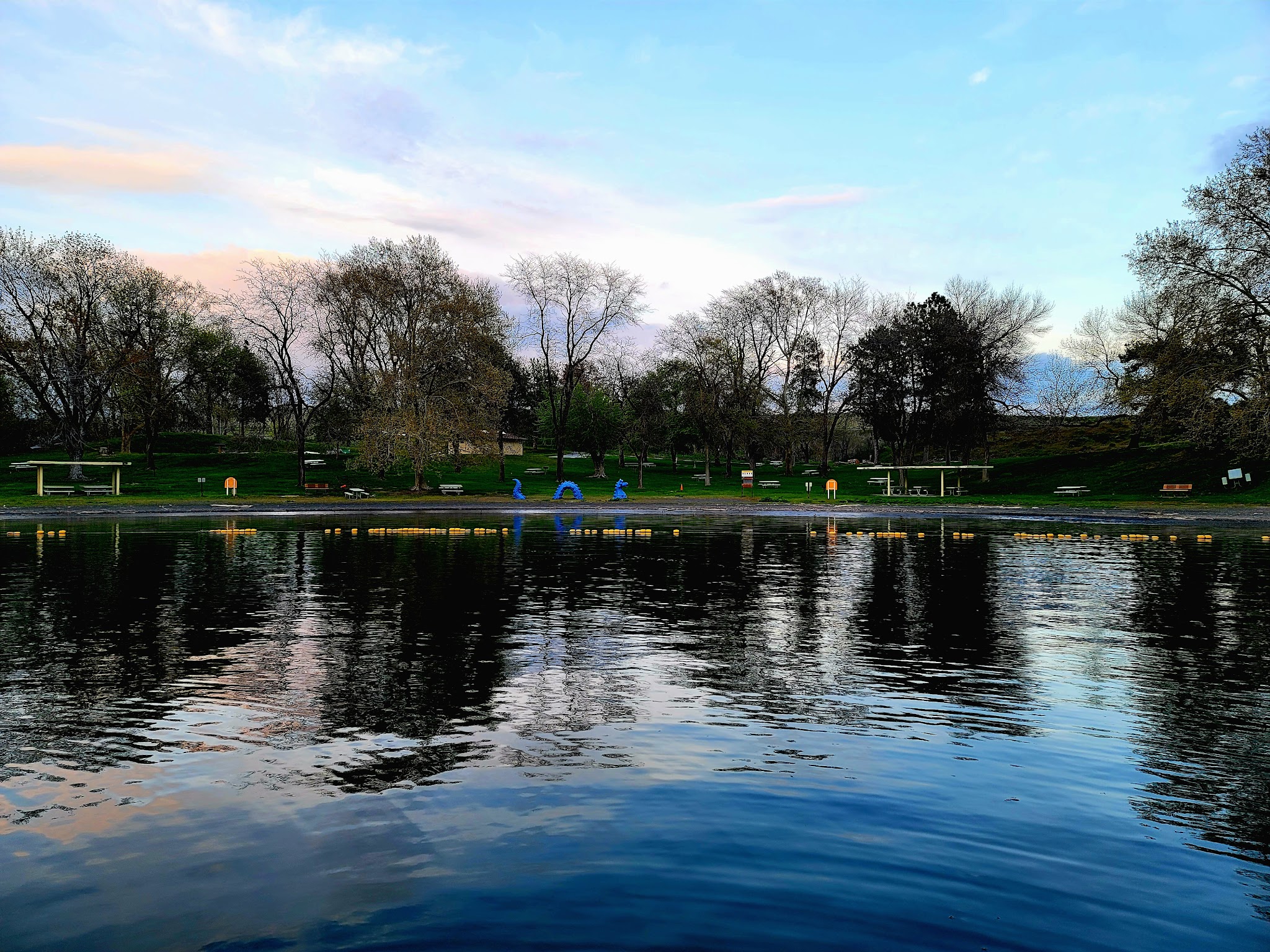
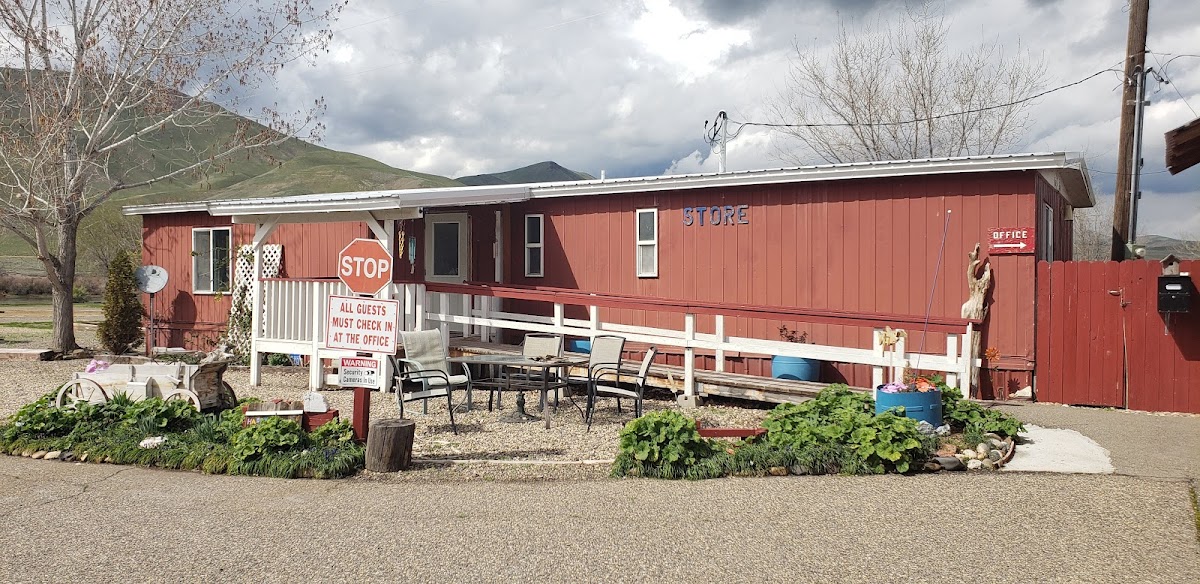
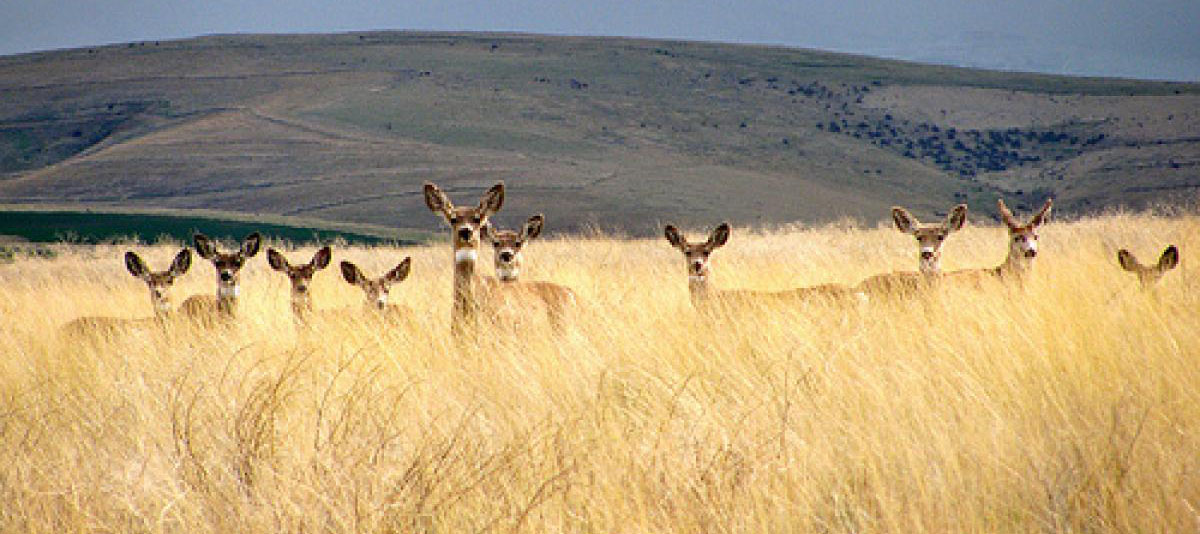
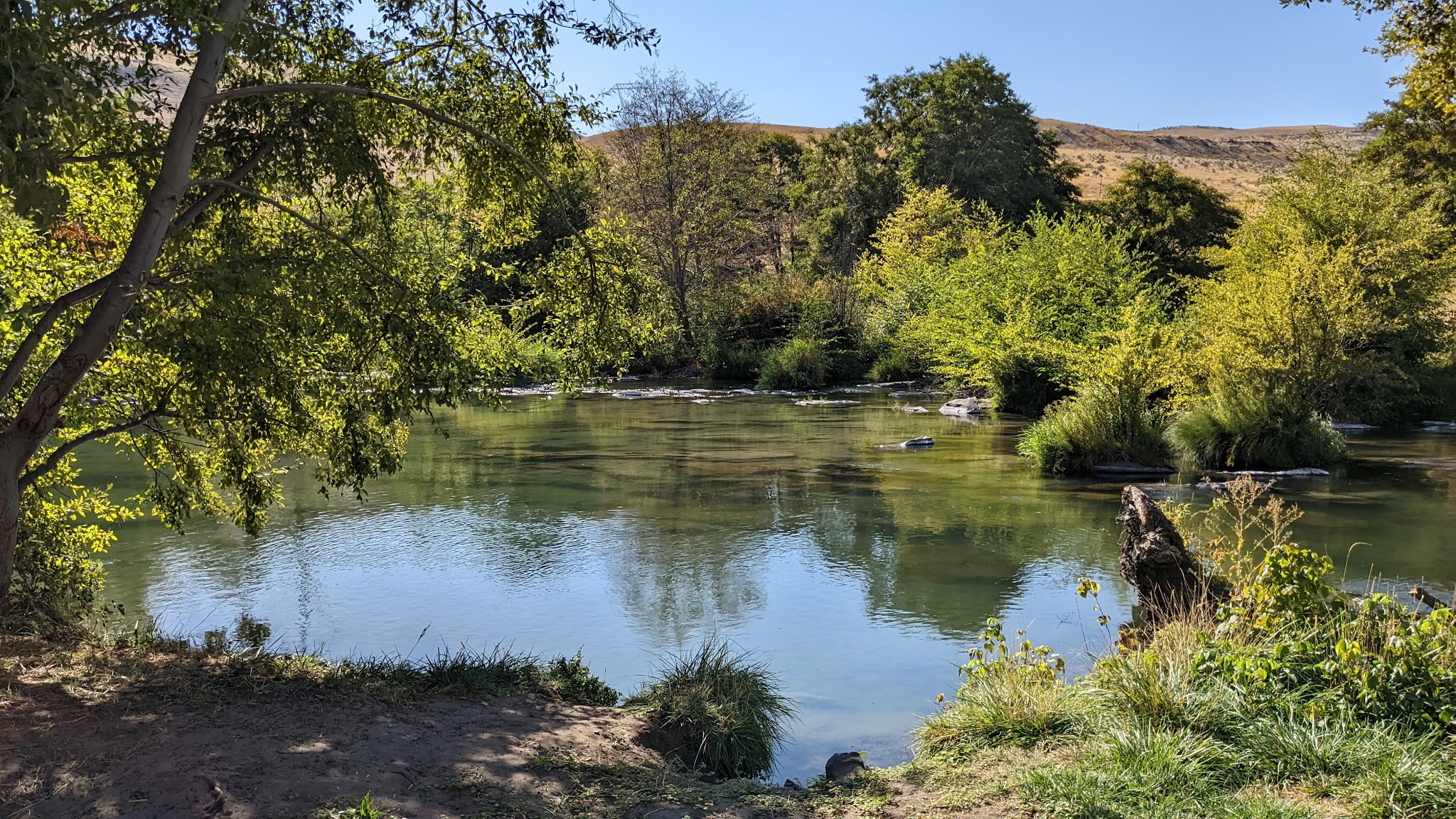
C is a destination grade — it blends the typical campground here with the region’s best. The typical site is middle-of-the-pack, but the best are exceptional: 2 campgrounds grade in the A range, topped by Cottonwood Canyon State Park (A). Here, where you book matters more than where you go — pick one of the best.
What it’s like to camp here
The 14 things campers actually wrote about — the whole experience, not just the views. Each is graded against every other region: A is among the best, C about average. Tap any topic to see what campers said and the campgrounds behind it.
The camping experience
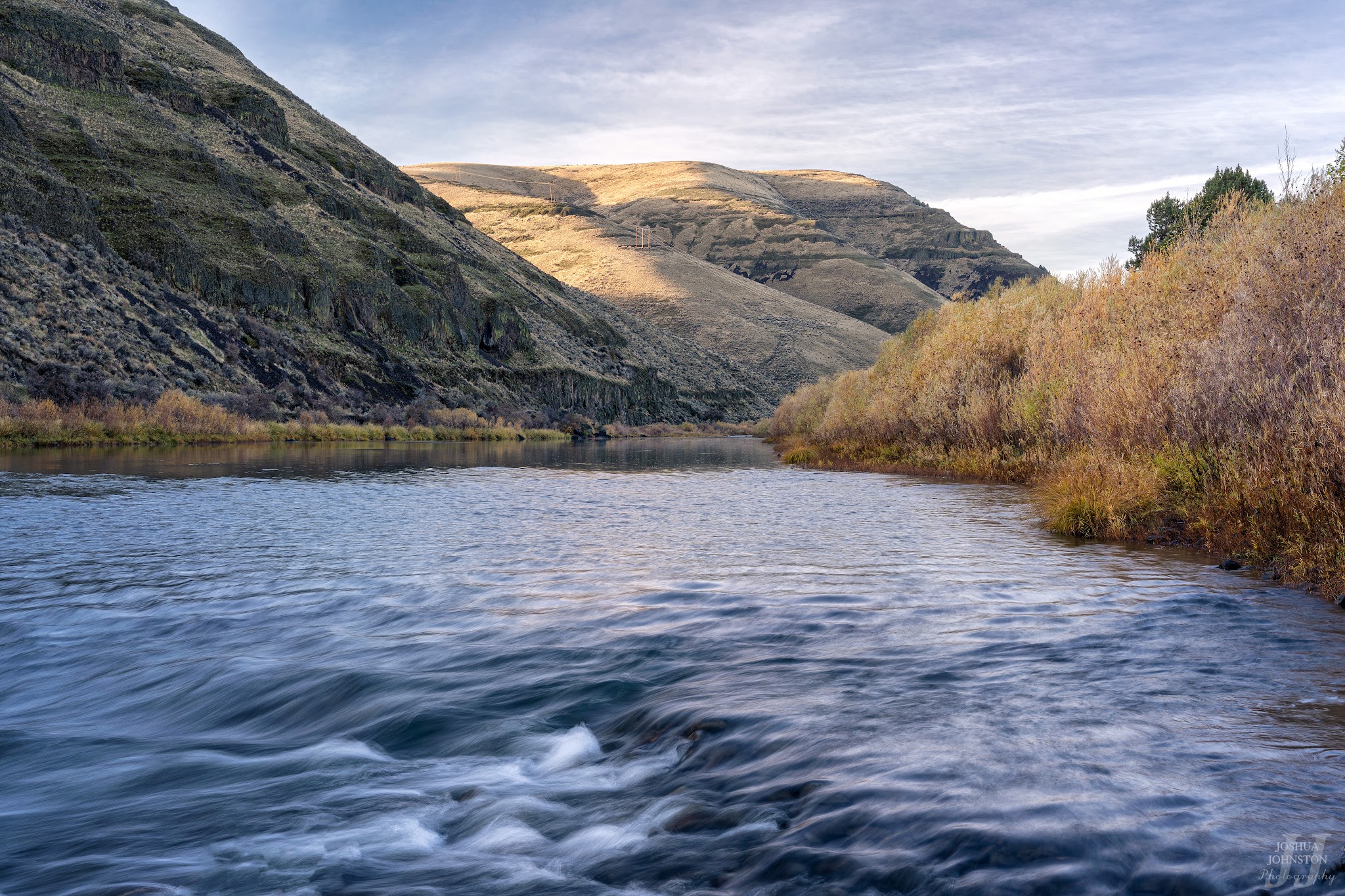
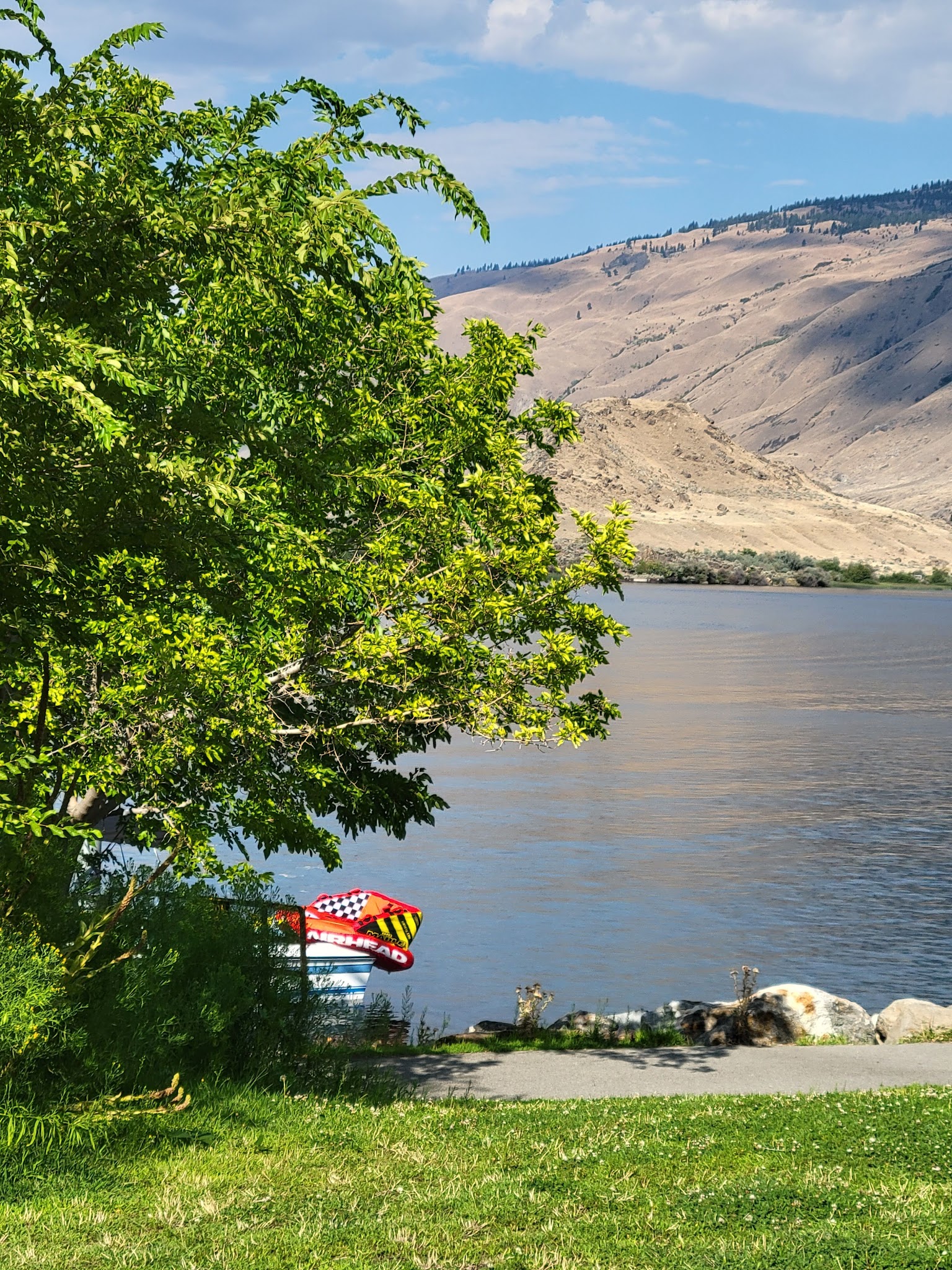
What campers consistently praise here lines up with the river-and-reservoir setting: Things to do (B) and Getting there (B+) score well, thanks to swimming, boating, fishing, and trails close to the sites. Facilities (B-) and Cleanliness (C+) draw steady praise, with frequent mentions of tidy bathrooms and showers, though showers often require coins or tokens. The counter-intuitive part is that Scenery only lands at C+. The views are real, but they are not what defines a trip here. The lower grades tell the honest story: Bugs and weather is a D, dominated by complaints about strong, sudden wind and exposed, baking sites. Crowds and noise (C-) and Rules and policies (C-) frustrate people too, especially generator noise, popular weekends, and fire restrictions. Safety and Staff and hosts grade middling, with occasional reports of unhelpful or absent staff.
The standout campgrounds
Three parks reach the A-range. Cottonwood Canyon State Park stands out for cleanliness, things to do, and value, with cheap nightly rates, walk-in tent sites, dark skies, and river floats. It even adds wind barriers and table covers, a smart touch in a windy region, and suits budget tent campers and families. Lincoln Rock State Park earns praise for well-spaced, level sites on the Columbia, with pull-through RV spots, full hookups, and a store, making it a solid pick for RVers and families. Steamboat Rock State Park combines strong scenery and activities with clean showers and lots of water access, good for families who book ahead. Pearrygin Lake State Park (B+) offers lakefront sites with some privacy and is best midweek to dodge crowds. Lava Flow Campground at Craters of the Moon is a unique first-come option set in basalt, suited to seasoned tent campers who do not mind cold nights and no hookups.
Know before you go
Go in late spring or fall to dodge the worst heat, and aim for midweek at popular parks like Pearrygin Lake and Steamboat Rock, where booking is the common weak spot. This region suits RVers and families well, with roomy hookup sites and swimming areas, though tent campers should expect exposure. The biggest thing to watch is wind: parks like Wanapum get strong, sudden gusts that make tent camping rough, so choose sheltered sites and stake down well. Bring your own firewood and coins for showers, and check fire restrictions before you arrive.
How we grade
No star ratings — real reviews. We read hundreds of thousands of written camper reviews and used AI to tag what each person praised or complained about, across 14 topics (scenery, crowds, bugs, value, and more).
Each topic is praise minus complaints. A topic’s score is the share of campers who praised it minus the share who complained.
Grades are relative. Every grade compares this place to all the others on that topic — an A means among the best, a C about average. We grade this way because campers rave about scenery but only mention bugs when bitten, so one fixed scale couldn’t be fair across topics.
Two fairness rules. A topic campers liked never grades below a C− — something people enjoyed can’t “fail.” And an F is reserved for the rare topic campers clearly complained about and that’s a real outlier.
The headline grade is a destination grade. It blends what the typical campground here is like with how good the region’s best are — because you choose a region for its best camping, then pick a site. We show both, plus the standout campgrounds.
Enough data to be fair. We only grade places with enough reviews; thinner ones show “limited data” instead of a letter, and every topic carries a confidence range from its sample size. The Belonging topic is graded by our Green Book community score — how welcoming campers describe the staff and community, with discrimination and hostility as hard penalties — not sentiment alone.
We check the AI. An independent model (from a different maker) audits a sample of the tags. It found the complaint labels ran over-eager (passing mentions scored as gripes), so we re-judged all 499,009 of them and removed the quarter that were really about another topic or weren’t complaints, keeping the real-but-mild ones. Then a human rater, blind to our labels, agreed with 87% of them (89% of complaints) across 420 labels.
What this grade measures
The trip, not the view
Across 688,170 camper reviews, the scenery barely predicts whether people actually enjoy a place. What sends newcomers home are the un-photographable parts — the three Bs: bathrooms, booking, and belonging. So we grade every place on those, not the postcard.
How Columbia & Snake River Plateau scores on the three things that decide a newcomer’s trip.