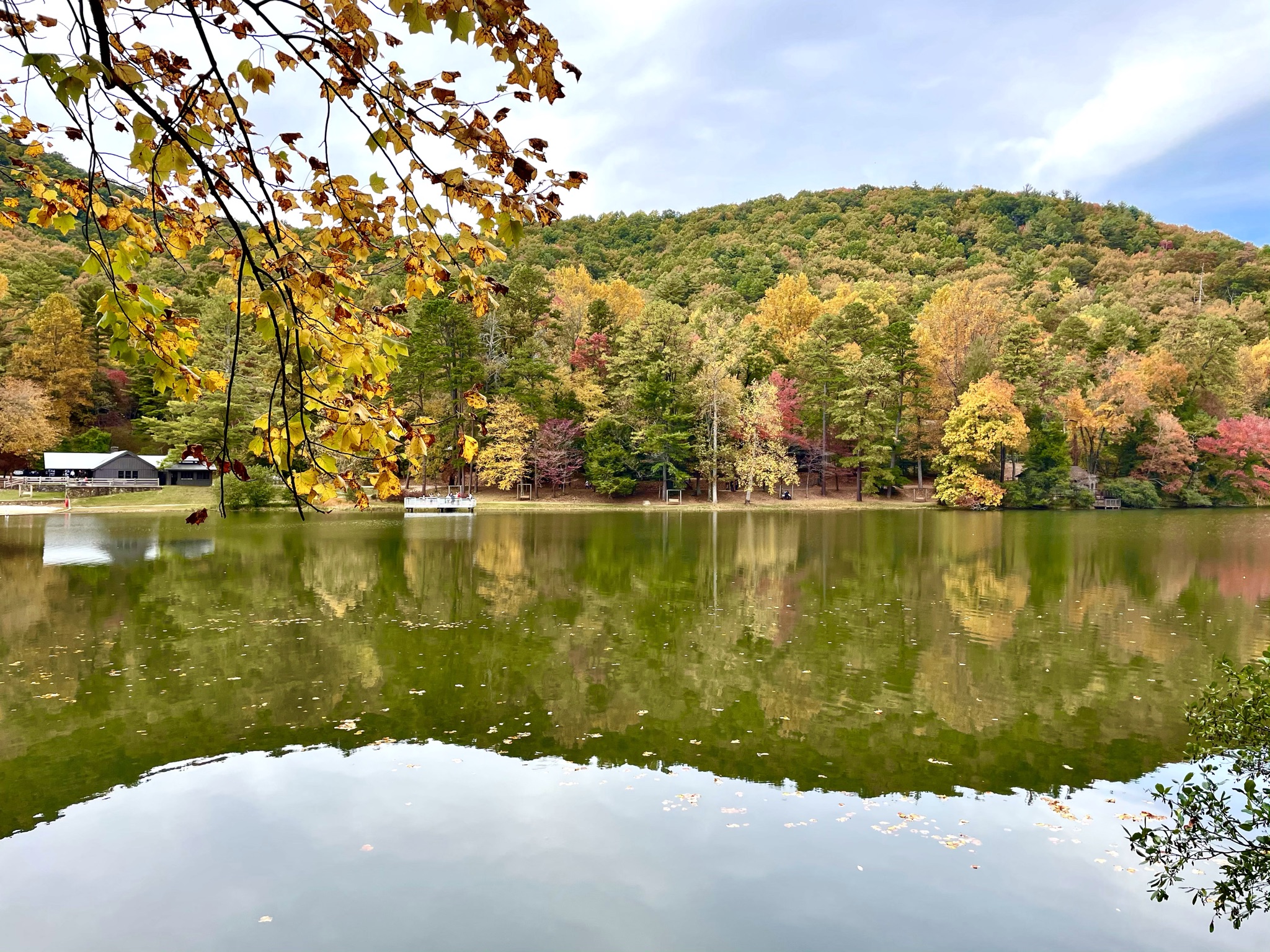
An Outdoorithm Study · Appalachians & the Northeast
Blue Ridge Mountains
Bucket-listA camping destination in its own right — go out of your way for it. · #7 of 65 regions · 35,591 reviews across 217 campgrounds.
Camping in the Blue Ridge and the broader Appalachian Northeast earns an A- by giving you reliably good national forest and state park sites with clean facilities and engaged camp hosts. The headline trade-off is value and space: many of the best spots are primitive, no-electric, and tight on privacy, so you trade hookups and elbow room for woods and quiet.
The best campgrounds here
Ranked by camper sentiment across every topic. Tap a pin or photo to open a campground.
- 1Hurricane Campground
- 2Black Mountain Campground
- 3Cave Mountain Lake Family Camp
- 4Van Hook Glade
- 5North Mills River
- 6Gorges State Park
- 7Sherando Lake Recreation Area Family Camping
- 8Lake Powhatan
- 9Morganton Point
- 10Doll Mountain Campground
- 11Big Creek Campground (Great Smoky Mountains National Park)
- 12Owens Creek Campground
 Worth the trip
 Worth the trip
 Worth the trip
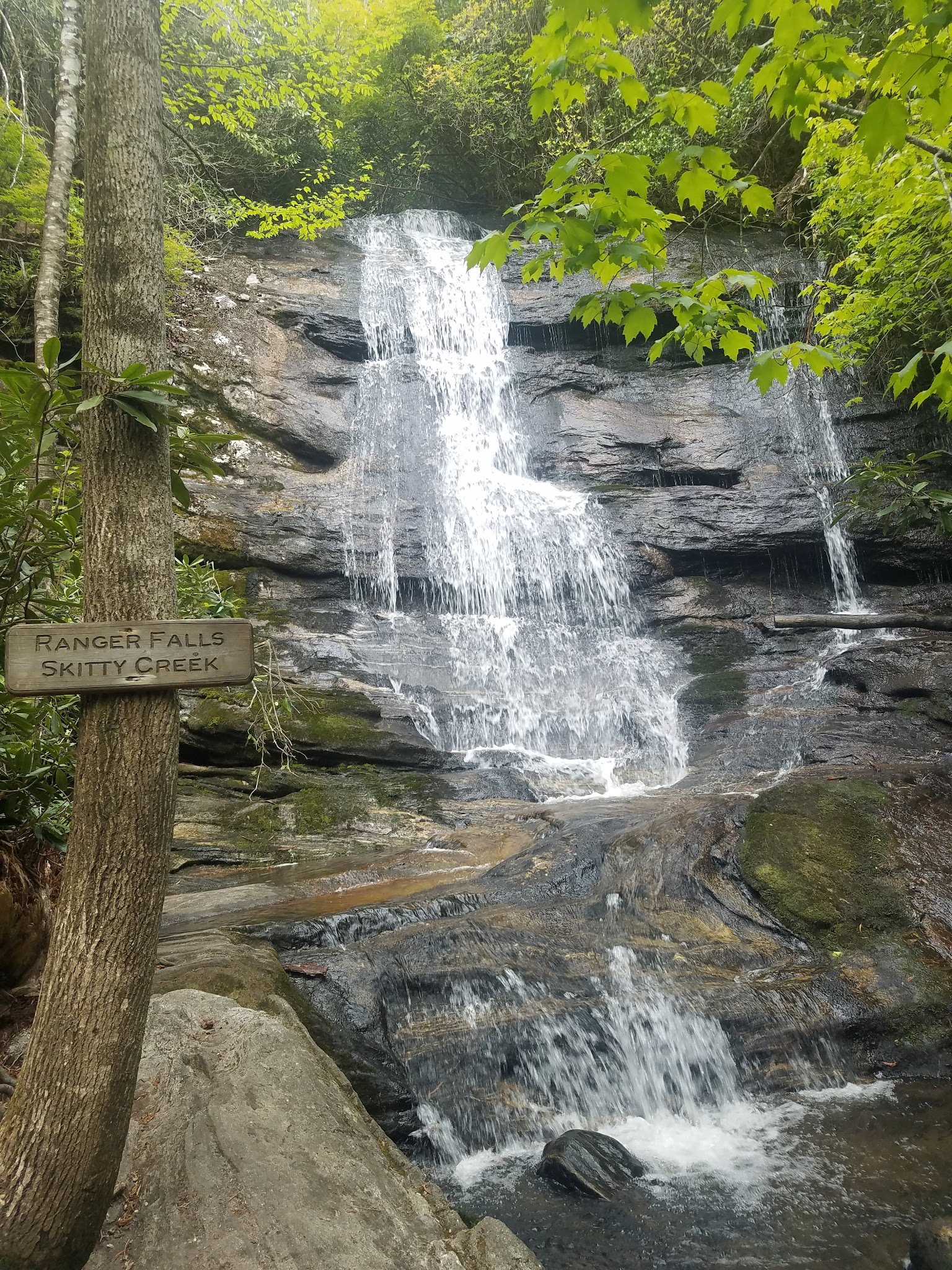 Worth the trip
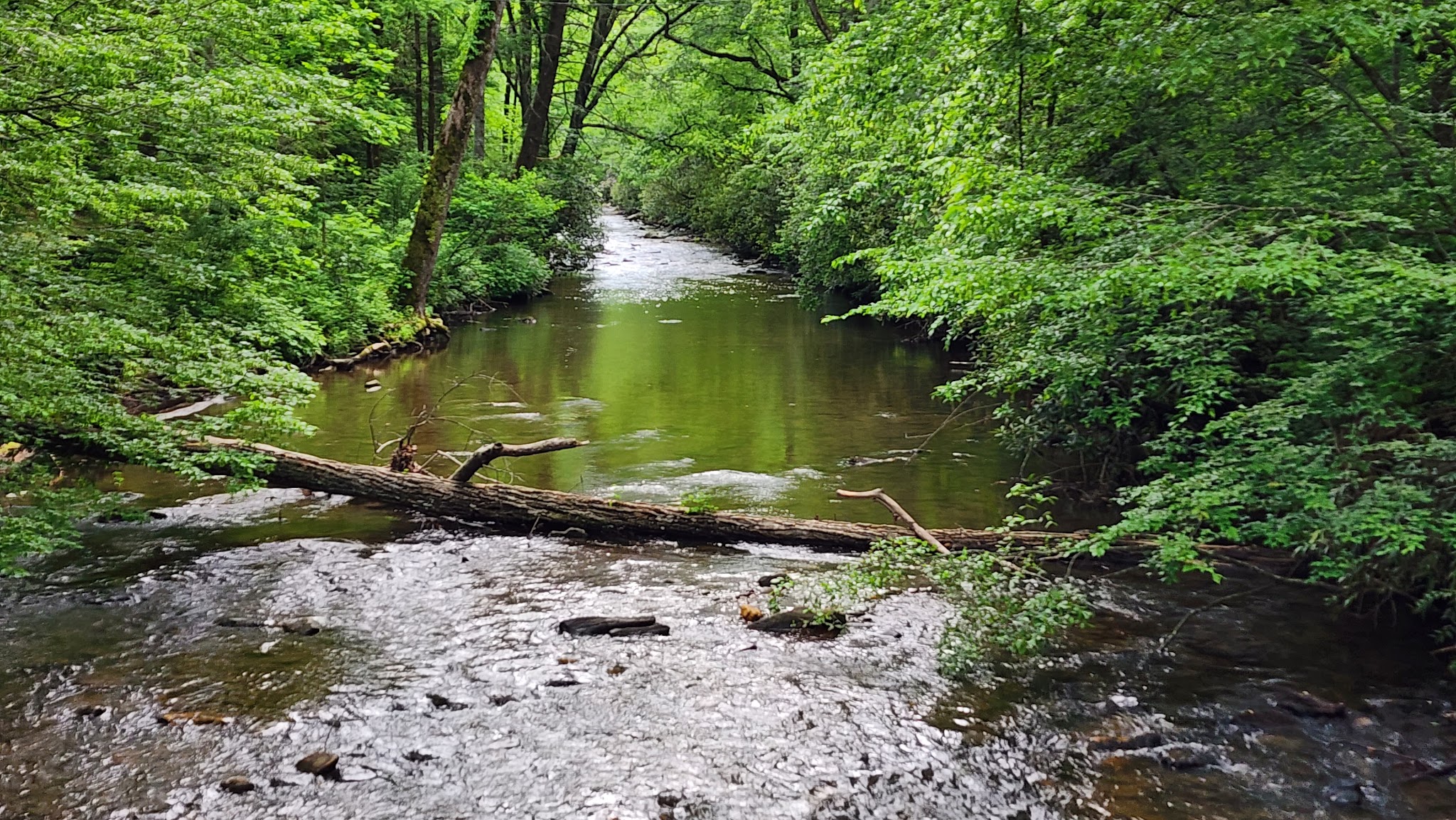 Worth the trip
 Worth the trip
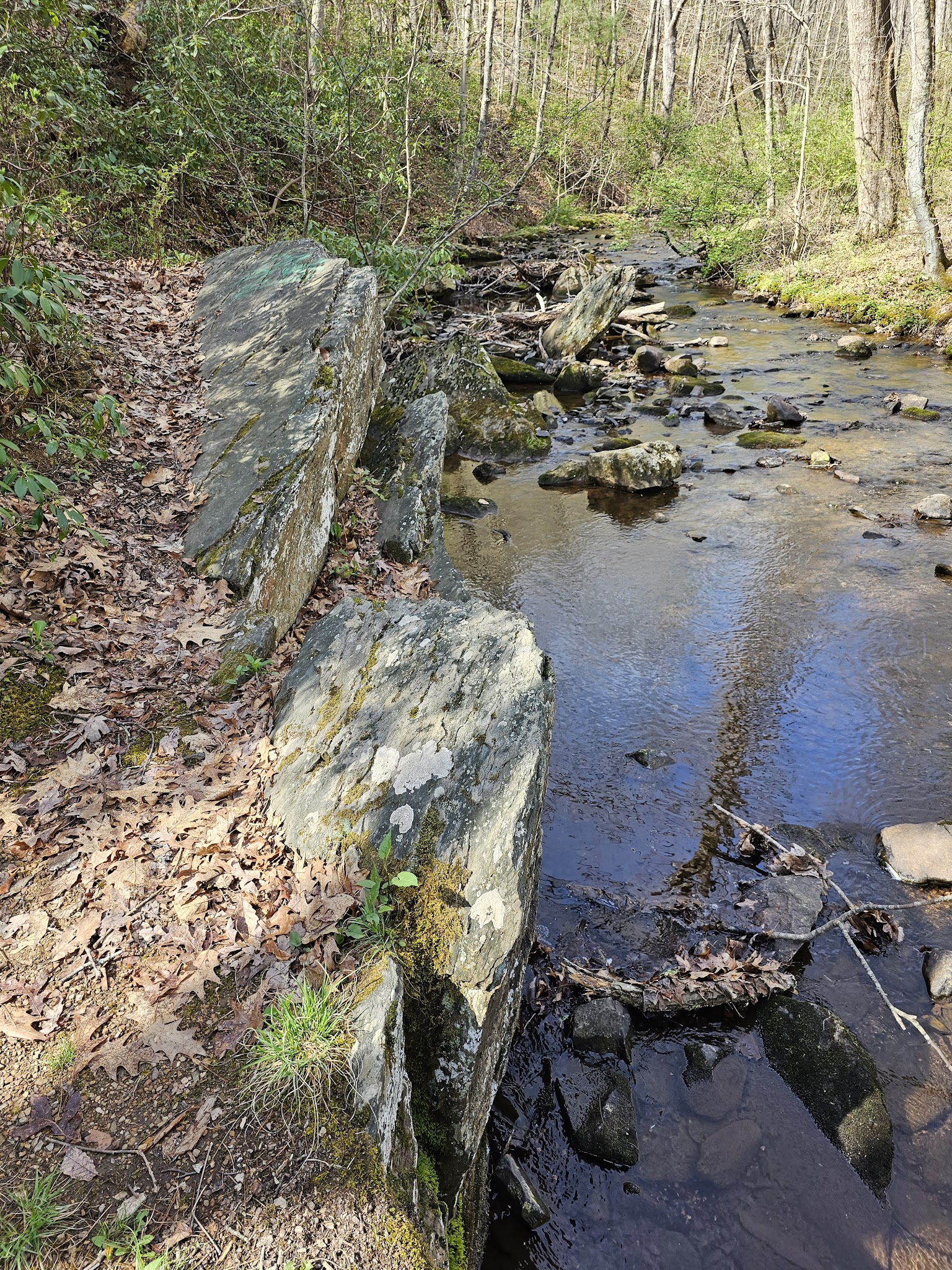 Worth the trip
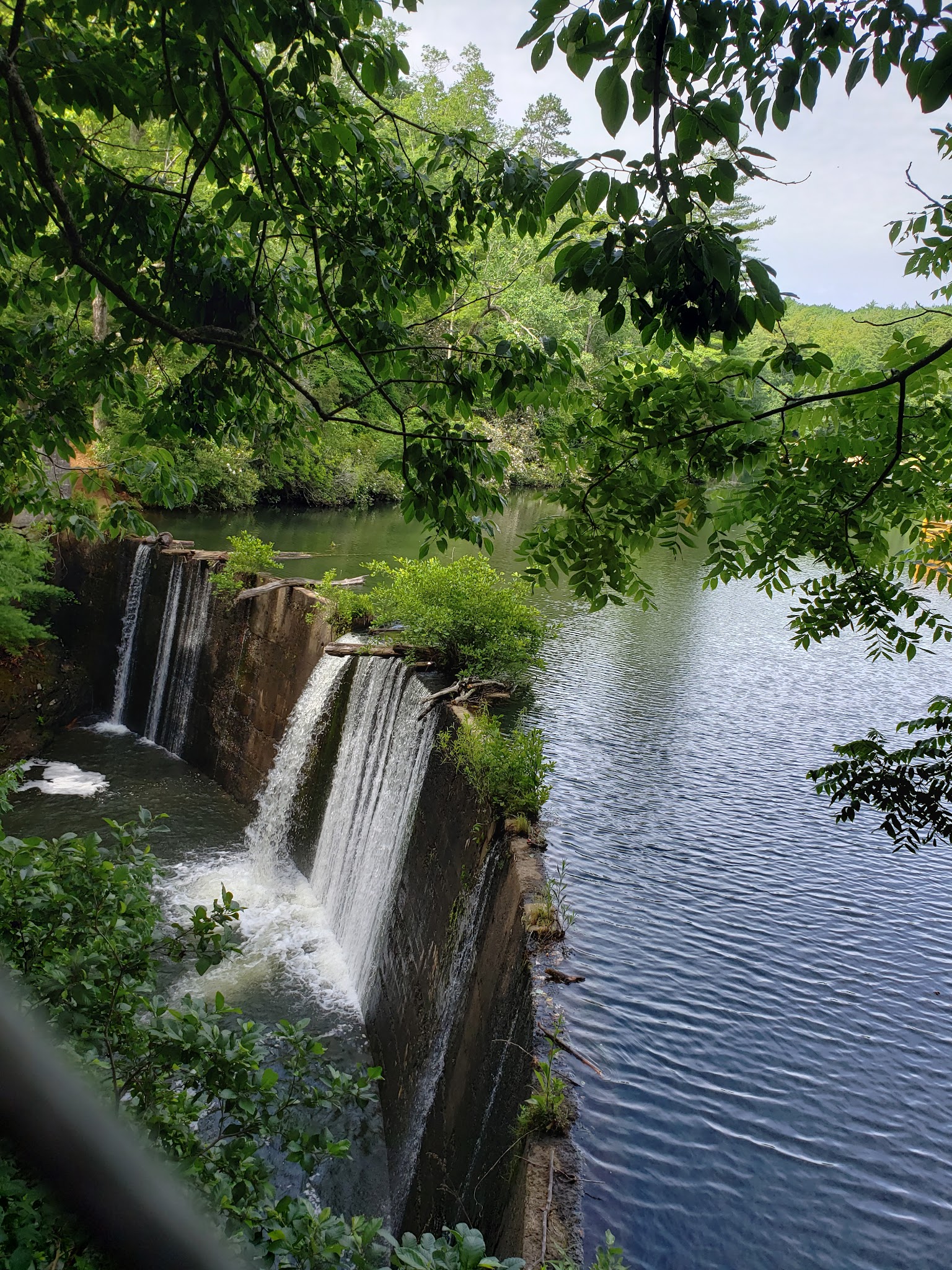 Worth the trip
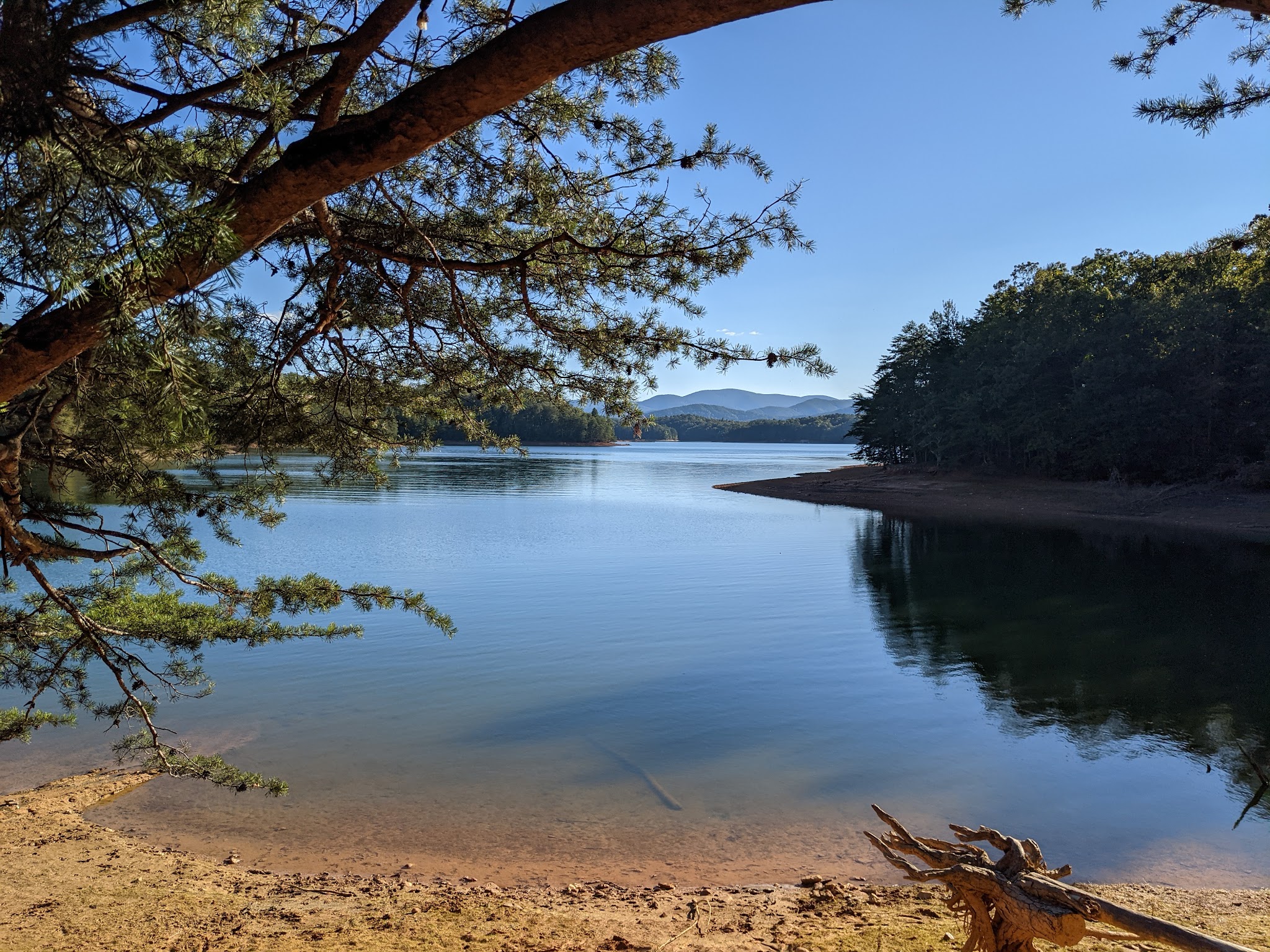 Worth the trip
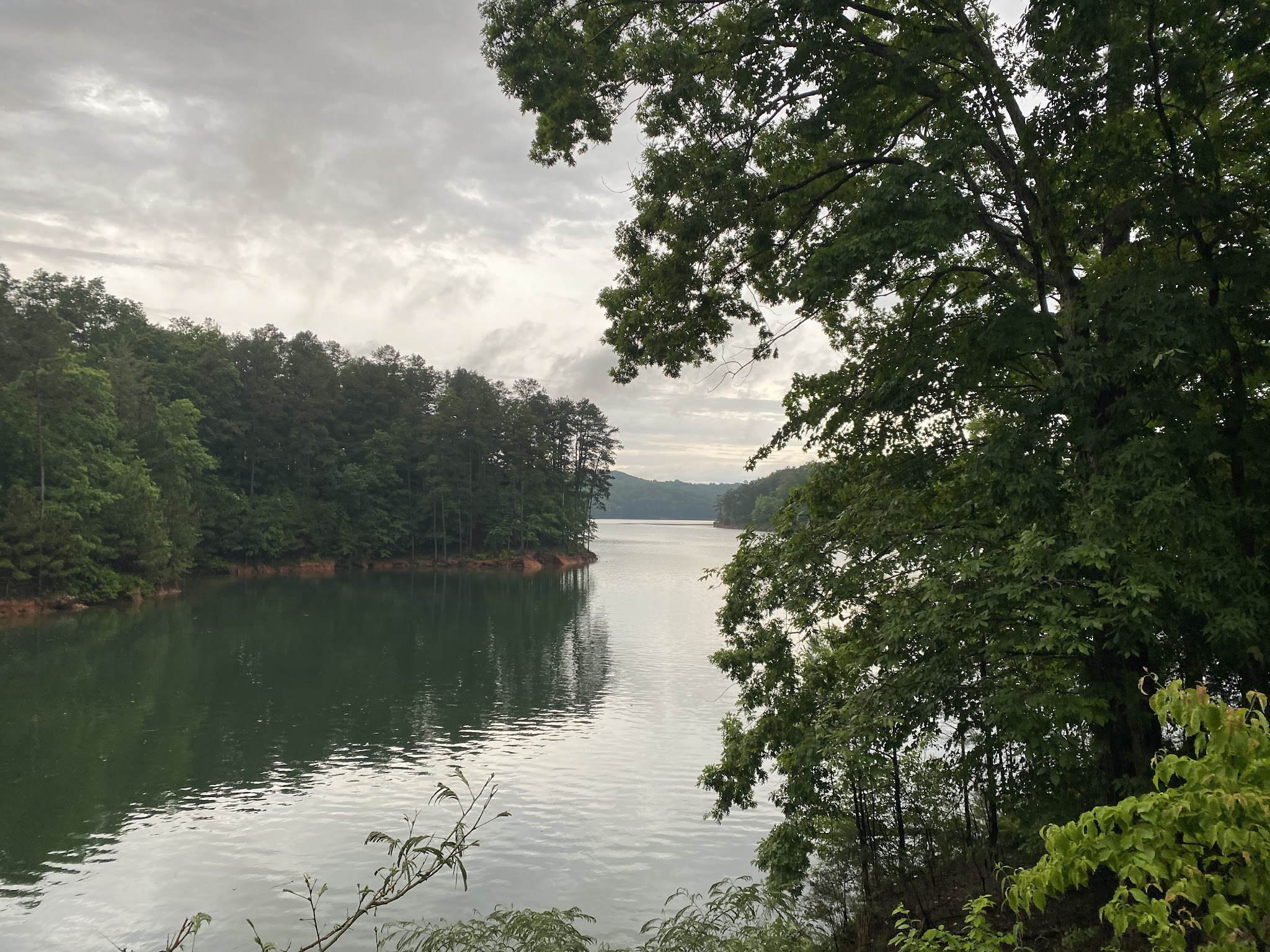 Worth the trip
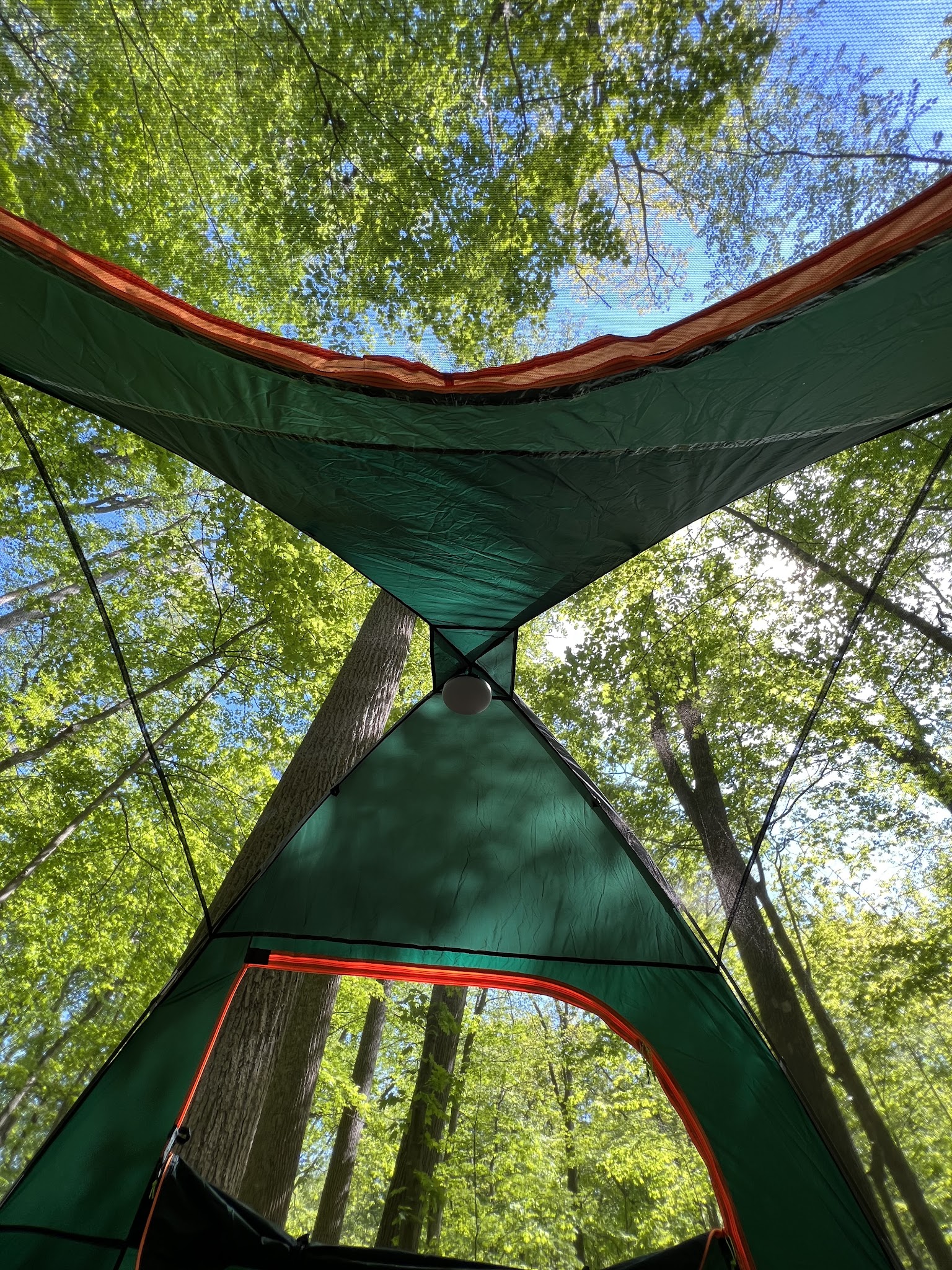
A- is a destination grade — it blends the typical campground here with the region’s best. The typical site is middle-of-the-pack, but the best are exceptional: 10 campgrounds grade in the A range, topped by Hurricane Campground (A+). Here, where you book matters more than where you go — pick one of the best.
What it’s like to camp here
The 14 things campers actually wrote about — the whole experience, not just the views. Each is graded against every other region: A is among the best, C about average. Tap any topic to see what campers said and the campgrounds behind it.
The camping experience
What campers praise most here is Staff and hosts and Things to do, both graded B+. The region runs on hands-on camp hosts who keep sites tidy and point you to nearby trails, falls, and fishing. Cleanliness lands at a solid B, with bathhouses that often punch above their age. The counter-intuitive part is that Scenery, the thing photos sell, grades only B- here. It is not that the mountains disappoint; it is that nearly every region has great scenery, so it rarely sets a place apart. The real warnings cluster around Facilities and Campsites, both B-, where complaints run highest. Expect no electricity at many sites, limited or no cell service, shared showers that can get crowded, and tight site spacing. Value sits at C, the weakest topic, so you are paying for the setting and upkeep, not amenities.
The standout campgrounds
Hurricane Campground is the top pick at A+, with private, well-spaced primitive sites by the creek, clean restrooms, and helpful hosts. It suits tent campers who want quiet over hookups, though it runs first come first serve, so plan around that. Cave Mountain Lake Family Camp (A) pairs a pretty lake and creek with maintained sites and free hot showers, good for families who do not mind weekend noise. Van Hook Glade (A) earns strong marks for hosts, scenery, and spotless bathhouses, with rhododendron adding privacy, but it sits close to a busy road, so light sleepers should pick interior sites. Lake Powhatan (A-) near Asheville is a strong choice for newer campers and families, with attentive hosts and clean facilities, though sites are close together and bear precautions apply. Gorges State Park (A-) offers paved full-hookup sites and standout bathhouses for RVers willing to camp remote without playgrounds.
Know before you go
Late spring through early fall is the sweet spot, though Bugs and weather is a recurring weak point, so pack for yellow jackets, damp creekside sites, and cool mountain nights. This region suits tent campers and self-sufficient RVers more than anyone needing hookups; many top sites have no electricity and little to no cell service. Booking and Rules and policies grade lower, so reserve early where allowed, expect strict quiet hours that are not always enforced, and confirm whether a site is reservable or first come first serve. Navigation can be tricky too: follow posted campground signs rather than trusting GPS on backcountry forest roads.
How we grade
No star ratings — real reviews. We read hundreds of thousands of written camper reviews and used AI to tag what each person praised or complained about, across 14 topics (scenery, crowds, bugs, value, and more).
Each topic is praise minus complaints. A topic’s score is the share of campers who praised it minus the share who complained.
Grades are relative. Every grade compares this place to all the others on that topic — an A means among the best, a C about average. We grade this way because campers rave about scenery but only mention bugs when bitten, so one fixed scale couldn’t be fair across topics.
Two fairness rules. A topic campers liked never grades below a C− — something people enjoyed can’t “fail.” And an F is reserved for the rare topic campers clearly complained about and that’s a real outlier.
The headline grade is a destination grade. It blends what the typical campground here is like with how good the region’s best are — because you choose a region for its best camping, then pick a site. We show both, plus the standout campgrounds.
Enough data to be fair. We only grade places with enough reviews; thinner ones show “limited data” instead of a letter, and every topic carries a confidence range from its sample size. The Belonging topic is graded by our Green Book community score — how welcoming campers describe the staff and community, with discrimination and hostility as hard penalties — not sentiment alone.
We check the AI. An independent model (from a different maker) audits a sample of the tags. It found the complaint labels ran over-eager (passing mentions scored as gripes), so we re-judged all 499,009 of them and removed the quarter that were really about another topic or weren’t complaints, keeping the real-but-mild ones. Then a human rater, blind to our labels, agreed with 87% of them (89% of complaints) across 420 labels.
What this grade measures
The trip, not the view
Across 688,170 camper reviews, the scenery barely predicts whether people actually enjoy a place. What sends newcomers home are the un-photographable parts — the three Bs: bathrooms, booking, and belonging. So we grade every place on those, not the postcard.
How Blue Ridge Mountains scores on the three things that decide a newcomer’s trip.