Monahans Sandhills State Park sits at 2,759 feet elevation in West Texas, where 70-foot sand dunes stretch across nearly 4,000 acres of preserved desert. The 20-site campground offers both tent and RV camping with electric and water hookups, flush toilets, and showers. Sites run $15–27 per night. The main draw is direct access to climbable dunes and sand sledding.
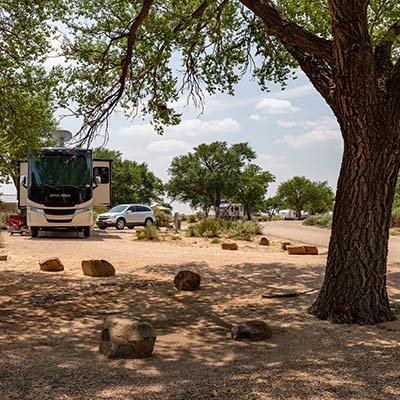
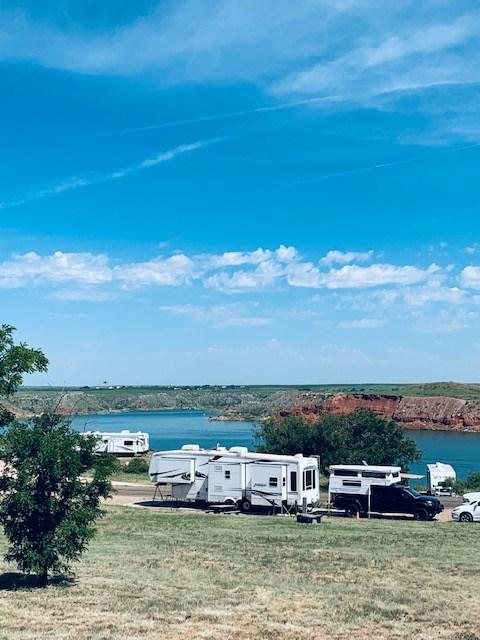
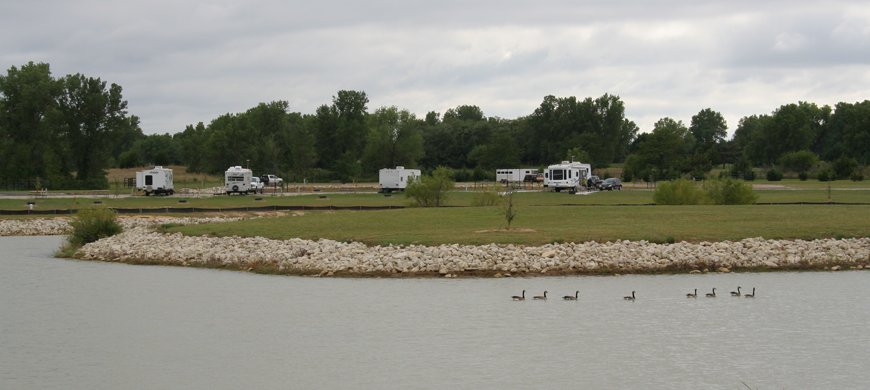
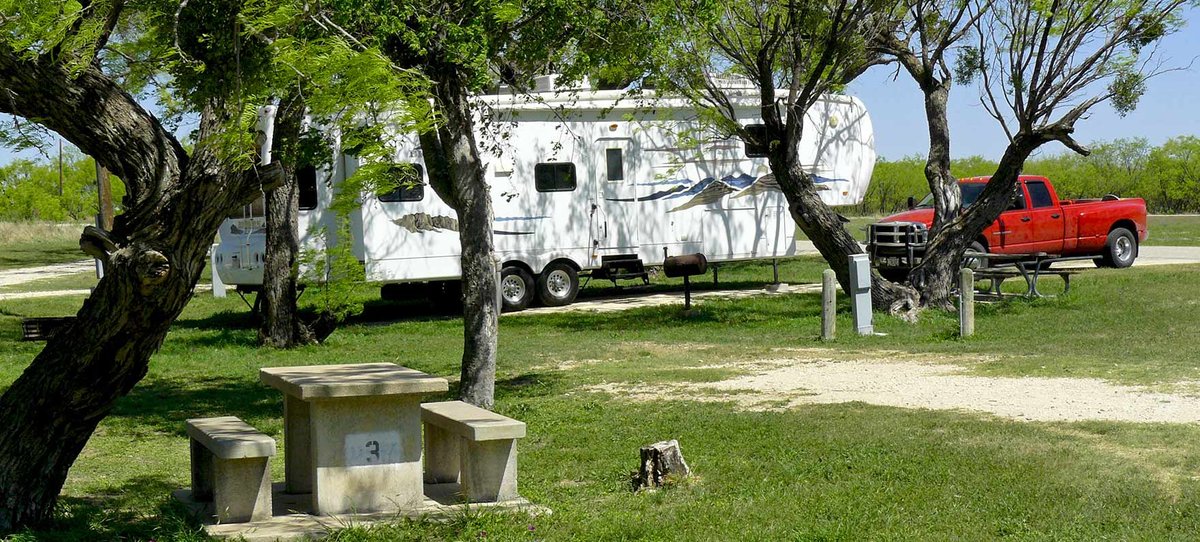
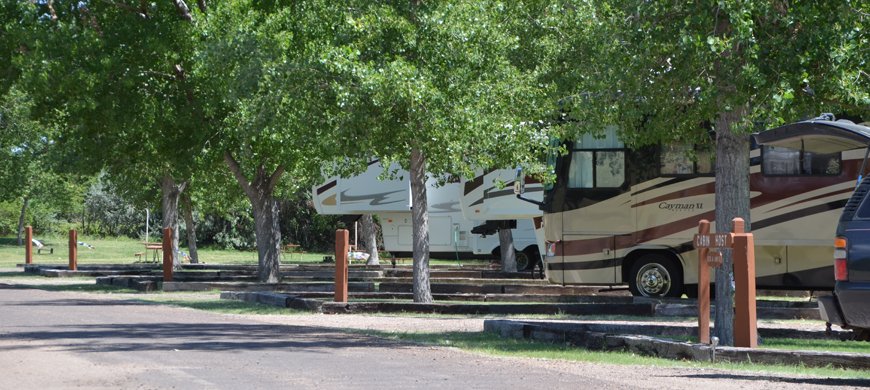
The park accommodates RVs and tent camping. Some sites are pull-thru, while others are back-in. Primitive camping is not available.
Historical Significance
The dunes formed from sand deposited over 10,000 years ago, preserving a small portion of a once-vast dune field that stretched for over 200 miles across the Permian Basin. The sand itself comes from ancient seas, making the landscape a geological record of prehistoric West Texas.Weather and SeasonsSpring brings the most comfortable conditions. Daytime highs range from mid-50s to upper-80s°F across March through May, with cool nights in the 40s–60s. Winds stay moderate, making dune hiking and sand sledding pleasant. Desert blooms appear briefly. Summer heat is intense. Plan dune exploration for early morning or evening. Winter turns windy and cool, sculpting new patterns in the sand daily. Avoid late spring and early summer if moths are a concern; reviews mention seasonal infestations during mating season.
ElevationRising from the semi-arid expanse of West Texas, the park occupies a unique position in the desert landscape. Here, the elevation creates its own microclimate where desert breezes dance across the dunes and the vast Texas sky seems to stretch even wider than usual.
Weather data by Open-Meteo.com, licensed under CC BY 4.0, processed by Outdoorithm.
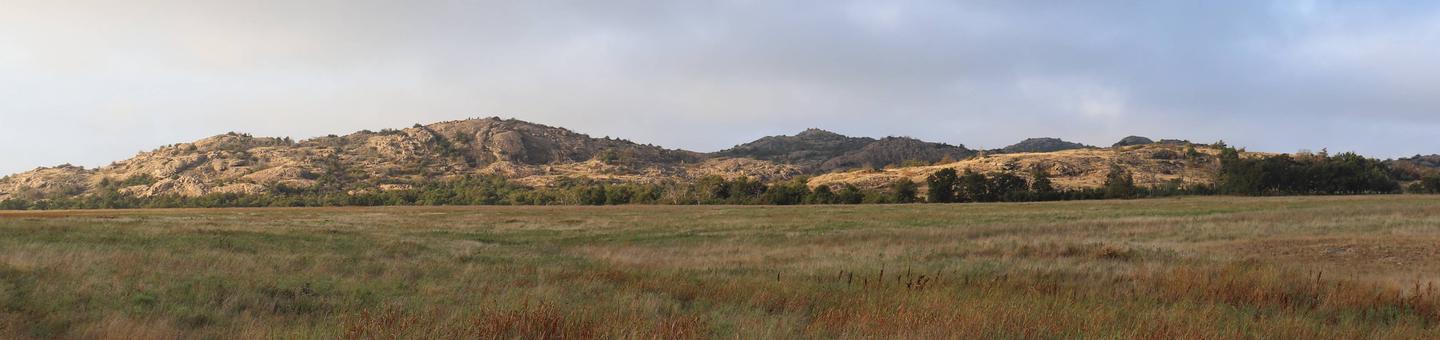
Natural Features and SceneryWind-sculpted sand dunes rise up to 70 feet, remnants of a dune field that once stretched over 200 miles across the Permian Basin. The sand deposited here more than 10,000 years ago now shifts and reshapes with each breeze, creating an ever-changing landscape. Shin oak and honey mesquite anchor small green pockets among the golden swells, their deep roots adapted to the semi-arid desert. Sunsets paint the dunes in amber, rose, and purple. The site delivers dramatic vistas and exceptional stargazing when crowds thin.
Geological RegionNestled within the storied Permian Basin of West Texas, these remarkable dunes formed from sand deposited over 10,000 years ago. The park preserves a small portion of a once-vast dune field that stretched for over 200 miles, making it a geological wonder where visitors can literally walk through layers of natural history. The semi-arid desert environment has created a unique ecosystem where the ancient sands of prehistoric seas now ripple beneath the wide West Texas sky.
Scenic ViewsViews of the rolling sand dunes are described as breathtaking, especially during sunrise and sunset.
 4.49
4.49