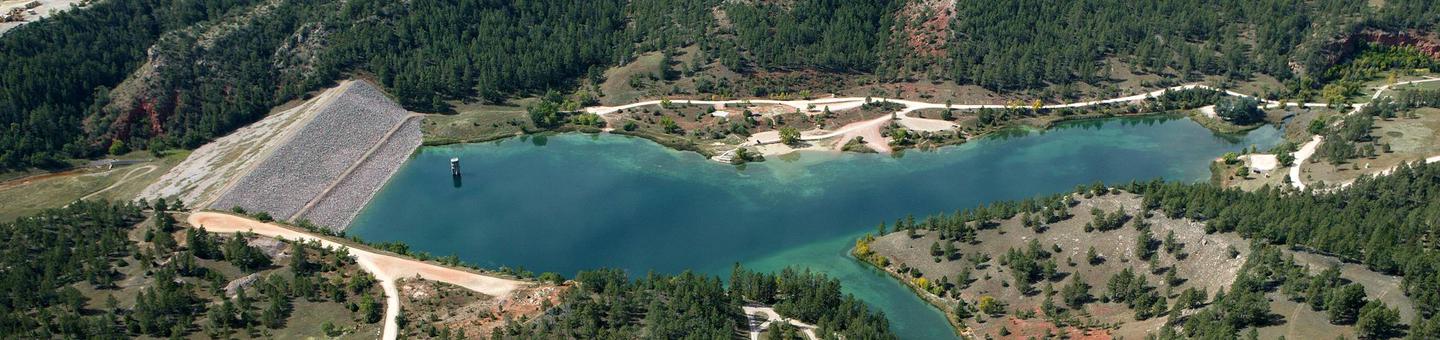
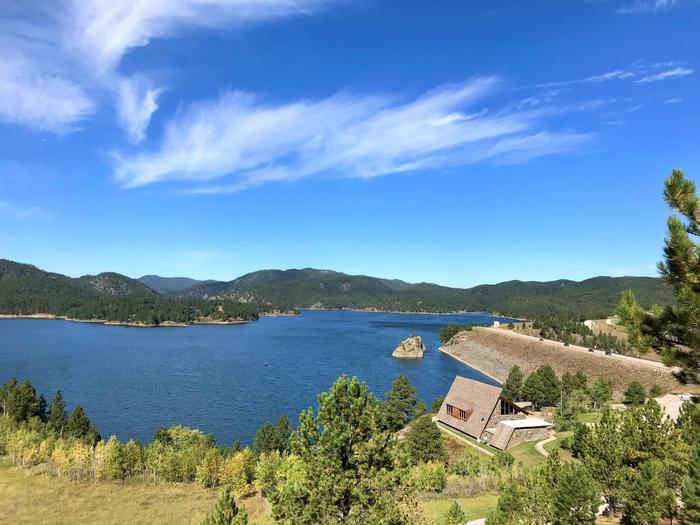
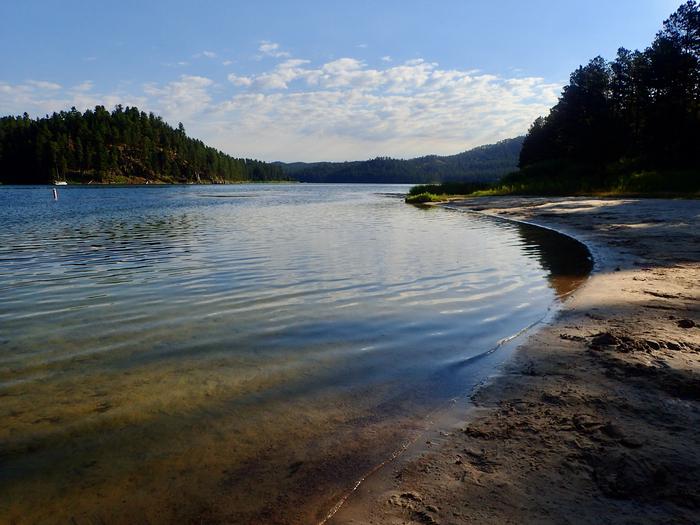
Spread along 36 miles of Angostura Lake's inviting shoreline, this recreation area beckons water lovers with its extensive sandy beaches and crystal-clear waters perfect for boating, fishing, and swimming. Nestled conveniently near Hot Springs and the southern gateway to the Black Hills, the campground offers multiple sites and cabin options for those seeking a lakeside escape.
The recreation area contains four main campground areas (Cheyenne, Hat Creek, Cascade and Horsehead), multiple reservable RV-friendly and electric sites, non-electric sites, and on-site rental cabins.
The Angostura area lies in a region long used by the Sioux and Cheyenne people; beyond that, published sources emphasize recreation and natural features more than documented historic structures or interpretive programming. Weather and SeasonsThe lake truly comes alive from late spring through early fall, when warm weather transforms the shoreline into a hub of swimming, boating, and beach activities. The campground welcomes visitors year-round, though winter and shoulder-season campers should come prepared—many comfort amenities including showers, flush toilets, and potable water typically close from October 1 through April 30. If you're planning an off-season adventure, it's worth checking ahead to see which facilities will be available during your stay.
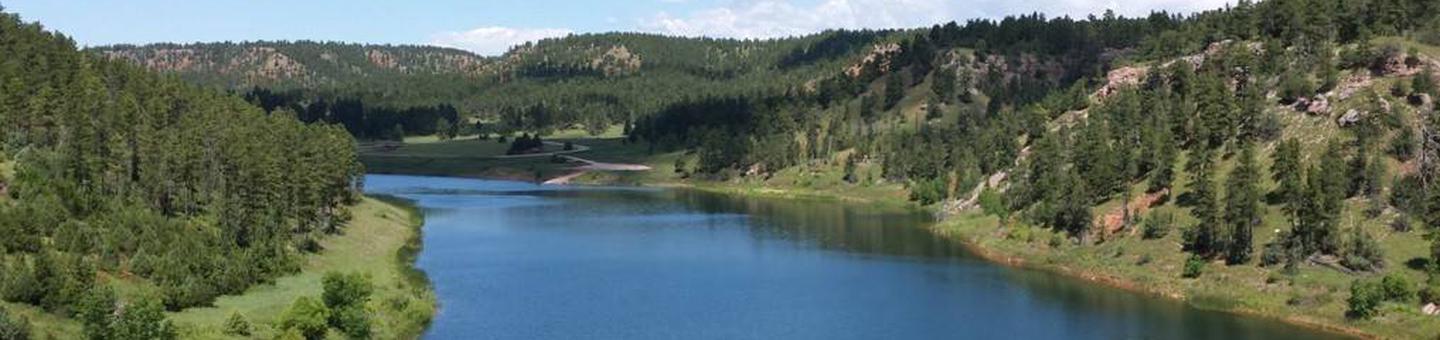
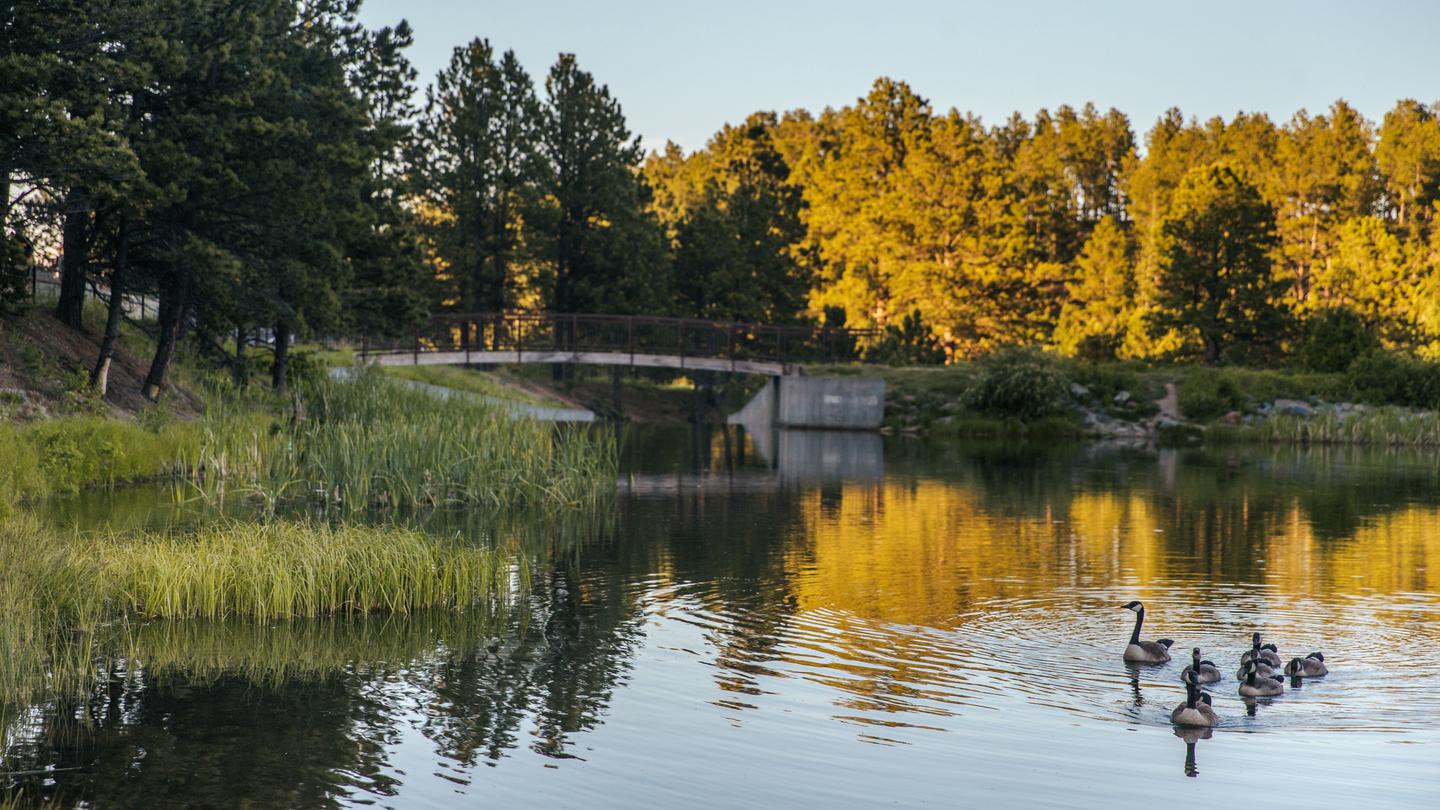
Natural Features and SceneryAngostura Lake takes center stage here, its clear waters lapping against miles of sandy beaches that feel more coastal than prairie. The landscape tells a story of contrasts—wide-open water views give way to quiet coves tucked among willows, while scattered stands of pine and aspen add pockets of shade and color. Beyond the main lake, smaller ponds and meandering creeks create intimate corners throughout the recreation area, each offering its own slice of classic lake country charm.
Geological RegionSouthern Black Hills / Angostura Lake shoreline (prairie-lake region)
Scenic ViewsPrimary views are broad lakeside panoramas: open water, sandy beaches and the surrounding low hills of the southern Black Hills region rather than steep mountain vistas.
 4.52113 reviews