Pancho Villa State Park sits three miles from the Mexican border in Columbus, New Mexico, where 62 campsites occupy the site of the 1916 raid that launched the U.S. Army's Punitive Expedition. Sites range from $4 to $225 per night and include partial hookups, though the campground has dealt with septic issues that have closed showers and restrooms for extended periods. The on-site museum and remnants of Camp Furlong draw history enthusiasts, while the Chihuahuan Desert landscape appeals to those seeking open skies and sparse traffic.
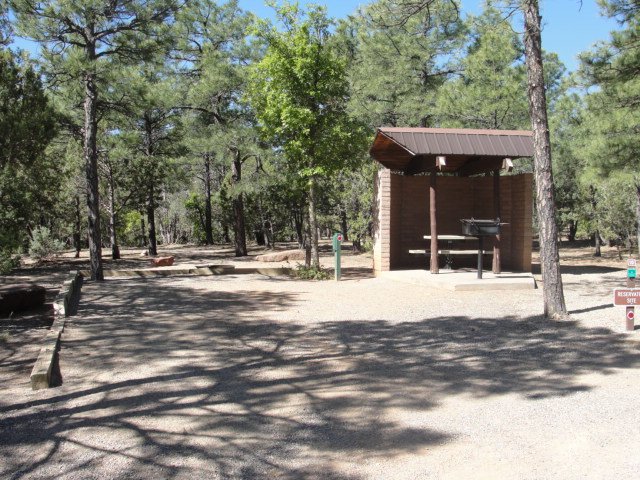
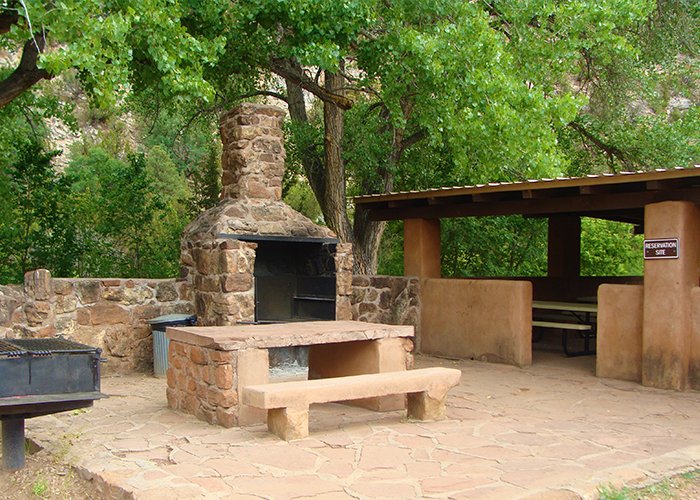
The campground caters to a variety of camping preferences, including tent camping, RV camping, and a historical experience.
The park marks the site of Pancho Villa's March 1916 raid on Columbus, the only foreign military attack on the continental United States since the War of 1812. The raid prompted General John J. Pershing's Punitive Expedition into Mexico and led to the establishment of Camp Furlong and America's first military airbase. Foundations and structures from the camp remain visible throughout the grounds. The museum holds artifacts and exhibits detailing the raid, the expedition, and border history. The site is designated a National Historic Landmark. Weather and SeasonsFall brings the most comfortable conditions, with daytime highs in the 65–85°F range and cool nights in the 40s and 50s. The late-summer monsoon finishes by October, leaving trails less dusty and skies clear for photography and stargazing. Winter stays mild compared to northern climates, though evenings require layers. Summer heat can be intense. Wind is common year-round. The campground remains open all year, but check current facility status before arrival due to ongoing maintenance issues.
ElevationNot provided.
Weather data by Open-Meteo.com, licensed under CC BY 4.0, processed by Outdoorithm.
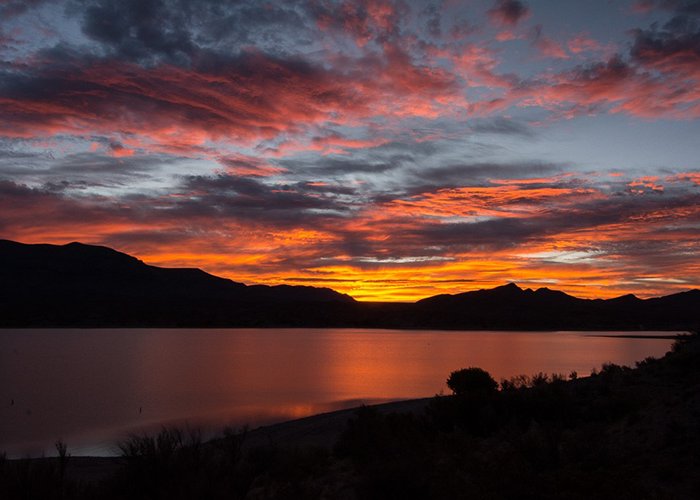
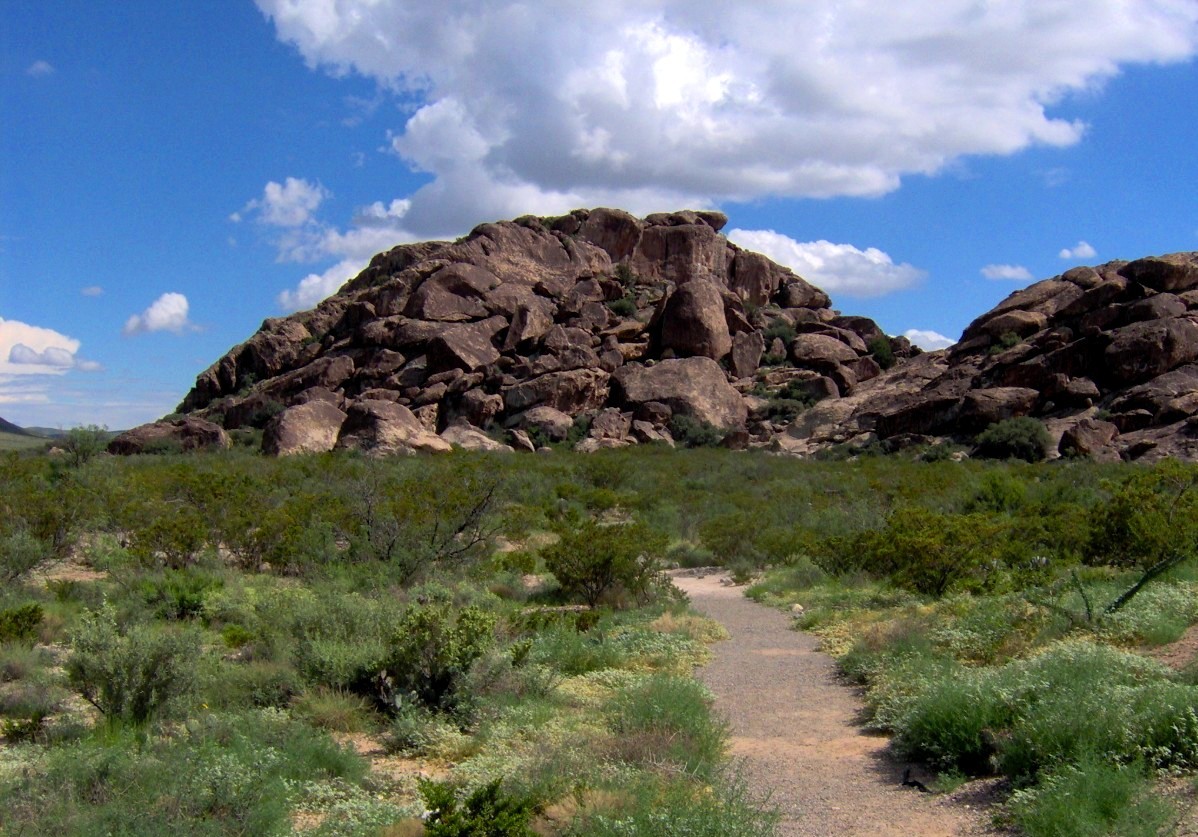
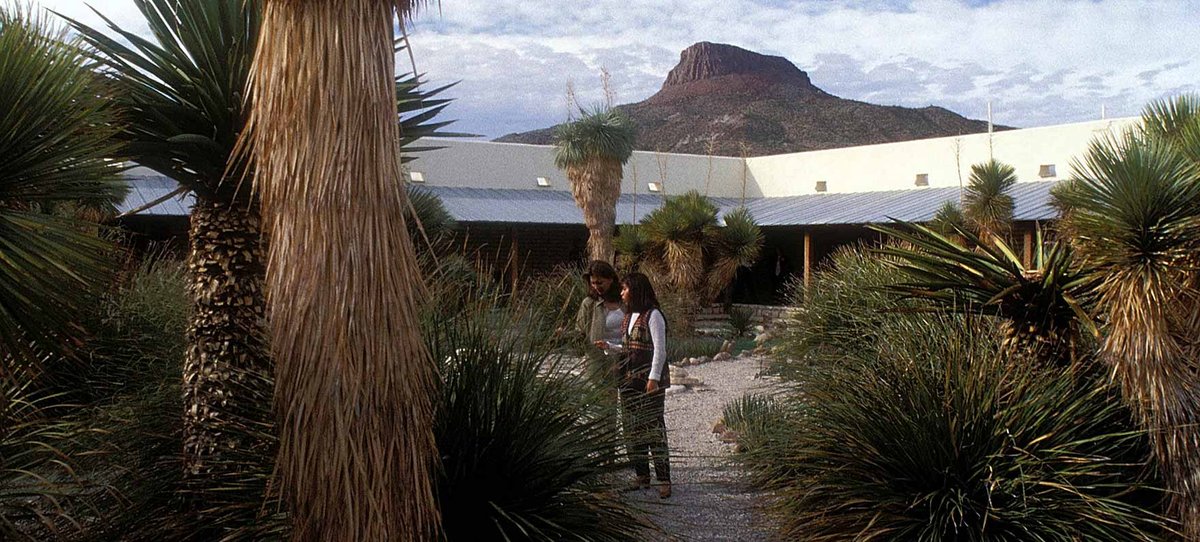
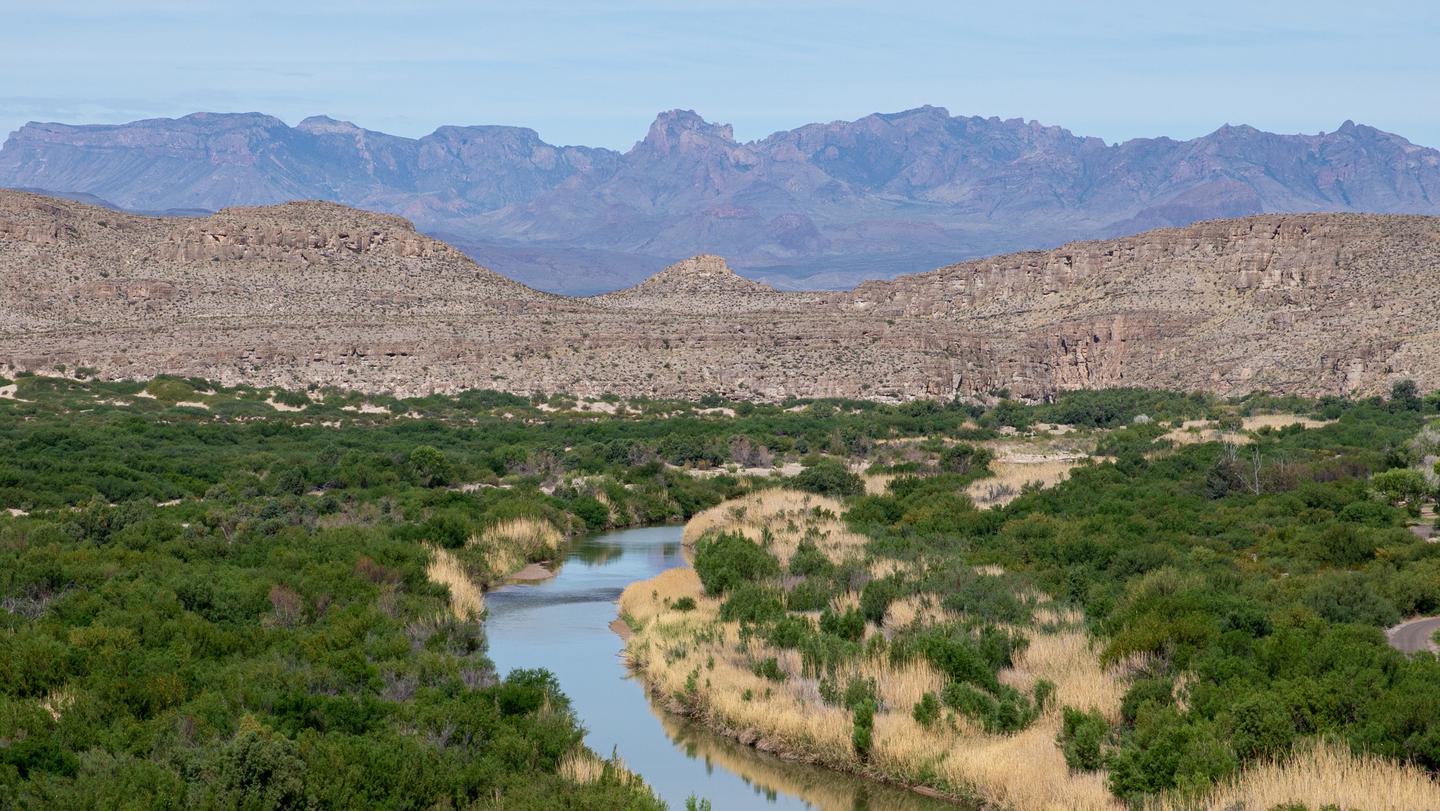
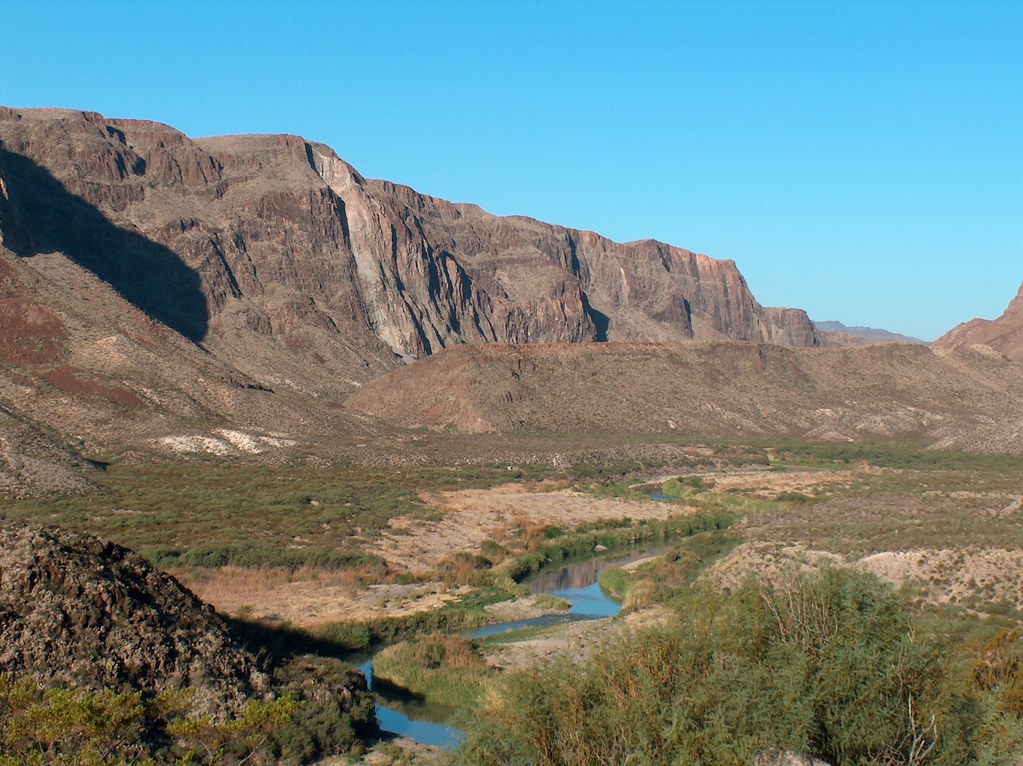
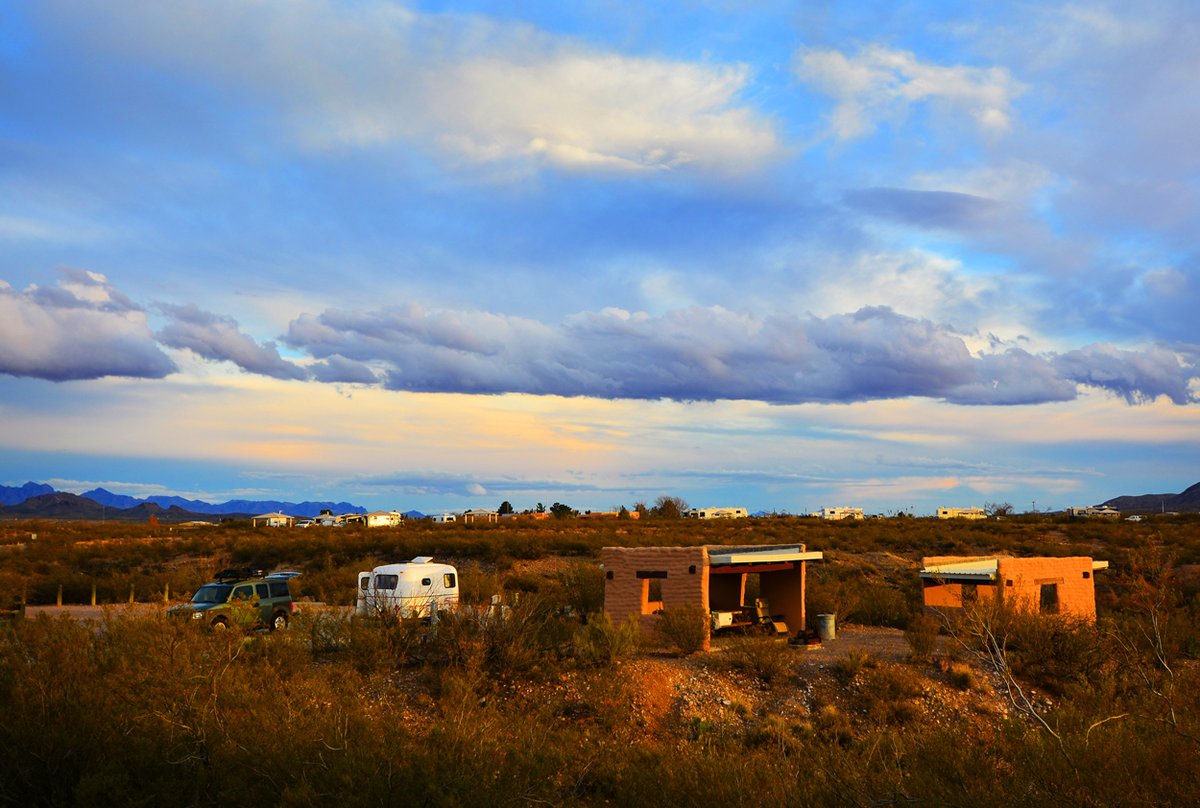
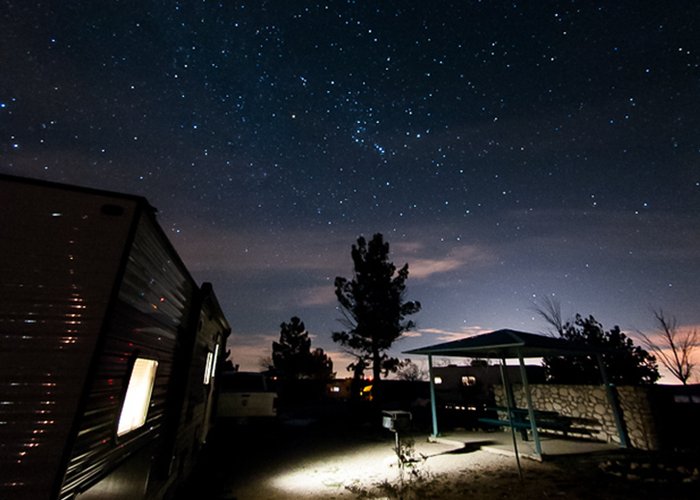
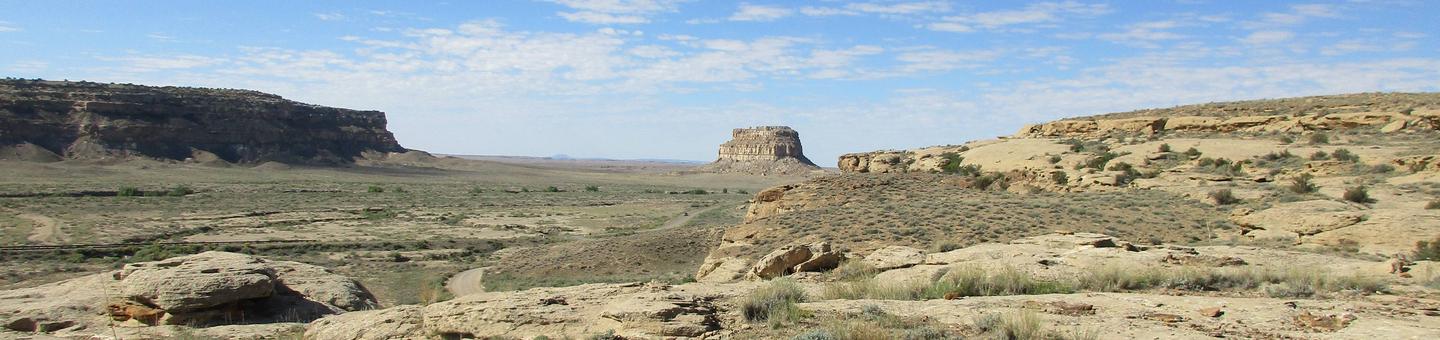
Natural Features and SceneryThe campground occupies flat desert terrain at 4,055 feet elevation, surrounded by cacti, yucca, and mesquite in the browns and greens typical of the Chihuahuan Desert. A cactus garden near the museum displays regional species, and trails up Coote's Hill offer views south toward Mexico. The landscape blooms briefly after rare rains, otherwise maintaining the muted palette of North America's largest desert ecosystem. Sunsets and stargazing benefit from minimal light pollution.
Geological RegionNestled within the vast expanse of the Chihuahuan Desert, the park showcases the distinctive geology of North America's largest desert ecosystem. This ancient landscape tells a story written in stone and sand, where volcanic remnants meet sedimentary plains, creating a diverse terrain that supports an impressive array of desert-adapted plants. Cacti of various species dot the landscape alongside towering yucca, while the arid climate has sculpted a terrain that shifts from subtle browns to vibrant desert blooms following rare rains. This geological wonderland serves as both a natural classroom and a photographer's paradise, where every sunrise and sunset paints the desert in new hues.
Scenic Views'You can see the lights of the border in the distance' and 'spectacular sunsets' are frequently mentioned in reviews. Desert landscapes offer wide-open views and clear skies.
Lodging & AccommodationsThe campground does not offer traditional hotel-style accommodations, but it does have a museum and historical exhibits that enhance the camping experience.
Programs & ActivitiesThe museum and historical displays offer cultural and educational insights into the 1916 Pancho Villa raid and subsequent U.S. military response.
 4.05
4.05