Weymouth Woods State Natural Area protects one of the Southeast's few remaining longleaf pine-wiregrass ecosystems in the Sandhills region near Southern Pines. The preserve sits at 495 feet elevation on ancient ocean deposits that created the area's distinctive sandy soils. Visitors come for day hikes, ranger-led educational programs, and wildlife viewing in a forest where some pines predate European settlement.
Weymouth Woods is a nature preserve with no overnight accommodations or campsites. It is strictly a day-use facility designed to preserve the longleaf pine ecosystem while offering recreational and educational opportunities during the day.
Historical Significance
The Boyd family's conservation work saved these forests from logging, preserving what became the preserve's oldest longleaf pines. The Paint Hill and Boyd Tract contain some of North Carolina's most ancient longleaf specimens. The area represents one of the few intact examples of an ecosystem that once covered much of the Southeast.Weather and SeasonsWinter brings the most comfortable hiking conditions. Daytime highs run from the mid-40s to low-60s°F, with nights dropping to the low-30s to low-40s. The cooler, drier air makes for better wildlife viewing as lower foliage density improves visibility through the understory. Prescribed burns typically happen in winter or early spring, which can mean smoky days but also clearer views afterward. Summer heat and humidity are higher, though the open pine canopy provides some relief.
ElevationNestled within the gently rolling Sandhills region, the preserve offers easy-to-navigate terrain where ancient sand dunes have mellowed into soft, undulating landscapes. The sandy soil beneath your feet tells a geological story millions of years in the making, creating the perfect foundation for this unique pine ecosystem.
Weather data by Open-Meteo.com, licensed under CC BY 4.0, processed by Outdoorithm.
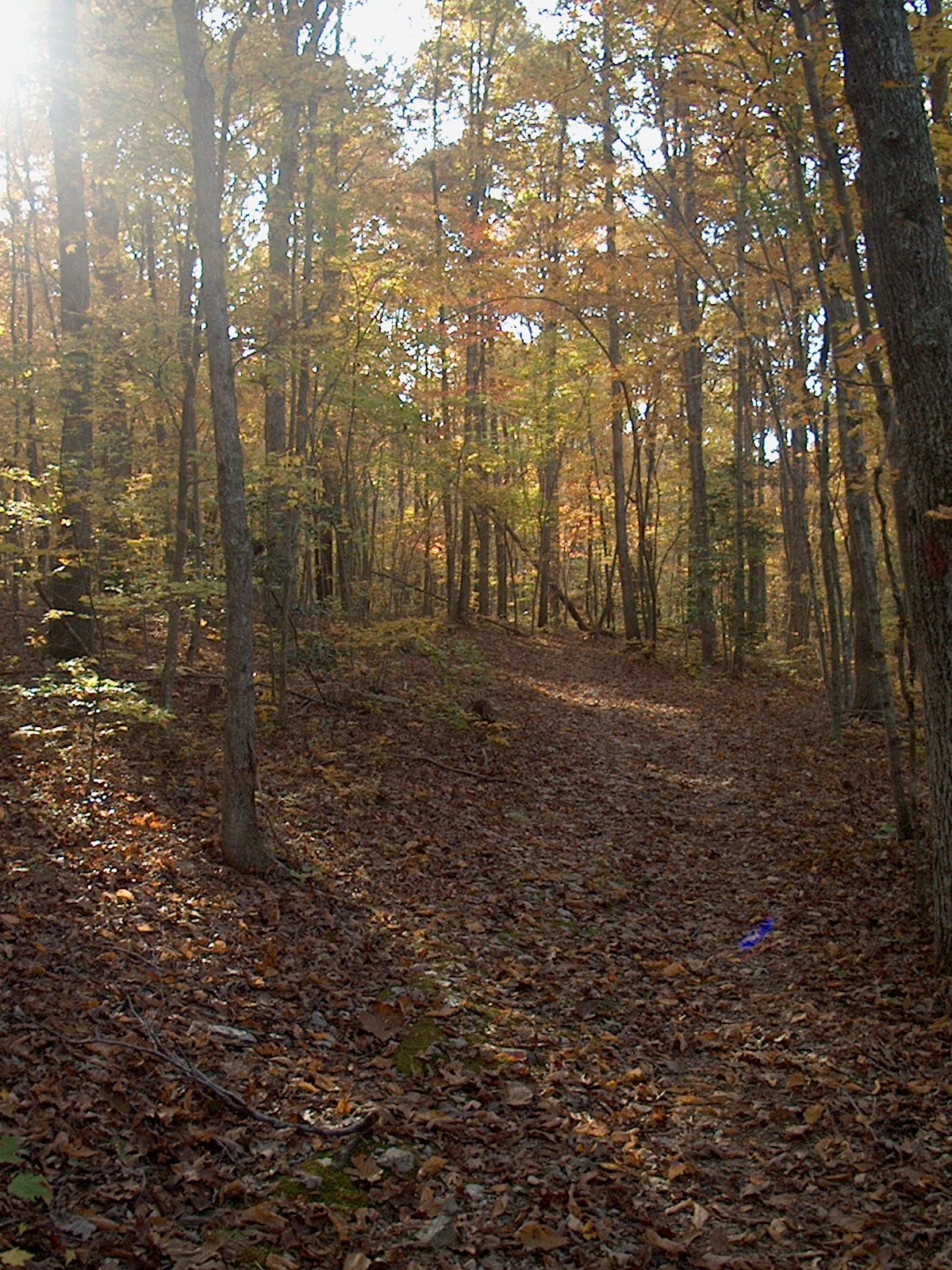
Natural Features and SceneryLongleaf pines tower above a wiregrass understory, creating open sight lines that make wildlife spotting easier than in denser forests. The sandy Sandhills soils support specialized plant communities adapted to this rare ecosystem. Red-cockaded woodpeckers nest in older pines, and the bog spicebush grows in moist pockets. Prescribed burns occur periodically to maintain the ecosystem, temporarily opening vistas and promoting wiregrass regeneration. The landscape shifts between recently burned areas with blackened trunks and established sections where the understory has recovered.
Geological RegionExperience the unique Sandhills ecosystem of North Carolina, where ancient ocean deposits have created a fascinating landscape of sandy soils and specialized plant communities. This distinctive geological region supports the iconic longleaf pine-wiregrass ecosystem, one of North America's most biodiverse yet endangered natural communities, offering visitors a glimpse into what much of the Southeast looked like before European settlement.
Scenic ViewsVisitors can enjoy expansive views of ancient longleaf pine forests and occasional glimpses of wildlife such as fox squirrels and tree frogs.
Lodging & AccommodationsThis is a day-use only nature preserve, and no lodging or overnight accommodations are available.
Programs & ActivitiesEducational opportunities include ranger-led programs that explore fire management, local wildlife, and the history of the longleaf pine forest. The visitor center has exhibits on the region’s cultural and natural history, and the children’s discovery room offers interactive activities.
 4.54
4.54