Wild River State Park's equestrian campground is a dedicated horse-camping area with electrical hookups, wooded sites, and direct access to an extensive network of horse trails. The campground sits in the St. Croix River valley at 879 feet elevation, part of the St. Croix National Scenic Riverway. Reviewers consistently rate it 4–5 stars for horseback riding, praising the quantity of trails and good site privacy.
Equestrian / horse-required campground (horse campers are the intended users). Specifics about tent, RV, primitive, group, or cabin/lodging designations for this loop are not fully documented in the available sources.
Historical Significance
Wild River State Park protects land along the historic St. Croix River corridor, part of the St. Croix National Scenic Riverway. The Nevers Dam site commemorates the area's logging and river-transport history. No equestrian-camp-specific historical features were identified in available sources.Weather and SeasonsFall offers the best combination of comfortable riding weather, vivid river-valley foliage, and far fewer biting insects. Daytime highs in September and October run 45–65°F, with crisp mornings ideal for long trail rides. Trails firm up after summer, overlooks along the St. Croix are especially scenic, and wildlife viewing peaks. Late spring is also popular, but June brings heavy mosquitoes and ticks. Reviewers mention nightly tick checks and aggressive bugs. Winter closes the equestrian trails, though the park stays open for skiing and snowshoeing. Shoulder seasons deliver lower crowds, but check for hunting notices before you go.
Weather data by Open-Meteo.com, licensed under CC BY 4.0, processed by Outdoorithm.
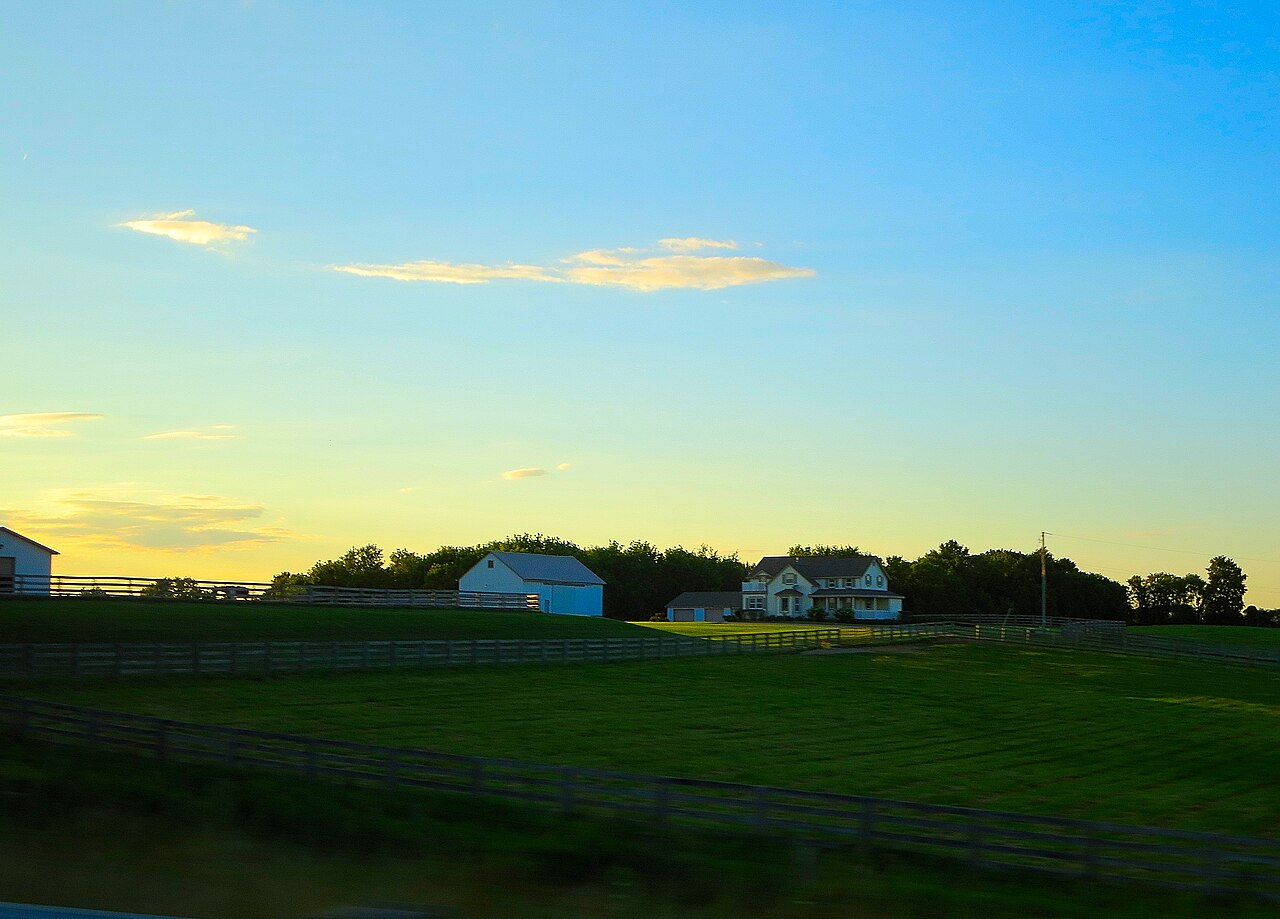
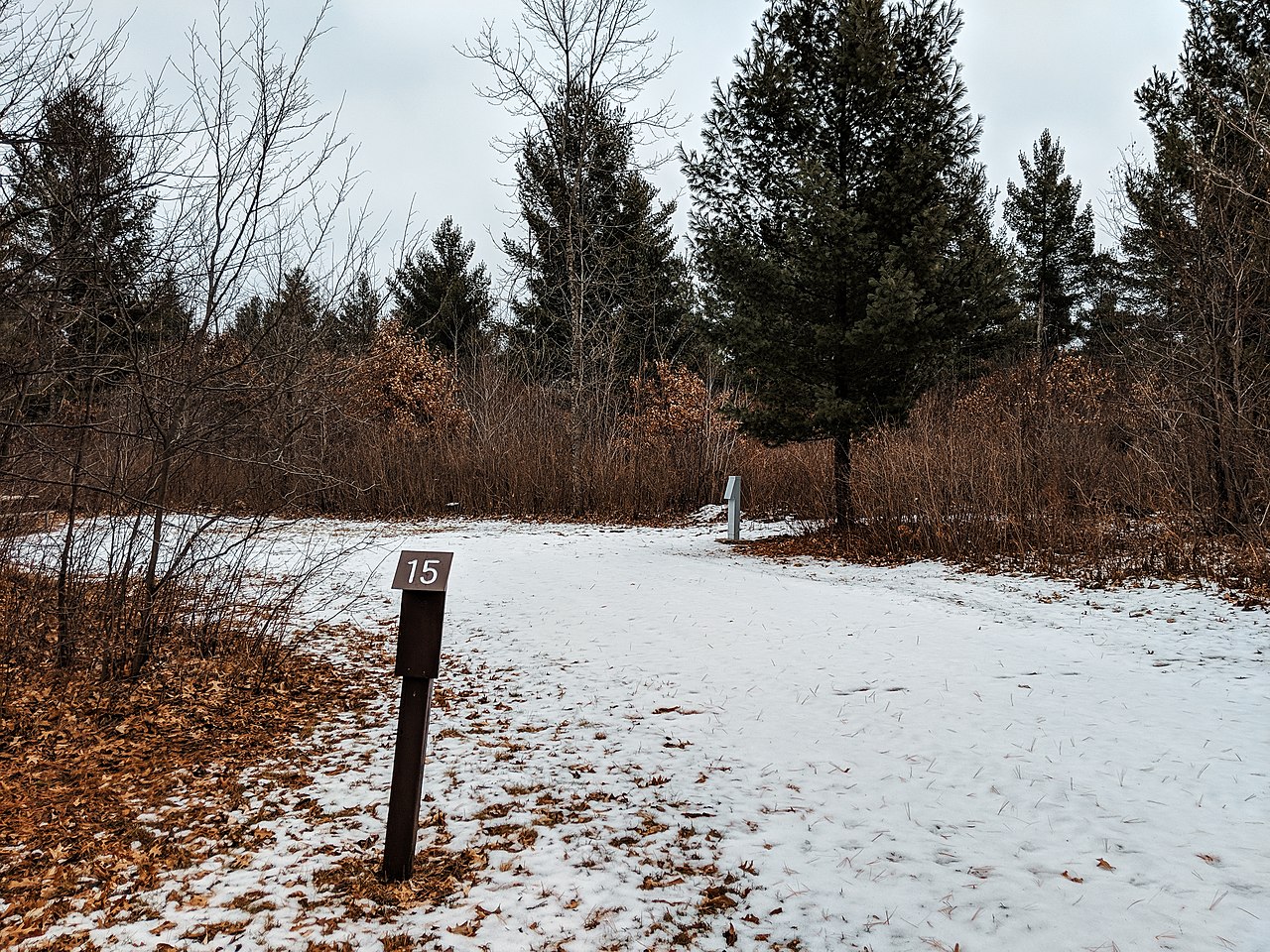
Natural Features and SceneryThe campground sits in a hardwood forest with rolling terrain typical of the Upper Midwest. Trails wind through wooded corridors and open meadows, occasionally reaching overlooks like Nevers Dam for views of the St. Croix River. The river itself isn't constantly visible from trails. Several reviewers hiked for miles and saw less water than expected. But the forest canopy and clearings offer good wildlife watching. White-tailed deer are common and relatively fearless around camp. Expect songbirds, small mammals, and typical forest wildlife, plus open sky in meadow sections for decent sunset and star views.
Geological RegionSt. Croix River valley (part of the St. Croix National Scenic Riverway)
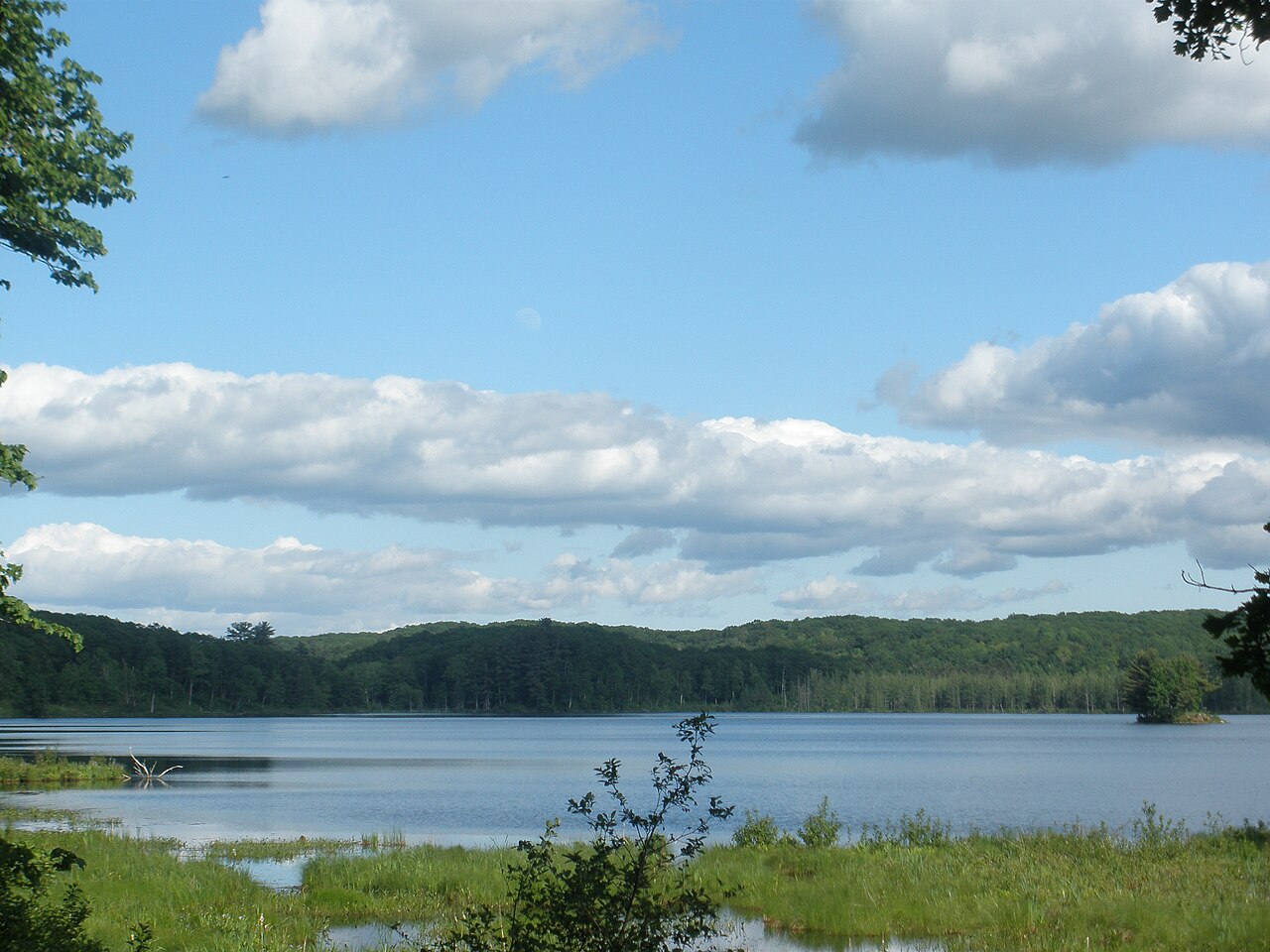
Scenic ViewsOccasional river views are available but many trails and campsites are wooded and set back from the river. Meadow clearings and some campsites offer open-sky views suitable for star-gazing; Nevers Dam overlook is a noted scenic viewpoint in the park.
 4.50
4.50